Tag: chi minh city

  • Ho Chi Minh City Set to Welcome 6,000 New Prime Apartments This Year

    Ho Chi Minh City Set to Welcome 6,000 New Prime Apartments This Year

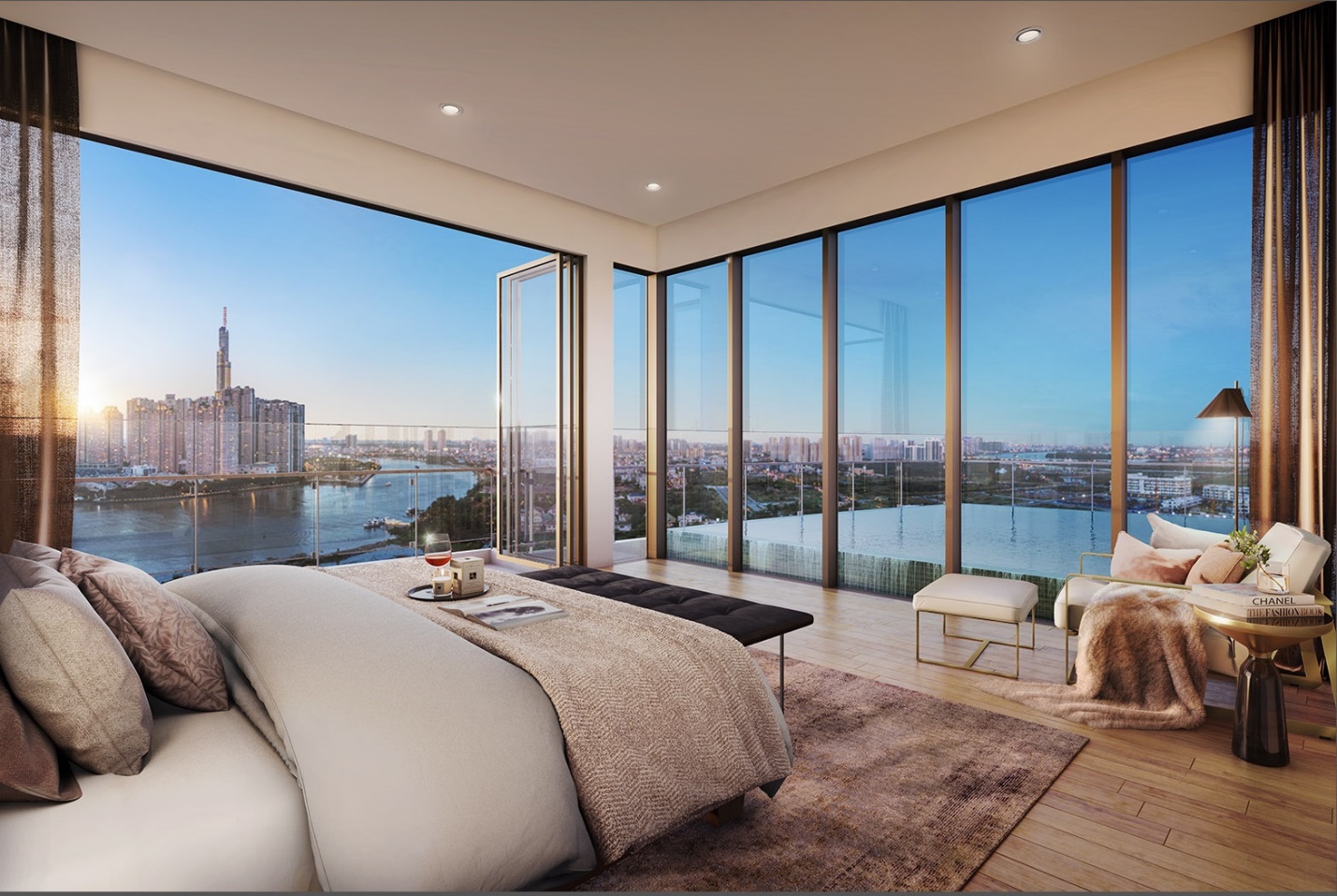
    In a dynamic shift for Ho Chi Minh City’s real estate sector, JLL projects the introduction of an impressive 5,500 to 6,000 high-end apartments and around 1,300 RBL (residential building lot) units by 2025. This surge is anticipated following significant infrastructure completions and the city’s proactive measures to address legal bottlenecks affecting 22 pivotal projects.

    Breaking Ground: HCMC’s Push for Affordable Housing

    Despite being primarily characterized by high-end residential offerings, the report hints that more affordable housing projects are on the horizon, particularly in the outer districts of the city. JLL notes that attractive sales strategies are likely to propel buyer interest, a welcome development for those longing for more budget-friendly options.

    Market Insights: Trends in the High-End Segment

    During the first quarter of 2025, Ho Chi Minh City saw a mere 118 transactions in the high-end apartment market. The excitement, however, is palpable with soft launches from reputable developers such as Eaton Park and Lancaster Legacy anticipated to attract eager buyers.

    In the RBL sector, just 29 transactions were logged, yet Phase 2 of L’Arcade shone brightly with all units sold. The limited primary inventory remains a hurdle, presenting high unit values that pose access challenges for many potential buyers.

    Supply Dynamics: The Search for Balance

    The supply of high-end apartments showcased limited growth in Q1 2025, introducing only 82 new launches, including Kieu by Kita in the CBD fringe. Activity remains vibrant ahead of several large-scale project launches in Q2, with developers collaborating with distribution agents to maximize reach for upcoming ventures such as The Global City’s Sola by Masterise Homes and Keppel’s FORESTA by Khang Dien.

    Price Momentum: Reflecting Investor Confidence

    Price trends are also noteworthy, with the primary cost for high-end apartments increasing by 2.0% quarter-on-quarter to USD 5,104 per square meter. This uptick is bolstered by the handover of 630 units from the ultra-luxury Grand Marina, which saw completed-home prices jump by 5.7% quarter-on-quarter, now standing at USD 3,866 per square meter. Even in the landed property market, primary prices climbed 1.4% quarter-on-quarter and 6.6% year-on-year, illustrating sustained investor confidence.

    Questions & Answers

    What type of housing projects are expected to emerge in Ho Chi Minh City by 2025?
    JLL anticipates a mix of high-end apartments and an important influx of more affordable housing options, especially in the outer districts, to cater to diverse buyer needs.

    How did the high-end apartment market perform in Q1 2025?
    The market recorded only 118 successful transactions, though interest remains healthy with exciting upcoming launches like Eaton Park and Lancaster Legacy drawing attention.

    What factors are driving price increases in Ho Chi Minh City’s real estate market?
    The price growth is largely attributed to the completion of high-end projects like Grand Marina, driving up overall completed-home prices and reflecting strong investor confidence in both high-end and landed property segments.

  • Oh!Some Launches Vibrant Flagship Store in Ho Chi Minh City, Celebrating Its Debut in Vietnam!

    Oh!Some Launches Vibrant Flagship Store in Ho Chi Minh City, Celebrating Its Debut in Vietnam!

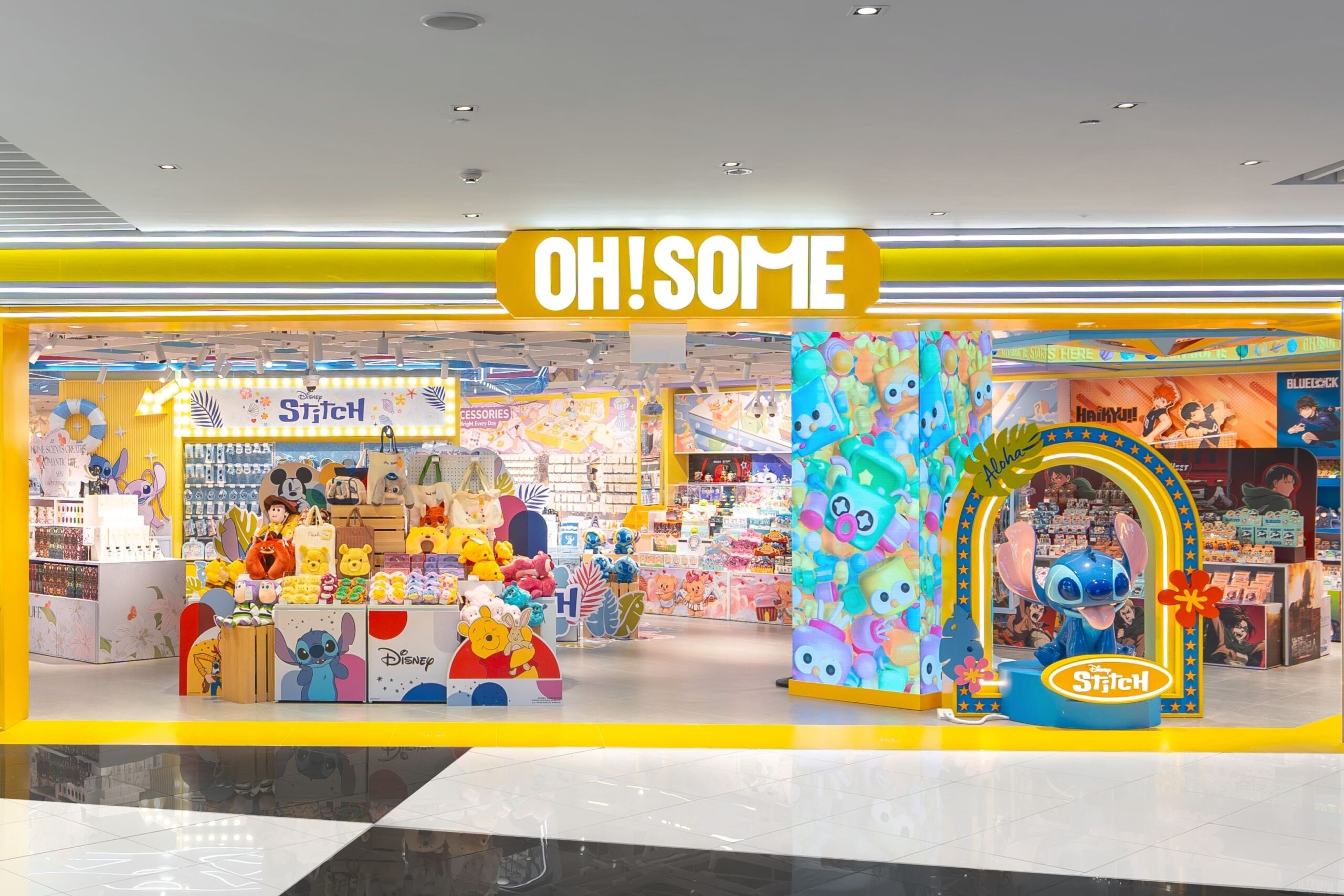
    Oh!Some has recently unveiled a striking flagship store in Ho Chi Minh City, spanning a generous 2,000 square meters. This new outlet elevates the brand’s footprint in Southeast Asia, showcasing a modern shopping experience tailored to attract today’s discerning consumers.

    A Creative Wonderland Awaits

    The flagship at Vincom Center Dong Khoi is more than just a retail location; it is a beautifully designed space that encourages leisurely exploration. With a thoughtfully conceived open-concept layout, shoppers can wander through various sections, discovering everything from premium stationery to trendy toys, and an exciting array of beauty products. Oh!Some aims to infuse daily life with creativity and joy, making it the ideal destination for those looking to combine practicality with style.

    Bringing Disney Magic to Life

    A highlight of this new flagship is Oh!Some’s exclusive partnership with Disney, which is set to launch in 2024. Already, customers are excited about collections inspired by their favorite characters, like the Winnie the Pooh picnic collection and a seaside-themed Stitch collection. These exclusive offerings not only appeal to Disney enthusiasts but also to those who love to express their style.

    Four Themed Zones for Unique Shopping

    The flagship store introduces four innovative themed zones: anime collectibles, travel essentials, gifting solutions, and DIY craft kits. Anime aficionados can find sought-after merchandise from series like “Haikyu!!” and “Attack on Titan.” Meanwhile, travel essentials feature compact beauty kits and practical accessories to suit fast-paced lifestyles. The gifting solutions and DIY craft kits offer personalized options, making shopping feel like an escapade rather than a chore — and who doesn’t enjoy treasure hunts?

    Curated Offerings for Trend-Savvy Shoppers

    Carefully curated for Vietnam’s youthful, trend-savvy consumers, Oh!Some’s product assortment includes popular snacks from Korea and Japan, viral beauty products, and everyday essentials designed with style in mind. Whether it’s a quirky accessory or a practical gadget, every item is selected to reflect freshness and relevance, ensuring shoppers can always find something exciting.

    With over 110 offline stores spanning Singapore, Indonesia, Malaysia, Cambodia, and Vietnam, Oh!Some is quickly cementing its status in the global retail landscape. In Vietnam alone, five of its seven stores are strategically located in Vincom malls, ensuring optimal visibility and customer engagement. The brand’s ambitious plans signal a commitment to becoming a household name on a global scale.

    A Symbol of Commitment

    The Vincom Center Dong Khoi flagship store represents a significant milestone in Oh!Some’s growth in Vietnam. “This is not just our seventh store; it’s a testament to our long-term commitment to this market,” said an Oh!Some representative.

    Nestled in the busy Le Thanh Ton–Dong Khoi area, the Vincom Center is a vibrant hub, connecting local and international audiences and enhancing brand visibility. As Oh!Some collaborates with Vincom to reshape Vietnam’s retail landscape, both brands benefit from a strong synergy that resonates with Gen Z and Millennials seeking enriching lifestyle experiences.

    Oh!Some’s fresh approach balances the allure of premium lifestyle products with accessibility, making it an attractive option for the modern consumer eager for a meaningful shopping experience.

    The flagship store not only showcases Oh!Some’s extensive range of products but also positions itself as a center for future innovations, community events, and creative interactions. With ongoing plans for exclusive membership activities—such as family experiences, themed workshops, and vibrant pop-up events—Oh!Some is transforming the shopping environment into a lively hub of creativity and connection.

    To stay updated on collections and events, customers are encouraged to engage with Oh!Some’s lively presence on Instagram and Facebook at Ohsome Vietnam, where the latest trends await their discovery.

    As Oh!Some embarks on this exciting journey, their flagship store at Vincom Center Dong Khoi promises a vibrant, creative, and joyful lifestyle experience for consumers ready to embrace what the future holds.

    Questions & Answers

    What makes Oh!Some’s flagship store unique?
    Its open-concept design encourages relaxed browsing, featuring themed zones for specialties like anime collectibles and DIY crafts, creating an engaging shopping experience that blends physical discovery with the thrill of online shopping.

    How does Oh!Some cater to local tastes in Vietnam?
    Oh!Some curates its product selection with Vietnam’s dynamic youth in mind, offering popular imported snacks, trendy beauty products, and lifestyle items that resonate with the cultural zeitgeist.

    What are the brand’s future plans for community engagement?
    Oh!Some plans to implement exclusive offline membership activities ranging from interactive workshops to themed family experiences, aiming to establish its store as a vibrant community space beyond traditional retail.

  • Vietnamese Expat Faces Challenges Securing $700,000 Home in Ho Chi Minh City After Canada Return

    Vietnamese Expat Faces Challenges Securing $700,000 Home in Ho Chi Minh City After Canada Return

    After nearly four decades in Canada, my uncle has returned to Vietnam to settle down in his homeland, following the passing of his wife. With his daughter married and living in France and his son residing in the U.S., he thought finding a cozy home in Ho Chi Minh City (HCMC) with a budget of VND18 billion (US$700,000) would be a breeze. However, he was in for a surprise as he soon found tube houses tucked away in narrow alleys commanding prices upwards of VND10 billion — and some even flirting with VND20 billion.

    Despite the current market being described as “frozen,” these diminutive central properties, often measuring barely a few dozen square meters with outdated designs, continue to carry lofty price tags. This perplexing phenomenon is likely mirrored in Hanoi as well.

    Rather than navigating the steep staircases of these narrow homes, my uncle mused about investing in land in a nearby province and building a house with a small yard. Initially, he favored city living for its conveniences and access to medical care, but after weighing the options, he cautiously decided to “leave the decision for next time.”

    Once a practical solution to rapid urban growth during chaotic city planning, tube houses have now morphed into overpriced assets. Prices no longer reflect comfort or practicality, often inflated by rampant speculation, land hoarding, and the prevailing notion that “downtown real estate will always appreciate.”

    While homes in city centers undeniably boast location advantages and resale potential, the reality of treating cramped 4-5 meter wide houses as premium properties exposes a market distortion that prioritizes financial gain over genuine living needs. Instead of enjoying the luxury of space and greenery, many find themselves squeezed into small dwellings simply because they boast billion-dollar valuations on paper.

    The path forward for housing development must embrace a holistic urban strategy that enhances suburban infrastructure, relieves the pressure on city centers, promotes affordable housing, and edges the market away from treating homes as mere investment vehicles.

    If you were in my uncle’s shoes, would you opt for a cramped tube house in a bustling alley, or carve out your dream home on a spacious plot of land in a nearby province?

    Questions & Answers

    What led my uncle to return to Vietnam?
    He returned after living in Canada for nearly 40 years, following the death of his wife, with both his children living abroad.

    What challenges did he face while house hunting in HCMC?
    Despite a solid budget, he found that even small, narrow tube houses were priced way above expectations, with many costing over VND10 billion.

    How can the housing market in Vietnam improve?
    A comprehensive urban strategy is needed that emphasizes suburban development, affordable housing, and a balanced approach to property ownership without excessive speculation.

  • Ho Chi Minh City Plans $1B Boost by Auctioning Six Prime Land Lots in Thu Duc

    Ho Chi Minh City Plans $1B Boost by Auctioning Six Prime Land Lots in Thu Duc

    Ho Chi Minh City is on the brink of a financial windfall, aiming to generate over VND25.4 trillion (approximately US$1 billion) through the auction of six prime land lots in Thu Duc City, notably within the sought-after Thu Thiem urban area. This ambitious plan is set to reshape not just the skyline but also the economic landscape of the region.

    Unlocking Potential in Thu Thiem

    The Department of Agriculture and Environment has kicked off the auction process by proposing starting prices for these attractive land lots, pending final approval from the municipal People’s Committee. One standout initiative involves the Thu Thiem Eco Smart City project, expected to contribute around VND16.2 trillion to the city’s coffers through this auction.

    In a further bid to enhance infrastructure, another lot spanning nearly 15 hectares in the An Phu ward is earmarked for auction. This particular site is linked to a build-transfer (BT) contract aimed at a road project, with an anticipated yield of VND3.49 trillion. Additionally, a plot measuring 828 square meters within the Nam Phan housing project has a proposed price tag of roughly VND19 billion. To round off this lucrative offering, three lots in Thu Thiem are submitted for auction with a combined starting value of about VND5.7 trillion.

    The potential revenue from these six strategic lots promises to be a game-changer, bringing the projected total to VND25.4 trillion.

    Vision for Multifunctional Development

    At a recent investment promotion conference, city officials unveiled plans for a remarkable 239 hectares of land available for auction, encompassing 49 lots in the Thu Thiem new urban area and 189 hectares from other development projects. The vision extends beyond mere real estate sales; this land will be transformed into multifunctional spaces for residential, commercial, educational, and cultural use.

    Looking ahead to 2024-25, Ho Chi Minh City is hopeful for a healthy budget revenue of VND32.8 trillion from land sales, largely driven by these auctions and associated financial obligations. It seems the city is not just selling land; it’s paving the way for dynamic urban living.

    And who knows? With the city’s exciting real estate buzz, maybe the next hot trend will be luxury igloos!

    Questions & Answers

    What is the purpose of the auctions in Ho Chi Minh City?
    The auctions aim to raise over VND25.4 trillion (US$1 billion) by selling prime land lots in Thu Duc City to fund urban development projects.

    What kind of projects will be developed on the auctioned land?
    The land will be turned into multifunctional spaces that include residential, commercial, educational, and cultural facilities.

    What are the expected budget revenues from land auctions in the coming years?
    Ho Chi Minh City officials anticipate budget revenues from land to reach VND32.8 trillion during the 2024-25 period, primarily driven by these upcoming auctions.

  • Ho Chi Minh City Plans to Transition 80% of Ride-Hailing Motorbikes to Electric in Two Years

    Ho Chi Minh City Plans to Transition 80% of Ride-Hailing Motorbikes to Electric in Two Years

    The ambitious goal of introducing 400,000 electric ride-hailing motorbikes in Ho Chi Minh City (HCMC) is within reach, provided there are financial incentives, tax exemptions, and the establishment of sufficient charging stations. This optimistic outlook comes from Le Thanh Hai, director of the Institute for Development Studies, who underscores the transition’s potential to cut costs for drivers and enhance environmental conditions in the city.

    Recent research by the institute reveals a striking difference in daily expenses for fuel between traditional fuel and electric motorbike drivers. Grab and Be ride-hailing drivers currently fork out VND70,000–100,000 (approximately $3 to $4) each day on gasoline, based on survey feedback from 400 participants. In stark contrast, drivers of Xanh SM electric motorbikes pay only VND20,000 for charging.

    When considering battery degradation, wait times, and charging expenses, electric motorbike riders can pocket between VND40,000 and VND60,000 more each day—translating to a monthly income boost of about VND1 million—in comparison to their gasoline-powered peers. These savings could enable them to pay off their vehicle loans in just two to 2.5 years.

    Yet, the journey towards electric rides isn’t without its bumps. Charging infrastructure poses a significant challenge. Electric bikes from brands like VinFast, Selex Motors, DatBike, and Honda typically need 4-10 hours to charge and offer a range of 100-200 kilometers—meaning drivers must charge daily, incurring a loss of income during that time.

    Nguyen Huu Phuoc Nguyen, CEO of electric scooter startup Selex Motors, believes that energy infrastructure will cease to be an obstacle as soon as charging speeds catch up with refueling gasoline. Selex Motors is pioneering a quick two-minute battery-swapping service compatible with various brands, currently operating 50 stations in HCMC, with plans to expand to 200 next year.

    However, Nguyen points out that the absence of standardized charging infrastructure remains a critical issue, as companies often function independently. He urges local authorities to motivate businesses to expand shared charging and battery-swapping networks, promoting a collaborative growth atmosphere.

    Financial considerations also play a crucial role in this transition, particularly for technology drivers who often experience low and unstable incomes. The Institute for Development Studies has teamed up with banks to craft specialized credit products and has secured promising commitments from electric motorbike manufacturers and distributors.

    Moreover, the city has proposed appealing to the central government for the elimination of registration fees and value-added taxes on new electric vehicles and technology drivers for the initial two years. Currently, Vietnam’s transportation sector emits 32.9 million tons of CO2 equivalents annually, with HCMC responsible for about 13 million tons. To actively support green transportation, the city aims to convert all buses to electric or green-energy vehicles by 2030, alongside a comprehensive Vehicle Emissions Control Plan that encourages incentive creation and transition roadmaps for taxis, tech vehicles, passenger cars, and vehicles utilized by public agencies and businesses.

    The road to an electric future may be paved with challenges, but an electric motorbike revolution along the bustling streets of HCMC promises a more sustainable urban environment for everyone— and perhaps even a newfound love for battery-powered journeys!

    Questions & Answers

    What financial support is being proposed for the transition to electric vehicles in HCMC?
    The city recommends that the central government waive registration fees and value-added taxes for new electric vehicles and technology drivers during their first two years.

    How much can electric motorbike drivers potentially save compared to gasoline-powered counterparts?
    Electric motorbike drivers can save between VND40,000 and VND60,000 each day compared to traditional gasoline users, leading to an additional VND1 million in monthly earnings.

    What plans does HCMC have for public transportation concerning green energy?
    HCMC plans to convert all buses to electric or green-energy vehicles by 2030, supporting a broader goal of reducing emissions in the city’s transportation sector.

  • Dodo Pizza, the fastest-growing chain, closes its outlets in Ho Chi Minh City.

    Dodo Pizza, the fastest-growing chain, closes its outlets in Ho Chi Minh City.

    In a surprising twist within the competitive pizza landscape of Vietnam, Dodo Pizza, once hailed as the fastest-growing pizza chain globally, has announced the closure of all four of its outlets in Ho Chi Minh City. The final day of operations is set for May 26, marking the end of a four-year venture in the city.

    In a Facebook update, the company attributed its decision to “various factors and a new strategic direction.” Following the closures, Dodo Pizza will maintain only one location, situated in Binh Phuoc Province, approximately 120 kilometers away from the bustling city.

    Dodo Pizza achieved remarkable recognition in 2021 when U.S.-based food market research firm Technomic praised it as the “fastest-growing pizza chain in the world.” When it first entered the Vietnamese market, the chain identified the region as brimming with potential, particularly due to its expanding middle class. Today, Dodo Pizza operates over 1,300 outlets across 24 countries and reported a revenue increase of 19% last year, reaching a substantial US$1.2 billion.

    In its quest for growth, the company is actively exploring strategic partnerships, targeting national franchisees and multi-unit operators in markets such as the Middle East, Africa, Asia, and South America. However, the Vietnamese food and beverage scene, especially the pizza segment, remains fiercely competitive, with numerous domestic and international brands vying for customer attention. Major players include local favorite Pizza 4P’s, highly recognized American franchises like Pizza Hut and Domino’s Pizza, and Thailand’s The Pizza Company, alongside a host of European and Australian brands.

    The Vietnamese pizza market, valued at $780 million in 2024, is on a growth trajectory, projected to reach $1.1 billion by 2033, according to IMARC Group. As consumer demand for quick and convenient dining rises amid increasingly hectic lifestyles, pizzas are not only a staple in dedicated restaurants but are also making their way onto the menus of an expanding array of hotels and eateries.

    In a landscape where everyone is fighting for the pizza crown, Dodo Pizza’s retreat raises intriguing questions about the resilience of brands in hotly contested markets.

    Questions & Answers

    **What led Dodo Pizza to close its HCMC outlets?**
    The company cited “various factors and a new strategic direction” for the closures.

    How many Dodo Pizza locations will remain open in Vietnam?
    After the closures, Dodo Pizza will have just one remaining location in Binh Phuoc Province.

    What is the current state of the pizza market in Vietnam?
    The Vietnamese pizza market is highly competitive and is projected to grow from $780 million in 2024 to $1.1 billion by 2033, driven by rising demand for convenient dining options.