Nestlé today announced a new plan to tackle child labor risks in cocoa production. At the center is an innovative income accelerator program, which aims to improve the livelihoods of cocoa-farming families, while also advancing regenerative agriculture practices and gender equality. A cash incentive will be paid directly to cocoa-farming households for certain activities such as enrollment of children in school and pruning among several others. Nestlé’s new plan also supports the company’s work to transform its global sourcing of cocoa to achieve full traceability and segregation for its cocoa products. As Nestlé continues to expand its cocoa sustainability efforts, the company plans to invest a total of CHF 1.3 billion by 2030, more than tripling its current annual investment.
The income accelerator program (pdf, 11Mb) offers a novel approach to help support farmers and their families in their transition to more sustainable cocoa farming. The incentives will encourage behaviors and agricultural practices that are designed to steadily build social and economic resilience over time. With Nestlé’s new approach, cocoa-farming families will now be rewarded not only for the quantity and quality of cocoa beans they produce but also for the benefits they provide to the environment and local communities. These incentives are on top of the premium introduced by the governments of Côte d’Ivoire and Ghana that Nestlé pays and the premiums Nestlé offers for certified cocoa. This cocoa is independently audited against the Rainforest Alliance Sustainable Agriculture Standard, promoting the social, economic and environmental well-being of farmers and local communities.
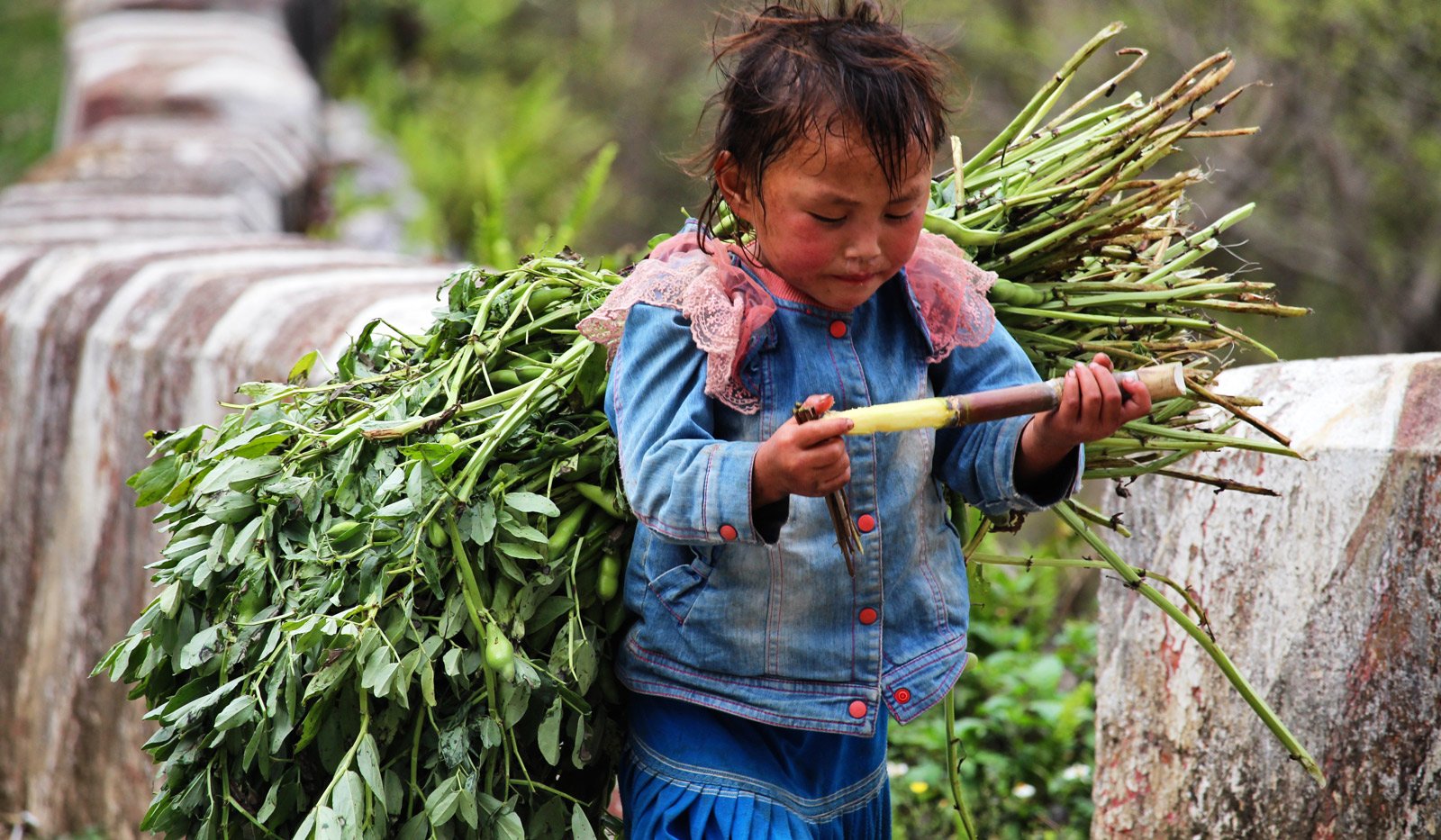
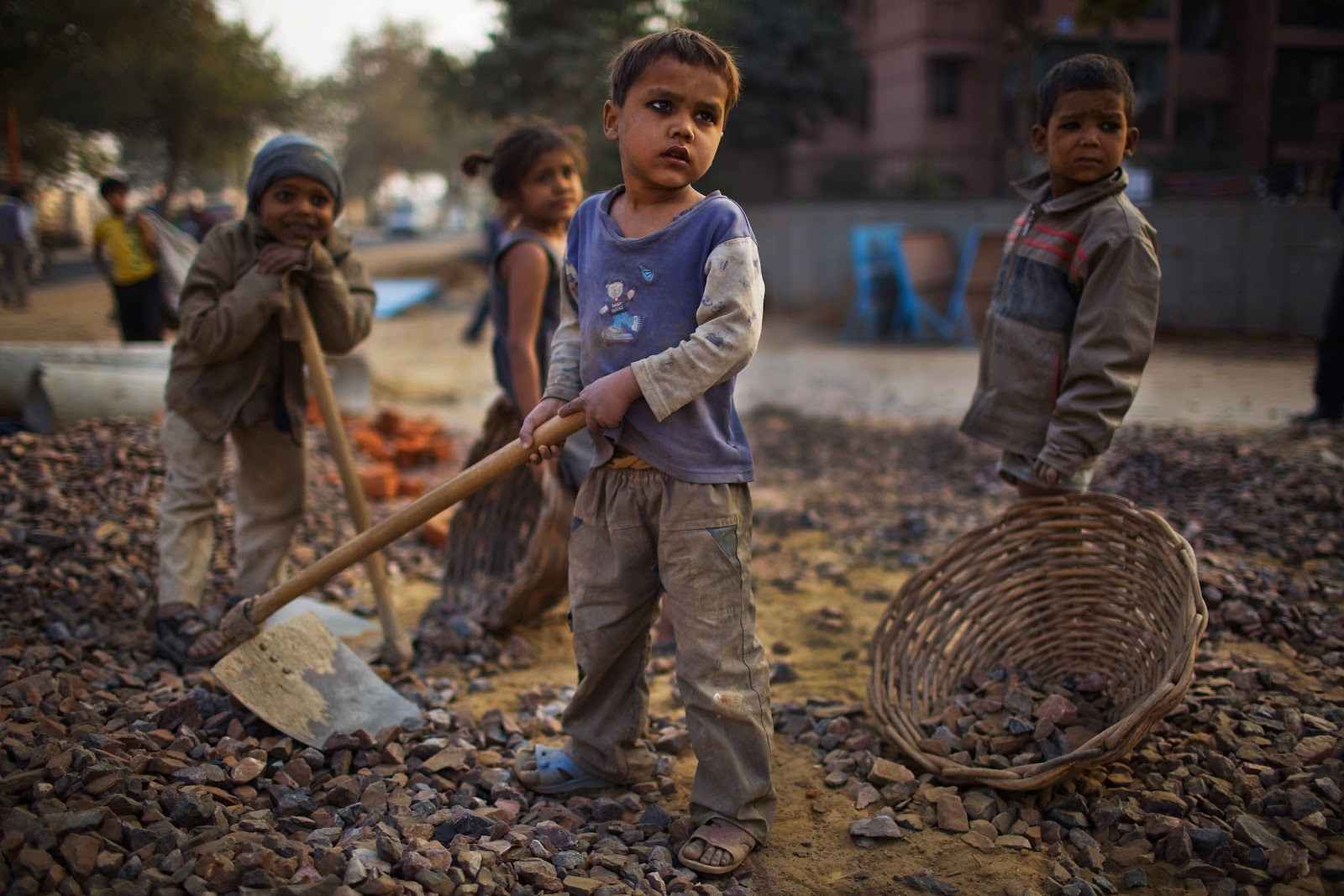
Cocoa-farming communities face immense challenges, including widespread rural poverty, increasing climate risks and a lack of access to financial services and basic infrastructure like water, health care and education. These complex factors contribute to the risk of child labor on family farms. Together with partners, including governments, and building on a promising pilot program, Nestlé’s new initiative sharpens focus on these root causes of child labor.
“Our goal is to have an additional tangible, positive impact on a growing number of cocoa-farming families, especially in areas where poverty is widespread and resources are scarce, and to help close the living income gap they face over time,” said Mark Schneider, Nestlé CEO. “Building on our longstanding efforts to source cocoa sustainably, we will continue to help children go to school, empower women, improve farming methods and facilitate financial resources. We believe that, together with governments, NGOs and others in the cocoa industry, we can help improve the lives of cocoa-farming families and give children the chance to learn and grow in the safe and healthy environment they deserve.”
Creating cash incentives to grow income substantially
The program rewards practices that increase crop productivity and help secure additional sources of income, which aim to close the gap to living income and help protect children. By engaging in these practices, families can additionally earn up to CHF 500 annually for the first two years of the program. The higher incentive at the start will help accelerate the implementation of good agricultural practices to build future impact. This incentive will then be leveled at CHF 250 thereafter as the program starts delivering tangible results. It is not paid based on the volume of cocoa sold and is inclusive to provide smaller farmers meaningful support, leaving no one behind. In a departure from normal practice, the program also offers financial incentives for the farmer’s spouse, who is typically responsible for household expenses and childcare. By dividing the payments between the farmer and the spouse, the program helps empower women and improve gender equality. Examples of practices that Nestlé is incentivizing include:
- School enrollment for all children in the household ages 6-16;
- Implementing good agricultural practices, such as pruning, which increase crop productivity;
- Performing agroforestry activities to increase climate resilience, like planting shade trees;
- Generating diversified incomes, for example through growing other crops, raising livestock such as chickens, beekeeping or processing other products like cassava.
Payments will be delivered via a secure mobile service transfer that will ensure traceability directly from Nestlé suppliers to the intended recipient. Because cash flow throughout the year is often a challenge, cash incentives will be distributed when they are needed most. Based on feedback from farmers, this includes the back-to-school period and before the rainy season. Third parties, including International Cocoa Initiative and Rainforest Alliance, will work with Nestlé to monitor participation.
Helping farmers implement sustainable, scalable practices
Building on the positive results of an initial pilot in 2020 with 1,000 farmers in Côte d’Ivoire, in 2022 Nestlé will expand the program to include 10,000 families in the country, before extending it to Ghana in 2024. It will then assess the results of that test phase and adapt where necessary, before moving to reach all cocoa-farming families in its global cocoa supply chain by 2030.
Nestlé will help ensure farmers have the resources, training and social and financial structures to make lasting changes by:
- Enhancing the existing monitoring and remediation system to help identify, prevent and address child labor risk and increase school enrollment;
- Offering families training through the Gender Action Learning System and on household financial planning and entrepreneurship;
- Organizing and training local groups to perform pruning and other beneficial agricultural tasks within a given cooperative each year;
- Providing income diversification opportunities for farmers and their spouses;
- Helping set up Village Savings and Loans Associations (VSLA), focused on women, to encourage savings and provide loans for small business opportunities.
Feedback and input from farmers and farmer cooperatives, as well as ongoing data collection and evaluation by third parties, will be used to inform, modify and improve the program as it scales up to more communities. In addition, independent oversight will be provided by a multistakeholder strategic advisory committee managed by IDH-The Sustainable Trade Initiative, a leading foundation that works to improve the sustainability of international supply chains.
Tracing all cocoa from origin to factory
As part of the program, Nestlé will transform the global sourcing of cocoa to achieve full traceability and segregation of its cocoa products from origin to factory. This new effort will help transform the supply chain of Nestlé and the broader industry. Nestlé will introduce a range of products with cocoa sourced from this innovative program, offering consumers the opportunity to support the improvement of the families’ livelihoods and the protection of children. This will start with a selection of KitKat products in 2023.
“Our actions can help catalyze change on an important topic that is so close to our hearts. They will drive accountability and transparency across the industry, at a time when customers, employees and communities increasingly expect companies to deliver on their shared values,” said Magdi Batato, Executive Vice President and Head of Operations. “By increasing traceability at scale, we will help build consumer trust in our products and respond to the growing demand for responsibly and sustainably sourced cocoa.”
Today’s announcement builds on Nestle’s longstanding efforts to tackle child labor risks in cocoa production. The company has invested in sustainability through the Nestlé Cocoa Plan since 2009. Through a robust monitoring and remediation system (pdf, 3Mb) instituted since 2012, 149,443 children have been assisted to protect them against the risk of child labor, and 53