Tag: child

  • Singha Beer Heiress Withdraws Ungrateful Child Suit Amidst Family Scandal

    Singha Beer Heiress Withdraws Ungrateful Child Suit Amidst Family Scandal

    On Wednesday, a mother from one of Thailand’s wealthiest families officially withdrew the lawsuit she lodged against her son under the “ungrateful child law.” The litigation stemmed from accusations her son, Siranudh “Psi” Scott, made against his older brother of sexual abuse. The mother, Jeeranuch Bhirombhakdi, is part of the billionaire family that founded Thailand’s Singha beer empire.

    The Ungrateful Child Law and Its Implications

    The “ungrateful child law,” invoked by Jeeranuch in February, provides parents the right to revoke gifts if their children are deemed ungrateful, abusive, neglectful in their later years or if they cause significant reputational damage. Triggered by the lawsuit, Siranudh disclosed in May that he had suffered sexual abuse at the hands of his elder brother, Sunit, and his babysitter.

    Jeeranuch contended that Siranudh’s accusations tarnished the family’s reputation. As a result, she sought to reclaim land valued in the millions that his late grandfather had bequeathed him. Despite the case withdrawal, Siranudh reported to journalists outside the courtroom, “Even though they withdrew the case, my life is still shattered.”

    Family Dispute Publicized

    Approximately 20 of Siranudh’s advocates assembled near the court, bearing paper flowers and photographs of him. Siranudh expressed that he could not consider the lawsuit withdrawal a victory, as the case should never have been initiated. He insisted, “I’ve never been ungrateful to anyone.”

    Parnthep Pourpongpan, Siranudh’s representative, informed reporters that Jeeranuch’s filing suggested resolution within the family due to the dispute’s familial nature. In a Friday-dated statement, Jeeranuch declared her willingness to converse, provided it was conducted with “love and genuine goodwill.” Jeeranuch also indicated her readiness to “respect and accept” the judicial process concerning the issue between her sons. She expressed her hope that “the truth will come to light and fairness will be served to both of my children.”

    Denying the allegations against him, Sunit admitted to roughhousing between the siblings. Singha’s parent company, Boonrawd Brewery, terminated Sunit’s executive role in May. According to Forbes, the Bhirombhakdi family ranks as Thailand’s 15th richest, with a net worth of approximately US$1.75 billion.

    Questions & Answers

    What is the “ungrateful child law”?
    The “ungrateful child law” is a measure that allows parents to revoke gifts to their children if they are deemed ungrateful, physically abusive, neglectful in old age, or responsible for serious reputational harm.

    Why did Jeeranuch Bhirombhakdi file a lawsuit against her son, Siranudh?
    Jeeranuch filed the lawsuit under the “ungrateful child law” after Siranudh accused his older brother of sexual abuse, which she claimed had damaged the family’s reputation.

    What happened to Sunit, the elder brother accused of sexual abuse?
    Sunit denied the allegations against him and was subsequently dismissed from his executive role at the family’s business, Boonrawd Brewery.

  • Revolution in Digital Age Verification: Child Safety Advances Amid Global Social Media Clampdown

    Revolution in Digital Age Verification: Child Safety Advances Amid Global Social Media Clampdown

    In recent years, technology firms have been reluctant to constrict minors’ access to their platforms, citing technical constraints, practicality issues, overreach, and security threats. However, an increasing number of governments are now viewing these challenges as surmountable and are moving forward with stringent new age-verification requirements for social media networks, AI chatbots, and adult content providers alike.

    Global Regulatory Shifts

    Following Australia’s notable prohibition on adolescent social media accounts three months ago, regulatory bodies across Europe, Brazil, and several U.S. states are seeking to replicate the move. High-profile political figures such as California Governor Gavin Newsom and former President Donald Trump have also reportedly shown interest in implementing age restrictions.

    The driving forces behind these regulatory changes are mounting anxieties over online abuse and adolescent mental health issues, recent outrage over AI-generated explicit images of children, and a growing faith in the potential of ‘age assurance’ software. Such software can estimate an individual’s age based on facial analysis, parental permission, ID checks, and other digital hints.

    Technological Advancements and the Age Assurance Market

    Recent strides in artificial intelligence have enhanced the efficiency and reduced the cost of age-verification tools. Social media enterprises can now often accurately determine a user’s age group using digital indicators such as the account creation date and the type of content viewed. Meanwhile, an emerging industry of age-verification vendors offers added layers of checks through automated tools like facial scans and machine-based analysis of government IDs.

    App store platforms like Apple and Google have also introduced tools that enable parents to communicate their child’s age range to app developers. This overall improvement in technology and the resultant drop in verification costs have expanded the scope of its application.

    Cost and Effectiveness of Age Verification

    Age-verification vendors usually charge less than a dollar per check for basic machine-only age-assurance tools. Traditional methods that were standard a decade ago, such as human confirmation and triangulation of personal data, are still available at a premium but are needed less frequently. Furthermore, independent evaluations show progress in the accuracy and precision of these tools.

    For example, face-scanning software was off in age estimations by an average of 4.1 years in 2014, while by 2024, this average has dropped to 2.5 years. The latest models from vendors like Yoti and Persona boast of an average error of less than two years for the age range of 13 to 18.

    Challenges and Limitations

    Despite these advancements, there are still limitations. The systems face difficulties with certain skin tones and older phones. Also, they might fail to catch attempts by youngsters to appear older than they are. However, executives believe that facial age estimation can offer a digital equivalent of offline age screening.

    Adding to this, social media services generally require fewer facial scans and ID checks than adult content or gambling sites due to the abundance of personal information they have on users. This allows them to depend more on an age-verification method called ‘inference’.

    Early Implementation Results

    While it’s too early to assess the full impact of Australia’s teen ban, preliminary results are promising. According to Australia’s eSafety Commissioner, companies have blocked 4.7 million suspected underage accounts since the law came into effect. Regulators in other countries are closely monitoring these developments as they consider implementing similar measures.

    Questions & Answers

    What are some of the driving forces behind the implementation of age verification measures?
    Concerns over online abuse, adolescent mental health issues, and the spread of AI-generated explicit child images have all contributed to the push for stricter age verification measures.

    How have technological advancements influenced the age assurance market?
    Advancements in artificial intelligence have improved the efficiency and lowered the cost of age-verification tools. This has broadened the scope of their application beyond high-value transactions.

    What limitations do current age-verification systems face?
    Current age-verification systems can struggle with certain skin tones and older phones. They may also fail to catch attempts by youngsters to appear older than they are. These challenges highlight the need for ongoing refinement and improvement in this technology.

  • Nestlé pledges to improve sustainable farming practices, end child labour

    Nestlé pledges to improve sustainable farming practices, end child labour

    Nestlé today announced a new plan to tackle child labor risks in cocoa production. At the center is an innovative income accelerator program, which aims to improve the livelihoods of cocoa-farming families, while also advancing regenerative agriculture practices and gender equality. A cash incentive will be paid directly to cocoa-farming households for certain activities such as enrollment of children in school and pruning among several others. Nestlé’s new plan also supports the company’s work to transform its global sourcing of cocoa to achieve full traceability and segregation for its cocoa products. As Nestlé continues to expand its cocoa sustainability efforts, the company plans to invest a total of CHF 1.3 billion by 2030, more than tripling its current annual investment.

    The income accelerator program (pdf, 11Mb) offers a novel approach to help support farmers and their families in their transition to more sustainable cocoa farming. The incentives will encourage behaviors and agricultural practices that are designed to steadily build social and economic resilience over time. With Nestlé’s new approach, cocoa-farming families will now be rewarded not only for the quantity and quality of cocoa beans they produce but also for the benefits they provide to the environment and local communities. These incentives are on top of the premium introduced by the governments of Côte d’Ivoire and Ghana that Nestlé pays and the premiums Nestlé offers for certified cocoa. This cocoa is independently audited against the Rainforest Alliance Sustainable Agriculture Standard, promoting the social, economic and environmental well-being of farmers and local communities.

    Cocoa-farming communities face immense challenges, including widespread rural poverty, increasing climate risks and a lack of access to financial services and basic infrastructure like water, health care and education. These complex factors contribute to the risk of child labor on family farms. Together with partners, including governments, and building on a promising pilot program, Nestlé’s new initiative sharpens focus on these root causes of child labor.

    “Our goal is to have an additional tangible, positive impact on a growing number of cocoa-farming families, especially in areas where poverty is widespread and resources are scarce, and to help close the living income gap they face over time,” said Mark Schneider, Nestlé CEO. “Building on our longstanding efforts to source cocoa sustainably, we will continue to help children go to school, empower women, improve farming methods and facilitate financial resources. We believe that, together with governments, NGOs and others in the cocoa industry, we can help improve the lives of cocoa-farming families and give children the chance to learn and grow in the safe and healthy environment they deserve.”

    Creating cash incentives to grow income substantially

    The program rewards practices that increase crop productivity and help secure additional sources of income, which aim to close the gap to living income and help protect children. By engaging in these practices, families can additionally earn up to CHF 500 annually for the first two years of the program. The higher incentive at the start will help accelerate the implementation of good agricultural practices to build future impact. This incentive will then be leveled at CHF 250 thereafter as the program starts delivering tangible results. It is not paid based on the volume of cocoa sold and is inclusive to provide smaller farmers meaningful support, leaving no one behind. In a departure from normal practice, the program also offers financial incentives for the farmer’s spouse, who is typically responsible for household expenses and childcare. By dividing the payments between the farmer and the spouse, the program helps empower women and improve gender equality. Examples of practices that Nestlé is incentivizing include:

    • School enrollment for all children in the household ages 6-16;
    • Implementing good agricultural practices, such as pruning, which increase crop productivity;
    • Performing agroforestry activities to increase climate resilience, like planting shade trees;
    • Generating diversified incomes, for example through growing other crops, raising livestock such as chickens, beekeeping or processing other products like cassava.

    Payments will be delivered via a secure mobile service transfer that will ensure traceability directly from Nestlé suppliers to the intended recipient. Because cash flow throughout the year is often a challenge, cash incentives will be distributed when they are needed most. Based on feedback from farmers, this includes the back-to-school period and before the rainy season. Third parties, including International Cocoa Initiative and Rainforest Alliance, will work with Nestlé to monitor participation.

    Helping farmers implement sustainable, scalable practices

    Building on the positive results of an initial pilot in 2020 with 1,000 farmers in Côte d’Ivoire, in 2022 Nestlé will expand the program to include 10,000 families in the country, before extending it to Ghana in 2024. It will then assess the results of that test phase and adapt where necessary, before moving to reach all cocoa-farming families in its global cocoa supply chain by 2030.

    Nestlé will help ensure farmers have the resources, training and social and financial structures to make lasting changes by:

    • Enhancing the existing monitoring and remediation system to help identify, prevent and address child labor risk and increase school enrollment;
    • Offering families training through the Gender Action Learning System and on household financial planning and entrepreneurship;
    • Organizing and training local groups to perform pruning and other beneficial agricultural tasks within a given cooperative each year;
    • Providing income diversification opportunities for farmers and their spouses;
    • Helping set up Village Savings and Loans Associations (VSLA), focused on women, to encourage savings and provide loans for small business opportunities.

    Feedback and input from farmers and farmer cooperatives, as well as ongoing data collection and evaluation by third parties, will be used to inform, modify and improve the program as it scales up to more communities. In addition, independent oversight will be provided by a multistakeholder strategic advisory committee managed by IDH-The Sustainable Trade Initiative, a leading foundation that works to improve the sustainability of international supply chains.

    Tracing all cocoa from origin to factory

    As part of the program, Nestlé will transform the global sourcing of cocoa to achieve full traceability and segregation of its cocoa products from origin to factory. This new effort will help transform the supply chain of Nestlé and the broader industry. Nestlé will introduce a range of products with cocoa sourced from this innovative program, offering consumers the opportunity to support the improvement of the families’ livelihoods and the protection of children. This will start with a selection of KitKat products in 2023.

    “Our actions can help catalyze change on an important topic that is so close to our hearts. They will drive accountability and transparency across the industry, at a time when customers, employees and communities increasingly expect companies to deliver on their shared values,” said Magdi Batato, Executive Vice President and Head of Operations. “By increasing traceability at scale, we will help build consumer trust in our products and respond to the growing demand for responsibly and sustainably sourced cocoa.”

    Today’s announcement builds on Nestle’s longstanding efforts to tackle child labor risks in cocoa production. The company has invested in sustainability through the Nestlé Cocoa Plan since 2009. Through a robust monitoring and remediation system (pdf, 3Mb) instituted since 2012, 149,443 children have been assisted to protect them against the risk of child labor, and 53

  • 8 types of learning toys that every child should have

    8 types of learning toys that every child should have

    Throughout time toys have played a significant role in children’s learning and development, especially educational ones. It’s not exaggerating to say that toys are the best companions to our kids. In general, parents do not always have time to be their companions, even though they strive to spend time with them as much as possible. Somehow, toys play this magical role to make your child’s time more playful and meaningful.

    To cultivate your child’s interest, they need to have a few different types of learning toys.

    Plush toys or stuffed animals

    Usually, a plush toy is the first type of toy that every child will have, like a teddy bear or stuffed animal. It seems that it’s a never-die industry everywhere in the world. If this type of toy exists forever, there must be something that we shouldn’t ignore.

    Kids love hugging soft animals to sleep. Studies showed that teddy bears help improve psychological well-being. “It’s human nature to crave these feelings from childhood to adult life” said psychologist Corrine Sweet. Nevertheless, parents should be aware of the materials and components when choosing stuffed toys for kids to avoid unnecessary dangers.

    Puzzles

    Unlike dolls and stuffed animals, puzzles are important toys to help kids learn and enhance their necessary critical skills through play. They could grow with your kids in parallel as they will become more interested in solving puzzles with greater difficulty. Once they are interested, they will spend the whole day solving puzzles.

    Apart from brain development, puzzles, like jigsaws and wooden puzzle board, are excellent educational learning kits for children, to keep their mind away from mobile devices.

    Essential skills kids will benefit from puzzles:

    • Fine motor skills.
    • Memory and cognitive abilities and skills.
    • Problem-solving skills.
    • Independent thinking skills.
    • Object sorting skills.
    • Ability to solve particular needs.
    • Ability to combine objects.

    Musical toys

    Music is a beautiful international language that can cross beyond nations, cultures, and races.

    Music plays a significant role to enrich our lives. It’s essential for kids to grow and boost brain development, which is a critical part of developing cognitive abilities, language, listening, and speaking skills.

    Kids are naturally curious about the sounds from different instruments. Being curious about something means they have an interest in it. That means it can be a powerful tool to develop necessary skills through musical toys.

    Other vital skills kids can acquire through musical toys:

    • Cognitive skills enhancement and sensory development.
    • Gross and fine motor skills development.
    • Self-expression and self-confidence.

    Role-playing toys

    Kids love role-playing! It helps engage kids with learning through imaginative plays. In general, kids learn from real-life environments much faster than from any books. Role-playing is an essential scenario-based learning tool for kids to understand the importance of their behaviours, activities, relationships, and roles in this society.

    Furthermore, kids have the opportunities to “outgrow” and develop these core skills:

    • Critical thinking skills.
    • Communication and collaboration skills.
    • Decision-making skills.
    • Risk analysis skills.
    • Interpersonal skills.

    Role-playing toys provide simulating scenario-based learning environments for kids to learn and explore in immersive environments.

    Dress-up play toys

    Similar to role-playing toys, dress-up play toys provide imaginative simulating environments for kids to experience and explore possible real-life scenarios through fun plays. Kids have room to design their clothes for toys with their creativity and imagination. In the whole process, kids can enjoy pretending to be the role or character they are dreaming of being, which helps develop their interpersonal skills and self-exploration.

    Furthermore, it’s also important to develop gross and fine motor skills in early childhood. Parents can also play with your kids if possible as that’s the best way to understand more of your kids, like who they want to be and what they want to do in the future.

    Builder and construction toys

    STEM or STEM-related toys, such as builder and construction toys, have successfully grabbed massive attention from parents and educators worldwide. The reasons behind this are quite simple – the STEM workforce is in high demand all over the world, especially in an ever-connected world, as it is essential to cultivate your child’s interest and ignite their passion in STEM areas with STEM toys at an early age.

    More are more STEM-based programs or campuses will be built up worldwide to meet the increasing enrolments. The United States and China have been putting many efforts into supporting and encouraging kids and teenagers to pursue STEM curricula.

    Vehicles toys

    Vehicle toys, such as cars, trucks, trains, or aeroplanes, have the potential to stimulate children’s development in a prolonged way. Research showed that car toys might aid kids’ emotional, social, and physical development as well as language and communication skills.

    They allow your children to simulate sitting on the vehicles with creativity and imagination on the road, which provides a dynamic learning environment for them to experience many possible opportunities and scenarios for the future through imaginative play. Kids can be the creators of their future and life. Parents can participate in their games or encourage them to play with their companions. It’s a great way to develop their teamwork and communication skills for the long term.

    Board games

    Although we cannot say all kids love games, they usually wouldn’t hate them. Actually, interactive-based learning games, such as board games, are prevalent among kids.

    Here are the essential skills kids can expect to gain through interactive-based learning games:

    • Focus and concentration.
    • Communication skills.
    • Independent thinking.
    • Problem-solving skills.
    • Improving self-esteem: they learn how to accept reality when they lose games.

    Although we cannot only rely on toys to develop children’s abilities and skills, it’s also undeniable that toys play essential roles in enhancing their development in multiple areas from different perspectives.


     

  • Vietnam child labor rate lower than regional average

    Vietnam child labor rate lower than regional average

    Vietnam’s rate of child labor, 5.3 percent, is around 2 percentage points lower than the average in Asia and the Pacific, a study has found.

    This equates to more than one million children in the ages of 5-17 engaged in labor, the survey was done in 2018 by the Ministry of Labor, Invalids and Social Affairs, the General Statistics Office, and the International Labour Organization and released recently, said.

    They undertake work that is prohibited because of their age, the number of working hours or the nature of the tasks involved.

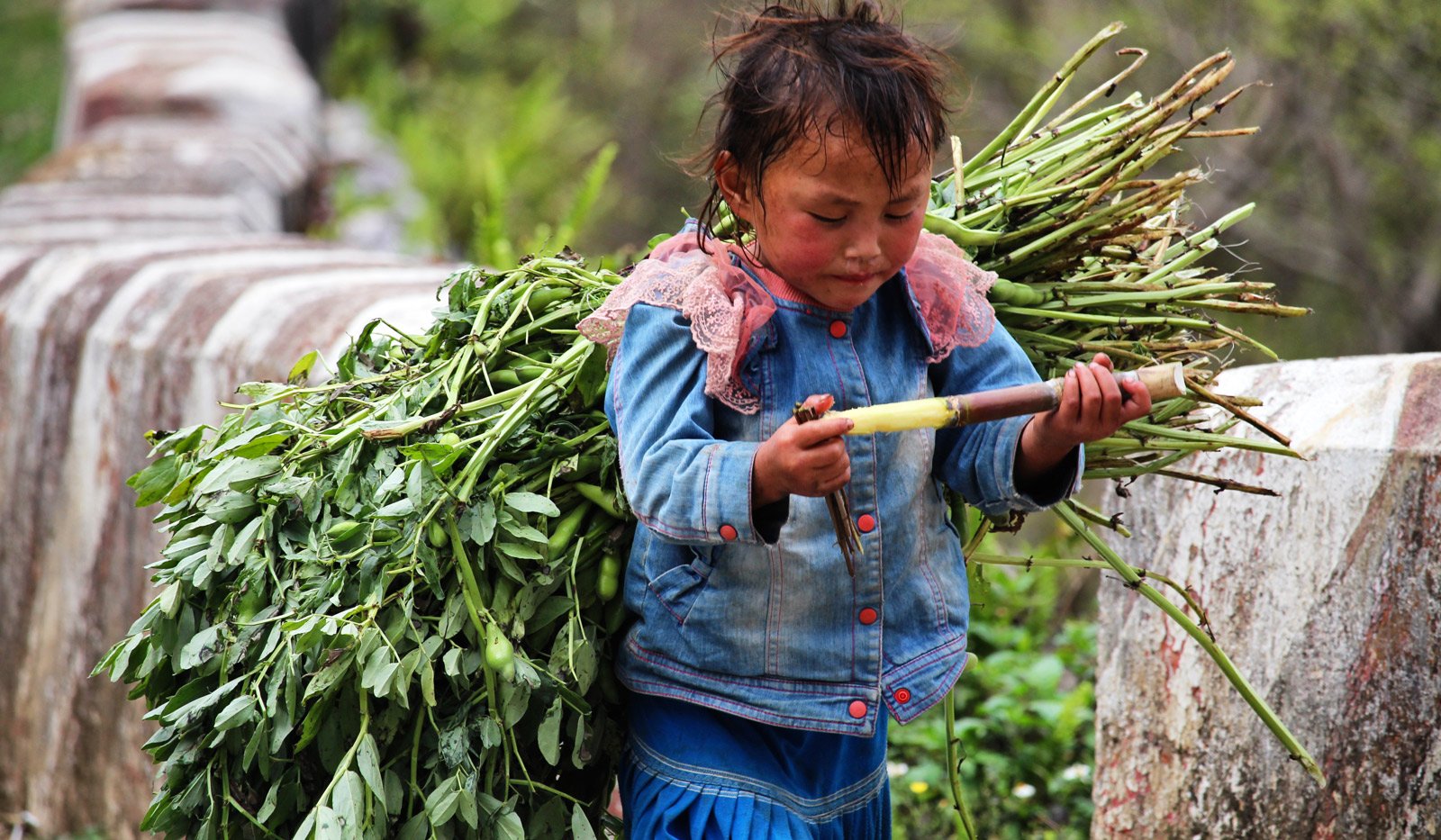
    In line with global trends, 84 percent of child laborers in Vietnam are in rural areas, over half working in agriculture, forestry or fisheries.

    Other sectors where child labor is prevalent include services, industry, and construction. More than 40 percent are unpaid.

    “Child labor tends to take place in informal household enterprises down the manufacturing and production supply chains, which makes it difficult to detect,” ILO Vietnam director Chang Hee Lee said.

    The survey estimates that nearly 520,000 children in Vietnam are engaged in hazardous work or work which poses significant risks to a child’s health, safety or morals. Many of them work in industry and construction.

    The number of hours children in hazardous jobs work tends to be high, with 40.6 percent working over 40 hours a week.
    Only half of child laborers attend school, compared to the national average of 94.4 percent.

    Efforts must be speeded up immediately to end child labor in all its forms, the ILO said.

  • Tablez launches OshKosh in India

    Tablez launches OshKosh in India

    US children’s-clothing brand OshKosh B’gosh is launching in India in partnership with local retail group Tablez.

    With the new launch, OshKosh in India will offer a wide selection of kid items, including its headline products the World’s Best Overalls and Heritage Logo Hoodies. Pricing will range between INR499 (US$7) to INR2499 ($35).

    Adeeb Ahamed, MD at Tablez, said OshKosh will launch on online platform Myntra, which will enable OshKosh to reach a large expanse of the fashion-conscious consumers across the country.

    “The brand has great potential to become a leader in the kids wear segment in the market,” he said.

    Founded in 1895, OshKosh B’gosh is known for its signature kid-friendly style which is rooted in denim and an optimistic color palette.

    Before launching OshKosh in India, Tablez has introduced other major brands to India, including Springfield, Toys R Us, and Yoyoso. Tablez currently operates more than 70 outlets globally and plans to expand to 300 outlets next year.

  • Shopee Boosts Online Baby Care Offerings For Millennial Mothers with Johnson’s

    Shopee, Southeast Asia and Taiwan’s leading e-commerce platform, today announced the expansion of their online baby care offering with Johnson’s®, a leading brand in the baby personal care category. Through this partnership, Shopee hopes to offer time-starved millennial mothers easy access to an even wider range of baby care products from Johnson’s®.

    The announcement comes on the heels of strong performance over close to three years of partnership. Overall sales of products on the Johnson & Johnson Official Store on Shopee has grown more than 10xyear-on-year. Some of the store’s best sellers include Johnson’s® Top-to-Toe Baby Bath, Desitin™ Diaper Rash Cream and Aveeno™ Dermexa range of products for eczema-prone skin.

    According to the latest data from App Annie, consumer spending in app stores is expected to surpass more than $120 billion in 2019. Millennial mothers are also using their phones for almost everything – from shopping online, to browsing social media and reading work emails. With over 95% of orders on Shopee made through mobile phones, including baby products like milk powder, diapers and other baby essentials, Shopee believes that this strategic partnership will help us to reach even more Singaporean parents by 2020.

    Zhou Junjie, Chief Commercial Officer, Shopee said, “The joint decision to expand Johnson’s® online baby care offering on Shopee is a natural extension of our partnership, as we have seen steadily growing demand for baby products since the brand’s launch on our platform in 2016. Millennial mothers are time-starved from juggling multiple roles, and we are thrilled to be able to provide increased convenience and a reliable shopping option for them by offering a wider variety of baby care products. Through this collaboration with Johnson’s®, a brand with 125 years of unwavering commitment to providing the best care for babies and children, we hope to create more meaningful shopping experiences and peace-of-mind to millennial mothers who want the best for their children.”

    Guillermo Frydman, Managing Director, Johnson & Johnson Singapore said, “Given the growth of e-commerce in Singapore and the increasing trend of millennial parents shopping online, we believe that by teaming up with Shopee, Johnson’s® will be able to reach out to even more parents. Parents who are searching for trusted baby care products online can rest assure that they can get Johnson’s® products via a reliable and secure platform like Shopee. As a market leader in the baby care category, Johnson’s®is committed to delivering the best for babies by advancing the science of baby skin care to meet the evolving needs of generations of parents. Parents trust that we will offer only the gentlest of care to their babies.”