Tag: childrenswear

  • H&M Fined $138,600 over Children’s Fire Hazard Labels in Australia

    H&M Fined $138,600 over Children’s Fire Hazard Labels in Australia

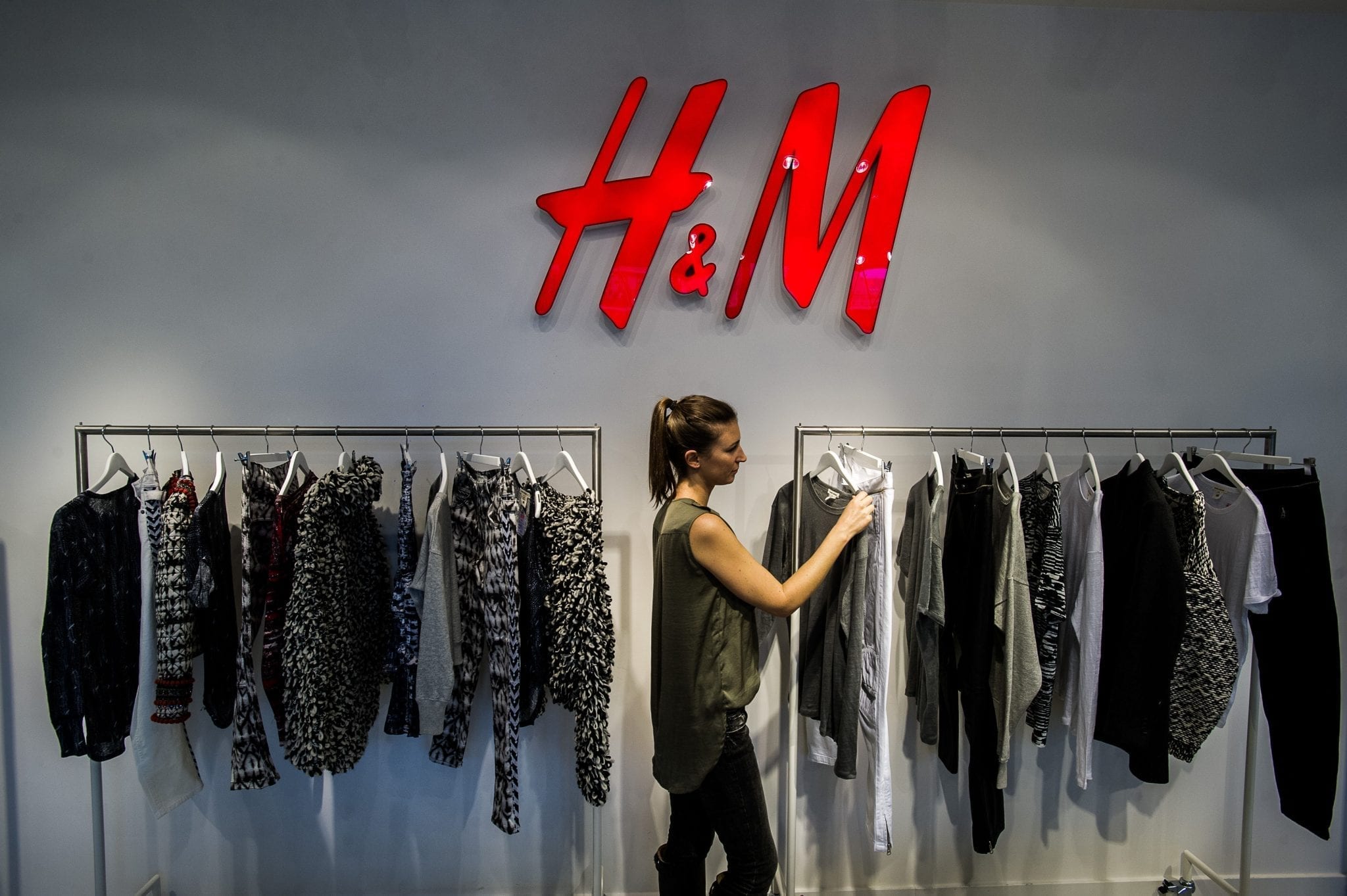
    H&M Australia has paid $138,600 in penalties after the Australian Competition and Consumer Commission issued seven infringement notices for alleged breaches of the Consumer Law.

    The regulator cited the retailer for supplying 4,473 items across four types of children’s nightwear that failed mandatory fire safety requirements. Under Australian standards, children’s nightwear must display explicit hazard ratings of either ‘high fire danger’ or ‘low fire danger’, dictated by fabric makeup and rigorous flammability testing.

    The enforcement action follows voluntary recall notices that H&M Australia issued for the non-compliant lines in July 2024, April 2025 and June 2025.

    Inspection Failures and Label Deficiencies

    Some garments reached store shelves with no warning tag at all. Other items carried labels with inaccurate warning wording or displayed the tags in unauthorised positions, obscuring critical hazard information from shoppers.

    H&M admitted to the conduct following the enforcement action. The retailer has committed to funding a public awareness campaign explaining fire hazard labels on children’s clothing, advertising its recall notices further, and overhauling internal compliance checks via a formal safety compliance program.

    “Without the correct labelling, parents or carers may have been unaware of the severity of the risk to children wearing these garments and being close to heat or flame. This creates an unacceptable risk of serious injuries to children,” said ACCC deputy chair Catriona Lowe.

    Operational Exposure Across Fast-Fashion Supply Chains

    For international apparel groups operating in Asia-Pacific, the penalty exposes the operational vulnerability of global inventory pipelines entering strictly regulated domestic jurisdictions. Global fashion networks depend on centralized sourcing hubs across Asia, but local safety rules do not tolerate harmonized, one-size-fits-all factory tagging.

    When fast-fashion retailers push thousands of seasonal units through distribution hubs into regional retail networks, manual inspection lapses trigger immediate statutory liability. The fine itself is modest for an international brand, but mandatory corrective advertising and safety audits disrupt merchandising cadence and draw sharp regulatory scrutiny.

    Stricter Regulatory Enforcement in Australia

    The enforcement follows three separate voluntary recall rounds executed by H&M Australia in July 2024, April 2025 and June 2025. Those recalls pulled the four affected nightwear lines from stores after internal audits and regulatory queries identified the missing and misplaced warning tags.

    Australian watchdogs have systematically targeted children’s sleepwear over the past two years. Davie Clothing, the firm behind loungewear label The Oodie, paid $101,280 in 2024 after failing to attach mandatory high fire danger warning labels to its children’s products.

    Attention now shifts to H&M’s rollout of its court-enforceable compliance program and the public launch of its mandatory safety awareness campaign across Australian retail channels.


  • Funday Natural Sweets and Cotton on Kids Partner on Apparel Range

    Funday Natural Sweets and Cotton on Kids Partner on Apparel Range

    Confectionery brand Funday Natural Sweets has partnered with Australian childrenswear retailer Cotton On Kids in September 2026 to launch a limited-edition apparel collection based on its core product range.

    The apparel run is designed for children aged two to 10 years and sells exclusively through the Cotton On website. Graphic designs across the garments replicate four confectionery variants: Strawberry & Cream, Sour Peach Hearts, Sour Cola, and Fruity Koalas.

    Candy Graphics for Digital Shelves

    Cotton On is keeping the release confined to its online channels rather than distributing inventory across its physical store fleet. Digital exclusivity lowers supply chain overhead for short-run collaborative merchandise while testing customer demand before committing floor space in suburban shopping centres.

    For Funday, the partnership puts grocery-aisle branding into everyday childrenswear. Apparel licensing gives fast-moving consumer goods makers repeated household visibility without requiring an increase in trade marketing expenditure inside supermarkets.

    Brand Collaborations in Childrenswear

    Fashion retailers across Asia-Pacific continue to use branded novelty drops to drive direct web traffic. Cross-category partnerships between food brands and apparel chains have expanded rapidly as fast-fashion operators look for distinctive graphic intellectual property that appeals directly to parents buying for young children.

    The operational risk in food-to-fashion licensing sits squarely on inventory velocity. Themed capsule collections lose consumer appeal quickly once seasonal promotional cycles end, making web-only fulfillment a calculated choice to prevent discounted stock overhang in physical stores.

    Licensing Growth in Apparel

    Cotton On has built a steady business model around limited licensing deals across its adult and youth divisions, drawing on entertainment properties, beverage brands, and food labels to refresh basic garment blanks.

    Online performance data from this initial confectionery run will determine whether Cotton On expands the licensed grocery range into retail stores across Australia and its broader Asia-Pacific store network.

  • Bonds Launches Resale Marketplace After Tracking 30,000 Secondary Listings

    Bonds Launches Resale Marketplace After Tracking 30,000 Secondary Listings

    Australian apparel brand Bonds launched a dedicated secondhand marketplace called Village Marketplace on September 1, aiming to capture transactions after tracking more than 30,000 listings across third-party platforms.

    The service lets shoppers buy and sell pre-owned Bonds garments directly on the retailer’s primary website. Bonds built the peer-to-peer system in partnership with re-commerce technology provider Treet, focusing initially on children and baby clothing before rolling the model out to other high-demand product lines.

    Reclaiming Secondary Market Traffic

    Third-party resale platforms have built sizable volumes on staple family apparel, pulling consumer traffic and margin away from brand storefronts. By creating an owned resale channel, Bonds captures secondary transaction data and keeps existing shoppers inside its digital network rather than losing them to generalist marketplaces like eBay or Depop.

    Brand-managed resale platforms also solve authentication and condition concerns for parents buying second-hand children’s wear. Operating the marketplace directly gives the retailer a steady engagement loop with families as children outgrow sizes every few months.

    “Our new ‘Kids & Baby’ marketplace gives pre-loved Bonds items a new lease of life, making it easier for parents to pass on pieces they’ve loved and discover quality items for their own little ones,” said Kedda Ghazarian, head of marketing at Bonds.

    The Economics of Owned Re-Commerce

    Apparel retailers across the Asia-Pacific region are shifting toward structured resale platforms to protect brand equity and extract incremental revenue from garments already in circulation. For basic apparel brands with high unit volumes, customer retention often hinges on whether the trade-in process offers immediate digital store credit to fund the next full-price basket.

    Managing peer-to-peer fulfillment carries operational friction, particularly around customer disputes and reverse logistics. Partnering with specialized software vendors allows apparel groups to run resale storefronts without holding used inventory on their own warehouse balance sheets.

    Expanding Beyond Babywear

    Bonds developed the dedicated exchange after an internal audit revealed tens of thousands of its branded garments circulating unmonitored on independent peer-to-peer networks. That audit prompted the company to formalize an in-house channel rather than let external platforms monetize its secondary market.

    The company plans to expand Village Marketplace from children’s wear into higher-margin adult basics and seasonal apparel categories as listing volumes scale across Australia.