Tag: chilli

  • Chilean cherry prices plunge to less than $6 per kilogram

    Chilean cherry prices plunge to less than $6 per kilogram

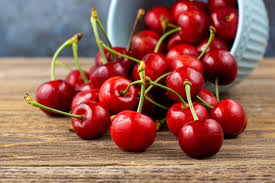
    Cherries imported from Chile are at their lowest prices in years, with small-sized fruits selling for VND149,000 (US$5.9) per kilogram at markets and online retailers.

    Bigger ones cost VND180,000-220,000 per kilogram. These prices are 20-25% lower than a year ago and down from VND350,000 last month.

    Lan, a vendor at Ba Chieu Market in HCMC’s Binh Thanh District, said she has never seen Chilean cherries as cheap as this.

    Nguyen Van Thanh, a fruit importer in HCMC, said China, the main market for Chilean cherries, recently tightened quality regulations. As a result, exports to the market have been reduced, creating a supply overhang, causing exporters to offload the fruits to other markets, including Vietnam, at competitive prices.

    Saltoro, a ship that was delivering 1,300 containers of Chilean cherries to China, encountered a technical issue near Micronesia on Jan. 13, which delayed its journey until after the Lunar New Year.

    Demand for the fruit in China usually peaks during the holidays. This incident also contributed to the decline in prices.

    This year Chile’s cherry production was 60% higher than in 2024. According to customs data, Vietnamese im
  • Capilano introduces Hot Chilli Honey for bold flavour seekers

    Capilano introduces Hot Chilli Honey for bold flavour seekers

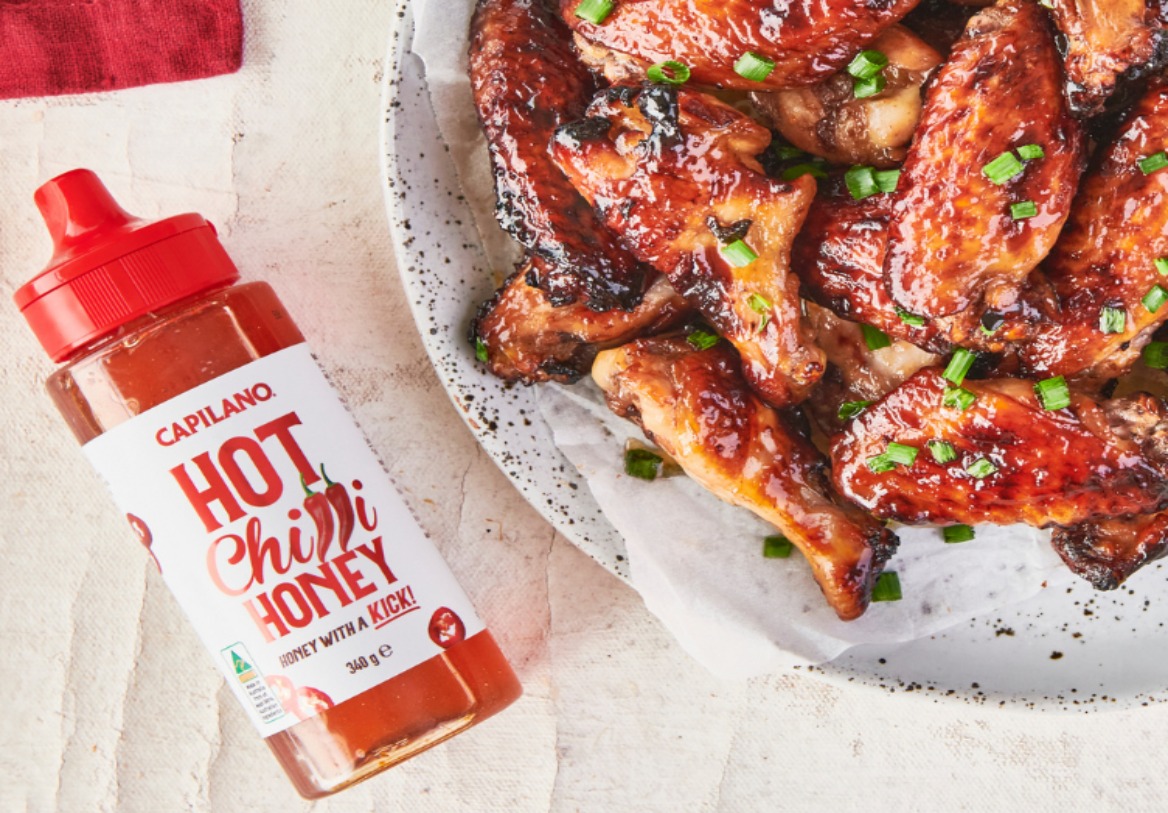
    Honey maker Capilano has launched a Hot Chilli variant for consumers looking for that “spicy kick” in their food.

    Recommended for drizzling over pizza, wings, ribs, burgers, or toast, the company said the new Hot Chilli is set to redefine honey’s role in home cooking and give food an extra “wow” factor.

    Capilano Hot Chilli Honey combines 100 percent pure Aussie honey from its network of more than 800 beekeepers with savoury, spicy flecks of habanero chilli to create a savoury-style honey for use as condiment.

    In addition, the spicy honey is made with no preservatives or other nasties.

    Fiona Tavian, GM for innovation, Capilano, said studies show that an average Australian household consumes chilli every ten days, and suggest that five million adults enjoy hot sauce once a week.

    “We know Australians are always looking for ways to add excitement to their meals and prioritize natural ingredients,” said Tavian.

    “What a great way to support Aussie beekeepers by tapping into this huge appetite for Chilli products! “

    Capilano’s Hot Chilli Honey is available in a 340g squeeze pack for an RRP of $7.50 at Woolworths and will be stocked in Coles beginning October 2.

  • Vietnamese-American billionaire’s Sriracha sauce sees eightfold price hike

    Vietnamese-American billionaire’s Sriracha sauce sees eightfold price hike

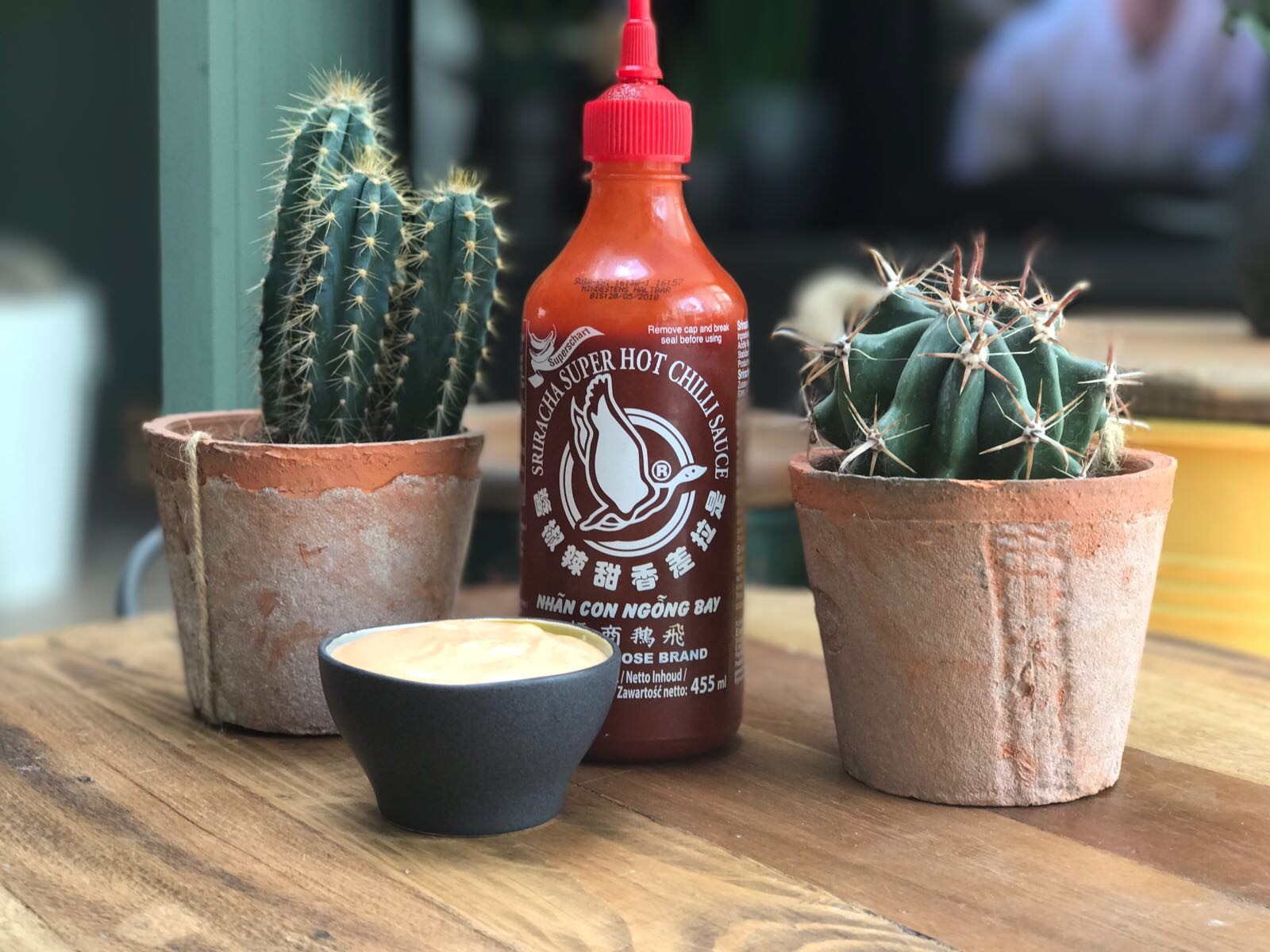
    Prices of the popular hot sauce Sriracha have surged eight times in the U.S. as drought in Mexico leads to a scarcity in the key ingredient, red jalapeños.

    The hot sauce, which is produced by Huy Fong Foods owned by Vietnamese-born billionaire David Tran, is sold at US$40 per bottle of nearly 500 grams on eBay, compared to $5 before.

    A bottle of nearly 800 grams is sold at $60 on the same platform. In Vietnam, a 500-gram bottle is sold at VND89,000 ($3.75) on e-commerce platform Shopee.

    The shop that sells it imports thousands of bottles a year from California, but since April Sriracha prices have risen as its supply become scarce. Huy Fong Foods recently told CNN that it’s still experiencing a shortage of
    raw materials.

    “Although some production did resume this past fall season, we continue to have a limited supply that continues to affect our production. At this time, we have no estimations of when supply will increase,” a Huy Fong spokesperson said.

    There’s been a shortage of the main ingredient, red jalapeños, for the past three years.

    Last year, the company temporarily stopped orders because of the shortage, which also affected its Chili Garlic and Sambal Oelek products.

    Drought in Mexico has resulted in a scarcity of chilli peppers. “It is a challenging crop to grow,” said Stephanie Walker, a plant scientist at the New Mexico State University, who serves on the advisory board of the Chile Pepper Institute.

    “Jalapeños are really labor intensive, requiring people to de-stem them by hand before they go for processing.”
    Huy Fong’s Sriracha, created in 1980 by Chinese immigrant David Tran, is sold in popular retailers like Target and Whole Foods.

  • Irvins Salted Egg expands into the US via DTC route

    Irvins Salted Egg expands into the US via DTC route

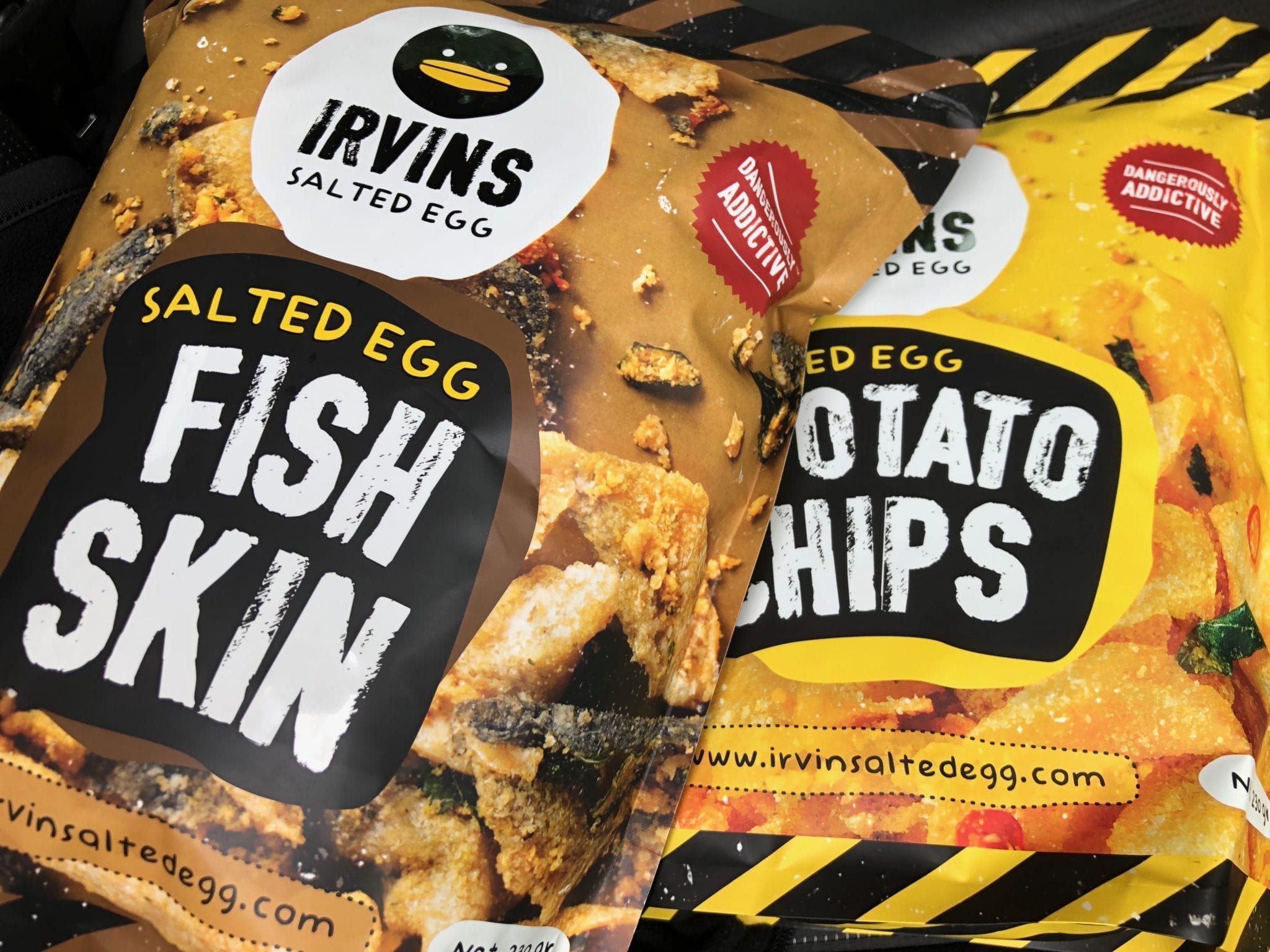
    Singaporean cult snack brand Irvins Salted Egg has expanded online in the US and launching at several Asian specialty stores including 99 Ranch, Seafood City and H Mart.

    The popular brand, which has a cult following in Singapore and Hong Kong, especially, has pop-up style brick-and-mortar stores and sell-through in nine Asian countries. By going online it has taken a direct-to-consumer approach to competing with American snack brands.

    In Australia, it is sold through the e-commerce site Snack Affair.

    “We are ecstatic about our expanded availability in the US. Irvins Salted Egg products bring a distinctive flavor and premium quality to the American snack food market, and we look forward to earning a place in the conversation as more people can try our product,” said Yosuke Yazawa, Irvins chips business development manager of North America.

    Irvins will offer flavors online such as Salted Egg Potato Chips, Spicy Salted Egg Potato Chips, Salted Egg Cassava Chips, Spicy Salted Egg Cassava Chips and Salted Egg Crunchy Roll.

    The salted-egg flavored chips are made in Singapore using Asian flavors such as the salted duck egg yolk, curry leaves, and red chilli pepper without preservatives.

  • American diner chain Chili’s makes Vietnam debut

    American diner chain Chili’s makes Vietnam debut

    American diner chain Chili’s Grill & Bar has opened its first Vietnam store in Saigon, looking to tap the country’s growing middle-class market.

    The restaurant, located in SV VivoCity mall in District 7, was launched in Vietnam as a part of the Golden Gate Restaurant Group, an operator of over 20 restaurant chains in the country.

    David Weston, a representative of Chili’s, said that Vietnam was an important part of its business in Asia, where over 60 Chili’s outlets have been opened in eight countries.

    Ha Thuc Tu, CEO of Golden Gate Red Hots, a unit of Golden Gate Restaurant Group, said that the chain targets middle-income customers, especially office workers and families.

    These customers have high standard demands in food and entertainment and prefer a multi-functional location that suits the needs of all family members, he added.

    Chili’s, operated by Texas-based hospitality company Brinker International, was founded in 1975, and specializes in Texas and Mexican food, with steaks, ribs and burgers among its signature dish.

    It has over 1,670 restaurants and serves over one million customers a day in 29 countries and territories.

    Market research firm Euromonitor said an increasing number of international chains are entering Vietnam, seeing it as a lucrative market.

    Popular American brands such as McDonald’s, KFC and Starbucks have already established their presence in the country.

    Vietnam had around 540,000 food and beverage businesses as of last year, 80 percent of the street vendors, according to Dcorp R- Keeper, a global company that provides technological solutions to food and beverage businesses.

  • Burger King slammed for ‘racist’ ad promoting Vietnamese burger

    Burger King slammed for ‘racist’ ad promoting Vietnamese burger

    The clip shows several people tying and failing to eat a burger with large, red chopsticks. A caption accompanying the video read “Take your taste buds all the way to Ho Chi Minh City with our Vietnamese Sweet Chilli Tendercrisp.”

    The video, shared by Maria Mo via the account @mariahmocarey, has received more than 2.7 million views. Mo told that she shared the clip as she was tired of large corporations portraying Asians in an offensive manner.

    “I could not believe that such a concept was approved for such a big, well-known company. It says a lot about what kind of demographics they must employ across the board for their ads.”

    Other social media users were quick to slam the fast foot retailer for making fun of a utensil that has been used across Asia for thousands of years.

    Viet Thanh Nguyen, the Pulitzer Prize-winning Vietnamese-American novelist, shared the clip with the comment “What’s worse, this ad or using chopsticks in your hair?”

    The advertisement was later removed from all of Burger King NZ’s social media platforms.

    Respond to the controversy, Burger King released a statement, saying: “The ad in question is insensitive and does not reflect our brand values regarding diversity and inclusion. We have asked our franchisee in New Zealand to remove the ad immediately.”

    Burger King New Zealand’s Chief Marketing Officer James Woodbridge expressed regret.

    “We are truly sorry that the ad has appeared insensitive to our community. We have removed and it certainly does not reflect our brand values around diversity and inclusion.”

    Burger King entered the Vietnamese market in 2011 but has struggled to win over local consumers. The firm hoped to have 60 outlets in the country by 2016, but as of 2018 had only 11.