Xpeng handed over its first Mona L03 in Paris, opening European customer deliveries for an electric crossover priced at 35,600 euros. Chairman and chief executive He Xiaopeng presented the keys personally on October 13 before meeting with local dealer partners.
The Paris handover tests whether European drivers will pay 35,600 euros, or roughly 40,030 dollars, for a Chinese electric vehicle whose base version sells in China for 123,800 yuan, or about 18,420 dollars. European specifications include battery-electric power and the integration of Google Maps Auto SDK for real-time traffic and route planning, whereas domestic buyers also have access to an extended-range electric powertrain option.
Pricing and the dealer network
Local dealership partners will manage customer distribution in France, though Xpeng did not reveal how many orders the Mona L03 has accumulated across the country. European dealer groups have embraced Chinese brands to offset slowing consumer demand for domestic European electric models, yet retailer margins remain tightly squeezed by distribution costs and regional tariffs.
He discussed long-term supply schedules with French dealership executives following the handover. The unnamed first French customer selected the vehicle primarily for its proprietary driver-assistance software suite, according to company statements that omitted the specific trim level delivered.
Export volumes and showroom strategy
Chinese electric vehicle makers are accelerating overseas rollouts to escape brutal price discounting across their home market. BYD and Geely have flooded continental showrooms with compact sport-utility vehicles, while Xpeng is betting that driver-assist software and competitive sticker prices will win over mid-tier buyers. The Mona L03 represents Xpeng’s bid to transition from premium niche exporter to high-volume player across 64 planned overseas territories.
Selling a mass-market badge in Western Europe carries real channel risks. Distributors face established Japanese and European competitors with dense servicing operations, while buyers remain cautious about the resale values of newer Chinese automotive imports. Establishing local fleet and retail networks across France requires steady component shipments and heavy showroom subsidies that will test the Guangzhou-based manufacturer’s operating balance sheet.
Expanding the overseas footprint
Munich served as the launchpad for the Mona L03 on July 16, when the crossover became Xpeng’s first product to debut simultaneously in Europe and China. On October 11, the company introduced the model to Australia and New Zealand, making it the third vehicle in those markets alongside the G6 crossover and X9 multi-purpose vehicle.
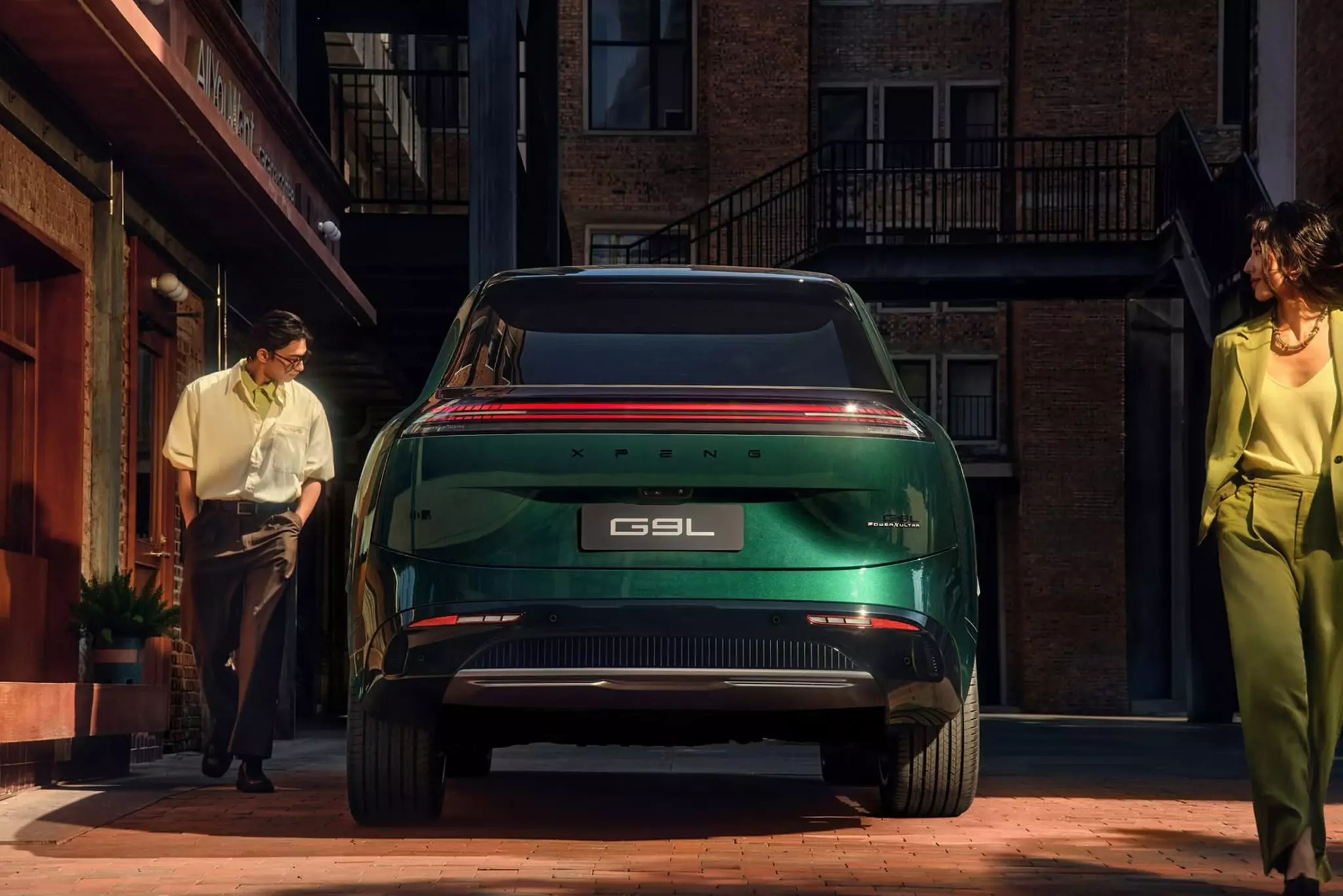
Global demand helped push Xpeng’s monthly export deliveries past 10,000 units for the first time in September. That overseas surge reflects wider territory gains, including the Middle East where recent GX shipments passed 3,000 units, alongside the European introduction of the larger G9L sport-utility vehicle on October 12.
The long-term sales targets
Senior management has set a public target of selling 1 million vehicles annually by 2030, expecting European showrooms to supply half of that total volume. Delivering 500,000 cars a year in Europe requires vast scale across right-hand and left-hand drive territories, backed by dependable service logistics.
Showroom momentum now shifts to the newer Mona L05, which opened customer pre-sales on October 15 to reinforce fourth-quarter deliveries. The carmaker’s next operational test will be the release of full European delivery figures for the final quarter, showing whether the Paris handover was an isolated photo opportunity or the start of sustained volume.