Retail News CRM

Tag: China Unicom

  • ZTE and China Unicom jointly complete PoC of computing power network service scheduling

    ZTE and China Unicom jointly complete PoC of computing power network service scheduling

    ZTE and China Unicom have jointly completed Proof of Concept (PoC) of computing power network service scheduling.  This PoC, based on the SDN+SRv6 Policy framework, achieves flexible scheduling of value-added services across multiple resource pools, and completes integrated scheduling of computing power network. Thus, it provides a basis for further exploration into the application of computing power network and lays foundation for future commercial deployments of computing power network.

    The computing power network is a new focus of the development of the digital economy and intelligent society. By introducing new frameworks and technologies, it implements integrated scheduling of computing, storage and network resources, and optimizes resource utilization and user experiences. Therefore, accelerating the development of the computing power networks has become one of the most important strategies of operators.

    China Unicom proposed the concept of “computing power network brings new value” for the first time at Network 5.0 Summit in June 2019. Taking the transport network based on computing and cloud integration as the basic architecture of CUBE-Net 3.0, China Unicom proposed the “ultimate, elastic, intelligent and simplified” computing power network and aimed to build it as the first computing power “engine” of the digital economy.

    ZTE and China Unicom have been jointly promoting cooperation on computing power network, actively exploring cutting-edge technologies and innovations, and continuously investigating deployment scenarios of computing power network, to achieve a win-win of computing power network.

    At CCSA TC3, ZTE and China Unicom developed the industrial standards of the computing power identification system and led the researches in computing power network DevOps and microservice-based SRv6 computing power network.

    In this PoC, the network value-added service scheduling, based on the computing power status perception, was set as the basic scenario. Virtual value-added services were deployed in multiple resource pools, and streaming media AI reasoning services were used based on the computing power network service orchestration system developed by China Unicom Research Institute.

    In this PoC, the unified scheduling of computing power and network in many specific scenarios, including the initial state, service overlapping, intra-resource pool scheduling, inter-resource pool scheduling and service fallback have been verified via the collaboration of the service orchestration system, network controller, cloud management platform, and computing power gateway, so as to achieve prototype service flow stickiness and find the nearest service provisioning location of computing power network.

    ZTE and China Unicom defined the instantiated scenarios, selected value-added service types, designed service flows, and selected overlapped service types to complete end-to-end service demonstration and acceptance.

    Moving forward, ZTE will make further innovations in collaboration with China Unicom. By virtue of the CUBE-Net 3.0 architecture, ZTE will continue to promote the evolution of networks from basic connections to computing power network integration. Also, ZTE will assist China Unicom in achieving a new computing power network with advanced architecture and high security to deliver high-quality services.
  • China Unicom brings 9 investors to IoV subsidiary

    China Unicom brings 9 investors to IoV subsidiary

    China Unicom said a group of automobile OEMs have invested in its Internet of Vehicle (IoV) unit China Unicom Smart Connection Technology.

    Nine strategic investors, including major automobile companies FAW, Guangzhou Automobile Group and Dongfeng Motor Group, among others have picked up a combined 31.2% in Smart Connection Technology.

    The financial terms of the transaction were not disclosed.

    Following the introduction of strategic investors, Unicom now directly owns 68.8% of shares in the IoV unit, the Chinese telco said in a company statement.

    The divestment of stakes is part of the 5G business strategy of Unicom, which aims to launch commercial 5G services in 2020.

    Unicom said the new investors have strong strategic synergy with Smart Connection Technology in fields such as automobile manufacturing, industrial internet, technology and resources, and capital investment.

    The tie-up will enable Smart Connection Technology to secure better industry resources and competitive advantages to provide connected vehicle and service operation solutions and tap the business opportunities brought by 5G, the company added.

    Smart Connection Technology, established in 2015, provides services to major automobile OEMs in both domestic and international markets. According to Unicom, Smart Connection Technology has an over 70% share of the IoV market in China.

  • China Unicom hosts 5G in smart education conference

    China Unicom hosts 5G in smart education conference

    China Unicom is collaborating with Chinese gaming and mobile application developer NetDragon WebSoft to develop 5G-enabled future classroom applications.

    The operator jointly held a 5G + Smart Education Industry Education conference in Wuhan to demonstrate the potential of 5G to transform the education process.

    The conference, which was also organized by the National Engineering Research Center for E-Learning of Central China Normal University and National Engineering Laboratory for Educational Big Data, ad co-organized by NetDragon, Huawei and the China Information Communication Technologies Group Corporation.

    At the conference, China Unicom demonstrated the use of 5G and holographic technology to provide a new-experience open physics lecture to students across different regions simultaneously.

    NetDragon WebSoft also  demonstrated a wide range of education products, including Holographic Interactive Learning, VR Immersion Classroom, One-Stop Learning, and other educational products.

    “5G will become a crucial foundation for our country’s information and communication construction, as well as the key to the development of industrial internet and artificial intelligence,” China Unicom deputy general manager Liang Baojun said.

    “In this context, China Unicom, as one of the leaders in the telecommunication industry, will jointly conduct 5G business research with multiple industrial enterprise partners to lay the foundation for promoting full commercial use of 5G. At the same time, we will leverage on resources from our existing network, incubation of 5G application and support from our industrial chain to fully support the development of education in China.”

  • China Unicom more than doubles nine-month profit

    China Unicom more than doubles nine-month profit

    China Unicom has revealed it expects to report a more than doubling of its profit for the first nine months of the year, despite facing significant pressure on mobile service revenues. The operator’s unaudited results show a 116.6% increase in net profit for the first three quarters of 2018 to 8.87 billion yuan ($1.28 billion).

    Mobile service revenue grew an estimated 7.2% year-on-year to 125.42 billion yuan, despite the company’s ongoing implementation of a national policy requiring operators to upgrade network speeds while reducing tariffs for customers.

    The nation’s operators have agreed to reduce the cost of mobile data services by at least 30% by the end of the year.

    China Unicom also stopped charging domestic data roaming fees from July in response to another government directive. Roaming fees for domestic long distance calls were abolished last year.

    In a statement to the Hong Kong Stock Exchange, China Unicom said it was able to mitigate these pressures on its mobile revenues by optimizing tariff packages and more heavily promoting large data bundles to its customers.

    Fixed line revenues are meanwhile expected to have grown 5.2% year-on-year to 73.22 billion yuan.

    China Unicom’s profit for the nine month period also includes a 1.47 billion yuan influx resulting from an increase in its share of the profit from tower infrastructure joint venture China Tower following its public listing and new share issuance.

    The company added that it is anticipating a seasonal increase in competition during the fourth quarter, but it has strategic plans in place to cope with any challenges.

  • China Unicom 9M17 profit grows 155%

    China Unicom 9M17 profit grows 155%

    China Unicom has announced it expects to report a strong 155% increase in net profit for the first nine months of the year, driven by robust service revenue growth and lower expenses.

    The operator’s preliminary results estimate that net profit reached 4.1 billion yuan ($618.6 million) for the period, with service revenue up 4.1% to 187.9 billion.

    China Unicom also reduced its selling and marketing expenses and handset subsidy spending as part of its new Focus Strategy.

    But the company still added over 13 million new mobile customers during the nine month period, taking its total to 277 million.

    Total 4G net additions were 55.7 million, with the operator’s total 4G customer base growing to 160 million. In September alone, Unicom gained 3.82 million new mobile customers and 7.56 million new 4G customers – a company record for both metrics.

    Despite the strong results, Unicom warned that the recent regulator-mandated abolishment of domestic long-distance and roaming fees – coupled with a cyclical increase in market competition – is expected to place increasing pressure on the company’s financial performance in the fourth quarter.

    “Going forward, the Group will actively address challenges, continue to deepen Focus Strategy and earnestly capitalise on the implementation of mixed-ownership reform to raise efficiency and returns,” China Unicom said in a statement.

  • IoT to be a $1.8tr revenue opportunity for cellcos

    IoT to be a $1.8tr revenue opportunity for cellcos

    The Internet of Things will represent a $1.8 trillion revenue opportunity for mobile operators by 2026, thanks in part by the early deployment of commercial low power wide area (LPWA) networks in licensed spectrum, according to the GSMA.

    Research conducted for the industry association by Machina Research found that new mobile IoT applications and services represent huge growth opportunities for mobile operators.

    To date 12 operators have launched 15 commercial mobile IoT services. These include China Mobile, China Telecom and China Unicom, South Korea’s KT and LG Uplus as well as Singapore’s M1.

    Operators are enhancing their  their licensed cellular networks with narrowband IoT (NB-IoT) and LTE machine-to-machine (LTE-M) technologies utilising global 3GPP standards.

    Mobile IoT networks are expected to have 862 million active connections by 2022, representing 56% of all LPWA connections.

    The largest revenue opportunities for the IoT include consumer demand for connected home ($441 billion), consumer electronics ($376 billion) and connected car ($273 billion) technologies.

    The connected energy market is meanwhile expected to reach $128 billion by 2026 as local governments and consumers seek smarter ways to manage utilities, and revenues from connected cities are on track to reach $78 billion by this time.

    “There is a real sense of momentum behind Mobile IoT networks in licensed spectrum, with multiple commercial launches around the world, as well as the availability of hundreds of different applications and solutions, but there is still much to be done,” GSMA CTO Alex Sinclair said.

    “Many operators are already reaping the benefits of deploying Mobile IoT and we encourage others to act now to capitalise on this clear market opportunity and further accelerate the development of the Internet of Things.”

  • China Unicom’s mixed ownership pilot approved

    China Unicom’s mixed ownership pilot approved

    China’s National Development and Reform Commission (NDRC) has given approval for a pilot program involving opening investment in China Unicom to the private sector, to evaluate transitioning to a mixed ownership model for the market’s state-owned operators.

    In an announcement, Unicom confirmed that the NDRC has given in-principle approval for the pilot program.

    But the details of the pilot – such as the identities of the private investors, pricing terms and percentage of shareholding to be allocated – will still require approval from various ministries.

    While media outlets are reporting that Alibaba and Tencent are expected to lead the private investment in China Unicom, the operator stressed that the company has not entered any legally binding agreement with any potential investors. But the company did not explicitly deny that negotiations with the internet giants are underway.

    “[Unicom’s controlling shareholder] is not aware of the source of  information in those media reports and has not entered into any legally binding documents, including framework agreement or subscription agreement, with any potential investor,” the company said.

    The Chinese government is conducting the pilot as part of plans to evaluate opening China’s telecoms sector up to private investment to reform the ownership structure and competitiveness of Unicom as well as rivals China Mobile and China Telecom.

    Unicom was selected for the pilot because it is the least profitable of China’s big three operators.

  • China Unicom parent seeks private investment

    China Unicom parent seeks private investment

    China Unicom’s parent company China United Network Communications plans to open up to private investors in response to government pressure to reform the ownership structure and competitiveness of the market’s big three operators.

    The company plans to welcome in a strategic private sector investor as part of a pilot designed to evaluate having subsidiary China Unicom operate more like a private company.

    China Unicom itself is listed on the Hong Kong stock exchange along with rivals China Mobile and China Telecom, but China United Network Communications owns a controlling 75.9% stake in the company.

    As the least profitable of China’s big three operators – Unicom reported a 94.1% slump in net profit for 2016 – the government has selected Unicom to pilot the mixed ownership reform model.

    The operator has already taken steps towards becoming a leaner, more competitive company. Unicom cut its planned capex budget to 45 billion yuan ($6.52 billion), from 72.1 billion yuan last year, to ensure it has the resources needed to fund its 5G rollout once the technology launches.

    The pilot of a mixed ownership model forms part of the government’s wider plans for state-owned enterprise reform. The government has previously announced that substantial reforms will be needed across seven industries including the telecoms sector.

  • China Unicom Global expands CUniq MVNO to US

    China Unicom Global expands CUniq MVNO to US

    China Unicom Global has extended its MVNO venture into the US, which will allow customers to keep Hong Kong, mainland China and US mobile numbers on a single account.

    The operator’s CUniq MVNO business has expanded to America after launching in Europe late last year. CUniq now allows data sharing across 47 countries and regions including Hong Kong, Europe and the US.

    Customers will be able to use data, voice and SMS services in the 47 countries. The service is supported by a 24/7 customer support service in Chinese, English and Cantonese.

    In the US, CUniq will have three plans, tailored to global businesspeople, American local users and tourists respectively. It will support electronic payment including WeChat Pay, Alipay, Visa, MasterCard and UnionPay.

    China Unicom Global president Shusen Meng said the company plans to continue expanding its CUniq business into more countries and regions in the future.

    CUniq is being developed in collaboration with multi-country cloud-based MVNE Plintron.

  • China Unicom developing 5G VR streaming tech

    China Unicom developing 5G VR streaming tech

    The China Unicom Network Technology Research Institute is working on a new use case for advanced technologies including 5G and VR – panoramic VR streaming of live video using drone technology.

    China Unicom and wireless broadband technology provider Baicells are developing a prototype mobile edge computing VR live video technology using Artesyn Embedded Technologies’ MaxCore mobile edge computing acceleration platform.

    The technology uses the emerging panoramic video collage algorithm and transmission protocol to provide VR video streaming from drones equiped with 360-degree high-definition cameras.

    Users can manipulate their perspective in real-time, providing a more immersive live VR experience.

    “This end-to-end solution can be applied not only to concerts, sporting events, films and other entertainment industries, such as the Mid-Autumn festival, live CCTV broadcasts using VR panoramic technology, but it can also be applied to public safety, emergency communication, UAV inspection, and much more,” Baicells research director Mingyu Zhou said.

    “We believe China Unicom and Baicells’ joint research and development can help users experience live HD VR video transmissions more quickly and smoothly.”

    “MEC provides a distributed computing environment for application and service hosting, bringing cloud technologies closer to the RAN and ultimately, closer to consumers,” Artesyn marketing VP Linsey Miller added.

    “Carriers are telling us that for these applications they need telco-grade features, which is Artesyn’s expertise.”

  • China Unicom aims to turnaround despite record slump in 1H profit

    China Unicom aims to turnaround despite record slump in 1H profit

    China Unicom, the country’s second largest mobile carrier by subscribers, is expecting a gradual turnaround as soon as next year after the company reported its largest slump in first-half net profit since 2000.

    Unicom chairman and CEO Wang Xiaochu said “a more solid foundation has been built for healthy development in the future with stronger growth momentum.”

    “The company’s most difficult time was over,” Wang told a media briefing in Hong Kong on Wednesday. “We expect a sales turnaround in November and December, and a profit turnaround next year.”

    Unicom announced on Wednesday that its January-June net profit reached 1.43 billion yuan ($216 million), down 79.6% from a year earlier, in line with apreliminary estimate in July. EBITDA fell 18.2% to 41.28 billion yuan while revenue dipped 3.1% to 140.26 billion yuan.

    But the results nonetheless marked a significant improvement of the 3.36 billion yuan loss – excluding the gain from the tower asset disposals – recorded during the second half of last year.

    Unicom blamed the poor interim results on hefty costs resulting from increased tower costs and heavy expenses to market its 4G network and services.

    According to Unicom, the company saw up to 15% fee increase for using China Tower, as well as electricity tariffs and property rental hikes during the first half of this year.

    Meanwhile the delays in building the LTE network for 4G services also led to substantial increase in marketing costs, with sales and marketing expenses in the first half racking up 17.1% on the year to 17.1 billion yuan, while handset subsidies jumped 43.5% to 1.756 billion yuan.

    “Our biggest problem is having missed almost two years to become well-geared for the 4G era,” Wang said.

    Biggest rival China Mobile has been offering 4G service using TD-LTE technology since December 2013. China Unicom and China Telecom, however, were only granted a license to conduct hybrid FDD and TDD LTE network trial in June 2014.

    Despite that, Wang said the company achieved initial success in turning around the unfavorable conditions in business development, by mitigating the underlying shortcomings in areas such as network, terminals, channels, services, IT, systems and mechanisms. This includes focusing its mobile business on 4G and driving availability of 4G handsets and accelerating 4G network rollout through partnership with China Telecom.

    As a result the company achieved a net addition of 8.39 million mobile subscribers during the period. This compares favorably to the operator’s performance last year, when the company recorded net losses of customers for consecutive months.

    Unicom also saw its 4G base grow to reach 72.42 million as of June, thanks to “improvement in 4G network quality, terminal market share and competitiveness.” Yet this number still far behind China Mobile’s 430 million 4G subscribers.

    Unicom and China Telecom signed an agreement in January to push through a five-pronged collaboration, which embraces costs sharing on 4G network build-outs in rural areas and promotion of the so-called “six-mode” smartphones that are compatible with all networks.

    Wang said the collaboration is necessary as Unicom’s network could now support 63% of the mobile handsets in the market, up from 40% at the end of last year. The partnership with China Telecom on 4G infrastructure sharing also helped Unicom achieved 3 billion yuan savings in capex, he added.

    Unicom will continue to push forward comprehensive and strategic cooperation with China Telecom on areas including mobile and fixed infrastructure sharing, Wang added.

    To recoup the lost ground in 4G from China Mobile and China Telecom, Unicom has earmarked 30 billion yuan for 4G network deployment in the second half of the year, with plans to increase the number of its 4G base stations to 680,000 by year-end, up from 280,000 last year.

    China Mobile last week posted a 5.6% increase in net profit to 60.6 billion yuan in the first six month of this year.

    Smaller rival China Telecom will announce its 2016 interim results on August 26.

  • Xiaomi taps China Unicom to boost offline sales

    Xiaomi taps China Unicom to boost offline sales

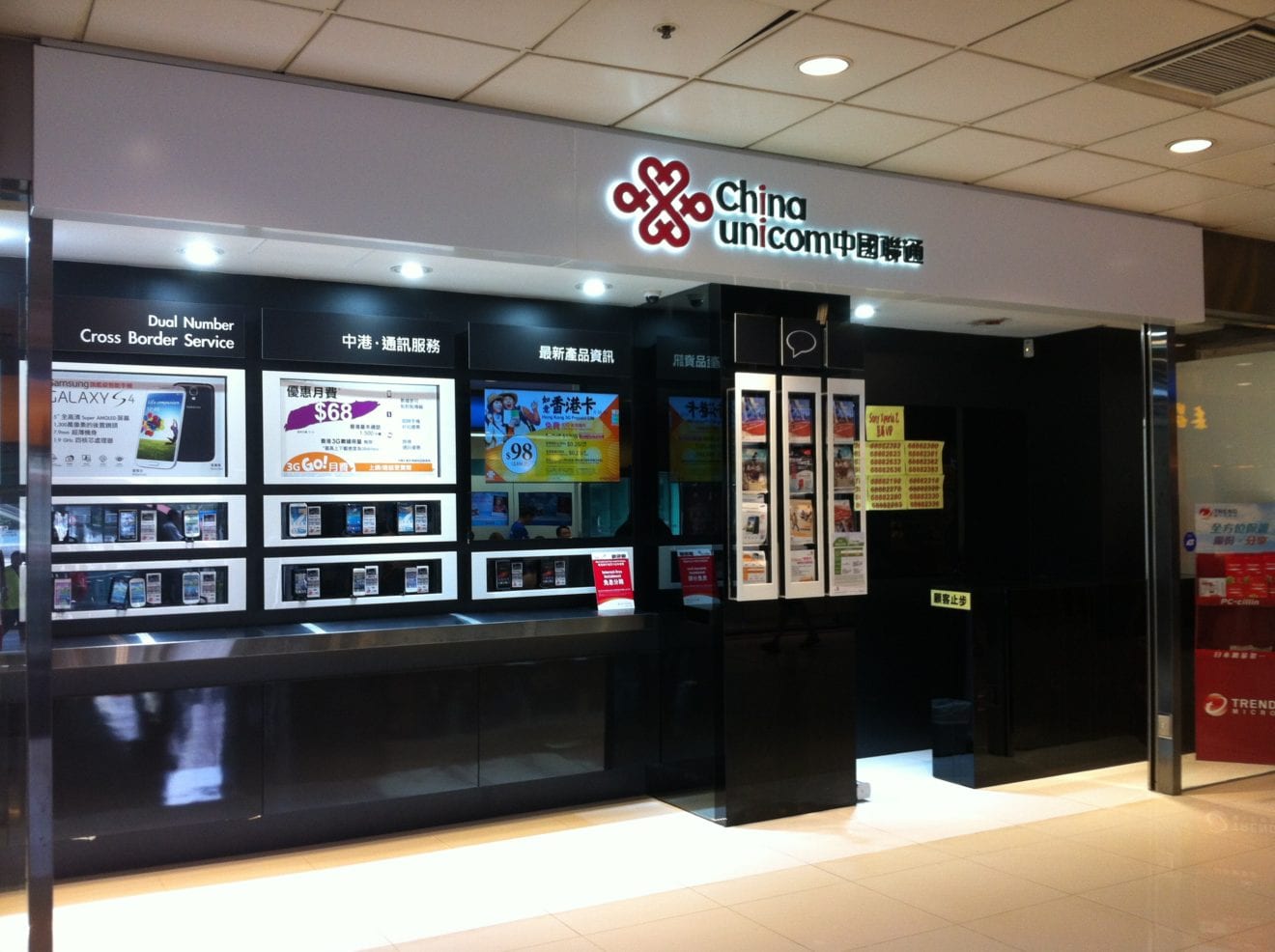
    Chinese smartphone maker Xiaomi has teamed up with the country’s second largest mobile carrier, China Unicom, to expand its sales through offline retailing channels.

    The partnership with Unicom signals a move to a more conventional sales operation for Xiaomi, whose sales have been heavily relied on internet channels.

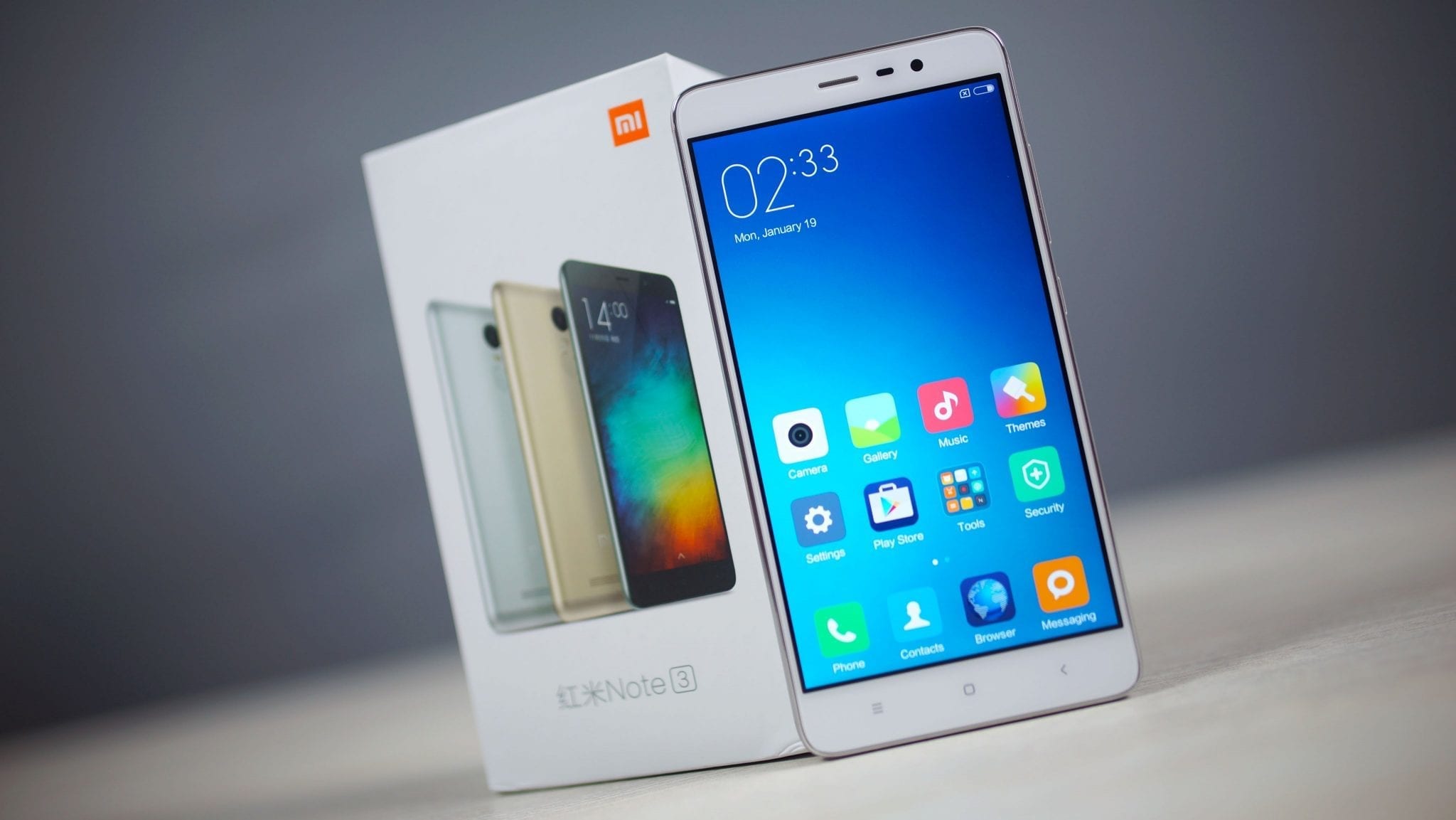
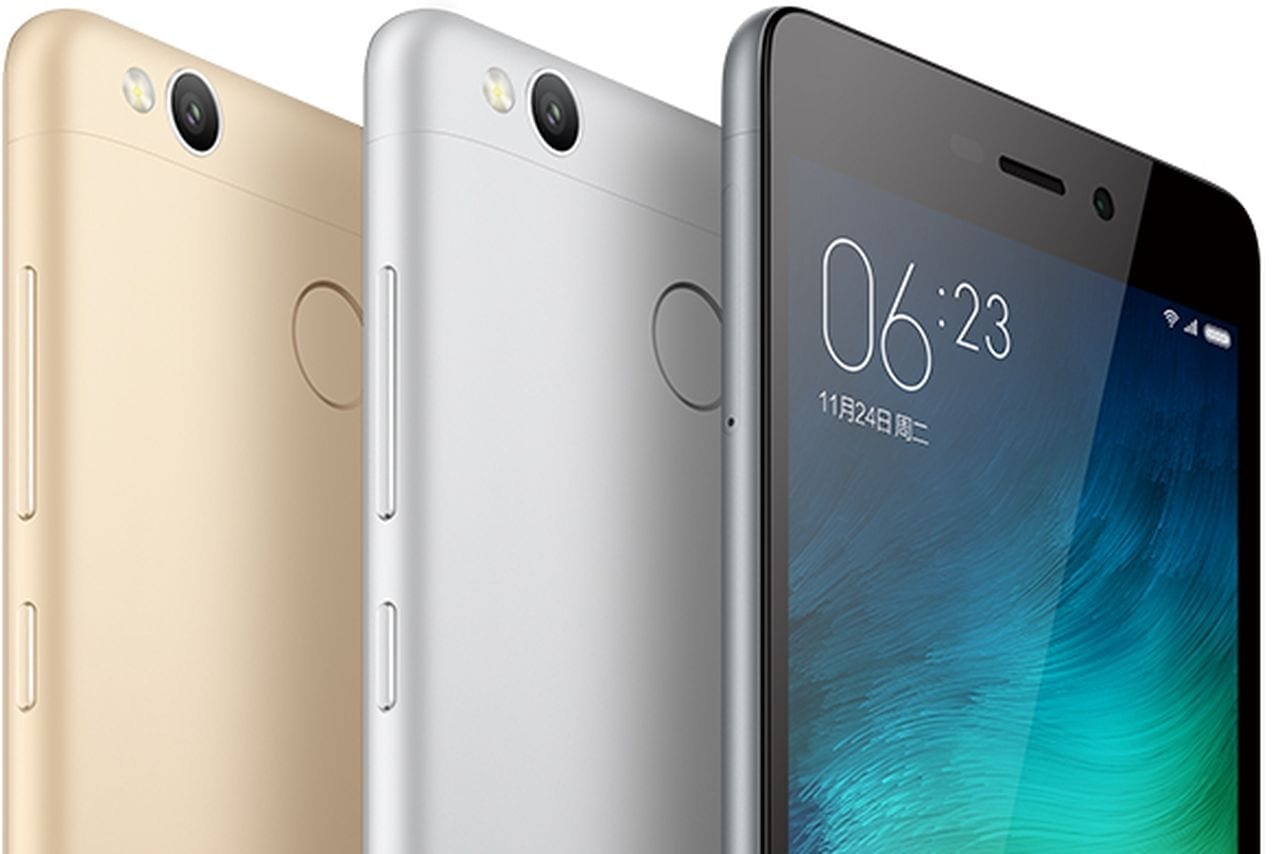
    Xiaomi launched a new customized 4G smartphone Redmi 3X for Unicom, as part of a strategic alliance the pair announced last Wednesday.

    The Redmi 3X smartphone, powered by 1.1GHz octa-core Qualcomm Snapdragon 430 processor and a 4100mAh non removable battery, will go on sale for 899 yuan ($136) through Unicom’s 30,000 own retail stores and more than 230,000 retailing partners.

    Xiaomi CEO and founder Lei Jun said so far more than two-thirds of the company’s smartphones have been sold through e-commerce platforms and the company’s official website.

    “The proportion of online sales is too big,” Lei said. “To maintain the rapid growth we have seen in the past four years, expanding offline retailing channels becomes the key.”

    Xiaomi said earlier this year it will open 200 to 300 of its own retail stores to bolster sales.

    Xiaomi and Unicom will also expand their cooperation beyond handsets to a wide range of products, such as Xiaomi TV, routers, wearable devices and air purifiers.

    China Unicom deputy general manager Xiong Yu said all of these Xiaomi products will be available at the operator’s offline retail stores across the country.

    The move fits into the operator’s broad efforts to transform its abundant bricks-and-mortar assets into a big retailing platform of various electronic products, Xiong added.

  • Xiaomi teams up with China Unicom to boost offline sales

    Xiaomi teams up with China Unicom to boost offline sales

    Chinese smartphone vendor Xiaomi Corp has teamed up with the country’s second-largesttelecom carrier, China United Network Communications Group Co, to expand its offlineretailing channels.

    The move came as the country’s online smartphone sales has hit a ceiling and as Xiaomigrapples with declining shipments and mounting competition from rivals such as OppoElectronics Corp.

    Xiaomi launched a custom-made smartphone Redmi 3X on Wednesday. Equipped with alarge battery and a 13-megapixel rear-camera, the new phone will go on sale for 899 yuan($136) through China Unicom’s 30,000 offline stores and more than 230,000 bricks-and-mortar retailing partners.

    Lei Jun, CEO and founder of Xiaomi, said so far more than two-thirds of the company’ssmartphones have been sold through e-commerce platforms and the company’s officialwebsite.

    “The proportion of online sales is too big,” Lei said. “To maintain the rapid growth we haveseen in the past four years, expanding offline retailing channels becomes the key.”

    eca86bd9ddb418cc27c10c

    Xiaomi and China Unicom will also expand their cooperation beyond handsets to a widerange of products, such as Xiaomi TV, routers and air purifiers.

    “All of these Xiaomi electronic products will be available at our nationwide offline retail stores,”said Xiong Yu, deputy general manager at China Unicom.

    The move fits into China Unicom’s broad efforts to transform its abundant bricks-and-mortarassets into a big retailing platform of various electronic products, Xiong added.

    As China’s smartphone market is reaching saturation point, a number of vendors are bankingon bricks-and-mortar retailers to spur their growth.

    Xiaomi said earlier this year it will open 200 to 300 retail stores to bolster sales. Its major rivalLenovo Group Ltd also pledged more efforts to expand its offline retailing presence, which itssenior Vice-President Chen Xudong called the key to surviving intense competition.

    CK Lu, principal analyst at consulting firm Gartner Inc, said China Unicom’s sprawling offlineresources gave Xiaomi a ticket to enter into low-tier cities, which are dominated by its rivalsOppo Electronics Corp and vivo Mobile Communication Technology Co Ltd.

    In the first quarter of this year, Oppo and vivo made their way into the world’s top-five rankingof smartphone vendors for the first time, pushing out Xiaomi and Lenovo.

    “Xiaomi is an expert in online marketing, but lacks experience and talent to run offline stores.So it makes tons of sense to partner with China Unicom,” Lu said.

    According to Counterpoint Technology Market Research, telecom operators’ retail channelsaccount for 30 percent of China’s total smartphone sales, while e-commerce sites contributeanother 30 percent, with the rest managed by professional electronic retail stores.

    James Yan, a Beijing-based analyst at Counterpoint, said partnering with China Unicom willhelp Xiaomi quickly boost smartphone sales, but won’t necessarily deliver good profits.

  • Smartphone startup Letv plans 1500 stores

    Smartphone startup Letv plans 1500 stores

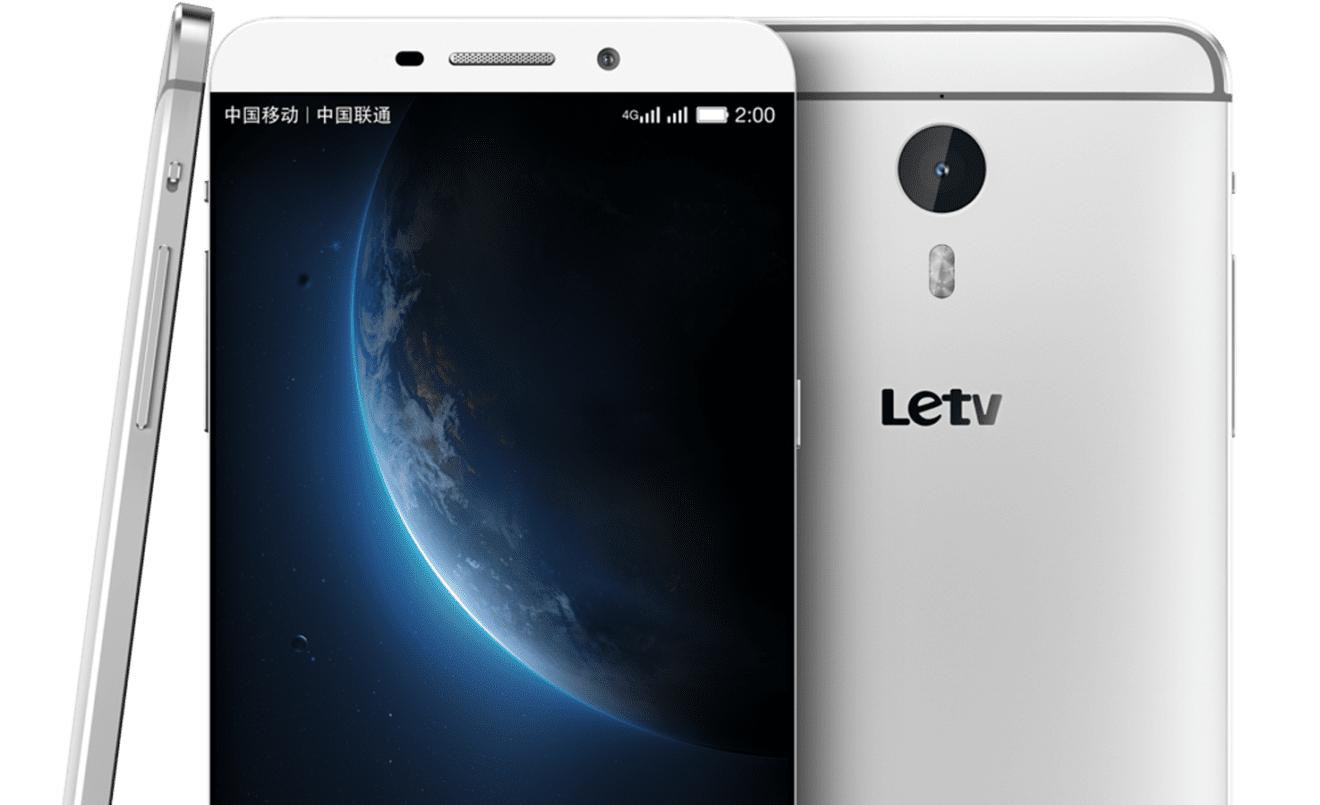
    Chinese mobile phone retailer D.Phone is expanding its offerings with a new CNY2 billion (US$305.5 million) deal with online video provider and newly minted smartphone company Letv.

    D.Phone will add up to 1500 Letv ecosystem experience stores into its retail outlets.

    The deal covers Letv’s second-generation super phones, mobile TV services, membership promotions, ecosystem experience stores and customer service.

    Under the deal, D.Phone will this year sell one million Letv super phones, 200,000 Letv super TVs and 200,000 Letv memberships.  From now until the end of next month, the two parties will jointly host the offline debut of Letv’s second-generation super phones.

    Letv, which runs a streaming video website, has officially rolled out its second-generation super phones, ranging in price from CNY1099 to CNY2499.

    Letv mobile president Feng Xing says the strategic co-operation represents an important expansion of Letv’s offline retail channel. Letv has previously signed deals with China Unicom and JD.com.

  • China Unicom to invest $2.1b in Shanghai

    China Unicom to invest $2.1b in Shanghai

    China Unicom has announced a significant investment project involving expanding and upgrading its telecoms infrastructure, building new a IoT platform and data centers in Shanghai.

    The move comes shortly after the operator signed an “Internet+” cooperation agreement with the Shanghai municipal government.

    As part of the agreement, Unicom has committed to invest 14 billion yuan ($2.15 billion) to expand and upgrade its fixed optical network and wireless infrastructure in Shanghai over the next five years.

    The operator said it plans to deploy tri-band carrier aggregation on its 4G networkto boost network speeds from 150Mbps to 500Mbps by 2018 and to 1Gbps by 2020, according to C114.net.

    The company, China’s second largest mobile carrier by subscribers, aims to offer high-speed fiber and mobile broadband services at speeds of up to 1Gpbs in some key areas in the city.

    In addition, Unicom will deploy 10Gbps passive optical technology, which is expected to cover 6 million residences with FTTx by 2018 and 7 million by 2020. The operator aims to have citywide VoLTE coverage – including HD audio and video calls and VoWi-Fi services – this year.

    To help turn Shanghai into a smart city, Unicom said it will also deploy a city-wideNB-IoT (Narrow-band Internet of Things) platform for applications such as intelligent parking and environmental monitoring.  Construction of the NB-IoT network is expected to be completed in 2017 with the deployment of 3,000 network base stations.

    The operator also plans to build new data centers and big data infrastructure to provide could computing applications and services for urban management and social services.

    Unicom will also support SMEs’ “Internet+” transformation with innovative information services and its big data platform and cloud services.

    Another area of focus is to help address the basic needs of general public by promoting the use of innovation applications in various fields, such as transport, healthcare, education, travel and smart home.