Tag: Chinese millennials

  • Diamonds are China millennials’ best friend

    Diamonds are China millennials’ best friend

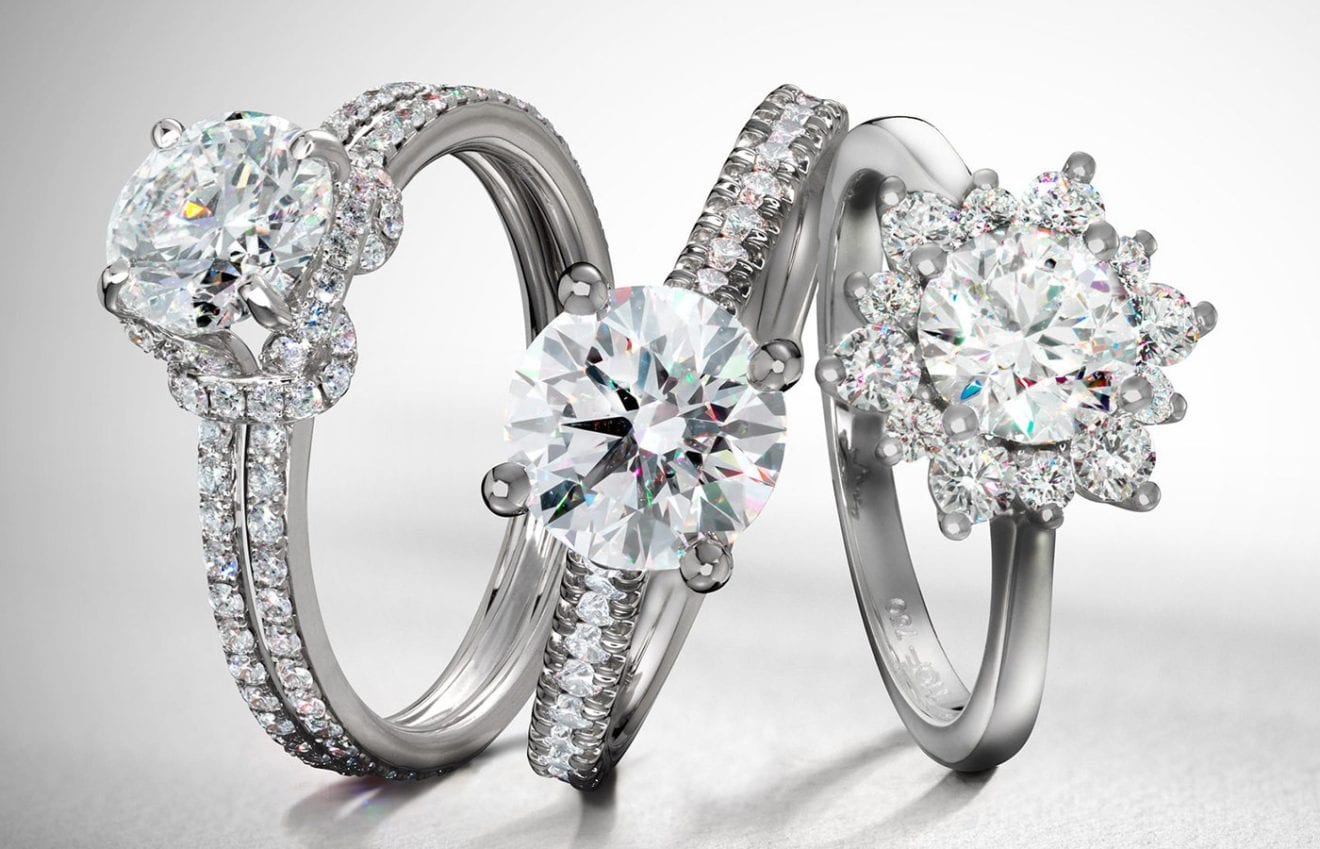
    Diamonds may be a girl’s best friend, and that’s especially true of female millennials in China.

    According to diamond-producing giant De Beers SA, 68 percent of diamond jewellery sales in China ($6.78 billion in 2015) are driven by millennial women, many of whom are college-educated, not married and quickly cultivating a collection of the gems.

    Bloomberg spoke with one 27-year-old Chinese woman who, like many of her peers, has a 15-plus-piece diamond collection including a 2.5-carat solitaire given to her by her parents.

    The fact that she’s not married is part of the trend to — as she said — not wait passively for a diamond gift from a man. For Chinese millennial women, independence is the top trait they aspire to: More than 40 percent of them say financial independence is more important than marriage, with 32 percent saying that independence is what personal success looks like to them.

    That’s according to research by J. Walter Thompson surveying 4,300 women across nine countries in 2015. Some jewellery companies have made a conscious decision to not even show any couples at all in their advertisements.

    A sparkling opportunity

    In the top four diamond markets in the world, there are more than 220 million millennial women who spent $26 billion on diamond jewellery last year. Behind China is India but after a significant drop, followed by the U.S and then Japan. Within this four-country demographic, more diamonds have been acquired than any other generation, and yet the demographic hasn’t even come into their most affluent years.

    Compared to their Chinese mothers who historically bought jade and gold, these millennial women are struck by the western lifestyle that includes the glamour of Harry Winston and Tiffany gems. Having those diamonds is a status signal of wealth and accomplishment, rather than love. As a result, more jewellery companies have popped up in China trying to get their share of the desire. Boston-based Hearts on Fire was usurped in 2014 by Hong Kong’s Chow Tai Fook, grabbing nearly 6 percent market share.

    But it’s not just about status, as the gems are seen as assets that will not depreciate in the way that other high-end items like bags and shoes can due to wear and seasonality.

    Gold x diamonds

    Chow Tai Fook has noticed this by rolling out lines of jewellery that mix gold with diamonds to make sure their female millennials — half the business — stay engaged, and it has also pulled in celebrities like hunky actor Li Min-ho and rapper G-Dragon — both millennials — to appeal to these women.

    But even with diamond jewellery being a sign of independence, the divorce rate in China is more than triple what it was back in 2002 — currently 2.8 per 1,000 people, back just 14 years ago it was 0.9 per that same thousand. More than 3.84 couples went their separate ways in 2015, which is 5.6 percent more than 2014.

    But those diamonds are still forever, even if marriage isn’t or has never even happened yet. And diamond companies know this. De Beers research cites the American trend of couples spending more on their second marriage than on their first. Experts say those Chinese millennials may follow suit as well.
  • Chinese millennials: the new big spenders

    Chinese millennials: the new big spenders

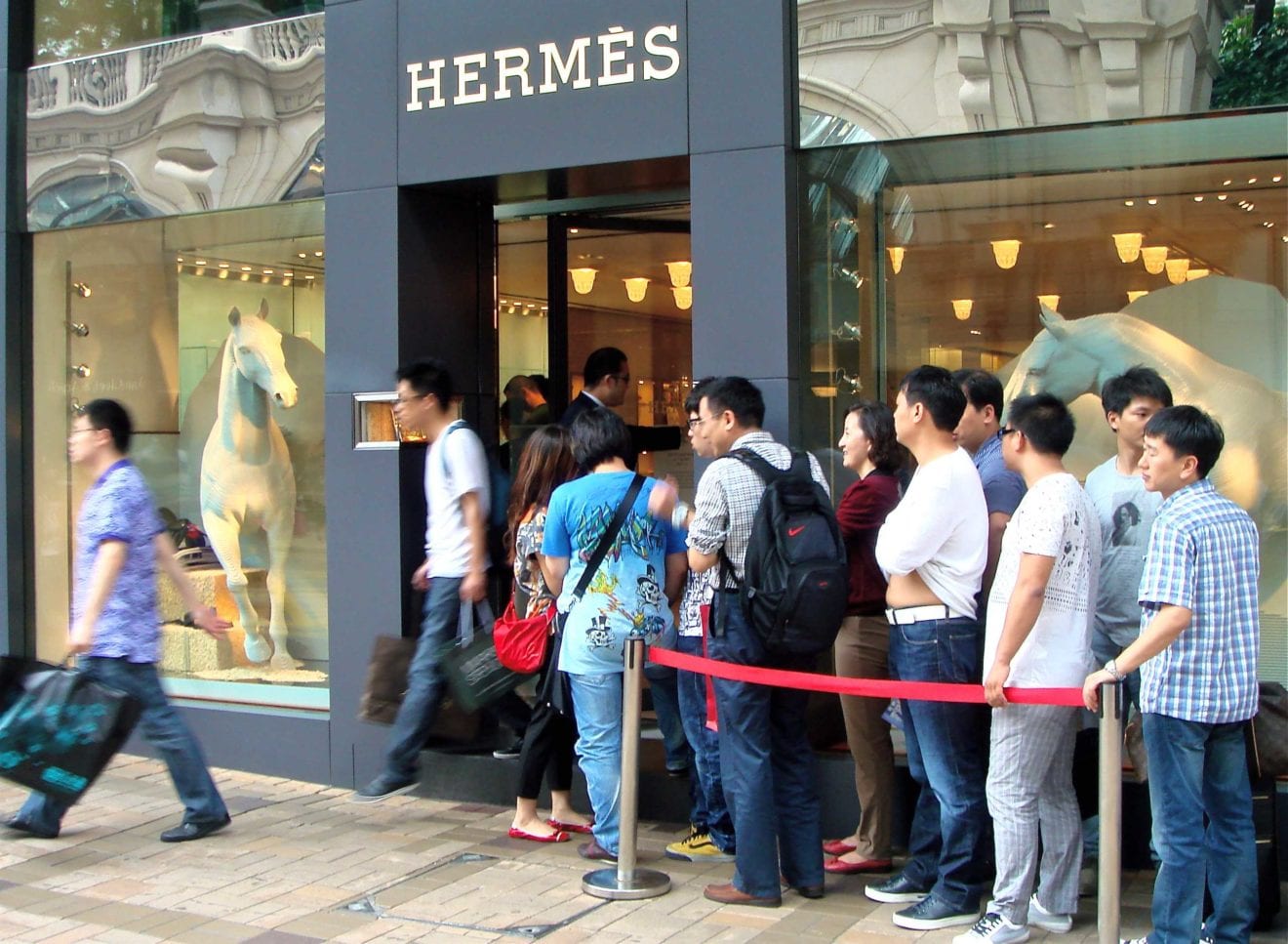
    Chinese millennials – China’s new rich – are looking to spend double the Asia-Pacific average on luxury items in the next year.

    The millennials – those aged 18 to 29 – are already China’s biggest spenders on luxury goods in Asia Pacific, followed by those in South Korea and Hong Kong.

    According to research from MasterCard, the most popular luxury items are high-end tech gadgets, with 25 per cent of millennials in Asia Pacific planning to buy an item such as a smartphone or tablet computer in the next year. This is followed by designer clothes and leather goods (17 per cent) and jewellery (17 per cent).

    Overall, most millennials in the region take approximately a month to consider and research their luxury purchases. More millennials in Asia Pacific (a quarter) buy on impulse than those aged over 30 (a fifth).

    Meanwhile, over a third of millennials in the region prefer Western brands over regional or local, however there is a marked difference across the region. While more than half of millennial shoppers in China, Vietnam, South Korea and Hong Kong prefer Western brands, the majority in India and Indonesia would rather buy local. The top three reasons for preferring Western brands were reliability of quality, followed by value for money and brand loyalty.

    When choosing where to buy luxury goods from, the majority of millennials still prefer purchasing from local brick and mortar stores (64 per cent), instead of local eCommerce sites (nine per cent). Meanwhile a fifth prefer to buy luxury items in-store when travelling overseas, this is especially true of Chinese millennials, 51 per cent of whom are most likely to buy a luxury item in-store while travelling.

    The results are based on interviews that took place between May and June 2015 with 2272 millennials across 14 Asia Pacific markets.

    More findings:

    • Millennials from China intend to spend on average US$4362 on luxury goods over the next year, nearly double that of the Asia Pacific average of US$2584. South Korea (US$2638) and Hong Kong (US$2584) round off the top three.
    • Overall, the majority of millennials in the region will take under a month to research and consider a luxury item before buying it (44 per cent), led by those in India (64 per cent), China (51 per cent), South Korea (48 per cent) and Taiwan (48 per cent).
    • Thai (60 per cent) and Indonesian (50 per cent) millennials are the most impulsive shoppers in the region with at least half buying luxury goods on impulse, above the regional average of 26 per cent.
    • The most careful millennial shoppers are from Vietnam – the majority will only buy a luxury item after two to six months of extensive research (45 per cent), more than the regional average of 20 per cent.
    • Over one-third of millennials across the region prefer western brands to local and Asian brands. More than one in two millennials in China (66 per cent), Vietnam (60 per cent), South Korea (59 per cent) and Hong Kong (52 per cent) would pick a western luxury brand over a local or Asian luxury brand. However, in Indonesia (61 per cent) and India (50 per cent), a large majority of millennials would rather buy luxury goods from a local brand.
    • Most millennials in the region purchase luxury goods in-store rather than online – this is especially so when they are on sale locally (43 per cent) compared to when they are at full price (23 per cent). Only a small percentage of millennials in the region shop for luxury goods on local (nine per cent) and overseas sites (four per cent).
    • Chinese millennials are the most likely to buy luxury goods in-store when travelling overseas (51 per cent), whereas the majority of consumers in India (81 per cent) and Indonesia (50 per cent) buy luxury goods locally in-store at full price.
    • Millennials in Indonesia are the most likely to spend more on luxury goods in the next year than the year before (47 per cent). Across Asia Pacific, most consumers (40 per cent) intend to spend the same amount as they did the year before, 22 per cent plan to spend less while 19 per cent plan to spend more.