Tag: Chinese tourists

  • Where Chinese tourists go for shopping

    Where Chinese tourists go for shopping

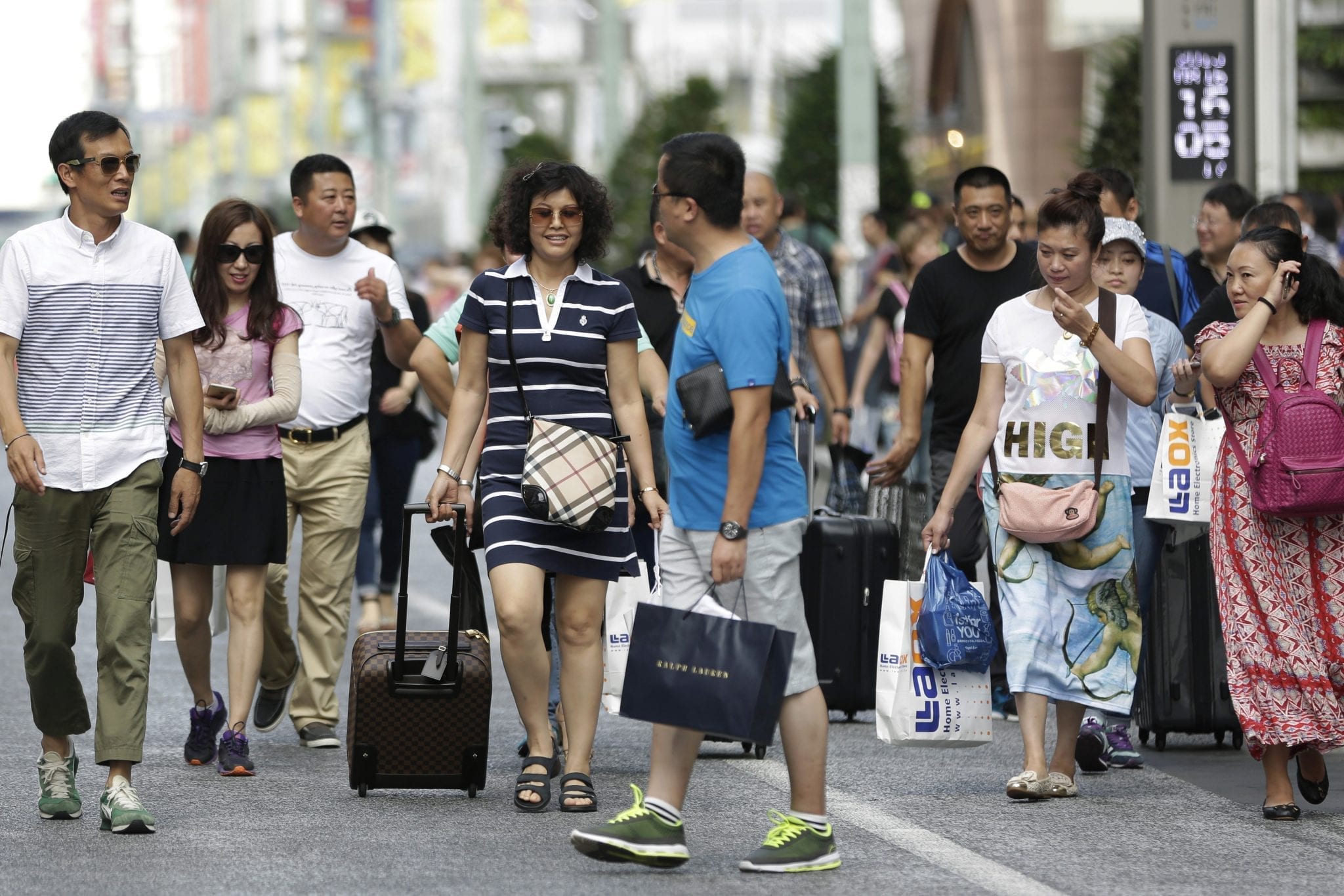
    Hong Kong, Tokyo, Seoul and Singapore were among the hottest shopping destinations for Chinese tourists last year, according to Ctrip. In the latest big-data report from the Chinese travel-services provider, Edinburgh, Singapore and San Francisco were also among the top 10. Last year, nearly 150 million overseas trips were made by Chinese tourists, who collectively spent US$120 billion.

    London was the city that saw the highest per-capita spending by Chinese tourists – more than US$4428 – followed by Paris, Macau, Dubai, Okinawa, Kyoto, Osaka, Nagoya, Hong Kong, Singapore and Fukuoka.

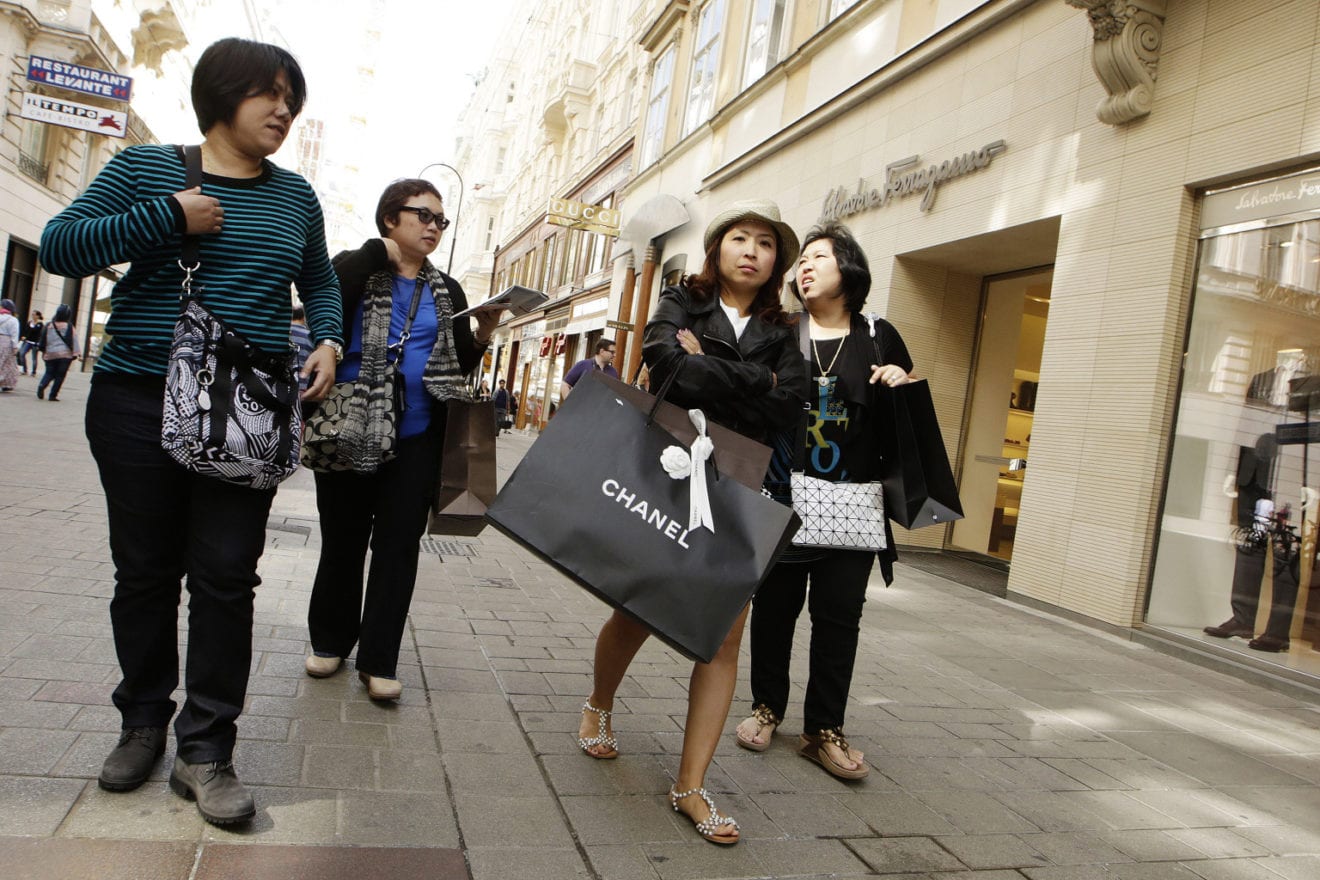
    Europe is still a hot destination for Chinese luxury goods buyers because prices there are much lower than the global average, and a tax-refund system also facilitates sales.

    Despite the recovery of the British pound last year, the UK remained a popular destination for Chinese tourists, said Ctrip.

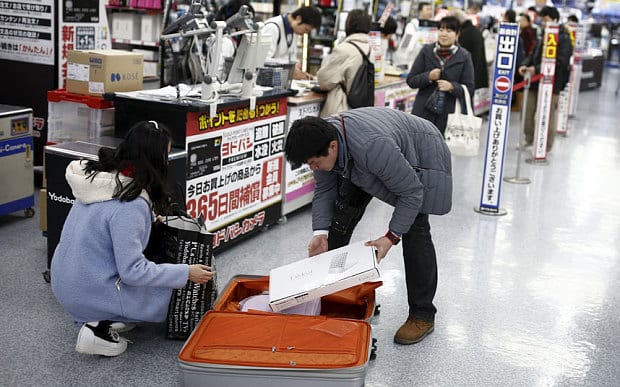
    Experts noted that Chinese consumers would still be a focus of competition between shopping destinations this year, and many retailers internationally have upgraded their shopping facilities to lure Chinese tourists.

  • Who visited Korea in 2018?

    Who visited Korea in 2018?

    Chinese visitor arrivals in South Korea rose 14.9 percent year-on-year in 2018 to 4,789,512, according to new Korea Tourism Organization figures. Chinese arrivals in December 2018 rose 25.2 percent year-on-year. The results confirm a sustained recovery in Chinese tourism from March 2018 as Korean-Chinese relationships improved in the wake of the THAAD anti-missile system dispute that had devastated Chinese tourism for the previous year.

    For the first two months of 2018 Chinese arrivals slumped 43.7 percent, heavily influencing the year-end result.

    However, the 2018 performance was still far short of pre-THAAD levels. In 2016, 8,067,722 Chinese visited South Korea, 68 percent more than the 2018 tally and a 46.8 percent share of total arrivals, compared to last year’s 31.2 percent.

    Japanese market buoyant but political concerns rise

    The Japanese tourism market was buoyant in 2018, rising 27.6 percent to 2,948,527, a 19.2 percent share of arrivals. December saw a 33.5 percent rise year-on-year.

    The combination of concerted Japanese visitor growth and a strong yen has been reflected in increased duty free spending. A report by The Korea Herald said that January 2019 sales to Japanese consumers at Lotte Duty Free’s flagship store in Myeong-dong, Seoul (the country’s biggest travel retail door) had surged 31 percent year-on-year, compared to 15 percent for all nationalities.

    The same report said that Shinsegae Duty Free’s Myeong-dong store posted a 53 percent rise in sales to Japanese shoppers during the same period, while overall turnover at the flagship fell 1 percent.

    But prospects for a continued boom in Japanese tourism may be marred by a worsening political dispute, this time between South Korea and Japan. A military row began on 20 December following an encounter between a Japanese plane and a South Korean destroyer.

    The Japanese claimed that the South Korean warship aimed its fire-control radar at the aircraft while the Koreans contend that the ship was rescuing a North Korean ship drifting in international waters.

    Several more ‘fly-buy’ incidents since then have escalated tensions, leading to fears that the row could “snowball into crisis”, as CNN wrote.

    Departures of Korean nationals (along with Chinese and Japanese the key components of the Korean travel retail industry consumer mix) rose 8.3 percent year-on-year in 2018 to 28,695,983 and 3.8 percent in December to 2,495,279. The year ended much weaker than it began – five of the first six months saw double-digit increases, all of the final six months were under 6 percent.

  • Tourists devote a quarter of budget to shopping

    Tourists devote a quarter of budget to shopping

    Retail shopping continues to be the largest expense for tourists from China, according to a survey from Nielsen and Alipay, accounting for almost a quarter of total spend. The 2018 trends of Chinese mobile payment in outbound tourism survey revealed that retail spending took up 24.6 per cent of Chinese tourists average spend, followed by accommodation, dining and tourist attractions.

    Interestingly, the report found that Chinese millennials are no longer the single most dominant user of mobile payments.

    “In 2017, 55 per cent of Chinese tourists born between 1960-1979 used mobile payments while travelling overseas – significantly lower than the proportion of millennial tourists,” the report reads.

    “In 2018, the usage rate rose to 68 per cent, almost equalling their younger peers.”

    Average budget for the typical Chinese tourist increased 15 per cent to AU$9,382 over the year, and a familiarity with mobile payments drove increased spend, with 56 per cent of surveyed merchants claiming improved sales after adopting mobile payment system Alipay.

    However, a study by Coresight research in October 2018 found that, while Chinese tourists were travelling more often they were spending around 18 per cent less in the retail environment – a figure driven by a recorded 24 per cent decline in average shopping trip spend.

  • Chinese tourists take over the world

    Chinese tourists take over the world

    A rising tide of travelers from China is spreading out across the region, out-shopping, outspending and out-eating every other nation.

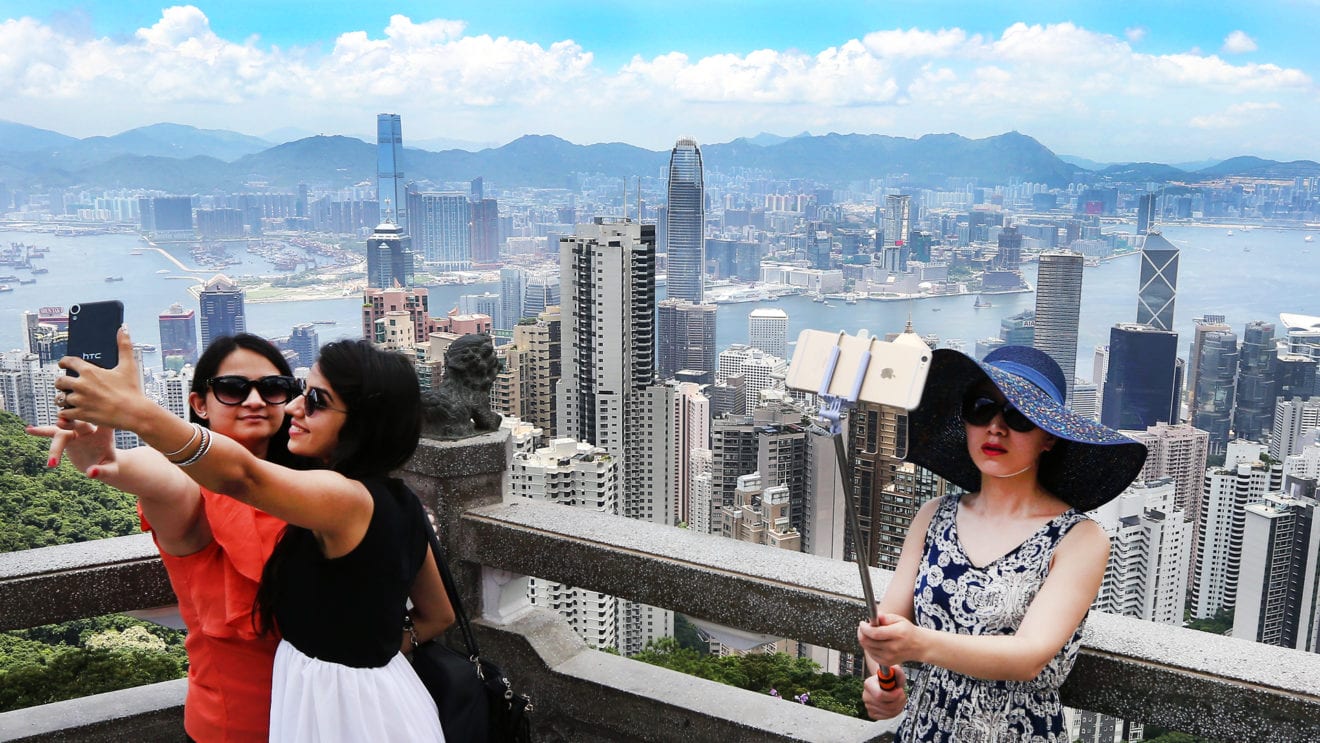
    They are filling hotels, tour buses and cruise ships. They are overwhelming airports and train stations, and they are sending home petabytes of pictures that encourage their compatriots to join the global invasion.

    Their ranks are being swollen by millions of others from around Asia, a generation who would rather raise their status with a foreign adventure than with a luxury bag.

    “People’s personal brands are being defined by the places they visit,” said Simon Russell, chief executive officer of London-based luxury travel group Scott Dunn, which last month bought rival Country Holidays Travel from Singapore to expand its Asian clientele.

    China already accounts for more than a fifth of the money spent by outbound tourists, twice as much as the next-biggest spender, the U.S., according to the United Nations World Tourism Organization. And the Chinese have barely started — only around 5 percent of them even have passports, and the government is issuing about 10 million new travel documents every year.

    As with Japan in the 1980s, citizens of nations that get rich, go places. The emerging nations of Asia-Pacific will add more than 50 million new outbound travelers in the five years ending in 2021, according to Mastercard Inc.

    Overwhelmingly, they come from a smartphone-addicted generation that is rewriting the rules. The ubiquitous flag-following Chinese tour groups are giving way to what the industry calls FITs — free, independent travelers — who are using the internet to plan itineraries, book flights, translate signs and chronicle their exploits.

    The shift is transforming the region, unleashing more than $100 billion in infrastructure spending for bigger airports and jet fleets, new railways, hotels and theme parks. The effects of this boom include soaring property prices, stress on the environment and an avalanche of apps and innovations that reimagine the way we experience the world.

    By 2021, Chinese tourists will spend $429 billion abroad, according to a report by CLSA. And they are spreading out. Weekend jaunts to the shops in Hong Kong or the casinos in Macau are being usurped by new favorite destinations. During the next three years, Japan, Thailand, the U.S. and Australia top the must-visit list, according to the report, with other destinations in Southeast Asia — especially Singapore, Indonesia, Malaysia and the Philippines — following close behind.

    For developing nations, that is putting a strain on infrastructure, underpinning the biggest airport-building program in the region’s history.

    Thailand does not have a single international airport that isn’t way over its designed capacity, and long lines at immigration are common. At least 178 new airports are planned in Asia-Pacific, according to Visa Inc., and hundreds of existing facilities are being expanded or upgraded.

    The result is a second revolution in tourism in the region — one that is being fueled by social media: the opening up of more islands, cities and remote locales to divert vacationers from the overcrowded and increasingly jaded tourist hotspots of the 1990s and 2000s.

    Indonesia has a plan to create “10 Balis,” targeting places like the former World War II battleground of Morotai Island for new holiday destinations. Thailand, which heavily promotes tourism under the banner “Amazing Thailand,” has teamed up with Japan to build a high-speed railway that would open up places along the route to the north of the country. Neighbor Malaysia is countering with its own cross-country rail project to the coasts of Kelantan and Terengganu, states promoted this year in the capital’s international airport under a “Joyful Malaysia” campaign.

    At the heart of the changes transforming the industry is the nexus of internet, smartphone and big data.

    The link is the smartphone, the tourist’s connection with the web, a fact that has drawn dozens of startups to join the fray in Asia.

    With visitors wielding tablets and smartphones, hotels and airlines are realizing they do not need to fill planes and rooms with technology and content – they just need to give the customer control. The phone becomes the room key, the menu, the bill.

    “There is absolutely no point in providing what people already have,” said Hubert Viriot, chief executive officer of Yotel Ltd., which opened its first Asian hotel in Singapore in November. “Everybody has a smartphone.” The London-based chain runs city-center properties with hundreds of small, high-tech, budget rooms that include features such as mood lighting and app-based electronic keys.

    Viriot sums up the attitude of the new generation of traveler: “I don’t need 10 guys on the ground floor with the gold keys to tell me how to travel. I’ve got a smartphone. I’ve got apps, social media. I know how to travel.”

    The ubiquity of the technology means it is now embedded into every strata of the market, from Yotel’s high-density hubs to luxury island eco-lodges that you need a seaplane to reach.

    Asia has long been on the map for well-heeled travelers. Hotelier Adrian Zecha started the first Aman Resort in 1988 in Phuket, Thailand, for an elite club of jetsetters. Four Seasons Holdings Inc. officially opened its first ultra-small boutique resort in Chiang Rai in Thailand in 2006.

    Zecha, who left Aman Resorts Group Ltd. in 2015, is looking to exploit a new niche he calls “affordable” luxury through his Azerai brand, which opened its first property in Luang Prabang, Laos, last year.

    “I noticed a new generation of younger people that is growing in numbers for whom taking holidays signifies an aspect of their lifestyle,” Zecha said. “They might not be as wealthy as my Aman junkies, so my challenge is affordability.”

    From spa clinics like The Farm at San Benito in the Philippines to exclusive eco-resorts like Bawah Island in Indonesia, Asia offers hundreds of possibilities for super-luxury globetrotters. And developers are eyeing hundreds more. There are more than 13,000 uninhabited tropical islands in Indonesia and the Philippines alone, almost twice as many as all the islands in the Caribbean. Some, like Siroktabe, can be rented as a private desert island for a true Robinson Crusoe experience.

    But the biggest money is to be made in drawing hordes of tourists together to one location, whether it be a casino resort in Singapore, an ancient temple in Cambodia, a giant theme park in China or the latest super-cruise ships like Royal Caribbean Cruises Ltd.’s Ovation of the Seas, which can cater to more than 4,000 passengers as it sails the seas around China each summer.

    retailThat is when the real power of all the collected data comes into its own.  By knowing where a traveler is, how they like to eat, what they like to buy, which hotels they prefer and so on, travel platforms can begin to move beyond providing a passive service and start actively influencing your holiday.

    A passenger whose flight has been delayed and who has not bought a meal since they left home three hours ago might get a phone notification offering a 10 percent discount at the restaurant they are about to walk past after going through immigration. An airline could raise fares on a particular route after learning that pictures of that destination are suddenly trending on social media.

  • Chinese tourists visiting Bali up 41.28 percent in number

    Chinese tourists visiting Bali up 41.28 percent in number

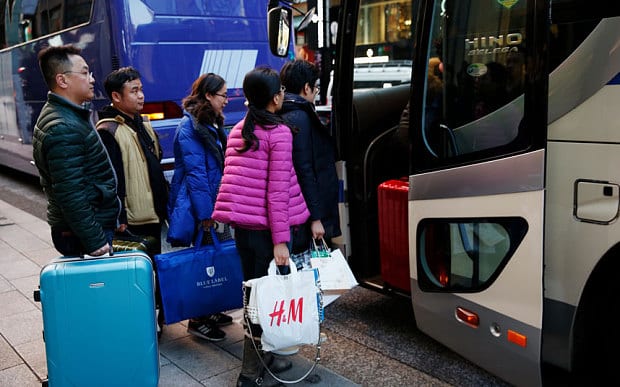
    The number of visits by Chinese tourists to Bali rose 41.28 percent to 907,028 in the first 11 months of 2016 from 642,000 in the same period in 2015.

    “Most of them flew directly to Bali via the Denpasar International Airport of Ngurah Rai with only 886 of the visits by sea as passengers of tourist boats, head of the Provincial Central Bureau of Statistics (BPS) Adi Nugroho said here on Thursday.

    He said Chinese made up 20.22 percent of the total number of 4.48 million visits by foreign tourists to Bali in the January-November period of 2016.

    China is now the second largest country of origin of foreign tourists to Bali after Australia.

    Adi Nugroho said the number of visits by Australian tourists to Bali in the same period totaled 1.04 million, up 19.46 percent from 876,748 visits in the same period in the previous year.

    Australia accounted for 23.35 percent of the total number of visits by foreign tourists to Bali topping other countries, he added.

    Meanwhile, tourism observer Tjokorda Gde Agung said Chinese, who had come in throngs for holidaying in Bali could soon overtake Australians in number.

    “It is very likely especially with the growing number of direct flights between Denpasar and Chinese cities,” Tjokorda said.

    The nations flag carrier Garuda Indonesia itself already served regular flights directly between Bali and China, he said.

    “The direct flights would certainly contribute greatly to growing number of Chinese tourists to Bali,” he said.

    The 41.28 percent increase was the second highest after a 60.59 percent increase recorded in the number of Indian visitors to Bali in the same period.

    The number of visits from 10 largest countries of origin all increased excepting from Malaysia and South Korea.

    With the trend , the target of 5.5 million visitors to Bali set for 2017 is expected to be easily reached.

    Indonesia hopes to draw more Chinese tourists to meet its target of 20 million visits by foreign tourists in 2019 from the target of 12 million in 2016.

    China has become a potential tourism market. A record high of 133 million Chinese tourists were estimated to make outbound trips by the end of 2016, according to the report released by the China Tourism Academy and the financial services company UnionPay International.

    The figure would mark an 11.5 per cent rise from 2015.

    Hong Kong, Macau and Taiwan remain the top choices for mainland tourists, according to a report.

    Chinese tourists are increasingly getting involved in leisure activities and learning about local lifestyles when traveling overseas rather than just shopping, according to the report.

    Chinese tourists spent US$104.5 billion overseas in 2015, up 16.6 per cent from 2014, and a growing number of foreign countries including Indonesia are relaxing their visa requirements for Chinese tourists to tap their purchasing power.

    Tourists from China along with many other countries are offered visa free travel by Indonesia.

  • Retailers need to embrace changing Chinese tourist demographics

    Retailers need to embrace changing Chinese tourist demographics

    Increasing numbers of Chinese tourists are travelling alone – and retailers in Asia seeking to cash in on their growing spawning power need to find ways to embrace the trend.

    Traditionally, Mainland Chinese tourists have travelled in groups – sold packages before they leave home and effectively herded into shopping destinations, often with commissions paid to tour organisers or guides.

    But that is set to change soon with the Beijing-based government tightening the rules on cheap package tours.

    South Korea is a case in point where the trend has been identified early and active work is underway to appeal to the new demographic.

    Duty-free operators and department stores have stepped up customised marketing targeted at shoppers in their 20s and 30s and deep-pocketed travelers from China, as they have become the main customers over the past few years.

    The shifting focus took on a new urgency as the Chinese government has been moving to tighten regulations on cheap tour packages, raising concerns among South Korean businesses relying on them as the biggest source of travel income.

    Out of 5.98 million Chinese nationals who visited South Korea last year, nearly 60 per cent were independent travelers, according to the state-run Korea Tourism Organization.

    Lotte Duty Free, which is operated by Hotel Lotte, offers a “personal shopper service” for VIP customers to pair them up with stylists who give advice and suggest products that may suit their needs.

    The nation’s largest duty-free operator has about 600,000 customers registered for VIP programs and also provides airport pick-up services for those who spend a certain amount of money.

    Shilla Duty Free, which is operated by Hotel Shilla, said it regularly holds “beauty classes” to advise on the best cosmetic products and offer makeup services to attract Chinese customers in their 20s and 30s.

    Tourism officials stress efforts to develop a wider array of options for Chinese travellers to encourage them to revisit in the future.

    “We have focused on attracting more independent travelers over the past years not only from China and Japan but also Southeast Asian nations and the Middle East to meet their diversifying needs and upgrade the tourism industry’s competitiveness,” Hwang Myung-seon, a senior official at the Ministry of Culture, Sports and Tourism, said.

  • Where Chinese tourists are spending their shopping dollar

    Where Chinese tourists are spending their shopping dollar

    Mainland China has become one of the main global suppliers of tourists, and that has been paying dividends for retailers globally.

    But as the Chinese are roaming further afield, Hong Kong and Macau retails have seen their sales dropping.

    A fresh analysis from international market research company GFK shows China had 109 million outbound tourists last year… and they spent US$229 billion in retail stores. These statistics consolidate China as one of the main global sources of tourists, both in terms of number of trips and money spent while travelling internationally.

    “At the same time, there have been profound changes in the behaviour of the typical Chinese traveller, with millennials firmly established as the core drivers of spending,” says GFK.

    Because of its cultural similarity, accessibility and lower travel costs, Hong Hong was the preferred destination for Chinese tourists up until 2013. Shopping was a big motivation for visiting. However, since 2014, says the report, more Chinese tourists have been opting for other destinations offering historical and cultural experiences – as well as shopping.

    Air travel and accommodation statistics show that at the start of November, the top five favourite destinations for Chinese travellers were South Korea (visits up 112 per cent since 2011), Thailand (up 263 per cent), Japan (up 157 per cent) and Taiwan (up 54 per cent. Surprisingly, given its loss of retail sales, Hong Kong had 37 per cent more Chinese visitors. This is explained by the new emerging middle class – consumers who do not have enough disposable income to travel further abroad, nor to spend on high-end purchases.

    Europe is the most popular destination outside Asia for Chinese tourists, with 97 per cent more visits in the past four years. This is followed by North America (up 151 per cent) and the Middle East (up 177 per cent).

    “China’s tourists remain strategic to Hong Kong and its businesses, as other destinations are jumping ahead in winning their favour,” says GFK global head of travel and hospitality Laurens van den Oever.

  • New app aids Chinese tourists in Korea

    New app aids Chinese tourists in Korea

    South Korean location-based coupon application provider YAP Company has launched a new app that provides Chinese tourists with various tourism-related information, including shopping and transportation.

    The app, dubbed Kayo, provides a selection of coupons and other information for 100,000 local shops at popular tourist destinations, including Seoul’s major shopping district of Myeongdong or the southern resort island of Jeju.

    YAP Company said it plans to adopt mobile payment services to Kayo in the near future by joining forces with leading Chinese platforms such as Alipay.

    Other features of Kayo include taxi hiring and online translation services.

    “Based on YAP’s high-tech technology, we plan to allow every Chinese visitor to South Korea to enjoy quality search services, discount information and mobile payment just by downloading Kayo,” a YAP spokesperson said. “The new application will also help local shop owners to attract more tourists.”

    The release of the new app came amid a steady rise in the number of Chinese visitors to South Korea. Last year, 6.12 million Chinese visited South Korea, spending about 14 trillion won (US$11.7 billion).

    The company expects the number of Chinese visitors to reach 10 million by 2018.

    YAP Company also operates an application, dubbed YAP, in South Korea, which allows users to download coupons and discount information related to shops located near the users, including major franchises.

    It stands out from its rivals as it uses what it calls “hybrid beacon” technology, which automatically displays discount information when a user enters registered stores.