Rising memory chip costs are significantly impacting India’s smartphone market, leading to a surge in average selling prices and a shift in consumer preferences. The average smartphone selling price in India has reached a record $315, marking a 14.4 percent increase from the previous year, according to recent market data.
This price inflation is particularly affecting budget-focused Chinese smartphone brands, which have historically dominated the sub-$150 segment. As cheaper chips become scarce and more expensive, these companies are forced to raise their prices, diminishing their traditional value-for-money appeal. Conversely, premium and mid-range players such as Samsung and Apple are gaining market share, partly due to improved financing options that make their higher-priced devices more accessible to consumers.
Chinese Brands Face Mounting Pressure
Chinese smartphone makers, including Vivo, Oppo, Xiaomi, and Realme, experienced significant declines in shipments during the June quarter. Vivo’s shipments fell by 13.9 percent, Oppo by 8.5 percent, Xiaomi by 10 percent, and Realme by 14.2 percent year-on-year, according to IDC. Only OnePlus, which caters to a higher-end segment, saw a smaller decline of 2.5 percent.
Industry experts indicate that the era of sub-$150 smartphones is effectively over in India. New Chinese models with similar features are now expected to cost between $200 and $250, a substantial increase from their previous pricing. This pricing pressure has already led to some budget brands raising smartphone prices by up to 40 percent.
This development is crucial for RetailNews Asia readers, as India represents one of the world’s largest and fastest-growing consumer markets. The shift towards premiumisation, driven by supply chain economics, presents both challenges and opportunities for retailers and brands operating across Asia-Pacific. As affordability dynamics change, retailers may need to adapt their product assortments and financing solutions to cater to evolving consumer demand.
Samsung And Apple Expand Their Foothold
In contrast to the struggles faced by Chinese brands, Samsung and Apple have demonstrated resilience and growth. In the June quarter, Samsung’s shipments rose by 0.4 percent, and Apple’s by 0.7 percent. This enabled Samsung to narrow the gap with the leading player, Vivo, increasing its market share by nearly 200 basis points. Apple also saw its market share rise by 100 basis points in the same period.
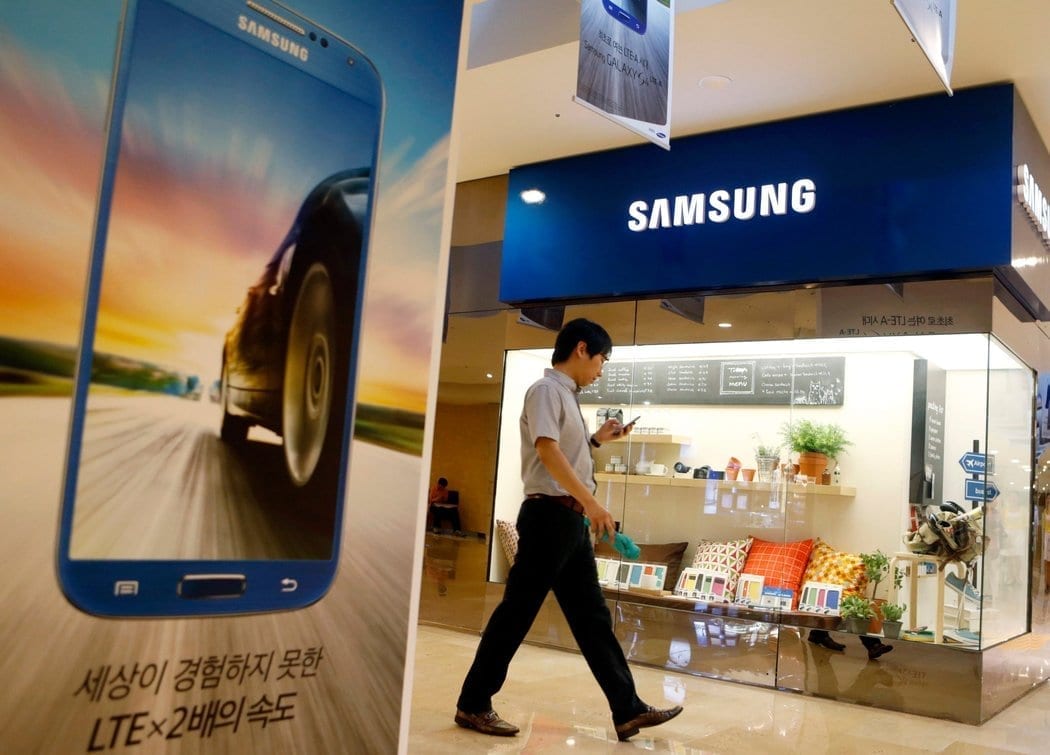
Samsung, with its diverse portfolio spanning from $200 to over $800, is intensely competing with Vivo in the $200-$300 segment. A key advantage for Samsung is its access to in-house memory chip supplies, which mitigates some of the cost pressures affecting competitors. Many Chinese firms rely on external suppliers like MediaTek, SK Hynix, and even Samsung for their chips, making them more vulnerable to price fluctuations.
The global memory chip shortage, exacerbated by increased demand for AI and data center applications, has driven chip prices up fourfold since September 2025, with further increases anticipated. This trend is expected to continue pushing smartphone prices higher, accelerating the Indian market’s shift towards more premium products as financing options become more prevalent for expensive handsets.