Tag: Chow Tai Fook

  • Chow Tai Fook to open its first branded boutique in the US

    Chow Tai Fook to open its first branded boutique in the US

    With Hong Kong-listed jeweler Chow Tai Fook recently laying claim to the world’s most expensive cut diamond ever—sold at a Sotheby’s auction on April 4—the increasingly iconic Jewellery Group this week announced the further expansion of its global footprint, with the opening of its second American retail outlet, and the company’s first own-branded boutique in the United States.

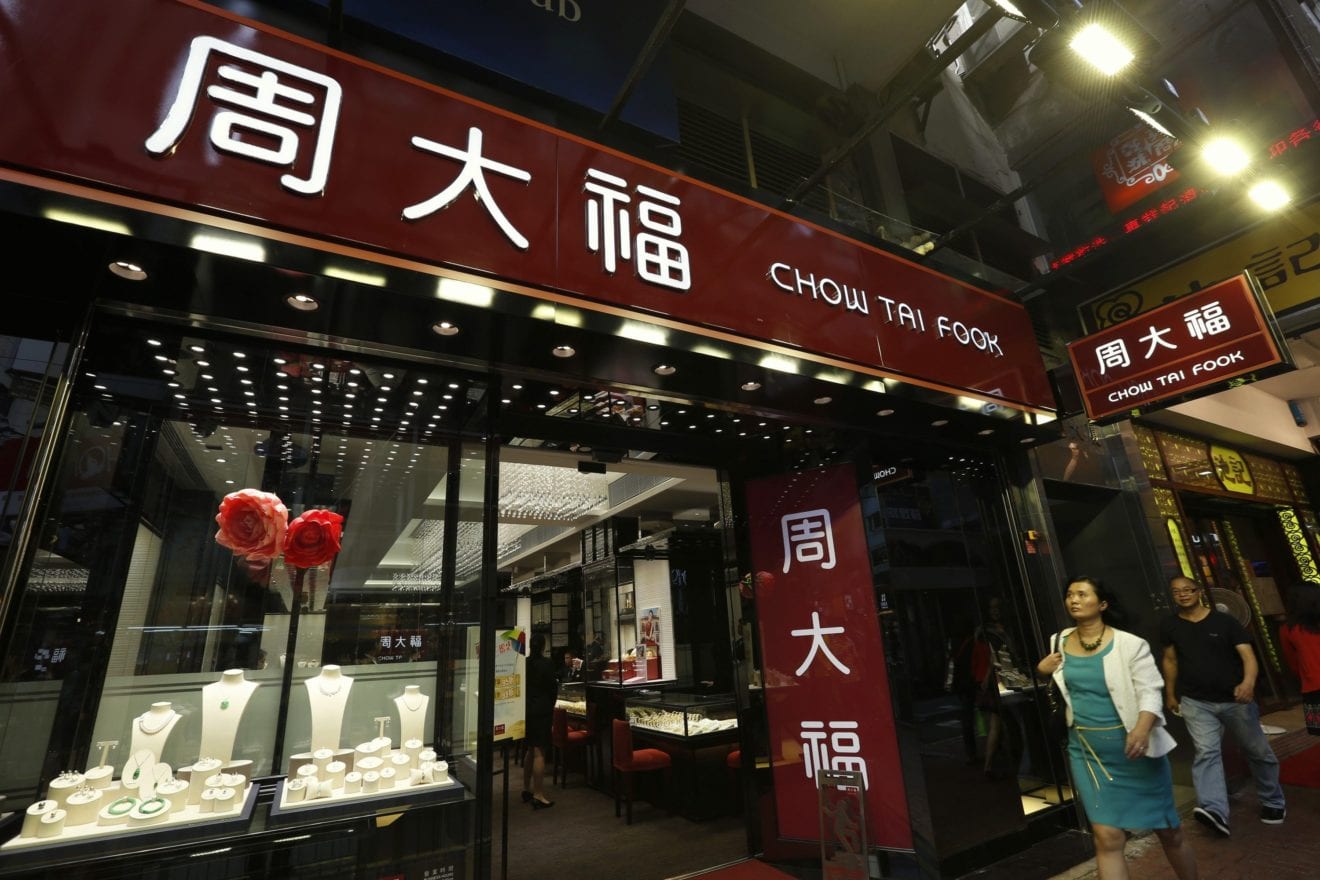
    Chow Tai Fook, who last November opened its first stateside store in Macy’s NYC, revealed on Monday that the second store will be opening in the heart of Honolulu, Hawaii, situated at T Galleria by DFS. The LVMH-owned duty-free retailer rebranded its worldwide T Galleria stores back in 2013, with the hope of attracting China’s increasingly sophisticated millennial consumers—and chose its Hawaii location in which to announce the renaming of its non-airport Galleria locations. Four years on, and the duty-free mall will next month be the location for the opening of Chow Tai Fook’s 970-square-foot-store, looking to capture the attention of wealthy travelers visiting the surrounding luxury resorts and beaches.

    With Chinese tourists recently reported as the only group of travelers for whom Donald Trump’s presidency has made it more likely than ever for them to visit the United States, the current political climate encourages luxury outlets to increasingly target Chinese consumers from within America. The Chow Tai Fook Jewellery Group currently boasts an extensive network consisting of over 2,300 retail points globally, with more than 2,000 jewelry and luxury watch outlets in Greater China.

    According to company Managing Director, Kent Wong, Chow Tai Fook will be “looking to capture the vast growth potential of leisure spending in the Hawaii market” and take advantage of the Hawaiian capital of Honolulu as both a popular holiday location, and a frequent luxury honeymoon and wedding destination. Aiming to entice consumers from both home and abroad with the opening of their first ever own-branded boutique in the United States, the agreement signed with the world’s leading luxury travel retailer promises the support of T Galleria’s 50 years of experience in the Hawaiian market.

    The news, however, comes after reports earlier this year of Chow Tai Fook choosing to target younger consumers within China, opening outlets stocking jewelry at about a third of the price of that sold at the company’s flagship Chow Tai Fook-branded stores. With jewelry at these outlets sold at an average price of 2,000 RMB ($291), Chow Tai Fook seem to be turning their attention overseas to the more affluent Chinese traveler. The Chow Tai Fook boutique in Haiwaii will offer a range of luxury products including gem-set jewelry, fixed-price gold products and platinum and karat gold jewelry, alongside exclusive collections such as Oriental Blessings and Jardin Magique. The store will also stock exclusive wedding jewelry.

    After the announcement of the store this Monday, there won’t be long to wait before the Jewellery Group can begin to determine whether its changing marketing strategy will pay off—Chow Tai Fook’s Hawaiian boutique will open this May at T Galleria, Honolulu.

  • Chow Tai Fook sales recovering in Hong Kong, Macau

    Chow Tai Fook sales recovering in Hong Kong, Macau

    Same store Chow Tai Fook sales in Hong Kong and Macau “continued to show a sequential improvement” during the first quarter of the year.

    The trend reverses 12 consecutive quarters of decline by the Hong Kong-listed jeweller, the first increase since last last three months of 2014.

    Chow Tai Fook says Mainland China same-store sales rose 12 per cent year-on-year and in the two SARs by 4 per cent. However, sales volume declined by 2 per cent in the mainland and 1 per cent in Macau and Hong Kong.

    Performance of gold products in both Mainland China, Hong Kong and Macau benefitted from an increase in Average Selling Price, rising 19 per cent. But sales of gem-set jewellery fell 17 per cent year-on-year during the quarter in the two SARs.

    “The percentage of RSV (retail sales value) settled by China UnionPay or RMB to the total RSV of Hong Kong and Macau market, a proxy for sales contribution from Mainland tourists, declined to 45 per cent in the quarter as compared to 49 per cent of the same period last year,” Chow Tai Fook said in its stock exchange filing, adding that “such contribution was similar to that in the first half of FY2017”.

    The company had 2381 points of sale as of end-March, with 102 located in Macau and Hong Kong.

  • Chow Tai Fook Shows Long-Awaited Sales Gains

    Chow Tai Fook Shows Long-Awaited Sales Gains

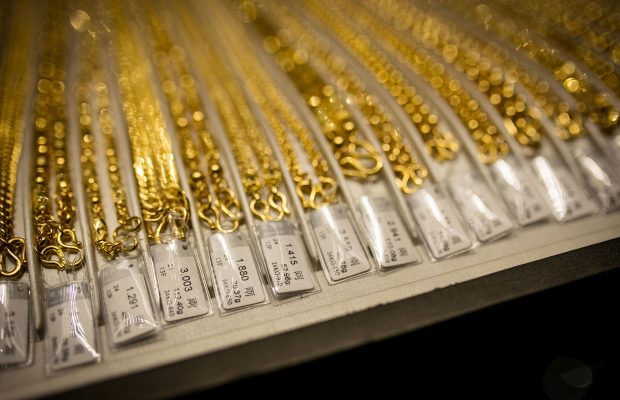
    Chow Tai Fook saw positive retail sales growth in the fiscal fourth quarter, ending a long run of declines at the Hong Kong-based jeweler. Retail sales in mainland China increased 16%, with same-store sales rising 12% during the three months that ended March 31, the company reported Wednesday. Overall retail sales in Hong Kong and Macau grew 1%, and same-store sales rose 4% — the first quarterly increase in three years in Hong Kong and Macaua, Chow Tai Fook said.

    Driving this growth were sales of gold products – up 17% in mainland China and 19% in Hong Kong and Macau – as the jeweler benefited from a 3% rise in gold prices and a higher average weight per gold product sold. Gem-set jewelry sales rose 5% in mainland China, but fell 17% in the municipalities due to a decline in the average selling price: The company had sold a number of big-ticket items in Hong Kong the previous year that it was unable to match during the reporting period, management explained.

    Chow Tai Fook’s ecommerce sales spiked 85% in mainland China, strengthened by its cooperation with existing online platform partners.

    The company, considered the largest jeweler in the Asia Pacific region, operated 2,381 points of sale at the end of March, of which 2,129 were jewelry locations in mainland China. It opened six jewelry points of sale in China and closed two watch locations during the quarter.

  • Pink Star diamond sells for record $553 million

    Pink Star diamond sells for record $553 million

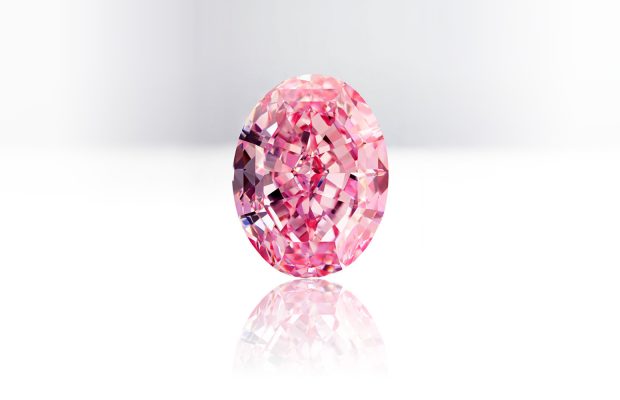
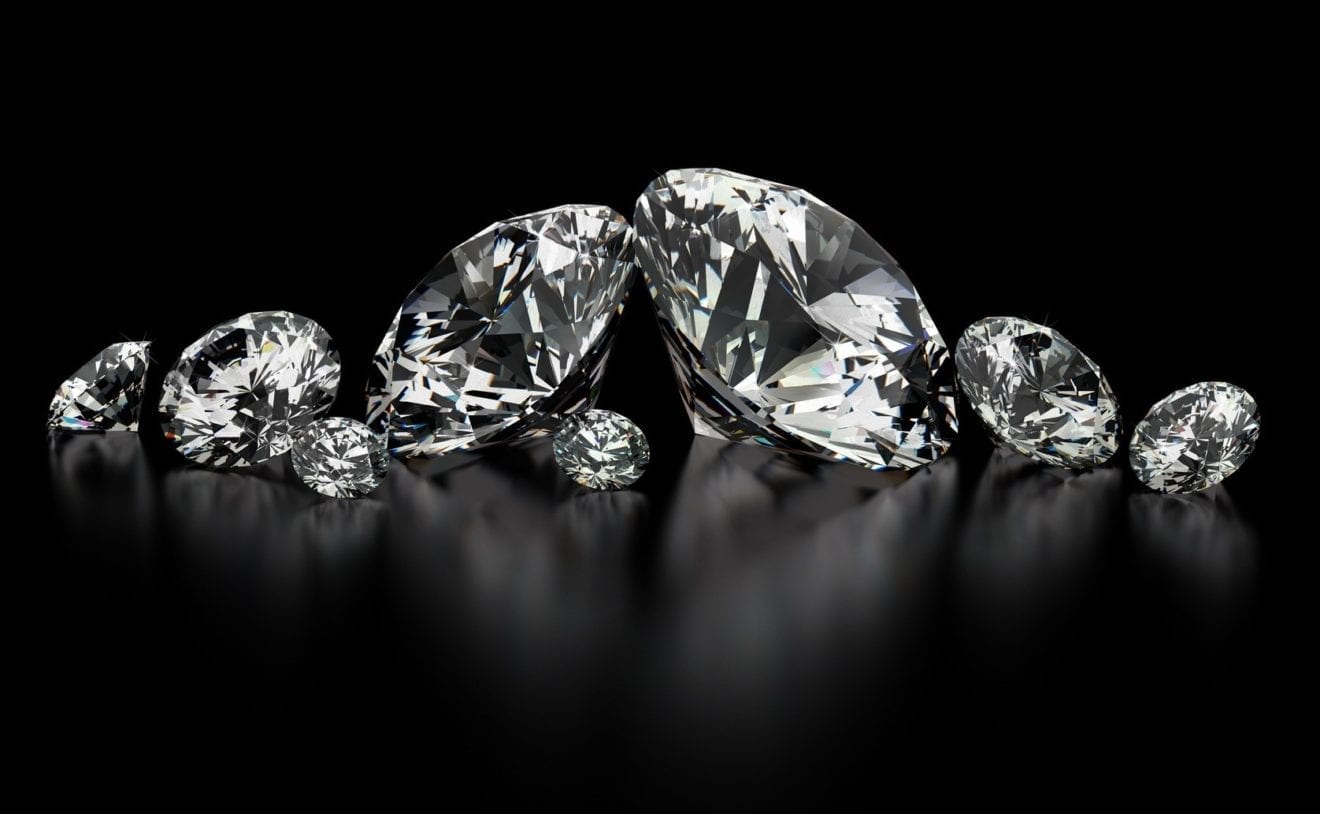
    Hong Kong jewellery company Chow Tai Fook ­has paid a record HK$553 million (US$71.2 million), including fees, for the illustrious Pink Star diamond.

    This makes the diamond the most expensive ­precious stone sold at auction. The sale relieves auction house Sotheby’s of unwanted inventory it was forced to take on three years ago.

    Measuring 2.69cm by 2.06cm and set on a ring, the 59.6-carat stone is the largest “internally flawless fancy vivid pink” diamond ever graded by the Gemological Institute of America, the industry arbiter. It is more than twice the size of the 24.8-carat Graff Pink, previously the most expensive pink diamond, which fetched US$46.2 million including fees in Geneva in 2010.

    The previous record holder for any diamond was the Oppenheimer Blue, a 14.6-carat “vivid blue”, which sold for 56.9 million Swiss francs (US$56.7 million) in Geneva last May.

    Chow Tai Fook, owned by the family of late tycoon Cheng Yu-tung, last year bought a 5.03-carat green diamond, Aurora Green, for HK$130 million at auction, and a 507-carat Cullinan Heritage rough diamond for HK$275 million in 2010. The Cullinan Heritage was subsequently cut and turned into a necklace.

    Asia overtook the US last year as the largest auction market, prompting Sotheby’s to opt for Hong Kong instead of Geneva to sell the Pink Star. The Swiss city is the traditional centre for sales to dealers.

    “Industry buyers remain the biggest market for large precious stones, but we are seeing great potential for growth among Asian private collectors. That’s why we did not sell this in Geneva,” says Sotheby’s Asia chairwoman Patti Wong.

    Sotheby’s initially sold the Pink Star in 2013 after New York cutter Isaac Wolf, acting on behalf of Ukrainian investors, made a record bid of 68 million Swiss franc for it. However, says Wong, his backers failed to come up with the money.

    Sotheby’s had made a pre-sale guarantee to the seller for the diamond, then estimated at US$60 million, and had to buy it when the sale fell through. It placed the diamond in its inventory with a value of US$72 million.

  • Signs abound that the worst may be over for Hong Kong retailers

    Signs abound that the worst may be over for Hong Kong retailers

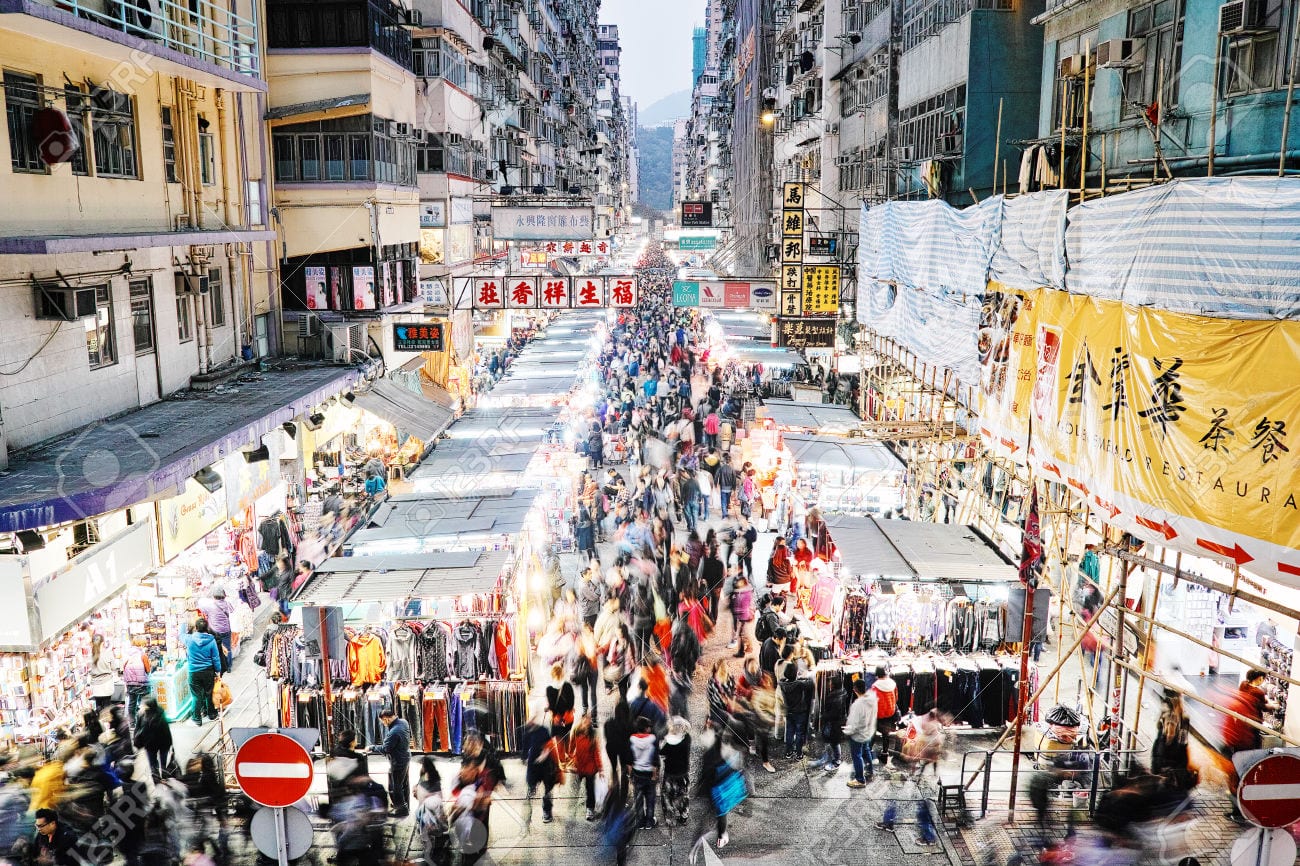
    Hong Kong’s retailers and mall operators are crossing their fingers in the hope that the signs of recovery in tourist arrivals and the return of spending aren’t flashes in the pan.

    Jewellers like Chow Tai Fook and retailers are reporting that the pace of their sales declines have slowed, indicating that the struggling industry may have finally found a bottom.

    Hong Kong used to be the favourite shopping destination for mainland Chinese tourists, lured to the city by its wide selection of tax-free brands and cheaper currency.

    Retail sales dwindled since 2014 amid Beijing’s anti-corruption campaign started a year earlier, local backlash against the hordes of mainland tourists thronging Hong Kong malls and the strength of the Hong Kong dollar.

    As tourist numbers started to recover in the past few months, mall developers and clothes vendors are becoming more optimistic towards their profit prospects.

    SEE ALSO: Red Valentino opens new Hong Kong store, debuts Walky Land collab

    “The signs of bottoming out are visible, as same-store gross profit has stopped declining, after a period of negative growth for more than one year,” said Tsin Man-kuen, chairman of fashion brand Bossini, whose same-store gross profit declines slow to 6 per cent in the second half of 2016 from the 14 per cent the same period a year ago.

    Wharf Holdings, the city’s biggest mall operator, said tenants’ 2016 sales decline at Harbour City slowed to 10 per cent at HK$27.7 billion, compared with the 15 per cent first-half slump. At Times Square in Causeway Bay, the sales drop narrowed to 11 per cent, from 16 per cent over the same period.

    The Sogo department store in Causeway Bay, which contributes to 87 per cent of the revenue of Hong Kong-listed Lifestyle International, said its sales decline slowed in the second half.

    Samsonite International, the world’s largest luggage maker, said its Hong Kong sales drop narrowed to 7 per cent in the second half of 2016 from the 16 per cent decline in the first half, adding the market has shown “early signs of stabilising”.

    Analysts largely agree with the cautiously optimistic view, citing a recovery in inbound tourism and improving consumer sentiment in the mainland.

    Mainland visitor numbers grew 6.1 per cent in December and 7.7 per cent in January, compared with a 6.7 per cent drop in the entire year of 2016.

    The city’s retailers can also benefit from a wealth effect caused by rising property price in the mainland – meaning consumers spend more because of a strong sense of financial security, analysts said. However, some warned that mainland tourists who opt for Hong Kong are no longer the wealthiest batch, and a weaker yuan means they are not able to buy as much as they used to.

    “The spending power per head for mainland Chinese tourists is decreasing,” Walter Woo, an analyst with China Merchant Bank, said. “But I’m still quite positive on the Hong Kong retail segment because the traffic has been rising.”

  • Chow Tai Fook looks to Japan for growth

    Chow Tai Fook looks to Japan for growth

    Hong Kong jeweller Chow Tai Fook is looking to Japan for growth to compensate for its challenges in greater China.

    The company is about to open a shop inside the Laox duty-free shopping centre in Tokyo’s Shinjuku district, a prime destination for Chinese tourists to the city.

    Currently, Chow Tai Fook operates just 19 of its total 2326 stores outside Hong Kong and Mainland China.

    Chow Tai Fook’s sales fell by 25.7 per cent in Hong Kong and Macau and by 20.9 per cent in Mainland China in the half year to September 30.

    In Japan, the jeweller will targeting tourists from China, rather than Japanese consumers who are unlikely to be lured by the style of its offer. Tourism numbers from China to Japan have been rising in recent years due to more relaxed visa conditions and currency fluctuations. Last year, more than 6 million Chinese visited Japan, spending an average of US$2000, more than twice that of the average tourist.

    “With an emphasis on gold and somewhat ostentatious design, Chow Tai Fook looks unlikely to appeal to the Japanese market,” commented David Blecken of Campaign Japan. “That should not be a major problem considering the continuing growth of inbound tourism to the country and relatively high spending of visitors, although Chow Tai Fook has low awareness among non-Chinese groups.”

  • Chow Tai Fook remains calm in the storm

    Chow Tai Fook remains calm in the storm

    A 23.5 per cent drop in revenue to HK$21.526 billion (US$2.775 billion) was recorded by Chow Tai Fook Jewellery Group for its latest six months.

    Its interim results for the period to September 30 show same-store sales in Hong Kong/Macau dropped by 25.7 per cent and in China by 20.9 per cent.

    Gross profit was down by 13.1 per cent to HK$6828 million from HK$7857 million in the first quarter.

    In its executive summary, the group says that in response to the rapid market changes and volatile macroeconomic environment across Greater China during the first half, it focussed on enhancing store productivity and efficiency.

    The group also capitalised on its vertically integrated business model and proprietary technology to introduce the Chow Tai Fook T Mark diamond brand in the first half, which it describes as “an important milestone in our heritage” that “revolutionised the current diamond-industry practice”.

    Despite revenue declining with the market slowdown in the first half, the group’s adjusted gross profit margin improved, mainly because of an enhanced product mix and an uplift in gross profit margin for gem-set jewellery and gold products.

    As at the end of September the group’s retail network comprised 2326 points of sales, and increase of seven. During the first half, 26 points of sale were opened in shopping malls while 19 were closed in department stores on the mainland.

    Also in the mainland the group promoted its premium diamond brand Hearts On Fire, opening two points of sale and 30 shop-in-shop/counter-in-shop outlets for a total of seven POS and 148 shop-in-shop/counter-in-shop.

  • Chow Tai Fook sales plummet

    Chow Tai Fook sales plummet

    Chow Tai Fook sales plunged in both Hong Kong and Mainland China markets in the quarter to September 30.

    By value, same-store sales fell by 30 per cent in Hong Kong and Macau and by 22 per cent on the mainland. By volume, same-store sales in Hong Kong fell 39 per cent, and on the mainland by 32 per cent, compared with the same quarter last year.

    Sales of gold products, which account for about 53 per cent of total sales, fell by 23 per cent in Hong Kong and Macau and by 27 per cent in the mainland. Gem set jewellery sales were down 23 per cent and 17 per cent.

    In a statement, the company said its figures in both markets were affected by the high base of 2015, when there was a surge in sales of gold as the price fell.

    But the changing buying behaviour of Mainland Chinese tourists also took its toll, evidenced by the percentage of total sales settled by China UnionPay of in RMB falling from 57 per cent to 43 per cent year-on-year.

    Chow Tai Fook opened a net 11 points of sale during the quarter: 12 jewellery stores and one watch store opened in Mainland China, while its Hong Kong store count dropped by two. At the end of September, Chow Tai Fook had 2326 points of sale.

  • High street brands replace luxury stores that exit HK prime space

    High street brands replace luxury stores that exit HK prime space

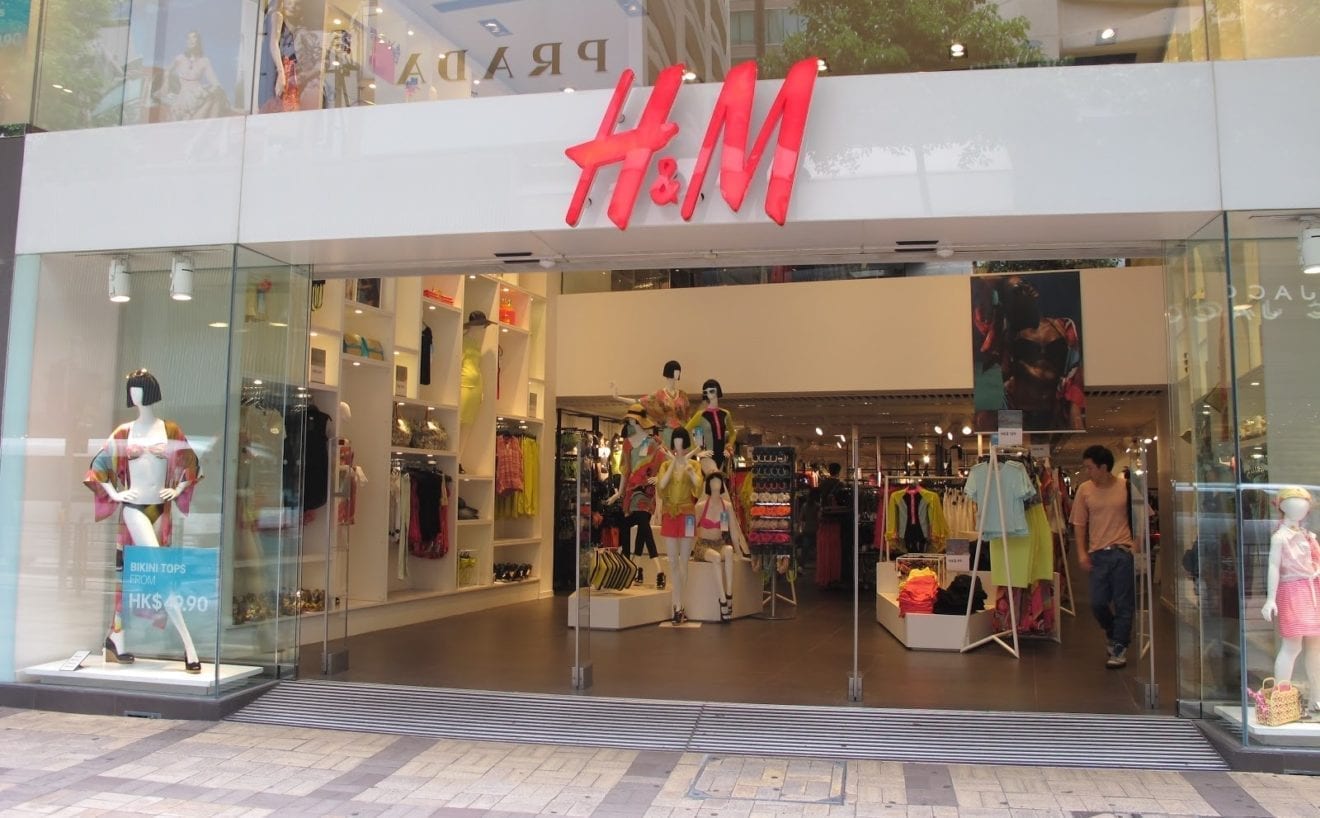
    From fast-fashion chain H&M to lifestyle brand Maison Kitsune and cosmetics firm Innisfree, mass-market retailers are setting up shop in premises previously occupied by luxury brands in Hong Kong’s prime shopping districts.

    Aided by falling rents in top locations, accessory, sport and lifestyle retailers are emerging as a new driving force of Hong Kong’s US$60-billion (S$80.4-billion) retail industry, part of a major makeover the city is going through amid a slump in retail sales.

    “This trend will continue,” said Mr Joe Lin, executive director at property consultant CBRE. “We are going to see more mass-market brands reappear in prime locations.”

    Weak sales of luxury goods drove Hong Kong to report a 16th straight monthly drop in retail sales on Tuesday.

    Sales of jewellery, watches and valuable gifts tumbled 21 per cent in January to May, driving a 10.8 per cent fall in overall retail sales, while cosmetics and medicines posted a 2.7 per cent sales decline and furniture and fixtures reported a 5.3 per cent drop, government data showed.

    Luxury retail in Hong Kong exploded over the past decade as increasingly wealthy Chinese flocked to the city to buy high-end Western brands, pushing out local jewellers and other shops that once dominated the high street.

    “Back in the day, we used to see only (jewellers) Chow Tai Fook, Luk Fook and pharmacies,” said Ms Cynthia Ng, director of retail services of Colliers International.

    “They (new retailers) are not necessarily local brands, but tend to be cheaper in pricing and younger… Not only does the adjusted rental fit their budget, but at the same time the craze and demand for fitness and sports are also helping them.”

    Still, mass-market brands might struggle to achieve the margins and profitability needed to justify prime rents in a weak retail environment, said Mr Kevin Lai, an economist at Daiwa Capital Markets in Hong Kong.

    “The luxury sector usually has much more value added,” Mr Lai added. “So these guys may not be able to do exactly the same.”

    Retail rents in Hong Kong’s core shopping districts, still among the world’s highest, are likely to fall another 5 to 8 per cent in the second half of this year, bringing the full-year correction to 10 to 15 per cent, said CBRE.

    Those declines are attracting new tenants to shops large and small.

    On Russell Street in the prime Causeway Bay shopping district, the 400 sq ft space that jewellery group Follie Follie occupied has been replaced by footwear outlet Joy & Mario, while Swatch Group’s Jaquet Droz luxury watch shop has gone to South Korean cosmetics brand Innisfree.

    Nearby, H&M opened a flagship store last year.

    “For us, best location is always key, and when opportunities arise, we look at the possibilities for opening new stores,” a spokesman for H&M in Stockholm said.

    Sports brand Adidas last year leased a 13,000 sq ft shop in the city for 22 per cent less than its former occupier, Coach, as the premier American brand closed its fourstorey flagship store in Central amid weak retail sentiment and a drop in tourist arrivals from China.

    Big shopping malls are renovating and offering attractive terms as vacancies grow, and stores on street level have also become more affordable.

    Swire Properties’ Pacific Place, where British fashion house Burberry will halve the size of its store by next year, is reshuffling its tenant mix, bringing in more food and beverage stores.

    Lifestyle store Homeless recently opened a store in CityPlaza shopping mall, after years of effort to secure a place in a prime shopping district, and is planning to relocate its shop in Tsim Sha Tsui this year to a location with much better traffic.

    Retail and property experts see the trend continuing as sales of luxury goods remain weak, despite steep discounts.

    “In the second half of May, many brands kicked off their summer sales much earlier than before, offering much higher discounts than they normally did,” Mr Thomson Cheng, chairman of Hong Kong Retail Management Association. “It failed to significantly boost sales. The situation is worrying.”

    In early June, French fashion house Chanel slashed prices by as much as 70 per cent on selected items, while Coach cut some prices by half, in line with moves by Burberry and French luxury group Kering’s Gucci.

    “The spending pattern of mainland tourists has changed and their consumption power is weakening,” Mr Cheng said.
     

  • Chow Tai Fook’s Profit Dives 46% in Fiscal 2016

    Chow Tai Fook’s Profit Dives 46% in Fiscal 2016

    Chow Tai Fook reported profit tumbled 46 percent in the past fiscal year as fewer tourists visited Hong Kong and a downturn in Greater China reduced consumer spending.

    Profit slumped to $383.6 million (HKD 2.98 billion) in the 12 months that ended March 31, the Hong Kong-based jewelry retailer said. Revenue slid 12 percent to $7.3 billion (HKD 56.59 billion). Jewelry sales in mainland China dropped 11 percent and in Hong Kong and Macau declined 15 percent.

    Tourist arrivals from the mainland retreated 8.6 percent in Hong Kong and 3.7 percent in Macau during the fiscal year, the jeweler pointed out. Mainland China contributed more than 50 percent of group revenue during the year, a figure that has increased over the past three years. The jeweler said it is still “confident” about the long-term growth potential in the region.

    The “persistently weak retail sentiment” and a “decline” in the number of tourists, particularly from the mainland due to a “strengthening” of the U.S. dollar, continued to affect operations, Chow Tai Fook said.

    “The increasingly affluent and sophisticated Chinese consumers continue to look for more personalized products and shopping experience,” the company added.

    The company, however, pointed out its core operating profit – a non-IFRS measure that Chow Tai Fook believes is a useful measure of its operational performance – fell 24.5 percent, a better outcome compared with net income.

  • Chow Tai Fook takes it slow in China after profit slump

    Chow Tai Fook takes it slow in China after profit slump

    Chow Tai Fook Jewellery Group, the world’s largest listed jewelry chain, will be more “selective” in expanding in mainland China, after it posted on Tuesday the steepest decline in full-year profit since it listed locally due to the economic slowdown.

    Listed in 2011, the jeweler saw its net profit plunge 46% to 2.94 billion Hong Kong dollars ($379 million) for the 12 months ended in March, in line with its profit warning issued on May 12. Full-year revenue fell 12% to HK$56.59 billion from a year ago. Its mainland business contributed more than half of its revenue.

    “The market is still subject to short-term volatility,” said Chairman Henry Cheng Kar-shun, son of Hong Kong billionaire Cheng Yu-tung whose business empire includes developer New World Development and transport companies. “But we are cautiously optimistic about the long-term growth prospects in the greater China market.”

    Chow Tai Fook’s retail network expanded to 2,300 points of sales in mainland China, Hong Kong, Macau, Taiwan and South Korea as of end-March, with a net addition of 62 from a year ago. Managing Director Kent Wong Siu-kee told reporters that net store openings will be similar to last year, but a majority of them will be in third- and fourth-tier Chinese cities, citing lower business costs there.

    The group will shut down seven to eight stores in Hong Kong and Macau to cut cost, although it does not have large-scale layoff plans this year. Last year, it lost about 9% of its staff in Hong Kong and 6% in mainland China. “The pie [of luxury retail] is so much smaller than before,” said Cheng, but added that the retail downturn was cyclical rather than structural.

    Hong Kong retailers still face challenges as sales fell for the 14th consecutive month in April, with a dwindling number of tourists from mainland China. Sales of jewelry and watches fell 16.6%, according to official statistics, although the decline has narrowed.

    Michael Cheng, Asia-Pacific retail and consumer leader at PricewaterhouseCoopers, expects the luxury sector to recover in 2017 due to a low base effect. “Luxury is a sector so much subject to volatility in the macro market,” he said on Tuesday, adding that more luxury retailers would offer deeper discounts and turn to the “affordable luxury” segment for opportunities.

    Other retailers have a more aggressive China strategy. Rival Tse Sui Luen Jewellery reported a 40% fall in net profit last year, dragged down by a slackening retail market in Hong Kong. The Hong Kong-listed jeweler is counting on the domestic mainland market to drive revenue growth.

    “At least half of our income will come from mainland China,” TSL’s Financial Officer Estella Ng told reporters in late May, adding that the group would open at least 100 sales points there in the next two years.

    Chow Tai Fook’s shares closed 4.8% higher at HK$5.87 on Tuesday before the earnings announcement. Their shares have plummeted 34% from a year ago, widely underperforming the benchmark Hang Seng Index. Analysts at JP Morgan gave it an “underweight” rating with a price target of HK$3.50 as of mid-May, citing “no positive catalysts” for the stock in the short term.

    Despite its weak earnings performance, the jeweler declared a special dividend of HK$0.22, bringing total dividends for the year — including its interim and final payout — to HK$0.8, up from HK$0.28 last year. Analysts said the special dividend was a sweetener to boost its share price, but the management justified it as a move to reward shareholders.

    Nikkei staff writer Joyce Ho in Hong Kong contributed to this story.

  • Chow Tai Fook casino interests expand

    Chow Tai Fook casino interests expand

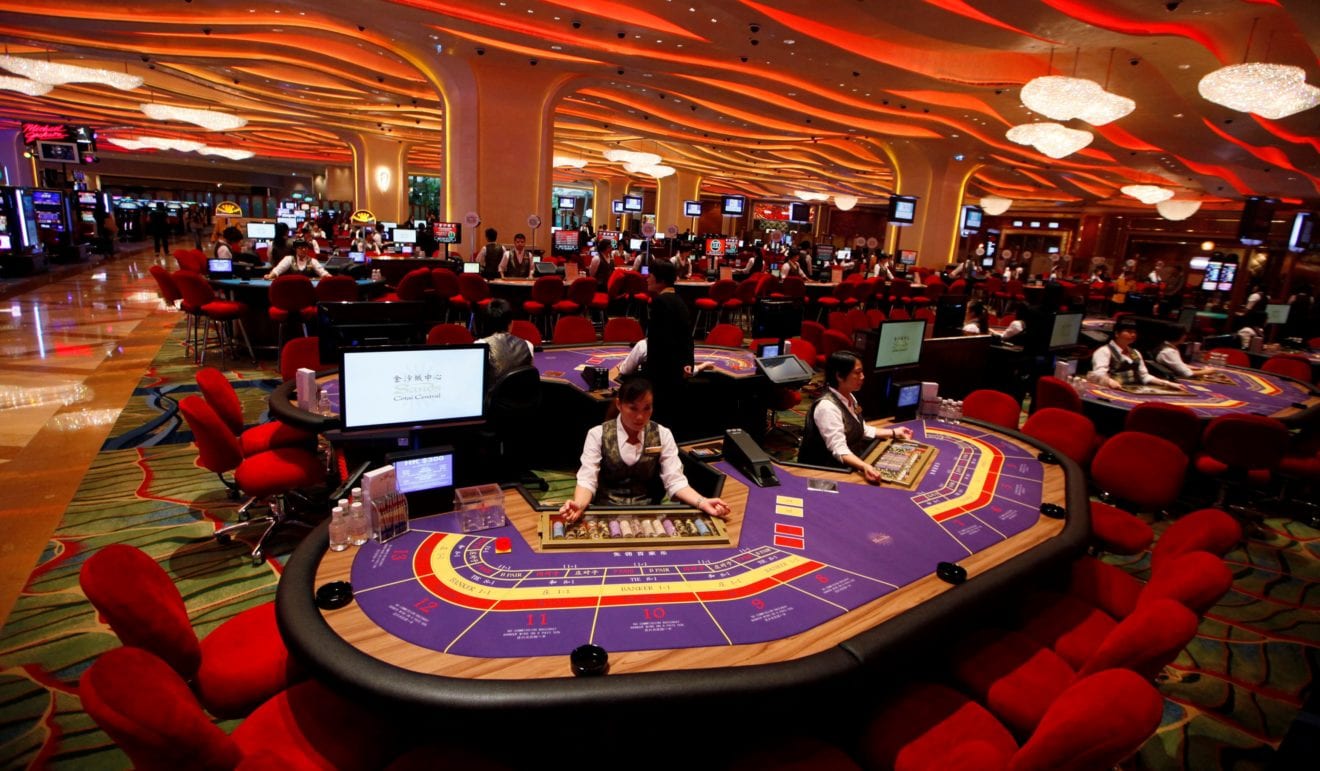
    Hong Kong jewellery retailer Chow Tai Fook Enterprises is diversifying into gaming, and is lead partner in a three-way joint venture developing Vietnam’s second integrated resort casino.

    After a prolonged delay, work has started on the $4 billion project’s first phase, in the UNESCO heritage city of Hoi An in Quan Nam province.

    Also involved in the Nam Hoi An Casino Resort are Vietnamese investment banking firm VinaCapital and Macau junket company SunCity Group. Chow Tai Fook acquired VinaCapital’s majority holding last September, although VinaCapital has announced it will boost its stake from 22.5 to 32 per cent, and also has a major stake in SunCity.

    Chow Tai Fook casino interests in Vietnam, through its New World Development unit, already include two large hotels in Ho Chi Minh City, the New World and the Renaissance Riverside. Three hotels will be included in the Hoi An development.

    Including resorts, an amusement park, golf course, premium villas and apartments, the first phase of the Hoi An project will cost about $500 million and should be completed early 2019. It covers 160ha. The only other integrated resort in Vietnam offering high-end gaming for international tourists is the larger Ho Tram Strip resort near Vung Tau, a beach settlement near Ho Chi Minh City.

    While the Nam Hoi An resort was licensed in 2010, VinaCapital’s original JV partner Genting Malaysia dropped out of the project two years later after deciding that the government’s demand for a minimum US$4 billion investment threshold was too steep considering the property’s gaming options would not be available to local residents.

    Chow Tai Fook, meanwhile, has been aggressively seeking out diversification via casino projects. The company has a stake in The Star Entertainment Group’s $3 billion resort casino project in Brisbane, and in November the Korea Herald reported that Chow Tai Fook had signed a letter of intent to invest $1.6 billion in creating a casino resort at Incheon, near Seoul.

    Chow Tai Fook is a privately held conglomerate controlled by the family of Hong Kong businessman Cheng Yu Tung, Hong Kong’s fourth-richest person who is a longstanding business partner of Stanley Ho Hung Sun, a founder of Macau casino investor SJM Holdings. For the Vietnam project, Chow Tai Fook is working through its entity Gold Yield Enterprises.

    Reuters has quoted industry analysts as saying that Vietnam is within easy reach of wealthy Chinese who provide the lion’s share of gaming revenue in Asia.

  • E-Commerce Latecomer Chow Tai Fook to Chase Online Giant Alibaba

    E-Commerce Latecomer Chow Tai Fook to Chase Online Giant Alibaba

    The Chow Tai Fook brand took almost 90 years to become a family empire spanning Hong Kong shopping centers, the world’s largest jewelry chain and casinos to give patriarch Cheng Yu-tung a $10 billion net worth. Alibaba Group Holding Ltd.’s founder Jack Ma needed less than five years to amass an e-commerce fortune almost triple that.

    Now, the Cheng family’s holding company is making a move to chase Alibaba and other Internet retailers by expanding its online presence. It invested 350 million yuan ($54 million) in shopping platform CTFHOKO.com in December and a mall to showcase products sold online. Its website offers genuine imports such as infant formula, diapers and cosmetics at prices at least 10 percent cheaper than shops in mainland China and is aimed at consumers wary of counterfeit goods online.

    The company is banking on its decades-old reputation. While Hong Kong-based Chow Tai Fook has little e-commerce experience compared with JD.com Inc. and Alibaba’s Tmall, it “can offer confidence in product quality while some existing websites may have fake products,” said Chan Sai-cheong, executive director of Chow Tai Fook’s jewelry unit in charge of the venture.

    Cheng family’s flagship Chow Tai Fook Jewellery Group Ltd. joins other retailers in stepping up its online business that has long been dominated by Alibaba and other e-commerce companies. It’s also seen its traditional business suffer its worst year since 2011 as China’s slowing economy and anti-graft campaigns curb demand for luxury goods.

    The prize is a $100 billion-a-year online Chinese market for imports such as cookies and diapers, according to a report by Mintel Group Ltd., as consumers remain concerned about local products after a series of scandals over fake goods. China’s e-commerce industry is dominated by Alibaba and JD.com, with market shares of 52 percent and 20 percent respectively, according to the report.

    “It’s unlikely for newcomers to compete for website visitation” because China’s most popular online platforms such as Alibaba attracts the most traffic, said Ray Zhao, an analyst at Guotai Junan Securities Co. “It has to cooperate with China’s Internet companies to let Chinese consumers know there is a new website.”

    The hurdle for Chow Tai Fook is not just homegrown. Amazon.com Inc., the world’s largest e-commerce company, is also putting together a plan to take on Alibaba as it vies to capture China’s growing cross-border e-commerce market, which by 2020 is expected to swell into a $1 trillion industry serving 900 million shoppers, according to a June report from Accenture and AliResearch, Alibaba’s research arm.

    No Partnership

    While other brick-and-mortar companies have paired up with established platforms to break into China’s online market, such as the partnership between LVMH-owned cosmetics retailer Sephora and JD.com as well as department store chain Intime Retail Group Co.’s venture with Alibaba, Chow Tai Fook is prepared to go at it alone.

    “We don’t need to have any partnership in expanding the business — we are strong enough to do it by ourselves,” Chan said in an interview in his Hong Kong office. “What we care is that the business model has potential to grow.”

    Cosmetics, Cakes

    To complement its online offerings, Chow Tai Fook built a companion shopping mall in the Qianhai free trade zone in the southern city of Shenzhen to exhibit products sold online, while some are also for sale at the stores.

    Since the first phase of the three-story mall opened in December, Chow Tai Fook has invited 21 Hong Kong retail brands such as cosmetics retailer Sa Sa International Holdings Ltd. and Maxim’s Cakes to display their wares there and sell on its website. At least another 50 retailers will open outlets at the mall when its next phase is ready in May, said Chan.

    All products in the CTF HOKO mall and sold on its sister website are shipped from Hong Kong or other countries outside China, and prices for products such as cosmetics, milk powder and diapers are cheaper than at shops. That’s because the government has adopted lower taxes for online retailers that import through specific ports, under a program labeled “cross border e-commerce.”

    Chow Tai Fook isn’t the only traditional retailer to try and benefit from the program. China Resources Holdings Co. started ewj.com last July and opened a companion showroom in Shenzhen, while Wal-Mart Stores Inc. also plans to introduce a cross-border e-commerce service this year.

    Imported products for infants have been the most popular category since Chow Tai Fook opened its platform, as “Chinese parents don’t stint on baby products,” said Chan. “They want to give their children everything that’s good quality, and they don’t trust domestic brands after some scandals.”

    Showroom Expansion

    The company plans to open other showrooms across China to market its online offerings. It could draw more traffic with low-value goods before switching back to the luxury products for which Chow Tai Fook is known, said Bloomberg Intelligence analyst Catherine Lim.

    “New players can only succeed in surviving by focusing on some niche segments that existing players don’t focus on,” she said.

  • Hong Kong January retail sales fall for 11th straight month

    Hong Kong January retail sales fall for 11th straight month

    Hong Kong retail sales, which suffered their worst decline in 13 years last year, saw weak sentiment extending into January on slumping tourist arrivals, weak local consumption and a strong local currency.

    Retail sales in January slid 6.5 per cent from a year earlier to HK$43.6 billion (US$5.61 billion) in value terms, compared with an 8.5 per cent decline in December. In volume terms, January sales decreased 5.2 per cent.

    “The near-term outlook for retail sales will remain constrained by the sluggishness in inbound tourism,” the government said in a statement. “External uncertainties, including a dimmer global economic outlook and US interest rate normalisation, may add further headwinds.”

    The value of retail sales fell for a second year in 2015 – down 3.7 per cent – the biggest decline since 2002 when they dropped 4.1 per cent.

    Hong Kong is confronting mounting economic challenges as the prospect of US interest rate rises drives fears of capital outflows that could put pressure on the financial hub at a time when China’s economy is growing at its slowest pace in 25 years.

    Tensions that have rocked the city, including protests over the Lunar New Year that was sparked off by street vendors, have added to the strains on the retail and tourism industries already suffering from a drop in mainland tourists.

    EXPENSIVE DESTINATION

    The strong Hong Kong dollar, which is pegged to the US dollar, has made the city an expensive destination and China’s cash-rich tourists are heading for more exotic destinations.

    Hong Kong tourist arrivals, which fell 2.5 per cent in 2015 in the first decline since 2003, dropped 6.8 per cent from a year ago to 5.23 million in January. Mainland visitors, which accounted for 77 per cent of the total, slumped 10 per cent to 4.04 million.

    Hong Kong’s comparatively high rents also hurt retailers as fewer mainland tourists come to shop, forcing operators to close and scale back expansion.

    January sales of jewellery, watches, clocks and valuable gifts in value terms fell 16.3 per cent, a 17th consecutive month of decline.

    Department store sales slid 3.6 per cent on year, against a 12.3 per cent drop the previous month. Wearing apparel fell 4.9 per cent while medicines and cosmetics decreased 3.6 per cent.

    Hong Kong’s top jeweler Chow Tai Fook Jewellery Group and cosmetics chain operator Sa Sa International Holdings saw sales declines at least 20 per cent during the key Lunar New Year shopping season in February.

    Department store operator Lifestyle International also saw a double-digit decline in sales during the holiday.

    Last week, Hong Kong rolled out a multi-billion dollar package of sweeteners to bolster its economy as a slowdown in China and rising political tensions deepen its economic woes.


  • Bleak New Year for Chow Tai Fook

    Bleak New Year for Chow Tai Fook

    Chinese New Year sales for the Chow Tai Fook Jewellery Group took a dive in Mainland China, Hong Kong and Macau.

    Unaudited figures for the period, from January 25 to February 14, show the value of retail sales dropped 30 per cent in China and 23 per cent in Hong Kong and Macau – a 29 per cent dip for the group – compared with the previous Chinese New Year.

    Same-store sales dropped 31 per cent in China, 22 per cent in Hong Kong/Macau, and 28 per cent for the group. Same-store sales figures were also broken down into product – gem-set jewellery dropped 30 per cent in China, 3 per cent in Hong Kong/Macau, and 20 per cent for the group, while gold products fell 33 per cent in China, 25 per cent in Hong Kong/Macau, and 31 per cent for the group.

    Chow Tai Fook says the plunge in China was mainly because of more outbound travel from the mainland during the celebration, and a weakening of consumer sentiment for luxury goods because of the economic slowdown and volatility in the stock market.

    It attributes the decrease in Hong Kong and Macau to the drop in mainland tourists to Hong Kong as well as continuing weak retail sentiment in both regions.

    “Management anticipates the retail business environment will continue to be challenging for the fourth quarter and the sales performance will be worse than that of the third quarter,” the company said a statement.