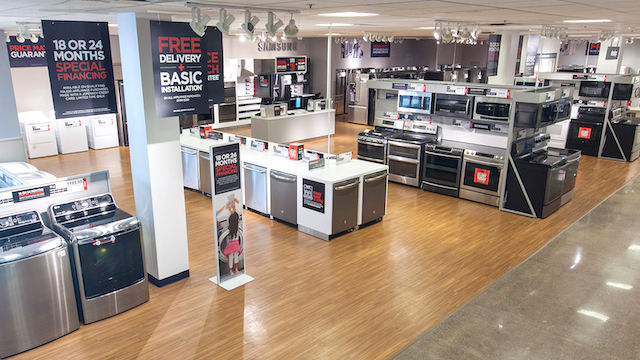
Indian appliance makers face a 50,000 crore rupee domestic component opportunity as the national consumer durables market heads toward 3.25 lakh crore rupees by 2030. Annual retail demand across white goods is expanding at 8 to 10 per cent. Boston Consulting Group and the Confederation of Indian Industry outline the shift in a joint sector assessment, showing that captured domestic value addition can lift from 50 to 55 per cent today up to 70 per cent within four years.
Failure to deepen supply networks will leave billions of dollars in component procurement exposed to overseas vendor bases. Localisation rates currently show wide divergence across product lines, running between 25 per cent and 70 per cent depending on technical complexity. Televisions and air conditioners sit at the bottom of domestic component sourcing, while refrigerators and washing machines source higher proportions within national borders.
The Component Choke Point
Assembly lines in India have multiplied rapidly, but critical sub-assemblies remain reliant on foreign suppliers. Display panels for flat screens, inverter compressors for split air conditioners, specialised insulation chemicals for refrigeration and precision motors for laundry equipment require heavy upfront capital. Manufacturers struggle to bridge gaps in proprietary technology access and production volume needed to match East Asian factory gate costs.
Suppliers building domestic capacity require clear volume commitments from major appliance brands before installing expensive tooling. Without guaranteed off-take agreements, domestic tier-one and tier-two suppliers face margin erosion against subsidised imported parts. RetailNews Asia sees this bottleneck directly impacting product pricing on showroom floors across major metropolitan retail chains.
Closing the Regional Penetration Gap
Indian household ownership of large appliances sits between 20 and 90 percentage points below regional Asian averages. Urbanisation, electrification and smaller nuclear family setups continue to fuel baseline purchases across tier-two and tier-three cities. Broadened consumer credit and non-banking finance options have turned discretionary appliance purchases into monthly instalment payments for entry-level buyers.
Premiumisation trends are also lifting average selling prices in major retail outlets. Consumers replacing decade-old cooling and refrigeration equipment increasingly opt for connected, energy-efficient units. That structural upgrade cycle creates steady floor demand for durable goods retailers, insulating retail networks from short-term inflationary dips.
Export Limits and Global Trade Shares
India accounts for less than 1 per cent of global consumer durables trade, according to the BCG-CII findings. Outbound shipments remain restricted to immediate regional buyers across SAARC territories and parts of the United Arab Emirates. Expanding beyond regional hubs requires meeting tougher international energy efficiency norms and reliability metrics.
Competitiveness on the export stage hinges on port logistics speed and comprehensive domestic testing laboratories. Component suppliers that establish scale exclusively for the domestic market will struggle against global contract manufacturing conglomerates. Integrating local assembly directly with global distribution channels represents the primary operational hurdle for Indian original equipment manufacturers.
Ecosystem Infrastructure and Technology Scaling
Capturing the targeted value shift requires advanced testing infrastructure alongside long-term corporate research partnerships. The joint study calls for broader application of artificial intelligence across plant floors to sharpen manufacturing yield rates and streamline component logistics across fragmented domestic transport corridors.
“Capturing that opportunity will require a globally competitive ecosystem,” said BCG Managing Director and Partner Mehak Dhir, pointing to deeper component manufacturing and scale requirements. State programmes and capital expenditure cycles over the next 24 months will reveal whether domestic component makers secure the orders needed to substitute major imported assemblies by 2030.