Tag: circle

  • Binance Says $2.54 Billion in Assets Frozen in Security Breach

    Binance Says $2.54 Billion in Assets Frozen in Security Breach

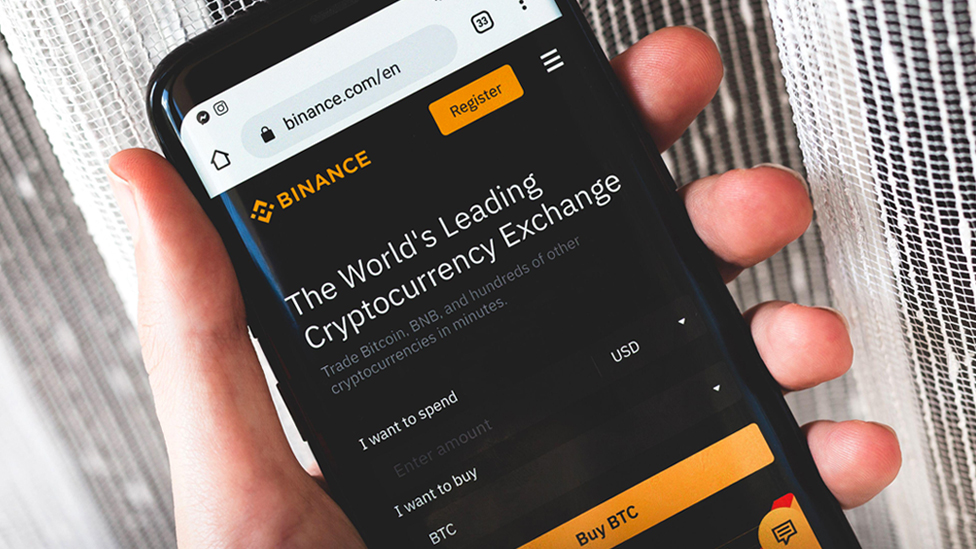
    Binance said on Thursday that $2.54 billion in cryptocurrency assets had been frozen as it investigated a potential security breach.

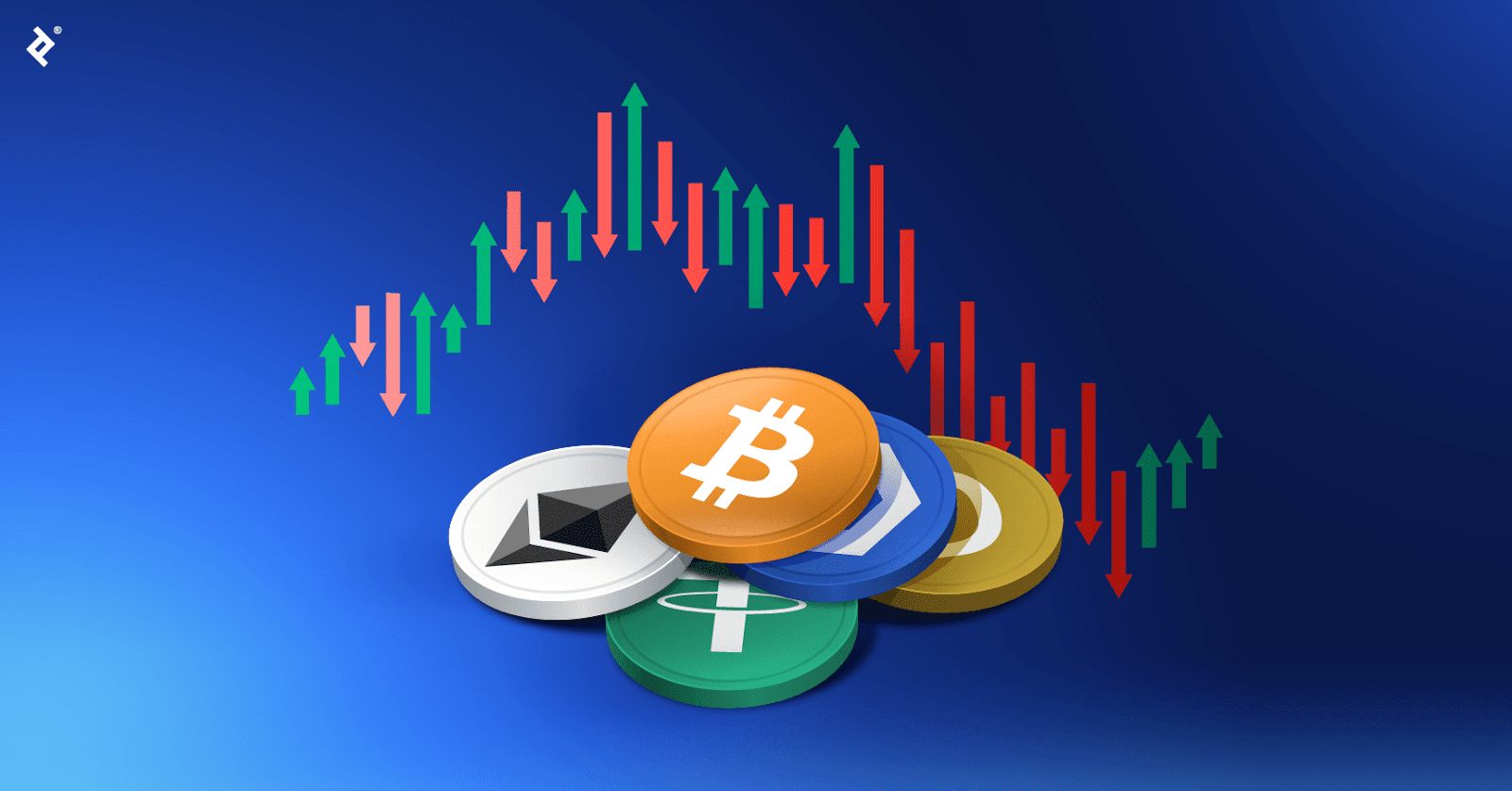
    Stablecoin issuers Tether and Circle froze related assets to halt illicit transfers, locking nearly $1.57 billion and more than $800 million respectively. Trading on the Binance Alpha platform was temporarily suspended as a precaution, while customer withdrawals were paused pending the outcome of security checks.

    Co-founder Yi He confirmed user funds remained safe and pledged that “Binance will cover all hacking losses.” Former chief executive Changpeng Zhao stated on X that the incident “looked like a hack,” while blockchain intelligence firm Arkham reported that outflows began around 4:30 p.m. EST on Thursday. Binance said the frozen total could rise as it works with law enforcement agencies, token issuers and blockchain investigators.

    Stablecoin Issuers Intercept Unauthorized Capital

    Third-party custodians and token networks stepped in quickly to limit the damage across decentralized pools. Ripple froze approximately $200 million in digital assets linked to illicit transfers, according to Yi. In addition, Donald Trump-backed crypto enterprise World Liberty Financial worked alongside digital asset custodian BitGo to immobilize $27 million in stablecoins and roughly $2 million worth of its proprietary tokens.

    The scale of immediate market intervention highlights how centralized stablecoin mechanisms operate as liquidity kill switches during large-scale security exploits. While Tether froze 1.567 billion USDT directly, secondary market tracking firm Arkham indicated that initial automated alerts flagged upwards of $5 billion in anomalous balance movements before the actual scope was confirmed. Digital asset markets reacted swiftly to the containment efforts, sending Bitcoin down 2.8 percent to $79,026, Ether down 3.6 percent to $2,275, and Binance’s native BNB token falling 6.9 percent to $704.

    Retail and Institutional Liquidity Impact Across Asia

    For institutional market makers, regional liquidity desks and high-volume crypto traders across Asia-Pacific, the emergency freeze creates immediate operational friction. Pausing client withdrawals on a platform holding roughly $160 billion in assets under custody forces liquidity providers to pull back buy quotes, draining order book depth across regional partner venues.

    The operational freeze leaves non-affected regional platforms such as Coinbase and Binance.US running on high alert while secondary clearing networks assess collateral risk. Unlike traditional payment clearing houses, cross-border digital asset conduits rely heavily on private token issuers to step in when exchange perimeters fail. The incident directly challenges institutional risk parameters for hedge funds and consumer trading apps that rely on Binance custody pipelines for client trade execution.

    Escalating Cyber Risks Across Centralized Trading Floors

    The scale of this security breach overshadows prior centralized platform losses across the sector. North Korean-linked cyber group Lazarus previously extracted $1.5 billion from rival exchange Bybit in 2025, which held the prior record for the largest centralized exchange theft. Across last year, cyber attackers stole an aggregate $2.9 billion in digital tokens across nearly 150 separate attacks, based on industry metrics compiled by TRM Labs.

    Security vulnerabilities at centralized exchange layers have steadily expanded alongside custody balances. In September, Bitget suffered an exploit that drained $350 million from its reserves, illustrating the persistent risk centralized exchanges face as their custody totals swell. With Binance serving more than 300 million registered users globally, platform defense failures immediately ripple into retail market confidence, putting regulatory focus firmly onto reserve segregation and exchange recovery capabilities.

    Binance engineers continue to review platform infrastructure logs before restoring outbound token transfers, while tracking partners work to verify whether the final illicit flow exceeds the initial $2.54 billion tally.
  • Chelsea Stablecoin Shirt Deal Sparks Hong Kong Merchandising Regulatory Fears

    Chelsea Stablecoin Shirt Deal Sparks Hong Kong Merchandising Regulatory Fears

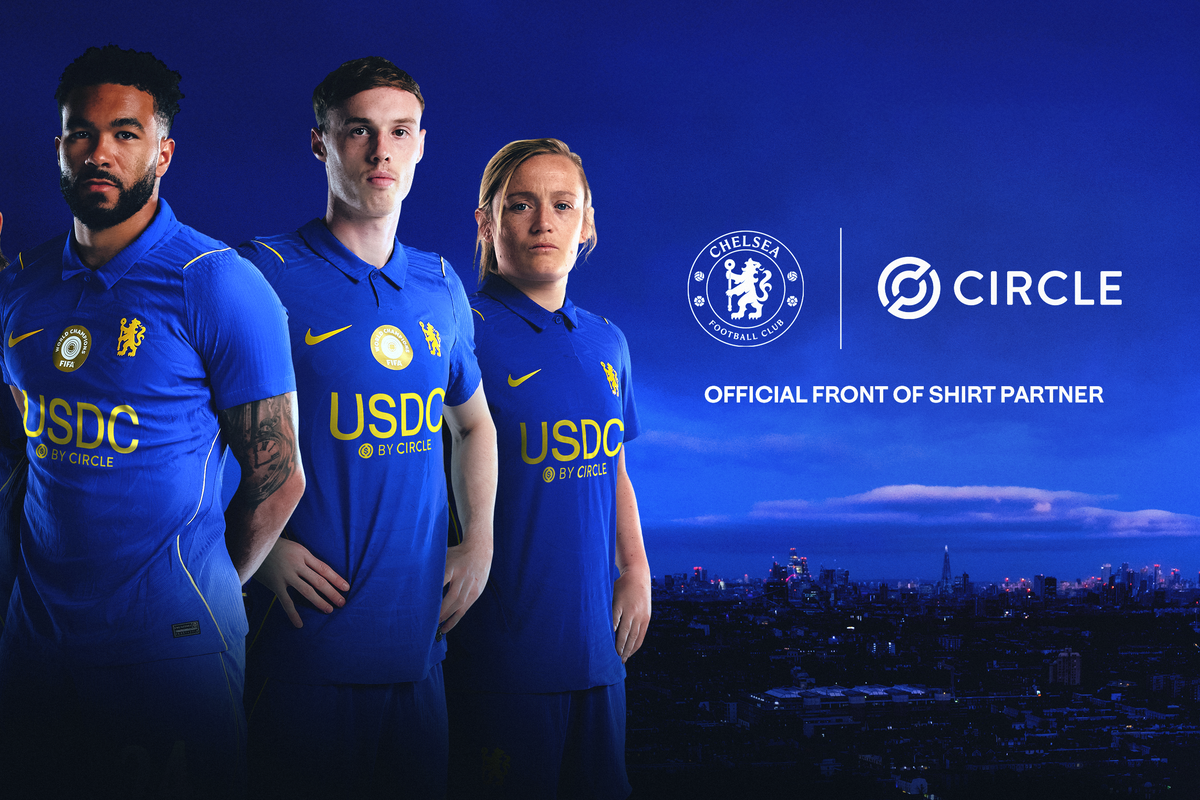
    English Premier League club Chelsea signed a front-of-shirt sponsorship deal with Circle in late August to display its USDC stablecoin logo across official jerseys for the 2026-27 season. The agreement has created immediate uncertainty for Hong Kong sports apparel retailers and consumers navigating the city’s strict digital asset marketing framework.

    Only two stablecoin issuers, Anchorpoint Financial Limited and HSBC, currently hold operating licences in Hong Kong. Circle’s USDC token is neither issued nor licensed under Hong Kong law, putting local replica jersey distributors in an uncertain regulatory position.

    Licensing Limits Under City Ordinance

    The legal friction stems from Hong Kong’s Stablecoins Ordinance, which took effect on August 1, 2025. Under guidelines issued by the Hong Kong Monetary Authority (HKMA), actively marketing unlicensed fiat-referenced stablecoins to the public is illegal.

    Regulators assess active marketing based on target audience, language, local domain usage, and whether an intentional promotional strategy exists. While the ordinance provides exemptions for live broadcast networks that do not control commercial content, it does not explicitly clarify whether physical apparel retail falls under promotional activity.

    Apparel stockists in major retail hubs are already weighing the commercial risk. Hammer Chung, owner of football apparel store DirectSoccer in Mong Kok, questioned whether stocking and retailing replica kits bearing unlicensed crypto logos exposes shop owners to regulatory enforcement.

    Retail Merchandising and Active Marketing Rules

    Supporter demand across Asia remains a vital revenue stream for European football merchandise, but grey areas in sports sponsorship compliance are multiplying. European teams continue to sign lucrative sponsorship contracts with global crypto firms, yet Asian jurisdictions are enforcing increasingly localised virtual asset licensing regimes to protect retail consumers.

    The UK Financial Conduct Authority warned Premier League clubs three months before the Chelsea deal about partnering with unregulated crypto platforms. In Hong Kong, consumer advocates and digital asset compliance specialists, including VerifyVASP, have called for clearer retail guidance and on-screen disclaimer requirements for televised fixtures.

    Retailers in the city are now waiting to see whether the HKMA issues formal enforcement guidance on replica sports merchandise before peak sales for the 2026-27 European football season get underway.

  • Google Enhances Circle To Search Feature, Offering Continuous Translation Even While Scrolling

    Google Enhances Circle To Search Feature, Offering Continuous Translation Even While Scrolling

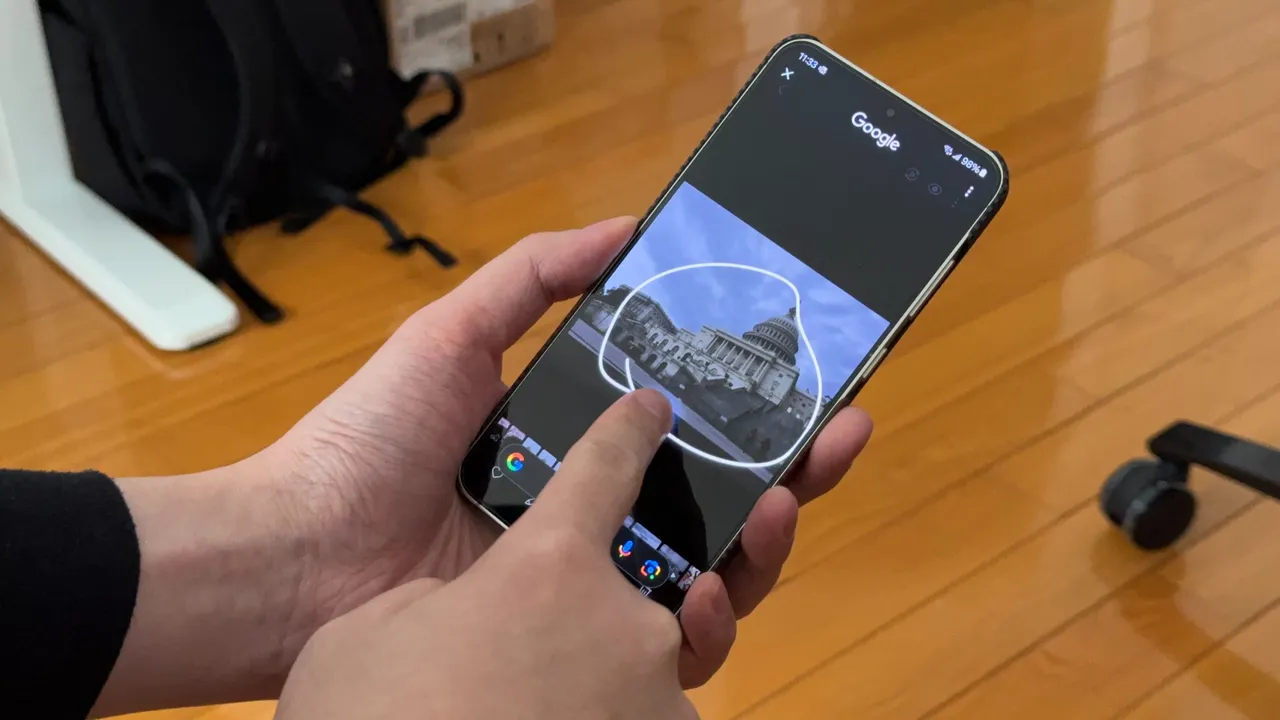
    Circle to Search, a highly favored feature among Android users, offers a user-friendly interface for knowledge acquisition. By simply long-pressing the navigation bar, users can initiate a Google Search pop-up from the bottom of their screens. Upon seeing the pop-up, users can circle an item on the screen to generate search results.

    Improvements in Translation

    Google has recently revealed enhancements in the translation functionality of Circle to Search. The feature, which is among the most frequently used in Circle to Search, enables users to translate words while scrolling. However, translating a lengthy page could be frustrating, requiring users to repetitively restart the process each time they scroll down for further content.

    The team at Google has proposed a solution, allowing users to translate content without interruption while scrolling. By simply long-pressing the navigation bar and clicking on the Translate icon, users can select the “scroll and translate” option. This feature ensures that the translation process continues, even when switching between different applications.

    Rolling Out Updates

    Plans for disseminating these updates on Android devices are underway and will commence with select Samsung Galaxy models. The new feature facilitates seamless translation of content, such as menus, eliminating the need to reset the translation function between various sections.

    Circle to Search was originally launched on Google Pixel 8, Google Pixel 8 Pro, and the Samsung Galaxy S24 series in January 2024. Since then, Google has introduced new features to Circle to Search, including a song recognition feature and a tool for translating an entire webpage.

    Questions & Answers

    What is Google’s Circle to Search?
    Google’s Circle to Search is a feature for Android users that allows them to quickly search for items on their screen by drawing a circle around them.

    What is Google’s recent update for Circle to Search?
    Google has improved the translation feature in Circle to Search. It now allows continuous translation while scrolling, even when switching applications.

    Which devices support Circle to Search?
    Circle to Search was first launched on Google Pixel 8, Google Pixel 8 Pro, and Samsung Galaxy S24 series. The feature’s updates will initially roll out on select Samsung Galaxy handsets.

  • Circle Co-Founder Jeremy Allaire Joins Billionaire Ranks Following Impressive Crypto Firm Stock Debut

    Circle Co-Founder Jeremy Allaire Joins Billionaire Ranks Following Impressive Crypto Firm Stock Debut

    Jeremy Allaire, the co-founder of cryptocurrency powerhouse Circle Internet Group Inc., experienced a remarkable surge in wealth on Thursday, surpassing the $1.7 billion mark as the company’s stock soared nearly threefold on its first trading day.

    Circle’s Spectacular IPO Debut

    The stablecoin issuer strategically priced its shares at $31 each during an expanded initial public offering (IPO), successfully raising close to $1.1 billion. In a thrilling market debut, the shares skyrocketed by 168%, closing at $83.23 in New York trading, despite facing several volatility halts, as reported by Bloomberg.

    Allaire, 54, who sold approximately 1.6 million shares during the IPO, still retains about 18 million shares, along with additional options and restricted stock units. With a rich history of steering technology firms, Allaire co-founded Circle in 2013 and currently serves as its CEO.

    His entrepreneurial journey began in 1995 when he co-founded Allaire Corp. with his brother, a company focused on internet-centered technology. Allaire Corp. went public in 1999 and was later acquired by Macromedia Inc. for a staggering $360 million just two years later. In 2004, he launched Brightcove, a video platform, where he remained CEO until 2013.

    Based in New York, Circle issues USDC, an asset-backed stablecoin that had a market circulation of approximately $61 billion as of May 29, according to its website. These stablecoins are digital tokens pegged to the value of a currency and underpinned by reserves.

    Circle competes primarily with Tether, which currently boasts a circulation of nearly $154 billion. Meanwhile, the financial landscape is also seeing new players like World Liberty Financial, owned by Donald Trump, which recently rolled out its own stablecoin, USD1, with a circulation exceeding $2 billion.

    It’s a fascinating time in the cryptocurrency world—who knew that launching a financial product could lead to such dramatic wealth changes faster than you can say “blockchain”?

    Questions & Answers

    What was the opening price of Circle’s stock during its IPO?
    Circle’s shares opened at $31 each during their initial public offering.

    How much funding did Circle raise through its IPO?
    The company raised approximately $1.1 billion through its expanded IPO.

    Who is Circle’s primary competitor in the stablecoin market?
    Tether is Circle’s main competitor, with a current circulation nearing $154 billion.