Tag: citizens

  • Wealthy Hong Kong Citizens Prioritize Travel Over Real Estate: A Paradigm Shift in Life Goals

    Wealthy Hong Kong Citizens Prioritize Travel Over Real Estate: A Paradigm Shift in Life Goals

    For affluent Hong Kong residents, the allure of real estate doesn’t hold the same level of appeal as it once did, according to a recent study. Interestingly, travel appears to be taking precedence over traditional investments like property. Only a quarter of those surveyed ranked buying a house as a significant life goal, putting it in seventh place.

    Travel as a Form of Investment

    The study interestingly revealed that immersive travel experiences were a priority for almost half of the wealthy respondents, ranking second only to early retirement. The study polled 1,058 affluent Hong Kong residents aged 30 and above, each with at least HKD1 million of investable assets.

    The report revealed that for a majority of high-net-worth individuals (HNWIs) polled, travel was not just a leisure activity but a means to “build intangible capital, broaden outlook and sustain long-term well-being”. This sentiment was shared by almost three-quarters of the HNWIs who took part in the survey.

    Among wealthy parents, there was a clear trend towards valuing overseas travel as a significant component of their child’s educational investments. It was considered more valuable than tutoring or extracurricular activities.

    The Waning Influence of Real Estate

    Despite the shifting perspective towards real estate, it’s important to acknowledge the historical importance of the sector for Hong Kong households. In the early 21st century, real estate contributed to more than 30% of the city’s GDP. However, it’s influence has been waning, declining to about 21% in 2021.

    As affluent residents shift their financial focus towards travel, the amount they are willing to spend on it is rising. On average, HNWIs planned to spend HKD345,000 on travel this year. This figure is significantly higher than the average of all respondents, though it falls below the peak recorded in 2024 when post-pandemic outbound tourism was notably popular.

    Furthermore, two-thirds of HNWIs reported that their travel expenditures exceeded their daily living expenses, including dining, entertainment, and other forms of lifestyle consumption.

    Questions & Answers

    What is the emerging trend among affluent Hong Kong residents according to the study?
    Travel is emerging as a preferred form of investment among affluent Hong Kong residents, with immersive travel experiences ranking high on their list of priorities.

    How did real estate rank in the life goals of wealthy Hong Kong residents?
    Only 24% of the respondents chose buying their first home or owning a dream home as one of their life goals, making it the seventh most popular life goal.

    Are high-net-worth individuals spending more on travel compared to daily living expenses?
    Yes, two-thirds of high-net-worth individuals reported spending more on travel than on daily living expenses like dining, entertainment, and lifestyle consumption.
  • Malaysia Contemplates Axing Fuel Subsidies for Wealthier Citizens: A Strategic Move Towards Economic Resilience

    Malaysia Contemplates Axing Fuel Subsidies for Wealthier Citizens: A Strategic Move Towards Economic Resilience

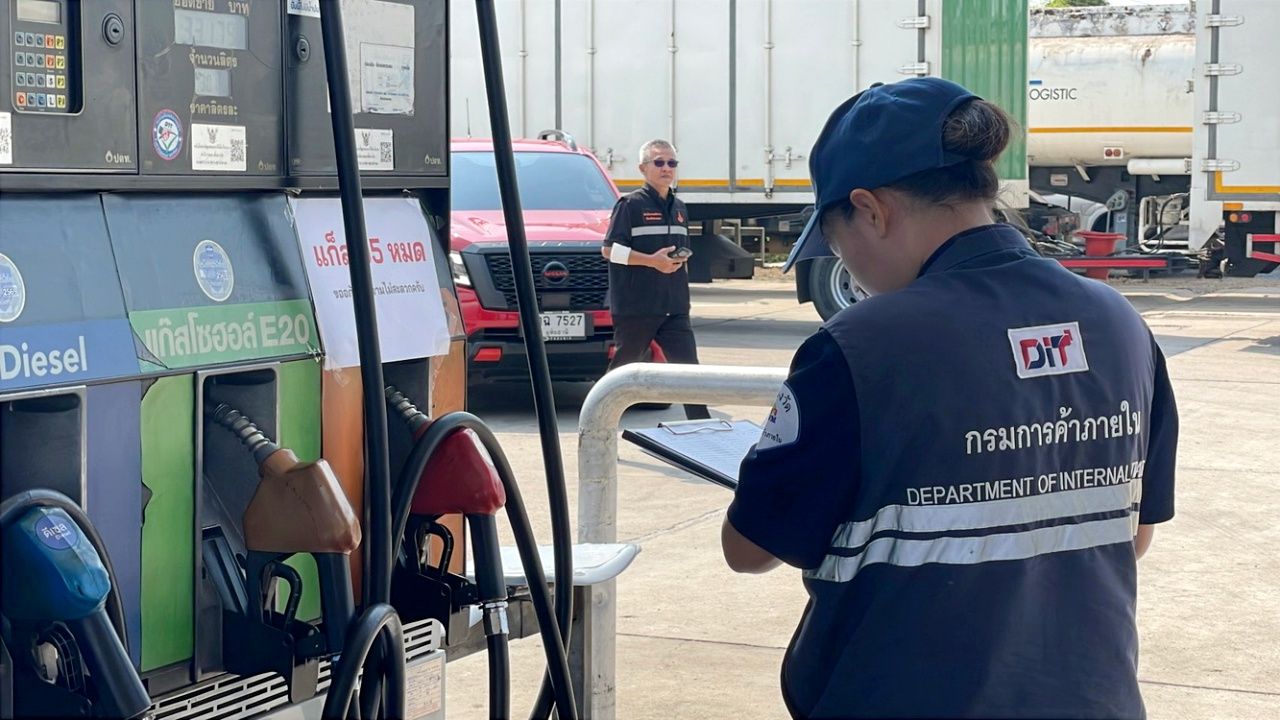
    The Malaysian government is currently evaluating a proposal aimed at revising petrol subsidies for the country’s high-income households. This proposition was initially presented roughly four weeks ago and has been under close scrutiny by the respective authorities over the past three weeks.

    Government’s Standpoint on the Proposal

    Malaysia’s Prime Minister, Anwar Ibrahim, disclosed that a final resolution has not yet been reached on the matter. Although, he emphasized that fundamentally, the government concurs with the necessity to reassess the subsidy system for higher-income Malaysians. The government is expediting efforts to finalize the proposal at the earliest.

    The consideration of this revision comes in response to increasing demands for the realignment of the nation’s fuel subsidy policy. The goal is to ensure that aid is appropriately directed towards the deserving recipients.

    Public voices are advocating for the exclusion of high-income groups from receiving subsidies on RON95 petrol. They suggest that this support should be redirected towards middle- and lower-income groups who are feeling the brunt of escalating living expenses.

    The Need for Proposal in Present Economic Climate

    The proposal is seen as a critical requirement in the prevailing economic environment. It is expected to aid in effectively utilizing national resources and bolstering the country’s resilience against global economic uncertainties.

    Questions & Answers

    Why is the Malaysian government considering a revision of petrol subsidies for high-income earners?
    The government is considering the revision in response to increasing calls for a realignment of the fuel subsidy policy, aiming to ensure aid is properly directed towards deserving recipients.

    What are some of the reasons driving the demand for this revision?
    Public voices have been advocating for the exclusion of high-income groups from receiving subsidies on RON95 petrol. They suggest that this support should be redirected towards middle- and lower-income groups who are comparatively more affected by the rising cost of living.

    What is the expected outcome of this proposal?
    The proposal is expected to aid in the effective utilization of national resources and strengthen the country’s resilience against global economic uncertainties.

  • Thailand Abandons Controversial $300 Handout for Young Citizens

    Thailand Abandons Controversial $300 Handout for Young Citizens

    The Thai government has decided to put the brakes on its ambitious initiative to grant THB10,000 (approximately US$300) to every citizen aged 16–20, citing escalating global economic uncertainties.

    Changing Economic Landscapes

    This pivot comes as the nation grapples with significant hurdles in its export and manufacturing sectors, influenced by wider global economic trends. Deputy Prime Minister and Finance Minister Pichai Chunhavajira emphasized Thailand’s determination to secure a GDP growth rate exceeding 3% in 2025, as reported by *The Nation*.

    The original plan would have seen 2.7 million young individuals benefit from the financial boost, requiring a staggering THB27 billion (US$814 million) in total handouts. However, a government insider disclosed that the predicted economic instability later this year has led to a comprehensive reassessment of the stimulus strategy.

    Redirecting Funds for Maximum Impact

    In response, the government will redirect THB157 billion from its central emergency and contingency budget towards more targeted economic initiatives. Prime Minister Paetongtarn Shinawatra has indicated that the focus will shift to inclusive economic stimulus policies that span all demographics, rather than zeroing in on a single age group.

    “This is a global economic crisis. We need to harness both our financial resources and policy tools to invigorate the entire economy,” the Prime Minister stated. And let’s face it—while our youth may be a priority, everyone deserves a slice of the economic pie!

    Questions & Answers

    Why did the Thai government cancel the youth cash handout program?
    The government scrapped the initiative due to rising global economic uncertainties affecting Thailand’s export and manufacturing sectors.

    What will happen to the funds originally allocated for the THB10,000 handout?
    The THB157 billion will be repurposed from the emergency budget into more targeted economic initiatives aimed at benefiting all age groups.

    Is the Thai government still targeting GDP growth?
    Yes, Deputy Prime Minister Pichai Chunhavajira reaffirmed the government’s commitment to achieving over 3% GDP growth in 2025, despite the challenges ahead.

  • Seoul mall uses media art To Indicate the Air Quality

    Seoul mall uses media art To Indicate the Air Quality

    Hanwha Galleria is informing Seoul citizens of fine-dust levels by using media art installed on the exterior of its department stores.

    If the fine-dust concentration is at “bad” levels, the lighting installed on the exterior of the Galleria Luxury Hall sends out red flashing signals three times before displaying a video consisting mainly of red.

    And on days when fine dust is low, images will be composed mainly of green hues.

    The initiative is part of Hanwha Galleria’s “Right! Galleria” campaign to encourage a culture of eco-friendly and sustainable consumption.

    As part of the Galleria campaign, the company will publicise fine dust levels.

    Hanwha Galleria will also give KF94 certified masks to customers who make a purchase on days when fine dust levels are 81μg/m3 or higher.

    The masks will be provided 10 times every day when fine dust levels are recorded as “bad.”

  • Cebu Pacific honors 20% discount for senior citizens

    Cebu Pacific honors 20% discount for senior citizens

    Gokongwei-led budget carrier Cebu Pacific upgraded its systems to implement the 20% discount on domestic flight tickets for senior citizens and persons with disabilities (PWDs), even for bookings made online.

    The discount comes on top of the exemption from 12% value-added tax (VAT) provided by the government.

    Senior citizens and PWDs who book Cebu Pacific domestic flights, whether via ticket offices, online through the airline’s website, or through the mobile app, will now see the discounts reflected in the base fare.

    “Through this system upgrade, we hope to be able to better serve the traveling public and make it easier for our senior citizens and PWDs to avail of the discounts,” said Cebu Pacific vice president for corporate affairs JR Mantaring in a statement on Friday, September 22.

    “We also recognize the efforts of the House committee on transportation, the Department of Transportation, and the Civil Aeronautics Board in drafting these guidelines that would govern the granting of discounts for senior citizens and PWDs on online transactions as these have been seen growing exponentially over the past years,” he added.

    The 20% discount offered to seniors and PWDs is for airfare only and does not include other services such as food, baggage allowance, and seat selection.

    Steps to follow

    In order for eligible passengers to obtain the discounts through online booking, Cebu Pacific said they need to input their details, including their birthdate or the number stated on their identification cards (senior citizen’s ID or PWD ID).

    The total discounted amount can then be found both in the “booking summary” portion of the website, as well as the “fare breakdown” or “payment details” portion of the itinerary receipt.

    Upon check-in, passengers who obtained the discount are required to present their senior citizen’s ID or PWD ID.

    Passengers who do not have those IDs may also present other valid government-issued IDs that show their nationality and birthdate, such as their passport, driver’s license, voter’s ID, SSS/GSIS ID, PRC card, or postal ID.

  • Vietnam to digitize medical records for all citizens

    Vietnam to digitize medical records for all citizens

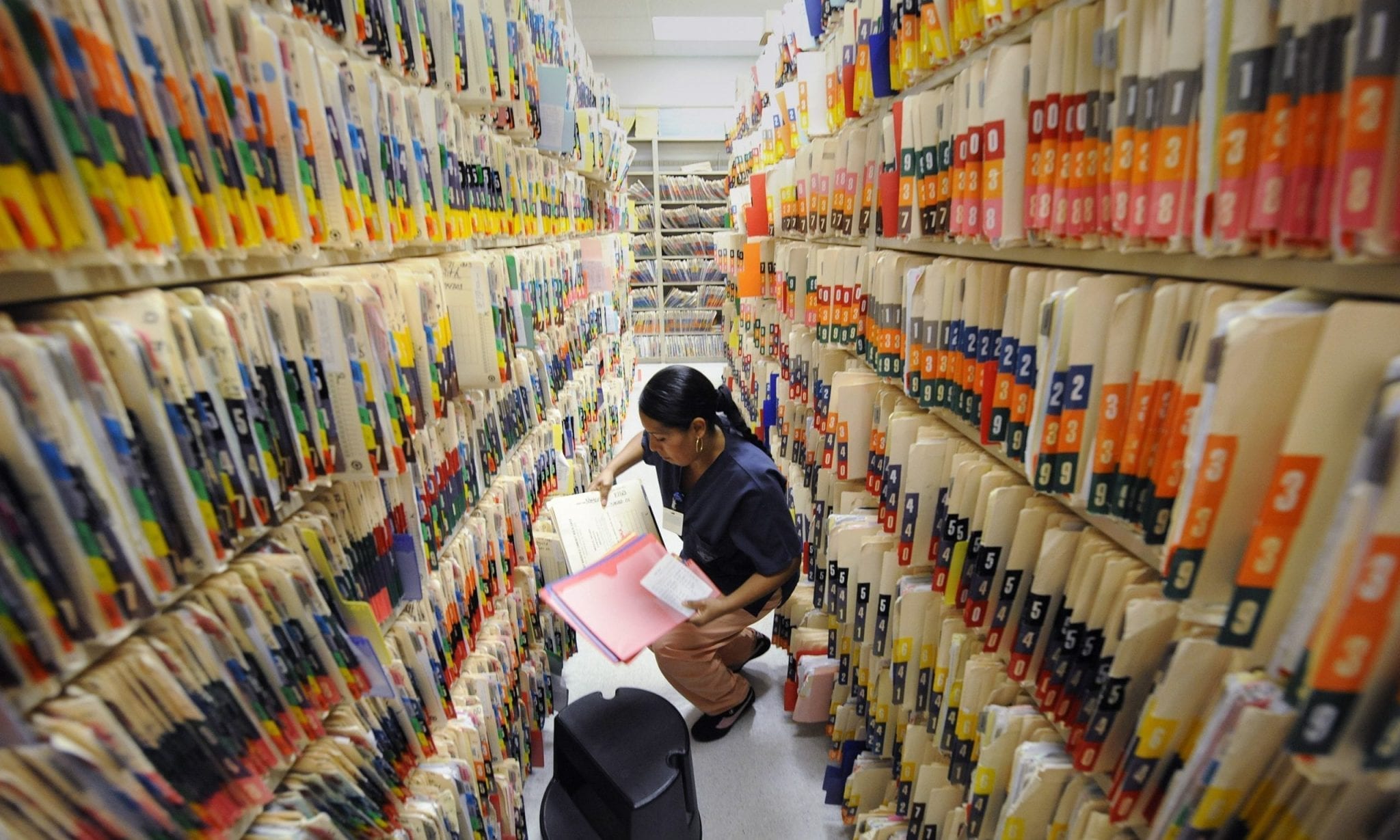
    The electronic system can be shared by healthcare providers across the countries to save time and money. The Vietnamese government has announced a plan to spend VND5 trillion ($220 million) on an ambitious project to create a nationwide system of electronic medical records.

    Under the plan, the government will still issue paper-based records to patients first but these will gradually be replaced by a digital system, built and run by the welfare agency Vietnam Social Security.

    The system, which will store personal medical records for all citizens, can be shared by health care providers to save time and money.

    Vietnam, like many other developing countries, is dealing with the double burden of infectious and non-infectious diseases, said Luong Ngoc Khue, a senior health official, adding that among non-communicable diseases, cancer has emerged as an alarming problem.

    Online personal health records can make it more efficient for doctors to make early diagnosis as well as easily monitor symptoms.

    The Vietnamese government has also announced a plan to issue electronic healthcare cards to all citizens to certify their rights to medical services anywhere, according to the government’s online news portal. With the new system, electronic healthcare registries in all 63 cities and provinces will be synced.

    Vietnam Social Security is in charge of developing a plan to sync health, social security and unemployment insurance into one single card.