Over half of South Korean consumers who inadvertently buy counterfeit products online do not pursue refunds, according to a recent survey by the Korea Consumer Agency. The respondents pointed to complex refund procedures and nominal sums involved as the main reasons for not seeking recompense.
Consumer Responses and Counterfeit Products
The survey, which included 1,000 consumers using eight leading online platforms, revealed that 58.6% of those who unintentionally bought counterfeit goods did not request a refund. Reasons given were that the refund process was too intricate or time-consuming (60.4%), or that the purchased items were of low value or indistinguishable from genuine products.
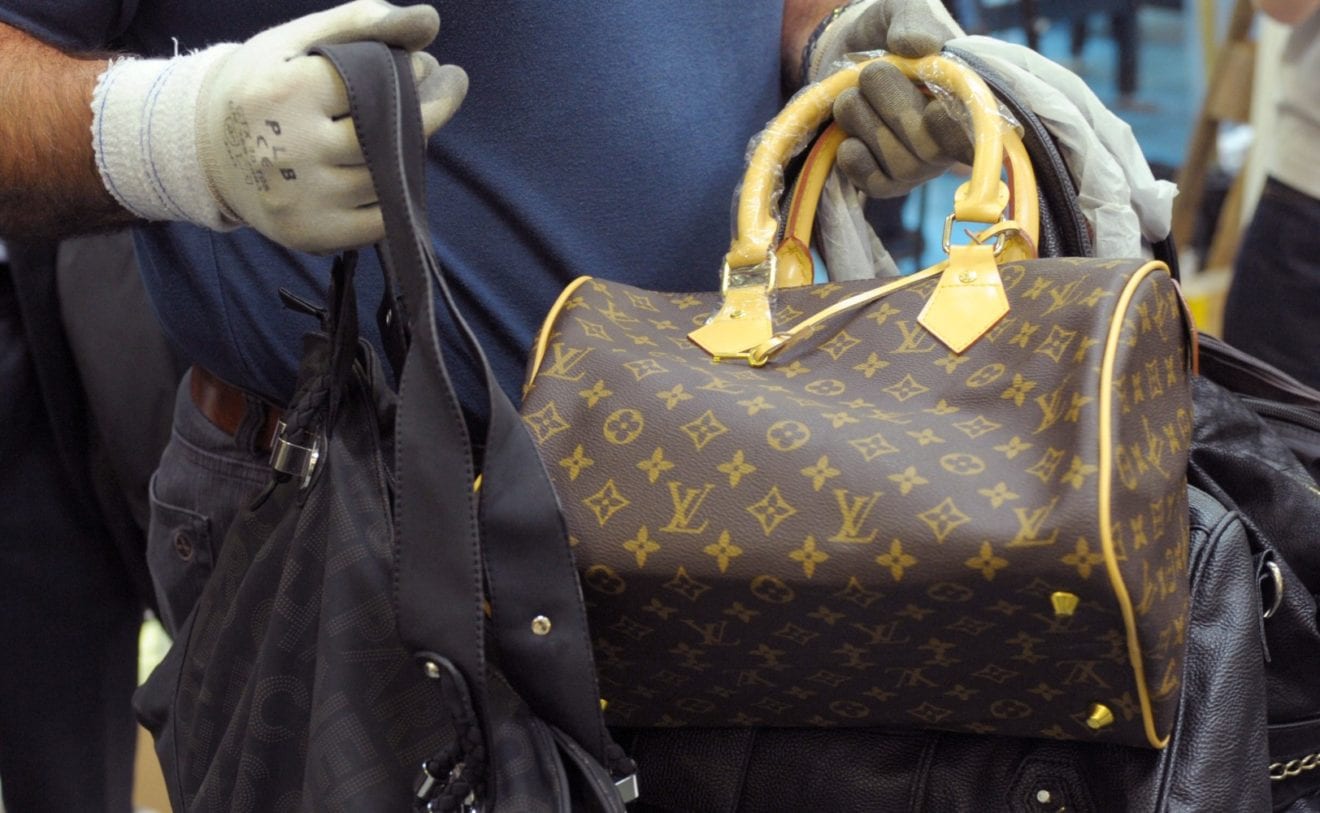
The most frequently bought counterfeit items were bags, with 38.8% of consumers knowingly purchasing them. Shoes, however, were the most common accidental purchase, with 43.8% of consumers having inadvertently bought counterfeit footwear.
Interestingly, many of the consumers who intentionally bought counterfeit products showed a lack of awareness about intellectual property rights. Almost half of them stated that they were unaware of, or unconcerned about, any possible issues.
Responsibility and Complaints
When asked who should bear the responsibility for counterfeit goods, 45.4% of the respondents blamed the sellers. Online platforms came second at 37.3%, while 17.3% of consumers held themselves accountable.
The Korea Consumer Agency also examined 1,572 consumer complaints lodged between 2022 and February 2025. Handbags were the most frequently reported counterfeit items (21%), followed by shoes, cosmetics, audio devices, and clothing. The majority of complaints involved luxury brands, along with specific products such as Dyson hair dryers and Apple earphones.
Price Comparisons and Seller Practices
An analysis of price comparisons revealed further risks. On platforms like AliExpress and Temu, 72.5% of examined products were listed for less than 20% of their official market prices. Instagram and Naver Band also displayed similar steep discounts for over half of their items, with descriptors such as “mirror-grade leather” or “authentic-level” being used. Many sellers used private or external channels, which complicates monitoring efforts.
Several platforms, including Naver Band, AliExpress, Coupang, and Temu, were criticised by the agency for their lack of clear instructions on how to report counterfeit items. Instead, they necessitated individual inquiries for each case.
Call to Action
The agency recommended that authorities and businesses augment their efforts to curb the sale of counterfeit goods. This includes limiting the use of misleading language on social media and enhancing transparency in reporting procedures.
Questions & Answers
What is the most common counterfeit item purchased intentionally in South Korea?
Bags were the most common counterfeit items purchased on purpose, according to the survey.
Who do consumers believe is most responsible for the sale of counterfeit goods?
45.4% of respondents believe that sellers are the most responsible for counterfeit items.
What measures has the Korea Consumer Agency suggested to combat counterfeit sales?
The agency has suggested strengthening actions against counterfeit sales, restricting the use of deceptive terms on social media, and enhancing the transparency of reporting procedures.