Retail News CRM

Tag: climat

  • Retailers commit to reduce climate footprint

    Retailers commit to reduce climate footprint

    Gen Less, a government sponsored initiative to help New Zealanders and local businesses reduce their climate footprint, launched on Saturday – with several retailers already committing to take part.

    Some of the methods Gen Less puts forward for a business to reduce its carbon footprint are to replace vehicles with EVs, video conference rather than travelling to meet, support low carbon suppliers, encourage staff to commute without a car, switch to LED lights, setting up a ‘green team’ to oversee sustainable initiatives in the business, and better understanding where your business could save energy.

    Countdown, NZ Post, Ecostore and Ethique all voiced their support for the program, with Countdown noting it will reduce its carbon emissions by 60 per cent by 2030.

    “There is no denying the impact that changes to our climate is having, and will continue to have, on the planet,” Countdown general manager of safety and sustainability Kiri Hannifin said.

    “At Countdown, we’ve got an unwavering focus on reducing our emissions and, since 2016, we’ve reduced them by 21 per cent.

    “Our new carbon emissions target makes our intention clear – we want to significantly reduce our emissions even further to help protect Aotearoa for future generations.

    “We absolutely agree that by using less, we can have more. That’s why we are really proud to be a part of Gen Less and encourage anyone wanting to do their bit to join this exciting movement.”

    Skincare brand Ecostore recently announced it would be targeting carbon neutrality by the end of 2019 across its New Zealand and Australian operations.

    “Businesses need to step up and recognise that they can and must be a force for good,” Ecostore managing director Pablo Kraus said.

    “Corporates have an incredible opportunity to pave the way for future generations. We must lead by example, empower others, act, make changes.”
  • The North Face Showcases bags made from recycled tents

    The North Face Showcases bags made from recycled tents

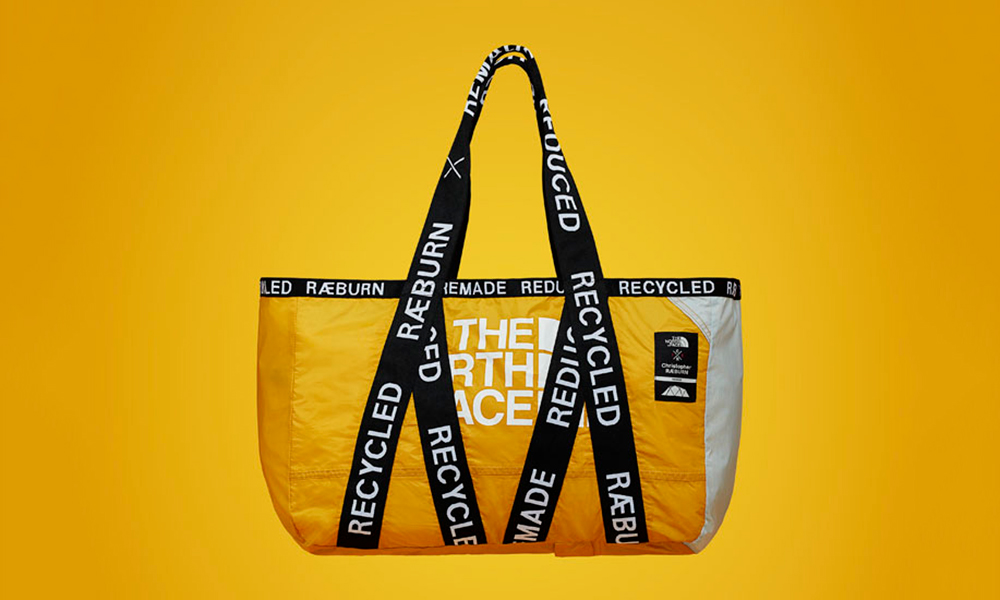
    Outdoor gear firm The North Face is teaming up with British eco-designer Raeburn to make designer bags from recycled tents.

    The bags are currently available for purchase online as well as at The North Face’s Urban Exploration store on Carnaby Street in London.

    “The North Face has been inspiring a global movement of exploration and conservation for over fifty years,” said fashion designer Christopher Raeburn, “and we couldn’t be prouder to be collaborating on this special project, applying our said ‘Raemade’ ethos to transform surplus tents into unique bags.

    “At Raeburn we’re motivated to work with brands, other designers and individuals to drive positive change in our industry, and it’s been fantastic to work alongside the talented team at The North Face to bring this project to fruition.”

    Every product will have a distinct aesthetic based on the varied colours of source tent materials used in creating the bags.

    Raeburn has previously collaborated with Timberland and other international brands on products made from recycled materials. Likewise, The North Face has engaged in a number of closed-loop initiatives, including its “Renewed” program to sell refurbished returned products as well as its carbon “net-negative” product line.

  • Anti-plastic campaigns pay off for Starbucks and 7-Eleven

    Anti-plastic campaigns pay off for Starbucks and 7-Eleven

    Starbucks Korea and 7-Eleven Thailand have announced positive results for their respective anti-plastic campaigns.

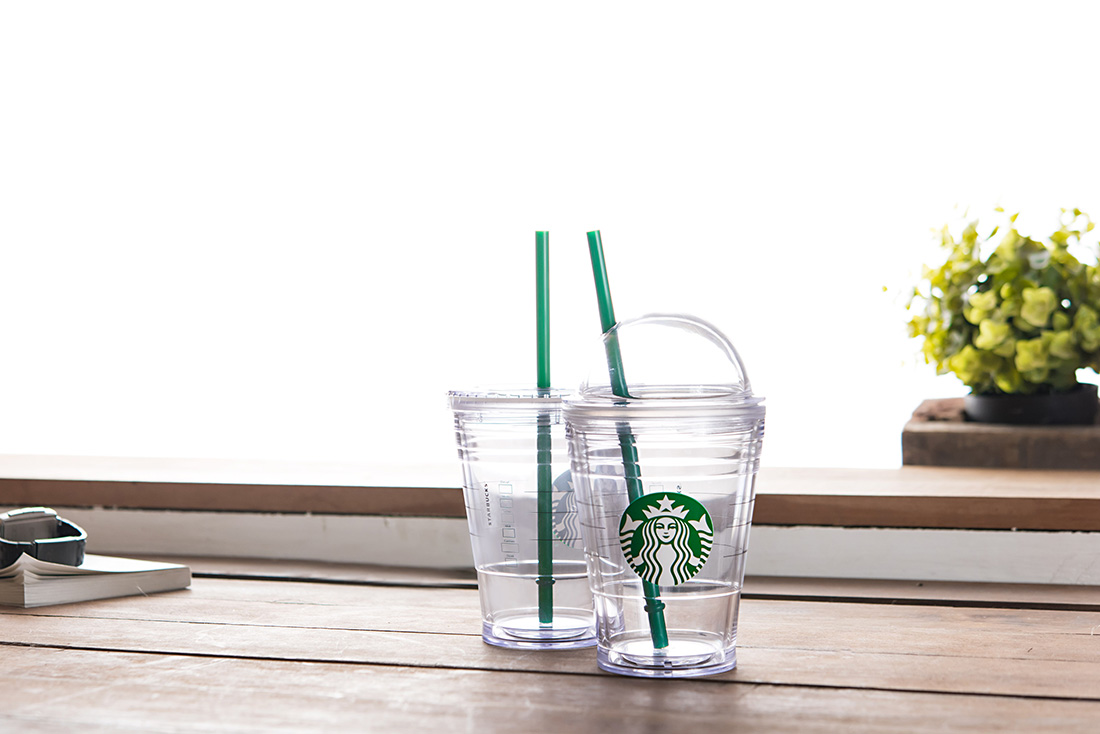
    A report revealed that the local Starbucks subsidiary has seen consumption of single-use straws cut by half in the months since introducing strawless lids on drinks without whipped cream or that do not need stirring.

    The initiative, introduced last November, has resulted in the monthly average of 15 million straws used across its coffee chain stores drop to 7.5 million per month. The company now only provides straws to customers who request them.

    Aiming to further reduce straw usage by up to 70 per cent, Starbucks Korea is planning an online event to offer rewards to customers who upload pictures of drinks taken without using straws. It has also introduced paper straws for usage in some beverages.

    7-Eleven saves 169 million bags

    Meanwhile, in Thailand, more than 169 million plastic bags have remained unused over the past two months at 7-Eleven stores, according to a report, the result of a management initiative to phase out their use. The move, which has been supported by local celebrities, encourages shoppers to refuse plastic bags or bring reusable bags to the store.

    The reductions are reported to have saved the chain more than 33 million baht, which operator CP All Public Company will donate to a local hospital.

    All about perception?

    Despite these reports, there have been growing concerns among critics in the media regarding the perceived environmental benefits of similar plastics initiatives worldwide.

    The sippy cup lid adopted in Korea is identical to the design used in North American stores, which was shown in a Reason magazine report last year to use more plastic than the previous lid design and straw put together.

    Plastic shopping bag initiatives similar to the one adopted by 7-Eleven have provoked skepticism among observers who point out that of all single-use plastic packaging used throughout supermarkets and convenience stores, the shopping bag is the only item that tends to be reused in the home.

  • Amorepacific adopts a new eco-friendly packaging

    Amorepacific adopts a new eco-friendly packaging

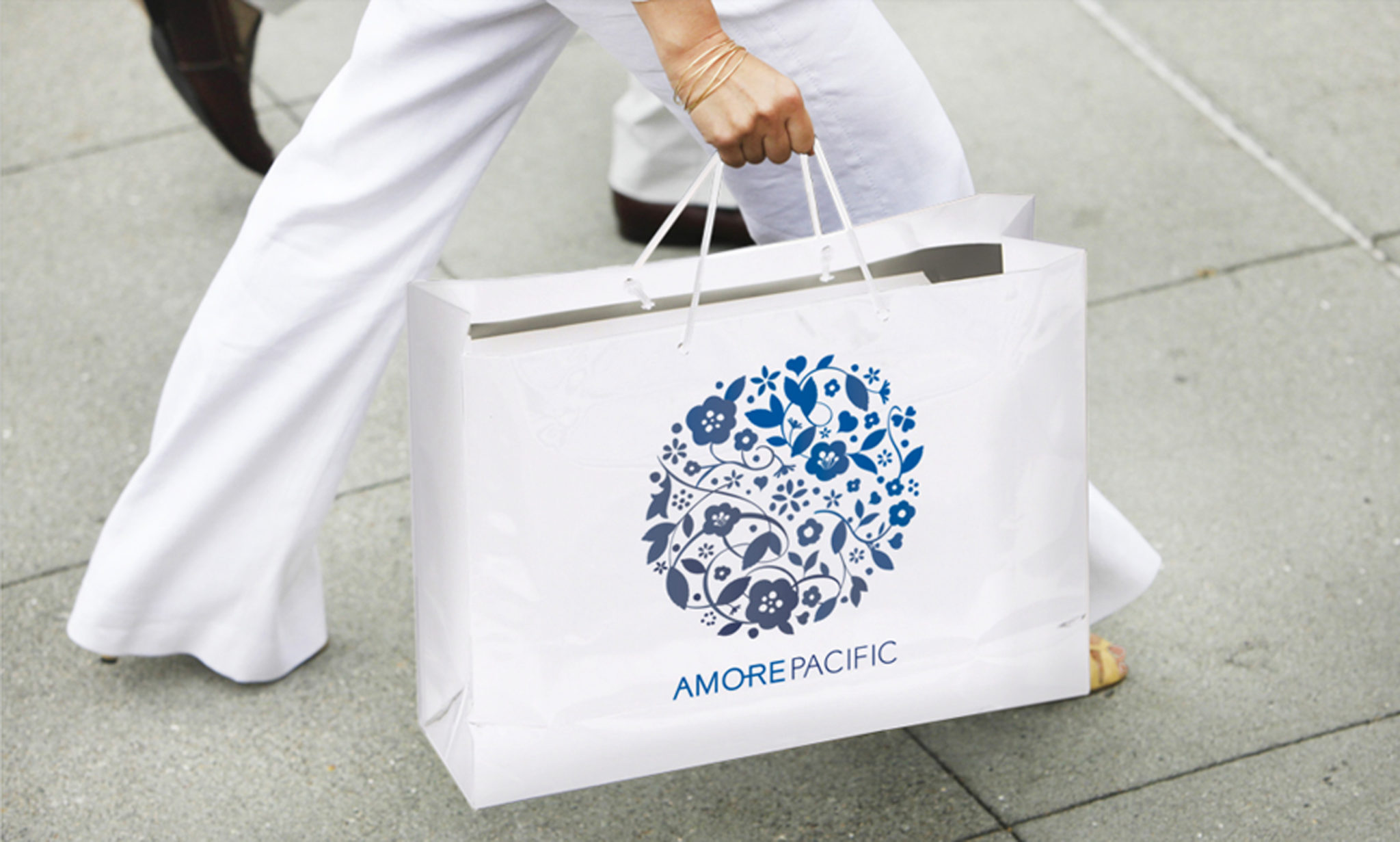
    Nowadays, products purchased online are typically delivered in a big box with bubble wrap for protection. But once the package is safely delivered, the packaging becomes nothing more than waste. Amorepacific, however, has chosen to make use of eco-friendly packaging, adopting paper materials instead of bubble wrap.

    What seems like a small and insignificant change is the result of hard work, with an eye to the environment.

    The company’s new paper packaging, which was piled up among workers and automatic packaging devices at a logistics centre in Osan, Gyeonggi Province, consists of eco-friendly shock-absorbing packing material called ‘geami’ and ‘papillon’.

    When the product is wrapped with geami and the remaining space is stuffed with papillon, it can withstand most external shocks.

    It took months of research and testing before such materials were put into use. Furthermore, paper packaging is two or three times more expensive than bubble wrap, and its use extends the time required for packaging.

    Despite all of the disadvantages of the new materials, paper packaging was chosen because its value to the environment cannot be calculated and converted into money, the company says.

    Amorepacific needed a pre-emptive response as the problem of over-packing and using plastic is becoming a serious social problem, and as the number of consumers considering the environment increased. The remaining problem was how consumers would react to such change. As expected, some customers complained that they were sent garbage.

    Soon enough, however, the mood turned with positive comments regarding the new packaging surfacing online.

    Amorepacific continues to change to contribute to the environment. It no longer uses vinyl tape on its packages, replacing it instead with paper tape.

    The company has stopped using colour-coated boxes, and also uses smaller and slimmer boxes when possible. Product containers also went through major changes to become more eco-friendly.

    It was a difficult process as many consumers buy cosmetics because of the packaging.

    Since aesthetic standards cannot be ignored, Amorepacific changed the design of containers to reduce the amount of plastic used, made transparent containers for easy recycling, and used paper to make dual-structure containers.

    In addition, last year Amorepacific used paper that was certified with Forest Stewardship Council (FSC), which is given to paper produced in a sustainable way, on boxes for 500 different products.

    Although the company’s packaging materials research team is having difficulty developing new designs, it is continuously developing cosmetics containers that maximise aesthetic effects and at the same time reflect eco-friendly elements without affecting product preservation.