Retail News CRM

Tag: climate

  • Cambodia Adjusts 2026 Growth Forecast Down to 4.2% Amid Global Crises and Climate Change Impacts

    Cambodia Adjusts 2026 Growth Forecast Down to 4.2% Amid Global Crises and Climate Change Impacts

    The Cambodian Government has revised its economic growth expectation for 2026, dropping it from an earlier prediction of 5% to a more conservative 4.2%. Prime Minister Hun Manet, in the recently published medium-term fiscal framework for 2027-2029, cited a number of global crises as the reasons for this adjustment.

    Challenging Global Crises

    The Prime Minister indicated that Cambodia is undergoing a transition in the midst of prolonged global difficulties. This includes the rise in protectionism, trade conflicts, geopolitical and geoeconomic strife, and escalating impacts from climate change and natural disasters.

    The report also highlighted three consecutive storms that struck Cambodia in the past two years, causing significant damage. Additional challenges noted include the reciprocal tariff policies rolled out during former US President Donald Trump’s tenure, the ongoing border dispute between Cambodia and Thailand, and the turmoil in the Middle East which has led to an energy crisis.

    Future Economic Forecast

    Amid these struggles, the growth forecast for 2027 has also been decreased from 5.5% to 5%, as the economic drag from 2026 is anticipated to carry over into the following year. However, the government remains optimistic that growth will bounce back to an average of approximately 5.5% between 2028 and 2029. This projection is based on the expectation that socio-economic activities will gradually recover to pre-crisis levels.

    Questions & Answers

    **What is Cambodia’s revised economic growth forecast for 2026?**
    The Cambodian Government has reduced its economic growth forecast for 2026 to 4.2%, down from an initial projection of 5%.

    **What are some of the global crises affecting Cambodia’s economy?**
    Cambodia’s economy is being impacted by a series of global crises, including escalating protectionism, trade wars, geopolitical and geoeconomic tensions, and the increasing effects of climate change and natural disasters.

    **What is the anticipated economic growth for Cambodia beyond 2026?**
    Despite lower forecasts for 2026 and 2027, the Cambodian Government expects that economic growth will rebound to an average of around 5.5% from 2028 to 2029 as socio-economic activities gradually return to pre-crisis conditions.

  • Metcash Battles Tough Trading Climate: Mixed Results and Strategic Market Gains Detailed in Interim Report

    Metcash Battles Tough Trading Climate: Mixed Results and Strategic Market Gains Detailed in Interim Report

    In the first half of the fiscal year, Metcash released a diverse range of results as the firm navigated a challenging trading period. The group’s revenue for the six months concluding on October 31 saw a slight increase of 0.1%, amounting to $8.5 billion. This figure rose to $9.6 billion, an increase of 0.4%, when charge-through sales were included.

    Segment Performance

    Metcash’s food segment, with the exception of tobacco, witnessed a 7.2% surge, indicating growth in both its supermarket business (IGA) and foodservice and convenience operations (Campbells & Convenience and Superior Foods).

    However, when tobacco was included, food sales decreased by 0.8%. This decline in tobacco sales, which accelerated to 35%, was reportedly due to the implementation of new regulations in July.

    In the liquor sector, Metcash saw sales rise by 1.4%, reflecting a growth in market shares in Australian packaged liquor and a surge in wholesale sales to on-premise patrons.

    The hardware segment of the business also experienced growth, with sales rising by 2.4%. Similarly, Total Tools sales saw a 3% increase.

    Financial Outcomes

    Regarding the bottom line, the group’s EBITDA increased by 2% to $367.2 million. Contrarily, the underlying profit after tax witnessed a decline of 5.9%, amounting to $126.7 million. This decrease was due to a combination of lower hardware and liquor earnings, an increase in finance costs, and increased depreciation and amortization.

    Future Prospects

    Despite the challenging trading conditions, Metcash group CEO Doug Jones expressed satisfaction with the company’s results. According to Jones, the company has been making substantial progress in their strategy of extending through the value chain and ‘winning with independents’. This strategy presents opportunities to extend their addressable markets while also providing attractive margins.

    Jones went on to express optimism about Metcash’s future prospects, stating that the company is well set for continued success. He emphasized the company’s robustness, diversity, and resilience, as well as the considerable opportunities for accelerating growth.

    Questions & Answers

    What was the increase in Metcash’s revenue for the first half of the fiscal year?
    The revenue saw a slight increase of 0.1%, amounting to $8.5 billion.

    How did the new regulations in July affect Metcash’s tobacco sales?
    The decline in tobacco sales, which accelerated to 35%, was reportedly due to the implementation of new regulations in July.

    What is Metcash group CEO Doug Jones’s outlook for the company’s future?
    Jones expressed optimism about Metcash’s future prospects, emphasizing the company’s robustness, diversity, and resilience, as well as the considerable opportunities for accelerating growth.

  • Singapore experiences warmest year on record in 2024

    Singapore experiences warmest year on record in 2024

    In 2024, Singapore’s annual average temperature was 28.4 degrees Celsius, making it the warmest year on record, tied with 2019 and 2016, according to the Singaporean National Environment Agency.

    According to the agency’s annually report released on March 23, every month in 2024 was equal to or warmer than its corresponding long-term average temperature. Temperature records were broken on several occasions during the year, with record high daily minimum temperatures in February and record high daily maximum temperatures in December.

    The preceding decade from 2015 to 2024 was the country’s warmest decade on record, at 28.11 degrees Celsius. This was 0.05 degrees Celsius warmer than the decade from 2014 to 2023, and the fourth consecutive year that Singapore’s decadal mean temperature record had been broken.

    The report emphasized that while climate change contributed to warmer temperatures, climate variability in 2024 also played a role.

    The El Niño event that developed in 2023 and ended in the second quarter of 2024 likely contributed to the warm temperatures in 2024, including during Singapore’s hot season (March – May), which was the third warmest hot season on record, after 1998 and 2016 which were also associated with strong El Niño events.

    It is noted that Singapore’s annual temperature trend in 2024 was similar to the global trend recently reported by the World Meteorological Organization. Accordingly, the year 2024 was declared the warmest year on record globally since 1850.

  • Climate Activists Target HSBC HQ on Earth Day

    Climate Activists Target HSBC HQ on Earth Day

    Activists said the bank has invested some $80 billion in fossil fuels since the Paris Agreement in 2015.

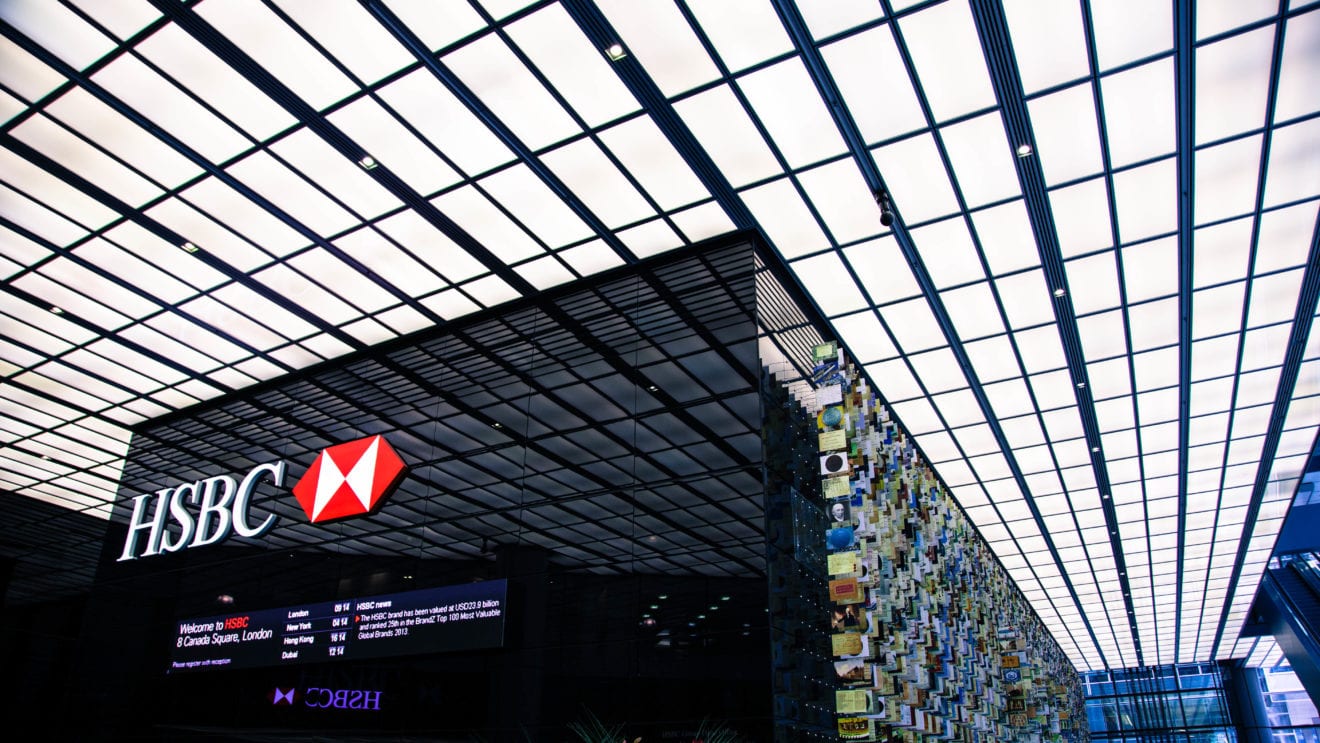
    Activists from the Extinction Rebellion group hit HSBC’s London headquarters in Canary Wharf in an Earth Day protest on Thursday, shattering 19 windows.

    HSBC has pledged to shrink its carbon footprint to net-zero by 2050. However, the bank’s current climate plan still allows it to finance coal power, and provides no basis to turn away or cancel contracts based on links to the fossil fuel industry, the group said.

    Extinction Rebellion, formed in 2018, describes itself as a «non-violent a direct action movement demanding a response to the climate and ecological emergency.»

    The group protested at the London headquarters of Barclays two weeks ago, accusing the bank of «continued investments in activities that are directly contributing to the climate and ecological emergency.

    Its Money Rebellion campaign also saw its members take part in civil disobedience outside multiple banks in New York, including J.P. Morgan, Bank of America, TD Bank and Citibank.

  • New Zealand to Introduce Climate Change Law

    New Zealand to Introduce Climate Change Law

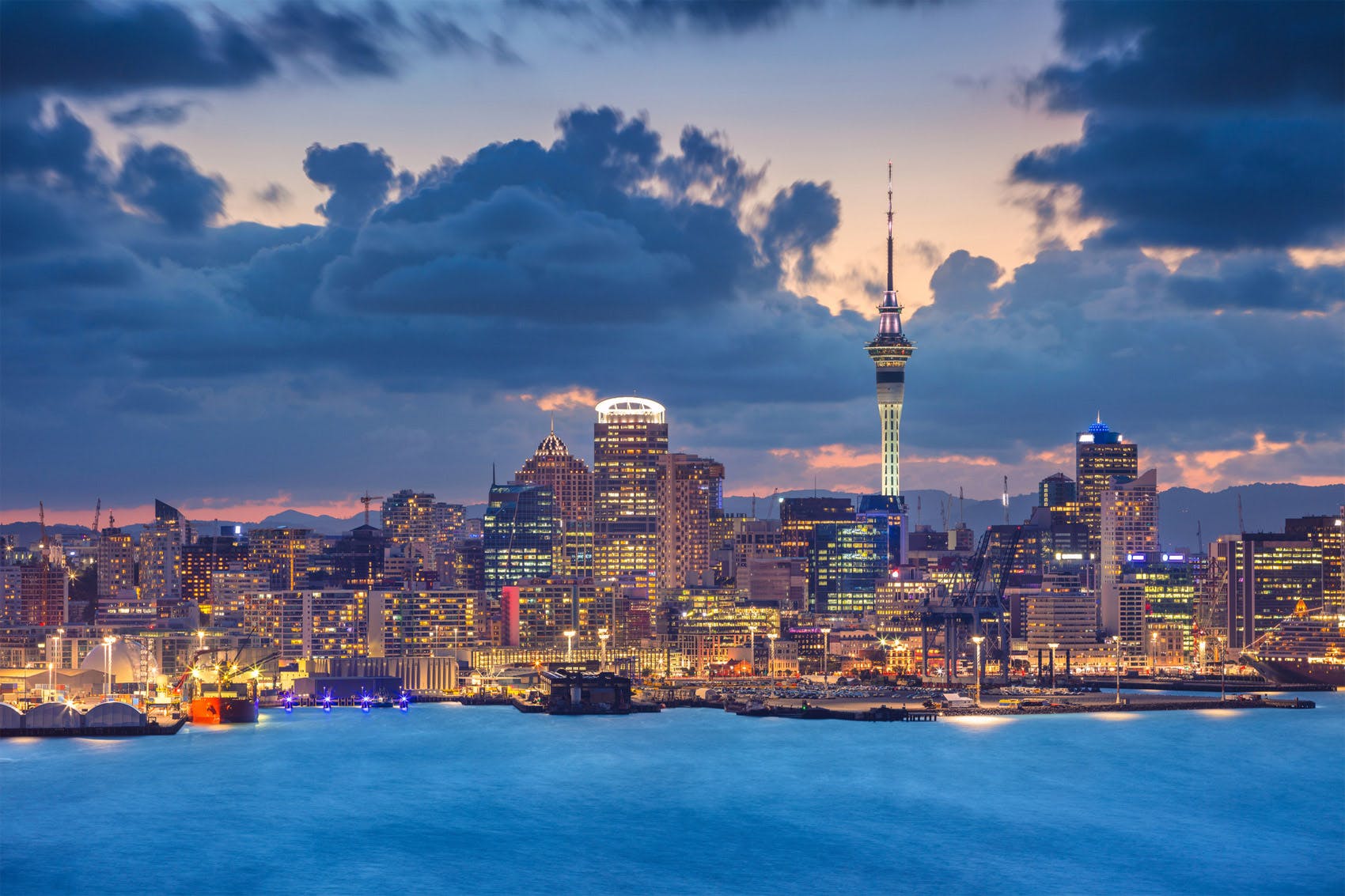
    Banks, insurers and asset managers in New Zealand must make climate change-related disclosures for their businesses as New Zealand becomes a first-mover in green finance laws.

    All banks with total assets of more than NZ$1 billion ($703 million), insurers with more than NZ$1 billion in assets under management alongside equity and debt issuers listed on the country’s stock exchange will have to make disclosures, according to the proposed law which will see its first reading this week.

    Once the law is passed, the first disclosure reports will be released in 2023.

    The move towards more climate change-related disclosures will make New Zealand the world’s first to introduce such a law.

    Approximately 200 domestic firms and several foreign firms meet the NZ$1 billion thresholds to fall under the legislation.

    We simply cannot get to net-zero carbon emissions by 2050 unless the financial sector knows what impact their investments are having on the climate, said minister for climate change James Shaw said in a statement. This law will bring climate risks and resilience into the heart of financial and business decision-making.

  • Amazon pledges US$2 billion in Climate Pledge Fund

    Amazon pledges US$2 billion in Climate Pledge Fund

    Global retail giant Amazon has pledged US$2 billion for a new Climate Pledge Fund to foster sustainable technologies and services that will enable it to achieve net-zero carbon by 2040.

    The US-headquartered company says it will “back visionary companies whose products and services will facilitate the transition to a zero-carbon economy”.

    Founder and CEO Jeff Bezos says the fund will accept applications for grants from companies of any size worldwide, from pre-product startups to well-established enterprises. “Each prospective investment will be judged on its potential to accelerate the path to zero carbon and help protect the planet for future generations,” he said in a statement.

    Companies operating in industries including transportation and logistics, energy, manufacturing, the circular economy, and food will be eligible.

    The Climate Pledge was founded by Amazon in partnership with Global Optimism last year with a commitment to reach the goal of the Paris Agreement 10 years early – by 2040. Other companies have since signed on to the pledge, including consumer-goods company Reckitt Benckiser, tech giant Infosys and US telco Verizon.

    Bezos said the commitments by companies of that size send an important signal to the market that there will be rapid growth in demand for products and services that help reduce carbon emissions.

    Amazon has already invested in a company called Rivian, ordering 100,000 electric-powered delivery vans as a step towards reducing its carbon footprint.

    “Amazon has demonstrated its leadership in adopting low carbon technologies at scale,” said Rivian CEO RJ Scaringe. “We’re excited about a future of decarbonized delivery services.”

    The e-commerce company says it expects to run on 100-per-cent renewable energy by 2025, five years ahead of its original target date.

    It has also invested in nature-based solutions and reforestation projects around the world from its $100 million Right Now Climate Fund.

  • Countdown Started to offer paper bags at checkout

    Countdown Started to offer paper bags at checkout

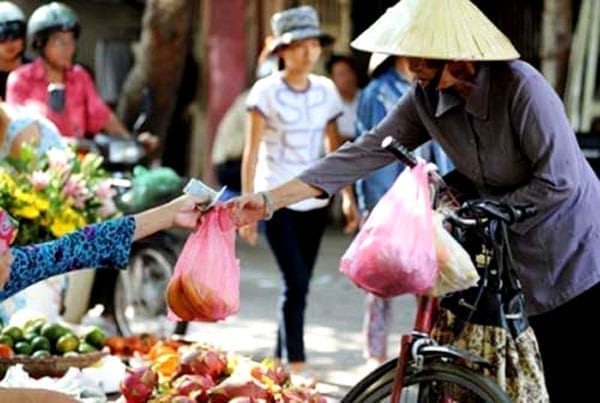
    Countdown will begin selling recyclable paper bags at checkout, as the government ban on the sale and distribution of single-use plastic bags takes effect on July 1st. The paper bags will cost 20 cents each, and be made of Forestry Stewardship Council (FSC) certified paper.

    “We’re really pleased to see single-use plastic carrier bags banned in New Zealand,” Countdown general manager of corporate affairs, safety and sustainability Kiri Hannifin said.

    “Bringing your own bags is a behaviour change that New Zealanders are really getting behind, and it’s always our first preference.

    “We’ve recently started accepting BYO containers in our deli, meat and seafood counters in selected stores and we’re hoping to roll this out nationwide shortly too.”

    According to Countdown, the move away from single-use plastic bags at the supermarket has meant 350 million fewer plastic bags are entering the New Zealand waste stream each year.

    The new legislation applies to all retailers in the country, and includes all single-use plastic bags under 70 microns thick.

    Retail NZ interim chief executive Greg Harford welcomed the legislation, stating that it is good for the environment and for the country.

    “Retailers large and small have been working hard over time to reduce or eliminate the number of plastic carrier bags being issued, and the formalisation of the phase out will ensure that there is a level playing field right across the retail sector,” Harford said.

    Countdown confirmed it has started work on a programme to look at the ways the supermarket uses plastic, the types being used and why, as well as alternatives that could be adopted that would be suitable for New Zealand’s waste infrastructure.

    “This includes reducing plastic where possible, trialling different bag options in bakery, installing produce misting systems to remove the need for packaging on fruit and veges, and supporting the return of the soft plastics recycling scheme in a number of Auckland stores,” Hannifin said.

  • Victoria bans single-use Plastic bags

    Victoria bans single-use Plastic bags

    Victoria is bidding adieu to lightweight, single-use plastic shopping bags with a ban to be introduced state-wide in November.

    The state government introduced new legislation to parliament on Wednesday to ban bags at retail outlets including supermarkets, fashion boutiques, fast food outlets, convenience stores and service stations.

    The ban will target lightweight plastic bags with a thickness of 35 microns including those made from degradable, biodegradable and compostable plastic.

    The legislation will ensure all single-use lightweight plastic shopping bags with a thickness of 35 microns or less will be banned, including bags made from degradable, biodegradable and compostable plastic.

    The legislative changes follow community consultation, which revealed “overwhelming” support for the ban.

    “Plastic pollution is a significant environmental problem – the actions we take now will help ensure Victoria has a clean and bright future,” Minister for Environment Lily D’Ambrosio said on Wednesday.

    “The feedback on this one was clear. Victorians want to do more to protect the environment from the damage litter causes and are overwhelmingly supportive of banning single-use plastic shopping bags.”

    The government is working with the National Retailers Association to ensure businesses are prepared for the ban and have access to sustainable packaging alternatives.

    Single-use plastic bags have already been banned by governments in Queensland, Western Australia, South Australia, Tasmania, ACT and NT.

    Coles revealed on Wednesday that it has saved 1.7 billion lightweight single-use plastic bags from landfill since the ban came into place last July.

    Woolworths said it has issued around three billion fewer plastic bags from its stores over the last 12 months, equating to a 4,700 tonne reduction in single-use plastics going into the environment over the course of the year.

  • Adidas Test to Sell Shoes Made of Ocean Plastic was So Successful

    Adidas Test to Sell Shoes Made of Ocean Plastic was So Successful

    Adidas has spent the last four years curbing ocean pollution by recycling plastic beach waste into shoes – and because their customers have been so eager for the product, the company is kicking it up a notch. Adidas produced more than five million pairs of recycled plastic waste shoes in 2018, and they plan to incorporate the waste into at least 11 million this year.

    The upcycled plastic waste is made into a yarn which has since become a key component of the upper material of Adidas footwear. In addition to shoes, the company has also used it to make the first ever football jerseys made from recycled materials.

    The sporting goods manufacturer first started making the shoes in collaboration with environmental group Parley for the Oceans back in 2015. They developed the slick kicks using plastic waste intercepted on beaches, such as the Maldives, before it can reach the oceans. The Parley shoes are recreated from editions of their UltraBoost shoe, and a new version of their Adidas Originals shoe.

    And, in 2016, Adidas stores stopped using plastic bags.

    “We also continue to improve our environmental performance during the manufacturing,” said Gil Steyaert, who is responsible for global operations. “This includes the use of sustainable materials, the reduction of CO2 emissions and waste prevention.

    “In 2018 alone, we saved more than 40 tons of plastic waste in our offices, retail stores, warehouses and distribution centers worldwide and replaced it with more sustainable solutions.”

    Additionally, Adidas is committed to using only recycled polyester in every product and application where a solution exists by 2024. As a founding member of the Better Cotton Initiative, Adidas meanwhile sources only sustainably produced cotton.

    Recently, Adidas signed the Climate Protection Charter for the Fashion Industry at the UN Climate Change Conference in Katowice, Poland—and agreed to reduce greenhouse gas emissions by 30% before 2030.

  • Despite Climate Agreements and Court Decisions, Indonesia Keeps Betting Big on Coal

    Despite Climate Agreements and Court Decisions, Indonesia Keeps Betting Big on Coal

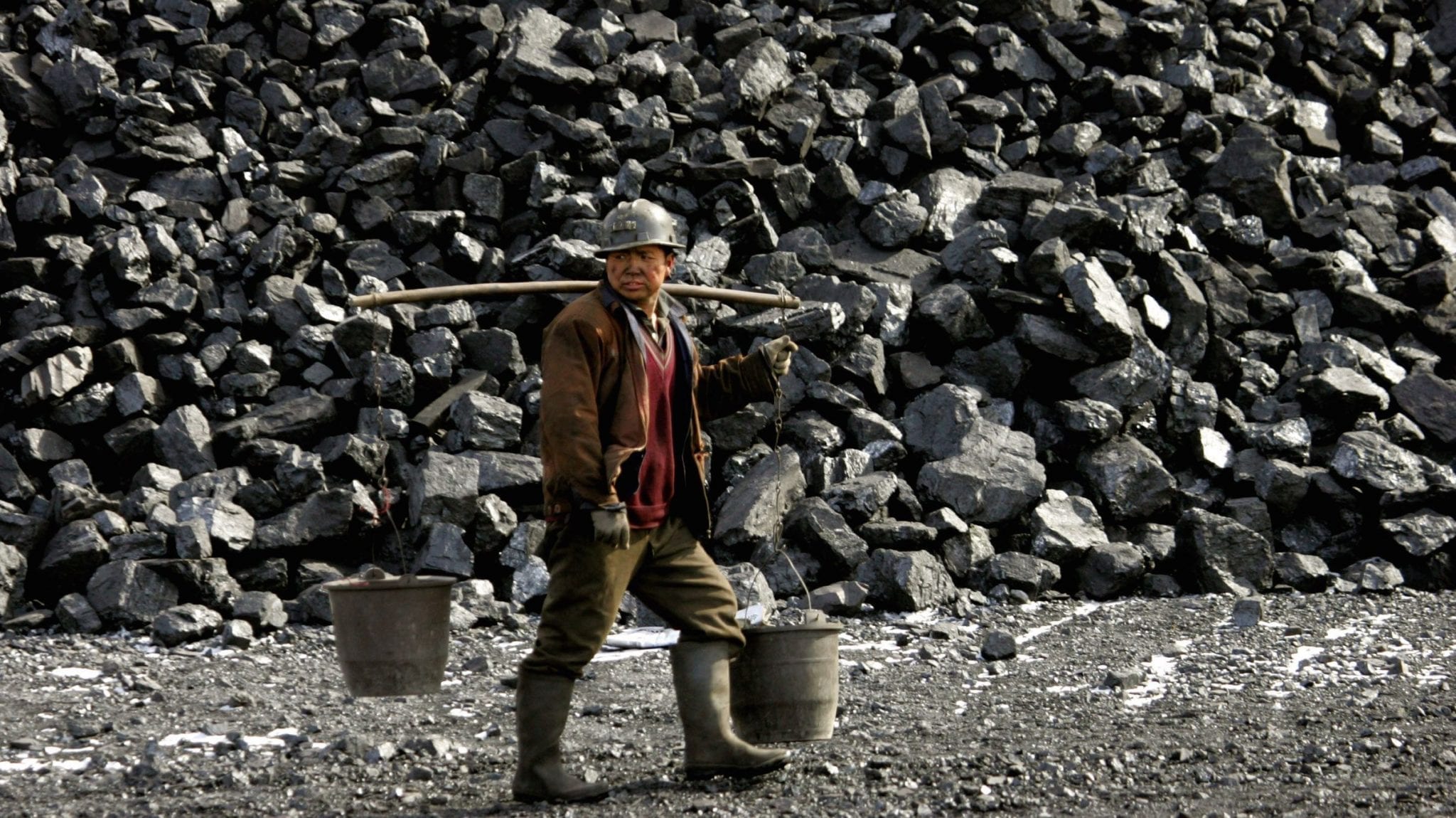
    Though Indonesia has one of the world’s fastest-growing economies, its electrical grid is faltering, with blackouts common and many factories and homes relying on expensive diesel-powered generators as backup. In 2011, Indonesian coal mining magnate Samin Tan and his company, Borneo Lumbung Energi & Metal, stepped into this energy void. Tan hoped to acquire the rights to a potentially rich coal mine in Borneo, one of the more heavily forested of the islands comprising the 3,000-mile-long tropical archipelago. But he needed $1 billion to do it. That deal’s unraveling reveals how years of effort by environmentalists and regulators may in the end have proved less effective at limiting greenhouse gas emissions in Southeast Asia than was a pistol-packing attorney, with enormous potential ramifications for how the fourth-most-populous nation on Earth develops its energy sector—and for the global climate.

    Tan’s company found itself in trouble when the price of coal crashed last year, driven by falling demand from China, where manufacturing has cooled and the government has ordered cuts to imports to protect its mining industry. One of Indonesia’s most important markets for its abundant coal was flagging. In April, the British bank Standard Chartered, the largest investor in a group that loaned Tan $1 billion to finance the mine, suddenly worried Tan wouldn’t be able to sell the coal and called in the paper. Tan refused to repay the bank.

    Coal projects in Indonesia have been able to race ahead not only because the country needs the energy but because investors outside the country have been happy to provide the funding and often receive help from their home governments’ export credit agencies. “National export agencies can support export of technologies,” said Jan Vandermosten, sustainable finance policy officer at World Wildlife Fund’s European Policy Office in Brussels. For example, Indonesian coal mining companies lacking the capital or a key technology to build a coal-fired electrical plant often strike deals with partners overseas, whose home governments help finance the investment, assisting companies in their country to get lucrative deals over foreign rivals. “It’s not about mining coal. It’s about companies that go to developing countries and construct coal plants, importing technology like boilers or other equipment,” said Vandermosten.

    In January, a $3.4 billion coal power project financed in large part by Japan’s public export credit agency, the Japan Bank for International Cooperation, moved forward in Central Java, a large province on Indonesia’s most populous island, where it will provide electricity for nearly 13 million people. JBIC is providing $2 billion, or nearly 60 percent of the project’s capital, and it will be operated by a partnership of Japanese and Indonesian energy companies. The 1,900-megawatt installation is slated to come online in 2020, when it will be the largest coal-fired plant in the country of 250 million people. Elsewhere in Asia, new coal plants in Bangladesh and India have been made possible with American and European financing and expertise.

    Coal’s share of Indonesia’s electrical portfolio has been climbing over the last decade, from 36 percent in 2007 to 41 percent in 2015, according to Kurnya Roesad and Frank Jotzo, climate researchers at Australian National University. In September, they reported that 55 percent of Indonesia’s new electricity will be from coal by 2025, if the expansion of the grid continues at its current pace—despite the government’s pledge to get 23 percent of all electricity from renewable sources by then. But the financing behind complex, expensive coal projects is proving a weak spot in the country’s energy plans.

    In January 2017, a new agreement among Organisation for Economic Co-operation and Development member countries will curtail many coal projects’ ability to receive necessary financing from overseas. Negotiated before last year’s Paris climate talks, the deal could restrict as much as three-quarters of the world’s coal energy pipeline, though early estimates are untested. Indonesian miners may be able to avoid the agreement’s most stringent restrictions, said Vandermosten, who was involved in its conception, by opting for cleaner coal technologies. But they would nevertheless crowd out funding for renewable technologies.

    Where financing can’t be publicly backed, that will drive Indonesian miners and their foreign partners to private financing like the deal with Standard Chartered.

    Which is where a flamboyant attorney named Hotman Paris Hutapea comes in. Hutapea became famous during a high-profile drug smuggling trial a decade ago for sporting a hairstyle reminiscent of mid-1980s Van Halen, keeping a white-handled pistol in a holster in his suit, and flaunting romantic relationships with local celebrities.

    Tan hired him to fight Standard Chartered’s insistence that it be paid. The trial quickly became a test case for a string of other coal projects in Indonesia, including the Japanese-backed project. If digging up coal to fire power-generating plants using 19th-century technology was to be Indonesia’s energy policy of the future, the industry would need to show—even more than that it had the coal—that it could finance the multibillion-dollar infrastructure projects needed to dig it up and turn it into electricity.

    Reports vary, but the British bank’s liability on just the single loan is usually estimated to fall between $630 million and $750 million. That’s a large enough amount that a problem with just this one client could kneecap a major London institution’s stock price and send the rest of the coal market tumbling. The overall package of loans to Tan was the largest debt extended to a single person in all of Asia that year.

    Other large multinationals not in the habit of throwing away millions had been minority partners in the deal, and if the Indonesian court invalidated the terms of the loan—blocking Standard Chartered’s attempt to collect from a company Tan said was not bankrupt—they too would lose between tens and hundreds of millions. Among the investors was Caterpillar, the Peoria, Illinois–based manufacturer of bulldozers and other heavy equipment used in the mining industry, which was in for just over $100 million.

    The trial would take place in Jakarta, and a better place for a show trial about a coal mine may not exist. The capital of a nation of coral reefs and dense rainforest, Jakarta is home to 20 million residents surrounded by toxicity. It’s hard to take a walk along Jalan M.H. Thamrin, the heart of the business district, without the risk of stepping into an open sewer. “The combination of untreated domestic sewage, solid waste disposal, and industrial effluents has led to a major public health crisis” along Jakarta’s main river, the soupy Ciliwung, the Asian Development Bank found in 2012. (ADB helps arrange funding for many public works projects, such as water treatment plants, in Indonesia and elsewhere. Little evidence exists for any improvement in water quality or sanitation since the ADB’s report.) Air pollution—mainly from vehicle exhaust—is so bad that in May, U.S. Ambassador Robert Blake proudly announced that two air quality meters had been installed in a complex housing American diplomatic staff, whose worries about the city’s pollution had converted it into a hardship posting. Sixty percent of people in Jakarta had seen their health harmed significantly by the smeary air, said Blake, citing results of a 2013 joint Indonesian-American study. If a lawyer ever wished to argue against a coal mine by bringing the judge to the courthouse steps to sniff the air, Jakarta was the place.

    As the trial got under way in March, Hutapea was preparing to argue that a bank enabling a coal mine should not be allowed to collect on a $1 billion loan. It wasn’t his first time arguing in court that an Indonesian company working in an environmentally shady industry shouldn’t have to pay back a foreign partner: In 2001, he represented local companies in a $14 billion case brought by American creditors against Indonesian logging company Asia Paper & Pulp, which owned plantations in Borneo. Hutapea argued that the contracts establishing the loans had been invalid. He won.

    His argument in the Standard Chartered case: There had never been a loan to Borneo Lumbung in the first place, the $1 billion that changed hands notwithstanding.

    The Standard Chartered–led consortium had lent Tan the money so he could buy a stake in a rival mining company called Bumi Resources (“bumi” means “Earth” in Indonesian). Tan used mines owned by his company as collateral. But Hutapea argued that Indonesia’s coal is a state asset, even if mined privately. So Tan needed the Indonesian government’s approval to use his own coal mines as collateral for the loan—and he hadn’t requested that. Standard Chartered hadn’t either. The loan, Hutapea maintained, was therefore invalid. There was nothing to collect.

    In April, the court ruled in Tan’s favor. As with the Asian Pulp & Paper case 15 years earlier, Hutapea had saved a company led by an Indonesian oligarch hated by local environmentalists. “You screw my country’s laws, my country’s laws will screw you,” he told a finance industry newsletter.

    Yet Hutapea became the environmentalists’ most unlikely ally, because the victory fouled the entire Indonesian coal economy as badly as the air above Jakarta.

    The world of energy finance, predictably, went nuts. “Any creditor on the hook to Indonesia’s coal mining industry will not be sleeping easily these days,” wrote International Financing Review, a trade publication. Like most commentators, IFR seemed unclear why Indonesia wanted to continue digging coal mines in the first place. Despite plans to expand the country’s coal portfolio, wrote credit analyst Jonathan Rogers, “the fact is that Indonesia’s coal sector is a sunset industry that is likely to shrink substantially in size in the face of collapsing demand from China, its biggest client.”

    China was shifting to wind and solar power, another reason it was buying less Indonesian coal.

    Hutapea’s victory has been closely watched beyond Jakarta and London. In Tokyo, where $3.4 billion was riding on the Central Java coal-powered electrical plant, JBIC issued a statement saying it intended to stick with the project and had faith its loan would be repaid even if the plant went bankrupt. The announcement had the effect, presumably unintended, of telling the world that the Japanese interest was worried. By persuading an Indonesian court to approve what appeared to be an Indonesian company’s swindle of $1 billion from Standard Chartered’s consortium, Hutapea sent a chill across every banking office from New York to Tokyo with a bet on a coal mine in Indonesia, one of the places still aggressively courting those bets.

    Will that money dry up? So far, it hasn’t. But if Indonesia keeps investing in coal, it may not be the environmentalists fighting hardest against it. It’ll be the bankers. It’s hard to breathe most days in Jakarta. But lose your shirt in London, and you’ll end up twice as sick.