Tag: close down

  • Singapore Plum stops delivering food

    Singapore Plum stops delivering food

    Hong Kong food-delivery startup Plum has closed its Singapore operations. An email delivered to Plum’s customers read: “It is with great sorrow to announce that we are ceasing our operations in Singapore from 21st January. Plum would like to thank you for your past support and going on this wonderful journey with us. We would not have achieved what we had without you. Best wishes to the year ahead.”

    Plum’s Singapore operations lasted less than a year in a highly competitive market, which saw the exit of hawker food delivery service Fastbee several months ago. The firm’s entire Hong Kong staff were let go in November to “right size” operations.

    The market is set to get even more competitive this coming year as Grab and Go-Jek struggle for market share in the territory.

  • Time is running out for Sears offer

    Time is running out for Sears offer

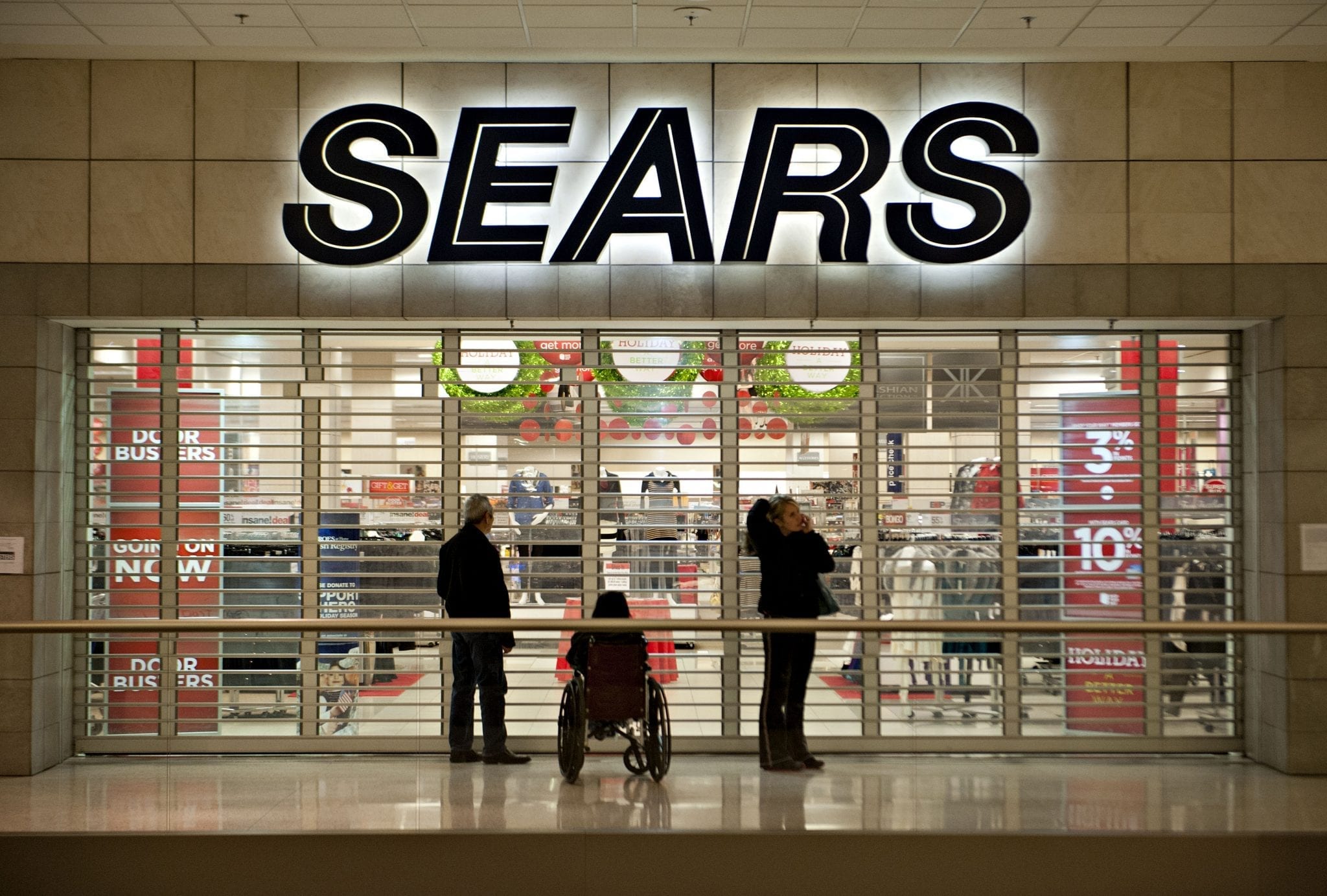
    Sears chairman Eddie Lampert’s last minute plans to save the bankrupt retail chain are set to be terminated on Friday afternoon, New York time, should they be determined to not be a “qualifying bid”. The first plan, a US$4.4 billion offer to purchase Sears, would provide ongoing positions for 50,000 employees and is the “best outcome for the debtors and their creditors and other stakeholders,” according to documents filed with the US Securities and Exchange Commission.

    The second plan, however, is an offer to acquire at least 250 stores as a going concern, as well as certain assets across the home services division and certain intellectual property.

    Earlier this week the business confirmed a further 80 stores would be closing by March, alongside the 40 already announced, with liquidation sales expected to begin in early January 2019.

    GlobalData Retail managing director Neil Saunders mused that the brand had hit rock bottom and was “essentially worthless” in its current state.

    “Ultimately, reinventing Sears now would be akin to raising the Titanic and making is seaworthy again: a thankless and rather pointless task,” Saunders said.

    Lampert stepped down as company chief executive when it filed for bankruptcy in October.

  • Sears US to close further 80 stores by March

    Sears US to close further 80 stores by March

    Bankrupt US retailer Sears has informed 80 further stores of impending closure, in addition to the 40 store closures already announced. The second batch of closures is expected to be finalised by late March 2019, with liquidation sales expected to begin in early January 2019. The closures have been made in an effort to accelerate and facilitate the ‘strategic transformation’ of the business, as well as assist its financial restructuring, though GlobalData Retail managing director Neil Saunders notes that the brand is now at rock bottom.

    “As a last roll of the dice, Sears has attempted to shrink its way to success by closing stores,” Saunders said.

    “While closure sales have helped to temporarily boost footfall and revenue at some shops, they have done nothing to put the firm on a sound footing. Nor have the efforts improved perceptions.”

    According to data from the research firm, overall customer usage of both the Sears and Kmart brands has fallen over the holiday period, and brand perception has fallen below the year prior.

    “Ultimately, reinventing Sears now would be akin to raising the Titanic and making it seaworthy again: a thankless and rather pointless task,” Saunders said, continuing that liquidation is the most likely outcome at this point of the bankruptcy process which began in October 2018.

    “In our view, the lack of bids and the difficulties [Sears chairman] Eddie Lampert is having in raising finance for his own offer reflects the fact that Sears is essentially worthless.”Adtech Ad

    Lampert stepped down as company chief executive when it filed for bankruptcy in October, and made a last-minute US$4.4 billion bid to buy the retailer in late December.

    The bid would “offer employment to up to 50,000 associates”, according to CNBC, and may divert the liquidation process should Sears’ advisors decide the bid to have come from a “qualified bidder”.

  • H&M announces closure of Cheap Monday

    H&M announces closure of Cheap Monday

    H&M is to close its Cheap Monday brand business to refocus on “core activities”. “Cheap Monday has a traditional wholesale business model, which is a model that has faced major challenges due to the shift in the industry,” H&M said in a statement announcing the closure.

    “There has been a negative trend in the Cheap Monday’s sales and profits for a long time.”

    The progressive closure process will start immediately, with the aim of being complete by June 30. The Cheap Monday retail store in London and Cheap Monday’s online store will close on December 31.

    “We need to constantly develop our business and what we choose to invest in,” said Anna Attemark, head of new business at H&M.

    “We see very good opportunities and great potential for all of the other brands within the new business [division], which all are developing positively both digitally as well as through physical stores,” she concluded.

    About 80 employees will be affected, however many are expected to be encouraged to apply for other positions within the group.

    H&M acquired Cheap Monday in 2008 from Swedish apparel company Fabric Scandinavien, a second hand store for high fashion and exclusive denim. The brand was originally founded to offer customers a more affordable denim option for customers and soon grew into a wholesale brand.

  • Ralph Lauren closing stores as sales see slump

    Ralph Lauren closing stores as sales see slump

    Ralph Lauren is closing stores, cutting jobs and focusing more on its most popular brands to try to reverse its declining fortunes.

    Shares of the fashion company tumbled 4 percent Tuesday.

    The changes are the first big moves from CEO Stefan Larsson, who replaced company founder Ralph Lauren in the role late last year. Lauren is still executive chairman and chief creative officer of the fashion and home decor business he created.

    The New York company, known for its polo shirts and pony logo, plans to close more than 50 stores, or about 10 percent of its total retail stores. It will let go approximately 1,000 of its 15,000 full-time employees, or almost 7 percent.

    It will focus more on its three best-selling brands — Ralph Lauren, Polo and Lauren — and devote fewer resources to its smaller ones, such as Chaps and RLX. The company also hopes to produce its clothing faster, cutting six months from the production process to make it nine months.

    Ralph Lauren expects the restructuring to save it between $180 million and $220 million a year. That’s on top of $125 million in cost cuts from last year. It expects to incur restructuring charges of up to $400 million for the year and inventory-related charges of up to $150 million.

    For the current quarter, it expects revenue to fall in the mid-single digits and fall in the low double digits for the year.

    Shares of Ralph Lauren Corp. fell $4.12, or 4.3 percent, to $92.21 in morning trading Tuesday. Its shares are down about 30 percent in the last year.

  • Luxury brands Gucci & Zegna shutting shop as Chinese buyers turn thrifty

    Luxury brands Gucci & Zegna shutting shop as Chinese buyers turn thrifty

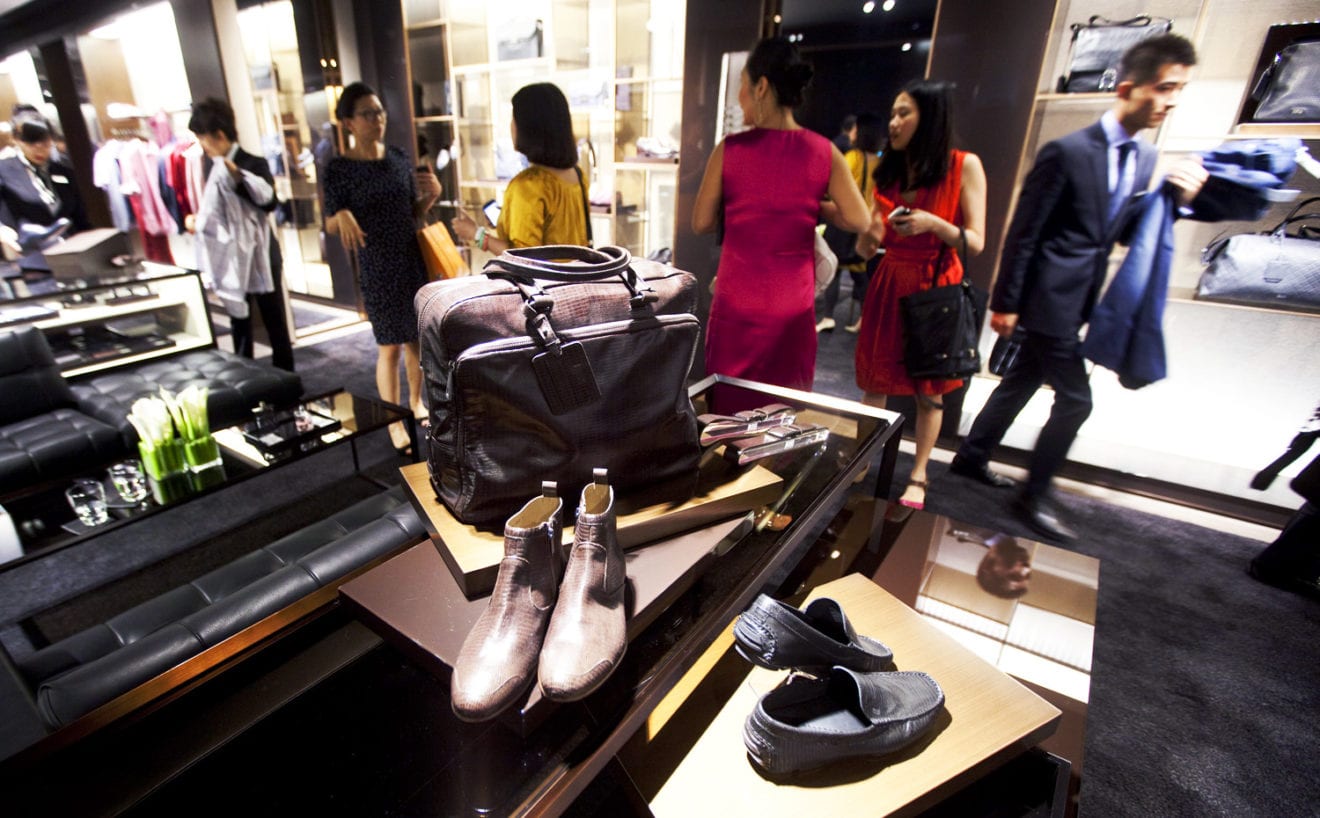
    It’s already happened to middle-of-the-road stores across high streets and main streets. Now the world’s biggest luxury stores are starting to shutter outlets. The culprit is the Chinese consumer, who is starting to rein in spending at home and abroad. The effect will be no less severe: expect more closures to come.

    Over the past decade, Chinese consumer demand and new store openings together turbo-charged luxury sales. New store space accounted for 55% of global luxury revenue growth over the past eight years, according to analysts at Mainfirst.

    As for Chinese nationals, they powered about two-thirds of luxury market’s growth over the past decade, according to Exane BNP Paribas.

    Now both of these forces are running out of steam. Given the slump in Hong Kong and the slowdown in China, stores there are the main focus of attention.

    MIXED BAG

    Gucci and Zegna were among luxury brands to cut their store footprint in the first quarter.

    Hugo Boss has already announced plans to close 20 of the 131 stores it directly owns on the mainland. It’s reviewing as many as another 20 of its least-profitable 430 stores globally.

    The company is in talks with its landlords, so not all of these outlets will close but it expects to announce a sizeable number of exits later this year.

    Prada won’t say where its selective store cuts might fall, but as it expanded aggressively in Asia, it’s a good bet that some will be there.

    And last week, Richemont, maker of Cartier jewelry and Jaeger-LeCoultre watches, said it was also reviewing its retail network in Hong Kong and Macau.This could include closures, moving to cheaper premises or lease renegotiations. Indeed, seeking rent reductions is an alternative to outright closure. Bloomberg Intelligence’s Patrick Wong ays rent reductions of as much as 50% says rent reductions of as much as 50% are possible in some locations in Hong Kong. But demand remains strong for space in premium malls, limiting the scope for discounts.

    In mainland China, tenants have the most bargaining power in new malls, particularly in second-tier cities , hit by a slump in demand and plentiful new supply, Wong notes.

    While the most attention might be on China, globally, brands are focusing on making their existing stores work harder. Rather than planning large scale openings, existing outlets are being refurbished.

    The luxury groups are right to halt their dizzying expansion, and start to cut back. As they do, there could be opportunities for more niche upmarket brands to expand. Kering’s Saint Laurent, LVMH’s Givenchy Fendi and Celine, and Swatch’s Harry Winston could all open stores at more attractive rents.

    Pandora, the affordable luxury chain, is one retailer that is still growing its store base, including in China. And here’s another trend that mirrors what is happening on high streets and main streets. As mid-market brands retrench, discount players move in. Pandora is hardly the same as Primark (its jewelry can cost 60 ($87) rather than 6 at its less upscale cousin). But the Danish jeweller offers cheaper, more accessible luxury.

    That’s still a winning formula in China, whether it is LVMH’s cosmetics and fragrance brands -or Pandora’s charms.

  • New Look and Celio to exit Singapore market

    New Look and Celio to exit Singapore market

    Two fashion brands will bow out of the challenging retail scene here before the year is out.

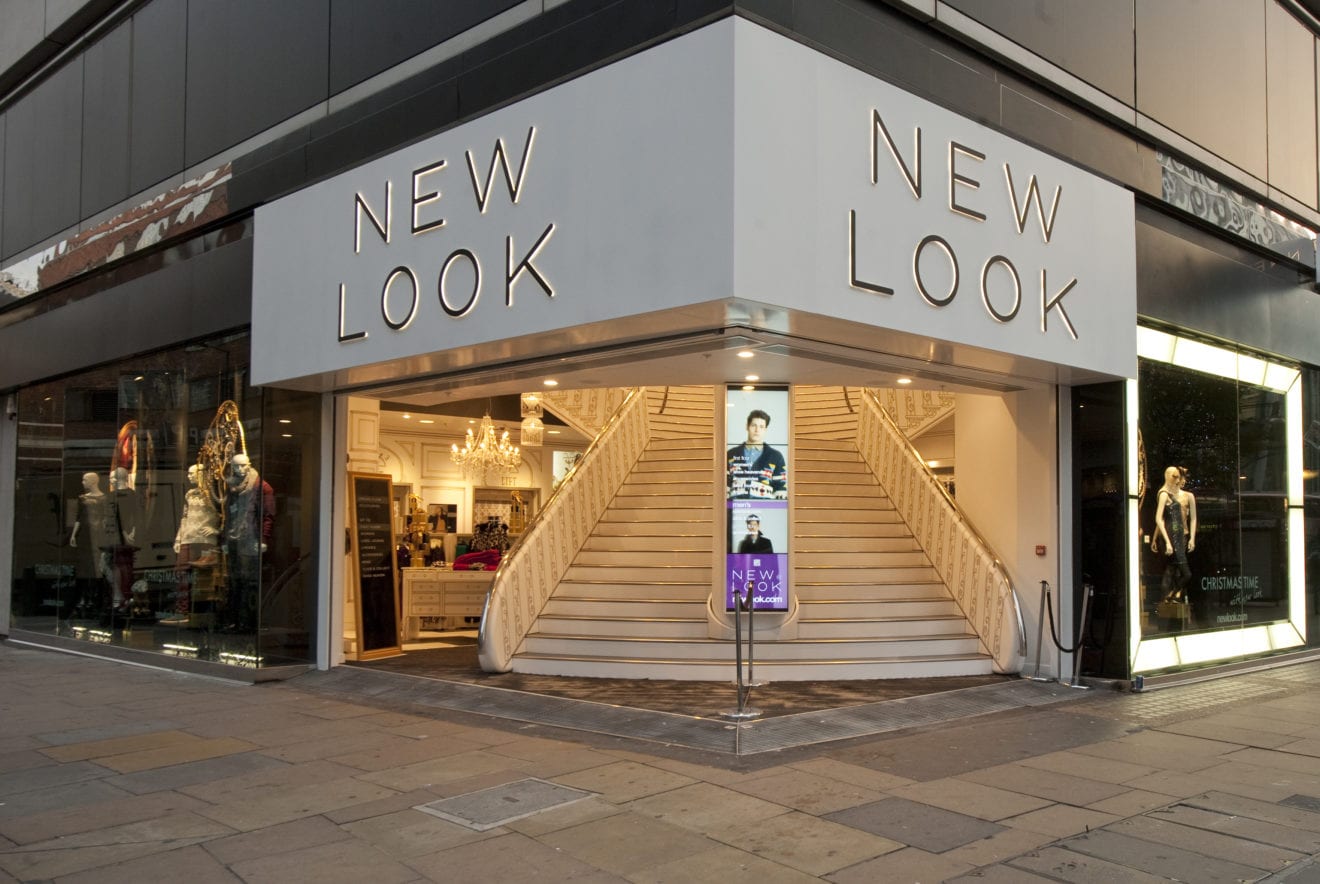
    Eight stores in various malls showcasing the British brand New Look and French menswear chain Celio will close in the second half of the year, said distributor Jay Gee Melwani Group.

    “The sales are not there and the costs are too high. We are consolidating and re-strategising which ones can work, which ones can’t,” Jay Gee Melwani Group managing director R Dhinakaran said.

    The other brands Jay Gee distributes include Aldo, Levi’s, Dockers, Aeropostale, Converse and health supplement chain Holland & Barrett. Affected staff will have the option of being redeployed to other stores in the group.

    Last week, conglomerate Al-Futtaim Group announced that it will shut 10 loss-making outlets here under its distribution and retailing arm RSH later this year.

    Competition from e-commerce, weak consumer sentiment and rising business costs have dogged retailers in recent years, with no sign of a let-up.

    Colliers International’s senior associate director of research and advisory, Ms Anthea To, said: “With both the domestic and international economies experiencing some headwind, consumers are likely to stay cautious and prudent in their discretionary spending.”

    Property consultancy JLL said vacancy rates in malls in Orchard, Marina and the suburban areas are still rising. Said Ms Lee Siew Ling, director of retail at JLL: “Retailers are now focusing on key locations with proven footfall and are more risk-averse and tend to refrain from investing in new locations.”

    The Marina retail submarket – which includes malls such as Marina Square and Suntec City – has the highest vacancy at 6.1 per cent, according to JLL data, followed by Orchard with 3.1 per cent and the suburban submarket with under 2 per cent.

    Ms Lee said the net take-up of retail space islandwide last year came in at minus 86,379 sq ft.

    This means more space was given up compared with retail premises being occupied by replacement retailers and new entrants.

    Shaw Centre, at the junction of Scotts Road and Orchard Road, appears to have trouble filling its units. About 25 units were still behind hoardings at the five-storey mall, including two on the ground floor facing Scotts Road, when The Straits Times visited last week.

    About nine units were vacant on level four, where Seasons Nail Bar is located. The shop’s general manager, Mr Roy Fong, said: “Sometimes I have one walk-in customer a week.

    “There is no shopper traffic. I have to spend $2,000 to $3,000 every month to do marketing. The management gave us a rental rebate, but that won’t help to improve sales.”

    Mr Jeremy Low said his Fox Studio hair salon is “still surviving” as it relies mostly on regular customers.

    “They should fill up the mall quickly, perhaps with an education centre or health spa or yoga studio, to get people to visit,” he added.

    “Maybe they can have a different theme on each floor.”

    Shaw Centre declined to comment on the occupancy rate.

    Marina Square Shopping Mall, which also has many unoccupied units, said it is working with tenants on advertising and promotions and holding events to drive shopper traffic. Its operator, Marina Centre Holdings, said the overall leasing outlook in Singapore will remain “difficult over the next 12 months as existing chain stores are expected to continue consolidating”. It expects to see more “pop-up” stores and new retail concepts.

    Pop-up shop Excluniqueeee leased 1,000 sq ft at the mall at a “very low rate” recently to showcase its apparel and street art.

    Store director Jason Wang said: “In good times, when the malls are doing well, there is no way for us to get retail space.”

    Knight Frank Singapore retail head Wendy Low said pop-up stores are becoming more common as they “help landlords in filling up vacancy and also act as a test bed” for new retail concepts. Analysts said landlords could also offer more flexible tenancy periods and rental structures, review the tenant mix and step up marketing efforts.

  • Asos gives up on the Chinese market

    Asos gives up on the Chinese market

    Asos has made the decision to remove its Chinese operations as the retailer found expansion of the business too costly.

    Instead of holding stock in China, Asos will serve it Chinese customers through its global platform and ship clothes from Europe. Asos will also be discontinuing its Mandarin website. Chief Executive Nick Beighton noted that the closure of the Chinese website would “remove the drag on earnings and a £60m to £70m operating loss”.

    Due to complex restrictions on clothing commerce in China, the fashion etailer has found it is easier to ship to China from the UK. Certain difficulties Asos has encountered within China are regulations on clothing labels and cultural issues such as selling one seasonal range in a country with diverse climates throughout.

    As well as these, Asos struggled to attract Chinese consumers away from etail behemoth Alibaba which dominates 75% of the ecommerce market.

    The CEO stated that the company’s decision to pull the plug on Asos.cn was part of its strategy to concentrate on less regions.

    “Getting eyeballs on our product has proven more difficult than we thought. There are always challenges as a start-up in a country, but there are additional challenges to being a start-up in China,” Beighton said.

    “We are simply serving our growing customer base there in a more efficient, less costly manner”.

  • Hugo Boss to review store growth close some China

    Hugo Boss to review store growth close some China

    German fashion house Hugo Boss is closing outlets in China and will review its global store network as it tries to revive its fortunes following the departure of its chief executive last month after a profit warning.

    Like other upmarket fashion retailers, Hugo Boss has been hit by a slowdown in luxury spending, particularly in China.

    In a strategy shift last November the German label known for its smart men’s suits said it would restrict new store openings to top global locations as it worked to expand online sales.

    On Thursday, it said it was going further. It will close around 20 of its 145 stores in greater China and make extensive renovations to others there. After a review of its entire store estate, it could close more outlets elsewhere and will open fewer than 20 stores worldwide, down from a net 72 last year.

    That marks a turnaround from a few years ago when the fashion house went on a global expansion drive after being bought in 2007 by private equity firm Permira. Under now departed Chief Executive Claus-Dietrich Lahrs, it was opening more than 100 stores a year, driving rapid growth in both sales and its share price.

    The slowdown in China’s economy and a clampdown on conspicuous consumption there has since hit luxury brands hard. However, Hugo Boss said that price cuts it made recently in China to bring them closer to European levels had boosted demand in recent weeks.

    It slashed prices for its spring collection by 20 percent in China, with another 10 percent due in the second half, Finance Chief Mark Langer told a news conference. A suit that costs 500 euros in Germany still costs 900 euros in China though, he said.

    The company also said it plans to expand its digital activities and bring the running of its online business in Europe in-house in May to better coordinate with its stores.

    Hugo Boss used to sell most of its range wholesale to outlets like department stores, but now makes more than 60 percent of sales from its own retail business.

    Brands that sell from their own retail space can boost margins and maintain more control over how their garments are presented, but the strategy can leave them exposed in a downturn due to fixed rental and staff costs.

    Total investment in 2016 would be below 200 million euros ($220 million), down from 220 million in 2015, but the company announced an unchanged dividend of 3.62 euros per share, helping send its shares up 3 percent by 1009 GMT.

    “Hugo Boss is still a healthy and growing company,” Langer said.

    Last month’s profit warning sent Hugo Boss’s share price tumbling, and the stock was still down 27 percent this year after Thursday’s gain, trading at a big discount to rivals like LVMH and Burberry.

    “We expect the dividend and free cash flow comments to be reassuring,” said UBS analysts, after the company pledged to impose “rigorous” control of stock to ensure a rise in free cash flow.

    Italy’s Marzotto family is now the biggest shareholder in Hugo Boss after Permira gradually sold down its holding.

    The company gave no update on the hunt for a successor to Lahrs, but said it had a long list of candidates.

    Lahrs took the company more upmarket and also expanded into women’s wear, a strategy Langer defended from criticism by some analysts, highlighting double-digit growth for its BOSS label for women in 2015. ($1 = 0.9107 euros)

  • Foodpanda Vietnam to shut down

    Foodpanda Vietnam to shut down

    Foodpanda – relentlessly marching its way across Southeast Asia, gobbling up rival food delivery businesses and creating monopolies – has shocked the online community by closing its Vietnam business.

    According to a report in online business news website Deal Street Asia the Rocket-Internet backed company has told its Vietnamese partners the operation will close on Wednesday after three years.

    “Through this notice, we would like to inform you that our company will terminate the business in Vietnam due to the difficulties in financial situation,” Foodpanda said in the letter.

    Deal Street Asia’s Vietnam-based writer was unable to reach Foodpanda Vietnam staff for further comment.

    One of the possible reasons for the market exit is that Foodpanda was a latecomer to the sector with the original, well-liked local service Vietnammm launched as long as five years ago and collaring the expat market which has the disposable income. Other rivals included Eat.vn and Deliverynow.vn.

    Furthermore, Foodpanda’s business model is to attain market dominance by buying out rivals, thus gaining insulation from poor customer service, slow delivery times and other faults – the exact situation in Malaysia which has now left it with brand reputation issues.

    Deal Street Asia says experts say Foodpanda’s business model is not relevant to Vietnamese consumers, where the younger demographic prefer to eat out and local food outlets offer their own delivery service. Others said Foodpanda had struggled with its communications strategy, which was not helped by changing its brand name within a year of launching there.

    Meanwhile, in India Foodpanda is in trouble over alleged fake listings, non-payment of money to restaurants, failure to refund customers for undelivered orders and corporate governance issues, according to website e27.co.

  • High-end retailers in China no longer have the luxury of time

    High-end retailers in China no longer have the luxury of time

    In the heart of Guangzhou’s Yuexiu district, the shopping centre La Perle is a symbol of luxury living in the southern mainland city.

    The high-end shopping mall, which opened in January 2004, has long been the first stop for many international brands seeking to conquer China market.

    But times are changing. A few weeks ago, La Perle lost one of its biggest tenants. Louis Vuitton. The French luxury retailer closed its store on the ground floor saying it would not renew its expired lease.

    This followed the shutting down of the two other LV stores – in the northeastern city of Harbin and the western city of Urumqi.

    The brand said the closures were part of a marketing strategy adjustment by headquarters.

    It’s a strategy that appears to have been taken on by many other international luxury brands.

    Following ten years’ aggressive expansion in China, they have been shrinking their physical presence in the nation to adapt to a cooling market plagued by a slowing economy, an ongoing anti-corruption campaign and Chinese buyers’ increasing overseas purchases.

    The Fortune Character Institute, a Shanghai-based market research unit, forecasts mainland luxury sales to grow 3 per cent to US$25.8 billion this year, much slower than the 11 per cent in the recovering global market.

    A study by the institute found that although Chinese shoppers consumed 46 per cent of luxury goods around the world, their purchases in their home market accounted for only 10 per cent of global sales, falling from 11 per cent in 2012 and 13 per cent in 2013.

    The sluggish growth is reflected in the expansion plans of luxury brands. They are opening fewer new stores and closing more.

    During the past two years, Burberry closed four stores on the mainland, Coach shut two, Hermes one, Armani five, and Prada went from 49 to 33.

    Regina Yang, of real estate consultancy Knight Frank Shanghai, said store consolidation would continue, especially in smaller cities.

    “Now the luxury brands do not need two or three outlets in one city. Those having three outlets will be cut to one,” said Yang.

    The situation is no better in Hong Kong, which relies heavily on mainland shoppers’ spending.

    In August, TAG Heuer, the expensive watch brand under LVMH, closed its Causeway Bay store while Coach closed its flagship store in Central due to high rent pressure and a falling number of mainland tourists.

    Store openings are no longer a major way for international luxury brands to expand in the China market

    Zhou Ting, Fortune Character Institute

    “Store openings are no longer a major way for international luxury brands to expand in the China market. Over the next two years we expect these brands to close even more stores than before,” said Zhou Ting, director of the Fortune Character Institute.

    “But if you think luxury brands are taking a totally defensive strategy in China, you would be wrong. The closures are only a small part of a thorough strategy adjustment they are undertaking in China.”

    While closing smaller and underperforming outlets, the top brands are investing more resources to upgrade and expand other stores and are even venturing into different industries to attract local shoppers. Considering Chinese buyers’ preference to shop online, they are also building e-commerce channels and closing price gaps between China and foreign markets to retain their consumption locally.

    “In the past, foreign luxury retailers had treated the China market like a money printer. They were busy opening stores to cover more cities. But their customer services and shopping experience were far from good compared to their stores in Europe. Now they have to pay a big cost for it,” said Zhou.

    The first batch of luxury brands entered into China in the 1990s. Most of them set up stores in five-star hotels and high-end department stores in big cities, targeting foreign businessmen, overseas Chinese and government officials.

    In 2004, as the Chinese government loosened restrictions on foreign retailers, luxury brands that had previously relied on local distributors started to engage in direct sales and expand into shopping malls.

    In the past, foreign luxury retailers had treated the China market like a money printer

    Zhou Ting, Fortune Character Institute

    The golden era came around 2009 and 2010 as a rising number of affluent Chinese consumers started to spend on high-end leather goods and jewellery, making the country the fastest-growing luxury market in the world.

    Encouraged by the fast growth and huge potential in the China market, luxury retailers rushed to open stores. Global consultancy Bain & Co estimated that the 15 top luxury brands it surveyed had opened more than 80 new shops during the first eight months of 2010.

    Meanwhile, the big brands’ aggressive expansion was also partly promoted by the increase in shopping mall construction.

    “Developers in second and third tier cities lured big brands as anchor tenants by offering them very flexible leasing terms,” said Kenith Kong, director and head of retail service at real estate agency DTZ/Cushman Wakefield China.

    A watershed for China’s luxury market came in 2013. Late that year, Beijing embarked on a long-term anti-corruption campaign and banned government officials from giving or receiving gifts. Such expenditure had previously been a major driver of domestic luxury consumption.

    More recently, the rapid growth of overseas purchases has also been worrying top-end retailers.

    Chinese consumers, who are travelling overseas more often, now spend more than 70 per cent of their luxury budgets in Europe, North America, Japan and other countries where the prices are lower, options are greater, and services better.

    The demand has even created a booming “daigou” or personal shopper industry, in which the daigou makes a living by purchasing products from overseas and selling them to buyers at home at a profit.

    All such developments are forcing luxury retailers to reappraise their business models.

    “We have noticed an upward trend on the portion of large stores opened by luxury brands in recent years,” said Frank Chen, research head of global real estate agency CBRE.

    The company observed that three quarters of renovations by luxury stores that took place between January 2013 and July 2015 in eight major cities were expansions.

    It also said the proportion of luxury stores with floor areas of more than 800 square metres climbed to 22 per cent in 2014 from 18 per cent a year earlier.

    “Larger sizes means luxury retailers can display more products and add more functions in their physical stores. Increasingly, they are displaying categories which were previously given little emphasis, such as shoes, household items, cosmetics and children’s apparel,” said Chen.

    In February, Louis Vuitton unveiled its newly upgraded store in the China World Mall in Beijing. The 3,000-square-metre shop not only offers various tailor-made services, it hosts a bookstore, an arts exhibition room and a Chinese tea zone.

    On July 31, the French luxury brand opened a new store on the bank of the West Lake scenic area in Hangzhou City, Zhejiang province, to tap the growing tourism market.

    Also taking an innovative approach in reaching out to local customers is Italian label Gucci. The brand opened a restaurant, 1921 Gucci, in Shanghai’s iAPM shopping mall.

    French fashion house Versace opened a cafe in one of Shanghai’s most expensive malls, Grand Gateway 66, which also hosts Burberry’s first beauty salon.

    Meanwhile, Hermes, Armani, and Dolce & Gabbana are expected to introduce their restaurants and cafes to China, providing a new engine for revenue growth.

    Such strategies create new forms of profitability based on experience-oriented consumption

    Frank Chen, CBRE

    “Such strategies create new forms of profitability based on experience-oriented consumption, as well as an additional sales opportunities for physical goods by attracting more shoppers to spend more time in their places,” Chen said.

    While reducing their physical presences, luxury retailers are embracing e-commerce despite their concerns that online channels cannot emulate the physical shopping experience.

    However, Chinese consumers’ increasing reliance on online shopping, especially on their mobile phones, has convinced brands to launch shopping sites or form partnerships with e-commerce firms.

    In October, Cartier launched its China shopping site. One month earlier, high-end brand Coach reopened its online store on T-mall.com three years after closing it.

    Other brands such as Burberry and Tag Heuer are working with local e-commerce giants like T-mall of Alibaba and JD.com to provide online selling services in addition to their own official shopping sites.

    “Many luxury brands have begun to close the retailing price gaps between China and other markets. One of their purposes is also to establish a comprehensive global pricing system and prepare for their future online expansion,” Zhou Ting said.

  • More Hong Kong shop closures likely, say retailers after Burger King outlets shut doors

    More Hong Kong shop closures likely, say retailers after Burger King outlets shut doors

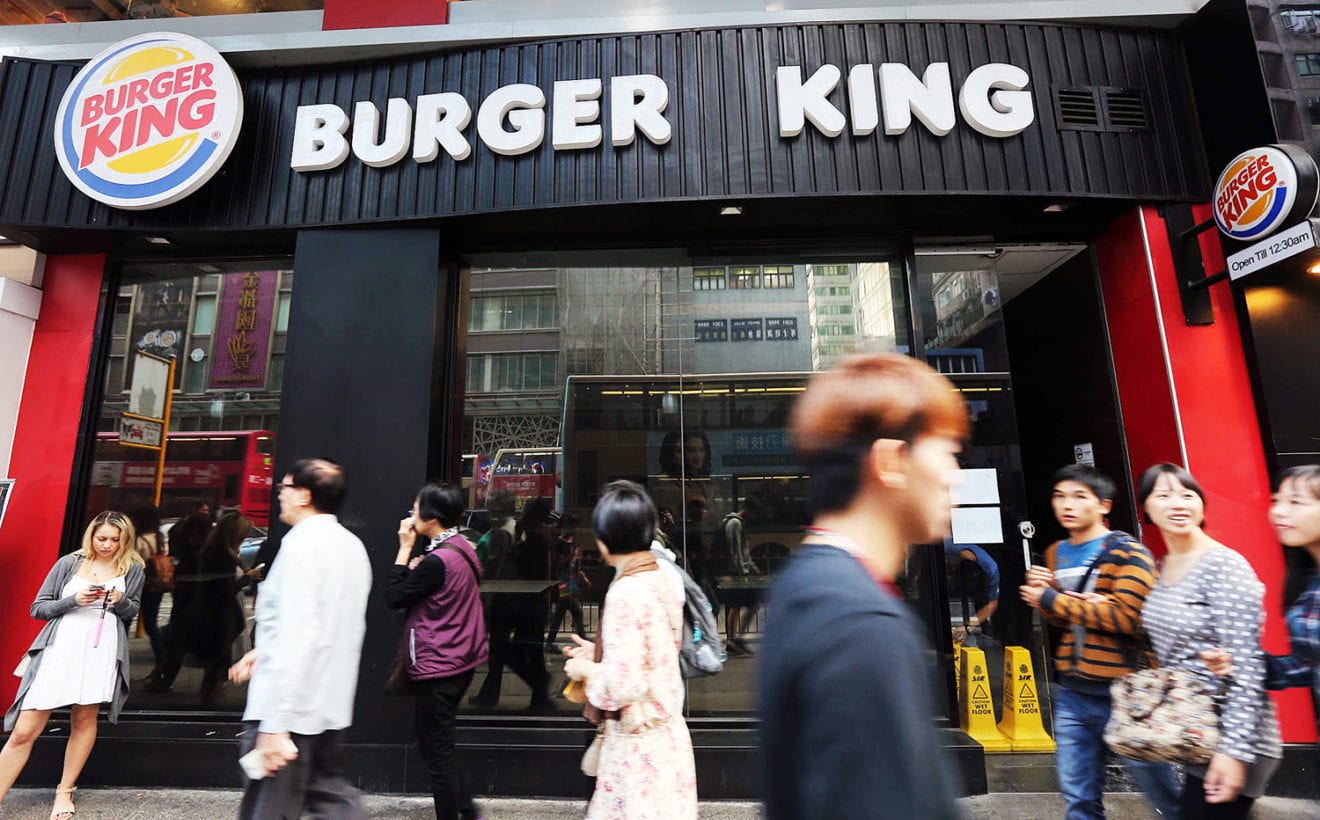
    The franchisee of the five restaurants, Perfect Combo, was taken to court several times this year over unpaid rental payments and other fees involving several outlets. Two of them – in Tsim Sha Tsui and Yau Ma Tei – were located in tourist hot spots.

    “Conducting business in Hong Kong is not easy these days” said a manager of a medicine shop on Nathan Road, just 10 metres from the shuttered Yau Ma Tei Burger King outlet.

    Nathan Road, known for its numerous jewellery and medicine shops, has been one of the favourite shopping spots for mainland tourists.

    However, eight shops on a 500-metre stretch from Yau Ma Tei to Mong Kok are currently closed or vacant. The shops used to sell jewellery, watches, handbags, medicine and beef jerky, according to staff of nearby shops, and three closed just last month.

    Mr Hui, the manager of a medicine shop on Nathan Road, said his boss might close the shop next year if his rent is not cut enough.

    “This shop hasn’t made a cent in profit since it opened two years ago”, he said, “ Mainland tourists used to buy more health care products. Now they go for ordinary milk powder.” The shop makes more money from health care products.

    “Custom has dropped one-third after the protests against parallel trading earlier this year” Hui said.

    With Hong Kong’s GDP growth expected to slow to about 2.4 per cent this year, local consumers also tend to be more conservative in spending their hard-earned money.

    “It’s not just mainland tourists. Local consumers have also been buying less this year,” said Mr Ng, a salesman in a sports shoe shop on Nathan Road. Ng said the shop had been offering heavier discounts this year – with prices 10 to 15 per cent lower than in the same period last year.

    Other than shutting down stores completely, some retailers chose to cut the size of their shops to save rental costs. Zhongxing Watch, a Hong Kong luxury watch chain, cut the size of its Nathan Road store by one-third this year, said an employee of a nearby jewellery store. No one rents the vacant area.

    Hong Kong retail sales dropped 3 per cent in October year on year despite the National Day Golden Week holiday. In the first 10 months of this year, retail sales shrank 2.7 per cent from the same period last year.

  • Louis Vuitton looks for shops to close in China

    Louis Vuitton looks for shops to close in China

    Louis Vuitton is about to get smaller in China, and other luxury goods makers might follow as the heady days of expansion in that market are over.

    The French maker of monogrammed luggage is reviewing eight stores in second-tier cities, or about a fifth of the total in China, according to a source familiar with the situation.

    While some might be moved or refurbished rather than closed outright, the Chinese store count will drop, said the source, who asked not to be identified as the plans are private and no final decision has been made.

    Vuitton is closing stores “to avoid being overexposed” as market dynamics change and more Chinese shop abroad, said Mario Ortelli, an analyst at Sanford C. Bernstein in London. “This is something that is quite normal when you have a fast expansion of a store network.”

    Vuitton is evaluating its exposure to China as consumers shift more of their spending to Japan and Europe, where the weak yen and euro make it even cheaper to shop. A government campaign against extravagance has also weighed on demand in China and neighboring markets. Watchmaker TAG Heuer shuttered a store in Hong Kong in August and Burberry Group PLC said earlier this month it would reduce the size of its largest store in the territory.

    Vuitton has 41 stores in China out of 453 worldwide, according to Exane BNP Paribas. A spokesman for parent company LVMH said Vuitton would continue to invest in its retail network in China, adding that the company would open two stores and refurbish two there next year. He declined to comment on closures.

    Closures by other luxury goods makers might follow, Exane analyst Luca Solca said.

    Kering SA-owned Gucci and Burberry, both of which have also struggled in China, have more stores there than Vuitton, Exane said.

    Chinese consumers account for about a third of global luxury sales. Gucci has 57 stores in China, while Burberry has 55.

    “As more sales move abroad on the back of large price gaps, mainland China stores risk poor space productivity, hence the adjustment,” Solca said.

    A Burberry spokesman said: “There is no change in our plans as we continue to evolve our Chinese store network.”

    A spokesman for Kering declined to comment on store plans in China.

    LVMH chief financial officer Jean-Jacques Guiony last month said that Vuitton might shut a couple of boutiques in China where it has two in second-tier cities. Its Chinese store count should remain “reasonably flat for the years to come,” he said.

    Globally, the market for personal luxury goods is set to grow as little as 1 percent this year, the weakest rate since 2009, Bain & Co estimates.

    LVMH, whose full name is LVMH Moet Hennessy Louis Vuitton SE, reported third-quarter fashion and leather goods sales that rose 3 percent on an organic basis, trailing estimates.

  • Fashion chain M)phosis shutters stores

    Fashion chain M)phosis shutters stores

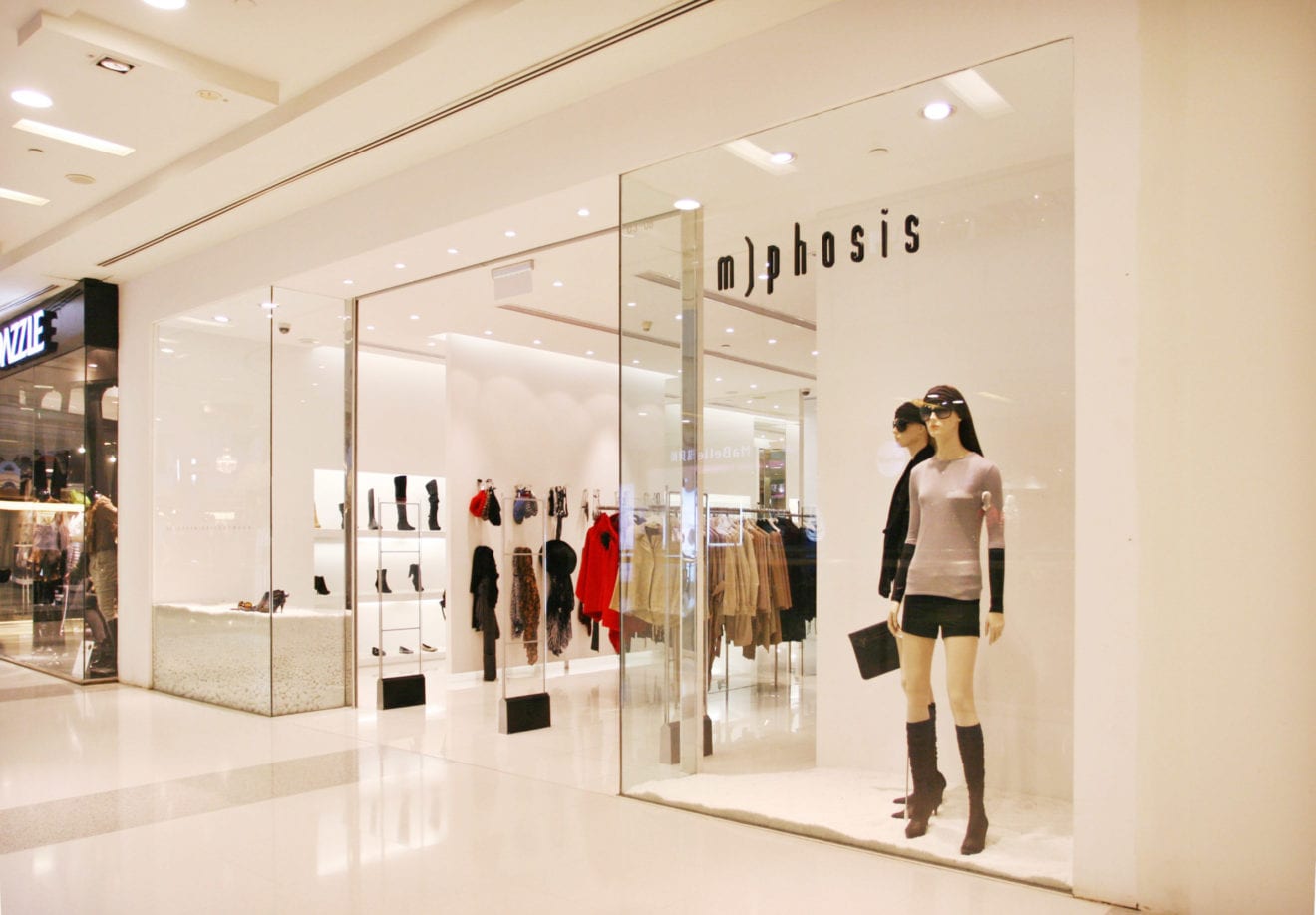
    Singapore-founded fashion retailer M)phosis is reportedly closing all its Southeast Asian stores due to financial challenges.

    The Straits Times has reported the chain is in the process of closing remaining stores in Vietnam, Malaysia, the Philippines and Indonesia – more than 10 in all. Its last Singapore store, in VivoCity, ceased trading at the end of August. Only its China stores will continue to operate.

    The company has not updated its Facebook page since August, but some disappointed fans of the brand have posted messages on the page, ranging from sadness at the retailer’s apparent demise to anger over being left with vouchers which can no longer be redeemed or cashed in.

    Director Hensley Teh confirmed to the Straits Times the brand remains in the China marketplace.

    “We were having a severe cash flow situation. We were not able to continue, despite wanting to. We did everything we could. We thank our customers, who have supported us all these years.”

    M)phosis made its debut in 1994, targeting women aged 18 to 35. At one stage it operated in Australia, Hong Kong, Dubai and Japan and had a network of 30 stores, but it has since retrenched from those markets.

  • Coach to exit landmark location in Hong Kong

    Coach to exit landmark location in Hong Kong

    Leather goods maker Coach Inc. is shutting one of its three flagship locations in Hong Kong, the latest retailer to be hit by the drop in the number of mainland Chinese visitors to the city amid a slowing economy and weaker yuan.

    The store towers above Queen’s Road Central in the central business district of a city where high rents and labour costs, as well as slowing sales, have hit other retailers.

    Coach said the store would close on August 31 but said it remained committed to the Hong Kong and China markets. Earlier this month, Coach said its mainland China sales grew 9 per cent year-on-year to $595 million in fiscal 2015, but growth in Hong Kong and Macau was slower.

    “Sales growth in China was driven entirely by the mainland, as Hong Kong and Macau continued to experience traffic declines from a decrease in PRC (People’s Republic of China) tourists,” Chief Executive Victor Luis said.

    For this fiscal year, China sales growth is forecast to slow to about 5 per cent, the company said. Chinese tourists have been the main customers of Hong Kong’s luxury retailers, but the slowing economic growth and the recent devaluation of the yuan have dented their once voracious appetite for goods ranging from cosmetics to luxury watches.

    Tighter visa rules and a flare up of anti-Chinese sentiment in Hong Kong have also contributed to the decline in mainland visitors. Hong Kong’s retail sales fell for the fourth straight month in June.