Tag: clover moore

  • Sydney Plans 20 Entertainment Zones to Boost 5,000 Nightlife Businesses

    Sydney Plans 20 Entertainment Zones to Boost 5,000 Nightlife Businesses

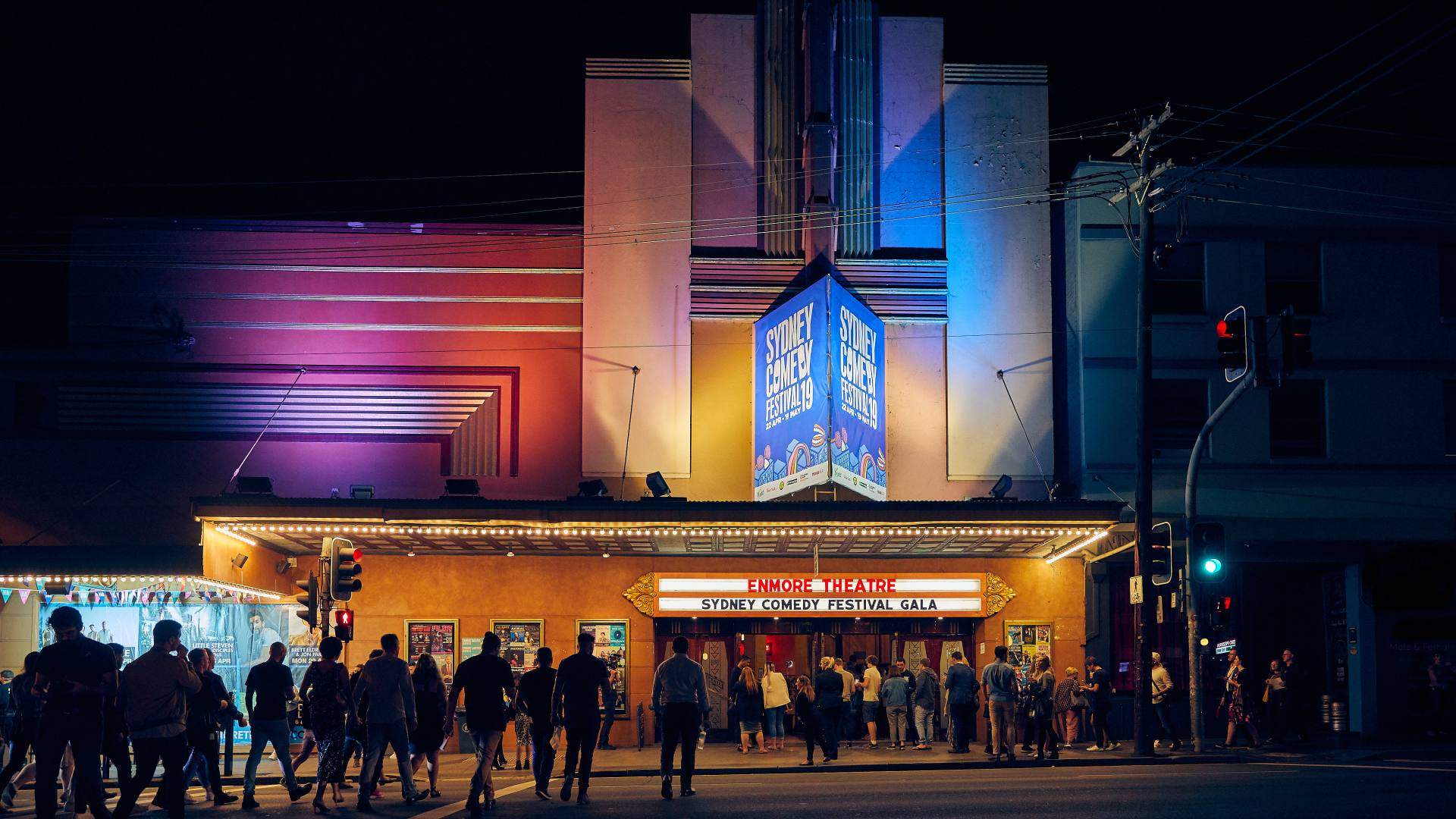
    The Council of the City of Sydney plans to establish more than 20 special entertainment precincts. The zones will support approximately 5,000 hospitality, dining and cultural venues across the city.

    Public consultation on the live music and late-night trading zones runs until November 26. Councillors will consider final endorsement after the review.

    Tailored Sound Rules and State Incentives

    Designated precincts will let the local council tailor sound rules and trading hours to individual streets. Operators inside the zones can also qualify for NSW Government incentives. These perks include extended trading hours and discounts on liquor licence fees.

    City leaders want to reverse foot traffic losses after Sydney dropped behind Melbourne in national nightlife rankings. Noise regulation will shift away from individual resident complaints. Clear precinct-level thresholds will replace them.

    “Special entertainment precincts are about supporting the live music, cultural and hospitality venues that make Sydney a global city, while ensuring residents continue to enjoy a high quality of life,” said Lord Mayor of Sydney, Clover Moore AO.

    Operating Pressures Across Commercial Districts

    Hospitality venues across Australian metropolitan centres face high rents, wage costs and restrictive licensing laws. These pressures have curtailed late-night patronage over the past decade. Blanket limits have also depressed commercial yields for landlords and food and beverage tenants during weekday and late weekend trading windows.

    The overhaul gives operators certainty to schedule live performances and extend dining shifts without facing sudden noise penalties. Execution risk centres on municipal coordination. Inconsistent enforcement across neighbouring council boundaries could dilute patron traffic.

    Enforcement Shift After Lockout Policy Repeals

    State and municipal authorities have spent years adjusting regulations to rebuild nighttime activity following the repeal of Sydney’s lockout laws. Previous piecemeal reforms struggled to deliver uniform foot traffic recovery across fragmented commercial strips.

    By grouping venues under statutory precincts, municipal planners now treat nightlife infrastructure as a commercial asset rather than a residential nuisance.

    Council Decision and Newtown Expansion

    Following the close of public feedback on November 26, the proposal will return to the Council of the City of Sydney for a final vote. The authority will then begin joint consultation with Inner West Council in early 2027 to establish a separate special entertainment precinct along King Street in Newtown.

  • Sydney Commits 20 Million Dollars to Make 150 On-Street Dining Spaces Permanent

    Sydney Commits 20 Million Dollars to Make 150 On-Street Dining Spaces Permanent

    The City of Sydney will convert 150 temporary on-street dining sites into permanent footpath extensions. The work falls under a 20 million Australian dollar capital program running across the next eight years.

    Crews will replace temporary concrete barriers with paved street infrastructure across major hospitality strips. This secures outdoor trading space for more than 1,000 food and beverage operators.

    Five-year permits and streamlined rules

    Under revised guidelines taking effect on October 1, operators can secure five-year approvals for footpath extensions instead of relying on rolling temporary permits. The council has eliminated duplicate application filings. It also removed separate council requirements for outdoor food service, customer toilets and heating equipment.

    Venues gain the option to trade on both sides of a footpath where width permits. They can also expand seating in front of neighbouring commercial properties with consent, and install fixed planter boxes. Council compliance officers will focus on communication and business guidance until February 1. Punitive enforcement remains reserved for direct public safety hazards.

    Footpath upgrades across three key precincts

    Civil construction starts early next year along Darlinghurst Road, Erskineville Road and Stanley Street. These physical works will embed permanent dining terraces into planned streetscapes. Permanent kerb realignments and accessible pavements will replace the modular barriers installed during emergency trading periods.

    Both community and business have expressed strong support for our recent proposals which will make outdoor dining easier and boost the vibrancy of neighbourhoods and high streets. These latest changes will further enhance outdoor dining experiences while making the city more accessible for those passing through our streets.

    Operational shifts for venue operators

    The policy shift turns emergency kerbside space into bankable floor area for inner-city restaurateurs and bar owners. Fixed multi-year approvals allow operators to invest in higher-quality outdoor fitouts and equipment. Seating capacity cannot be revoked on short notice.

    For commercial landlords, permanent outdoor seating increases trading capacity without requiring building alterations or higher internal floor space ratios. Venue managers face the main day-to-day challenge. They must maintain clear accessibility corridors along active pedestrian footpaths while managing higher table turns outside.

    Building on pandemic-era street dining

    Sydney introduced free outdoor dining permits in 2020 to help food venues survive indoor density caps during pandemic disruptions. Since that initial rollout, the city has approved more than 2,600 applications. This created roughly 16,000 square metres of outdoor trading area across high streets and suburban commercial villages.

    More than 150 submissions from local residents, business owners and industry associations during public consultations earlier this year helped shape the final regulatory framework. Progressive construction across the first batch of permanent street locations begins early next year following formal council sign-off.