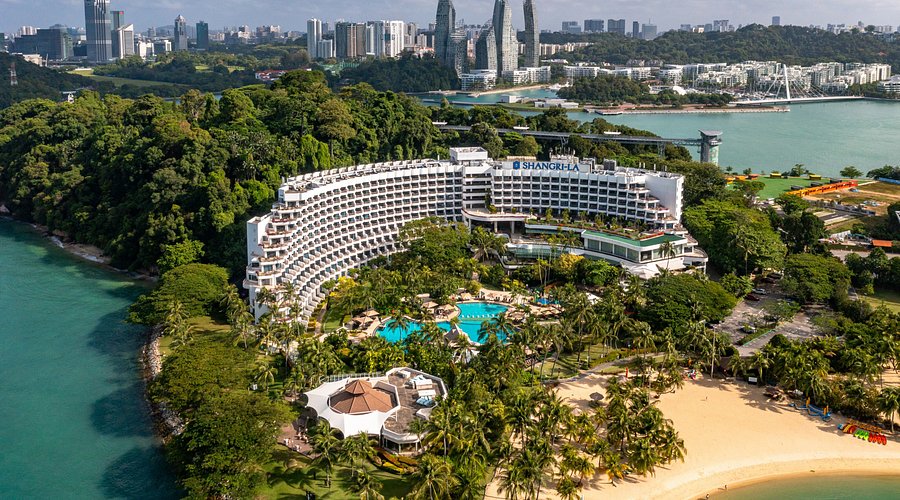
India’s Central Consumer Protection Authority fined Shangri-La Eros in New Delhi ₹1 lakh on 22 October 2026 for automatically adding a 10 per cent service charge to customer bills.
The penalty targeted Mister Chai, the hotel’s restaurant, after regulatory investigators established that printing an optional disclaimer on a menu does not make an automated charge voluntary.
Under the order, regulator CCPA held that default bill levies violate consumer protection rules by requiring patrons to actively demand their removal before paying. The hotel had argued that diners retained adequate time to dispute the 10 per cent surcharge, that cashiers could issue refunds on request, and that menus clearly designated the fee as discretionary. CCPA rejected every defense.
Investigators examined two customer bills dated 30 May and 10 June 2025. In both instances, the hotel added the 10 per cent charge to the food total before calculating Goods and Services Tax, inflating the taxable baseline and the final sum demanded at the counter.
The Breakdown of Default Billing
Shangri-La Eros told the regulator it changed its billing description to read “Charges for Voluntary Staff Contribution (optional)” and refunded the complainant. It completely halted collecting the levy on 1 October 2026, after CCPA took cognisance of the matter.
The watchdog ruled that altering invoice labels solved nothing. Default inclusion creates an opt-out trap where guests must spot the line item, confront floor staff, and negotiate its deduction from the printed check.
The ruling enforces guidelines published on 4 July 2022. Those rules bar hospitality operators from adding service fees automatically, disguising them under alternate accounting titles, or restricting dining access to patrons who refuse to pay. They also expressly prohibit calculating GST on top of service levies.
Hospitality Margins and Billing Risk
For hotel owners and food and beverage operators in India, the penalty removes any lingering legal ambiguity around automated tips. Premium operators long relied on mandatory service fees to subsidize back-of-house payroll and retain floor staff without adjusting headline menu rates. That pricing buffer is gone.
Operators who continue to default to automated levies face direct exposure under Section 21(7) of the Consumer Protection Act, 2019. The statute allows authorities to calibrate fines according to business turnover, the duration of non-compliance, and the volume of customers billed. Incorporating staff remuneration directly into published food prices now represents the only compliant commercial route, even if higher menu figures dampen casual footfall.
RetailNews Asia sees the primary operating risk shifting straight to point-of-sale software configurations. Independent operators and hotel chains frequently license billing suites that automatically load standardized service percentages at the final checkout screen. Franchisors and hospitality landlords must audit point-of-sale systems across their networks immediately, because consumer protection enforcement in India is now driven directly by customer invoice uploads to the National Consumer Helpline.
Court Backing and Enforcement Wave
The penalty against Shangri-La Eros builds directly on a key judicial precedent delivered early last year. The Delhi High Court upheld the CCPA’s service charge framework on 28 March 2025, confirming that mandatory charges infringe statutory rights and ruling that tips must depend entirely on customer initiative.
Regulatory pressure intensified throughout 2026 across dining categories. In January 2026, the watchdog pursued suo motu actions against 27 restaurants nationwide, handing down penalties up to ₹50,000 and mandating billing adjustments alongside customer refunds.
Penalties hit chains quickly. Café Blue Bottle in Patna paid ₹30,000 and Mumbai’s Bora Bora outlet under China Gate Restaurant paid ₹50,000 under orders issued on 10 January 2026. Quick-service tea chain Chaayos received a ₹50,000 penalty on 14 July 2026, followed five days later by orders against Fiesta by Barbeque Nation, FOO Ahmedabad Restaurant, and bakery chain L’Opéra. Japanese curry chain Curry House CoCo Ichibanya drew a ₹20,000 penalty on 19 October for a 10 per cent automated charge.
Pending Actions Across the Market
More regulatory orders are due before the end of the quarter. The authority initiated separate suo motu proceedings against 41 restaurants in July 2026 following complaints registered through national consumer portals, with final penalty determinations pending in those dockets.