Retail News CRM

Tag: Cocoa

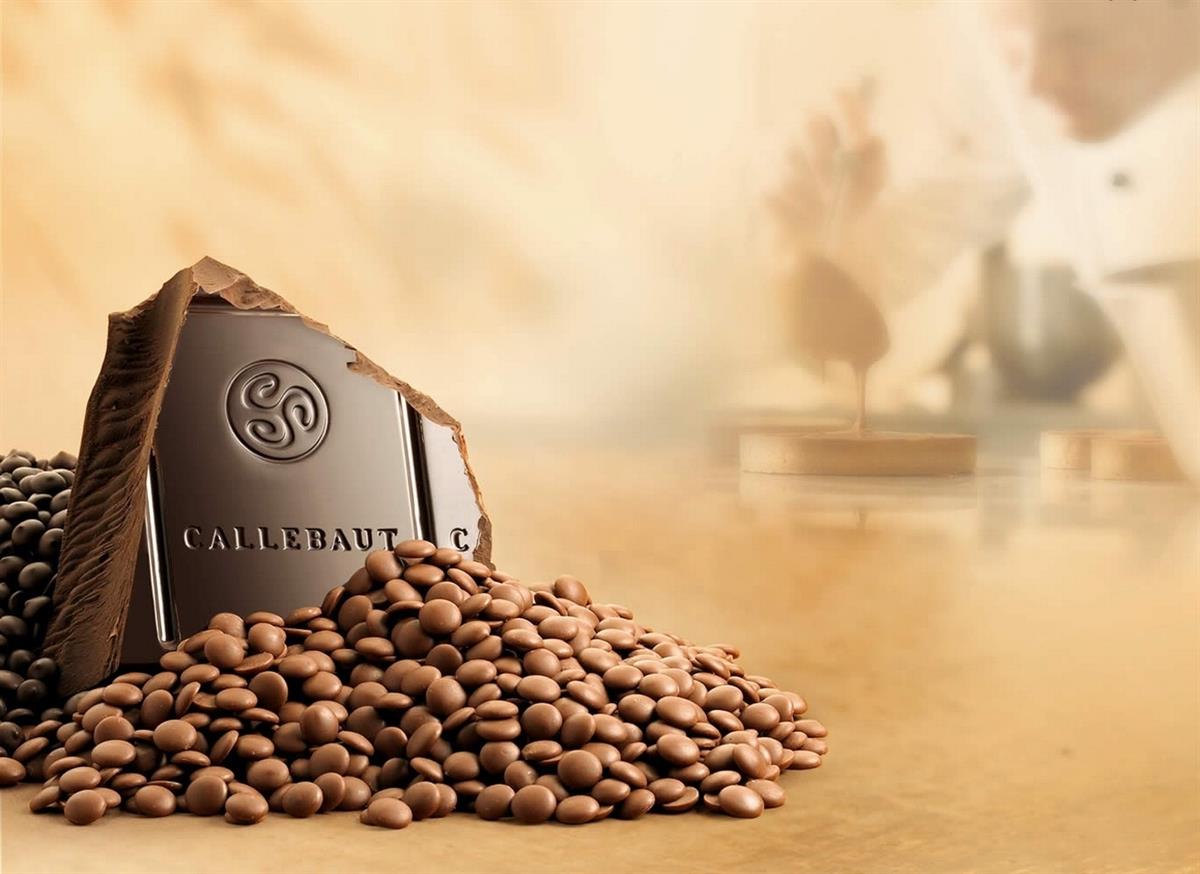
  • Cocoa Crisis Averted: Swiss Chocolatier Barry Callebaut Unfazed by Potential El Niño Impact

    Cocoa Crisis Averted: Swiss Chocolatier Barry Callebaut Unfazed by Potential El Niño Impact

    Swiss confectionery manufacturer, Barry Callebaut, anticipates that the cocoa market will remain stable, despite the potential emergence of a strong El Niño weather pattern in the upcoming months. This statement was made by the company’s Chief Financial Officer, Peter Vanneste, earlier this week.

    The United Nations weather agency recently announced an increased likelihood of a powerful El Niño weather pattern emerging soon. This weather phenomenon is known to significantly impact the cocoa industry and could potentially elevate global temperatures. However, Vanneste maintains a positive outlook, stating that the circumstances differ substantially from those experienced during the 2023 and 2024 cocoa market crises.

    Stability Amidst Uncertainty

    “Unlike the situation in 2023/2024, when El Niño coincided with the primary harvest season and triggered a third consecutive year of cocoa deficit, we are currently in a position of significant surplus,” Vanneste explained. “We have large volumes of cocoa stocks ready for the upcoming harvest season.”

    In addition to maintaining a strong surplus, Barry Callebaut, which supplies key chocolate industry giants such as Nestlé and Hershey, has fortified its resilience by diversifying its sources, enhancing its cocoa bean blending capabilities, and implementing several financial measures.

    Monitoring Market Trends

    Vanneste also noted that his firm is keeping a keen eye on cocoa grind data. This is a key indicator of chocolate demand, particularly important as they approach the second quarter of the year.

    Recent data from May shows a 39.7% year-on-year increase in cocoa grinding in the Ivory Coast, the world’s largest cocoa producer. “The expectation is for this trend to continue,” said Vanneste. “However, it’s important to remember that demand recovery will take time. This is something we will be closely monitoring moving forward.”

    Questions & Answers

    What is the potential impact of a strong El Niño on the cocoa industry?
    A strong El Niño weather pattern can have profound effects on the cocoa industry, often disrupting cocoa production and leading to a deficit in supply.

    How has Barry Callebaut prepared for potential market instability?
    Barry Callebaut has fortified its market stance through origin diversification, increased sourcing flexibility, enhancing its cocoa bean blending capabilities, and implementing financial measures.

    What is the significance of monitoring cocoa grind data?
    Cocoa grind data serves as a proxy for chocolate demand. Monitoring this data allows companies to effectively track and forecast market trends.

  • Hershey Sales Surge Amidst Slumping Profits: Navigating Rising Cocoa Costs And Supply Chain Challenges

    Hershey Sales Surge Amidst Slumping Profits: Navigating Rising Cocoa Costs And Supply Chain Challenges

    Hershey, the confectionery giant, has registered a significant increase in sales for the second quarter despite a drastic fall in profits. This arises from the escalating costs of cocoa, supply chain, and adverse effects from commodity hedging.

    In the most recent quarter, Hershey reported net sales of US$2.61 billion, a 26 per cent surge compared to the same quarter the previous year. The growth was a result of robust demand for seasonal products, which included popular items tied to the Easter season and early Halloween shipments.

    However, despite the impressive rise in revenue, net income experienced a 65 per cent decrease, landing at $62.7 million.

    Hershey attributed the sharp decline in net income to a significant drop in gross margins, spurred by the rise in input costs and losses from mark-to-market on commodity derivatives. This was despite the strong volume growth, especially in its North American confectionery division.

    Michele Buck, President and CEO of Hershey, commented on the situation. “Our investments in brands and impactful innovation, along with effective execution, have led to solid sales and share gains in both our US confection and salty snacking businesses,” she said.

    She further added, “In the future, we are committed to delivering balanced growth and have already initiated critical steps to offset cocoa inflation through strategic pricing, improved productivity, and the use of technology for efficiency and speed.”

    In other news, Hershey recently announced the appointment of Kirk Tanner as the new President and CEO, effective from August 18, succeeding Buck.

    Questions & Answers

    What led to the growth in Hershey’s net sales?
    The increase in Hershey’s net sales was a result of strong demand for seasonal products, such as those tied to the Easter season and early Halloween shipments.

    Why did Hershey’s net income decrease despite the growth in sales?
    The decrease in net income was due to a significant drop in gross margins, which was caused by the rising input costs and mark-to-market losses on commodity derivatives.

    What measures is Hershey taking to combat cocoa inflation?
    To mitigate cocoa inflation, Hershey is implementing strategic pricing, enhancing productivity, and leveraging technology for increased efficiency and speed.

  • Cocoa and Chocolate Market Set to Reach $28.24 Billion by 2030: A Sweet Future Ahead!

    Cocoa and Chocolate Market Set to Reach $28.24 Billion by 2030: A Sweet Future Ahead!

    With indulgence and health preferences colliding, the global cocoa and chocolate market is poised for impressive growth, projected to expand from $23.69 billion in 2025 to $28.24 billion by 2030, according to MarketsandMarkets. This translates to a compound annual growth rate (CAGR) of 3.6% over the forecast period, signaling a sweet future for both consumers and producers alike.

    Health Meets Indulgence in Chocolate Offerings

    As disposable incomes rise across the globe, consumers are increasingly drawn to premium and functional chocolate products that offer both enjoyment and health benefits. Cocoa powder, the unsung hero of the chocolate universe, commands the largest market share. Its versatility makes it a favorite ingredient in bakery goods, confectionery, dairy products, beverages, and health-oriented items due to its affordability, shelf stability, and functional properties. There is a growing appetite for low-fat, high-flavor cocoa, particularly in protein drinks and sports nutrition, making it a must-have for health-conscious consumers.

    In a strategic response to this trend, Barry Callebaut launched defatted cocoa powders under its Bensdorp brand in February 2024, targeting a niche that craves healthier options without sacrificing taste. Additionally, food brands are increasingly incorporating cocoa powder into their plant-based and clean-label products, catering to a market that values transparency and wholesome ingredients.

    The Retail Landscape: Offline Still Reigns Supreme

    Despite the rapid rise of e-commerce, traditional retail channels—such as supermarkets, hypermarkets, and specialty stores—remain dominant in the cocoa and chocolate sector. Shoppers continue to favor physical stores for the immediate availability of products and the tactile experience of inspecting their choices, especially when it comes to premium chocolate gifts. In-store promotions and sampling initiatives play a significant role in fostering impulse purchases, underscoring the power of sensory marketing.

    In mature markets like the U.S., Germany, and Japan, organized retail continues to bolster robust offline sales, despite the ongoing shift toward online shopping. The tactile experience of chocolate—its aroma, texture, and packaging—often can’t be replicated through a screen, making physical stores a focal point for luxury chocolate sales.

    Asia Pacific Takes the Lead

    The Asia Pacific region is emerging as a powerhouse in the global market, spurred by rising incomes, urbanization, and evolving food preferences in nations like India, China, Indonesia, and Vietnam. Younger consumers, in particular, are fueling the demand for both innovative and premium chocolates. With chocolates becoming increasingly popular as gifts for festivals and weddings, the appetite for these confections is clearly on the rise.

    The retail infrastructure across Asia is experiencing rapid expansion, with companies like Hershey making significant investments in the region. This June, Hershey inaugurated a new plant and R&D hub in Malaysia aimed at catering to regional markets, reflecting the growing local appetite for sugar-free, fortified, and clean-label chocolate options. As companies pour resources into sustainability, innovation, and adaptability to local tastes, it’s clear that cocoa powder will remain a cornerstone in this flourishing marketplace.

    With Asia Pacific poised to emerge as a major growth hub, the future looks increasingly sweet for cocoa and chocolate aficionados around the world.

    Questions & Answers

    What factors are driving the growth in the global cocoa and chocolate market?
    The growth is driven by rising disposable incomes, increasing demand for premium and functional products, and enhanced access through both offline and online retail channels.

    How is the demand for cocoa powder evolving?
    Cocoa powder remains the largest segment, with increased demand for low-fat, high-flavor options, particularly in health-focused products like protein drinks.

    Why is Asia Pacific significant to the future of the chocolate market?
    Asia Pacific is leading global growth due to rising incomes and urbanization, with younger consumers driving the appetite for premium and innovative chocolate offerings.

  • Mondelēz International Invests in Global Center for Sustainable Cocoa Farming Solutions

    Mondelēz International Invests in Global Center for Sustainable Cocoa Farming Solutions

    Mondelēz International opened its state-of-the-art cocoa crop science technical center in Pasuruan, Indonesia. The center enables Mondelēz International to develop and promote better cocoa farming practices, continuing its work with farming communities, suppliers and partners around the world. It represents an important step in the company’s mission to lead the future of snacking by securing a sustainable future for high-quality cocoa, so consumers can enjoy the right snack, for the right moment, made the right way.

    As one of the world’s largest buyers of cocoa for chocolate, the sustainability of the cocoa farming industry is key to Mondelēz International’s long-term growth in Asia and around the world. “Cocoa is at the heart of chocolate, and demand is growing, with Asia set to become the second-largest consumer of cocoa ingredients. Mondelēz International is determined to meet that demand in the right way by creating a thriving cocoa sector,” said Maurizio Brusadelli, Executive Vice President and President, Asia, Middle East and Africa for Mondelēz International. “Consumers also expect more from their favourite brands like Cadbury Dairy Milk and Milka chocolate. People want delicious snacks they feel good about eating, know where ingredients come from and produced in ways that are better for the environment and communities. We need to secure a sustainable future for high-quality cocoa and other raw materials we use to create the snacks our consumers love.”

    The investment in the Pasuruan Cocoa Technical Center focuses on cocoa crop science research and development. It supports sustainable, scalable cocoa farming practices and will work in partnership Mondelēz International’s global cocoa sustainability program, Cocoa Life. By the end of 2019, Cocoa Life had reached 175,017 cocoa farmers globally: 43,000 of these are Indonesian cocoa farmers.

    “We’re on a mission to drive positive change by creating a future of sustainable snacking and that includes using our global scale to create meaningful, lasting impact.,” said Rob Hargrove, Executive Vice President, Research, Development and Quality for Mondelēz International. “The Pasuruan Cocoa Technical Center is our global home for cocoa crop science initiatives. It brings local and international cocoa crop science experts together with farmers and suppliers in the cocoa growing areas of Sulawesi, Sumatra, and East Java. Our scientists can go from the labs at the center to field sites where we have research collaborations and on-farm activities through Cocoa Life.”

    The center’s focus on cocoa crop science and technical solutions that support high-yielding, sustainable and resilient farming practices is a clear commitment to the company’s 2025 goal of sourcing 100 percent of cocoa for chocolate through Cocoa Life. The company is on track to meet that target with 63 percent of cocoa for its chocolate brands currently sourced through Cocoa Life.

    The 2019 Snacking Made Right Report provides a comprehensive update on the company’s 2025 sustainable and mindful snacking goals and its progress towards achieving these goals.

  • Japanese investor to build cocoa factory in Gorontalo

    Japanese investor to build cocoa factory in Gorontalo

    Japanese investor Tokyo Food and Kanimatsu Corporation is keen to build a cocoa processing factory in Boalemo District, Gorontalo Province, Vice Governor of Gorontalo Idris Rahim stated.

    The Gorontalo provincial administration welcomes and supports the Japanese investors plans to process cocoa crops in the area, although the factory will be on a small scale, Rahim remarked here on Thursday.

    “The supply of cocoa beans will not come solely from Boalemo District but also from several districts in Gorontalo, such as Pohuwato, Bone Bolango, and Gorontalo,” he revealed.

    Cocoa beans will also be sourced from South Bolaang Mongondow and East Bolaang Mongondow, North Sulawesi Province, and Central Sulawesi, he added.

    He expressed hope that the factory would continue to develop in line with the increase in cocoa production in Gorontalo.

    “We hope the factory built by the Japanese investor would improve economic growth and prosperity of the locals,” the vice governor said.