Tag: coconut

  • Muscle Nation, Raw C launch coconut pineapple protein water

    Muscle Nation, Raw C launch coconut pineapple protein water

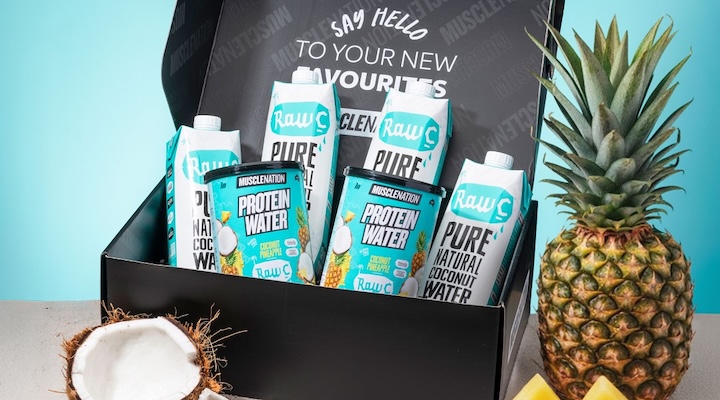
    Muscle Nation, a renowned fitness brand, has joined forces with Raw C, a prominent coconut water company, to introduce a new product: Coconut Pineapple Protein Water. This innovative beverage is designed with health-conscious consumers in mind.

    A Unique, Nutritious Blend

    Coconut Pineapple Protein Water combines the unique flavor of Raw C’s coconut water with the protein-packed formulation of Muscle Nation. Each serving delivers 22 grams of protein, zero sugars, and a mere 101 calories. The beverage is naturally sweetened with monkfruit and stevia, ensuring it contains no artificial colors, flavors, or preservatives.

    The protein water uses a specially-formulated blend of hydrolyzed collagen and whey protein isolate. This combination is enriched with electrolytes, Vitamins such as Vitamin C, and branched-chain amino acids (BCAAs) to aid in hydration and muscle recovery. For added electrolytes, Muscle Nation suggests pairing the protein water with Raw C’s Pure Natural Coconut Water.

    Refreshing, Light, and Performance-Oriented

    Chris Anastasi, the founder of Muscle Nation, shared his enthusiasm about the new product and its potential. He said, “We loved the idea of transforming recovery into something more exciting. Coconut water has become synonymous with health and fitness in Australia, which made it the perfect base for our protein water. The result is refreshing, light, and designed to enhance performance.”

    Availability

    The Coconut Pineapple Protein water, a collaboration between Muscle Nation and Raw C, is available for purchase at Muscle Nation’s online store. It will also be stocked in Woolworths supermarkets across the country.

    In addition to this, last month, Raw C announced another exciting collaboration. They teamed up with Pistachio Papi to launch a limited-edition beverage, Pure Coconut Water infused with Natural Pistachio and White Chocolate.

    Questions & Answers

    What is unique about the new Coconut Pineapple Protein Water?
    It combines the delicious flavor of Raw C’s coconut water with Muscle Nation’s protein-packed formulation. It’s also naturally sweetened and contains no artificial additives.

    What ingredients does the protein water contain to support fitness recovery?
    It contains a blend of hydrolyzed collagen and whey protein isolate, electrolytes, Vitamin C, and branched-chain amino acids (BCAAs).

    Where can consumers purchase the Coconut Pineapple Protein Water?
    It’s available through Muscle Nation’s online store and stocked in Woolworths supermarkets nationwide.
  • Raw C And Pistachio Papi Unveil Unique Coconut-pistachio Beverage: A First In The Market

    Raw C And Pistachio Papi Unveil Unique Coconut-pistachio Beverage: A First In The Market

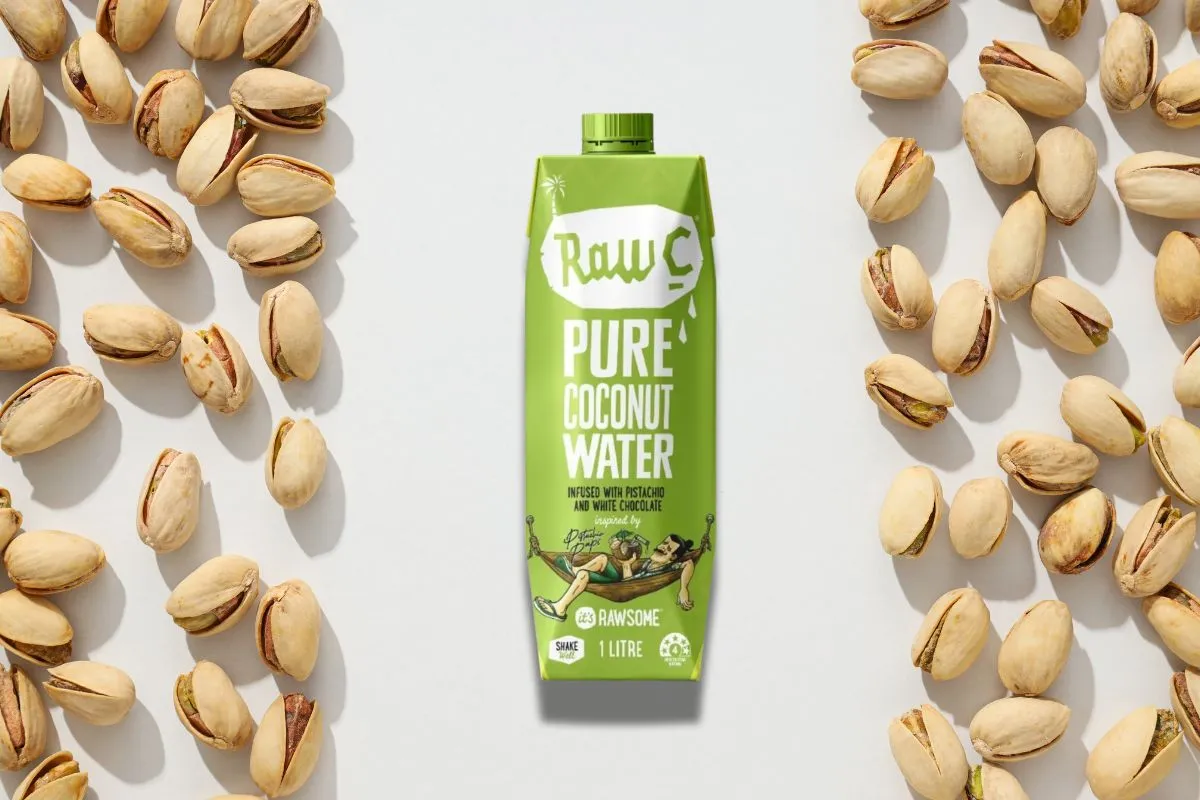
    Raw C, a renowned coconut water brand, has collaborated with Pistachio Papi to introduce a unique limited-edition beverage: pure coconut water blended with natural pistachio and white chocolate. The collaboration, aptly named “Sip The Spread,” will be available nationwide at Woolworths stores. This venture denotes Pistachio Papi’s initial foray into the beverage segment.

    A Perfect Partnership

    Scott Mendelsohn, the founder of Raw C, expressed enthusiasm about the collaboration, describing the partnership with Pistachio Papi as the ideal progression for their brand. Mendelsohn explained that Raw C has always been committed to using authentic ingredients and cultivating natural flavors in their offerings. This alliance is expected to yield products their consumer base genuinely appreciates while introducing an entirely remarkable product to the market.

    The Clean-Label Promise

    The limited-edition beverage continues Raw C’s commitment to not using artificial ingredients or preservatives, upholding their ‘clean-label promise.’ The new product is anticipated to appeal to younger consumers, a demographic often on the lookout for novel and healthier alternatives in the beverage aisle.

    A Refreshing Evolution

    Mark Abdelmalik, the founder of Pistachio Papi, revealed that they’ve always aspired to extend Papi into the drinkable product range. With the burgeoning popularity of coconut water, their partnership with Raw C seemed like an ideal match. He stated, “Together we’ve created a refreshing, natural drink that leaves you wanting more – a first of its kind.”

    Questions & Answers

    What is the new product launched by Raw C and Pistachio Papi?
    The new product is a limited-edition beverage that blends pure coconut water with natural pistachio and white chocolate.

    What is the anticipated target demographic for the new product?
    The product is expected to appeal to a younger demographic seeking innovative and healthier alternatives in the beverage category.

    What is the significance of Raw C’s ‘clean-label promise’?
    Raw C’s ‘clean-label promise’ signifies their commitment to using no artificial ingredients or preservatives in their products.

  • Sip Coco’s Pure Coconut Water Takes Australia By Storm With New One-litre Bottles

    Sip Coco’s Pure Coconut Water Takes Australia By Storm With New One-litre Bottles

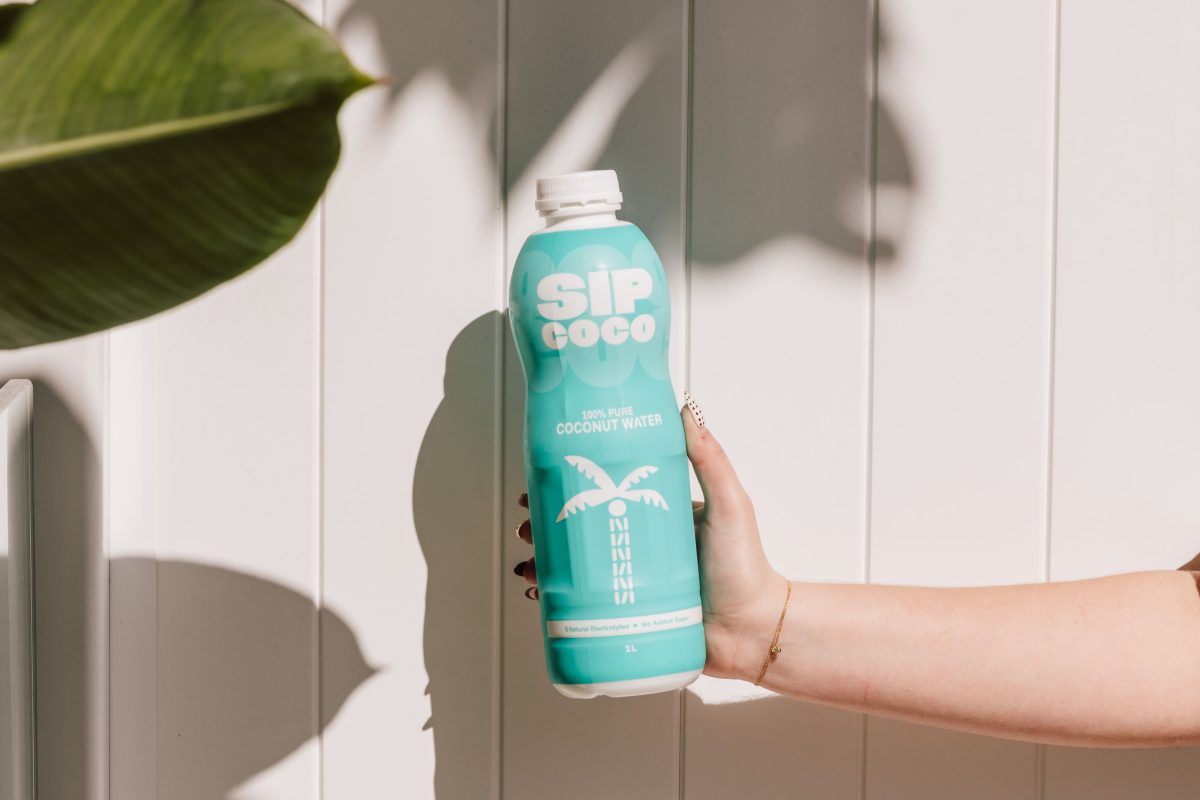
    Sip Coco, a prominent retailer of coconut water, recently introduced one-litre bottles of their product to the market. The coconut water, which is 100% pure and contains no added sugar, is lauded for its five natural electrolytes such as sodium, potassium, magnesium, calcium, and phosphorus. The product can be found in cafes, independent stores, and hospitality venues all over Australia, all contained in unique teal-coloured bottles.

    The Success of Sip Coco’s Launch

    Just a few months ago, the company unveiled their bright and invigorating Sip Coco cans that have since been a hit with consumers. The cans have found their way into a variety of venues and activities, from running clubs to yoga sessions, and from cafe gatherings to post-workout hydration. Sip Coco CEO, Chris Seaton, stated that the positive reception and demand from Australians for their straightforward, refreshing coconut water led to the creation of their one-litre size. Australians were eager for more, wanting to prolong the enjoyment of their coconut water and share it with others, prompting the larger, ‘super-sized’ Sip Coco bottle.

    One-Litre Bottles: One Flavour Offering

    While Sip Coco offers a range of flavours in their canned product line – including passionfruit, ginger, watermelon, lychee, and pineapple – for now, the one-litre bottle is only available in the original coconut water flavour. This decision reinforces the company’s focus on delivering a simple, pure and refreshing coconut water experience in their new bottle format.

    Questions & Answers

    What is unique about Sip Coco’s coconut water?
    Sip Coco’s coconut water is 100% pure and contains no added sugar. It comes in a distinctive teal-coloured bottle and is available in a one-litre size.

    What led to the creation of the one-litre Sip Coco bottle?
    The positive reception from Australians and their desire to have more of the refreshing, no-fuss coconut water to share and enjoy led to the development of the larger, one-litre Sip Coco bottle.

    Are other flavours available in the one-litre Sip Coco bottle?
    Currently, only the original coconut water flavour is available in the one-litre bottle. Other flavours, such as passionfruit, ginger, watermelon, lychee, and pineapple, are available in the canned product line.

  • Coconut Imports Surge as Domestic Shortage Strikes Due to Export Boom

    Coconut Imports Surge as Domestic Shortage Strikes Due to Export Boom

    Vietnam’s coconut imports skyrocketed nearly 19-fold to US$31.2 million in the first seven months of this year, as the nation grapples with a domestic supply shortage, according to the Vietnam Fruits & Vegetables Association.

    Exports Drive Domestic Shortages

    Dang Phuc Nguyen, general secretary of the Vietnam Fruits & Vegetables Association (Vinafruit), attributes this surge in imports to an increase in fresh coconut exports, which have tightened supply for local processors. “Markets such as China, the U.S., and the Middle East are ramping up orders from Vietnam, leaving us with less fruit for domestic uses,” he noted.

    Explosive Export Growth

    The U.S. officially opened its market to fresh coconuts from Vietnam in 2023, followed closely by China in August 2024. In the first seven months of this year, coconut exports reached $306.2 million, fueled by a 57% increase in processed coconut and a 15% rise in fresh coconut shipments.

    Importing From Neighbors

    To meet the increasing demand, many processing companies have turned to imports from Indonesia and Papua New Guinea. However, an official trade agreement with Papua New Guinea is still pending, limiting the scope of these imports.

    Rising Prices and Expanding Cultivation

    This shortage has driven farm gate coconut prices to a staggering VND19,000 per fruit in the first half of the year, as reported by the Vietnam Coconut Association. Retail prices for premium coconuts have now reached around VND25,000, marking a six-fold increase from just four years ago—a head-turning leap in the agricultural sector.

    The soaring prices have simultaneously sparked an expansion in coconut cultivation. Vietnam now boasts over 200,000 hectares dedicated to coconut farming, yielding around two million tons of the fruit each year. Interestingly, it seems that the coconut is not just a fruit; it’s becoming the golden child of Vietnamese agriculture!

    Questions & Answers

    What factors have contributed to the surge in coconut imports in Vietnam?
    The dramatic increase in coconut imports can be attributed to a significant rise in exports, particularly to markets like China, the U.S., and the Middle East, which has reduced the supply available for domestic processing.

    How have coconut prices changed in Vietnam?
    Coconut prices at the farm gate have surged to VND19,000 per fruit, and retail prices for premium coconuts have climbed to around VND25,000—six times higher than four years ago.

    What is the current state of coconut cultivation in Vietnam?
    Vietnam has over 200,000 hectares dedicated to coconut cultivation, yielding approximately two million tons of coconuts annually, driven by the high market prices that have encouraged further expansion.

  • El Toro Expands Portfolio With Innovative Coconut Tequila: A Unique Blend Of Agave And Tropical Flavors

    El Toro Expands Portfolio With Innovative Coconut Tequila: A Unique Blend Of Agave And Tropical Flavors

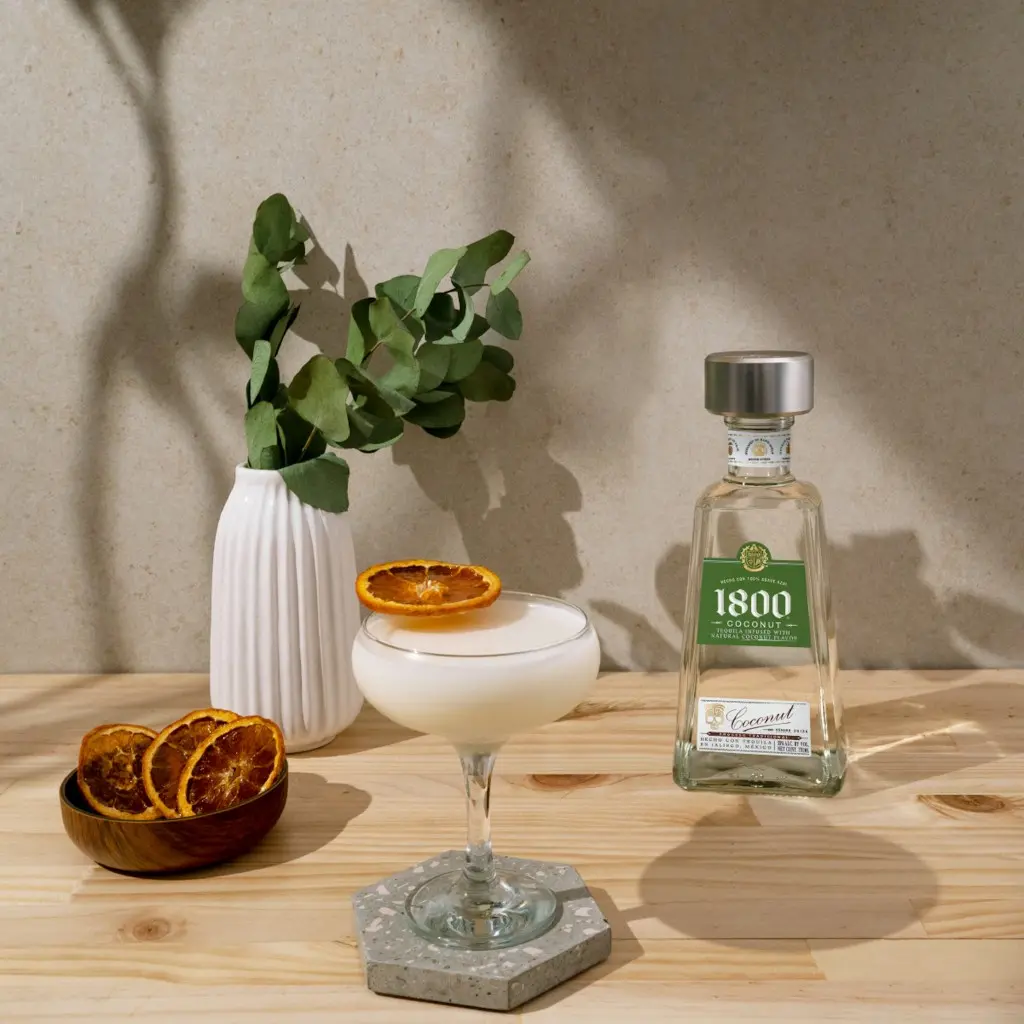
    El Toro has broadened its range of offerings with the introduction of its newest product, Coconut Tequila. This innovative blend marries the robust agave notes inherent in tequila with the smooth sweetness of coconut.

    This new spirit is characterized by its creamy, tropical, and toasted scent profiles. It beautifully balances the distinctive agave and coconut flavors, enhanced further by hints of citrus and a subtle hint of warmth.

    Eloise Penny, brand manager at Vok Beverages, expressed that Australians have a well-established fondness for coconut flavors. By combining this familiar taste with tequila, El Toro provides venues and bottle shops with a unique and premium option. This versatile spirit can be enjoyed neat, over ice, or as part of a mixed drink.

    The El Toro Coconut Tequila is offered at 35 percent Alcohol By Volume (ABV), packaged in a 700 ml bottle with a recommended retail price of $70. It is available for purchase across the nation via El Toro and Sippify.

    Questions & Answers

    What is unique about El Toro’s new Coconut Tequila?
    The Coconut Tequila from El Toro is a unique blend that combines the robust agave notes inherent in tequila with the smooth sweetness of coconut.

    How can El Toro’s Coconut Tequila be consumed?
    El Toro’s Coconut Tequila is a versatile spirit that can be enjoyed neat, over ice, or as part of a mixed drink.

    Where can consumers purchase El Toro’s Coconut Tequila?
    El Toro’s Coconut Tequila is available for purchase across the nation via El Toro and Sippify.

  • Coconut Oil Prices Skyrocket In Asia: Exploring The Causes And Impact On Global Market

    Coconut Oil Prices Skyrocket In Asia: Exploring The Causes And Impact On Global Market

    Coconut oil prices are soaring in Asia, spearheaded by India—the largest consumer of the product—which has witnessed a tripling in prices within two years. This is attributable to a combination of supply shortages and burgeoning demand for the nutrient-filled water found within the coconut, elevating this common kitchen ingredient to a luxury commodity.

    Consumer Adjustments

    The escalating prices have put coconut oil beyond the reach of many budget-conscious consumers. As such, those who were once fond of its unique flavor, deeply entrenched in regional cuisines, are now exploring alternatives. For instance, Leelamma Cherian, a resident of Kerala in southern India, has stated intentions to switch to the more affordable refined sunflower oil for day-to-day cooking, reserving coconut oil for dishes where its flavor is critical.

    Price Surge Contributions

    The price increase, which began in the second half of 2024, was further propelled by production interruptions across many of the main producer nations, from India to Southeast Asia. These interruptions were due to seasons marked by decreased rainfall, extended heat, and increased damage from pests and diseases. Prices in India have nearly tripled in less than two years, reaching a record high of 423,000 rupees (US $4840) per metric ton, while global prices have swelled to an unprecedented $2990 per ton over the same period.

    Predictions by the International Coconut Community

    The International Coconut Community (ICC), a consortium of producer nations, predicts that the increasing demand amid production restrictions will maintain second-half global prices within the US $2500 to $2700 range, far exceeding the 2023 figure of approximately $1000.

    Effects of Price Surge

    This price surge is also impacting green coconuts harvested for their electrolyte-rich water, and other products such as copra, milk, and powder. It is putting pressure on manufacturers of shampoo and skincare items, who value the oil for its high lauric acid content.

    Challenges to Coconut Oil Production

    Worldwide, coconut oil production is declining as trees age, replanting efforts fall short, and plantations struggle with a scarcity of superior seed varieties. Weather conditions veering from hot, dry spells to sudden heavy rainfall are also disrupting coconut production. Additionally, the neglect of plantations and unfavorable weather in recent years are likely to hinder a broader production recovery, especially when supplies of other similar lauric oils are limited.

    Global Demand

    While coconut oil is a favorite among Asian consumers, other coconut products such as copra, coconut cream, and milk, are in high demand in Britain, China, Europe, Malaysia, the United States, and the United Arab Emirates. To seize the opportunity presented by this burgeoning demand, Indonesian farmers are increasingly exporting whole coconuts instead of processing them for their oil.

    Questions & Answers

    What has been the impact of the coconut oil price surge?
    The price surge has affected a range of related products, including green coconuts harvested for water, copra, milk, and powder. It has also put pressure on manufacturers of hair and skincare products, who value the oil for its high lauric acid content.

    Why is coconut oil popular in the market?
    Coconut oil is popular for its unique flavor, deeply embedded in regional cuisines, and its high content of lauric acid, which is prized by the hair and skincare industry.

    What measures are being taken to stabilize the price of coconut oil?
    To stabilize prices, the Association in Indonesia has urged for a suspension of coconut exports for six to 12 months. In India, the Solvent Extractors’ Association has appealed to New Delhi to permit imports of coconut oil and copra.

  • Raw C Launches 1l Chocolate-infused Coconut Water: A Healthier Alternative Now Available At Woolworths

    Raw C Launches 1l Chocolate-infused Coconut Water: A Healthier Alternative Now Available At Woolworths

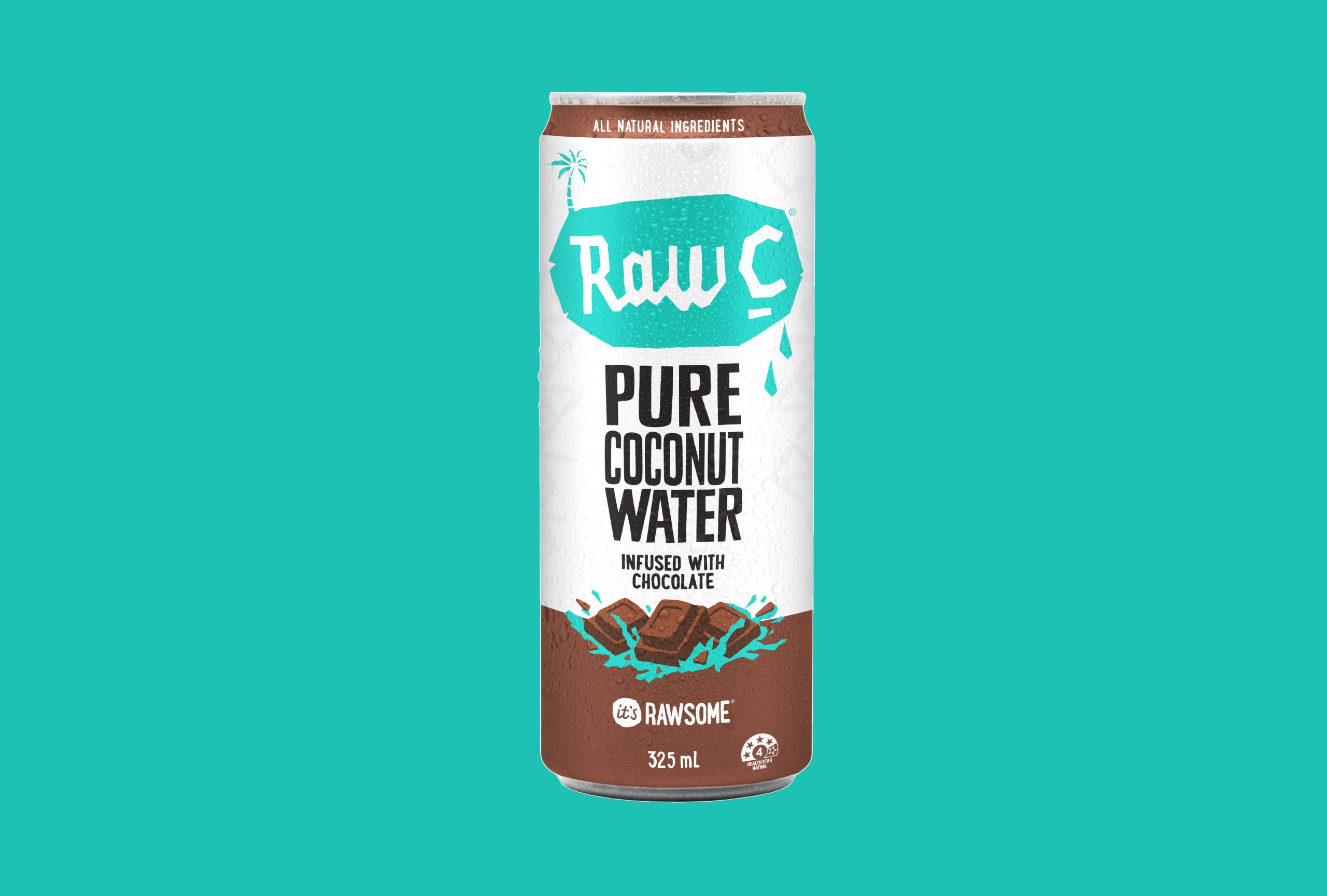
    Raw C, the well-known coconut water brand, has recently introduced a larger 1-litre variant of its Chocolate-Infused Coconut Water, building upon its original 325ml can offering. This innovative product, initially released in April, skillfully combines Raw C’s single-origin coconut water with delectable cocoa and smooth coconut cream.

    Raw C’s decision to introduce the larger format has been driven by an escalating consumer demand for their product. The brand’s Chocolate Coconut Water offers a healthier alternative to regular chocolate milk, with less fat and sugar content. In fact, it boasts up to three times less fat and over 70 per cent less sugar than traditional chocolate milk options.

    Endorsing the brand’s clean-label ethos, the Chocolate Coconut Water is dairy-free, vegan, gluten-free, non-GMO, and free of artificial additives. This ensures that consumers are offered a product that is not only delicious but also aligns with their health and dietary needs.

    In a significant development, the new 1L variant of Raw C’s popular offering is now available for purchase at Woolworths stores across the country.

    Questions & Answers

    What is the new product expansion from Raw C?
    Raw C has introduced a 1-litre version of its Chocolate-Infused Coconut Water, adding to its previous 325ml can offering.

    What makes Raw C’s Chocolate Coconut Water a healthier alternative?
    The brand’s Chocolate Coconut Water contains up to three times less fat and over 70 per cent less sugar than traditional chocolate milk. It is also dairy-free, vegan, gluten-free, non-GMO, and free of artificial additives.

    Where can the new 1L format of Raw C’s Chocolate-Infused Coconut Water be purchased?
    The new larger variant of Raw C’s product is now available nationwide in Woolworths stores.

  • Coconut Prices Soar to $7 a Dozen: What This Means for Retail and Consumers

    Coconut Prices Soar to $7 a Dozen: What This Means for Retail and Consumers

    Coconut prices have soared six-fold since 2022, reaching VND190,000 (US$7.26) per dozen, driven by soaring global demand.

    Soaring Demand Meets Shrinking Supply

    According to the Vietnam Coconut Association, the appetite for coconut-derived products—including food, cosmetics, and biofuels—is expanding rapidly. Yet, this booming demand stands in stark contrast to the declining coconut output in Vietnam, a situation exacerbated by climate change, persistent droughts, pests, and outdated farming practices.

    Farming Challenges Highlighted

    Investments in proper crop care remain woefully low; only about 20% of coconut farmers engage in necessary fertilization and pest control, leading to unsatisfactory and erratic yields. Most farmers opt for a more laissez-faire approach, allowing their trees to grow naturally, which contributes to the ongoing supply crunch.

    Global Markets Pivot to Vietnamese Coconuts

    The U.S. officially welcomed fresh coconut imports from Vietnam in 2023, adding to existing exports to China and a surge in purchases from various Middle Eastern nations. These international openings have tightened domestic supply and propelled prices upward, according to Cao Ba Dang Khoa, General Secretary of the Vietnam Coconut Association.

    While the rise in prices signals a potential boost to farmers’ incomes, it presents difficult challenges for processing companies, which find it hard to increase their prices in an intensely competitive global market. Notably, prices are also climbing in neighboring coconut-producing nations such as Thailand, Malaysia, the Philippines, and Indonesia.

    A Thriving Industry in the Face of Challenges

    Vietnam boasts over 200,000 hectares dedicated to coconut cultivation, yielding approximately two million tons annually. The processing sector has witnessed impressive growth, expanding from just eight facilities in 2015 to 45 by 2024. Prominent firms like Betrimex, Luong Quoi, and Beinco are adopting modern technologies to adapt to this evolving market landscape.

    As the coconut industry lumbers forward, it seems we may be witnessing the rise of the “water of life” from the tropics—because who could resist those benefits?

    Questions & Answers

    What is driving the rising price of coconuts in Vietnam?
    The surge in coconut prices is largely attributed to increasing global demand for coconut-based products, combined with a decline in domestic supply due to factors like climate change and inadequate farming practices.

    How has the processing sector adapted to these market conditions?
    The number of coconut processing facilities has escalated from eight in 2015 to 45 in 2024, with companies investing in modern technologies to enhance efficiency and meet growing demand.

    What challenges do farmers face in coconut cultivation?
    Many farmers struggle with consistent yields due to outdated farming techniques, with only a minority investing in essential crop maintenance practices such as fertilization and pest control.

  • Coconut Prices Surge in Asia Amid Climate Impact on Supply

    Coconut Prices Surge in Asia Amid Climate Impact on Supply

    on
    Vina T&T, a major player in the fruit export sector, is making headlines as it offers a staggering VND 220,000 (approximately US$8.47) for a dozen coconuts—the highest recorded price to date. With prices more than doubling year-on-year, this surge reflects broader trends impacting the coconut market worldwide, influenced by supply disruptions and rising consumer demand.

    Coconut Prices on the Rise

    Industry experts indicate that coconut prices are increasing at an alarming rate, paralleling the volatility seen in gold prices. Nguyen Dinh Tung, CEO of Vina T&T, highlighted the challenges in supply, revealing that the company currently exports seven containers of coconuts weekly, which only meets two-thirds of its international buyers’ needs.

    Global Trends Impacting Supply

    The surge in coconut prices is not confined to Vietnam. Countries like Sri Lanka, the Philippines, and Thailand—significant exporters of the nut—are experiencing a similar escalation in prices, with increases ranging from 50% to 100% year-on-year. For instance, coconuts now retail for $2.90 per kilogram in Thailand and up to $4.28 in the Philippines.

    Supply chain disruptions due to extreme weather events are primarily responsible for this instability. El Niño is causing heatwaves and droughts, while La Niña brings excessive rainfall and storms, adversely affecting coconut yields. Additionally, pest outbreaks have further complicated production, as demand from key markets—particularly China and the United States—continues to push prices upward.

    Vietnam’s Growing Coconut Export Market

    Despite the challenges, Vietnamese coconuts are carving out a strong niche in global markets thanks to their competitive pricing and exceptional quality. The Ministry of Agriculture and Environment reports robust growth in fresh coconut exports from Vietnam in the first four months of this year, particularly to the U.S. and China.

    As the world’s fifth-largest coconut exporter, Vietnam boasts 200,000 hectares of orchards, producing approximately two million tons annually. Last year alone, the value of coconut exports and related products reached nearly $1.1 billion, with coconuts accounting for $390 million. Following the U.S. opening its market to Vietnamese coconuts in August 2023, exports skyrocketed eleven-fold within less than a year.

    The formal export protocol signed with China in August 2024 has also dramatically increased shipments, positioning Vietnam as a key supplier in a market that consumes an estimated four billion coconuts annually.

    Future Outlook

    According to Dang Phuc Nguyen, General Secretary of the Vietnam Fruit and Vegetable Association, Vietnamese coconuts are gaining popularity, especially in summer among consumers in the U.S. and China. He predicts that fresh coconut exports could reach an unprecedented $500 million by the end of this year, highlighting the brand’s potential for expansion and establishing itself as a significant player in the international market.

    The recent trends in the coconut market, marked by soaring prices and growing demand, signal a shifting landscape for both producers and consumers. As demand continues to rise, the potential for Vietnam’s coconut industry to grow and expand is substantial, making this a crucial moment in retail news.

    Questions & Answers:

    1. Why are coconut prices rising so dramatically? Coconut prices are climbing due to supply chain disruptions caused by extreme weather conditions such as droughts and excessive rainfall, alongside increased global consumer demand.

    2. How is Vina T&T responding to the rising prices? Vina T&T has increased its farm gate price to a record VND 220,000 for a dozen coconuts, but it still struggles to meet the high demand from international buyers.

    3. What does the future hold for Vietnam’s coconut exports? With strong growth anticipated, Vietnamese coconut exports are projected to reach $500 million this year, bolstered by access to key markets like the U.S. and China.

  • Vietnam’s coconut industry eyes billion-dollar markets

    Vietnam’s coconut industry eyes billion-dollar markets

    Coconut has emerged as a key economic driver for the Mekong Delta and south-central coastal regions as it gains entry into billion-dollar markets such as the U.S. and China.

    According to the Ministry of Agriculture and Rural Development, Vietnam currently boasts over 200,000 hectares of coconut cultivation. Coconut is now one of the six key crops included in the national program for industrial crop development by 2030. From generating US$180 million in export revenue in 2010, coconut exports reached $900 million in 2023, and the sector is expected to surpass the billion-dollar mark in 2024. With this trajectory, the ministry aims to enhance the scale and quality of the coconut industry for further global expansion.

    On the global map of coconut production and exports, Vietnam ranks sixth among the top ten coconut-producing countries, with an annual output of nearly 2 million tons. The country’s coconut quality and yield place it among the global leaders, with coconut meat making up 35% and coconut water 27%, both surpassing the global average by 5%. Dr. Tran Thi My Hanh, from the Southern Horticultural Research Institute (SOFRI), highlighted these exceptional figures.

    In terms of coconut cultivation, the Mekong Delta province of Ben Tre is the largest producer, with over 80,000 hectares dedicated to the crop. Huynh Quang Duc, Deputy Director of the Ben Tre Department of Agriculture and Rural Development, noted that the province is the coconut capital of the nation, accounting for 42% of Vietnam’s total coconut area. Coconut farming is a vital source of income for over 200,000 rural households in the province. In recent years, many farmers have switched from less profitable rice farming to coconut cultivation, boosting incomes and providing a sustainable livelihood. Ben Tre’s coconut products are expected to generate $500 million in export revenue in 2024, contributing over 50% of the nation’s total coconut export value.

    The Chinese market is seen as a significant opportunity for Vietnamese coconuts. China, with its large population, has a high demand for coconut-based products, including fresh coconuts, coconut water, coconut oil, and processed coconut products. With its proximity to Vietnam, the country enjoys a competitive advantage in shipping costs compared to Southeast Asian and African competitors. Additionally, free trade agreements between ASEAN and China have facilitated easier access to this lucrative market. Vietnam’s large coconut production capacity, particularly from Ben Tre and the Mekong Delta, ensures a stable supply for China.

    It is estimated that China consumes around 4 billion coconuts annually, with approximately 2.6 billion being fresh. Despite the high demand, China’s domestic production is insufficient, presenting an opportunity for Vietnam’s coconut exports to fill this gap.

    Maximizing the value of coconut

    While the Vietnamese coconut sector has several advantages, experts in the coconut processing industry warn that strict management of production and exports is crucial to sustaining growth. Nguyen Phong Phu, technical director of Vina T&T Group, emphasized that the approval of Vietnam’s fresh coconut exports to China has opened up significant economic opportunities. However, to maintain this success, both government authorities and producers must work together to manage production standards and combat fraudulent practices. The government must implement digital systems for managing export regions and enforce strict penalties against fraudulent activities to protect the reputation of Vietnamese coconut products.

    Coconuts offer high economic value not only through the export of fresh fruits to markets like the US, Australia, and China, but also through by-products such as coir, activated carbon, and coconut-based handicrafts. Nguyen Thi Kim Thanh, chairwoman of the Vietnam Coconut Association, pointed out that of the 200,000 hectares of coconut plantations across the country, 120,000 are dedicated to the processing industry. To increase coconut value, Vietnam must invest in quality coconut varieties while also focusing on maintaining a strong processing industry.

    Currently, Vietnam is emerging as a supplier of raw coconut materials to global processing markets. However, infrastructure improvements are needed in rural coconut-growing areas to reduce intermediaries and shorten the supply chain. This would allow farmers to access the market more directly, enhancing their income and creating incentives to continue growing coconuts.

  • Hot weather drives up demand for coconut water

    Hot weather drives up demand for coconut water

    Coconut prices have quadrupled in recent months to VND13,000 ($0.51) amid rising demand due to the hot weather.

    Prices are rising quickly, sometimes within a day, Nguyen Dinh Tung, CEO of fruit exporter Vina T&T, said at a press briefing Friday.

    Businesses have to assure farmers they would buy even when prices are low and offer other incentives to ensure regular supply, he said.

    Sellers say they sell thousands of pieces a day, much higher than usual, and struggle to buy more due to low supply.

    With temperatures rising to 40 degrees Celsius in many places, there is increased demand for fresh coconut juice, he added.

    Since the end of March the southern region has endured a severe heatwave. Temperatures have consistently exceeded 35 degrees Celsius – a threshold for heatwaves, according to meteorological classifications.

    In Ben Tre Province in the Mekong Delta, one of the largest coconut growing areas in the country, prices have been rising virtually daily, giving farmers a profit of VND3,000-5,000 per piece.

    Retailer Saigon Co.op has seen demand for coconut juice rising by 50%

    The fact that Vietnamese coconuts will soon be exported to China has also pushed up prices.

  • Coconut prices fall on bumper crop

    Coconut prices fall on bumper crop

    It is the coconut harvest in the Mekong Delta, but with exports falling, prices have halved from a year ago to VND1,500-2,900 (US$0.06-0.12) for a nut, causing farmers losses.

    Phan Van Dinh, 68, of Giong Trom District in Ben Tre, Vietnam’s biggest coconut-growing province, has an orchard of 2,000 square meters.

    “At present, we only manage to sell VND1 million worth of coconuts a month, enough only to cover costs, not profit,” he said.

    Traders are buying at VND2,500-2,900 apiece, down from VND5,000-5,800 a year ago, he said.

    Le Van Trong, owner of a 6,000-sq.m orchard in Ben Tre, does not want to sell the 2,500 fruits he has harvested because traders are offering only VND1,500, saying they are too small.

    He is now drying the coconuts to sell them as seedlings for cultivation.

    Huynh Quang Duc, deputy director of the Ben Tre Department of Agriculture and Rural Development, said it is the coconut harvest season with large output, causing prices to fall.

    Ben Tre has over 74,000 hectares of orchards, or 80% of the total coconut growing area in the delta and 50% of Vietnam’s.

    Besides some exports to the U.S., coconuts are mainly exported to China via border trade.

    “We are waiting for exports to China through the official quota with a much bigger volume, so that the life of coconut growers will improve,” Duc added.

  • Fruit, vegetable exports historical high

    Fruit, vegetable exports historical high

    Fruit and vegetable exports in the first three quarters are worth an estimated US$4.1 billion, 24% more than in full-year 2022, Vinafruit said, citing customs data.

    Vinafruit, or the Vietnam Fruits and Vegetable Association, said durian, banana and dragon fruit were the main contributors to the increase, with durian in the lead after climbing into the billion-dollar export club.

    China has been by far the biggest importer, buying $2.3 billion worth of fruits and vegetables from Vietnam in the first eight months of the year, a 134% increase year-on-year and accounting for a 64% share.

    The next three biggest importers have been the U.S. ($168 million, 6% down in the same period), South Korea ($148 million, up 18%), and Japan ($123 million, up 6%).

    Durian exports increased 20-fold this year. Unlike the Thai and Philippine varieties, Vietnamese durian can be harvested even in the so-called off-season, and their exports fetch higher prices as a result.

    China also bought bananas and jackfruit from Vietnam at higher prices and is considering buying fresh coconuts through official quotas.

    The U.S. recently allowed imports husked coconut from Vietnam.

    According to the Ministry of Agriculture and Rural Development, Vietnam plans to both export more items and to more markets, including passion fruit to the U.S. and Australia; grapefruit to Japan, Korea, Australia, and India; durian to India; and citrus fruits, coconut and durian to China.

  • Vietnam’s coconut export to reach $1B in 2025

    Vietnam’s coconut export to reach $1B in 2025

    Vietnam’s coconut export is expected to reach US$1 billion in 2025 after the U.S. and China agree to allow Vietnamese coconuts to enter the two markets, according to the Vietnam Coconut Association.

    As the U.S. is about to open the market for Vietnamese coconuts and China allows official coconut import, local businesses are trying to develop raw material areas, apply for growing areas codes, and register to build organic material zones to meet the needs of the world market.

    At the end of 2022, coconut export turnover was over $700 million. But based on the momentum of the U.S. and China agreeing to import Vietnamese coconuts, around the end of 2024 and early 2025, coconut export turnover will be up to $1 billion.

    In 2021, the fruit was listed as one of Vietnam’s key industrial crops.

    About 20 large enterprises in the country have exported coconuts to the world. Up to 35 countries and territories are Vietnam’s importers.

  • Vietnam eyes sustainable development for coconut industry

    Vietnam eyes sustainable development for coconut industry

    The coconut industry is playing a very important role in the socio-economic development of Vietnam and should be considered an indispensable part of the country’s development strategies, said officials.

    Vietnam has more than 188,000 hectares of coconut, accounting for 1.67% of that of the world, according to the Institute of Agricultural Planning and Economics.

    Coconut trees are a source of income for about 389,530 farmer households and the export value of coconut and coconut products has reached over $900 million. Vietnam is in fourth place in the world in terms of coconut value.

    Currently, there are about 854 enterprises that specialize in producing and processing coconut products, along with over 90 companies exporting coconut products. They create jobs for more than 15,000 employees.

    Huynh Quang Duc, Deputy Director of the Department of Agriculture and Rural Development of Ben Tre province, which has the largest coconut area in the country, said that coconut trees play an important role in the socio-economic life of the province. More than 70% of its population relies on coconut growing for their livelihood and the province has more than 163,000 households engaged in coconut farming.

    The production value of coconut products accounts for 20.69% of the province’s total industrial production value; making up 42.51% of its total export turnover and creating jobs for tens of thousands of workers.

    Ben Tre now has 78,000ha under coconut cultivation. Its coconut products have present in nearly 100 countries and territories and access choosy markets such as Europe, U.S. and the Middle East.

    However, there remain shortcomings in the industry, according to Nguyen Quang Dung, Director of the Institute of Agricultural Planning and Projection (NIAPP). They include a loose linkage in the value chain and low processing capacity, he went on.