
Most children these days love computers and electronic gadgets. It wouldn’t be a surprise if coding (or computer programming) for kids would come in naturally as an interest or as a passion for them.
Society has become more productive because of technology and it is but expected that coding for kids Singapore would be a perfect base for your children to learn this advanced skill and way of thinking which will equip them professionally for a lifetime.
Most parents (who are themselves computer literate) have this hidden desire for their kids to be passionate about coding. In recent surveys, 90 percent of parents in the USA would want coding to be a part of the general school curriculum.
Most parents of a generation ago have had this idea of devoting a life to computers which were just in their infancy but their own parents rejected the idea because they didn’t see that the programming revolution would take over the world.
Now it’s their chance to see this desire passed down to their own kids.
When your youngsters start to learn code at a very early age, you are setting them up to a life of professional and financial stability. As online learning becomes more the norm, almost all kids are amenable to the idea of learning coding through online classes after their traditional school hours or during weekends.
Get ready because we are going to discuss why coding as part of your children’s computer literacy is so vital for them as they create lives of their own as they grow up.
WHAT DO YOU MEAN BY CODING?
If you think that coding would prepare your kids well for their future, you should understand it deeply.
The other name for coding is programming. It is an elaborate process with both opportunities for creativity and routine to work hand in hand. The computer programmer, in this case, your kid, tells the computer to execute a specific task by writing workable scripts with the use of programming languages like Python or Java. In the future, expect more programming languages to be created and make your kid more excited to learn.
Your child will give the computer instructions through a specific language which the computer understands. The computer then works on carrying out the command.
There are a lot of possibilities with coding. Your kid can create games, websites, apps, software and even interactive digital content. It is an endless realm of potential which will come from the hearts and minds of your incredible kids! That’s why, if your child loves digital games and mind twisting games, it will be no problem to transform them into coders.
IS CODING BENEFICIAL FOR YOUR KIDS?
Definitely. Their minds are still malleable and open to be filled up, like a sponge. When they are exposed to the rudiments of coding at ages as early as 5, they have the advantage to critically evaluate for themselves scenarios, choose from different options, and create surprisingly effective solutions.
Best of all, they learn to undergo failure and then attempt repeatedly until they can create coding that is productive and usable. In effect, they experience the trial and error process of getting up every they fall down (in this case, when their coding process is erroneous, they simply have to try again).
When they’re very young when they start, especially at Maker Kids Camp in Singapore, the easier it will be for them to master the coding skill, no matter what new languages in the future come their way.
AT WHAT AGE CAN YOUR KIDS START LEARNING TO CODE?
Swiss psychologist Jean Piaget concluded that when children teach the age of 5 which is the preoperational stage, they begin to understand the world through mental symbols like words and pictures.
If we stand by this theory, kids can learn coding by the time they are 5.
Coding basics at the Makers Kids Camp in Singapore are simplified and even explained through games so that these young kids can understand the foundations of coding.
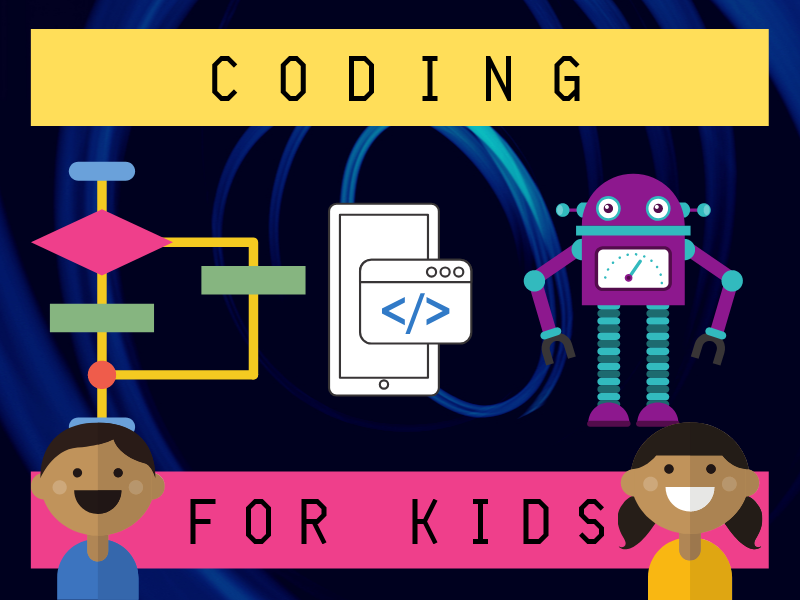
CODING MAKES KIDS THINK LOGICALLY AND CRITICALLY
There have been several studies that discovered the positive connection between coding and cognitive skills. Kids who have learned or acquired computer programming skills scored higher on cognitive ability exams than those who have little or zero coding experience.
KIDS LEARN A SKILL CALLED DECOMPOSITION
Decomposition is a process wherein the children are taught how to break down complicated problems into smaller and better to manage chunks so that they can write functional scripts. Kids will find this skill applicable when they confront hard to comprehend situations in the world.
THE YOUTH LEARN PROBLEM SOLVING
When they code, a problem is identified, then analyzed, created a workable solution. Then the said solution is tested and retested and revised until the problem is solved.
In technical terms, the kids write, rewrite, troubleshoot, debug lines and lines of code until they get the program working right and productively.
CODING ENHANCES BOTH CREATIVITY AND FOCUS
Coding has a reputation of being a routine activity and not aligned with creativity because it is methodical and process oriented.
But that is far from the truth and true blooded programmers can attest to that. This is especially true when the kids create programs from scratch.
Think about it. How else could kids create new digital games, apps, animation, websites and more if they don’t have innate creative skills which could be nurtured through coding?
They are made to write down lines of codes or snap together blocks (note: block coding is an alternative form of coding for kids), but the actual idea came from depths of their imagination.
But parallel to execution of their imagination, coding requires rigid focus so that all the details of the program are not neglected and infused directly so that the end result will be perfect.
When kids acquire experiences from the real world or from other digital concepts, they piece them all together and unify them through the coding skills that they will learn from Maker Kids Camp in Singapore. The result is a new app, a brand new video game or an exciting animation – all unique results from the coding which the kids will work on. They make hypothetical ideas into workable coding masterpieces.
CODING IS AN ALTERNATIVE OUTLET FOR THEIR UNIQUENESS.
To express themselves, some kids paint, sketch, sing, draw, play a musical instrument, build things or indulge in sports.
But some children excel in coding which can enable them to create digital and physical (like robots) products which express their own unique personality.
EXAMPLE OF THE CHALLENGES OF CODING TO THE KIDS
Let’s say for example your kids will be developing a video game. They are required to write code that will make their character do all kinds of movements.
Walk forward, go backward, move from side to side, jump or crouch. The kids also need to write code so that the character can interact with the digital environment. Plus also code for the possible outcomes from that interaction. For examine, when the character drops an object or when the character bumps into a wall, etc.
There is a lot of thinking involved. So, if the children don’t have the patience to analyze it through or to organize their thoughts, they may end up coding in fillers or bugs into their scripts.
YOU CAN LEARN CODING WITH YOUR KIDS
To make your kids feel secure, you can accompany them to the Maker Kids Camp for Coding.
It will be a new learning experience for you too! Even though the children will want to feel that they are all grown up and independent, they will still always crawl up to you when they feel any insecurity.
Most kids would prefer that you spend time with them in this challenging and fun endeavor. Coding would seem less daunting and less intimidating when they see in the premises people they trust like you.
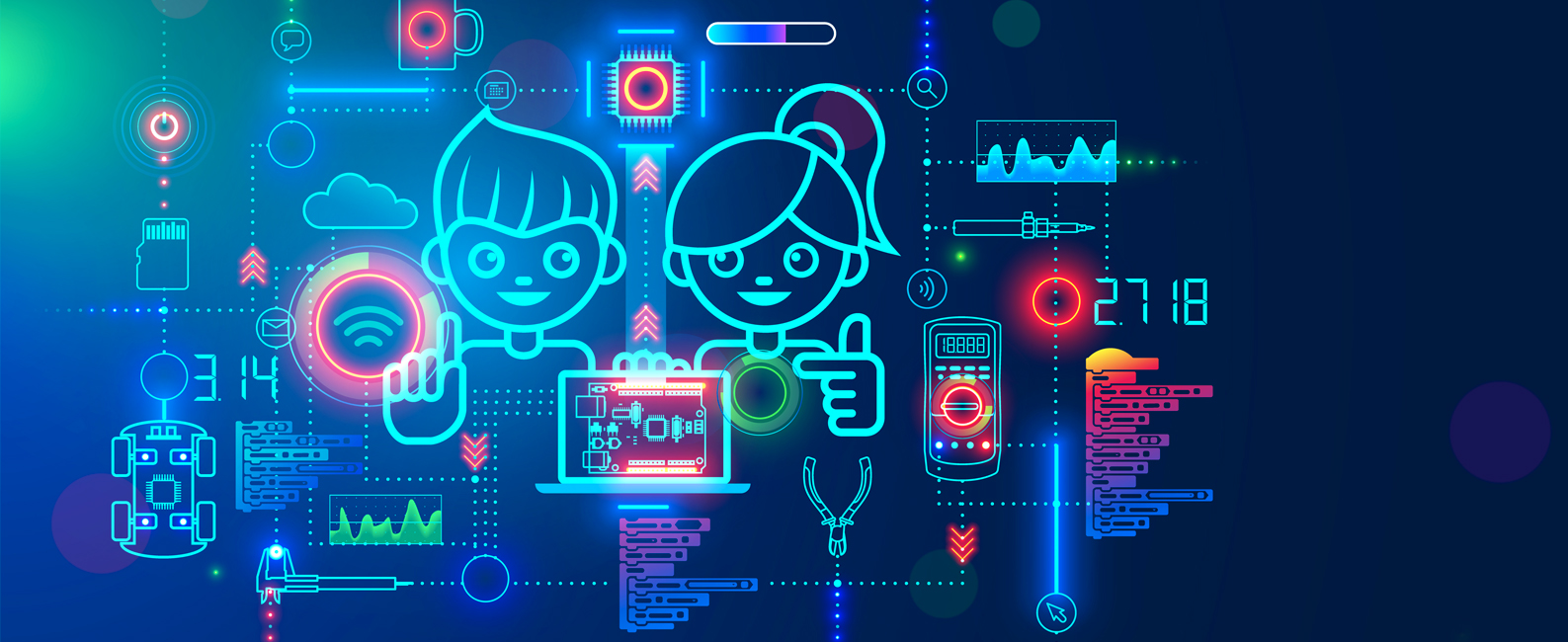
CODING IS A WORTHY INVESTMENT INTO YOUR KIDS’ FUTURE
Even if your kids will not become professional computer programmers eventually, coding will still be a skill that is much valued in all kinds of industries. This is because, each sector will continue and will heavily rely on the internet and technology for their continue growth and your kids’ coding background will come in handy.
Construction, medicine, finance, food, retail…all of them require a certain degree of programming knowledge and so your youngsters will have a distinct advantage over their peers who have no knowledge about it.
There was a market analysis which concluded that coding skills paid an individual more than $20,000 more per year than people who don’t have the expertise. The same study concluded that coding jobs grew 12 percent more than other types of work available.
Coding is rapidly becoming a required skill that is being given importance by employers when they announce job openings in their companies.
Slots are fast filling up at the Maker Kids Camp in Singapore. Why don’t you give us a call or pay us a visit and see what coding can offer to your kids.

