Tag: coffee shop

  • Japan’s % Coffee to open in China

    Japan’s % Coffee to open in China

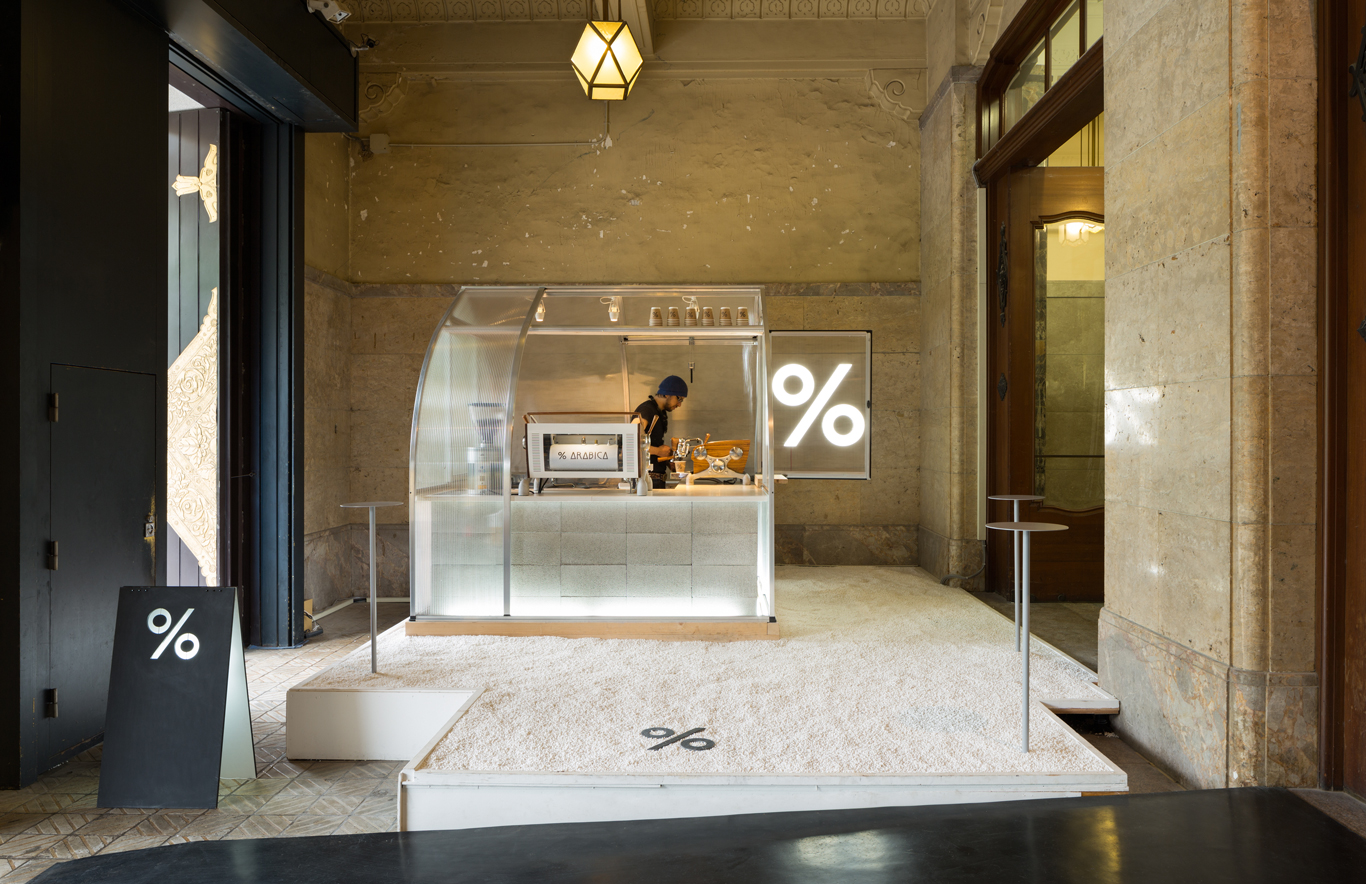
    Japanese cafe chain % Coffee is preparing to launch new locations in China and Hong Kong. The business is planning to open its fourth Hong Kong store at Monster Mansion in the middle of next month, its 27th location worldwide. Meanwhile, the franchise’s head roaster Takahiro Uemisha is stationed in Shenzhen preparing for the opening of three locations in the city, scheduled to open within the coming months.

    Shanghai will see two % Coffee stores emerging in Xintiandi and Fangsuo Bookstore. Both locations are being designed by the brand’s new architect Alexis Dornier.

    The Kyoto-headquartered coffee chain is preparing to open its first store in Singapore as well as plotting expansion into Indonesia, Malaysia and India.

    With its slogan “See the world through coffee”, % Coffee has built a strong following via social media. As well as its Asian foray, the company has outlets in Germany and several Middle East markets, with plans for France, Morocco and Canada.

    The Japanese cafe chain was founded in 2014 by Japan-born Kenneth Shoji who grew a love for the beverage while studying in California.


  • Coffee shop in South Korea start closing down

    Coffee shop in South Korea start closing down

    South Korea’s once burgeoning franchised coffee shop market has reached saturation point – and the fallout has become extreme. According to a report, one in 10 South Korea coffee shops closed their doors last year – the equivalent of more than 1000 stores.

    Lee Kyung-hee of the Korea Business Strategy Institute described the situation as “a coffee war”.

    “While restaurants and even convenience stores are adding coffee on the menu to sell, the coffee war is intensifying as now even offices own espresso machines,” he said.

    Citing local corporate tracker CEO Score, the paper reported that the number of franchisees in Korea hit 87,540 as of the end of last year, based on a list of 118 franchise brands registered with the Korea Franchise Association.

    Of those, 11,198 were coffee and beverage stores, representing the third largest sector of the South Korean franchise market behind convenience stores and fried chicken restaurants.

    South Korea coffee franchises are being hit by convenience stores developing takeaway coffee services at prices as low as 1000 won (US90 cents) in the case of 7-Eleven, or about a quarter of the price of a Starbucks coffee. The country’s 1000+ Starbucks stores are not included in the data because they are company owned.

    Local chains have been cutting store networks and staff numbers to remain competitive.

    Seven-year-old chain Cafe Droptop, which has 240 stores, has cut its employee count by about one fifth. Caffe Bene applied for court protection from bankruptcy early this year having struggled in both its home market and abroad and is closing domestic stores.

  • Thai specialty coffee growers tip cafe boom

    Thai specialty coffee growers tip cafe boom

    Despite many cafes closing in the past year, the Thai coffee-shop business is expected to grow 15 to 20 per cent this year.

    According to specialty coffee growers, the growth will be driven by the country’s economic improvement and higher demand from coffee drinkers.

    Specialty Coffee Association of Thailand (SCATH) president Apicha Yaemkesorn says coffee shops can be easily opened on every corner in Bangkok and major provinces, and more will be seen as there are many new offices and condo buildings.

    “The growth can also be expected to spread into small provinces and towns in the near future.”

    Fewer than 10 per cent of Thais drink coffee, and those who do drink about 1.2 cups a day on average, compared with three cups a day for American coffee drinkers.

    While about 30 to 40 per cent of coffee shops closed last year, the number of new entrants increases every year.

    Apicha says that opening a coffee shop is not hard in Thailand as only a small budget is needed and coffee makers are inexpensive. “It is an ideal business for new entrepreneurs, but many of them have lack knowledge about coffee and cafe management skills.”

    This year Thailand is projected to have a 15 per cent rise in arabica coffee planting areas in the north and a 5 per cent increase in robusta planting areas in the south. Rubber and palm growers in the south have turned to growing coffee because of low prices for rubber and palm oil.

    Coffee beans can be harvested about three or four years after planting, says the Office of Agricultural Economics.

    Apicha estimates the longer droughts in Thailand will reduce the supply of local arabica coffee beans to 7000 tonnes this year from 9000 tonnes last year, while robusta coffee beans will total 15,000 tonnes, down from 17,800 tonnes.

    Arabica coffee beans are priced at about 180 baht (US$5.10) a kilo in Thailand and 80 to 90 baht/kg for robusta.

    Volatile climate change and longer droughts are pushing Thai coffee bean prices higher than in Cambodia, Laos, Myanmar and Vietnam, which see prices around 95 to 105 baht/kg.

  • Seems customers leave bigger tips if they use mobile payment apps

    Seems customers leave bigger tips if they use mobile payment apps

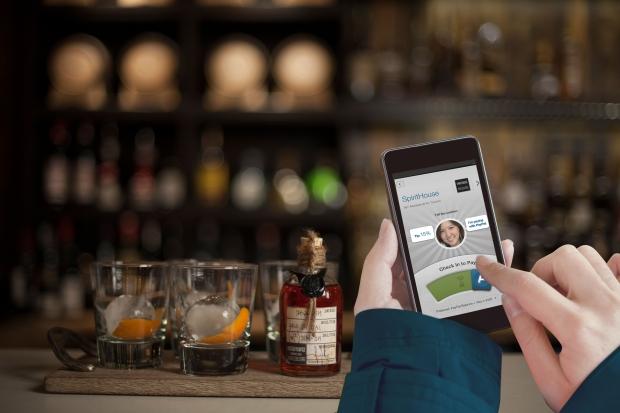
    It’s likely only a matter of time before mobile payment apps become more popular among consumers, and there are some people very excited: restaurant waitstaff and bartenders. Both mobile payment app providers and restaurants have noticed an uptick in tips if consumers use their smartphones to make payments for food and drinks.

    Customers may need to wait for their food order to be completed, but don’t have to just sit and wait to pay. In addition, some apps allow restaurant patrons to check their bill in real-time, and even split it among the number of guests.

    “We do see increase at bars where people haven’t been tipping,” said Michelle Songy, co-founder of the Cake mobile pay app, in a statement to CNBC. “I’d like to think as we are trying to make the payment experience a bit more fun, easier or quick it leaves you with a better experience.”

    Mobile phone and tablet users are expected to make 72 billion transactions in 2015, and that number will increase up to 195 billion annually by 2019, according to Juniper Research.