Tag: coffeee

  • Nespresso introduces Oatly Barista Edition Coffee capsules

    Nespresso introduces Oatly Barista Edition Coffee capsules

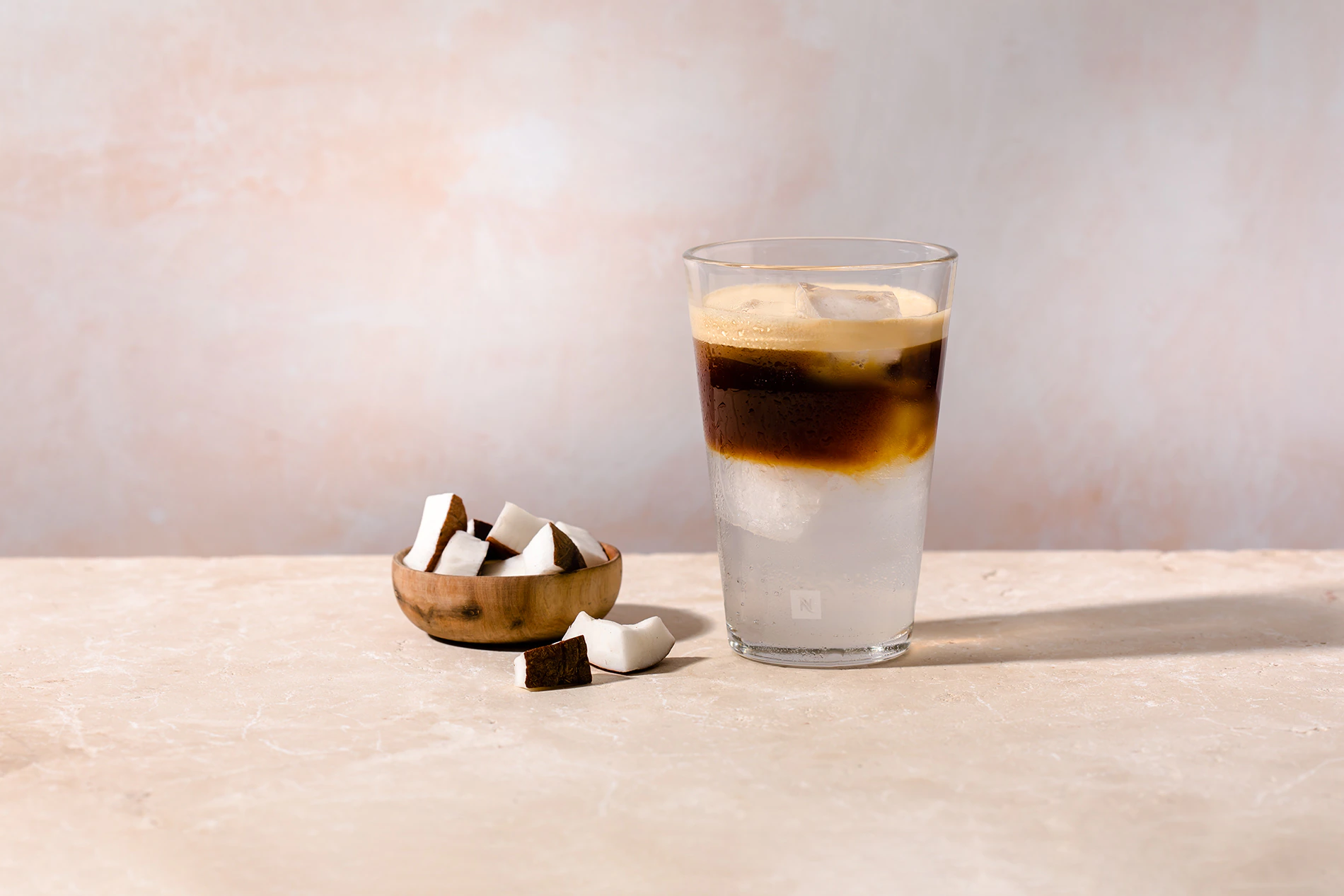
    Nespresso has partnered with Oatly to launch a limited-edition coffee capsule designed to “perfectly pair” with oat milk.

    The new product, called Oatly Barista Edition Coffee, is made exclusively for Nespresso Vertuo coffee machines. It features rich, biscuity notes that complement the creamy, cereal flavor of Oatly.

    Toby Weedon, barista development director at Oatly, said the neutral taste of Oatly brings out the best flavour in coffee.

    “It’s why it is used by professional baristas and embraced by coffee enthusiasts worldwide,” said Weedon.

    Karsten Ranitzch, global head of coffee for Nespresso, added that the company is on a mission to make sure every coffee lover can create their perfect cup.

    “We know more and more people are reaching for plant-based drinks when preparing their favourite coffee recipe, which is why we are thrilled about our partnership with Oatly,” said Ranitzch.

    “Bringing our two like-minded brands and expertise together has allowed us to craft an unforgettable new coffee blend.”

    Nespresso’s Oatly Barista Edition coffee is available worldwide.

  • Paradox Coffee unveils its first limited-edition single-origin coffee

    Paradox Coffee unveils its first limited-edition single-origin coffee

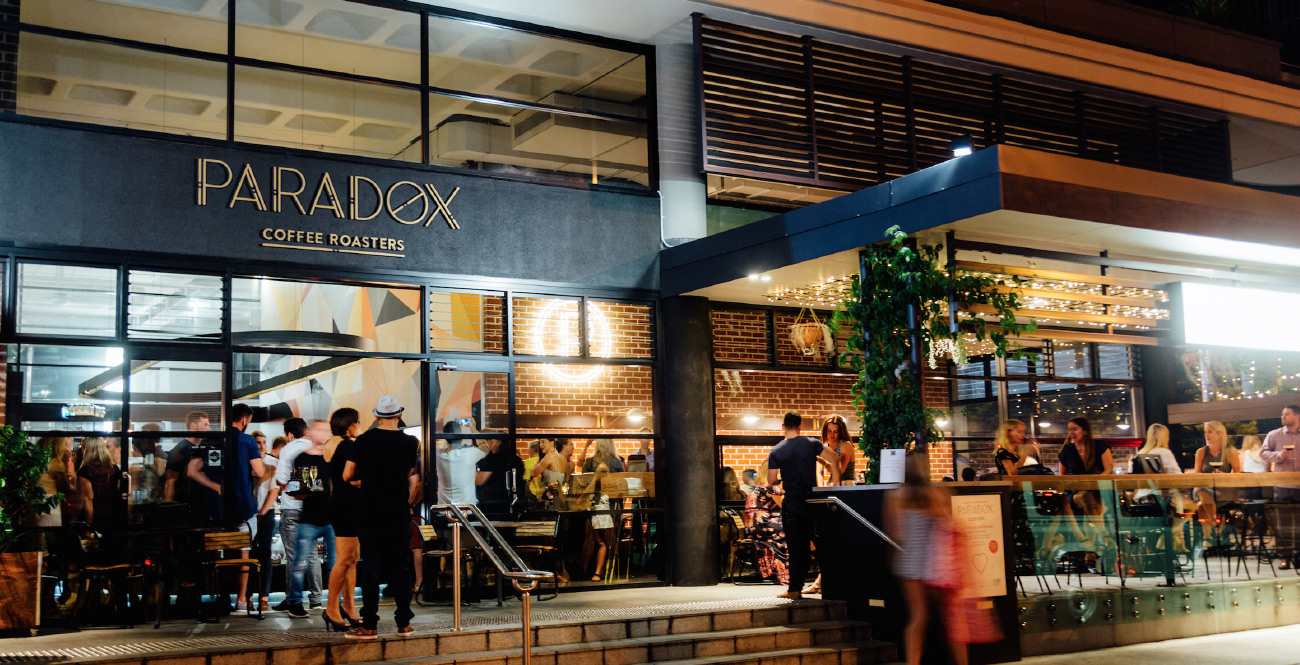
    Paradox Coffee Roasters has introduced Los Contares Panama Geisha Natural, the brand’s first limited edition single-origin coffee, with only 100 tins produced and roasted to order.

    But it is not for the budget-conscious: Los Cantares Panama Geisha Natural comes in a 100gm numbered tin and sells for $65. It is only available to purchase online at paradoxroasters.com.

    The specialty fine filter coffee originates from Panama, Central America, and Paradox says it boasts “complex-tasting notes of strawberries, soft floral jasmine, nashi pear’s sweet acidity, and a gentle clean finish”.

    “It is not every day you come across a coffee with such a symphony of flavours,” says Yogesh, head coffee roaster, Paradox Coffee Roasters.

    “Every sip highlights how precious this coffee is and I am sure you will enjoy it as much as I do.”

    The tins also contain information on the coffee estate owned by coffee producer Marie Jackie Mercer, a brew recipe, coffee tasting notes, and a personalised invitation to a virtual coffee tasting session led by the brand’s training managers and head roaster.

    “Our virtual tasting session is designed as a journey of discovery,” says Nicole Saleh, MD at Paradox Coffee Roasters.

    “People who purchase this exceptional coffee can join our Paradox team online for an interactive coffee experience to learn more about the coffee origin and farm, how the coffee is roasted, how to brew this exceptional filter coffee, a discussion of the characteristics in the cup and what makes this Los Cantres Natural Panama Geisha so special”.

  • Nespresso creates special blend with Blue Bottle Coffee

    Nespresso creates special blend with Blue Bottle Coffee

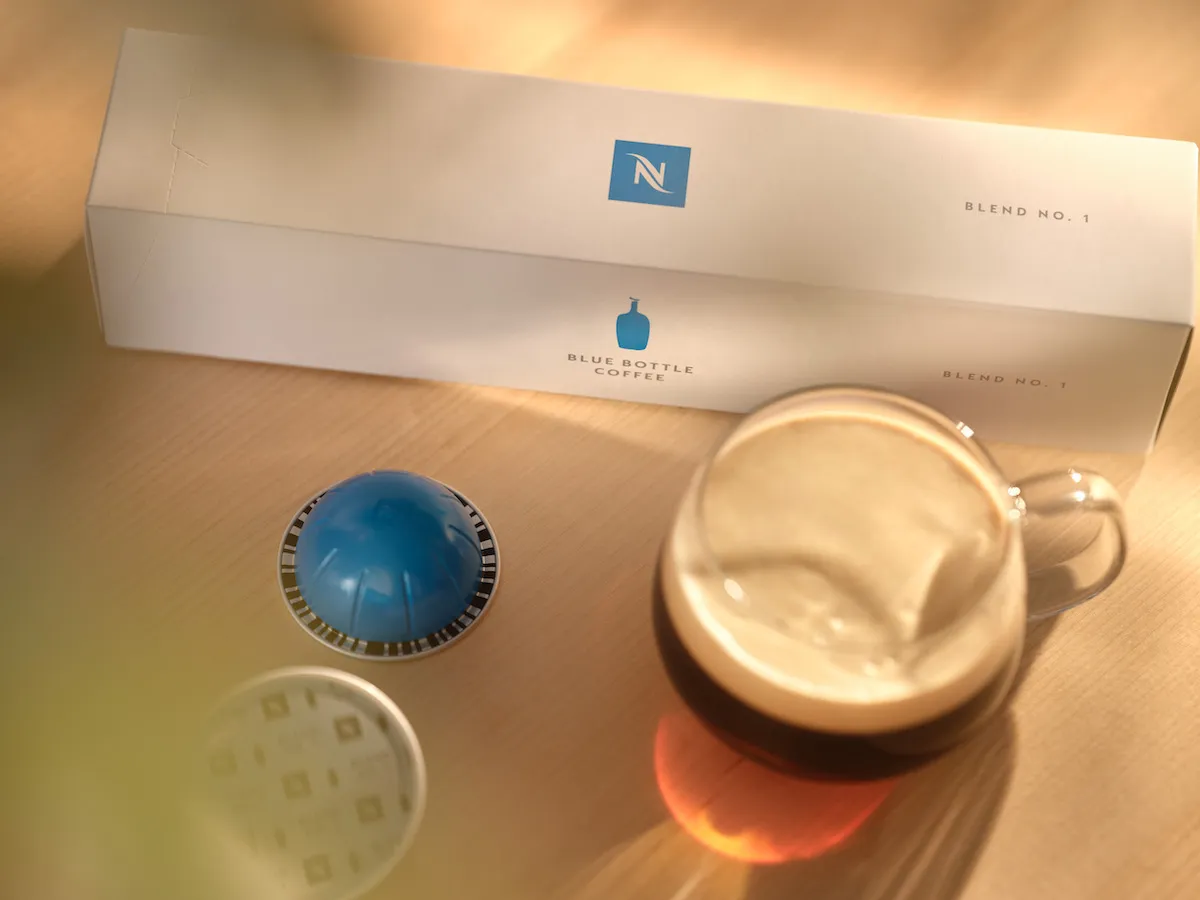
    Nespresso has collaborated with Blue Bottle Coffee in the US to develop Blend No. 1, the first limited-edition capsule combining the specialties of both brands.

    Blend No. 1 is a blend of organically processed coffee from two distinct origins, Ethiopia and Uganda, and is notably light and short-roasted in two splits, separated by origin.

    According to the brands, although Ugandan beans are given more time to develop intensity, Ethiopian beans are roasted lighter to maintain the finer aromatics. This is a delicate combination with aromas of jammy, ripe fruit, sweet caramel, gentle white florals, and a hint of cereal.

    “Symbolic of these two coffee worlds coming together, even more coffee drinkers can now enjoy the quality and exquisite taste of this exceptional creation,” said Alexis Rodriguez, head of coffee development at Nespresso.

    Blend No. 1 is available for Nespresso Vertuo machines and will be available for purchase on October 18 online and at Nespresso locations across the US.

    Nespresso introduced its seasonal limited-edition Pumpkin Spice Cake taste for both Original and Vertuo machines earlier this year.

  • Lavazza launches its first collection of locally-roasted coffee

    Lavazza launches its first collection of locally-roasted coffee

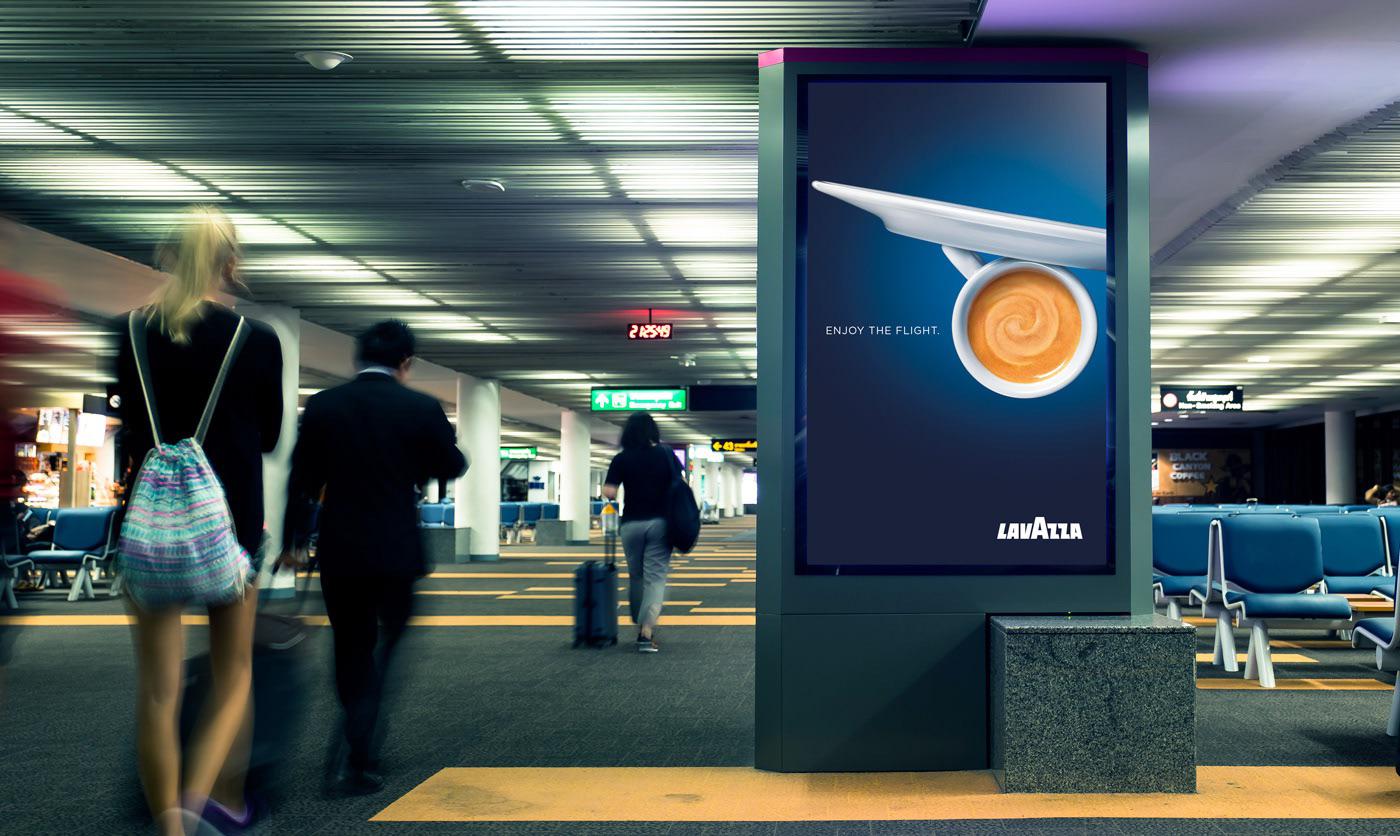
    Italy’s biggest coffee roaster Lavazza, has announced the launch of Il Mattino Vivace its first pure filter coffee blend to be sourced and processed in India for the domestic market.

    Coffee is being sourced from Chikmagalur and Coorg in Karnataka and processed in Lavazza’a manufacturing facility at Sri City in Andhra Pradesh.

    The facility at Sri City in Tada began its commercial operations a few weeks ago, Fresh and Honest Cafe Ltd Managing Director Silvio Zaccareo said.

    Fresh and Honest Cafe Ltd is a 100 percent subsidiary of Lavazza.

    Zaccareo declined to reveal the size of investment made at the factory or the number of employees working in it.

    II Mattino Vivace meaning ‘lively morning’ is made from Arabica and Robusta beans roasted for the “at home” segment.

    “Lavazza is known the world over for its expertise in art of blending for over four generations. II Mattino Vivace is a result of combining that expertise and our understanding of the unique consumer preferences in Indian market”, he said.

    To a query, he said the coffee powder would be available in retail outlets across the country. “We are planning to complete first stage distribution by end of this month”.

    Zaccareo said the company inaugurated Coffee Training Centre last year which was the first largest centre outside Italy.

    The centre trains professionals, carries out research and explores new forms of taste. “We have trained more than 1,000 people,” he said.

  • Vietnam’s coffee export could reach $4B

    Vietnam’s coffee export could reach $4B

    Domestic coffee prices are at high levels, providing opportunities for Vietnam to maintain a coffee export revenue of over $4 billion this year.

    According to Mercantile Exchange of Vietnam (MXV), Robusta averaged $2,564 per tonne as of April 24 on ICE Futures Europe, which increased by nearly 40 compared to the beginning of this year.

    Starting from early 2023, the market saw signals about the narrowing of supplies in major coffee-producing countries.

    Statistics from the Vietnam General Department of Customs showed that Vietnam’s coffee export totalled more than 634,000 tonnes from the beginning of this year to April 15, lower than the result of 663,816 tonnes of the same period last year.

    The drop in export volume occurred in the context that global coffee prices were at a high level, pushing up domestic prices to around VND52,000 per kg, a record high, according to giacaphe.com.

    Besides, the coffee output of Indonesia, the world’s third largest Robusta producer, is forecast to be at around nine million tonnes, the lowest in the past decade, according to Volcafe. The Brazil National Supply Company forecast Robusta output of this country would drop by nearly 4 compared to the 2022-23 harvest to 17.51 million bags.

    These figures show that there is not only a shortage of coffee in the short term but also a narrowing in coffee supply in the medium and long term, which will likely push up coffee prices.

    Pham Quang Anh from MXV said that Vietnam’s coffee inventories were gradually shrinking after a record coffee export year. Additionally, the coffee output in 2022 dropped sharply by 10-15 compared to the initial forecast due to heavy rain in the harvest period, which made the supply tight and price increase inevitable.

    Currently, domestic coffee prices were at a high level compared to recent years, creating an opportunity for Việt Nam to maintain the export value of more than 4 billion USD in 2023.

    Lower prices of Arabica than Robusta in the context of increasing concerns about global economic recession risks was an important factor for Vietnam to promote the export of coffee.

    It was an ideal condition for Vietnam to increase the export of Robusta and affirm the position of being the world’s largest Robusta supplier, Anh said.

    Still, Vietnam’s coffee industry should aim for more sustainable export in the long term.

    While coffee export was narrowing down, farmers in Tay Nguyen (Central Highlands) tended to cut down coffee trees to grow durian as China had allowed the official import of durian from Vietnam.

    Another problem was that Vietnam mainly exported coffee in raw forms, which must be tackled to increase added value.

    He urged enterprises to invest in production and processing to increase added value and develop brands for coffee products to meet the tastes of consumers in different markets.

  • China’s Luckin Plans Store Expansion, Remains Committed to USA Market

    China’s Luckin Plans Store Expansion, Remains Committed to USA Market

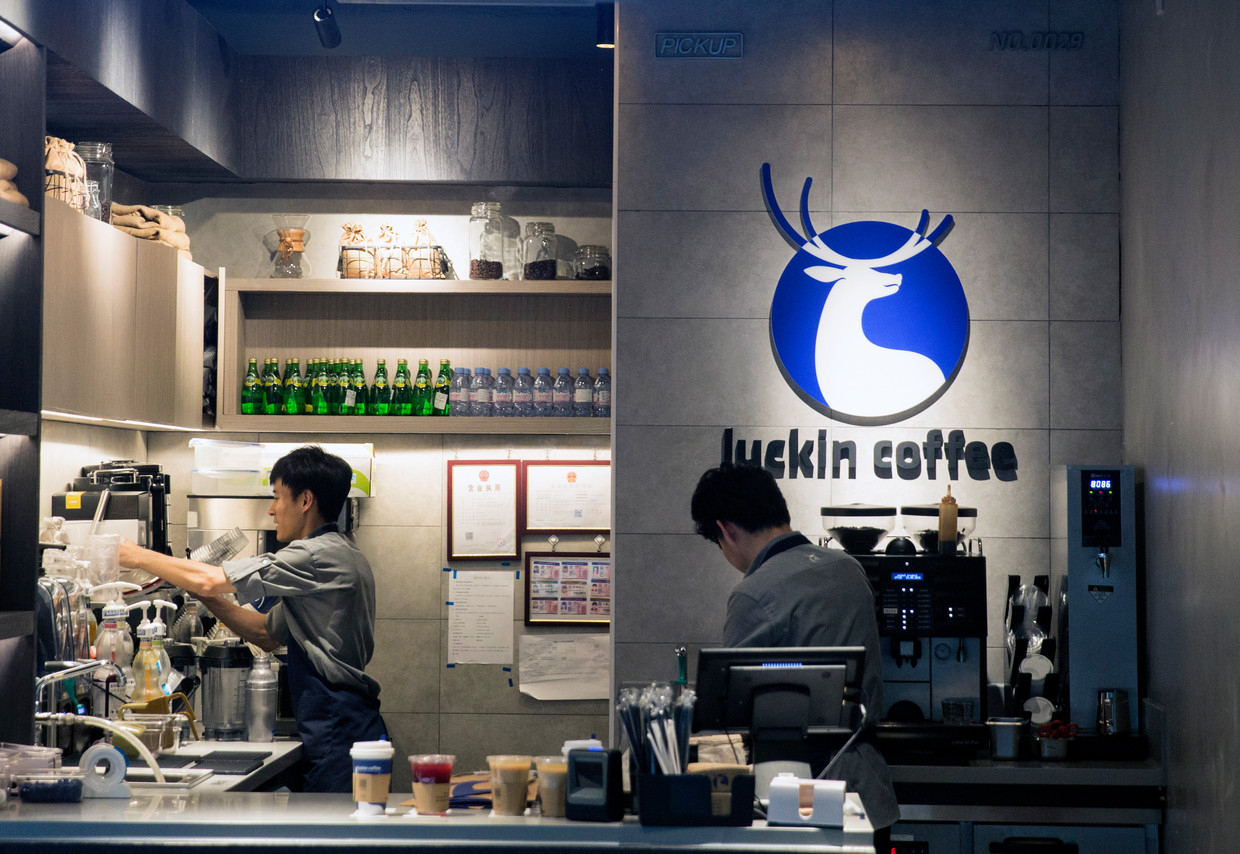
    Two years after it was forced to withdraw from the Nasdaq for an accounting fraud, China’s Luckin Coffee believes it has emerged from its “darkest moment”, and said it remains committed to U.S. capital markets as it expands its stores and sales.

    Luckin admitted in 2020 that about $310 million of its sales were fabricated in the previous three quarters, bringing the coffee maker to the brink of collapse after having blazed a trail as a homegrown challenger to U.S. coffee giant Starbucks.

    “That was Luckin’s darkest moment. The company was facing a huge crisis at the time”, David Li, chairman and chief executive of Chinese private equity firm Centurium Capital, told Reuters, referring to the accounting fraud.

    Luckin delisted from Nasdaq following the financial scandal, shocking Wall Street investors. After changes in ownership and top management, as well as paying hundreds of millions of dollars in fines, the company once again is flexing its muscles.

    A turnaround for Luckin would help vindicate the company’s top management and new owners, who have continued to push the chain to expand in China’s highly competitive coffee market.

    Luckin in May reported its first ever quarterly operating profit. On Monday, it reported a 72% jump in net revenue for the June quarter. In comparison, Starbucks said last week its third quarter comparable sales in China fell 44%.

    Centurium, a key early investor of the coffee chain, in January became the firm’s controlling shareholder after leading a consortium to acquire shares that used to be owned by two of Luckin’s founders for more than $400 million.

    Centurium dispatched seven of its professionals to work with Luckin’s management team for months in the aftermath of the fraud and in the following year poured $240 million into the business to finance its restructuring.

    It has also pushed Luckin to rebuild a more transparent and connected database to ensure there are no “data silos”, which Li blamed for the accounting scandal.

    Luckin plans to continue to open new stores, said Luckin’s chief executive Guo Jinyi, even as China’s stringent COVID-19 curbs have forced many catering chains to be more cautious about expansion in the near-term.

    He said Luckin would add more outlets across the country, including in the top-tier cities such as Beijing and Shanghai.

    Luckin, which was founded five years ago, currently has nearly 7,200 shops in China, compared with Starbucks’ 5,761 by early July.

    “We believe the potential of China market remains huge,” Guo said, adding that though Luckin has reached 230 Chinese cities, more than 5,000 of the stores are located in the 50 to 60 major cities.

    Ever after the Nasdaq delisting, Luckin remains tradable via pink sheet, off-exchange trading platform mainly involving penny-stock companies that do not meet the main exchanges’ listing standards.

    On Monday Reinout Hendrik Schakel, who relinquished his chief financial officer role but remains as chief strategy officer, told analysts the company remained committed to the U.S. markets.

    “We don’t have a specific timetable yet,” Guo said of a possible Nasdaq return. “But we will continue to pay attention to and focus on the U.S. capital market … So far, we haven’t considered (re-listing) in other markets.”

    Though Luckin is ahead of Starbucks in store numbers in China, the U.S. coffee chain is still the dominant player with 28.9% of the market in 2021, dropping slightly from previous year’s 31.2%, according to Euromonitor.

    Market share of Luckin rose to 7.8% last year from 6.3% in 2020.

    Asked how Luckin plans to restore investors’ confidence, Guo said: “We can only rely on Luckin’s business performance, rely on issuing (strong) quarterly, annual reports to restore their confidence. It takes time.”

  • Top Luckin management fired over faked sales data

    Top Luckin management fired over faked sales data

    Chinese coffee chain Luckin, once lauded for its overt attempt to dethrone Starbucks within the country, has fired or suspended eight executives over the fraudulent misrepresentation of sales data last year.

    Luckin executives Jenny Zhiya Qian, who was CEO, and Jian Liu, COO, have been sacked over the highly publicized scandal that saw its stock price plummet more than 70 percent on New York’s Nasdaq stock exchange before trading in the stock was suspended.

    In earnings statements, the company overreported sales by at least RMB2.2 billion (US$310 million). When the misrepresentation was revealed by a whistleblower the company announced an investigation, suspending Liu.

    According to reporting in the South China Morning Post, six other Luckin executives and employees who were involved in or had knowledge of the fraud have also been placed on suspension or leave. The firm’s senior VP Jinyi Guo has been appointed acting CEO.

    The true extent of the misrepresentations still remains unclear while a panel reviews financial records, however, last November, the company claimed sales were running at six-times the rate of the previous year.

    Prior to its listing in the US, the company secured investment from the Singapore Government sovereign wealth fund GIC and China International Capital Corp, among others. It raised US$778 million in early January, and $645 million in a US IPO.

    “The company will continue to cooperate with the internal investigation and focus on growing its business under the leadership of the board and current senior management,” said a statement this week issued by the firm’s board.

    Luckin expanded swiftly since its inception three years ago, and operated more than 4500 locations in China by late last year, surpassing Starbucks’ 4300 outlets. At the time, Luckin was determined to overthrow Starbucks through aggressive growth and app-based purchasing prioritizing takeaway and deliveries.

    Top Luckin executives fired over faked sales data

  • Starbucks closes seven Hanoi stores over contaminated water

    Starbucks closes seven Hanoi stores over contaminated water

    Coffee shop giant Starbucks has temporarily closed seven stores in Hanoi’s southwestern districts over the ongoing oil contamination crisis.

    A customer service agent said Friday that the closed stores are located in Cau Giay, Ha Dong and Nam Tu Liem districts, all of which use water that comes from the Da River in Hoa Binh Province. No reopening date has been set.

    Other major coffee chains in the southwestern districts of Hanoi have remained open, with their managers saying, without elaborating, that they are getting clean water from a supplier.

    Like Starbucks, many restaurants and eateries in Hanoi are struggling to get clean water.

    Nghia, owner of a pho noodle stall in Hoang Mai District, said that he has spent hundreds of thousands of dong (VND100,000 = $4.3) on bottled water this week because the tap water smelled bad and could not be used for cooking.

    A buffalo-meat restaurant chain with outlets in affected areas mobilizes staff to work till midnight Wednesday to stock bottled water.

    In some areas, bottled water prices have increased 2-3 times due to high demand. The Vietnam Directorate of Market Surveillance has asked Hanoi authorities to stop merchants from overpricing bottled water.

    On Tuesday last week, a 2.5-ton truck was seen dumping used oil into a mountain creek in Phu Minh Commune, Hoa Binh Province. The oil spread and contaminated the tap water for about one million Hanoi residents.

    Tests of the smelly water by authorities later found that the level of styrene, an organic compound that is classified as “probably” carcinogenic, was 1.3-3.6 times higher than normal.

    On Thursday, Hanoi officials said the tap water samples collected Monday this year passed safety tests, but continued to advise against drinking or cooking with it.

  • The Starbucks Community Store in Daehakro neighborhood in Seoul, Korea celebrates one-year …

    The Starbucks Community Store in Daehakro neighborhood in Seoul, Korea celebrates one-year …

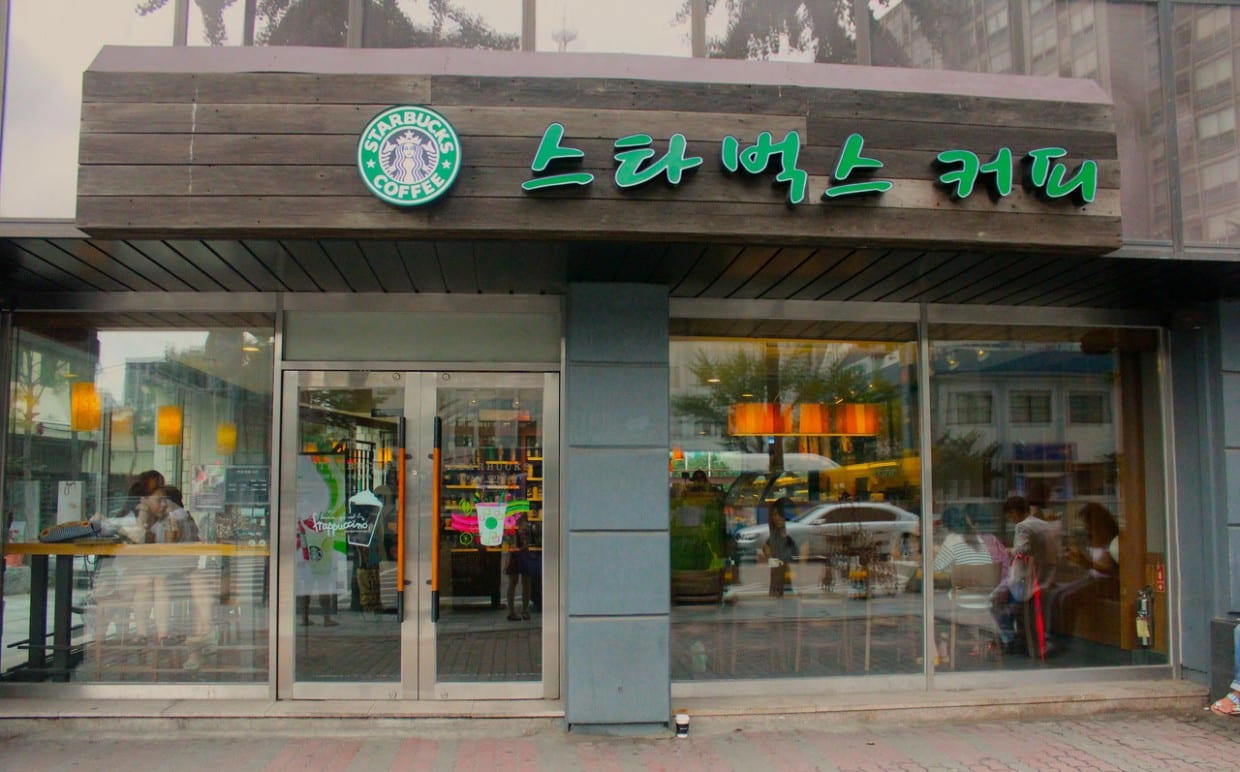
    The Starbucks Community Store in the Daehakro neighborhood in Seoul, Korea, commemorated its one-year anniversary (October 7, 2015) with a community service project, a donation and free brewed coffee and rice cakes for 365 customers as a token of gratitude.
    [embedded content]

    The Starbucks Community Store in Daehakro, like the Langsuan Neighborhood Starbucks in Bangkok, plays a role in supporting education, job training and apprenticeship initiatives by working directly with non-profit organizations to offer local services. In the United States, Starbucks will soon open similar stores that partner with local nonprofit organizations to provide skills training for opportunity youth in underserved, low-income communities in Ferguson, Chicago, Queens, Phoenix and Milwaukee.

    A social hub in the education and arts district of Seoul, the Daehakro coffeehouse hosts workshops and seminars and monthly volunteer activities called “green care” dedicated to improving the environment. The store’s design reflects its vibrant neighborhood. “Community Store messaging can be found throughout the location and it’s a conversation piece that engages customers with store partners,” said Yena Cho, who has been focused on the operation since she joined Starbucks two years ago.

    An art-wall collage, created by university students, and a digital community board that showcases corporate social responsibility efforts are among the distinctive touches that align the store with its surroundings. Also on display is a 3D coffee mug wall that represents students from the Starbucks Comprehensive Youth Leadership Program.

    Yena, who is a global communications manager at Starbucks Korea, said the first year of operation for the Daehakro Starbucks passed by quickly, aided by a flurry of activity around the store, a positive reception by the community and significant media interest.

    Since its opening last October, the equivalent of 30 cents U.S. from each item purchased in Korea’s Community Store has benefited the Green Umbrella ChildFund Korea to support lifelong skills development for youth through the Starbucks Comprehensive Youth Leadership Program. A donation of $100,000 U.S. accumulated from a portion of sales over the past year was presented to Green Umbrella ChildFund Korea at the anniversary celebration. The program offers academic scholarships through graduation for a curriculum that focuses on business skills, collaborative communications and social consciousness.

    Starbucks Korea, which is the company’s fourth largest market outside the U.S., and the Green Umbrella ChildFund Korea maintain an ongoing alliance to address the nation’s social and community needs with an emphasis on assisting young people seeking work. Korean tuition costs are among the world’s highest, creating roadblocks to higher education for the nation’s disadvantaged.

    “Being a relevant part of the community we serve in is an important part of who we are,” said S.K. Lee, ceo and president of Starbucks Coffee Korea. “Our Community Store is a telling example of our commitment to building a different kind of company in Korea that is performance driven through the lens of humanity.”

    The focus on finding jobs for youth is an extension of Starbucks global commitment to hiring Opportunity Youth — those between the ages of 16 and 24 who aren’t in school and aren’t working.  The 100,000 Opportunities Initiative, a coalition of 33 leading U.S. companies including Starbucks, is America’s largest employer-led private sector coalition committed to creating pathways to employment for young people. The businesses will host the next Opportunity Hiring Fair in Phoenix on Oct. 30.