Retail News CRM

Tag: Coin

  • Vietnamese plunge headlong into meme coin market

    Vietnamese plunge headlong into meme coin market

    Vietnamese are rushing to invest in so-called ‘meme coins’, hoping to make a killing but ignoring the huge risks of buying a volatile asset talked up by social media.

    In the second quarter The Nghia in the northern province of Vinh Phuc invested $20 to buy nearly 100 Dogecoins, a cryptocurrency that has overwhelmed the Internet this year.

    “I bought the coins because everyone was buying it.”

    As his investment doubled after billionaire Elon Musk spoke about the coin on Twitter, Nghia bought more of it and several other similar meme coins such as Shiba Inu and Rici Elon, hoping to make a giant profit from a small investment.

    “If only one of these coins increases 10-fold, the profit will exceed the investment in the rest of them,” he said.

    On Facebook groups, Nghia and thousands of other Vietnamese discuss meme coins daily as they hope to make a killing through the risk of loss is commensurately high.

    Meme coins are cryptocurrencies that originated from an Internet meme or have some other humorous characteristic.

    Dogecoin, released in 2013 after being created as a joke by software engineers, is the original meme coin that sparked the creation of many others.

    The most popular meme coin in terms of market cap, $28 billion, is the 10th biggest cryptocurrency.

    Some 260 meme coins are currently traded, according to cryptocurrency data platform CoinMarketCap.

    But only a fifth have a daily trading value of over $100,000. To put that in perspective, the cryptocurrency market daily trading value is worth $131 billion.

    One major feature of meme coins is their high volatility. Dogecoin, for instance, gained 1,160 percent in April-May before giving up 69 percent to fall to the current $0.2141.

    Quang Tung of Hanoi said that his wallet is like a “zoo” with many ‘animal’ coins though he does not understand all of them.

    “It is like playing the lottery. I can lose all or profit multiple times.”

    Hoang Minh of HCMC had not intended to invest in meme coins but the fear of missing out urged him to buy a small amount.

    “These coins attract people because they are popular memes on social media.”

    Squid Game coin, which was created amid the popularity of the Netflix series with the same name, surged 1,373 percent to $523 in three hours on Nov. 1 before plummeting to $0.003399 an hour later, sending many investors into a tizzy.

    Nghia and Tung have not made major profits yet since they hold a large number of coins of low value, but hope they would be mentioned by a celebrity in future.

    “Before investing in any cryptocurrency, it’s important to understand what you’re investing in and the associated risks, not just the hype around it,” said Douglas Boneparth, certified financial planner and president of Bone Fide Wealth.
  • The Impact of Libra and Alipay on Monetary Policy

    The Impact of Libra and Alipay on Monetary Policy

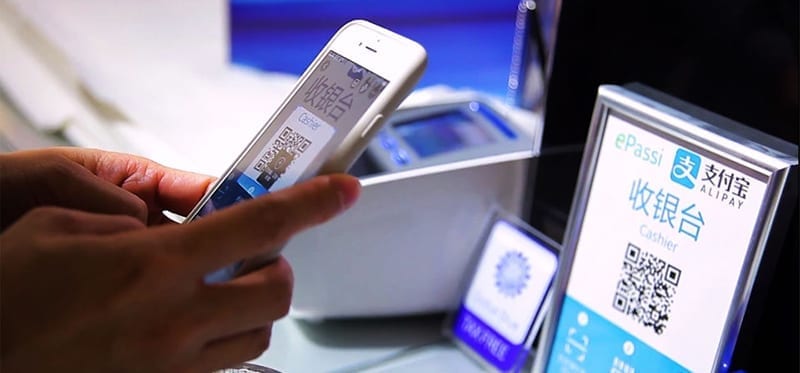
    Digital payment systems such as Libra and Alipay may eventually weaken traditional tools of monetary policy. In doing a good job, central banks can prevent this from happening though, according to a high-ranking Swiss central banker.

    The Swiss National Bank (SNB) is currently engaged in a fight against an appreciation of the Swiss franc and – presumably – is spending huge amounts of money on the purchase of euros and dollars. A fight against all odds it seems – and with the emergence of Alipay or eventually even Libra, the risk is that traditional means of monetary policy lose their effectiveness.

    Once such a purely digital means of payment takes on the role of a trading currency across national borders, central banks are faced with a set of whole new questions.

    It is clear that it would become more difficult to implement the monetary policy if a major part of payments in Switzerland is conducted in another currency than the franc, said Thomas Moser, member of the enlarged governing board of the SNB.

    Moser is convinced that central banks can meet the challenges by simply doing a good job, and thereby prevent people from opting for alternative means of payment. But, at the moment, the bank estimates that the introduction of digital central bank money for consumers would entail hardly an advantage, but major risks.

    The emergence of such means of payment is closely linked to the Blockchain, which is the focus of the second wave of digitization and decentralization. The Blockchain-enabled things beyond our imagination, Moser said. «Today as then, expectations were exaggerated. But in the long run, the consequences are underestimated.»

    Central banks and governments are keen to provide a legal framework for such new projects and to make them conform to the current regulation in a bid to enable the financial market to exploit the new opportunities arising.

  • Facebook reveals its new digital currency called Libra

    Facebook reveals its new digital currency called Libra

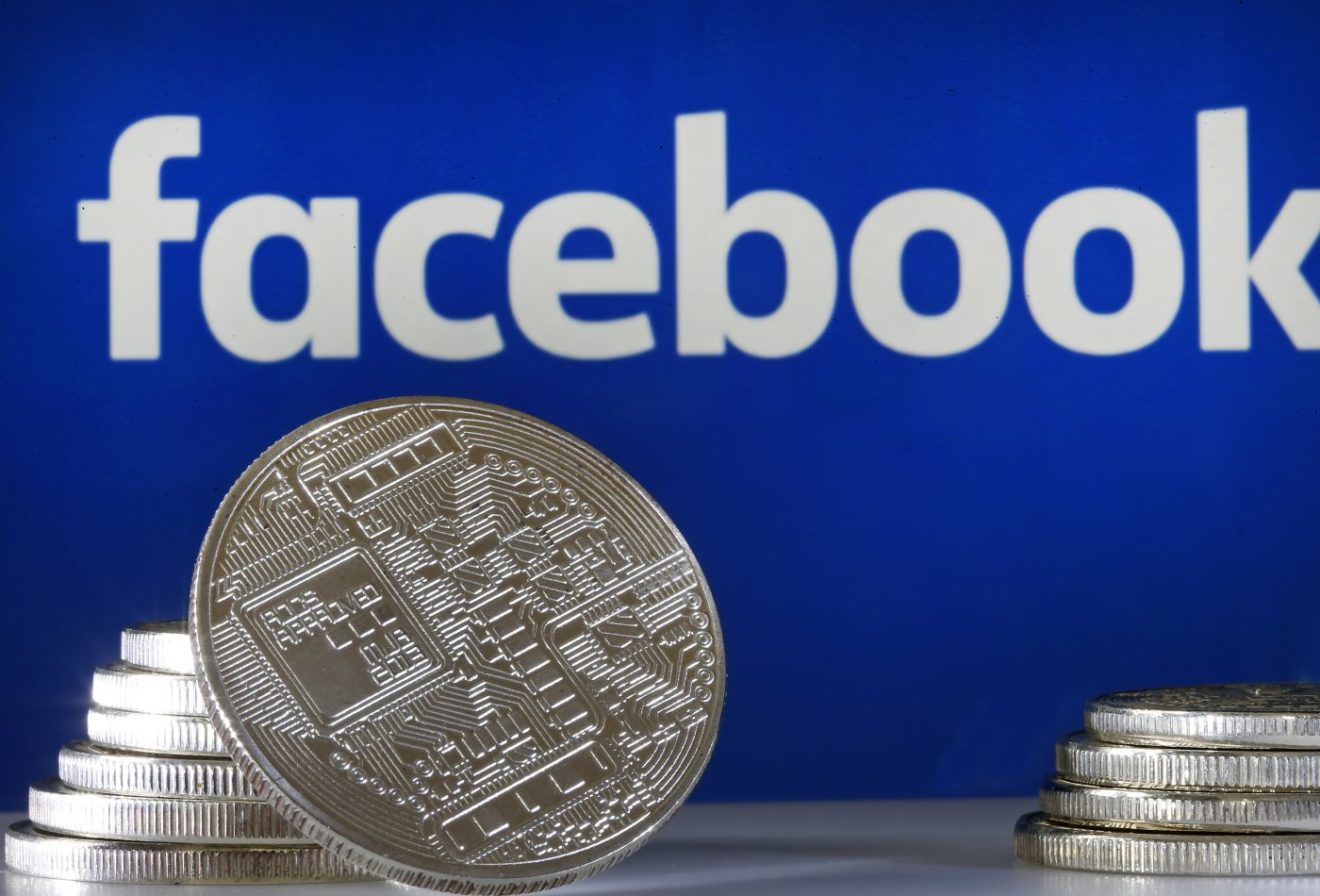
    As expected, Facebook announced a brand new cryptocurrency coming in 2020 – Libra. Described as a new digital wallet for new digital currency, the new financial service will allow consumers to keep their cryptocurrency safe, as well as make various transactions.

    When it launches in 2020, the digital wallet will be available in Messenger, WhatsApp, but also as a standalone app. The decision to launch such a service is based on the people’s need to save, send or spend money even if they don’t have a bank account.

    Apparently, many people around the world still don’t benefit from even basic financial services, especially in developing countries. Calibra, the company behind the financial service, is meant to address this problem since it will allow those who don’t have a bank account to save, send and spend Libra.

    Most importantly, Calibra will allow users to send Libra to almost anyone with a smartphone just like sending a text message. Additional services will be provided to those using Libra later on, including the option to pay their bills.

    Facebook says that Calibra will not share account information or financial data with its servers or any third party without customer consent. Furthermore, the social network company mentions that Calibra will use Facebook data to comply with the law, secure customers’ accounts and prevent criminal activity.

    It remains to be seen what merchants will accept Facebook’s new crypto currency and how companies in developing countries will be convinced to pay their workers in Libra if they so choose.

  • BI to Introduce Coin Deposit Machine

    BI to Introduce Coin Deposit Machine

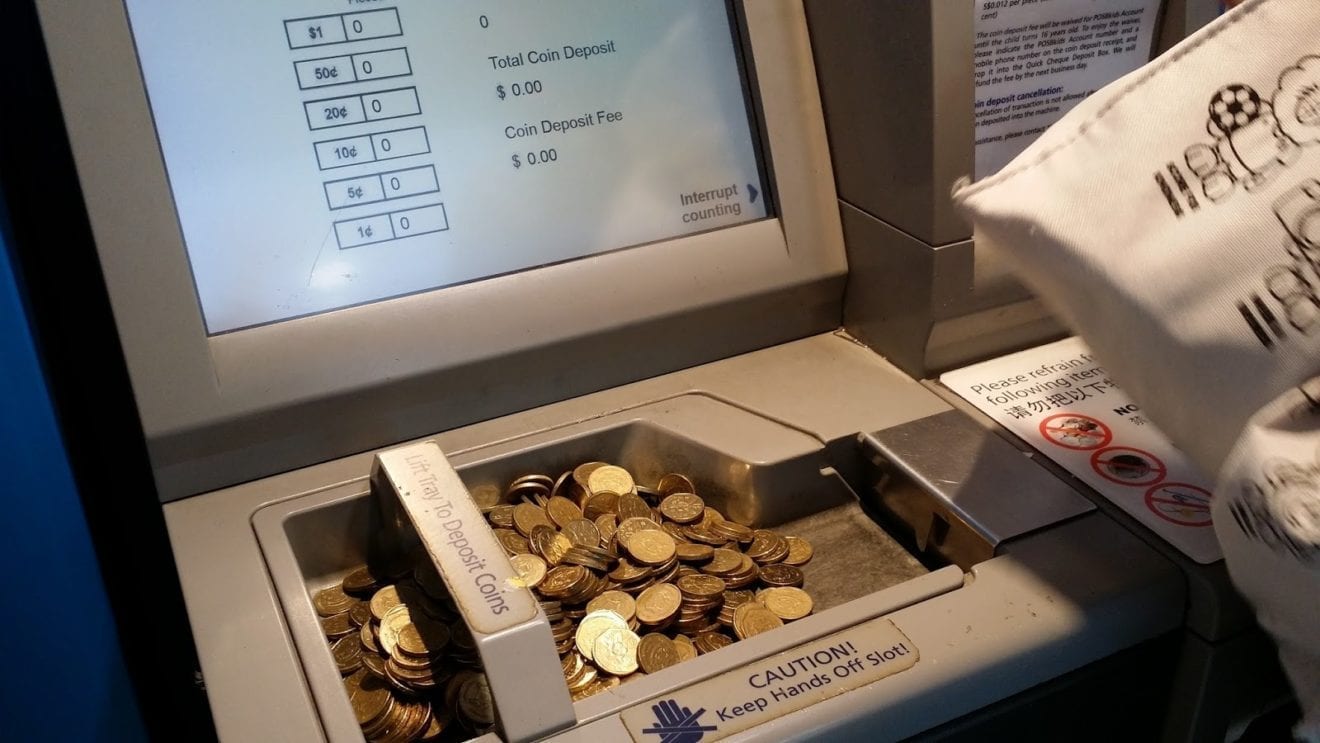
    Deputy Director of the BI Financial Management Department Asral Mashuri in Jakarta, Tuesday 4, 2016, said that Bank Indonesia (BI) is planning on implementing a coin deposit machine to ease people in saving the form of money.

    “The machine would look like an ATM, but this one is for coins, and the machine can sort out the money; which is one thousand and one hundred. It would be easy for people to use,”  he said.

    According to Asral, nowadays, many people keep the coins and left it uncirculated. The uncirculated coins have forced BI to reprint it, although coins have a longer lifespan than paper money.

    A coin deposit machine is hoped to help banking institutions in retracting the coins. “This also accelerates the money circulation, and later on, banking institutions can retrieve money from people’s savings,” Asral said.

    He added that it will be implemented as soon as possible. The study is still ongoing; it will be realized but not in the coming months. “The machine will be available for the public to use soon as possible,” Asral said.

  • Modern Avenue Group cancels Italian store deal

    Modern Avenue Group cancels Italian store deal

    Chinese distributor Modern Avenue Group (formerly Canudilo) has decided not to proceed with its purchase of the luxury Excelsior Milano department store.

    Modern Avenue, which owns sport couture brand Dirk Bikkembergs, has not given a reason for its change of heart.

    A purchase price of €21.3 million (US$23.7 million) was announced at the end of June for the store, launched in 2012 by Italian group Coin. The deal was to have been finalised this month. With a specific selection of high-end fashion, Excelsior Milano is overseen by Antonia Giacinti, who owns the new boutique collective Antonia.

    The Antonia brand was confirmed last month under an agreement with Modern Avenue, with a view to open five franchise stores over the next four years. The first Antonia store will debut next month.

  • MasterCard to take payments by wearable devices

    MasterCard to take payments by wearable devices

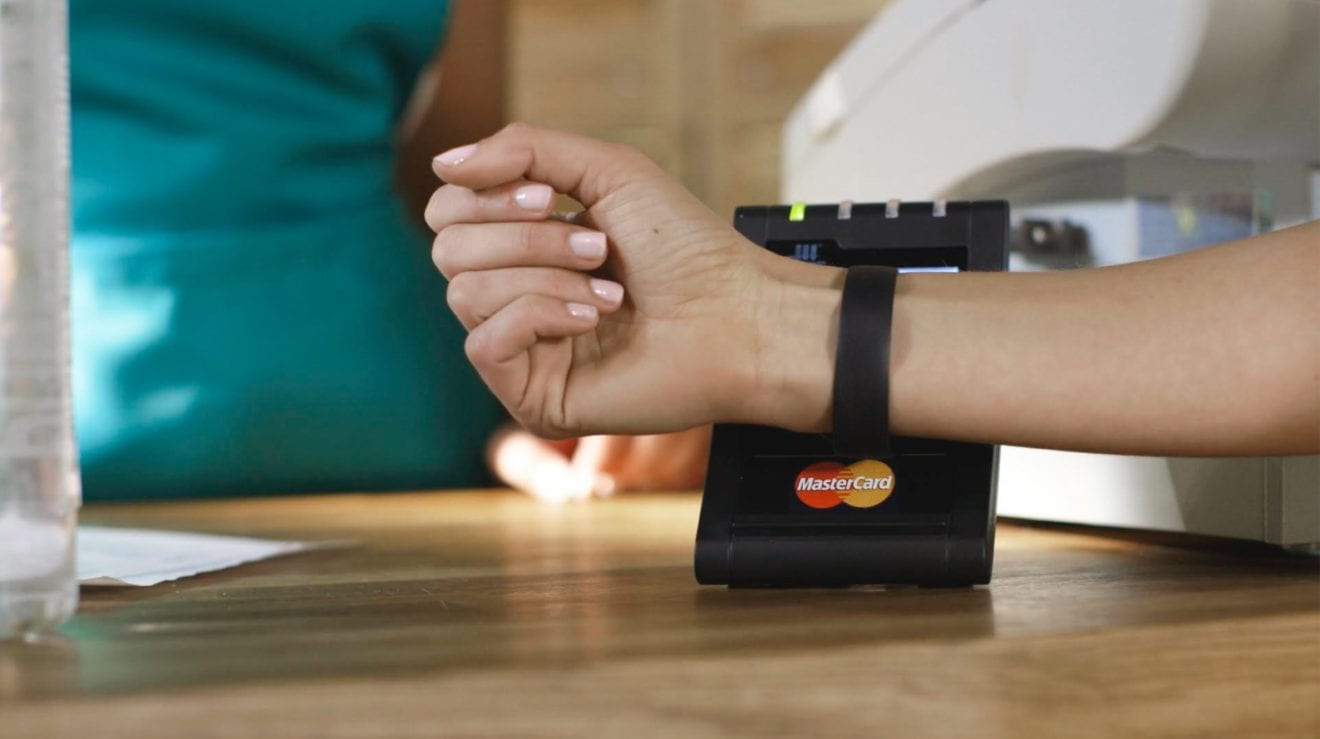
    MasterCard and secure payments company Coin have teamed up to make the credit card available for buying a wide range of fitness bands, smartwatches and other wearable devices.

    This collaboration builds upon the MasterCard announcement in October of its Commerce for Every Device program, aimed at enabling any consumer gadget, accessory or wearable to become a payment device.

    Atlas Wearables, which designs advanced fitness trackers, Moov, a personal fitness coach on your wrist, and smartwatch manufacturer Omate are the first set of companies working with MasterCard and Coin to include payment technology in their products.

    “We are adding payment functionality to items that consumers are already using – fitness bands, jewellery, clothing, watches,” says MasterCard’s senior vice-president for digital payments, Sherri Haymond.

    “This makes the products more useful for consumers and enhances the value device manufacturers can deliver to their customers. Coin complements that approach and enables us to reach an expanded set of device partners.”

    Coin will provide hardware and software technology for embedding MasterCard payments into devices.

    Coin’s Payment of Things platform is a turnkey solution to enable payments for the wearable device industry,” says Coin co-founder and CEO Kanishk Parashar.

    “By leveraging Coin’s technology, device manufacturers will benefit from significantly reduced costs and time to market.”

    He says the wearable domain is projected to grow to $53 billion by 2019.