Tag: coins

  • Singapore-Based Crypto Platform Inks Blockbuster Sports Deal

    Singapore-Based Crypto Platform Inks Blockbuster Sports Deal

    Crypto.com has bought the naming rights to the arena that is home to NBA team Los Angeles Lakers, in what is said to be one of the largest naming deals in sports history.

    The Staples Center in Los Angeles, home to the Lakers basketball team as well as the L.A. Kings hockey team and women’s basketball team Los Angeles Sparks, will be renamed the Crypto.com Arena, following a $700 million deal announced on Wednesday.

    The partnership, which takes effect on December 25, will last for 20 years, and ends the arena’s 22-year partnership with the office supplies retailer.

    The deal underscores the rapidly growing influence and widespread adoption of Crypto.com’s cryptocurrency platform and NFT marketplace worldwide, Crypto.com said.

    Crypto.com was founded by e-commerce exec Kris Marszalek as Monaco in 2016, before its rebranding as Crypto.com in 2018. The platform boasts more than 10 million customers today. The crypto exchange’s logo already adorns the jerseys of the National Basketball Association (NBA) Philadelphia 76ers team.

    Earlier this year, rival crypto exchange FTX became the first crypto business to secure naming rights to a major sports venue when it paid $135 million for the naming rights to the home of NBA team Miami Heat in a 19-year deal. Crypto.com then secured a sponsorship deal with hockey team Montreal Canadiens to have its logo brandished on the ice at its home arena, the Bell Centre.

    The platform’s native token, CRO, currently the 16th largest cryptocurrency by market cap, jumped 35 percent in the 24 hours after the announcement to reach $0.545.

  • Thailand Reins in Speculation in Digital Assets

    Thailand Reins in Speculation in Digital Assets

    The country’s finance regulator is banning licensed digital asset exchanges from trading meme coins, fan-based tokens, NFTs, and social coins as part of its ongoing regulatory action against crypto trading.

    The Thai Securities and Exchange Commission (SEC) is prohibiting exchanges in the country from providing services related to utility tokens or cryptocurrencies to ensure customer protection and ward off attempts by anyone using digital assets to operate a grey business, the regulator announced on Friday.

    As a result, meme coins like Doge, which has attracted the interest of investors in the past year as its price surged by as much as 10,000 percent this year, will no longer be allowed to be traded in Thailand. The SEC said such coins have «No clear objective or substance or underlying, and whose price runs on social media trends.

    According to «The Bangkok Post,» the move came amid reports that publicly listed mobile phone retailer Jay Mart was making plans to launch the country’s first non-fungible tokens (NFTs) linked to nine local stars and celebrities. However, Jay Mart said it would go ahead with the launch this week as planned, though the NFTs will be listed on foreign exchanges.

    NFTs have garnered increasing popularity in recent months, particularly as a way to sell and invest in digital artworks as verification of authenticity and ownership are stored on the blockchain

  • Ripple Launches Academic Lab to Groom Talents

    Ripple Launches Academic Lab to Groom Talents

    The partnership with the National University of Singapore will bring together industry players, government agencies, regulatory bodies and educational institutions to develop and apply emerging technologies in the field.

    The School of Computing at the National University of Singapore and blockchain payments firm Ripple have come together to establish the NUS FinTech Lab, which aims to deepen knowledge and groom talent in the sector in Singapore, the two parties announced in a media statement on Wednesday.

    The academic lab is led by an industry liaison group comprising representatives from the private sector, government agencies and faculty members of NUS Computing.

    It plans to expose 1,000 students and industry professionals to fintech within one year through courses and programs open to NUS faculty and students, and those working in the field.

    NUS FinTech Lab is part of Ripple’s $50 million University Blockchain Research Initiative (UBRI) that supports academic research, technical development and innovation in blockchain, cryptocurrency and digital payments. The firm is working with six universities in Asia, including NUS, under UBRI.

    It will be a neutral space for dialogue and innovation that connects academia and industry, translating education into practice and generating tangible results, the statement said.

    The launch of the NUS FinTech Lab is a significant step toward recognizing the full potential of blockchain technology in finance and the real-world benefits of collaboration between academia and industry. Perhaps most importantly, the FinTech Lab will prepare students for the career opportunities brought about by continued technological advancements in finance, said Eric van Miltenburg, Ripple’s SVP of global operations.

  • Facebook reveals its new digital currency called Libra

    Facebook reveals its new digital currency called Libra

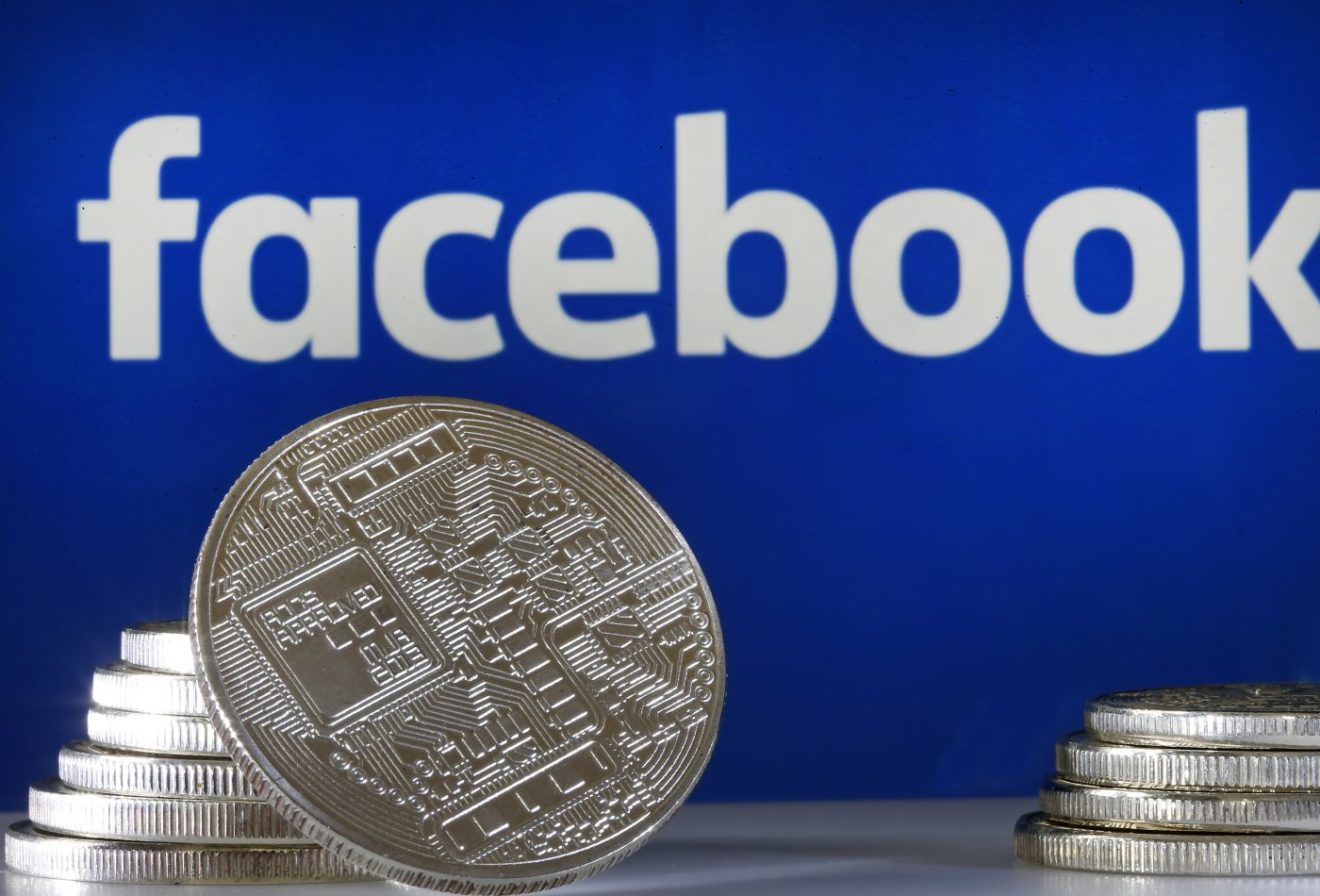
    As expected, Facebook announced a brand new cryptocurrency coming in 2020 – Libra. Described as a new digital wallet for new digital currency, the new financial service will allow consumers to keep their cryptocurrency safe, as well as make various transactions.

    When it launches in 2020, the digital wallet will be available in Messenger, WhatsApp, but also as a standalone app. The decision to launch such a service is based on the people’s need to save, send or spend money even if they don’t have a bank account.

    Apparently, many people around the world still don’t benefit from even basic financial services, especially in developing countries. Calibra, the company behind the financial service, is meant to address this problem since it will allow those who don’t have a bank account to save, send and spend Libra.

    Most importantly, Calibra will allow users to send Libra to almost anyone with a smartphone just like sending a text message. Additional services will be provided to those using Libra later on, including the option to pay their bills.

    Facebook says that Calibra will not share account information or financial data with its servers or any third party without customer consent. Furthermore, the social network company mentions that Calibra will use Facebook data to comply with the law, secure customers’ accounts and prevent criminal activity.

    It remains to be seen what merchants will accept Facebook’s new crypto currency and how companies in developing countries will be convinced to pay their workers in Libra if they so choose.

  • Bank of Korea begins effort to ditch coins

    Bank of Korea begins effort to ditch coins

    At convenience stores across the country, customers paying with cash will have the option of depositing extra change into public transit cards or converting them to rewards points. The bank’s goal is to reduce the number of circulating coins, which costs an estimated 60 billion won ($52.6 million) a year to mint.The Bank of Korea is starting with convenience stores as an experiment.

    The pilot project will run through 2019, after which the bank will decide whether to expand the option to other retail outlets.“After we review the results, we will consider whether to adopt the measure at drug stores and traditional open-air markets,” said Cha Hyeon-jin, head of the payment and settlement systems department at the Bank of Korea.

    Cha added the bank is considering a system that will let people send extra change directly to their bank accounts.About 23,050 convenience stores in Korea, including the chains 7-Eleven, CU and With Me, are participating in the project. Big discount chains like E-Mart and Lotte Mart are also part of the effort.

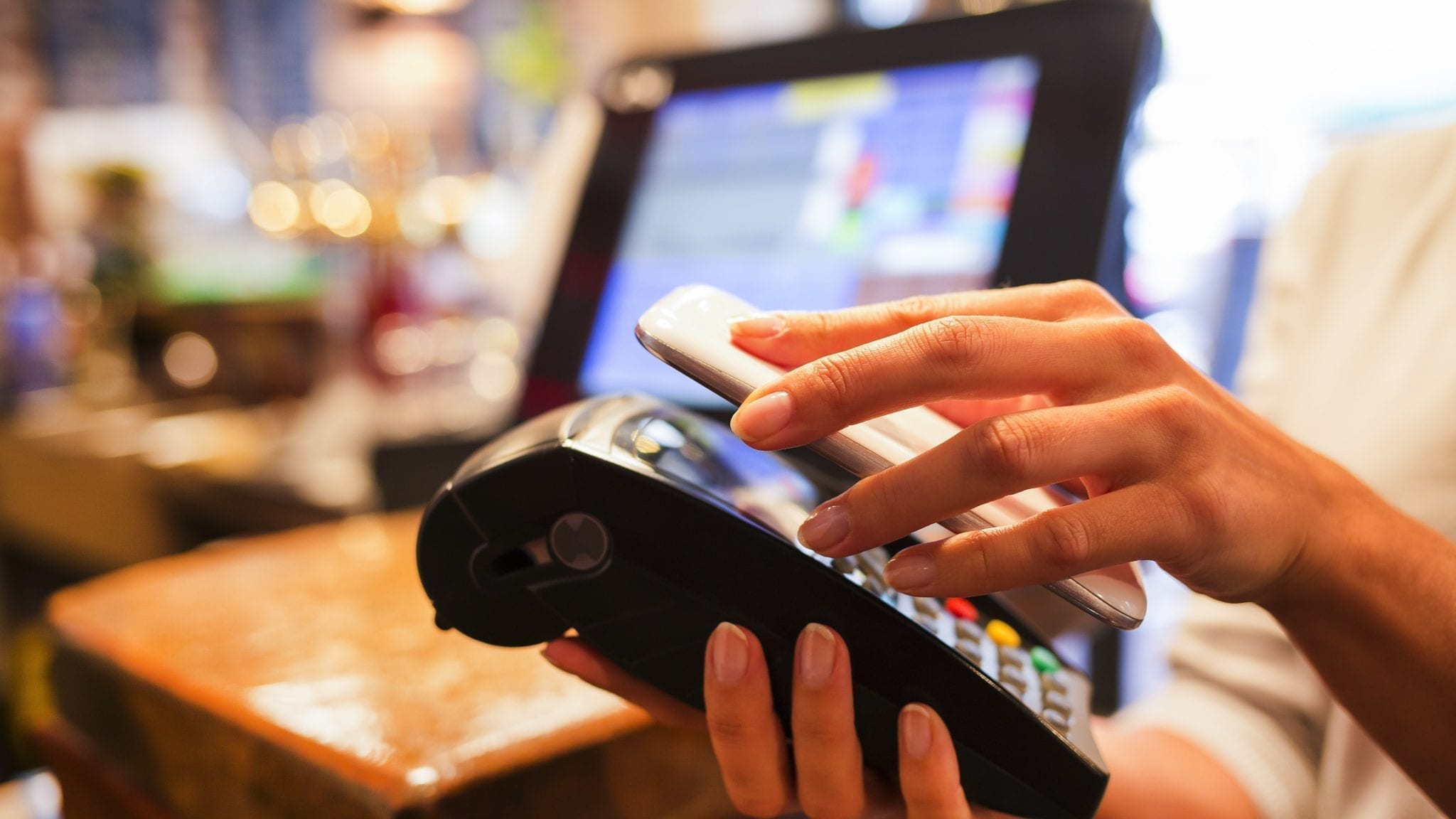
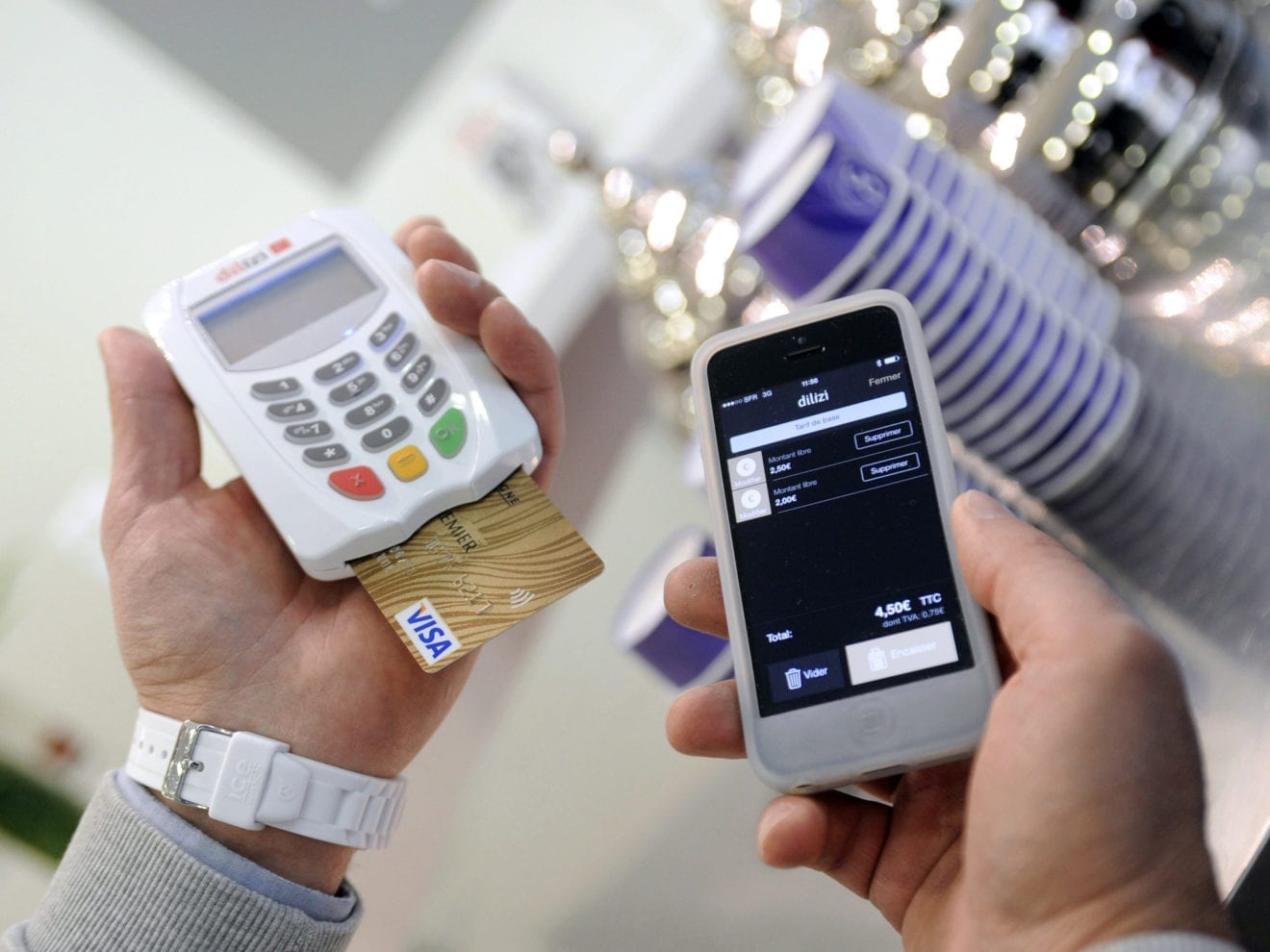
    The public transit cards in which customers can load their extra change include T-Money and Cash Bee. Customers can also convert the change into points on cardless rewards systems run by Hana Card and Naver Pay, a mobile payment service run by internet giant Naver. Shinhan Card will start servicing CU in May, and service for L.Point, the rewards system at 7-Eleven and Lotte Mart, will begin in July.Here’s how it works. Customers first pay for the transaction with cash. Then, if they want to load the extra change into their public transit card, they simply have to tap the card on the card reader. If they want to convert the change into points, they can also simply show a QR code from the corresponding mobile payment app.The Bank of Korea first proposed the idea of a coinless society last December, when it pledged to expand electronic payment methods to a majority of retail outlets by 2020.

    Cash transactions overall are already falling in Korea. The share of cash transactions decreased from 38.9 percent in 2014 to 36 percent last year, while credit card transactions jumped from 31.4 percent to 39.7 percent. When counting debit and prepaid cards, plastic has accounted for the most-used payment method.There are concerns that the move might hurt mom-and-pop shops and traditional markets that still deal heavily in cash. However, Cha said the coinless efforts will not likely have a big impact on them because it is still far from eliminating cash transactions altogether.

    “We will constantly discuss payment methods with smaller retailers and the possible digital divide phenomenon,” Cha said.

  • South Korea’s Cashless Push Will See Coins Removed From Circulation By 2020

    South Korea’s Cashless Push Will See Coins Removed From Circulation By 2020

    South Korea is the next country looking to go cashless. That in itself may not surprise most people, but the way the government is going about things will raise a lot of questions. It appears the current plan is to force people to hand over all of their physical currency to the central bank. This will not happen overnight, but physical coins are expected to be out of circulation by 2020.

    South Korea Will Use An Aggressive Cashless Strategy

    Various countries around the world are looking at different ways to go cashless in the coming years. Using physical cash can be a burden for both consumers and retailers, while only adding more security risks as well.0. But in most cases, the real reason for going cashless is to make people even more dependent on banks for all of their daily expenses.

    The central bank of South Korea is no different in that regard, as the institution unveiled its plan to enforce a cashless society over the next decade. First of all, they will eliminate all coins from circulation, which they intend to achieve by 2020. Quite an optimistic view, but then again, South Korea is a very different culture compared to most other countries in the world.

    One thing to keep in mind is how the removal of coins from circulation will affect retail prices for goods and services. It is doubtful prices will be rounded down anytime soon, and more expensive goods and services are a far more likely scenario. Whether or not the South Korean population will like that change, remains to be seen.

    To facilitate these changes, the Central Bank of Korea wants consumers to deposit loose changes onto the national T-Money cards. These electronic travel passes can be used for all forms of transportation, including taxi rides. Additionally, several thousand convenience stores in the country accept T-Money as a payment option.

    It has to be said; South Korea may be one of the regions where going cashless will not be a significant change. In fact, there are more credit cards in circulation than citizens. Furthermore, only one in five payments made nationwide occurs through paper money and coins. Phasing out coins should not be a big challenge, but the goal of 2020 may be a bit too optimistic.

    But it appears there is another reason to get rid of physical coins. Credit Finance Institute’s Lee Hyo-Chan told CNBC how it costs more than 10 won to create a 10 won coin. All of the costs associated with the mass minting of coins adds up to over US$40m per year. Additionally, collecting, managing, and circulation of coins incurs, even more, costs.

    Getting rid of cash is a cost-cutting effort, which is understandable. At the same time, banks should not be given even more power of the financial ecosystem than they have right now, as they already have a firm grip on people’s money. Centralization of financial power is never the answer, and going cashless will not necessarily be beneficial to the average consumer from a financial perspective.