Tag: collapse

  • First Brands’ Bankruptcy Exposes $500 Million UBS Exposure: Unsecured Creditors Unearthed Amid Complex Financing Structure

    First Brands’ Bankruptcy Exposes $500 Million UBS Exposure: Unsecured Creditors Unearthed Amid Complex Financing Structure

    On September 29, 2025, First Brands Group, a formerly profitable manufacturer and distributor of automotive aftermarket parts, filed for Chapter 11 protection in the U.S. Bankruptcy Court for the Southern District of Texas. The company reported over $10 billion in liabilities against an annual revenue of approximately $3.5 billion.

    A Shift in Financial Structure

    First Brands Group, once a standard parts supplier, progressively developed into a complex system of layered financing and circular cash flows. This intricate evolution involved multiple originators factoring receivables, inventory collateral purportedly mixed or pledged to several lenders, and substantial payables securitized off the balance sheet. As liquidity evaporated, the company’s creditors grappled with identifying legitimate collateral.

    UBS Hedge Fund Solutions and UBS O’Connor Funds

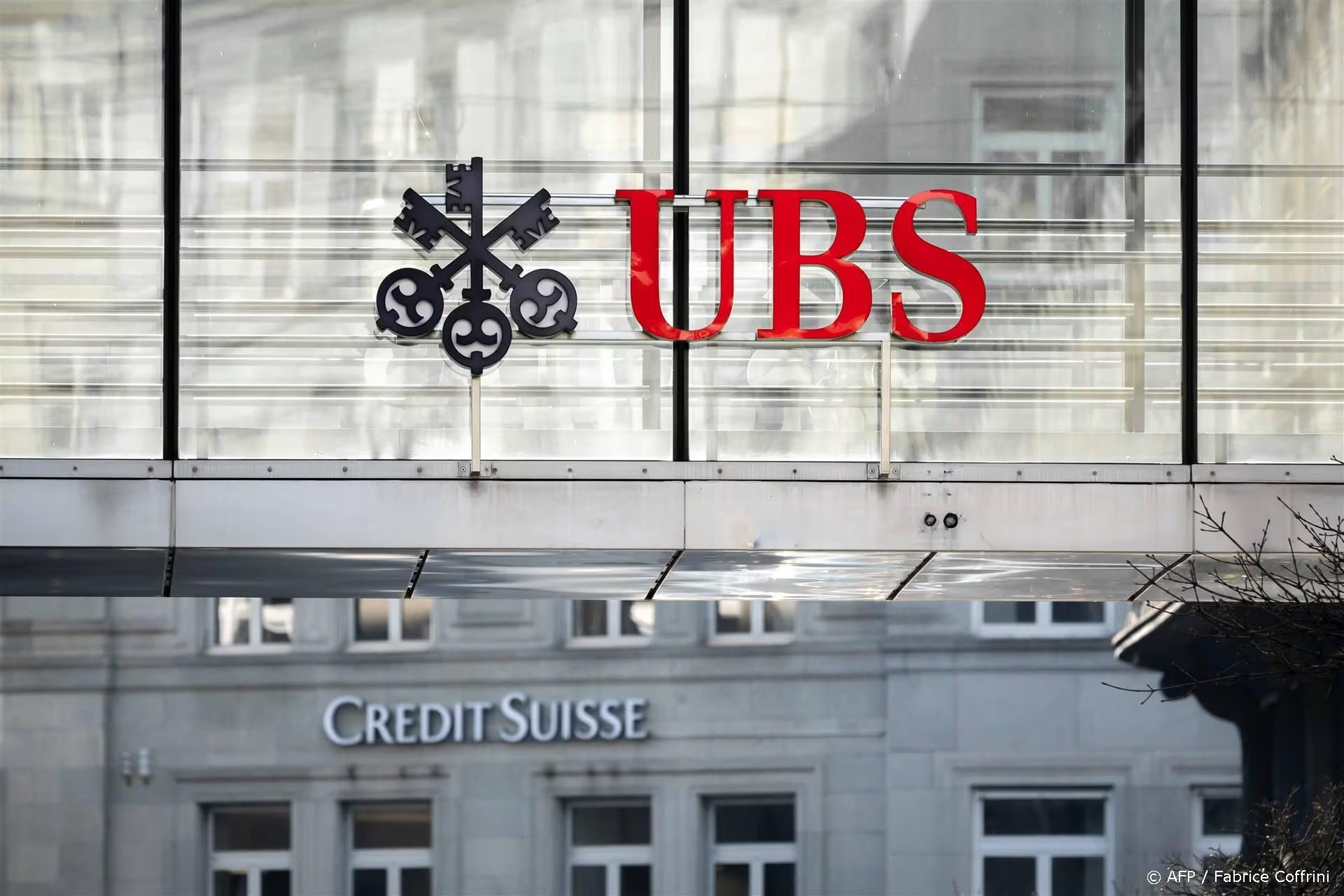
    In the midst of this financial turmoil, the UBS Hedge Fund Solutions platform and UBS O’Connor funds surfaced as First Brands’ most substantial unsecured financial creditors. The two entities held a total of $349.8 million in supply-chain-finance claims and additional secured exposures, pushing the total beyond $500 million. No other major bank was identified in the list of unsecured creditors. However, indirect involvement through the financing of working-capital originators or conduits might still transpire as the bankruptcy proceedings continue.

    Potential Misunderstood Risks

    UBS’s involvement in the case was unexpected, casting an unfavorable spotlight on the small player in U.S. corporate finance. Even though the immediate impact on shareholders seems minimal, the situation recalls earlier controversies. UBS could once again face accusations of endorsing products with poorly understood risks and unreliable marketing strategies.

    In 2023, UBS Asset Management marketed a strategy to professional investors promising double-digit returns, using a presentation titled “UBS Working Capital Finance Strategy.” The presentation featured a North American auto-parts manufacturer with a 35 percent EBITDA margin and over $2.8 billion in revenue. The company was described as participating in an uncommitted supply-chain-finance program that started in August 2019, with a 17 percent fixed yield, a 60-day tenor, and a B2/B corporate rating.

    Alarming Economic Implications

    The economic implications of such a strategy were alarming. No financially stable industrial company would willingly surrender 17 percent of its margin merely to lessen supplier payments for two months. In the case of First Brands, their aggressive, debt-fueled acquisition strategy left the balance sheet perpetually low on cash. For credit investors, this pricing should have been viewed as a red flag rather than a lucrative opportunity, highlighting the dangers of adverse selection.

    Questions & Answers

    Q: What led to First Brands Group’s financial instability?
    A: An aggressive, debt-fueled acquisition strategy left First Brands’ balance sheet perpetually short of cash, leading to its financial instability.

    Q: Who were First Brands’ largest unsecured financial creditors?
    A: UBS Hedge Fund Solutions platform and UBS O’Connor funds emerged as First Brands’ largest unsecured financial creditors.

    Q: What could be the potential repercussions for UBS?
    A: UBS could face accusations of endorsing products with poorly understood risks and unreliable marketing strategies, similar to past controversies.
  • Miniso Canada is collapsing

    Miniso Canada is collapsing

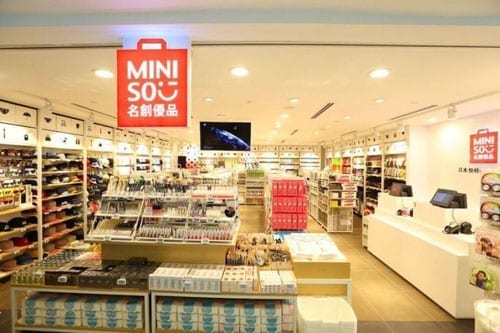
    Miniso Canada is on the brink of bankruptcy after an action brought against it by its Chinese parent company alleging fraudulent business dealings and the transfer and hiding of assets. The extraordinary situation was revealed by Canadian website which in its last update reported the Canadian subsidiary had reached a preliminary agreement with the Chinese company to avoid the move.

    Miniso China has declined comment.

    Citing court documents, Miniso China is owed C$20 million (US$14.7 million) and had retained a lawyer to commence legal action in British Columbia courts to recover the amount.

    Minso launched in Canada last year with plans for 500 stores within five years. To date it has opened 48.

  • HMV Hong Kong collapses

    HMV Hong Kong collapses

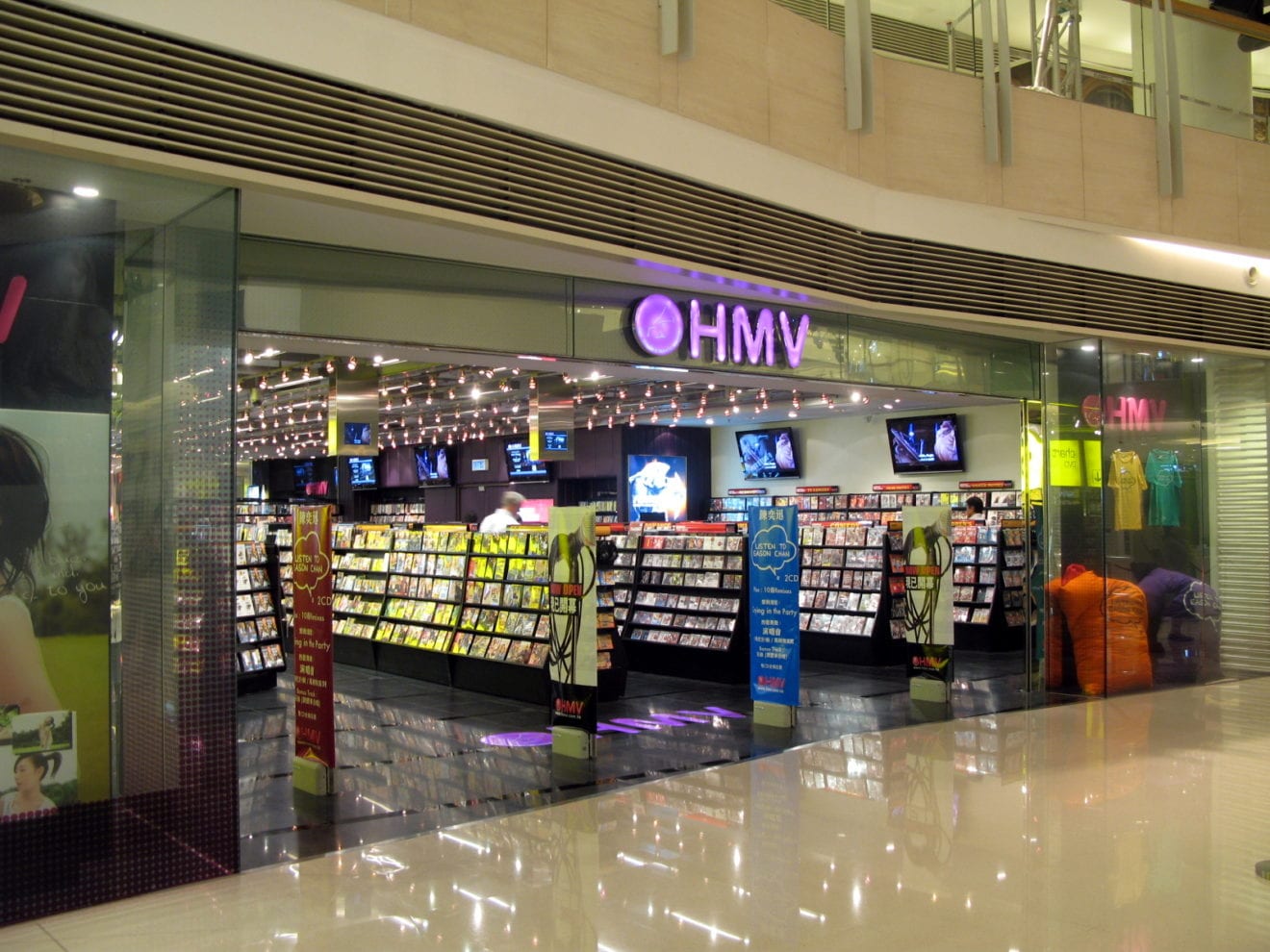
    The HMV Hong Kong business has collapsed, with the chain’s owner appointing liquidators. In a statement, HMV Digital China Group chairman Stephen Shiu Jnr said the company was “unable to escape from the crushing force of the wheel of history” as live-streaming services like Spotify and Netflix made CDs and DVDs redundant.

    The company is believed to have debts of HK$40 million and assets – mainly stock – of just $9 million. All seven stores have been closed and 80 staff laid off.

    “The company is under negotiation with the landlords of the settlement plans. HMV Retail has not been generating sufficient revenue to cover its own operating expenses and there is no reasonable prospect of making any significant improvement on its financial performance or operations in the foreseeable future.”

    As reported last week, HMV was facing three legal suits over unpaid rents on stores, totalling $5 million. One of those related to its four-story Causeway Bay flagship.

    After the chain last went into administration in 2013, private equity company AID Partners converted the business into more of a lifestyle destination, stocking headphones, bicycles, backpacks and other curated products. That met with some success, and AID sold the business to Shiu’s company in 2016 for $408 million. Yesterday, Shiu cited Apple’s AirPods for eroding demand for earphones, which had become a core category.

    “[We have] faced numerous struggles and ups and downs, witnessing the rise of the record industry and the heyday of CD, VCD and DVD home entertainment systems, but as time changes, the global development of information and economic climate have also changed”, the company said Shiu.

    The HMV Hong Kong business achieved a profit of $1.85 million in the September quarter last year – but during the same period this year, retail sales fell 41 per cent to $31.55 million and the business lost $18.81 million.

    The liquidators, Wong Sun-keung and Janice Tsui Mei-yuk of Vision AS will try to find new investors to refinance HMV Retail’s operations, although clearly any solution would involve adopting an entirely new business model.

  • Korea’s Skinfood getting close to bankruptcy

    Korea’s Skinfood getting close to bankruptcy

    South Korean cosmetics firm Skinfood has filed for court receivership after increasing financial losses.

    The company’s former popularity of a decade ago was hit by the 2015 Middle East Respiratory Syndrome (MERS) outbreak and diplomatic disputes between Seoul and Beijing, both events affecting the brand’s core overseas markets.

    A company spokesperson said: “We are having temporary difficulty in securing liquidity due to excessive debt. We sought the court restructuring as we thought settling the debt and promptly normalising management will benefit everyone, including the creditors.”

    The company has plans to sell off some of its overseas business rights and expand its online channels to improve its standing.

    Skinfood’s sales reached KRW126.9 billion (US$111.96 million) last year, a drop of 25 per cent from the year previous, with an operating loss of KRW98 billion ($86.46 million).