Tag: Colliers

  • HSBC and W. Management Secure Prime Causeway Bay Flagships as Rents Soften

    HSBC and W. Management Secure Prime Causeway Bay Flagships as Rents Soften

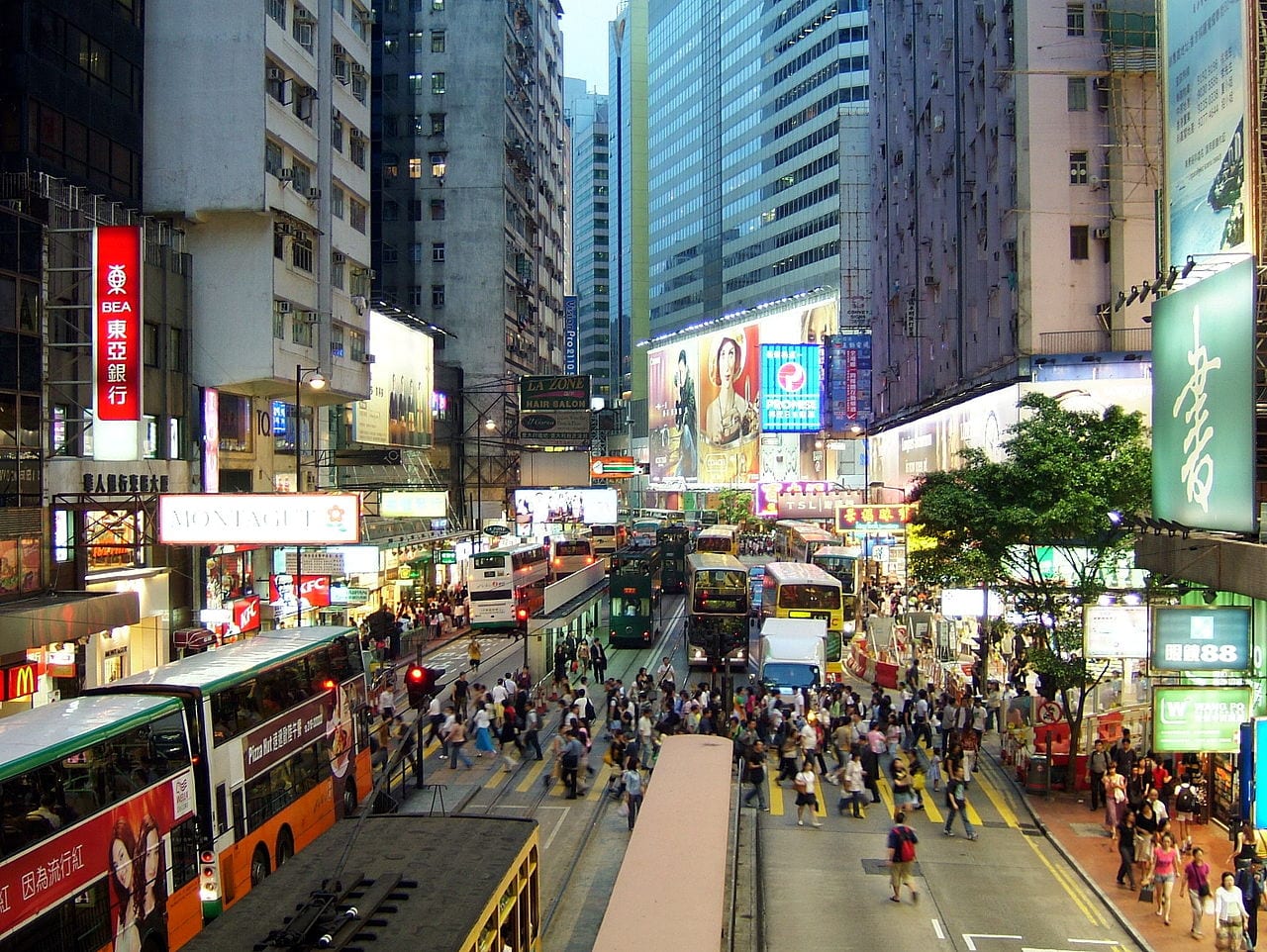
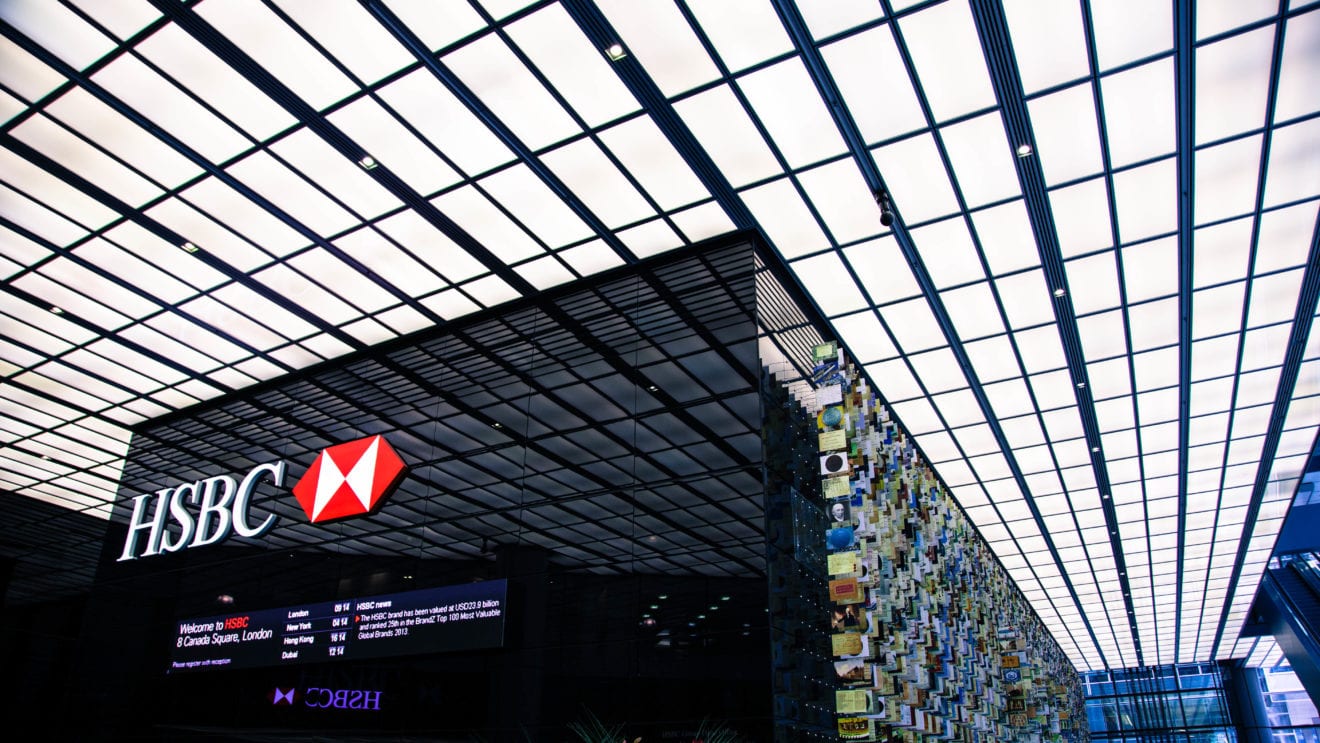
    HSBC has secured a five-floor flagship branch at Causeway Bay’s Capitol Centre for HK$4 million a month, taking space long dominated by international fashion retailers.

    The 3,900-square-metre lease lets the lender replace two nearby outlets with a single customer hub that exceeds the combined floor area of both prior locations.

    Renovation is now underway across the ground floor and four upper levels. The space previously housed apparel brands including Victoria’s Secret, Forever 21 and Chanel. Land Registry filings confirm HSBC signed a five-year agreement for the site, making it the first long-term non-fashion occupant at the property since 2008, when casualwear chain Giordano paid HK$5.06 million monthly for the basement and five upper floors.

    Shifting from Apparel to Wealth Hubs

    A few streets away on Paterson Street, fast-fashion retailer W. Management took three floors spanning roughly 2,790 square metres in Fashion Walk. The company agreed to pay more than HK$2 million monthly for space vacated by Swedish rival H&M, which previously paid as much as HK$10 million a month for the entire four-floor building.

    Financial institutions across Asia-Pacific are increasingly stepping onto prime retail strips that once priced out non-luxury operators. Where fashion giants previously bid up core retail corridors to unsustainable peaks, wealth managers, private banks and insurance firms now view discounted street-front flagships as essential physical hubs for customer acquisition and private client meetings.

    Prime Street Rents Level Off

    Data from Savills shows Hong Kong retail sales climbed 7.1 per cent year on year in the second quarter, while online sales rose 25.3 per cent. Street-level rents across the four core shopping districts of Central, Causeway Bay, Mong Kok and Tsim Sha Tsui held flat quarter on quarter, while mall rents slipped 1.8 per cent over the same timeframe.

    HSBC will close its Premier centre at Causeway Bay Plaza 2 on Lockhart Road and its branch at Park Lane on Gloucester Road on October 17, with the new Capitol Centre flagship scheduled to open on October 20.
  • Yangon retail sector posted 95% occupancy rate

    Yangon retail sector posted 95% occupancy rate

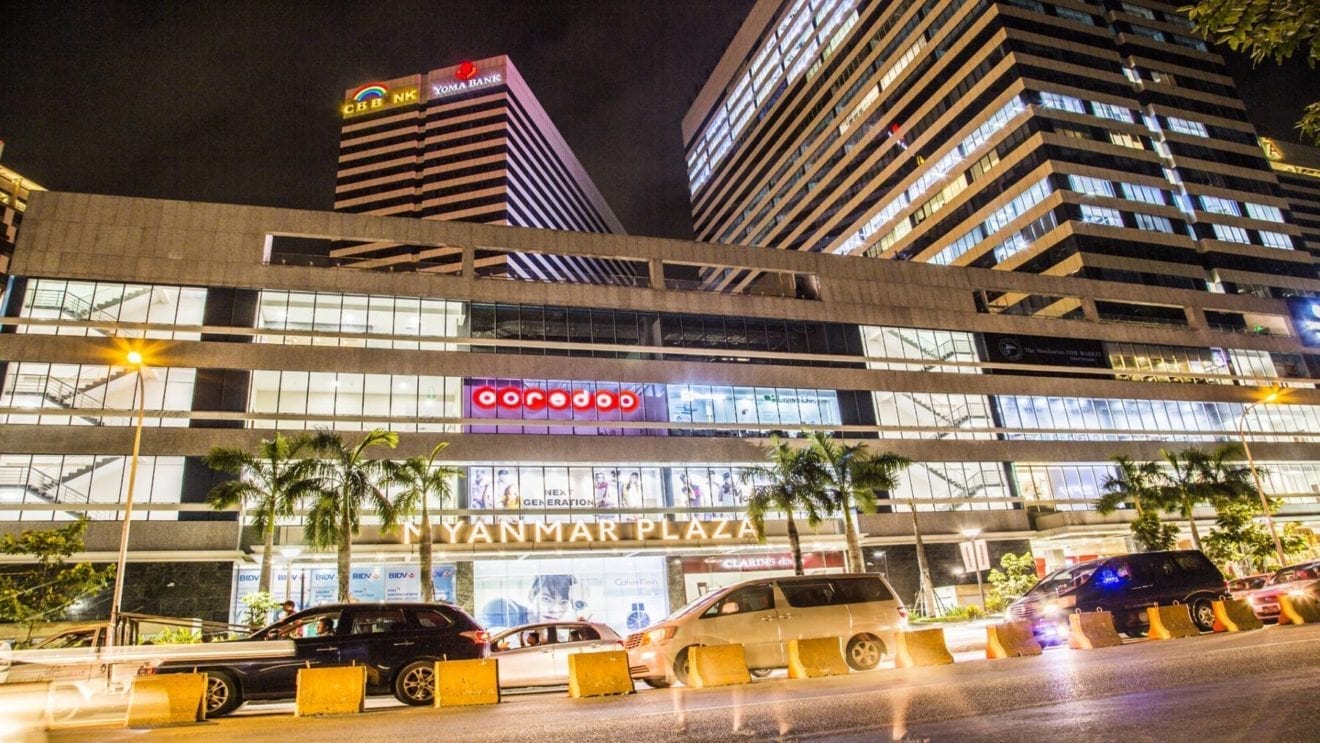
    Prime Yangon retail space remains almost fully occupied despite a record addition of new stock on the market last year.

    As a result, city retail rents are likely to rise by 4 to 5 per cent in the near-term, reflecting high demand.

    “Rents should continue moving upwards in the medium term,” said Joan Mae Lee, analyst for Colliers International’s research and advisory team, in a statement.

    According to a research report from the real estate specialist, more than 79,400sqm of new space opened in the fast-growing economy’s largest city last year – more than double the amount of 2016.

    However the occupancy rate held at 95 per cent which would undoubtedly make it one of the highest rates in Southeast Asia.

    The report said the figure reflected business confidence in the country, where the economy is expected to grow by about 7.5 per cent in the year to March 31.

    Yangon’s retail supply was boosted last year primarily by the opening of Junction City and St John City Mall which combined provided a fresh 67,000sqm of lettable area in the city.

    Lee urged developers to focus on tenant diversity in new or revamped projects.

    “Landlords should aim to lure other prospective tenants, such as aesthetic clinics, wellness centres, showrooms, auxiliary service providers and inclusion of institutional occupiers to boost foot traffic,” she said.

  • Too many Philippine provincial malls, expert warns

    Too many Philippine provincial malls, expert warns

    There is not enough spending power to support the number of Philippine provincial malls being developed, warns a real estate expert.

    This follows a “fantastic” year for the property sector during which most major developers opened malls.

    “Retail has had an incredible expansion in route,” says CEO David Leechiu of Leechiu Property Consultants (LPC) has told The Manila Times.

    Ayala, DoubleDragon, Filinvest, Puregold, Robinsons, SM and Villar all opened malls in new sites, which Leechiu says is unprecedented.

    According to Colliers International Philippines, about 118,000 sqm of retail space was added to Metro Manila’s retail stock in the third quarter of last year, taking the total stock to 6.32 million sqm.

    For Metro Manila alone, total retail stock is forecast to rise by 7 per cent to 6.76 million sqm by the third quarter of this year, says Colliers. Meanwhile, retail vacancy levels have remained low at just 0.57 per cent.

    But Leechiu says it is a different story for the provincial retail market.

    “I think rents are softening because some areas might be ‘over-malled’ now,” he says. “The purchasing power is not there yet.”

    In particular, these Philippine provincial malls cater to the middle-income market. However, he believes the situation will be “very temporary’, with changes and improvements in two to three years’ time as purchasing power continues to grow.

  • Singapore commercial property faces a gloomy outlook. Here’s why

    Singapore commercial property faces a gloomy outlook. Here’s why

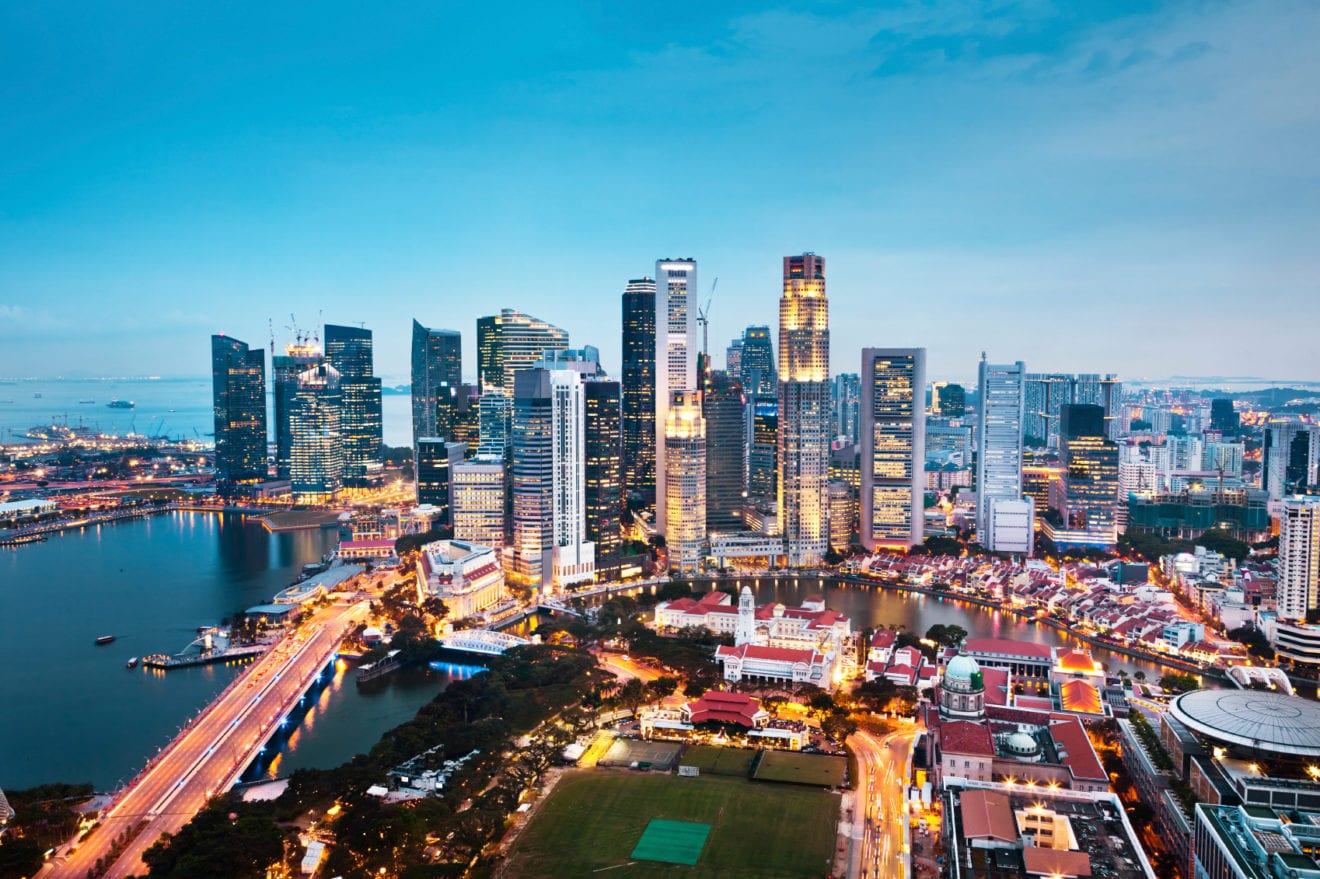
    The outlook for Singapore’s commercial property, including retail, office and industrial space, may have turned grim, according to forecasts from real-estate services provider Colliers.

    Singapore’s retail landlords and tenants face “challenging times,” Colliers said in a note dated Monday, forecasting demand for retail space to lag behind supply this year, with a rise in new space pushing up island-wide vacancy rates.

    Colliers said leasing activity slowed and rental declines accelerated in the third quarter amid poor retail sales and online competition.

    Singapore’s retail sales fell 1 percent in August on year overall and excluding the 30 percent jump in car sales, fell 6.5 percent, with drops in categories including jewellery, restaurants and recreational goods, according to official data.

    “In the near term, the uncertain economic outlook and heightened unemployment risk will probably be dampening factors on consumer spending,” Colliers said, although it expected the year-end holiday shopping season would mitigate the hit to retail sales.

    It forecast ground-level shopping-mall rents in 2016 would fall by 2.0-2.5 percent in regional centers and by 2.5-3.0 percent in the prime Orchard Road shopping belt.

    Singapore’s office segment may not fare much better.

    “Overall office rentals across Singapore continue to slide under pressure of oversupply and lacklustre demand as the market saw the fifth consecutive quarter-on-quarter rental decline in the third quarter,” Colliers said.

    “Underpinned by gloomier economic outlook from potential U.S. rate hikes, an uncertain Chinese economy and concerns on the repercussions of Brexit, business sentiments and overall office space expansion remain restrained,” it added.

    Colliers noted that Singapore’s preliminary gross domestic product estimate for the third quarter showed a 4.1 percent on-quarter contraction, with some economists saying a technical recession was a possibility.

    When it comes to office rents, grade-B office buildings were taking a bigger hit as tenants fled to better quality space, it said.

    “We expect competition among landlords to fill the backfill spaces, especially in older office buildings, to intensify over the next few quarters,” it said.

    Colliers forecast the office vacancy rate would surge, with premium and grade-A supply in the central business district (CBD) set to rise 5.6 percent this year and another 12.1 percent next year as more buildings were completed.

    It expected rents in that segment would decline by up to 3.0 percent in the fourth quarter, for a full-year decline of 7.0-12 percent.

    When it came to industrial property, Colliers advised it was an “opportune time” for tenants to evaluate their needs.

    “Given the tentative economic outlook, we expect industrial rents to remain soft over the next three to six months,” it said. “Coupled with the ample space options available, there will be opportunities for industrialists to secure choice business premises at competitive rents. ”

    It expected 20 million square feet of new industrial space to be added this year, pushing up vacancy rates island-wide.

    Colliers forecast that rents for prime multi-user conventional industrial space would fall 7.0-14.0 percent this year.

    Amid tough competition for tenants, it expected rents at independent high-specification industrial buildings located outside the science and business parks would fall further in the fourth quarter, for a full-year decline of 9.0 percent.

    But in business parks, it expected rents would rise a modest 1.0-2.0 percent for the year as higher rents were attainable at newer developments.

    Colliers noted, however, in the third quarter, landlords didn’t cut rents by much across industrial properties.

    Most landlords weren’t willing to cut rents by large margins in the period after sharp cuts in the first half of the year and were instead giving tenants more incentives, such as longer rent-free and fitting-out periods, covering alteration works and subsidizing repairs, it said.

    Leslie Shaffer

  • Mid-priced brands cash in on falling Hong Kong rents at expense of luxury retailers

    Mid-priced brands cash in on falling Hong Kong rents at expense of luxury retailers

    Hong Kong may no longer be the darling of European luxury brands after the combined effect of a slower local economy and fewer mainland shoppers as a result of Beijing’s anti-corruption crack down, but the city is still magnet for less expensive luxury brands and mid-priced retailers.

    Retail sales have seen an 18 month-long nosedive, with August figures (the latest available) down 10.5 per cent year on year to HK$33.9 billion.

    The decline, largely due to a drop in the number of mainland Chinese tourists, has forced landlords to reduce retail rents to avoid vacancies.

    “This has created a lot of opportunities for retail players to emerge and innovate,” Joanne Lee, associate director of research and advisory of Colliers International said.

    Some less expensive luxury brands and mid-priced retailers still have confidence in the Hong Kong retail market, taking the opportunity to move in on prime locations as high end luxury brands close up shop, according to property consultants.

    French brand Sandro is an example. It finds Hong Kong is still a highly lucrative market compared with the rest of the world – even in bad economic times.

    In August the Paris-based fashion chain opened its largest Asia flagship store in the heart of Causeway Bay, considered one of the world’s most prime shopping districts. It also plans to double the size of its store in Tsim Sha Tsui’s Harbour City, one of the most prestigious malls for mainland visitors.

    Branding its products as “accessible luxuries”, Sandro’s chief executive Jean-Philippe Hecquet said the segment became “very powerful” when people started to look inside their wallets.

    The luxury retail industry veteran, who previously worked for world’s biggest luxury group LVMH for over a decade, said that upper-middle class consumers still want to enjoy their life even with less money. “They still want to buy luxury products for sure.”

    Sandro, along with sister brand Maje and Claudie Pierlot, recorded a 51 per cent year on year growth in Asia Pacific in the first six months of the year.

    Encouraged by the strong performance, Sandro opened three new stores in prime shopping districts in Hong Kong, and plans to add two or three more by the end of next year. It currently operates eight outlets in Hong Kong.

    The Harbour City store, which opened a year ago, quickly become the most lucrative store among its 410 retail outlets worldwide in terms of sales per square metre.

    In contrast, total tenant sales at Harbour City fell 14.7 per cent to HK$13.3 billion in the first half, according to financial filings by its parent company Wharf Holding.

    “The economy is about cycles. Everything happen for a reason. You just need to hang in there,” Hecquet said.

    Unlike traditional luxury brands such as Gucci, Louis Vuitton and Burberry, which had previously aggressively expanded in the city to cater for the huge influx of mainland shoppers, Sandro has only recently ramped up its pace in terms of adding stores. Its first store in Hong Kong was not opened until 2012.

    Hecquet admits Sandro may have missed the “golden age” when rich mainland shoppers queued up outside Chanel, Gucci and Louis Vuitton outlets, snapping up expensive leather bags emblazoned with big logos.

    “For [traditional luxury brands], the traffic is going down, but for us, we still see very decent traffic,” he said.

    But he noted that the emerging young upper-middle class in Asia would be the future powerhouse for luxury goods, and the right time to expand is now. The current retail downturn in Hong Kong has also freed up more prime retail locations and rents were going down. “We have been waiting for a long time to be able to open a flagship,” he said.

    Hecquet said the average age of its customers in Hong Kong was from 25 to 30 years old, and mainland visitors contributed to a significant portion of sales.

    Property consultants said the impact of mainland tourists will continue to diminish as retailers focus their efforts on locals and millennial shoppers.

    “[Retailers will be] very much focusing on the local spending power, instead of relying on tourists,” said Daniel Shih, director of research and advisory at Colliers International.

  • Orchard Rd rents slide gains momentum

    Orchard Rd rents slide gains momentum

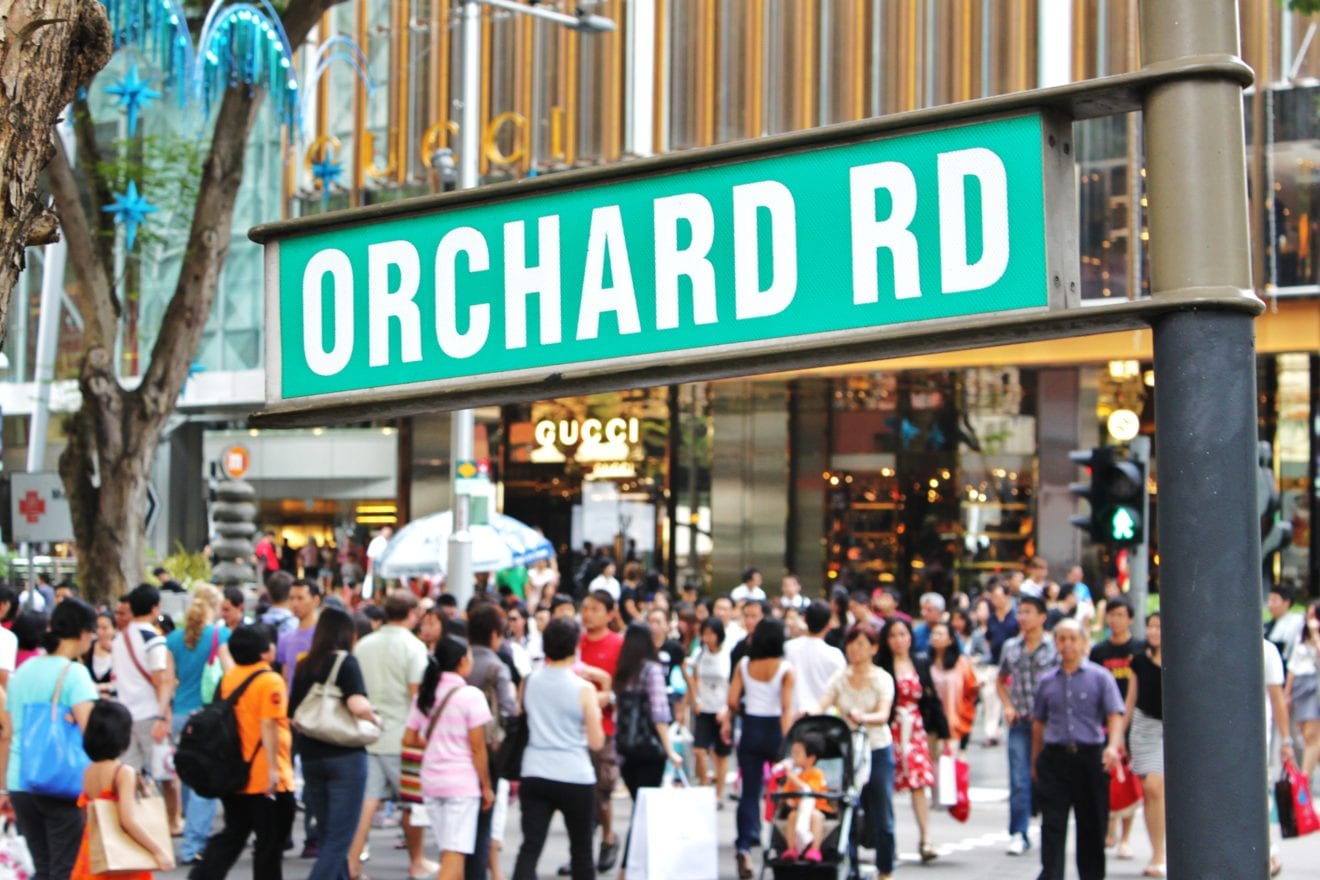
    Retail rents on Singapore’s prime retalstrip, Orchard Rd, slipped by 1.6 per cent in the latest quarter.

    But worse is yet to come according to Colliers International in its quarterly review of Singapore retail rents, tipping a full year decline as high as five per cent.

    The average monthly gross rent for Orchard Rd retail space fell to S$35.25 per sq ft in Q2 2015 from S$35.83 per sq ft in the previous quarter. That 1.6 per cent drop follows a 0.9 per cent fall in the first quarter, showing the decline is already gaining momentum.

    Colliers says Orchard Rd rents are being dragged down by tougher competition from suburban malls which are drawing locals away from the heart of the city.

    And an apparent oversupply of space on the fringe of Orchard Rd is unlikely to be helping either.

    Complicating the picture is spirited competition for domestic and visitor spending.

    In contrast, prime rents in the city state’s regional centres were steady at S$33.94 per sq ft.

    “The retail property sector has continued to experience attrition, with reports on closure of shops and certain malls in Orchard Rd suffering from poor shopper traffic and pedestrian footfalls,” Colliers’ deputy MD Calvin Yeo said.

    “However, given the demand for more retail variety by an increasingly more affluent consumer base, new-to-market F&B and retail operators continue to set up shops in Singapore. This has helped to shore up occupancy rates of retail malls and cushion rental falls.”

    Colliers says while a five per cent decline in Orchard Rd rents is likely this year, rents in regional centres could grow by up to one per cent, based on current trends.