Tag: comfortdelgro

  • Two Chinese Companies Debut Cutting-Edge Autonomous Shuttle Services in Singapore

    Two Chinese Companies Debut Cutting-Edge Autonomous Shuttle Services in Singapore

    In a significant move toward the embrace of autonomous mobility, two Chinese robotaxi companies are set to collaborate with local providers to launch shuttle services in Singapore, marking a new chapter in the city-state’s transportation landscape.

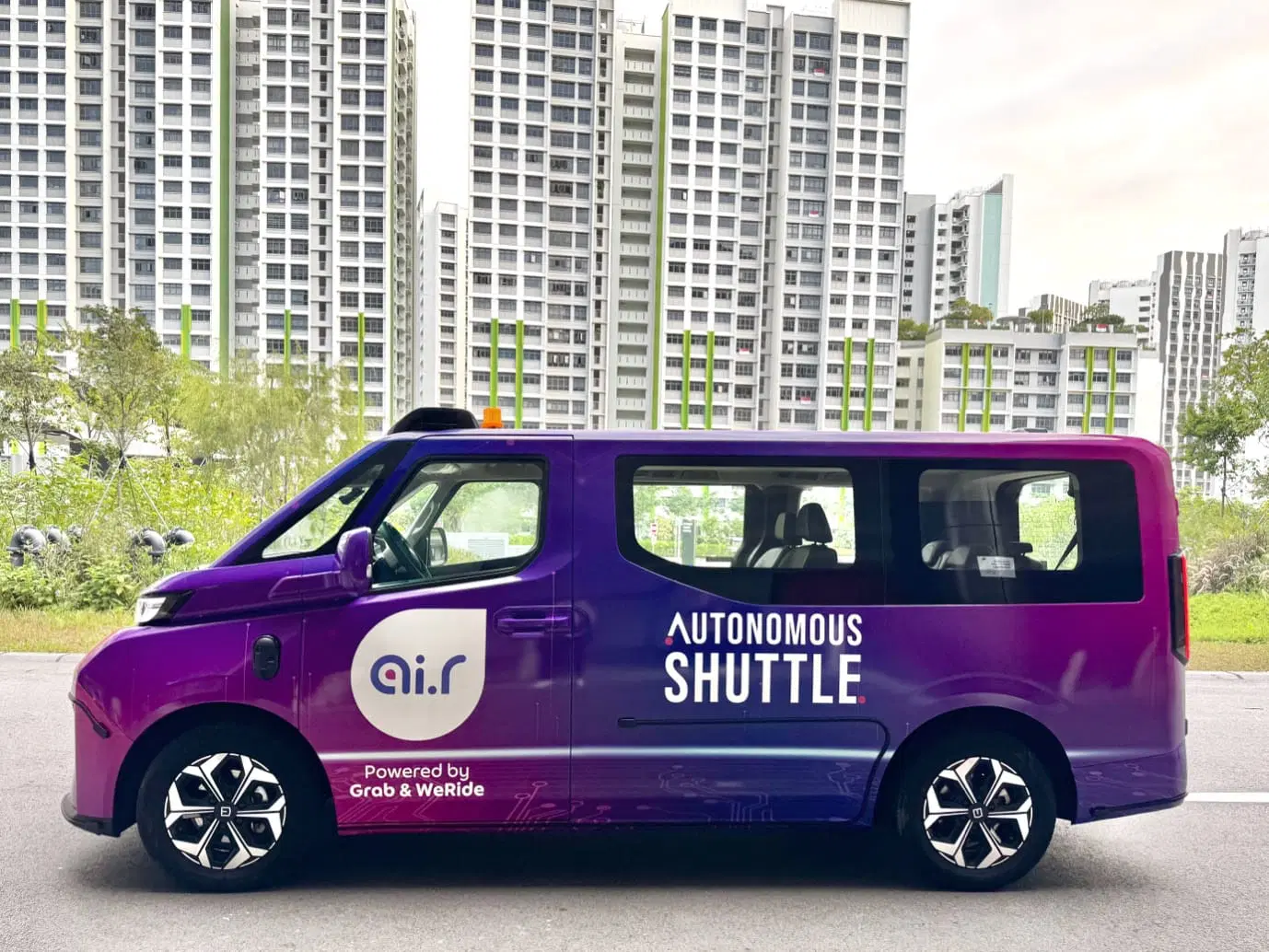
    Ride-hailing giant Grab has partnered with China’s WeRide, aiming to roll out services by early 2026. Meanwhile, Pony.ai is joining forces with Singapore’s ComfortDelGro, planning similar initiatives. The rapid developments signify Singapore’s ambition to become a focal point for autonomous driving technologies.

    Grab confirmed that it has received approval from local authorities to run two autonomous shuttle routes in the Punggol area. Passengers can expect to board WeRide’s five- and eight-seater vehicles following a thorough testing phase designed to fine-tune the service routes.

    WeRide recently secured a permit from the Shanghai municipal government, enhancing its credentials as it prepares to offer autonomous robotaxi services.

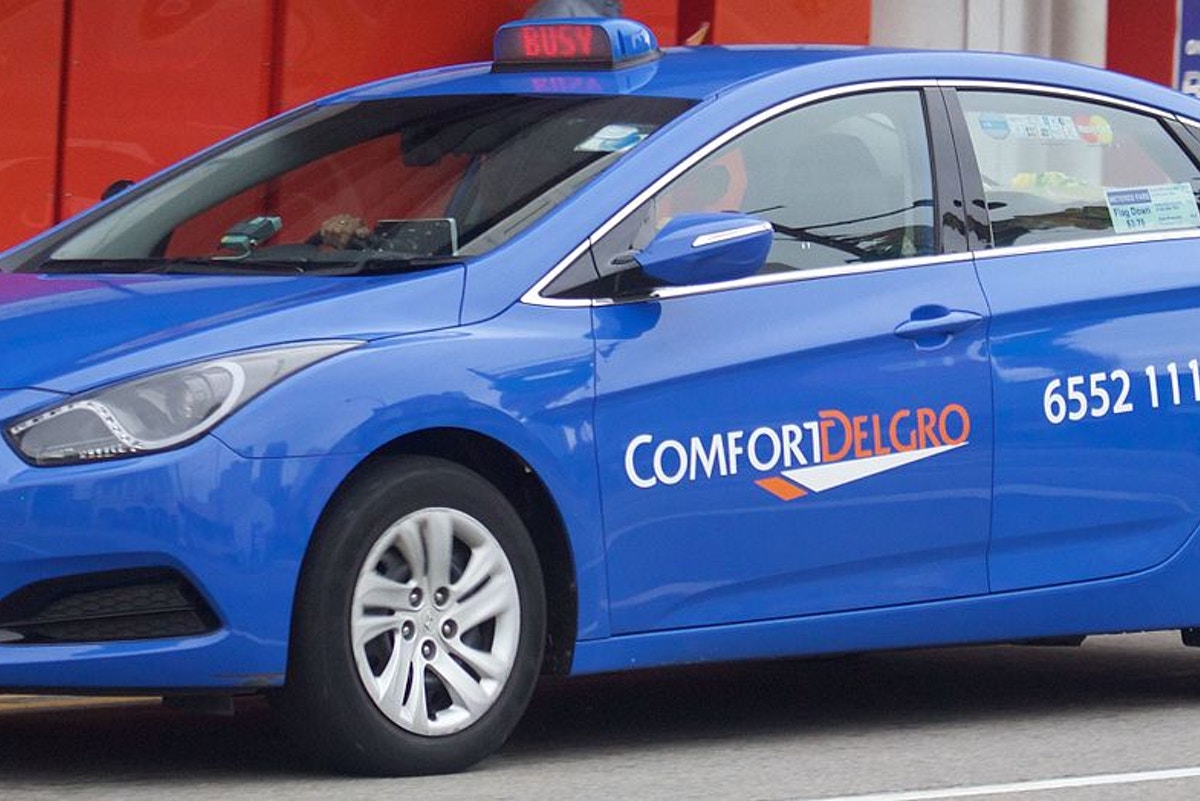
    On the other hand, Pony.ai announced its intention to offer services in Punggol with ComfortDelGro, with an ambitious plan to expand to nearby communities as soon as they clear regulatory hurdles. Singapore’s Land Transport Authority has outlined that Pony.ai and ComfortDelGro will service a 12-km (7.5-mile) route in Punggol, capturing the community’s attention with their innovative approach to transport.

    The Land Transport Authority has also recognized the robust capabilities of both WeRide and Pony.ai, noting their successful deployment of automated vehicles in various global markets.

    Currently, Pony.ai operates commercial robotaxis in four of China’s leading cities: Beijing, Shanghai, Guangzhou, and Shenzhen. The company, which has secured backing from Toyota Motor, is also looking to extend its driverless operations to South Korea and parts of Europe, fueled by a $260 million rise in funding following its Nasdaq listing last November. By year-end, Pony.ai aims to elevate its robotaxi fleet to 1,000 vehicles—talk about a drive for growth!

    The Singapore government, actively exploring autonomous technologies, is taking decisive steps in this direction, with Transport Minister Jeffrey Siow visiting Chinese autonomous driving firms in June to gather insights and bolster collaboration.

    Questions & Answers

    What companies are launching autonomous shuttle services in Singapore?
    Grab has partnered with WeRide, while Pony.ai is collaborating with ComfortDelGro to offer similar autonomous shuttle services.

    When will these services begin operations?
    Grab and WeRide plan to start their shuttle services in early 2026, whereas Pony.ai and ComfortDelGro are looking to commence within the coming months, subject to regulatory approval.

    What is the scope of Pony.ai’s operations?
    Pony.ai currently operates commercial robotaxis in major cities across China and is expanding its services globally, highlighting its ambition to grow its fleet significantly by the end of this year.
  • Singapore partner pulls out of Vietnam taxi joint venture

    Singapore partner pulls out of Vietnam taxi joint venture

    Singaporean transport firm ComfortDelGro has decided to sell its entire stake in the Vietnam Taxi Company to a local company and pull out of Vietnam.

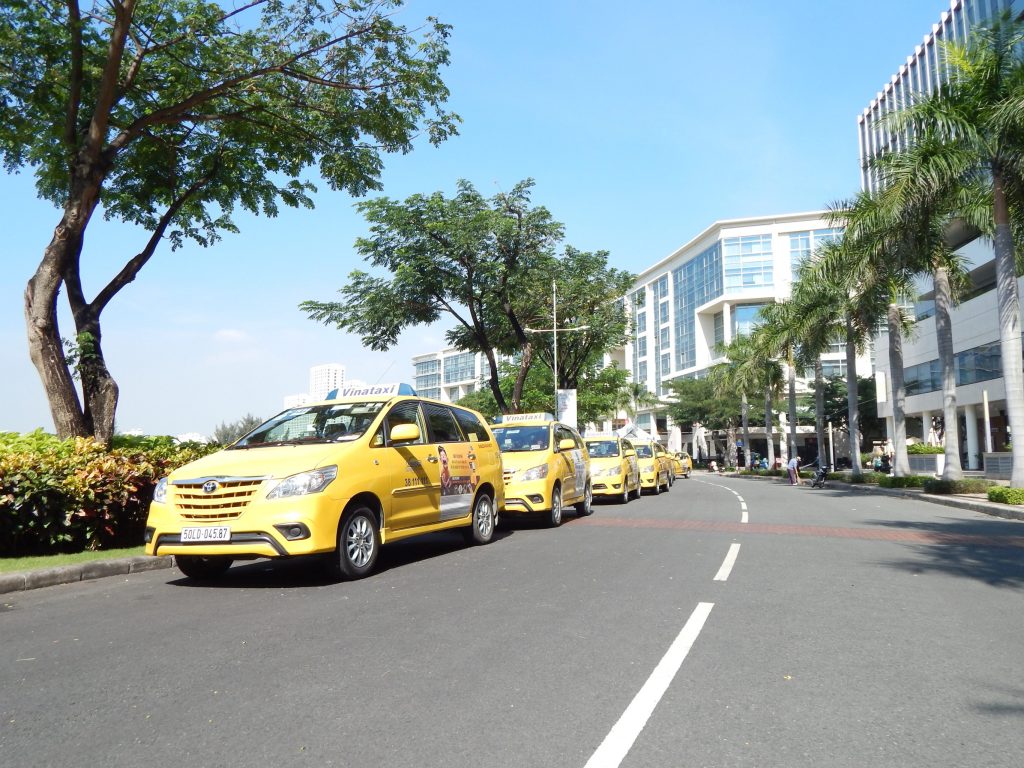
    Under a deal it has signed, it will transfer its 70-percent stake in Vinataxi to the HCMC-based Helios Service and Investment Joint Stock Company for VND55 billion ($2.4 million).

    Vinataxi was established in 1992 by Vietnamese firm Tracodi and Hong Kong company Tecobest Investment, which sold its share to ComfortDelGro in 2003.

    The company reported revenues of VND20 billion and a loss of VND7.6 billion in 2020.

    In 2018, ComfortDelGro and another local firm, Savico, would up their joint venture, ComfortDelGro Savico Taxi, unable to cope with the fierce competition from tech-based taxi operators.

    According to ComfortDelGro, the Vietnamese market fetched revenues of $500,000 in the first half of this year, or less than 0.1 percent of its total revenues.

  • ComfortDelGro Gets OCBC Green Loan

    ComfortDelGro Gets OCBC Green Loan

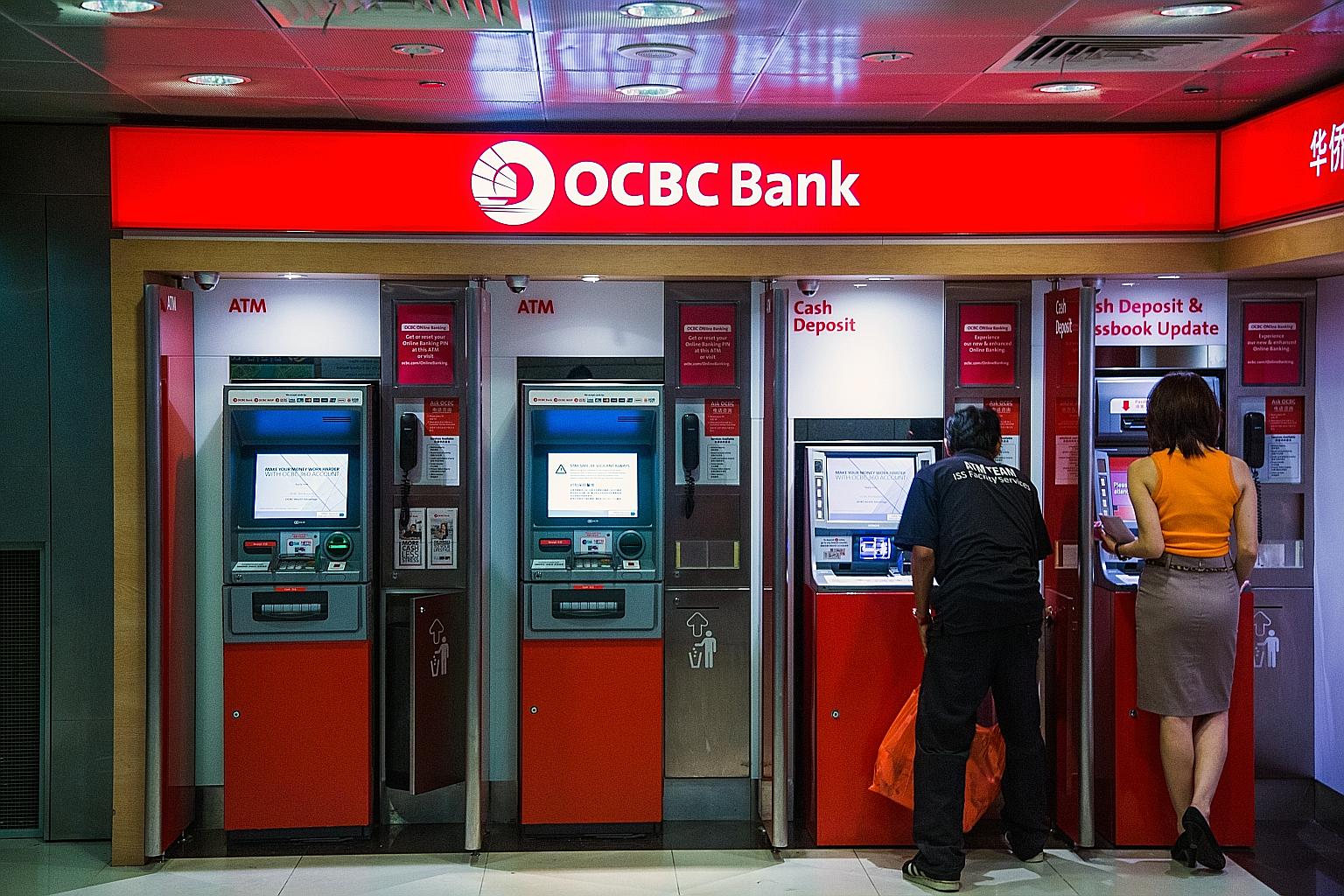
    The transport operator becomes the first Singapore land transport company to adopt a green loan, which will be used to finance its hybrid bus fleet in Melbourne, Australia. Singapore land transport operator ComfortDelGro’s Australia subsidiary has received a A$25 million ($17.2 million) green loan from OCBC Bank, a joint statement on Tuesday announced.

    The loan was structured in accordance with the Green Loan Principles issued in 2018 by the Loan Market Association and Asia Pacific Loan Market Association. It will be used to purchase 50 hybrid buses that use 30 percent less fuel and emit significantly less noise when idling.

    As an environment-conscious transport company, sustainability considerations are indeed at the core of our business strategy, and this green financing is a natural fit for us, Yang Ban Seng, managing director and Group CEO of ComfortDelGro, said in the statement.

    The ComfortDelGro was added to the Dow Jones Sustainability Asia Pacific Index (DJSI Asia Pacific), which serves as a benchmark for investors who integrate sustainability considerations into their portfolios, in September 2019.

    OCBC said the green loan is an important step towards its goal of building a S$10 billion ($7.42 billion) sustainable finance portfolio by 2022.

    «We hope this green loan by ComfortDelGro sends a positive message to encourage peer industry players to take steps to support sustainable urban development through green financing options,» Elaine Lam, OCBC’s head of Global Corporate Banking, said.

  • Singaporean firm’s taxi joint venture in Vietnam suffers losses

    Singaporean firm’s taxi joint venture in Vietnam suffers losses

    ComfortDelgro Savico Taxi, a joint venture between a Singaporean transport corporation and Vietnamese motor vehicle dealer, lost $103,000 last year. This figure is mentioned in the latest financial statement published this month by local retail, motor vehicle and parts dealer Savico, the Vietnamese joint venture partner. ComfortDelgro Savico Taxi has been in constant trouble in the last few years. After nearly ten years of operation, the joint venture had to restructure and upgrade its fleet to maintain an exploitation rate of 90 percent, which meant heavy investments.

    However, just when it was becoming profitable enough to offset cumulative losses of the previous years, the joint venture met fierce competition from ride-hailing start-ups Grab and Uber.

    Savico decided to close the taxi firm’s operations last March to preserve its capital. At closure time it had 352 cars but only 140 drivers.

    Following the joint venture’s closure, ComfortDelGro’s revenue in Vietnam fell to $3.3 million in 2018 compared to $6.8 million the previous year, down by more than half.

    ComfortDelGro’s Vietnam earnings now account for less than 1 percent of its total revenue. The firm also has business in Singapore, the U.K., Australia, China and Malaysia.

    According to financial statements, ComforDelGro’s non-current asset value in Vietnam has also fallen from $12.8 million in January 2017 to only $4.8 million in 2018.

    Although the Singaporean transport firm’s management did not give a reason for the fall, experts have not ruled out the possibility that it has already liquidated all its long-term assets in the joint venture and is waiting to complete dissolution procedures.

    ComfortDelgro Savico Taxi, formerly known as Tourism Taxi Savico Enterprise, was established in March 2005 as a joint venture between Savico (40 percent) and ComfortDelGro (60 percent) – a leading public passenger transport operator in Singapore.

    ComfortDelGro still owns a 70 percent stake in another local taxi firm called VinaTaxi, which takes up the third largest market share in the HCMC taxi market.

    However, last November, its Vietnamese partner, the Transport and Industry Development Investment Corporation (Tracodi), withdrew its 30 percent stake from the joint venture, citing poor business performance.