Tag: commercial banking

  • UCB Chairman-Linked Firms to Buy Tk 103 Crore Bank Stake

    UCB Chairman-Linked Firms to Buy Tk 103 Crore Bank Stake

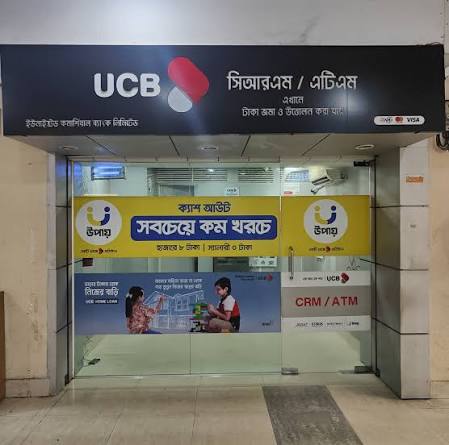
    Two industrial entities connected to United Commercial Bank PLC Chairman Sharif Zahir filed notice this week to acquire Tk 103.04 crore worth of the lender’s shares in Dhaka. The planned transaction follows regulatory approval allowing a single sponsor family to hold larger equity blocks.

    Ananta Denim Technology intends to buy 8.2 crore ordinary shares of the bank, while Z & Z Intimates plans to purchase 3 crore shares. Both buyers disclosed their intentions through the Dhaka Stock Exchange platform after central bank authorities widened ownership thresholds.

    Bangladesh Bank issued an exemption on Tuesday permitting an individual investor or family group to hold as much as 30 per cent of UCB’s paid-up capital. Under standard banking regulations, single investors face a 10 per cent cap.

    Central Bank Lifts Investor Ceilings

    The central bank relaxed the rules specifically to attract fresh capital into the institution following the dissolution of its previous board after political shifts in August 2024. Regulators are using equity waivers to stabilize balance sheets across commercial lenders whose legacy loan portfolios suffered from historical governance breakdowns.

    Trading Volume and Capital Outlays

    Shares of UCB climbed 9.52 per cent to finish at Tk 9.20 on the Dhaka bourse following the announcement. Based on the previous closing price, Ananta Denim Technology will deploy Tk 75.44 crore to complete its purchase, while Z & Z Intimates will spend Tk 27.60 crore.

    The apparel manufacturing firms tied to Zahir are absorbing equity directly from the secondary market. By purchasing listed units, the sponsor affiliates cement voting control while injecting market liquidity into a stock that traded near multi-year lows during broad financial sector restructuring.

    Balance Sheet Repair Across Private Lenders

    Private lenders across South Asia frequently rely on dominant industrial sponsors to recapitalize distressed asset books when sovereign backstops remain constrained. Bangladeshi manufacturing conglomerates, particularly export-driven apparel manufacturers, maintain operating cash flows capable of funding local equity injections that foreign private equity funds routinely bypass.

    Concentrating ownership risks returning the bank to single-family use, the very structure that forced regulatory crackdowns across the domestic sector earlier this year. For corporate depositors and commercial supply chain operators, however, a fortified balance sheet reduces funding uncertainty and stabilizes working-capital credit lines across apparel export networks.

    Subordinated Debt and Rights Issuance

    The sponsor purchases fit into a wider capital mobilization campaign launched by UCB’s reconstituted leadership. The institution is preparing a Tk 775 crore rights share issue to raise core equity from existing stockholders.

    Regulators are also reviewing the bank’s plan to issue a Tk 800 crore subordinated bond. That debt instrument ranks below general deposits and other liabilities, counting as secondary capital under central bank prudential frameworks.

    The lender must clear final approvals from capital market regulators for both the Tk 775 crore rights offering and the subordinated debt package before book-building commences.

  • Malaysia Allocates RM1 Million to Help Startups Tap Bank Loans with Patents

    Malaysia Allocates RM1 Million to Help Startups Tap Bank Loans with Patents

    Malaysia launched a RM1 million valuation fund on Wednesday. The money will help at least 50 small businesses and startups secure bank loans using intellectual property as collateral.

    The Intellectual Property Corporation of Malaysia will manage the pilot program. It covers upfront valuation costs for patents, trademarks, and proprietary technology required by commercial lenders.

    How the valuation subsidy operates

    Domestic Trade and Cost of Living Minister Datuk Armizan Mohd Ali introduced the facility at the National Intellectual Property Conference and Exhibition in Kuala Lumpur. Tech startups, software developers, and brand creators face frequent loan rejections. Their balance sheets carry intangible property rather than physical land or factory buildings.

    Appraisal fees typically run into thousands of ringgit per filing. By absorbing these costs, the ministry aims to create a pipeline of bank-ready assets. The intervention ties directly into an earlier RM10 million pilot debt scheme established with Malaysian Industrial Development Finance and the World Intellectual Property Organisation.

    “Active participation by commercial banks in adopting this new financial instrument is critical to creating opportunities for more local entrepreneurs. The RM10 million pilot project allows IP to be pledged directly as collateral, providing faster access to financing,” he said.

    Why commercial lenders stay cautious

    Commercial banks across Southeast Asia remain cautious lenders. Most risk models penalize unlisted tech assets. Secondary markets for liquidated software code and regional brand registrations lack clear pricing data.

    To address that structural gap, the government rolled out an accredited training curriculum called the IP Valuation Module. Certified domestic valuers will standardize asset assessments. Over time, that should lower private appraisal fees and reduce credit committee discounts on proprietary commercial assets.

    Mounting cash pressures on local operators

    Local enterprises face severe margin compression across manufacturing, retail, and tech services. Official labor figures recorded 42,000 job losses in the first half of the year, with 17,485 cuts linked directly to corporate downsizing. A Department of Statistics survey showed 68.1 per cent of businesses expect second-half gross revenue to stay flat or contract, squeezed by elevated shipping, energy, raw material, and compliance overheads.

    Retailers and digital brands also contend with steep price competition from cross-border low-value goods entering local marketplaces. Pledging registered intellectual property for working capital offers an alternative to equity dilution or high-interest unsecured borrowing.

    Execution targets under the national plan

    This initiative ties into the 13th Malaysia Plan and the MyIPO NextGen Strategic Transformation Plan through 2030. Both policy roadmaps require state agencies to convert public and private research spending into revenue-generating commercial entities.

    MyIPO closed the two-day conference by signing cooperation agreements with several international agencies to recognize local asset registrations across export destinations. The agency will monitor credit disbursements from the initial RM10 million loan pool through late 2026 before expanding the valuation subsidy to larger enterprise categories.

  • Indonesia Money Supply Hits Rp10.45 Quadrillion as Bank Lending Rises 13.3%

    Indonesia Money Supply Hits Rp10.45 Quadrillion as Bank Lending Rises 13.3%

    Bank lending across Indonesia reached Rp 9,019.3 trillion in August, driving an 8.2 per cent annual expansion in broad money supply to Rp 10.45 quadrillion.

    Total bank credit growth accelerated to 13.3 per cent year on year from 13.0 per cent in July, according to data released by Bank Indonesia.

    Corporate demand accounted for the bulk of new loan volumes. Business borrowing expanded 21.6 per cent from a year earlier, quickening from 20.9 per cent in July, while dedicated investment facilities grew 23.4 per cent over the same period.

    Corporate borrowing outpaces consumer appetite

    Consumer borrowing showed a different trajectory. Household credit growth softened to 5.0 per cent in August, down from 5.3 per cent in July, reflecting tighter household budgeting for discretionary purchases.

    Narrow money supply (M1), which tracks cash and transactional accounts readily available for day-to-day shopping, slowed to 9.0 per cent growth from 10.0 per cent in July to reach Rp 5,943 trillion. Quasi money, composed of less liquid store-of-value funds, gained pace, rising 6.5 per cent to Rp 4,426.2 trillion as foreign-currency demand deposits surged 11.8 per cent.

    For consumer brands and commercial retailers, this widening gap between enterprise borrowing and household debt points to a market where suppliers are funding production capacity faster than shoppers are taking on debt to buy goods. Retailers dependent on big-ticket financed spending face softer footfall conversion, while business-to-business suppliers benefit from funded industrial order books.

    Slump in vehicle financing tests consumer demand

    Auto financing took the sharpest hit among consumer categories. Motor vehicle loans fell 10.3 per cent year on year, extending a prolonged downturn across vehicle dealerships and related equipment supply chains.

    Mortgage lending remained in positive territory, growing 4.2 per cent. Total bank customer deposits reached Rp 9,732.8 trillion, holding steady at 7.7 per cent annual growth, led by a 9.5 per cent rise in consumer savings balances and a 9.4 per cent increase in current accounts.

    Automotive retailers and showroom operators across Southeast Asia have seen similar financing headwinds where high base borrowing costs discourage consumer installment plans. The risk sits squarely with durable-goods distributors holding high-ticket inventory against weakening consumer credit uptake.

    Commercial property and construction lead credit gains

    Property development emerged as a major bright spot for credit distribution. Overall property sector lending climbed 18.3 per cent year on year in August.

    Construction loans surged 49.5 per cent, while direct real estate lending increased 15.8 per cent. The rapid pace of physical build-outs continues to add retail floor space, logistics warehousing, and industrial park capacity across Java and regional hubs.

    Commercial landlords and mall operators are managing this new capacity at a time when tenant leasing decisions require careful assessment of local store profitability and retail basket sizes.

    Small business working capital stays constrained

    Financing for micro, small, and medium enterprises showed mixed signals. Total credit to the sector improved to 2.3 per cent growth from 1.6 per cent in July, supported by a 14.9 per cent rise in investment loans.

    Working-capital facilities for small merchants and local distributors contracted 3.1 per cent. The drop in short-term operational credit limits inventory procurement for neighbourhood trade and wholesale stockists.

    The August liquidity figures follow the decision by Bank Indonesia to maintain its benchmark interest rate at 5.75 per cent to protect the rupiah and anchor domestic financial stability.

    All eyes now turn to third-quarter bank earnings and September monetary aggregates to see whether small-business working capital can return to growth ahead of peak year-end retail inventory ordering.

  • Krungsri Targets 350 Billion Baht in Sustainable Finance as SME Transition Accelerates

    Krungsri Targets 350 Billion Baht in Sustainable Finance as SME Transition Accelerates

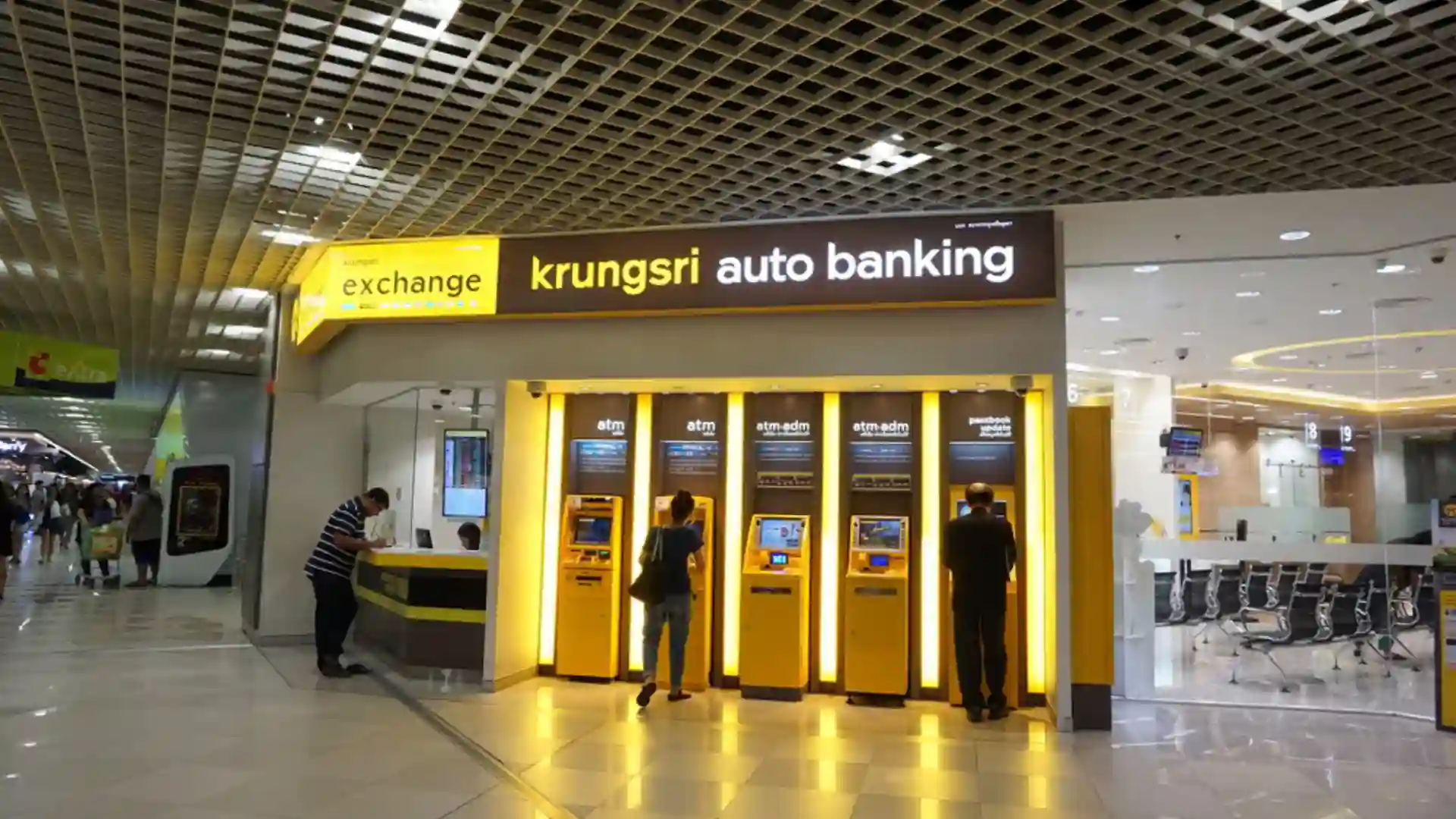
    Bank of Ayudhya completed the latest cycle of its business transition programme in Bangkok on Sept 16. The lender committed 350 billion baht in sustainable financing through 2030.

    Operating as Krungsri, Thailand’s fifth-largest commercial bank by assets evaluated transition roadmaps from local suppliers. It awarded five mid-sized companies for practical decarbonisation and circular economy projects.

    Held at The Okura Prestige Bangkok, the Krungsri ESG Minute of Changes gathered corporate participants from the bank’s training academy and awards programme. Krungsri runs the scheme to push commercial borrowers past broad net-zero pledges. The programme focuses on operational carbon cuts, waste conversion, and verified supply chain upgrades.

    Transition Roadmaps for Supply Chains

    Five commercial enterprises earned top honours after the bank evaluated plans to cut emissions and recover daily operational waste. The winners spanned food processing, retail property, agriculture, healthcare, and industrial recycling.

    In retail and commercial property, market operator Supavee Tumwattana Co restructured waste management across Yingcharoen Market. The business separated food waste, coffee grounds, orange peels, and used cooking oil into raw materials for commercial repurposing. That cut haulage volumes and municipal disposal costs.

    Industrial materials maker Mailaivijit Co developed ReFoam, a composite product manufactured directly from sawdust and discarded foam scraps. In food processing, S. Ruamthai Co redirected seafood byproducts into new product lines. The shift captured secondary revenue streams and eliminated disposal overheads.

    Agricultural supplier Thai Quality Starch Co built an integrated procurement system and distributed disease-free cassava planting stock to protect raw supply against crop loss. Meanwhile, Panapan Healthcare Co deployed commercial solar arrays. The installations cut grid power consumption and lowered operational emissions.

    Cross-Sector Scrutiny and Evaluation

    Shortlisted companies submitted transition strategies to a live pitching session before a multi-sector panel. The review board examined implementation viability, commercial competitiveness, policy alignment, and measurable environmental impact.

    Panel representatives came from the Federation of Thai Industries, the Thai Chamber of Commerce and Board of Trade of Thailand, Social Enterprise Thailand, the Department of Business Development, the Thailand Greenhouse Gas Management Organisation, the Office of SMEs Promotion (OSMEP), and Thammasat University.

    Technical training relied on corporate and advisory partners, including the Stock Exchange of Thailand, KPMG Thailand, the Board of Investment, Onnex by SCG, Schneider Electric, and Alto Tech. These specialists supplied data tools, energy management frameworks, and compliance audits. The tools helped participants structure viable capital expenditure plans.

    Krungsri President and Chief Executive Kenichi Yamato said: “Advancing sustainability is not simply about setting ESG targets. It is about turning transition plans into action and delivering tangible results, which requires collaboration across sectors.”

    Credit Allocation and Transition Risks

    Thai commercial lenders are shifting their approach from broad sustainability pledges toward rigorous project-level verification. For years, financial institutions across Southeast Asia marketed green credit facilities that mid-sized operators struggled to tap. Rigid reporting rules and vague return profiles blocked access.

    By integrating technical consultants and trade federations into the vetting process, the bank pre-qualifies suppliers for dedicated loan tranches. Kasikornbank and Siam Commercial Bank run similar programmes. Both rivals have rolled out tailored decarbonisation loans for exporters facing strict overseas supply chain audits.

    Execution remains the primary commercial risk for smaller suppliers. Rising capital expenditure on solar arrays, waste-sorting machinery, and certified agricultural stock must deliver clear margin gains. Trade volatility, raw material inflation, and changing European import rules continue to squeeze operating cash flows.

    For manufacturers, failure to decarbonise risks outright exclusion from multinational supply contracts. For lenders, unsecured transition lending requires close technical monitoring. Capital spending must translate into verified carbon cuts rather than balance-sheet stress.

    The Path to 2030 Targets

    Since 2023, Krungsri has run its sustainability academy and awards format annually. Over the past three years, the platform expanded from classroom instruction into an operational incubator for commercial and industrial banking clients.

    This initiative forms a core part of the bank’s domestic systemic banking mandate in Thailand. As the country works toward its 2050 Net Zero target, heavy industries, transport networks, and commercial supply chains face tighter regulatory demands to document emissions cuts.

    Borrowers will now deploy the awarded transition blueprints as the lender works toward its 350 billion baht sustainable finance target for 2030.

  • Taiwan Holds Rates at 2 Percent and Eases Property Curbs

    Taiwan Holds Rates at 2 Percent and Eases Property Curbs

    Taiwan’s central bank kept its benchmark interest rate at 2 percent yesterday for a tenth straight quarter. At the same time, officials eased mortgage caps and land financing rules across the island.

    That decision leaves the collateralized lending rate at 2.375 percent and the short-term lending rate at 4.25 percent. The policy stance has held steady since 2024.

    Alongside the pause, policymakers raised the maximum loan-to-value cap on second-home purchases to 70 percent from 60 percent. They also scrapped a December 2021 rule requiring developers with land-purchase loans to break ground within a strict timeframe. Commercial lenders have enough experience managing real-estate risk now, Governor Yang Chin-long said. That gives the authority room to ease credit curbs without upsetting market stability.

    Cooling Mortgages and Shifting Developer Terms

    Commercial bank exposure to property debt has retreated steadily. Real-estate lending fell to 34.44 percent of total bank credit at the end of July, down from 35.56 percent in March and 37.61 percent in June 2024. Speculation has cooled. First-time buyers now take up a larger share of new mortgages, and builders are shifting capital into urban renewal.

    Dropping the construction deadline lifts a direct penalty on builders facing site bottlenecks. Developers across Taiwan grapple with labor shortages and hurdles disposing of excavated soil, problems that previously put land loans in breach. The change lets firms pace projects to real buyer demand rather than arbitrary regulatory clocks.

    Lenders Regain Flexibility in Construction Financing

    For retail lenders, the higher 70 percent loan cap unlocks credit in the secondary residential market. It helps upgrade buyers who were shut out by the older 60 percent limit. Risk remains under control. Banks still use the strict underwriting standards built over four years of tight oversight.

    Private capital in Taiwan is flowing into commercial and industrial projects backed by tech supply chains. The central bank widened its target ceiling for broad money supply growth to 6.75 percent from a 2.5 to 6.5 percent band, citing heavy spending on artificial intelligence hardware and active stock trading. Residential developers must now compete against high-yielding corporate borrowers for funds.

    Inflation Expectations Anchor Policy Path

    Central bank officials want to rein in price pressures without stifling domestic output. They raised the full-year economic growth forecast to 11.48 percent on robust tech export orders. Consumer price inflation is projected at 2.03 percent this year, with core inflation at 2.16 percent. Both figures remain just above the 2 percent target.

    A board majority voted to hold rates, though two members dissented in favor of a hike to curb persistent costs. Yang said global risks, particularly energy threats from Middle East tensions, warrant keeping borrowing costs steady until inflation cools further.

    Growth Outlook Points to 2027 Moderation

    Growth is expected to slow to 5.82 percent next year as export gains normalize against high base numbers. Consumer inflation should slide below 2 percent over that stretch, setting up the threshold board members will track before moving borrowing rates.

  • Japan’s Positive Rates Lift Major Bank Earnings

    Japan’s Positive Rates Lift Major Bank Earnings

    Japan’s return to positive rates is supporting major banks’ ability to generate more sustainable earnings from domestic banking activities, according to Fitch Ratings.

    The positive rates remove banks’ long-standing constraint on profitability and internal capital generation, the credit rating company said in a September 2026 commentary.

    Fitch expects this benefit to outweigh higher bond valuation losses, rising deposit costs and gradually higher borrower debt-servicing burdens over the next one to two years.

    Asset Yields Outpace Funding Costs

    Lenders are reallocating liquid assets into higher-yielding domestic instruments as negative interest rate policies recede. Rising income from domestic loans and newly purchased government bonds provides immediate relief to net interest margins, counteracting the initial portfolio write-downs caused by falling bond prices.

    Deposit costs are edging higher across commercial networks, but the pace of increase remains disciplined. Major lenders retain large pools of low-cost retail deposits that adjust more slowly than wholesale market funding, preserving a profitable spread on new corporate loans.

    “We expect this benefit to outweigh higher bond valuation losses, rising deposit costs and gradually higher borrower debt-servicing burdens over the next one to two years,” Fitch said.

    Corporate Balance Sheets and Debt Burdens

    Borrower balance sheets entering this cycle look stronger than in previous tightening eras. Japanese corporations spent years reducing use, leaving balance sheets insulated against gradual rate increases and enabling them to fund working capital from domestic cash flow.

    Household finances show similar resilience despite the initial repricing of floating-rate home loans. Large household savings balances, combined with real wage increases across major metropolitan employers, prevent an immediate spike in non-performing retail loans.

    Credit costs at the largest financial groups will remain contained, though vulnerability is concentrated in specific corners of the market. Small domestic enterprises operating on tight margins face cash flow pressure, while regional lenders with heavy exposure to real estate and floating mortgages face higher delinquency risks than the national megabanks.

    Shifting Away From Negative Rates

    The transition marks the end of an era where Japanese lenders sought returns overseas to offset stagnant margins at home. For years, domestic institutions deployed capital into foreign syndicated debt and offshore commercial property to sustain profitability, absorbing currency hedging costs that frequently eroded net yields.

    Domestic lending has now reclaimed its role as the primary driver of core banking profits. Higher base rates give institutions the headroom to price credit based on borrower risk rather than competing in a race to zero, reshaping commercial lending across Tokyo, Osaka and regional manufacturing hubs.

    Attention now shifts to the credit performance of used small businesses as quarterly repayments reset, alongside plans by Japanese megabanks to roll out joint digital-currency transaction platforms by March 2027.

  • ByteDance Secures $29.6 Billion Loan After Strong Bank Demand

    ByteDance Secures $29.6 Billion Loan After Strong Bank Demand

    ByteDance secured a $29.6 billion syndicated loan after lenders offered commitments well above the company’s initial borrowing targets. The Chinese technology group originally sought a $20 billion facility before expanding the final size to meet institutional demand.

    Upsizing the Debt Facility

    Lenders lined up to back the transaction, prompting the owner of TikTok and Douyin to take on nearly $10 billion more than planned. The facility ranks among the largest corporate loans raised by a private technology firm globally.

    Strong participation from regional and global banks enabled the expansion. The company has routinely tapped debt markets to manage working capital, refinance existing obligations, and finance server infrastructure across its consumer platforms.

    Lending Demand Across Asia

    Large-scale technology refinancings in Asia have drawn steady interest from commercial lenders seeking investment-grade corporate credit. For ByteDance, expanding the facility secures balance sheet liquidity without requiring immediate equity dilution or public market listings.

    Syndication records will detail the breakdown of participating institutions and the repayment timeline across the multi-billion-dollar tranches.

  • Techcombank CEO Jens Lottner Earns $650,000 in First Half

    Techcombank CEO Jens Lottner Earns $650,000 in First Half

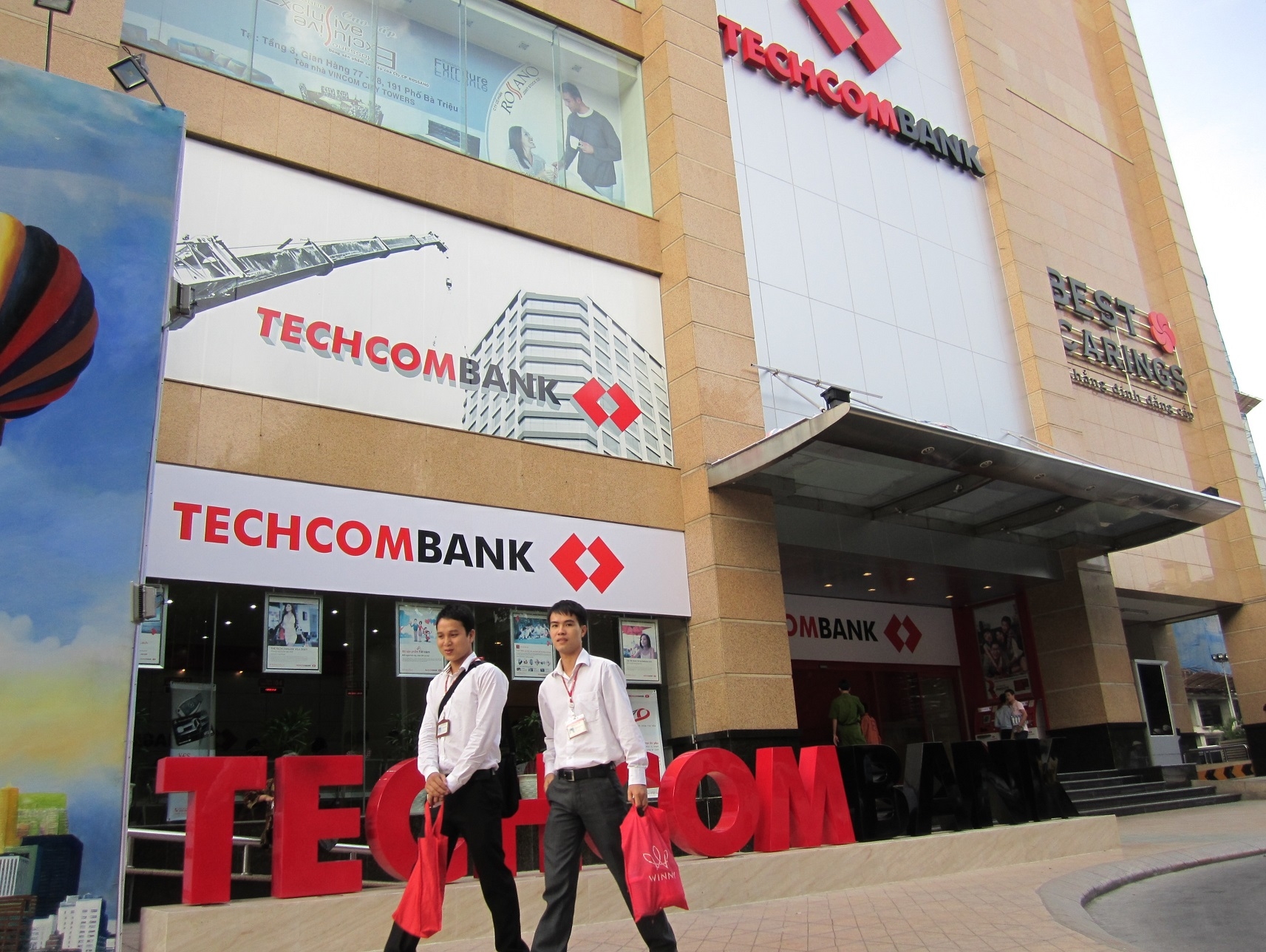
    Techcombank chief executive Jens Lottner earned nearly VND17 billion ($650,000) in the first half of 2026, marking a 29 per cent pay increase from a year earlier.

    The figure accounted for more than half of the VND32.9 billion the Hanoi-based private lender paid across its executive leadership, board of directors, and supervisory board during the six-month period.

    Executive compensation at Techcombank

    Reviewed half-year financial statements show total leadership remuneration grew by more than 6 per cent year on year. Lottner personally received VND16.9 billion in salary and performance bonuses, averaging roughly $108,000 a month.

    General staff pay shifted upward at a slower pace. Bank employees earned an average of VND46 million a month in total compensation over the same six months, up 4.5 per cent from the prior year.

    International leadership in Vietnamese banking

    Lottner, a German national with a doctorate in economics from Dresden University of Technology, took the helm at Techcombank in August 2020. His career spans three decades in financial advisory and commercial banking across Asia and Europe, including tenures at McKinsey & Company, Boston Consulting Group, and Siam Commercial Bank in Thailand.

    Private lenders across Southeast Asia have consistently relied on senior expatriate executives to overhaul consumer banking, digital platforms, and credit underwriting. Securing that regional experience requires compensation packages that sit well above local market baselines.

    Investors now look to Techcombank’s third-quarter earnings disclosures to assess whether retail loan growth and fee income justify the bank’s operational spending.

  • Sammilito Islami Bank Files 10,000 Lawsuits to Recover Bad Debt

    Sammilito Islami Bank Files 10,000 Lawsuits to Recover Bad Debt

    Sammilito Islami Bank PLC has filed nearly 10,000 lawsuits across Bangladesh to recover defaulted loans following the state-backed merger of five troubled Islamic lenders.

    The newly formed entity began operations with a paid-up capital of Tk 35,000 crore, backed by Tk 20,000 crore from state coffers and Tk 15,000 crore from depositors. Legal filings form the primary pillar of the recovery push, supported by alternative dispute resolution mechanisms and a formal exit policy supervised by Bangladesh Bank.

    Forensic Audits and Depositor Access

    Bangladesh Bank confirmed that a comprehensive forensic audit is nearing completion. The investigation targets loan fraud, asset misappropriation, and operational irregularities carried out under the prior ownership and management of the merged institutions. The central bank’s Bank Resolution Department reviewed recovery milestones during a progress assessment this week.

    Individual depositors will gain access to their principal amounts from selected deposit accounts starting September 1. Regulators confirmed that depositors will face no haircut on their accrued profits when accessing those funds.

    The creation of Sammilito Islami Bank combined First Security Islami Bank, EXIM Bank, Social Islami Bank, Global Islami Bank, and Union Bank under the Bank Resolution Ordinance 2025. Consolidating five damaged balance sheets into a single state-owned Shariah lender represents Dhaka’s most aggressive intervention to date in halting systemic liquidity contagion.

    Branch Network and Staff Integration

    Restructuring now extends to physical networks and personnel. Regulators have reconstituted the bank’s board of directors with a focus on independent directors while rationalising roles across roughly 16,000 employees.

    Engineers recently deployed a unified IT interface across all five legacy institutions, enabling retail customers to draw funds from any location. Operational integration is currently underway across 780 branches and 1,500 business units nationwide.

    Bangladesh Bank’s resolution team will maintain regular monitoring sessions to track asset recovery numbers and enforce structural milestones through the final quarter of the year.

  • Citi Commercial Bank Opens China Desk in Singapore

    Citi Commercial Bank Opens China Desk in Singapore

    The new China desk in Singapore adds to CCB’s network of six Asia desks in the region, which supports clients’ banking needs across intra-Asia growth corridors.

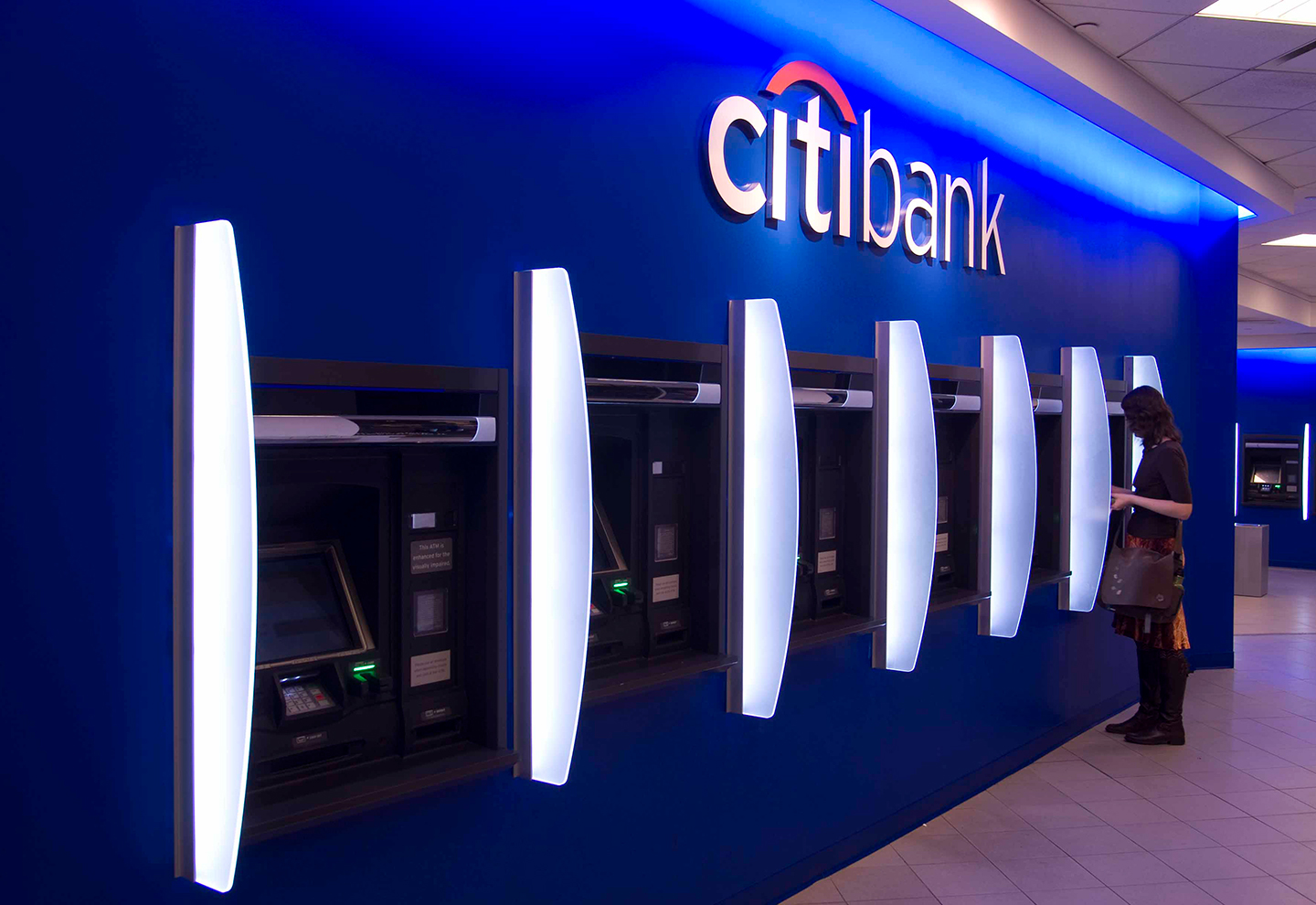
    Citi Commercial Bank (CCB) Asia Pacific has set up a China desk in Singapore, facilitating access to the cit-state and wider ASEAN region for emerging corporates from China, it announced on Monday.

    Mona Zhang, previously parent account manager for mid corporates in CCB China’s office, is leading the desk. Zhang brings a wealth of knowledge and experience in understanding the business landscape in China and serving the needs of Chinese corporates.

    She will build the bank’s relationships with China-based clients and support their expansion plans into Singapore and as well as the rest of ASEAN, Citi said in a statement.

    Citi highlighted CCB’s growth across China to Singapore as well as China to ASEAN corridors. Last year, it more than doubled revenue in the China to Singapore corridor, supported by 35 percent growth in new client acquisition. Momentum in new client acquisition also resulted in a doubling of revenue in the China to ASEAN corridor last year, Citi said.

    Singapore and the broader ASEAN region are key markets for growth for expanding Chinese emerging corporates. A majority of these clients set up holding companies in Singapore for their ASEAN units, with the market serving as a treasury and funding hub, Lin Hsiu-Yi, CCB ASEAN and Singapore head, said.

    Other CCB desks in the region include a Korea desk in China, Hong Kong, India and Vietnam; a Greater China desk in Hong Kong; and a China desk in India.