Tag: commercial leasing

  • Australia Post Signs 99-Year Lease to Transform Brisbane GPO

    Australia Post Signs 99-Year Lease to Transform Brisbane GPO

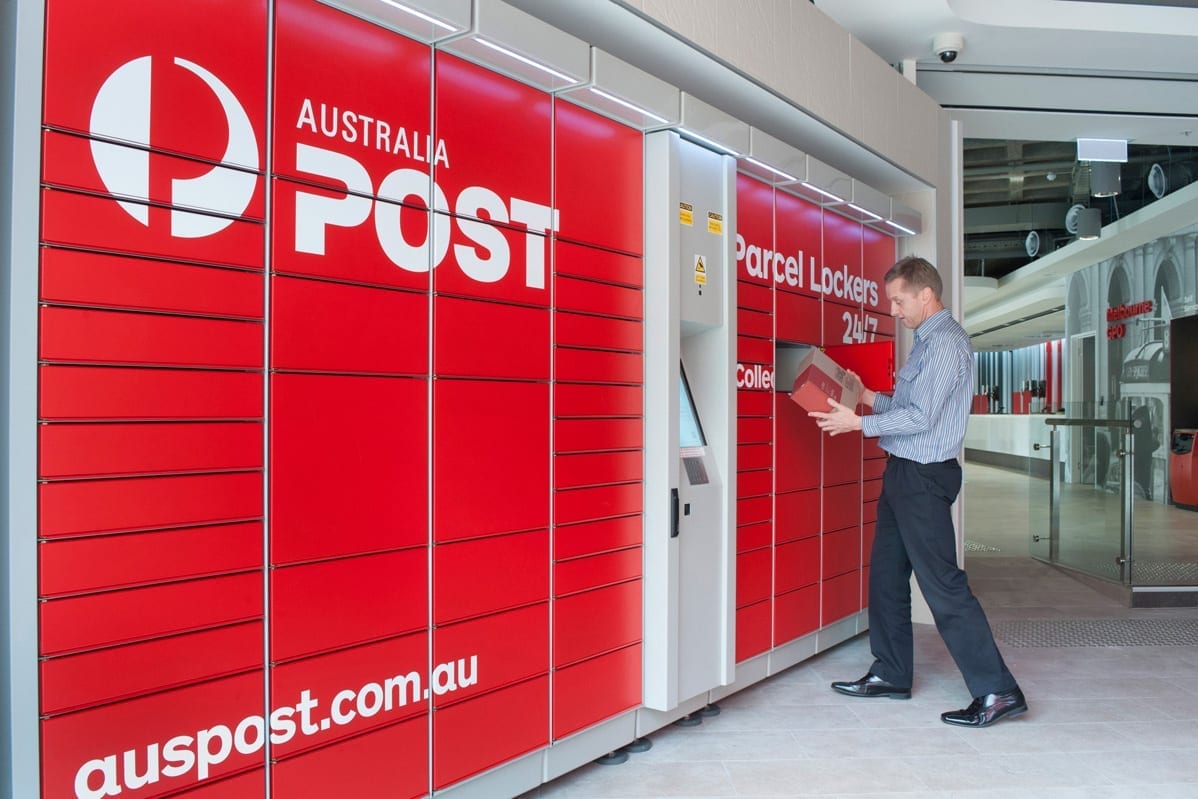
    Australia Post finalized a 99-year leasehold agreement in October 2026 to transform Brisbane’s heritage-listed General Post Office into a mixed-use retail and commercial precinct.

    Real estate investment management and advisory firm Mackwell secured the long-term lease for the 1872 property at 261 Queen Street, marking the first time the site has been offered to the market.

    Under the agreement, Mackwell will reconfigure the historic building into new office accommodation and retail spaces. Australia Post confirmed it will retain its full suite of postal services within the precinct without interrupting regular trading hours. CBRE Capital Markets, Offices, Queensland brokered the transaction.

    Queen Street Mall Link and Commercial Strategy

    The overhaul connects the property directly with foot traffic from the adjacent Queen Street Mall retail corridor. Australia Post Group Chief Financial Officer Craig Roberts said the deal allows the state-owned postal operator to monetize dormant floor area.

    “We know how important our services are to the community and the Post Office will continue to operate from this site, ensuring CBD workers and residents have easy and convenient access,” said Craig Roberts, Australia Post Group’s CFO.

    Mackwell Managing Director John Robson intends to pitch the heritage asset as high-end boutique commercial space. Preserving stone masonry while cutting in modern building services and vertical circulation will form the primary engineering cost.

    Capital Recycling Ahead of the 2032 Games

    State infrastructure authorities and commercial property developers are racing to modernise Brisbane’s central business district before the city hosts the 2032 Olympic Games. Private capital continues chasing inner-city parcels that carry established foot traffic rather than speculative peripheral builds. Long-dated ground leases offer public corporations upfront liquidity while retaining freehold title over crown land.

    For regional retail landlords, the entry of refurbished character space places pressure on standard institutional office towers along Queen Street. Heritage retail tenancies often command rental premiums from luxury fashion and food operators seeking distinct architecture rather than standard mall shells. Mackwell carries the leasing risk if corporate tenant demand for central Brisbane floor space softens during construction.

    Operational Counter Hours and Next Steps

    The building was purpose-built for the Australian postal network in 1872. The public entity has spent the last decade rationalising physical post shops as parcel volumes eclipse traditional letters, offloading or repurposing metropolitan real estate to fund automated parcel hubs.

    Counter operations at 261 Queen Street will maintain existing schedules during early construction work, trading Monday through Friday from 8:30am to 5:00pm and Saturday mornings until 12:30pm. Mackwell will submit formal heritage architectural filings and tenancy configurations to local planning authorities before physical building works commence on site.

  • Asian Brands Drive Tokyo Retail Vacancy to Zero as Ginza Rents Hit 298,000 Yen

    Asian Brands Drive Tokyo Retail Vacancy to Zero as Ginza Rents Hit 298,000 Yen

    Asian consumer brands pushed street-level retail vacancies to zero across three of Tokyo’s four premier shopping districts during the second quarter, driving contract rents to record highs.

    Roadside retail vacancy in Shinjuku dropped to 0%, matching Ginza and Shibuya, while Omotesando-Harajuku fell to 0.1%, according to quarterly market data from CBRE.

    Regional fashion, fragrance and lifestyle labels are competing directly with established European and American luxury houses for ground-floor space. In Ginza, average monthly contract rents reached 298,000 yen ($1,881) per 3.3 square metres in the April-June quarter, a 0.7% increase from the previous year. Rents in Omotesando-Harajuku rose 1.6% to 256,000 yen per unit, while Shibuya climbed 2.7% to 187,000 yen. Shinjuku posted a 2% gain, also reaching 187,000 yen.

    Surging Demand Outbids Asking Prices

    Leasing agents report that intense competition is forcing tenants to pay above initial landlord rates to secure prime foot traffic. Bidding wars between incoming international retailers and domestic operators have pushed final transaction values past listed rates across core commercial arteries.

    Asian brands made up 17.5% of all companies planning to open roadside stores in major Japanese cities within twelve months as of June, nearly doubling from 9.3% in June 2025. This influx has depleted available high-street supply, leaving landlords with waiting lists for prime corners.

    Retailers treat Tokyo flagships as international marketing platforms rather than simple revenue outposts. Brands from South Korea and Southeast Asia use high-visibility stores in Harajuku and Aoyama to build credibility with both domestic Japanese shoppers and overseas tourists before expanding into broader Asian and Western markets.

    New Flagships Anchor Core Corridors

    South Korean apparel label Matin Kim, operated by e-commerce company Hagohaus, opened a standalone store in Harajuku in April after testing customer demand through temporary pop-up locations. Securing the space took twelve months of negotiations amid minimal market turnover.

    Thai luxury fragrance maker Panpuri, operating under Japanese cosmetics group Kose Holdings, opened an Aoyama flagship in August. The location offers bespoke fragrance blending on the ground floor and is scheduled to add a second-floor wellness spa later this month. Panpuri runs 31 stores across Thailand and selected Tokyo as its primary vehicle for international exposure.

    South Korean eyewear brand Gentle Monster has also broadened its footprint in the capital. The company added a street-level store in Ginza in August last year, following its initial Japanese opening in Aoyama in 2024.

    Shift in Tenant Mix and Landlord Power

    For commercial landlords, the aggressive arrival of Asian lifestyle names diversifies retail corridors long dominated by Western fashion conglomerates. Property owners in Omotesando and Ginza now have alternative tenant pools capable of absorbing record per-tsubo rental rates on multi-year commitments.

    The shift carries operational risks for incoming brands unfamiliar with Japan’s steep operating costs. High renovation expenses, rising staffing outlays and climbing rent hurdles require sustained sales volume once initial opening hype fades. Independent labels relying solely on tourist traffic remain vulnerable to foreign exchange fluctuations.

    Rival retail operators in Seoul and Singapore face increased pressure as Tokyo reasserts its role as the preferred testing ground for regional flagship concepts. Brands that previously targeted Hong Kong or Singapore for their primary cross-border show now allocate capital expenditure to Tokyo’s central wards to reach a denser mix of affluent Asian travelers.

    Expanding Store Pipelines

    Demand began accelerating late last year as inbound travel volumes rebounded and pedestrian traffic returned to pre-2020 levels across Tokyo’s transport hubs. Early retail entrants absorbed secondary side-street units throughout late 2025 before escalating their bids for main-street roadside frontage in early 2026.

    Brokers expect supply constraints to persist through the final quarters of the year. With virtually no new street-level retail development underway along Omotesando-dori or Ginza’s Chuo-dori, prospective tenants must wait for lease expiries or buyout opportunities.

    Leasing negotiations now turn toward early 2027 handover dates, with several regional fashion groups actively seeking ground-floor locations across Shibuya and Harajuku before year-end property allocations close.

  • Seoul District Expands Corporate Chain Ban Across 232 Seongsu Land Parcels

    Seoul District Expands Corporate Chain Ban Across 232 Seongsu Land Parcels

    Seoul’s Seongdong District will bar large corporate food and beverage franchises across 232 commercial land parcels in Seongsu-dong starting this December. The decision widens municipal zoning controls to protect independent operators.

    Targeted areas include key commercial arteries along Bangsongdae Street and sections of Yeomujang Street. Previous restrictions applied only to Seoul Forest Road.

    Under the revised rules, standard restaurants, cafes and bakeries run by corporate chains cannot open new outlets within designated zones. They must fall below statutory size thresholds or secure approval from a local resident committee. District officials also designated 82 of those parcels for strict architectural preservation. Developers and tenants there must maintain red-brick facades reflecting the area’s history as a shoemaking and auto-repair hub.

    Targeting High Rents and Franchise Homogeneity

    Municipal planners designed the intervention after unchecked commercial rents hollowed out other fashionable Seoul enclaves over the past decade. Garosu-gil in Sinsa-dong and Samcheong-dong near Gyeongbok Palace both lost footfall when corporate flagships displaced independent artisans. Lease rates surged, leaving behind high commercial vacancies.

    Officials intervened early in Seongsu’s core corridors to keep commercial rents manageable for creative tenants. The decision closes off lucrative foot-traffic streets to multi-unit food operators and international retail groups. These companies must now push expansion toward secondary retail nodes or adopt smaller store formats.

    Regulating Pop-Up Retail and Temporary Leases

    The revised Sustainable Community Plan is the district’s first comprehensive policy overhaul in nearly ten years. Beyond standard retail leasing, the framework tackles short-term pop-up shops. Rapidly proliferating pop-ups have driven up temporary rents and created friction with permanent neighborhood businesses.

    District administrators plan to set up public-run pop-up spaces, publish standardized operating rules for temporary venues and inspect commercial corridors weekly. Property management will shift toward a private-led governance structure called Seongsu Town Management. That framework gives local shop owners and residents direct oversight of commercial activity.

    “Seongsu-dong’s core competitiveness lies in the unique personality and diversity built together by its local community,” said Seongdong District chief Ryoo Bo-hwa. “Through these policies, we will ensure that Seongsu-dong retains its distinct charm while allowing the local community and local businesses to grow together sustainably.”

    The Precedent Set for Commercial Real Estate

    Landlords along Yeomujang Street face tighter leasing rules that limit tenant pools to independent concepts and approved small operators. These restrictions prevent sudden rent spikes from corporate bidding wars. However, they also cap immediate yields for property owners who previously relied on corporate F&B chains for long-term leases.

    The policy tests whether municipal zoning can protect artisanal shopping streets from displacement without choking off private capital. Retailers and investors now turn their attention to resident review committees, which will begin processing initial exemption applications when the rules take effect in December.

  • Average of 382 Minors Registered as Business Heads in South Korea

    Average of 382 Minors Registered as Business Heads in South Korea

    South Korean corporate registries listed an annual average of 382 minors as company heads between 2021 and 2025. The figure comes from National Health Insurance Service records released on Monday.

    Around 21 of those minor representatives drew annual salaries topping 100 million won ($72,200). That group included at least one child aged five or younger.

    Concentration in property and retail entities

    State health insurance data obtained by lawmaker Moon Jin-seok of the Democratic Party of Korea showed 1,909 total minor registrations over the five-year period. The total reflects workplace enrollments where minors were registered as executive representatives. Individual children may appear across multiple years.

    Older children formed the largest cohort. An average of 151 representatives were aged 11 to 15, while 129 were aged 16 to 18. Another 81 were aged six to 10, and 22 were aged five or younger. Among the 21 minors earning more than 100 million won each year, 12 were aged 11 to 15, six were aged 16 to 18, two were aged six to 10, and one was five or younger.

    Corporate filings reveal the listings sit almost entirely in asset-holding vehicles. Of the 100 highest-earning minors examined across the five years, 95 ran businesses in real estate, leasing and commercial services. Four operated in wholesale, retail and consumer repair. One ran a manufacturing business.

    Capital region dominates executive listings

    Seoul accounted for the vast majority of registrations, averaging 237 minor heads per year. Surrounding Gyeonggi Province logged 69. Incheon recorded 23, and the southern port city of Busan registered 19.

    These figures point to family-owned holding structures in metropolitan property markets rather than operating businesses run by young founders. Wealthy families in South Korea routinely establish corporate entities to hold commercial properties, retail shopfronts and land parcels to manage inheritance and gift tax exposure.

    Scrutiny over family income transfers

    Such practices complicate oversight for tax authorities and corporate regulators tracking intergenerational wealth transfers. Appointing non-working minor children as corporate representatives lets family offices distribute operational cash flow, salaries and corporate dividends across multiple tax brackets.

    Regulators across East Asia are checking whether nominal company heads perform actual management functions. For retail landlords and commercial property developers, dealing with entities fronted by underage representatives creates friction during contract execution, lease renewals and legal compliance filings.

    Calls for joint tax investigations

    Moon called on the National Tax Service and the NHIS to launch joint investigations into the practice. The inquiry would determine whether family-run corporations use representative registrations to disguise taxable gifts and shift parent earnings to children.

    Commercial law does not bar minors from holding corporate representative titles. Even so, tax regulators are weighing audits to test whether salaries paid to underage executives match bona fide operational duties.

  • Hang Lung Properties Posts Single-Digit Sales Growth in July

    Hang Lung Properties Posts Single-Digit Sales Growth in July

    Hang Lung Properties recorded single-digit sales growth across its Hong Kong shopping centres in July. A pipeline of tenant openings is scheduled for the fourth quarter.

    Chief executive Weber Lo Wai-pak expects the market recovery to gather pace over the next 18 months as newly leased shop units complete fit-out works.

    Carving Up Flagship Floorplates in Causeway Bay

    Leasing demand in Causeway Bay is shifting to smaller formats rather than single-tenant megastores. At Fashion Walk, the landlord broke up the four-level, 4,274-square-metre space at Hang Lung Centre. Swedish fast-fashion retailer H&M previously occupied the site, exiting in late February when its lease expired.

    Local pharmacy operator Lung Fung Group took over the ground floor. Mainland Chinese womenswear label W. Management leased the first and second floors. Upper levels are being converted into food and beverage concepts.

    Hong Kong shopping malls need to focus on getting the fundamentals right and offering the public new products and activities.

    Adriel Chan, chair of Hang Lung Properties, said fresh brand commitments show sustained confidence in local commercial real estate. Chief executive Weber Lo Wai-pak confirmed foot traffic responds when operators refresh tenant rosters and run targeted events.

    Kowloon Bay Footbridge Drives Neighborhood Traffic

    Decentralised retail assets are generating faster occupancy gains than prime tourist high streets. At Amoy Plaza in Kowloon Bay, retail occupancy reached close to 100 per cent. The gains followed the launch of the developer-funded Amoy Footbridge, which connects the mall to residential blocks at Amoy Gardens.

    Pedestrian counts at Amoy Plaza climbed by a single-digit percentage after the bridge opened. The upgrade drew more than 20 new food and beverage tenants to the second floor alone. That gave the landlord room to lift rents on upcoming renewals.

    Landlords Pivot to Defensive Everyday Retail

    The tenant shift inside Hang Lung Centre reflects a structural change across Hong Kong retail property. Landlords can no longer rely on Western fast-fashion chains to anchor multi-storey flagships at peak rents. Instead, they subdivide big boxes between domestic healthcare retailers, regional food concepts, and mainland fashion brands catering directly to residents.

    Subdividing protects baseline rental yields, but it compresses operating margins. Landlords must fund conversion works and manage higher tenant turnover. The primary risk sits in consumer spending leakage to Shenzhen, where cheaper dining and leisure draw local shoppers across the border on weekends.

    Cautious leasing has marked the territory since border restrictions lifted in 2023. Luxury demand remained uneven through early 2026. Everyday retail hubs and neighbourhood malls maintained stable footfall.

    Retailers and property investors are tracking fourth-quarter trading numbers across Causeway Bay and Kowloon Bay. The figures will show whether renovated spaces deliver projected rental revisions into 2027.

  • Singapore Retail Rents Forecast to Rise 2% as Supply Tightens

    Singapore Retail Rents Forecast to Rise 2% as Supply Tightens

    Singapore retail rents will increase by up to 2% this year as landlord negotiations tighten across prime shopping belts. New retail supply will moderate to 241,000 square feet through 2027.

    Orchard Road mall vacancy held broadly stable at 7.2% in the second quarter. Landlords across prime shopping centers are actively refreshing tenant mixes to capture resilient consumer footfall and tourist spending. Prime commercial assets continue to lead property transactions across the city-state, supported by tight floorplate availability and stable yields.

    Supply constraints cushion mall landlords

    Limited incoming space provides a firm floor under prime mall valuations. Developers face restrictive land releases in core commercial districts, keeping completion volumes well below historical ten-year averages through 2027. Tenants seeking flagship positions in downtown centers must negotiate leases months before existing tenancies expire.

    Retailers are adjusting footprints rather than shedding space outright. International fashion and lifestyle brands are trading underperforming suburban formats for refreshed prime city spaces, balancing higher base rents against stronger foot traffic conversions.

    Yields hold across commercial assets

    Offices and retail assets continue to take the lead in Singapore commercial property deals. Investors favor prime retail assets where tight physical supply cushions net operating income against wider regional macroeconomic pressures.

    RetailNews Asia sees this squeeze accelerating landlord use into the second half of the year. While department store operators reassess floor efficiency, specialty dining and experiential brands are absorbing available prime units as fast as leases turn over.

    The next quarter will test whether luxury consumer spending can maintain rental momentum as 241,000 square feet of replacement retail stock prepares to enter the market through 2027.

  • HSBC and W. Management Secure Prime Causeway Bay Flagships as Rents Soften

    HSBC and W. Management Secure Prime Causeway Bay Flagships as Rents Soften

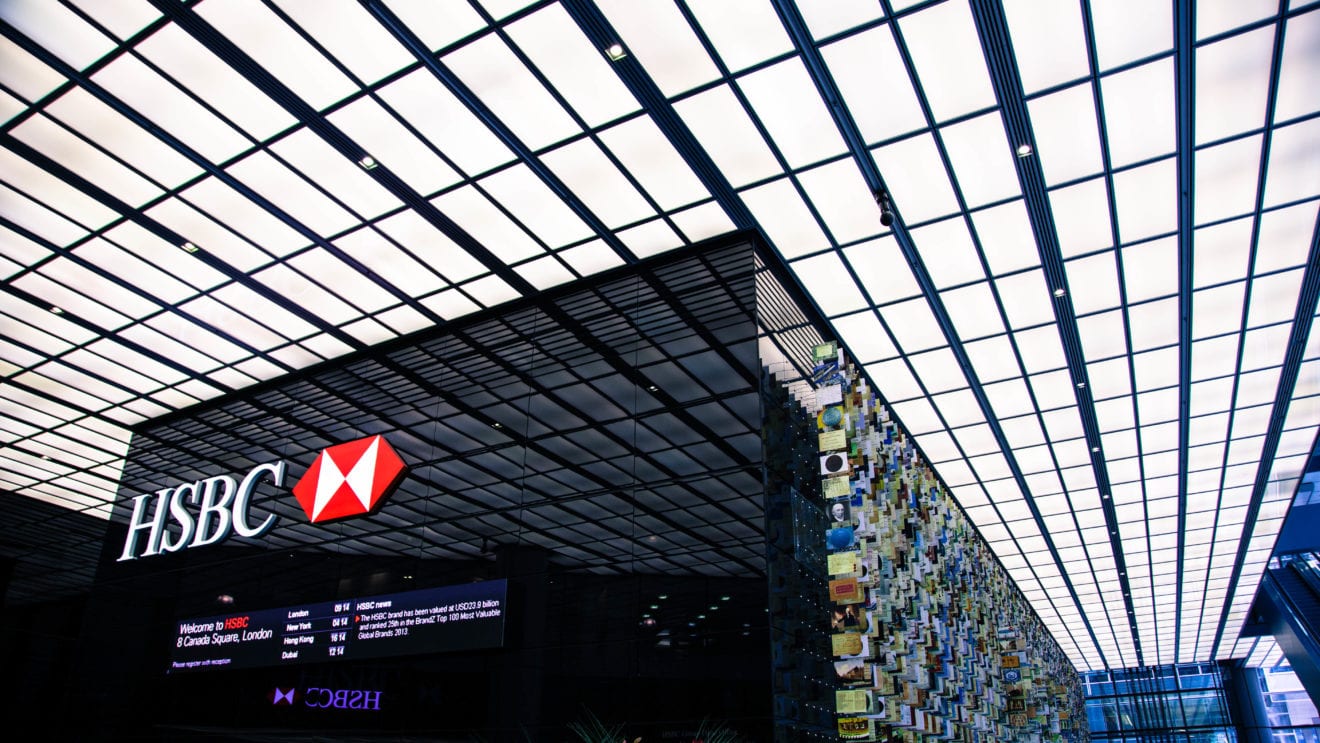
    HSBC has secured a five-floor flagship branch at Causeway Bay’s Capitol Centre for HK$4 million a month, taking space long dominated by international fashion retailers.

    The 3,900-square-metre lease lets the lender replace two nearby outlets with a single customer hub that exceeds the combined floor area of both prior locations.

    Renovation is now underway across the ground floor and four upper levels. The space previously housed apparel brands including Victoria’s Secret, Forever 21 and Chanel. Land Registry filings confirm HSBC signed a five-year agreement for the site, making it the first long-term non-fashion occupant at the property since 2008, when casualwear chain Giordano paid HK$5.06 million monthly for the basement and five upper floors.

    Shifting from Apparel to Wealth Hubs

    A few streets away on Paterson Street, fast-fashion retailer W. Management took three floors spanning roughly 2,790 square metres in Fashion Walk. The company agreed to pay more than HK$2 million monthly for space vacated by Swedish rival H&M, which previously paid as much as HK$10 million a month for the entire four-floor building.

    Financial institutions across Asia-Pacific are increasingly stepping onto prime retail strips that once priced out non-luxury operators. Where fashion giants previously bid up core retail corridors to unsustainable peaks, wealth managers, private banks and insurance firms now view discounted street-front flagships as essential physical hubs for customer acquisition and private client meetings.

    Prime Street Rents Level Off

    Data from Savills shows Hong Kong retail sales climbed 7.1 per cent year on year in the second quarter, while online sales rose 25.3 per cent. Street-level rents across the four core shopping districts of Central, Causeway Bay, Mong Kok and Tsim Sha Tsui held flat quarter on quarter, while mall rents slipped 1.8 per cent over the same timeframe.

    HSBC will close its Premier centre at Causeway Bay Plaza 2 on Lockhart Road and its branch at Park Lane on Gloucester Road on October 17, with the new Capitol Centre flagship scheduled to open on October 20.