Tag: commute

  • Revolutionizing Bangkok Commute: Single Ticket Policy Caps Electric Rail Fares at $1.36 for 2027 Launch

    Revolutionizing Bangkok Commute: Single Ticket Policy Caps Electric Rail Fares at $1.36 for 2027 Launch

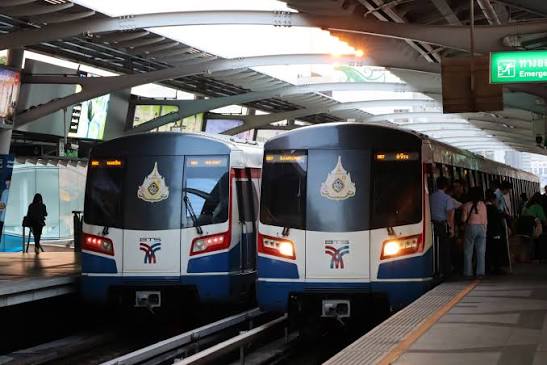
    Thailand has announced its intention to implement a common-ticket policy for electric rail services in Bangkok and the surrounding provinces. This initiative, which is expected to commence next year, will cap fares at 45 baht (US$1.36) per journey to streamline the public transportation system. Additionally, an initial cost of no more than 17 baht will be instituted, which will not be re-imposed if travelers switch to another line, as stated by Deputy Transport Minister Siripong Angkasakulkiat at a recent official gathering.

    Unifying Public Transportation

    The aim of the new fare bracket is to render Bangkok’s disjointed urban rail network more user-friendly. At present, passengers are required to negotiate separate ticketing systems, fare structures, and payment methods when moving between lines. The current SkyTrain fares can amount to as much as 65 baht, depending on the route, as per the Bangkok Mass Transit System’s data.

    The common-ticket policy’s legal and administrative procedures are projected to be finalized by November 2026. System testing is set to commence in December, leading up to the introduction of the common-ticket measure on January 1, 2027.

    Growth of the BTS SkyTrain

    The BTS SkyTrain, which began operations in December 1999 as Bangkok’s premier mass-transit rail system, has seen substantial upgrades since its inception. The original core network has expanded significantly to include approximately 68 kilometers of lines and 60 stations.

    In the last year, the BTS SkyTrain noted a 5.6% increase in ridership from 2024, recording a total of 205.4 million journeys.

    Questions & Answers

    What is the proposed common-ticket policy in Thailand?
    The common-ticket policy is a projected initiative by the Thai government to cap fares at 45 baht per trip for electric rail services in Bangkok and surrounding provinces. An initial charge of up to 17 baht will be imposed, which will not be repeated if passengers switch lines during their journey.

    Why is this policy being introduced?
    The policy aims to simplify navigation of Bangkok’s urban rail network, which currently requires passengers to negotiate separate ticketing systems, fare structures, and payment methods while transferring between lines.

    When is the common-ticket policy expected to be implemented?
    The common-ticket policy is expected to take effect on January 1, 2027, with system testing set to begin in December 2026.

  • Embrace the Digital Detox: Join KitKat’s Rawdog Your Commute Challenge for a Chance to Win a Weekend Escape

    Embrace the Digital Detox: Join KitKat’s Rawdog Your Commute Challenge for a Chance to Win a Weekend Escape

    KitKat, the renowned confectionery brand, is inviting Australians to embrace the growing trend of going entirely phone-free during their daily commute. This trend, aptly named ‘rawdogging’, has rapidly permeated everyday culture, with evidence of its popularity evident in the over 45 million posts on the social media platform, TikTok.

    KitKat ‘Rawdog your Commute’ Challenge

    In a bid to encourage individuals to take a break from their phones, KitKat has introduced the ‘Rawdog your Commute’ Challenge. This initiative involves a game that challenges commuters to see the length of time they can go without using their phones. Participants stand a chance to win one of 10 Unyoked 2-night weekend getaway e-gift cards, valued up to $626, which can be used anywhere in Australia. The longer the phone-free period, the higher the probability of winning.

    To participate in the game, individuals can scan a QR code on billboards positioned near commuting locations. Alternatively, they can visit the campaign’s website to start a timer that tracks the duration they can abstain from using their phone.

    Australians Crave a Break from Their Phones

    The launch of this campaign is timely as recent research commissioned by KitKat reveals that a significant 84% of Australians desire a break from their mobile devices. Additionally, 23% of respondents expressed that being phone-free would make their commute more enjoyable. Among those who have inadvertently been without their phones, 40% reported feeling happier, liberated, relieved, and more present.

    Shannon Wright, NestlĂ© Oceania’s Head of Marketing for Confectionery, commented on the campaign, stating, “KitKat has always been about aiding Australians in taking better breaks. However, disconnecting has become increasingly challenging in today’s digital age. This is why we’re encouraging commuters to rawdog their commutes via our new Phone Break game. We aim to make it achievable by rewarding those small, everyday moments that are transformed into a proper break.”

    KitKat asserts that this campaign is a contemporary take on its longstanding efforts to promote healthier breaks. It taps into the burgeoning consumer interest in digital well-being.

    Questions & Answers

    What is the aim of the KitKat ‘Rawdog your Commute’ Challenge?
    The challenge aims to encourage commuters to take a break from their phones during their daily journeys, making their commute more enjoyable and relaxing.

    How can one participate in the ‘Rawdog your Commute’ Challenge?
    Participants can join the challenge by scanning a QR code on billboards near commuting locations or by visiting the campaign’s website.

    What are the rewards for the challenge?
    Participants stand a chance to win one of 10 Unyoked 2-night weekend getaway e-gift cards, valued up to $626, to be used anywhere in Australia. The longer one goes without using their phone, the higher the probability of winning.

  • Ease Your Commute: Singapore Offers $46 Public Transport Vouchers to Qualifying Households

    Ease Your Commute: Singapore Offers $46 Public Transport Vouchers to Qualifying Households

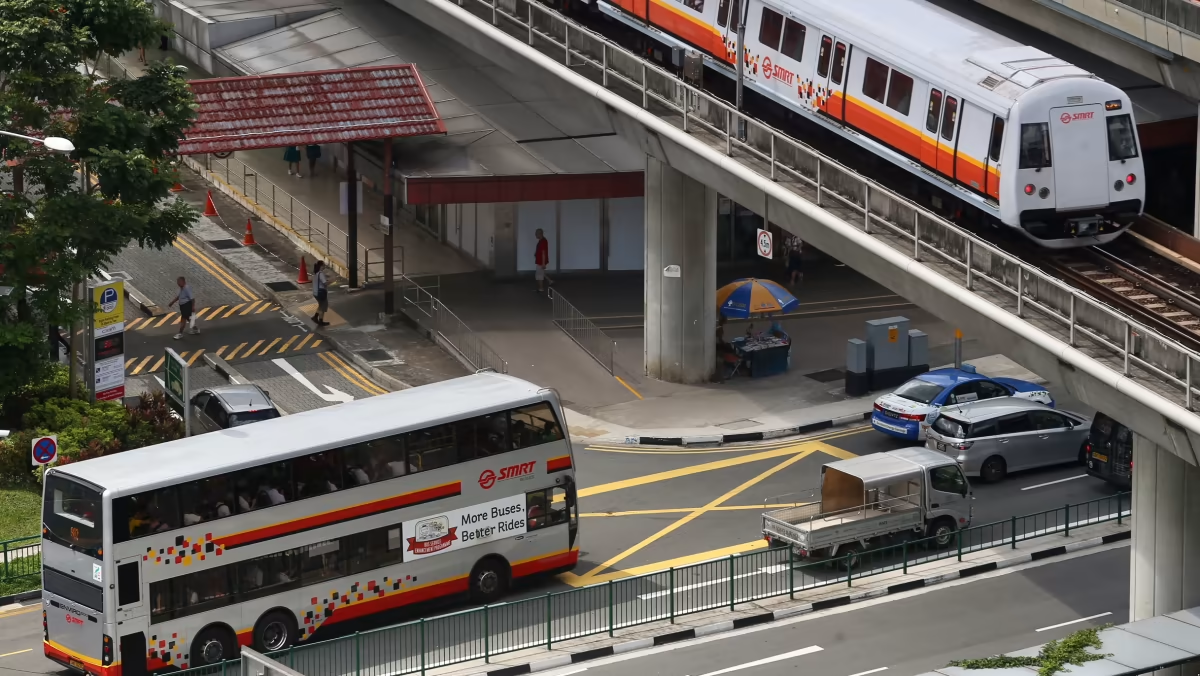
    Singaporean households that meet the eligibility criteria can now submit their applications for public transport vouchers valued at S$60 (equivalent to US$46). These vouchers are intended to alleviate the increased cost of commuting.

    Details of the Voucher Scheme

    The vouchers became available on Tuesday and will continue to be so until October 31. The eligibility requirement is set at a monthly household income per person of S$1,800 or lower.

    This move signifies the second phase of the program. The first round of vouchers was issued last month, benefitting approximately 300,000 households.

    In the current round, households that did not previously receive a voucher and those seeking additional assistance, including households that do not meet the income requirement, can apply. Applications can be submitted either online or in person at local community centers and clubs.

    These vouchers can be applied towards topping up fare cards or purchasing monthly passes. They are redeemable until March 31, 2027.

    The main goal of the initiative is to assist lower-income families in counterbalancing the recent increase in public transport fares.

    Changes in Public Transport Fares

    The basic bus and train card fares for adults in the city-state have seen a hike of 9-10 cents per trip, an approximate increase of 5% based on distance. At the same time, the express bus services have levied a surcharge, marking its first-ever introduction.

    In addition to the vouchers, the cost of monthly passes has been cut by 5% for adults, senior citizens, and individuals with disabilities as a measure to support frequent users of public transit.

    Questions & Answers

    What is the purpose of the public transport vouchers?
    The vouchers are intended to help lower-income families mitigate the impact of the recent increase in public transportation fares.

    Who is eligible to apply for these vouchers?
    Families with a monthly household income per person of S$1,800 or lower can apply for these vouchers. In the latest round, even those households that didn’t receive a voucher in the first round or do not meet the income requirement can apply for additional assistance.

    How can these vouchers be used?
    These vouchers can be used to top up fare cards or to purchase monthly passes. They are redeemable until March 31, 2027.