
Tag: compliance

  • Shein Budgets $15M for Product Safety in 2025 Compliance Push

    Shein Budgets $15M for Product Safety in 2025 Compliance Push

    Shein will spend $15m in 2025 to tighten product safety and regulatory compliance across its global marketplace.

    That budget will fund 2.5 million individual product tests this year, a 25 per cent increase from the testing volume completed in 2024.

    Tighter Rules for Childrenswear and Electronics

    The Singapore-headquartered platform is expanding working agreements with 15 commercial inspection groups, including SGS, Intertek, and Bureau Veritas. The checks target baseline safety benchmarks such as the US Consumer Product Safety Act and the European Union’s General Product Safety Regulation. Suppliers and third-party marketplace merchants must now clear internal standards set out in Shein’s Restricted Substances List.

    Under the new rules, the retailer limits garment production to an approved materials library of certified fabrics, trims, and hardware. Starting April 2025, every fabric used in Shein-branded children’s clothing must clear mandatory chemical and flammability screening before listing. Similar requirements apply to all decorative trims and fasteners.

    A second enforcement phase begins in May 2025, focusing on high-risk third-party merchandise such as consumer electronics, toys, cosmetics, and personal protective equipment. Sellers in these categories must supply verified certifications, including RoHS compliance and FCC documentation, before their listings go live.

    Enforcing Penalties on Third-Party Merchants

    Cross-border retail platforms operating out of Asia face mounting scrutiny from Western regulators over illicit chemical residues and untested electrical goods shipped directly to consumer doorsteps. Direct-to-consumer marketplaces built on rapid-turnaround contract manufacturing must prove they can police hundreds of independent workshops without slowing delivery cycles.

    Shein has already removed more than 540 non-compliant sellers from its marketplace since introducing third-party vendor onboarding. Merchant accounts now undergo recurring audits based on random laboratory screenings and shopper complaints. Vendors that fail testing thresholds face product delistings, financial penalties, or permanent account termination, with Shein committing to notify government regulators of severe safety violations.

    Marketplace teams will track merchant compliance rates closely as the documentation mandate takes effect for electronics and cosmetics vendors in May 2025.

  • South Korea Tightens Regulatory Requirements for Foreign Food Facility Imports

    South Korea Tightens Regulatory Requirements for Foreign Food Facility Imports

    South Korea has strengthened its regulatory framework for food imports, imposing tighter requirements on overseas facilities that manufacture and process products bound for the domestic market.

    The updated measures target foreign food manufacturing plants and export facilities, increasing scrutiny on safety standards and compliance records before shipments clear customs.

    Stricter oversight for overseas facilities

    Under the enhanced framework, overseas food production sites supplying South Korean buyers must meet updated registration and safety verification rules. Importers and foreign operators must maintain verified documentation confirming compliance with national safety standards, reducing contamination risks across cross-border supply chains.

    Border authorities retain the mandate to audit and inspect overseas facilities directly when risk factors or compliance discrepancies arise during entry processing.

    Regional trade and compliance demands

    Regulators across East Asia continue to raise the bar for food safety governance, aligning import protocols with domestic manufacturing standards to protect consumers. Stricter facility requirements place heavier administrative obligations on international food brands and regional suppliers exporting packaged food, raw ingredients, and agricultural commodities to South Korea.

    Foreign suppliers and domestic importers must complete required registrations and facility filings ahead of scheduled shipping cycles to prevent port delays and product rejections.

  • US SEC Regulation Signals Greater Clarity for Crypto Assets

    US SEC Regulation Signals Greater Clarity for Crypto Assets

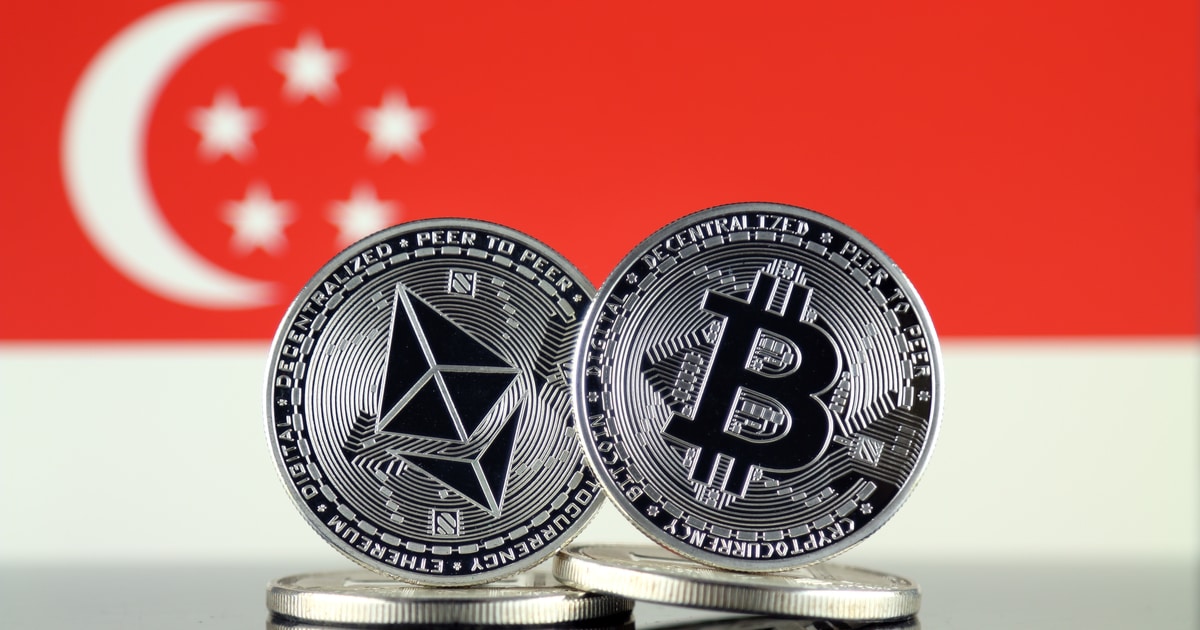
    The United States Securities and Exchange Commission (SEC) has introduced a new regulatory framework for digital assets, aiming to provide clearer guidelines for the classification and trading of cryptocurrencies. This move is expected to bring substantial clarity to a sector previously marked by regulatory uncertainty, particularly concerning tokens like XRP.

    Legal experts, including those from Skadden, Arps, Slate, Meagher & Flom LLP, view this regulation as a significant step forward in establishing a more structured environment for the crypto market. The framework addresses key areas such as asset categorisation, disclosure requirements, and market integrity, which could help institutional investors and businesses better navigate the digital finance landscape.

    Implications for Digital Asset Markets

    The new SEC regulation is anticipated to impact how digital assets are treated by financial institutions and technology firms. By defining clearer rules, the framework could foster greater investor confidence and potentially encourage broader adoption of cryptocurrencies within established financial systems. This clarity is particularly relevant for tokens that have faced scrutiny over their classification as securities, offering a pathway for compliance and legitimate operation.

    For retailers and consumer brands exploring blockchain and digital payment solutions, regulatory clarity from a major market like the US can set precedents. Asia-Pacific countries are also developing their own frameworks, and global harmonisation, even if gradual, could simplify cross-border digital transactions and the use of cryptocurrencies in retail.

    Global Regulatory Ripple Effects

    While this regulation originates from the US, its implications could extend internationally, influencing how other jurisdictions approach digital asset oversight. As major economies establish robust frameworks, there is a growing potential for a more standardised global approach to crypto regulation. This development could reduce fragmentation and facilitate international trade and investment involving digital assets, including their use in supply chains and consumer loyalty programmes.

    Several Asian markets, including Singapore, Hong Kong, and Japan, have been proactive in developing their own digital asset regulations. The SEC’s move provides another data point for these regions as they refine their policies, potentially accelerating the mainstream integration of cryptocurrencies and blockchain technology into various business sectors across Asia-Pacific.

  • India Boosts Cybersecurity: Enforces New Compliance Rules on OTT Platforms and Smartphone Manufacturers

    India Boosts Cybersecurity: Enforces New Compliance Rules on OTT Platforms and Smartphone Manufacturers

    In a bid to enhance digital security due to increasing episodes of online fraud and mobile-related cybercrime, India has released two key directives. These new rules demand compliance from Over The Top (OTT) communication platforms and smartphone manufacturers.

    Ensuring Secure Communication

    The Department of Telecommunications (DoT) in India has instructed messaging platforms such as WhatsApp, Telegram, Snapchat, Signal, and Arattai to enable SIM binding within a 90-day timeframe. According to the Telecommunications (Telecom Cyber Security) Rules, 2024, these applications must remain connected to the mobile number and active SIM card of a user’s device. Moreover, web and desktop versions must log users out every six hours, requiring them to reauthenticate via QR code pairing. Non-compliance will result in penalties as stipulated by the Telecommunications Act.

    This decision has been made in response to the increasing number of cyber fraud cases involving OTT apps accessed without the corresponding SIM or from foreign locations. Such situations allow for identity spoofing and misuse. This order has been issued following nearly a year of discussions between government officials and OTT companies.

    Representatives of the industry have expressed concerns about the impacts on user experience and technical feasibility. They emphasized that not all platforms, particularly iOS, can consistently carry out SIM checks. They also warned about potential disruptions for legitimate uses, including eSIM and dual-SIM devices, international travel, small businesses relying on persistent desktop sessions, and elderly user accessibility. Companies are also unsure if SIM binding will effectively decrease fraud involving Indian SIM cards obtained through intermediaries.

    Demand for Preloaded Cyber Safety App

    On the same day, the telecom ministry of India issued another mandate for leading smartphone manufacturers including Apple, Samsung, Vivo, Oppo, and Xiaomi. They are required to preload the government’s Sanchar Saathi cyber safety app on all new devices sold in the country. Users will not have the option to delete or disable this app. Devices that are already in the supply chain must receive the app via software updates.

    Sanchar Saathi, launched in January, allows users to block and track lost or stolen phones, verify device authenticity, and detect fraudulent mobile connections. Government data reveals that the app has assisted in the recovery of over 700,000 phones, including 50,000 in October alone, and has facilitated the blocking of over 3.7 million lost or stolen devices. Additionally, more than 30 million fraudulent mobile connections have been disconnected using its systems.

    Questions & Answers

    What is the purpose of the new directives issued by India’s Department of Telecommunications (DoT)?
    The new directives aim to tighten digital security due to rising incidents of online fraud and cybercrime related to mobile devices. They introduce new compliance requirements for Over The Top (OTT) communication platforms and smartphone manufacturers.

    What measures are messaging platforms expected to implement under these directives?
    Messaging platforms such as WhatsApp, Telegram, Snapchat, Signal, and Arattai are required to implement SIM binding, which means these apps must remain linked to the user’s mobile number and active SIM card. Web and desktop versions of these apps must also log out users every six hours and require reauthentication through QR code pairing.

    What is the Sanchar Saathi app and why are smartphone manufacturers required to preload it on new devices?
    The Sanchar Saathi app is a cyber safety application launched by the Indian government. It allows users to block and track lost or stolen phones, check device authenticity, and identify fraudulent mobile connections. Smartphone manufacturers are required to preload this app on all new devices sold in India to enhance digital security.

  • Singapore-Based Compliance Specialist Partners HPE

    Singapore-Based Compliance Specialist Partners HPE

    Tookitaki is partnering with Hewlett Packard Enterprise to provide the financial sector with enhanced anti-money laundering capabilities using artificial intelligence and machine learning.

    The offering, delivered via HPE GreenLake for Big Data, enables financial institutions to create a central big data platform capable of rolling out anti-money laundering solutions centered around data analytics, the Singapore-based regtech said in a statement.

    The announcement follows a pilot with UOB that covered transaction monitoring and name screening, in which the models achieved 96% prediction accuracy in the high priority category, the announcement said.

    Abhishek Chatterjee, Co-Founder and CEO, Tookitaki, said that banks need high module accuracy systems to ensure they are staying compliant at a time when organizational growth and business continuity are crucial to success and highlighted the benefits of an enhanced AML solution delivered with the flexibility of an as-a-service model.

    Founded in 2014, Tookitaki’s revenue growth has surpassed 300 percent over the last two years. It raised $19.2 million in Series A funding in 2019, which the startup said would be used to grow its presence across the U.S. and Asia-Pacific.