Tag: concept store

  • Birkenstock Opens First Indonesian Concept Store in Bali with 180-Sqm Community Hub

    Birkenstock Opens First Indonesian Concept Store in Bali with 180-Sqm Community Hub

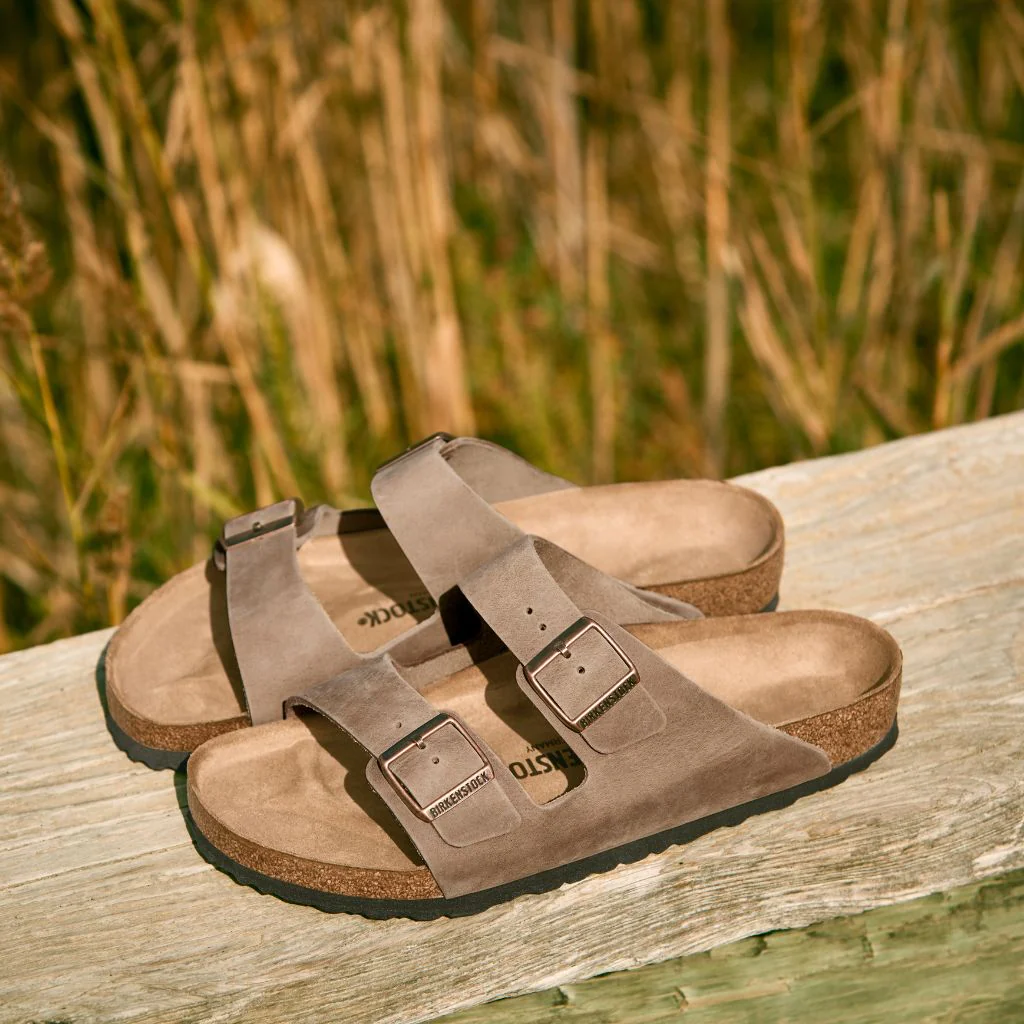
    Birkenstock opened its first standalone concept store in Indonesia on September 10, adding a two-storey, 180-square-metre community space in Ubud, Bali.

    The location takes the German footwear brand into direct retail in Southeast Asia’s largest consumer market after years of selling exclusively through local department stores.

    Balinese Architecture and Premium Footwear

    Architect Yoka Sara designed the Ubud property around traditional Balinese residential layouts, using the concept of ‘Umah’, the local word for home. Sara placed the store entrance around a kitchen layout, reflecting the traditional first room entered in a Balinese house.

    Retail space on the upper floor carries Birkenstock’s higher-margin 1774 line alongside an exhibition detailing shoe assembly methods and raw materials. Adjoining the sales floor, the two-level community hub hosts sound healing sessions, yoga classes, and craft workshops run by local practitioners.

    We want to strengthen our presence in strategic markets while staying true to what defines us; creating experiences that are relevant to the places and communities we become part of.

    Direct Retail Over Wholesale Shelves

    Choosing Ubud over Jakarta shifts Birkenstock’s commercial entry point away from high-traffic Indonesian shopping malls. Bali gives the footwear maker direct access to international tourist footfall and resident expatriates who already know the brand, keeping customer acquisition costs lower than a ground-up push in the capital.

    The format also protects pricing power. Selling premium lines like the 1774 collection inside department stores limits brand control and exposes inventory to concession discounting, whereas a dedicated venue allows Birkenstock to sell full-price stock alongside experiential programming.

    Regional Expansion Track

    Direct store rollouts across Asia-Pacific have accelerated following Birkenstock’s flagship opening in Tokyo’s Shibuya district in July 2026. The shift reflects a wider push across the region to convert third-party wholesale accounts into owned mono-brand flagships in primary resort and metropolitan locations.

    Store traffic metrics from Ubud will determine whether Birkenstock expands the standalone concept into Jakarta and Surabaya mall developments later in the financial year.

  • Determinant reopens flagship Lab Concept store in Hong Kong

    Determinant reopens flagship Lab Concept store in Hong Kong

    Hong Kong-based menswear brand Determinant has unveiled its redesigned flagship at Lab Concept in Queensway Plaza, introducing an immersive retail experience centred on the art of shirt-making.

    The revamped store features curated zones and interactive elements that guide customers through Determinant’s signature design and manufacturing process.

    At the entrance, a magnifying glass window display spotlights five key elements of a shirt. A QR code allows customers to access a 3D virtualisation to explore the construction process in greater detail.

    Inside, the Premium Cotton Experience Zone invites visitors to touch and compare the fabrics used across the brand’s shirt range. A panel titled “Anatomy of the Perfect Fit” explains nine core components that contribute to each shirt’s comfort, fit and seamless construction.

    General manager Clement Chan said the relaunch is part of the brand’s broader expansion strategy across Hong Kong and international markets.

    “The name Determinant represents our determination to provide the highest quality products,” said Chan. “We aim to meet market needs with affordable, high-quality and ethical shirts.”

    The company plans to open a new store in Singapore later this year.

    Founded in 2020, Determinant is known for its minimalist, functional designs and proprietary technologies that produce breathable, wrinkle-free, anti-odour and antibacterial shirts.

  • Ikea Close to You concept opens in Hong Kong

    Ikea Close to You concept opens in Hong Kong

    Home furnishing giant Ikea has launched the world’s first Ikea Close to You concept store inside the Market Place grocer in Hong Kong’s Discovery Bay.

    Spanning more than 3000sqft, Ikea Close to You houses more than 110 home furnishing products together with 120 Swedish signature gourmets ranging from meatballs, salmon, sauces to condiments.

    According to Ikea, the new concept focuses on the digital experience, offering a number of solutions such as self-pick-up lockers that support flexible pick-up time and free shipping. The store features a 2-metre-high interactive screen ‘Digital Experience for Furnishing Inspiration’ that provides 50 home-decorating inspirations and the “Swedish Cooking Interactive Screen” which provides free cooking recipes.

    The new store was opened alongside Bread Pantry at the Market Place Discovery Bay launched last Friday (October 1). Ikea Close to You is also the retailer’s first store located inside a supermarket.

    Owned by Dairy Farm Group, which has the Hong Kong master franchise for Ikea, Market Place is a high-end supermarket chain with stores opened across Singapore, Taiwan, Hong Kong and Malaysia. The chain entered Hong Kong in 2007 under the name Market Place by Jasons.

    The launch of Market Place Discovery Bay follows the openings of Market Place at Mongkok’s Langham Place and Tuen Mun’s Gold Coast and is part of the brand’s effort to expand its presence in the territory.

  • Tissot basketball concept store New York opens door

    Tissot basketball concept store New York opens door

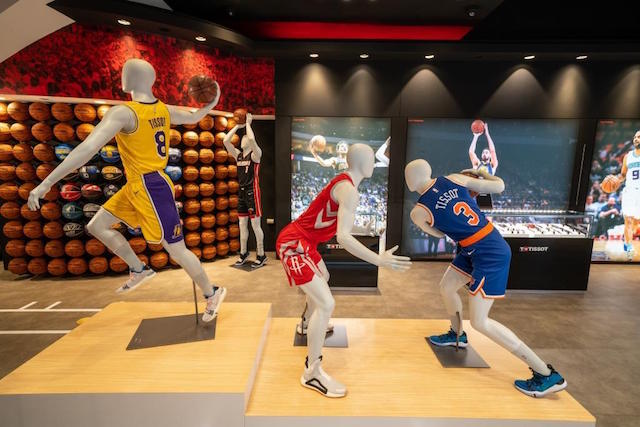
    Swiss watch brand Tissot has opened a sports-themed store in New York City. The Tissot basketball concept store is the brand’s fourth boutique in the city, located at 112 W. 34th Street, a prime location in the Midtown neighbourhood. With a 2800sqft area, the boutique has a wall of multi-coloured basketballs, along with action-styled mannequins wearing uniforms of some of the brand’s nine NBA team partners.

    Hung on the walls are photos of the brand’s sponsored athletes, including three-time NBA Champion and five-time NBA All-Star Klay Thompson, four-time NBA Champion and six-time NBA All-Star Tony Parker and top rookie Trae Young.

    Besides shopping, fans can spend their time playing NBA 2K19, watch an NBA game on the large TV screens or try to beat the clock in a mixed-reality Tissot Buzzer Beater game set to debut at NBA All-Star 2019. A custom art installation debuting at NBA All-Star will then find its permanent home in the store.

    “This is a departure from our traditional merchandising strategy, but with our continued partnership growth and passion around the NBA, we wanted to harness that power to showcase our brand in a different light,” said Francois Thiebaud, president of Tissot.

    “We have seen a tremendous response so far from fans and we are excited to see what is to come.”

  • Top 9 things to know about Starbucks Dewata coffee sanctuary

    Top 9 things to know about Starbucks Dewata coffee sanctuary

    Recently, Starbucks celebrated the journey of coffee from seed-to-cup by opening its largest destination in Southeast Asia – the Starbucks Dewata Coffee Sanctuary.

    1. Original Logo

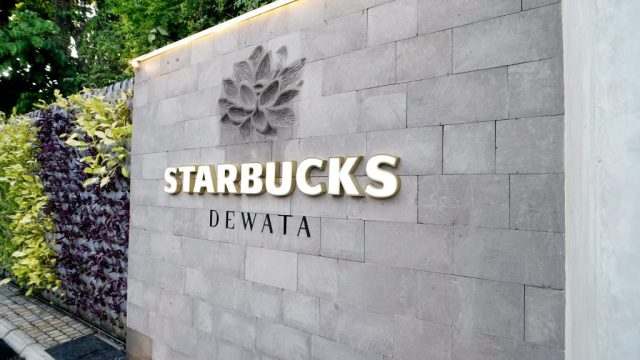
    Starbucks opens the Dewata Coffee Sanctuary with an original logo, crafted in the Geringsing Double Ikat technique, inspired by the deep traditions of the seed-to-cup story. Double Ikat, found only in Bali, is a weaving technique used to create geringsing fabrics, traditionally taking five years to create, and an essential textile used in ceremonial dress as it is believed to have extraordinary powers. The logo itself is a lotus flower, the symbol of beauty, prosperity and fertility, and highly respected in Bali. The 18 petals represent the Balinese philosophy of Tri Hita Karana – the three causes of prosperity: harmonious relationships between people, the environment and God.

    2. Store Façade

    The store’s façade is created with locally made red bricks in the shape of half circles to create the illusion of the many waves found on Bali’s famous beaches. The exterior appears to move to passersby on Sunset Boulevard as they drive past the storefront, and combines modern building techniques with traditional Balinese architecture for an east-meets-west design. The design is carried into the interior of the store at the core bar where baristas handcraft favorite Starbucks beverages.

    3. Micro-Plot of Arabica Coffee Trees

    Upon entering the space, customers are invited into a micro-plot of Arabica coffee trees. This 1,000 sq. ft. plot will be a working, coffee producing farm cherrying during harvest season in the region, typically in the early springtime, and mirrors the size of 90 percent of all coffee farms in Indoneisa.

    4. Hand-Carved Wooden Mural

    As customers enter the café, their eyes are immediately drawn to the unique artwork filling the store. A 30-foot tall hand-carved wooden mural from Jepara features a depiction of the history of coffee in Indonesia, from the coffee growing regions of Java, Sulawesi, Bali, West Papua, Brastagi and North Sumatra, home to Starbucks Indonesia Farmer Support Center. Over the Reserve bar, customers eyes are drawn up to the bamboo installation inspired by the smoke, steam and vapor that create the familiar aroma of coffee. Both expansive pieces were created by Indonesian art agency, Atrovale, while two Jakarta-based artists, Janet Jane and Jamal M. Aziz, created pieces to highlight the store’s moments of discovery. Janet’s macramé art was inspired by the lush landscapes of Indonesian coffee farms, while Jamal’s two murals illustrate the first-ten-feet of the coffee bean’s journey at origin.

    5. Hand-Carved Stone Tiles

    In the Reserve Bar, hand-carved stone tiles create the ornate floor and wall design. The traditional, local craft found across Bali was reimagined into patterns which reflect a modern interpretation of coffee flowers and coffee beans.

    6. Living Wall

    To the left of the entrance, customers are invited to Starbucks core bar featuring a living wall filled with flora from the region. The botanicals are arranged in the form of Bali’s signature gapura, split gates, a symbol to welcome guests into our stores. This living wall is set back behind the bar where Starbucks partners will enter the café to connect with customers and handcraft their favorite Starbucks beverages.

    7. Clay Pots

    Around the store, customers will be enchanted by the surrounding flora, bringing the unique Indonesian environment inside. Trees throughout the space are planted in beautiful clay pots inspired by a traditional Sumatran pattern and the Starbucks Siren. Motifs of Indonesia’s mountainous terrain and coffee beans remind customers of the unique surroundings found only in Indonesia.

    8. Coffee Seedling Nursery

    On the second floor, customers are invited into the first coffee seedling nursery to be located inside of a Starbucks store. Our partners work with local farmers to take special care of these seedlings and invite customers to help tend to the delicate plants. Inside this greenhouse, customers can touch the first stages of the seed-to-cup journey that brings us our favorite coffee flavors around the world.

    9. Interactive Media Installations

    The experience continues throughout the expansive space where customers can find two interactive media installations to further immerse themselves in the coffee journey. On the first floor, a first-of-its-kind digital wall can be accessed through pressing and twisting various portions of the wall to participate in the planting, processing, roasting, shipping and brewing processed. Above them, customers can hear the stories of Starbucks Farmer Support Center in Indonesia. Two synchronized videos guide visitors through the FSC on walls fashioned from the traditional rattan weavings which inspired the Dewata Bali logo.

  • Order now, deliver later by GU fashion

    Order now, deliver later by GU fashion

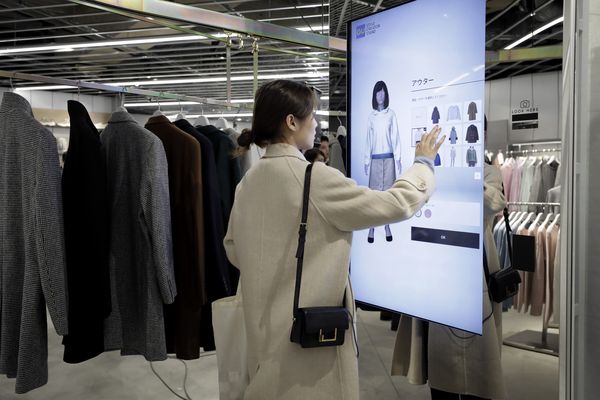
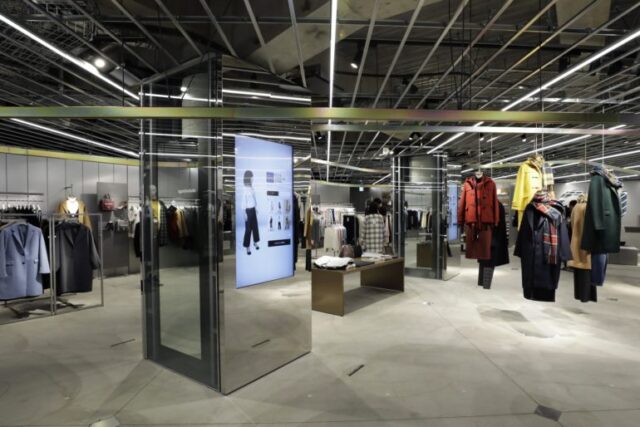
    A brand-new store opened last week in Tokyo’s Harajuku fashion district but it has a twist: shoppers are meant to walk away empty-handed. The GU Style Studio store, opened by Asia’s largest clothier and Uniqlo operator Fast Retailing Co., is for customers to try apparel and place orders online for later delivery.

    They can also try out extra services, such as playing with clothing combinations on a virtual mannequin and creating a digital avatar.

    Although the notion of showcase shopping has been around for a while, and remains somewhat popular in Europe, such stores have usually been reserved for electronics, household items and knick-knacks.

    Seldom has the idea been ported over to the clothing sector. But, as the rise of e-commercethreatens to upend the global retail industry, apparel makers are experimenting with new ways of selling clothes.

    “Among large specialty chain retailers, Fast Retailing has one of the most developed digital strategies,” said Dairo Murata, an analyst at JP Morgan Securities. “They are doing it all in-house, and it allows them to be more competitive.”

    The line separating online and offline storefronts is becoming blurrier as e-commerce moves into physical locations and brick-and-mortar retailers shift online.

    That’s resulted in new shopping experiences such as Amazon’s Prime Wardrobe, which sends boxes of clothing to customers to try on, letting them send back what they don’t like.

    GU isn’t the first to open a try-on store; Inditex SA’s Zara also temporarily opened a look-and-buy outlet in Tokyo’s Roppongi district this year.

    GU has steadily grown into a key pillar of Fast Retailing’s business, accounting for about 10 percent of revenue in the latest fiscal year. It has almost 400 stores across Asia, mainly in Japan, Taiwan and mainland China, and is known for being more affordable and more fashion forward than its bigger sibling, Uniqlo.
    The GU brand has also historically been more experimental with technology, being the first in Fast Retailing’s portfolio to introduce RFID tags and self-checkout.

    In 2017, a futuristic digital store popped up in the city of Yokohama with screens on shopping carts recommending various clothing combinations as people walked through the store.

    JP Morgan’s Murata said GU’s new Harajuku outlet could be a template for rolling out smaller shops in cities that don’t have space to store inventory. He said it could be applied to Uniqlo as well. But Osamu Yunoki, GU’s chief executive officer, said the company hasn’t decided whether to adopt the concept for Fast Retailing’s other brands, or other conventional GU stores carrying inventory.

    Shoppers at the new GU store can scan QR codes attached to clothes to bring up purchase links on their phones, and are also encouraged to test clothing combinations on a virtual mannequin on a separate app. Cameras placed in the store capture can also be used to create a virtual avatar of shoppers, although the resemblance was unconvincing.

    The store is able to collect and use data on how customers are shopping, such as what items customers are scanning into their phone, which clothing they try on and whether they purchase it or not. That could serve an important function for Fast Retailing’s efforts to automate its entire supply chain.

    “That kind of data from customers can be connected immediately to product development and manufacturing plans,” Yunoki said.

    At the same time, he said, the company is trying to offer something new for shoppers.

    “We’re fusing the in-store experience and e-commerce to offer a fun and convenient experience,” Yunoki said. “Harajuku isn’t just for shopping, it’s also a place where fashion is created. We’d like to use our customer’s creations as a stimulus for developing new types of fashion.”

  • Marks & Spencer concept store opens in VivoCity Singapore

    Marks & Spencer concept store opens in VivoCity Singapore

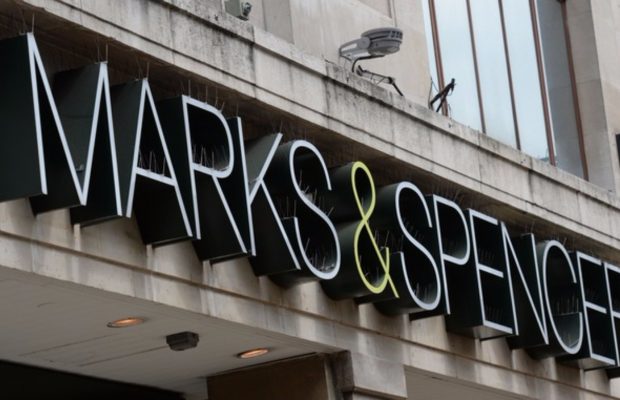
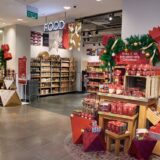
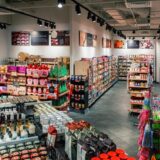
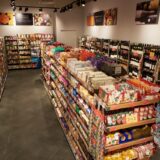
    Marks & Spencer Singapore has opened a full-scale concept store in VivoCity bringing a vast array of its own-brand fresh foods and beverages to the city, some for the first time. The 15,500sqft store offers a broader range of fashion, a new food hall and fresh zone similar to the style of larger Marks & Spencer Hong Kong stores, a broader range of wines and the chain’s third coffee-to-go cafe in the city.

    The foodhall features nearly 3000 products selected from the UK department store’s range building on what the retailer describes as a growing demand in Singapore for M&S’s convenience food.

    Marks & Spencer Singapore has added a range of chilled foods and beverages, including perishables. The new store sells fruits, vegetables, yogurts, a selection of cheeses, fresh milk and ready-made salads and meals. Some products are new-to-market for the brand, including raw meat and pre-packed sandwiches, all air freighted from the UK daily.


    The coffee-to-go cafe offers speciality coffee and beverages along with patisserie foods including cakes and fresh pastry. An in-store bakery produces a selection of breads, scones and cookies daily.

    Fashion has not been left out in the VivoCity store’s revamp. Each fashion label is now clearly segmented, with distinct identities that allow customers to see which label best meets their personal style preferences. The brands are identified by different branding, visual merchandising and props. The VivoCity store will also be the sixth Marks & Spencer Singapore outlet to stock a kidswear range.

    “Customers are at the heart of everything we do at Marks & Spencer and we’re delighted to be bringing our exciting new shopping experience to customers in Singapore,” said Christine Choi, CEO at Marks & Spencer Asia.

    “Combining the best of our latest collections, together with our inspiring store environment and exceptional customer service, our store at VivoCity is truly special.”

  • Lush opens Tokyo tech-concept store

    Lush opens Tokyo tech-concept store

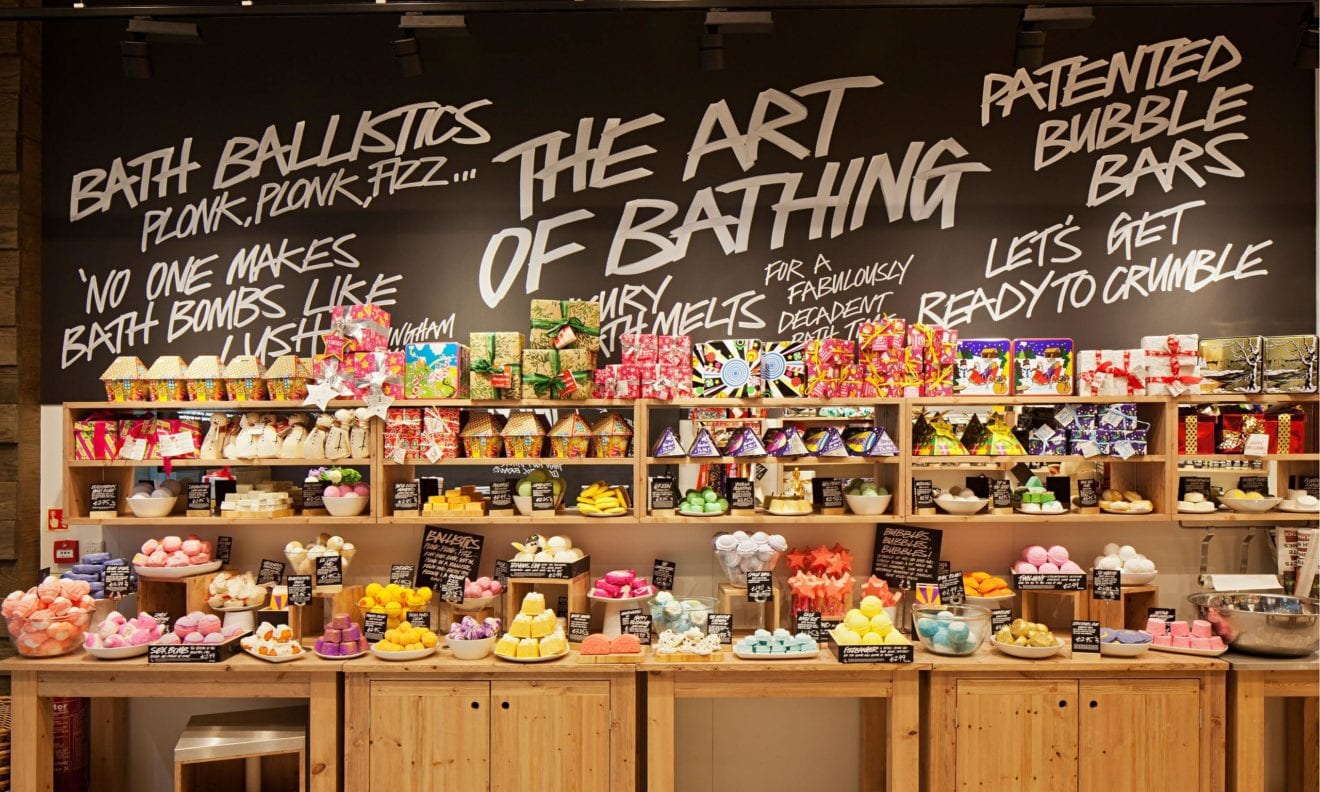
    After opening two concept stores in Milan and Berlin earlier in the year, British cosmetics retailer Lush has opened a third global concept store in Tokyo. While the Italian and German locations opened with a focus on packaging-free cosmetics, the Japanese retail outlet, which kicked off trade on November 22, will specialise in selling Lush’s bath bombs.

    Located in Harajuku, the tech-focused store will promote Lush’s best-selling bath bombs, as well as those new editions, and those known to be seasonal.

    Across two floors, Lush will also add limited-edition bath bombs sold exclusively in the new shop.

    Inspired by Japanese culture, the bath products reflect the style of the district’s Harajuku fashionistas “with their vivid colours and imaginative outfits to mythical creatures such as nine-tailed foxes,” according to a press release from Lush.

    Under the umbrella of Lush Labs, the new Tokyo store will serve as a retail experiment for future Lush stores, by incorporating online and offline retail experiences in the same setting.

    In doing so, consumers will enter a store void of signing and pricing, and even sinks typically used to demonstrate the product.

    Instead, shoppers will be encourage to shop online via the Lush Labs app, and view demonstrations and products digitally, as well as gaining ingredient detail, simply by scanning the naked bath bombs directly from their phone. In this vein, packaging is done away with too.

    “With Lush’s long term commitment to removing packaging from cosmetics, the Lush Lens feature uses the phone’s camera and Artificial Intelligence to support the customer in shopping packaging-free with ease and ensures they get all the important product information they require in a fun and environmentally-conscious way,” said Lush in a statement.

    Lush is increasingly experimenting its online retail in the offline world and will use “community feedback” from the Harajuku store as a source of research and ultimately reason to open more across the globe.

    “Customers are being invited into the R&D process once again, only this time to feedback on the retail experience as a whole, rather than just the product,” concluded Lush.

    “Each comment, reaction and critique sent back will help shape the future of the shop and each area of innovation launching within it.”


  • Catwalk to be presented in Dear So Cute China store

    Catwalk to be presented in Dear So Cute China store

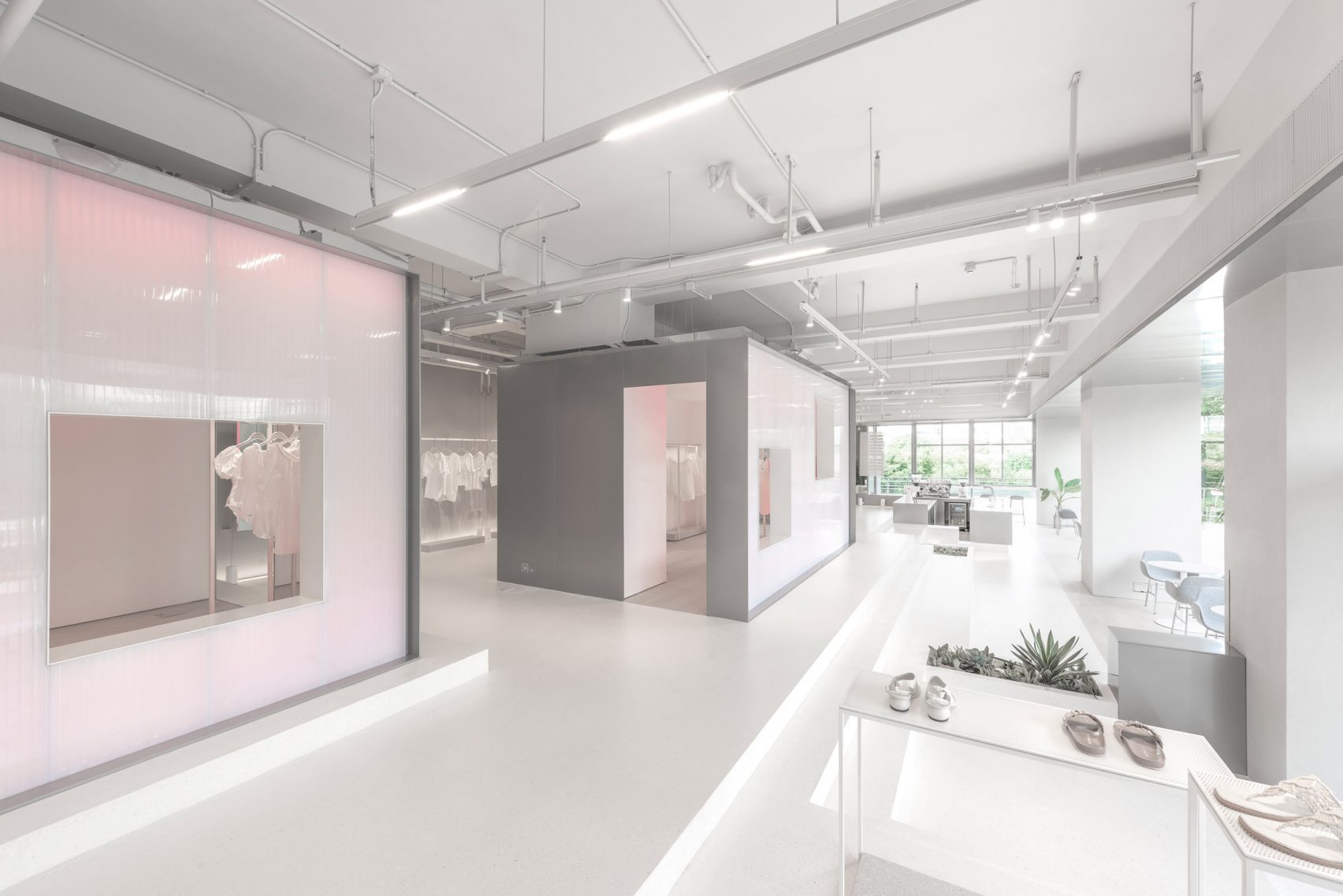
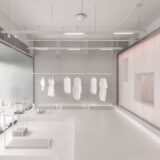
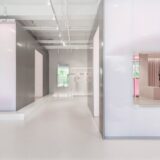
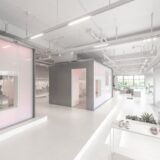
    Design firm Lukstudio has created a theatrical-style shop and cafe as a promotional and retail space for fashion platform Dear So Cute in Chinese Haining. Inspired by South Korean cafe/fashion trends, the design is intended to communicate the brand’s values and showcase products to younger consumers. The store layout features a backstage rigging system to adjust display features as with a theatre stage, and incorporates elements of the Hainingese shadow puppet tradition in its design.

    According to a report, the retail space emphasises the brand’s “forever young energy” with a minimal, contemporary look and pink highlights, serving as a neutral backdrop for the activities going on in the space. One standout feature is a stage in the fitting room area for customers to “catwalk” before friends while deciding on purchases.

    “In today’s retail environment, most people shop online for the convenience and the reassurance of the review system,” Lukstudio’s founder Christina Luk said. “However, I believe when it comes to delivering a brand’s identity and values, the physical store is much more effective.”

    View the store design in the gallery below (7 images) :

  • BreadTalk Opens New Concept Store In KL

    BreadTalk Opens New Concept Store In KL

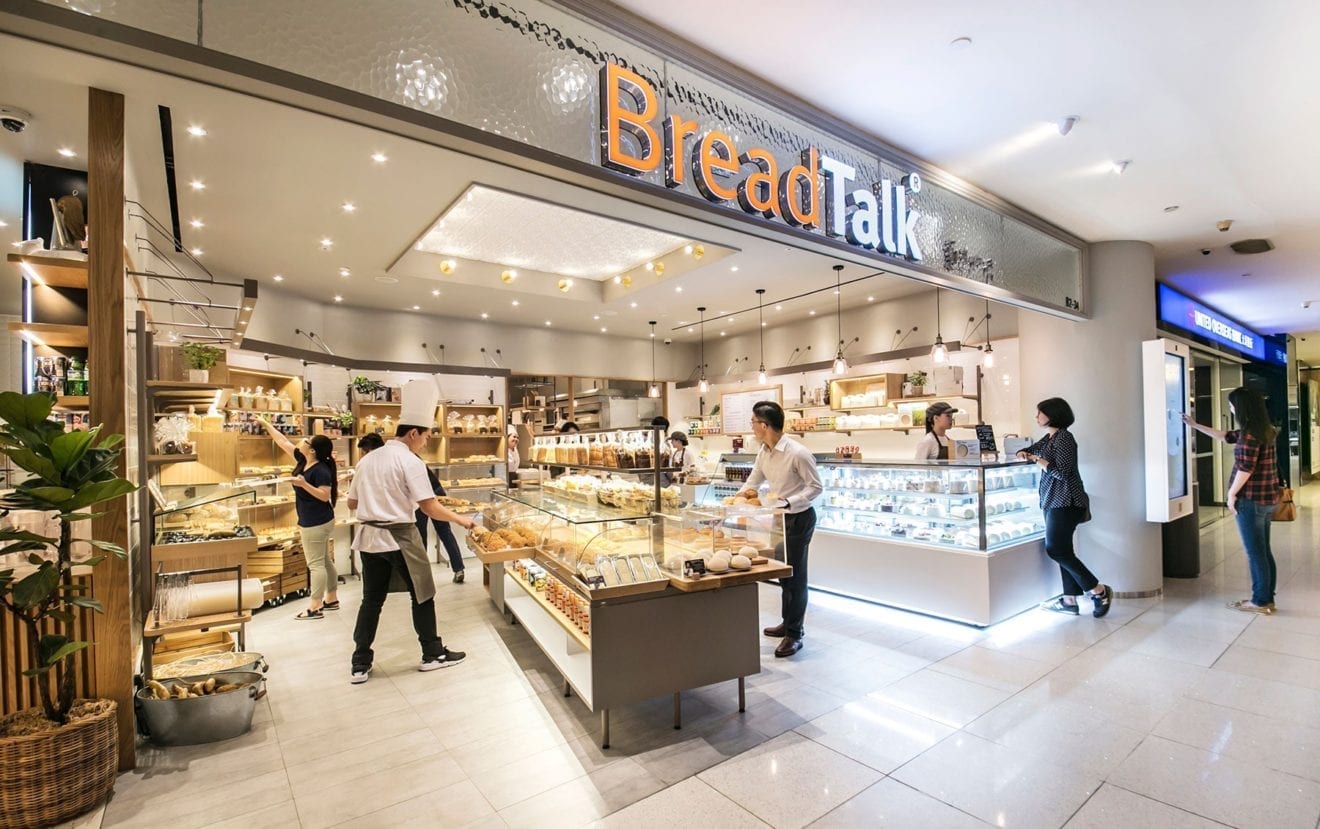
    Boutique bakery franchise BreadTalk Malaysia has opened a new concept store in Kuala Lumpur’s Avenue K Shopping Mall. The new outlet is situated opposite the KLCC LRT station and is offering a promotional tote bag to early customers spending more than RM20. It opens from 8 am to 10 pm daily.

    BreadTalk Malaysia is preparing to launch several more concept stores in other Kuala Lumpur locations, including KLIA2, before opening a flagship at Star Boulevard on Jalan Yap Kwan Seng next year.
    The Singaporean brand has spread throughout Asia and the Middle East since opening in 2000, basing its products on premium ingredients such as Japanese-milled flour and New Zealand butter.

  • Concept store 10 Corso Como returns to Tokyo

    Concept store 10 Corso Como returns to Tokyo

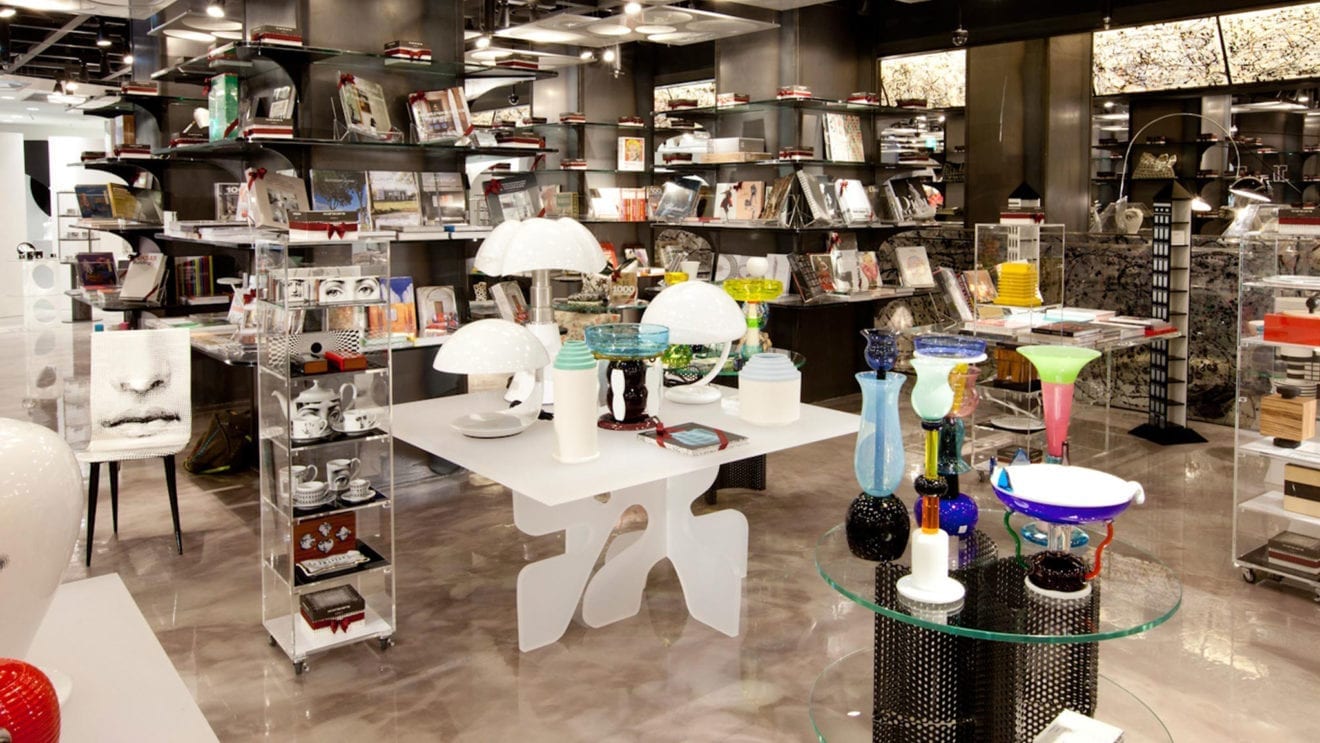
    Milanese concept store 10 Corso Como is returning to Japan tomorrow, with two outlets.

    The two new retail outlets, 30 sqm each, will be located inside Seibu Ikebukuro and Seibu Shibuya department stores, and will each display 10 Corso Como-branded products.

    10 Corso Como also opens two pop-up stores this month at Seibu Shibuya from 12 to 18, and Seibu Yokohama from 26 to October 10.

    10 Corso Como was founded in 1990 in Milan by Carla Sozzani, and made a first foray into Japan in 2002 under the name of 10 Corso Como/Comme des Garçons.

    In foreign markets, the brand has two stores in Seoul and one in Shanghai, plus a cafe-restaurant in Beijing.

    The brand’s next new store will be opened in New York.