Retail News CRM

Tag: concept

  • 7-Eleven and Coca Cola launch Hong Kong concept store

    7-Eleven and Coca Cola launch Hong Kong concept store

    7-Eleven has teamed with carbonated beverage brand Coca Cola to open a new themed store in Hong Kong. Located at in Tsim Sha Tsui, the 7-Eleven x Coca Cola concept store is dressed in the distinctive Coke red. As well as the modern Coke livery, the counter features a banner with nostalgic advertising.

    The store features two fridges with Coca Cola’s glass-bottle-shaped doors, displaying a selection of the brand’s items and collectibles.

    “7-Eleven x Coca Cola themed store is a close collaboration with our suppliers leveraging on the brand strength and features to create a themed convenience store with impactful in-store decoration, interesting display, exclusive products, innovative food idea, good value offer to bring customers fun and convenience,” a spokesperson for 7-Eleven Hong Kong’s parent company Dairy Farm Group said.

    The store also features a ‘Hot Shot counter’ where customers can pause and eat snacks (and a Coke).

  • Ikea Singapore plans opening new concept store at Jem mall

    Ikea Singapore plans opening new concept store at Jem mall

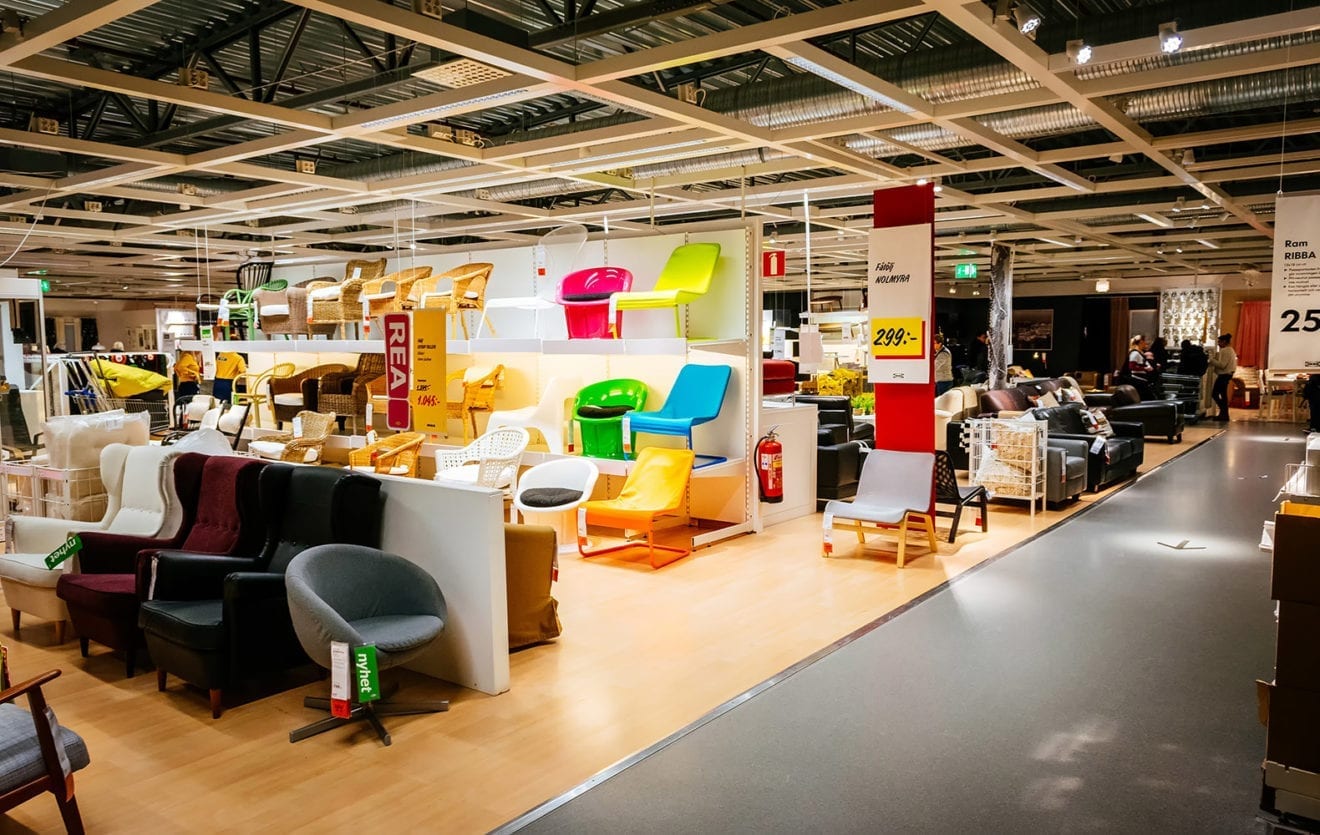
    Ikea Singapore is to open Southeast Asia’s first ‘small-store’ concept at Jem mall in the city’s west.

    The announcement today follows news last week that local department store Robinsons was vacating the space. The change of anchor is a perfect example of how consumer shopping preferences – and thus the balance of mall tenancies – is reshaping the modern retail market.

    The new Ikea Singapore store will open next year, taking up about 6500sqm across three floors of Jem, which is managed by Lendlease. It will be the Swedish furniture and home decor chain’s third shop in the city.

    “This store will bring us closer to millions of customers,” said Jaap Doornbos, Ikea retail director for Singapore & Vietnam. “This will be the first time we are establishing a smaller Ikea store format as a tenant within a shopping center in this region.”

    The ‘small-store’ concept is still relatively new globally. Unlike the giant standalone stores Ikea is known for, with their winding pathway layout, the Jem outlet will combine the full Ikea product range into one department. It will not feature a children’s playground, but will include an Ikea restaurant serving Swedish meatballs and fried chicken wings, among other items.

    “We see a bright future ahead for our store at Jem,” said Sebastian Hylving, property & expansion director at Ikea Southeast Asia & Mexico.

    “Jem is one of four malls connected to the Jurong Gateway, linked to public transport. At Jem, Lendlease has curated a combination of great F&B offer with fashion, groceries and entertainment to create an everyday meeting place for the many people.”

    Hylving says the two Ikea big-box stores, located at Tampines and Alexandra, attract almost 7 million visits each year.

    Ikea is reaping the benefits of renewed consumer interest in making homes more comfortable during the Covid-19 era, and the need for furniture and supplies needed for working from home.

    Ng Hsueh Ling, Lendlease Singapore MD and chief investment officer for Asia, said the company looked forward to bringing a first-to-market lifestyle concept to its mall.

    “We are continually rejuvenating our tenancy mix and bringing new experiences to them.”

  • Starbucks Japan launches Smart Lounge railway station concept

    Starbucks Japan launches Smart Lounge railway station concept

    Starbucks Japan has launched a new concept store in collaboration with railway operator JR East.

    The “Starbucks Coffee Takanawa Gateway Station” opened yesterday, introducing its Smart Lounge concept – a store space focused on business use. The store features numerous semi-private and single-seat seats to meet the needs of using a cafe for work purposes as well as a large table used for meetings with multiple people.

    Two fully-private booth-style share offices are provided within the store. Power outlets are available for all seats, and the store also operates a mobile battery sharing service. Wifi is available throughout the premises.

    The cafe also specializes in speedy cashless payment via Starbucks Card and Suica, among other e-payment platforms. Via a dedicated app, it allows customers to settle orders in advance and receive products smoothly at stores, designed to allow more effective use of time and reduction of waiting time at cash registers.

    “Starbucks has more than 1500 stores nationwide and connects with 800,000 customers a day,” said Starbucks Japan head of store development Kazuhiro Ishihara. “Each store has its own personality and expression that reflects the locality and needs of each individual.

    “At the Takanawa Gateway Station, we provide a smart and comfortable experience that suits its location and purpose, and integrates with people’s lives to create a future city that no one has yet seen. We aim to be a store and base that can be created with people.”

    Takanawa Gateway Station is situated in Shinagawa town, a new urban area under development that aims to be a new gateway to Tokyo.

    JR East aims to operate 30 shared office spaces by the end of the financial year.

  • Fruitas to launch grilled chicken, fresh foods concepts

    Fruitas to launch grilled chicken, fresh foods concepts

    Philippine food-and-beverage kiosk operator Fruitas Holdings will soon launch two new concepts in addition to their popular fresh-fruit shakes concept.

    The first is a store concept under Babot’s Farm brand, while the second represents Fruitas Holdings’ new forway into the fast-growing grilled chicken market segment.

    “Babot’s Farm is a collection of fresh products which Fruitas is excited to serve to Filipino consumers. Our mission is to make fresh products easily accessible to Filipinos, thus bringing the farm closer to them,” said FHI president and CEO Lester Yu.

    Babot’s Farm will initially have three verticals of fresh products in its own portfolio,

    including the company’s buko beverage line, a new soy range under Soy & Bean, featuring products from its recent acquisition, The Tofu Store, and fresh dairy.

    Soy & Bean’s soy-based products will initially include fresh soy milk, tofu, taho, and soy-based ice cream.

    Meanwhile, Fruitas’ grilled-chicken business will be offered through its existing kiosk network along with new solus stores to be opened in strategic locations. The firm will leverage off its recently acquired Heat Stroke Grill and Kuxina Ihaw na.

    Yu said the company is excited about its impending entry into the chicken business and confident it can do so in a cost-effective manner and develop a “well-loved product”.

    Fruitas Holdings started in 2002 from a single Fruitas stall. The company ended last year with 1068 stores across the country.

  • Singapore’s Supergreek fast-casual concept opens

    Singapore’s Supergreek fast-casual concept opens

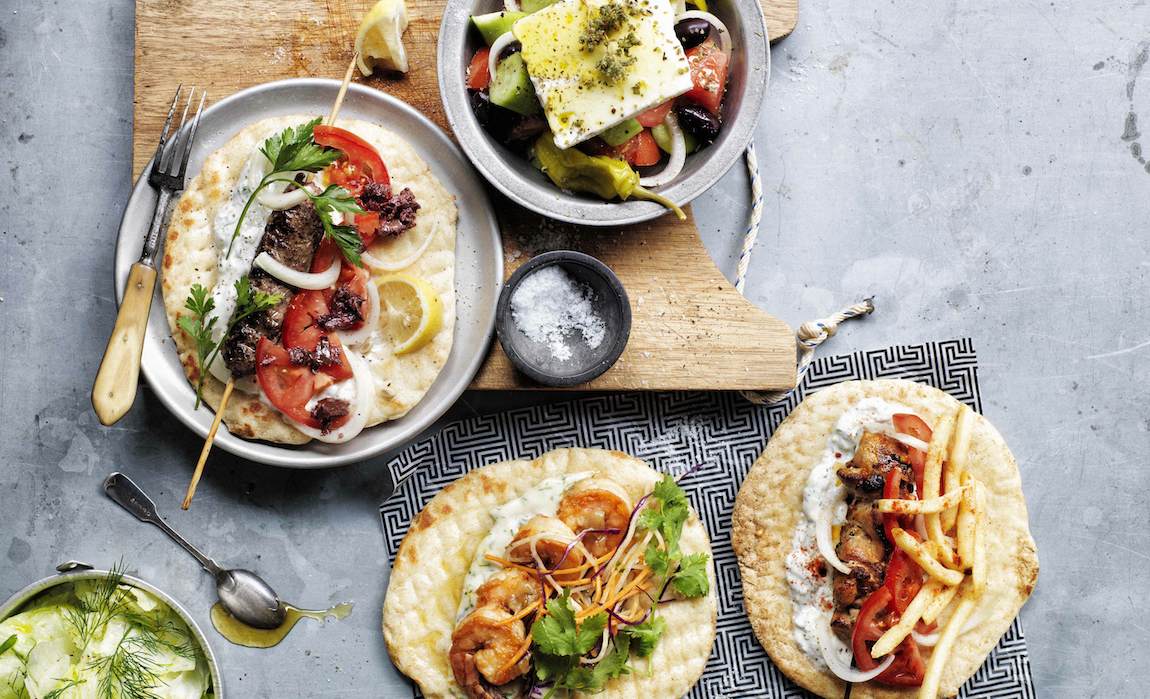
    Singapore’s first Greek fast-casual concept, Supergreek, has opened at Raffles City.

    Supergreek’s menu features a wide selection of healthy Greek dishes, including the popular Geek street food Souvlaki and homemade authentic Geek yogurt.

    “At Supergreek, we follow traditional Greek cuisine which is predominantly plant-based, and focused on lean meats, seafood and heart-healthy olive oil that is also fresh,” says Cheng Hsin Yao, owner and founder of Supergreek.

    He says he wants Supergreek to demonstrate that the cuisine has healthy, nutritious qualities.

    Located in the basement of Raffles City, Supergeek features a predominantly white-and-blue interior, inspired by Greece’s national flag.

  • Geox Singapore opens X Store concept

    Geox Singapore opens X Store concept

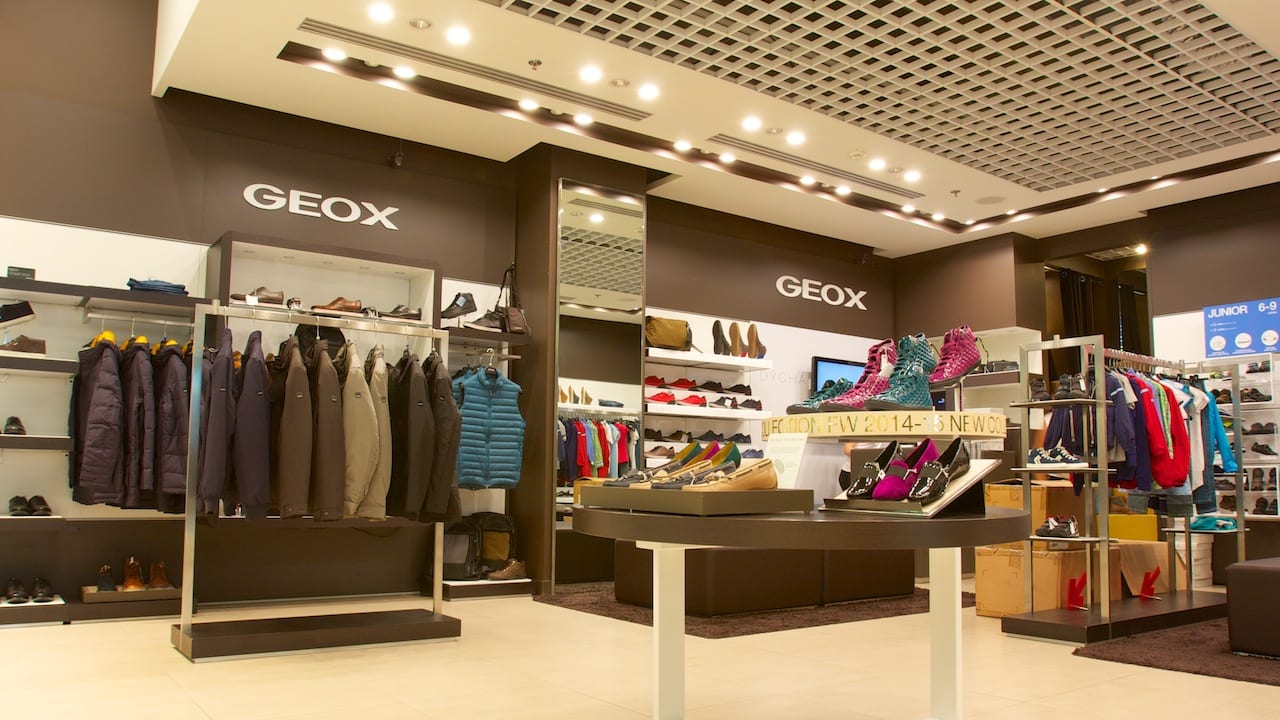
    Italian shoe brand Geox has opened an X Store concept in Singapore with a new outlet in Paragon, Singapore.

    The concept fuses various design elements under one roof designed to convey Italian quality, contemporary design, sustainability and digital technology. It offers a multi-sensorial shopping experience which uses technology to engage the senses both inside and outside the premises. A wide entrance door is pierced with circular cut-outs alluding to the holes on Geox soles.

    The core of the new store rests on a digitalised screen that explains the principle of breathability to customers, detailing current trends and available collections as well as providing detailed descriptions of the patents for each unique Geox product.

  • Squarestreet launches coffee concept in Sheung Wan

    Squarestreet launches coffee concept in Sheung Wan

    Scandinavian lifestyle accessories label Squarestreet is presenting a new in-store coffee concept centered around the tradition of “fika” at its Sheung Wan boutique.

    “Fika” is a Swedish verb that describes the act of meeting to drink coffee while enjoying traditional pastries in any home or workplace in Sweden. It is an integral part of Swedish coffee culture.

    The Kaffe venue offers classic Swedish homemade pastries paired with Swedish-roasted beans in a cosy and intimate environment. The shop also offers a selection of local, Swedish and in-house designed accessories and homewares. Its takeaway utensils are all compostable and its cup sleeves are decorated with the classic folk art called “Kurbits” from the Dalarna region in central Sweden.

    All pastries are made by a Swedish baker following traditional recipes, and the cafe’s beans are delivered weekly, three days after roasting, to keep the coffee as fresh as possible.

    “I wanted to offer a new type of cafe experience through Kaffe,” said Kaffe founder and curator Alexis Holm. “Having a ‘fika’ is something special, a moment with friends, a good book, or treating your grandma to her favourite pastry. Coffee is only the excuse, it’s what happens when people have coffee that matters.”

  • Pirata Group to launch new Japanese concept Honjo

    Pirata Group to launch new Japanese concept Honjo

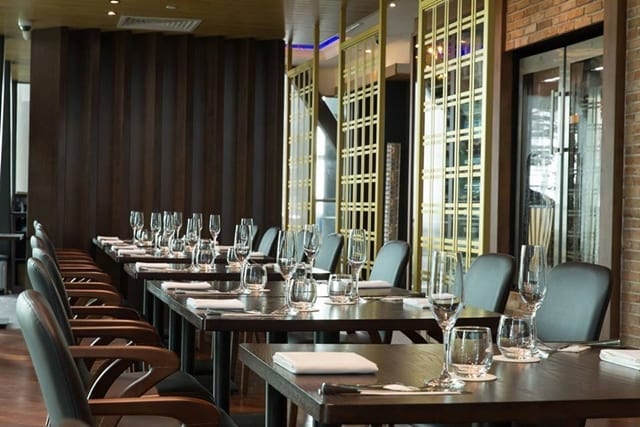
    Hong Kong dining concepts business Pirata Group is opening Honjo, a modern Japanese restaurant, in Sheung Wan district late next month.

    As Pirata’s second Japanese concept, Honjo will be a 120-seat venue independent from its cosy street-inspired neighbour, TMK, set to launch a few days prior. Realised by interior designer Ben McCarthy of Charlie & Rose, Honjo is designed to remind diners of a modern restaurant set in the 1950s with a retro futuristic vibe, vibrant colours and intricate details from stained glass windows to hanging light fixtures.

    “The interior of Honjo will be demurely and appropriately extravagant, a dream eclectic and quirky home complete with an expansive collection of New and Old World wines,” read press material put out by the firm. “It will be the imaginary backdrop of a typical Japanese person’s dream world, a communal aspiration shared by many. A short reprieve from reality, one enters a fantastical world where he or she lives lavishly in a home resembling a British manor from the 1950’s. Finding joy in traveling the world and being influenced by each vibrant culture visited, the dreamer will craft Honjo’s interior, philosophy and cuisine based on his or her fantasies.”

    The restaurant celebrates the ability of Japanese cuisine to absorb inspiration and concepts from other countries, with a menu that will pay homage to a combination of Japanese people’s passion for exploring new flavours as well as their Japanese origin.

    Pirata Group’s existing restaurants include The Optimist, Pici, Tokyo Lima, Meats, Chifa, Madame Ching, Chaiwala, The Loft and Hugger Mugger.

  • ACT’s first drive-thru pharmacy Concept Wins Interest

    ACT’s first drive-thru pharmacy Concept Wins Interest

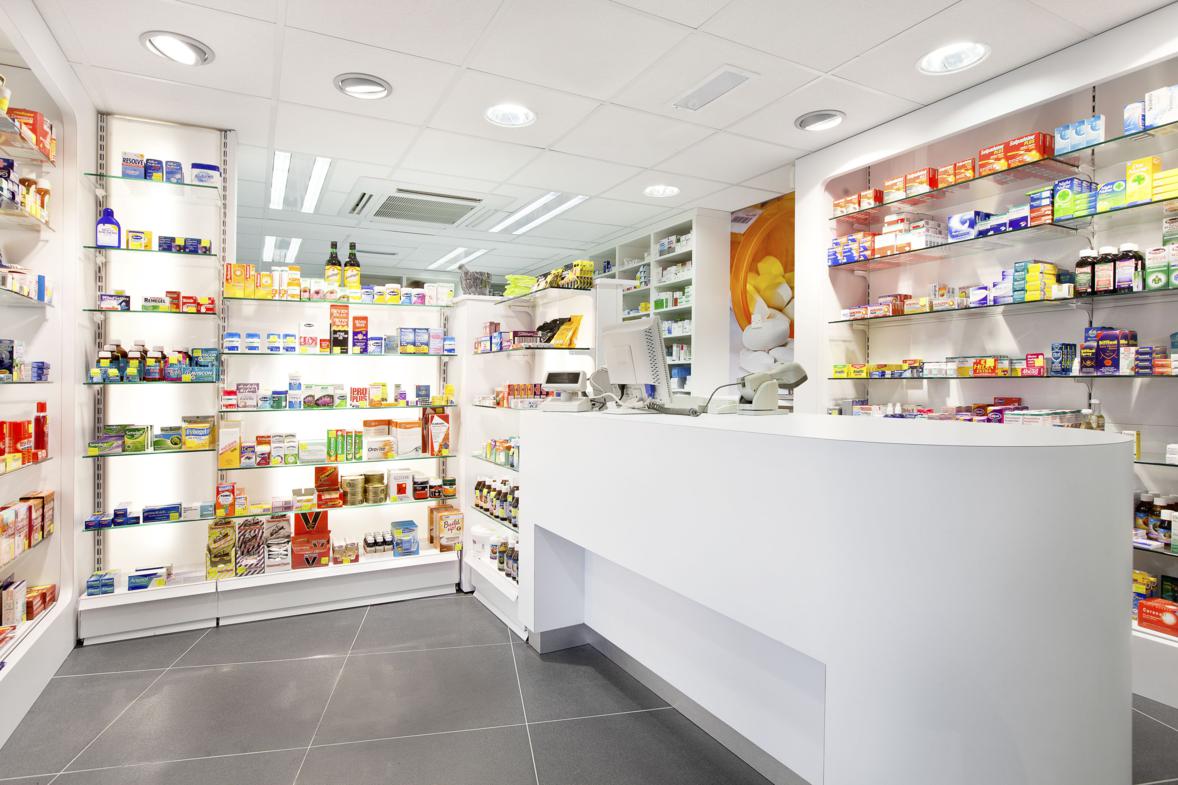
    The ACT’s first drive-thru pharmacy, Gold Creek Discount Drug Store, has proven a hit with the local community a year on from opening, highlighting the importance of accessible healthcare in rural areas.

    The ‘door-to-door’ service has offered greater accessibility, convenience and flexibility to the community, with the elderly, pregnant women and those with mobility issues, in particular benefitting from the service.

    The pharmacy’s drive-thru offers over-the-counter medication, script collection as well as a click-and-collect service through Discount Drug Stores’ e-commerce site.

    “Our drive-thru pharmacy has enabled local patients, both young and old, to become more independent on their journey to better health and has been of particular benefit to pregnant women, the elderly and those with chronic conditions,” Gold Creek Discount Drug Stores partner, Nader Ibrahim, said.

    “We now see customers who we hadn’t seen in years due to their inability to be mobile. Rather than having to ask their friends, family or neighbors to assist, the drive-thru enables patients to feel more self-sufficient.

    The service has also proved popular with time-poor parents, with the store recording a 34 percent increase in baby care purchases such as formulas and medication, via the drive-thru.

    Ibrahim said the concept “makes life easier” for stay-at-home parents, who can avoid the hassle of taking their kids in and out of the car.

    Gold Creek is the first and only Discount Drug Store with a drive-thru service at this time.

  • A deep dive into Alibaba’s Hema Concept

    A deep dive into Alibaba’s Hema Concept

    The omnichannel buzz word has been omnipresent in most retailers’ vocabulary in recent years. A majority of them are painstakingly trying to integrate multiple online and offline touchpoints from discovery to purchase and services into a seamless and convenient journey for the customer, which is often a costly and difficult job.

    Then in 2017, in a letter to shareholders, Jack Ma announced the “end of E-Commerce as we know it” and the emergence of New Retail, thereby introducing an entirely new buzz word to the world.

    Is New Retail just another avatar of omnichannel or is it something profoundly different? What exactly is New Retail? How does it address customer needs? How does it work? Does it make economic sense? How is it likely to impact our retail environment – if at all?

    To answer these questions, we took a deep dive into Alibaba’s New Retail mothership, the Hema grocery supermarket chain launched in 2016, with its familiar Hippo face logo.

    The Hema concept was developed from scratch by Hou Yi, a brilliant logistics expert hired from rival Jing Dong.

    The Hema store’s value proposition is built on three pillars:

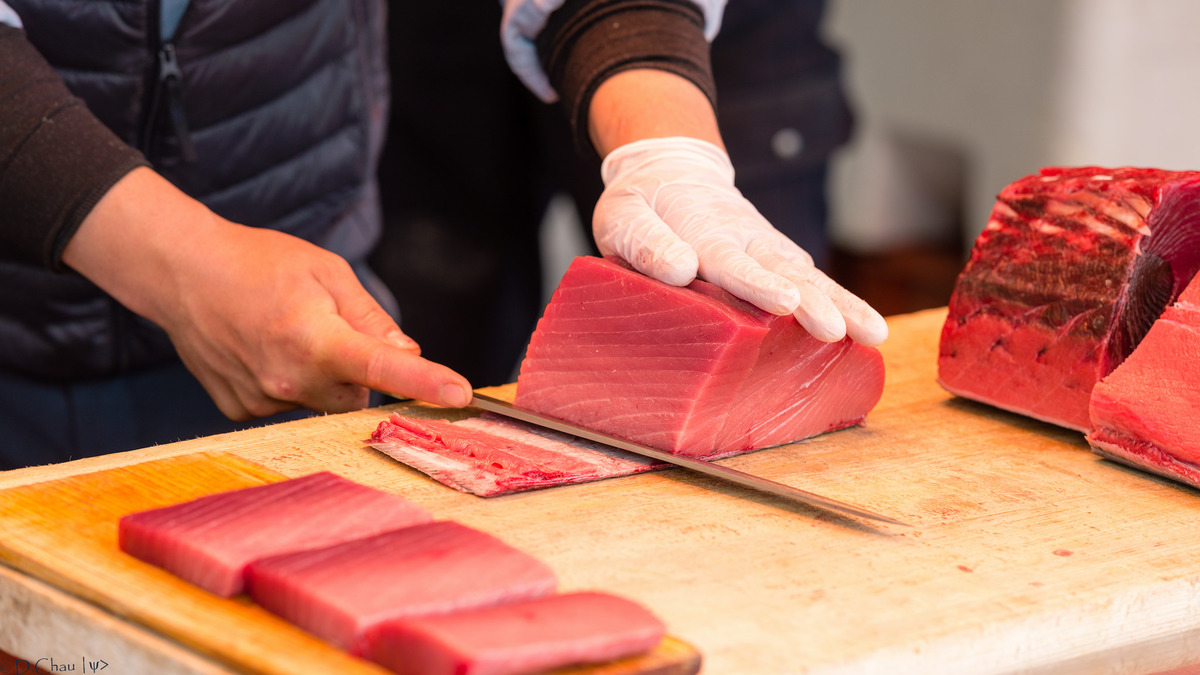
    1.  Superb quality fresh food – particularly seafood – at an attractive price, that you can pick and have cooked to dine in the store or to go.

    2. A completely integrated smartphone-centric experience, from product information (by scanning QR codes on product labels) to automated check-out enabled by RFID tags, to pay through Alipay (although Alibaba was recently forced by regulators to accept other payment platforms and cash).

    3. An extended shopping experience with the download of an application that allows online ordering and free home delivery within 30 minutes within a 3km radius of each store.

    Hema has already opened 88 stores in 14 Mainland China cities and built a customer base exceeding 10 million, generating an average daily revenue per store of RMB800,000 to 1 million.

    Customers love it

    The first thing we looked into was whether customers like the Hema experience. In a nationwide survey of grocery store customers across multiple grocery retailers, we found that the answer was a loud and clear “yes”: They rate Hema above every other grocery chain on almost all criteria: freshness, quality, choice, convenience, service (including in-store cooking and dining), and…. price.

    A lot of this perception is the result of Hema’s smart positioning. A typical Hema store product range is in fact quite limited compared to other grocers, but it is broad in fresh food, particularly in seafood. Also, Hema is a price leader only in fresh (although still 15 per cent higher than at RT-Mart). The company has chosen that as their customer-acquisition weapon focused on health-conscious affluent families.

    Hema is more expensive in almost every other category, yet once a customer is “hooked” on affordable fresh food and downloads the Hema application, they become a regular online customer including for dry food and “long-tail” products (those products that customers don’t buy on a daily basis but often replenish between longer intervals), delivered through Hema’s cloud supermarket platform.

    Customers love that! Hema wins in repeat purchase intention and preference, online and offline, against every competitor. To understand this, we asked a group of customers without Hema experience where they buy their grocery: they nominated a mixture of online and offline retailers, without anyone destination standing out.

    Then we asked the same group after a Hema experience to tell us where they intend to shop for groceries going forward: the answer was an overwhelming 50 percent-plus favoring Hema. Such is the nature of market research, we note these are self-declared intentions and there may be gaps between intent and action. But the message is quite clear: with extended deployment, Hema seems to have the potential to grab massive market share of China’s grocery market.

    First, a Hema store layout is very particular: 50 percent of the store space is dedicated to the “back office” – a huge proportion compared with the 10 percent or so of a traditional grocery store. This back office supports the “front end” store and most importantly the fulfillment of online orders delivered to the local neighborhood. The front end is split between regular retail space and the cooking and in-store dining space, which takes up a third of it.

    Then, there is Hema’s Cloud Supermarket accessible through the Hema application, which gives customers access to a much broader range of products – 20,000+ SKUs, including dry food, non-food and appliances in addition to the stock available in the store. Hema has a next-day delivery promise for these goods, compared with the 30-40 minutes estimate of deliveries from in-store range. Goods from the Cloud Supermarket are shipped from a traditional-style remote warehouse using a similar approach to e-commerce logistics to Tmall’s.

    With this configuration, online is absolutely key to the Hema business model. Based on our analysis, the best-performing Hema stores generate close to 70 percent of their revenue online, compared with about 50 percent for a traditional store.

    Tellingly, based on our estimates, few customers retain an offline-only shopping attitude after experiencing a Hema store. Most of them become omnichannel shoppers and a hefty 25 percent become online-only shoppers. This is an amazing outcome in any retail category: to a retailer, it is a dream come true where you acquire customers using a limited physical footprint and nurture them online!

    Leveraging data

    A disappointing feature of the Hema concept is in the area of leveraging data in order to customize a store offer based on different regional preferences or customer buying patterns.

    In theory, with all the digital integration happening along the Hema value chain, we should see a lot of this… yet we did not. There are no significant differences in stock ranging between stores in different regions, and almost no changes in the products recommended to customers online who adopt different basket habits.

    It is one thing to generate a lot of data, it takes a lot more to dig into it efficiently to create value.

    Many revenue sources

    Thanks to its hybrid business model, Hema has created a broad range of revenue sources: beyond in-store and online retail, Hema generates revenue from processing fresh food, which partially compensates for low margins resulting from its attractive price position. Hema is also offering cooked food and ready-to-eat meals under its private label. And it is generating commission fees from inviting third-party food and beverage brands to operate small stalls on its premises. Already, Hema has collaborated this way with more than 200 restaurant brands, including Starbucks Coffee.

    Beyond retail, Hema has started to leverage its integrated supply chains from farm to store. For example in seafood and pork meat, it has become a B2B supplier to restaurant businesses.

    In future, Alibaba may also start to exploit its comprehensive set of capabilities – cloud computing, software, DC network, ultra-fast delivery, integrated supply chains and access to data to enable better forecasting and planning, etc… then start marketing them to other retailers anxious to enter the New Retail era.

    The profit conundrum

    But how does this all stack up financially? How is Hema performing versus other grocery retailers? And is it making money?

    Based on our analysis, Hema’s best stores are more than twice as productive as RT-Mart’s best-performing stores, and about 50 percent more productive than the average one. Admittedly this is achieved with a different business mix, which includes in-store dining and a large percentage of online sales generated by the store customers.

    However, profitability remains a challenge. Based on our estimates, most of the stores are making a loss before the application of any depreciation and amortization costs. Even best-in-class stores do not generate enough operating margin to absorb their high overheads.

    One of the main reasons is that Hema’s hybrid online-offline business model implies high rent and high labor cost. The rent is high rent because they are basically operating a back-office warehouse in 50 percent of what would otherwise be prime retail space in expensive residential areas. High labor costs because you need a lot of staff to operate a premium retail environment as well as online fulfillment logistics, with a high variable component for deliveries.

    Economies of scale come into play: the larger the online revenue, the better the profitability. As customer density increases within each store’s 3km radius, delivery routes will be able to serve a higher number of customers each trip, thereby reducing the per-delivery cost. But one must expect this customer “densification” will happen at a faster pace than the inflation of labor costs, which is highly speculative. This is an old challenge of last-mile delivery economics.

  • Pazzion footwear launches cafe concept

    Pazzion footwear launches cafe concept

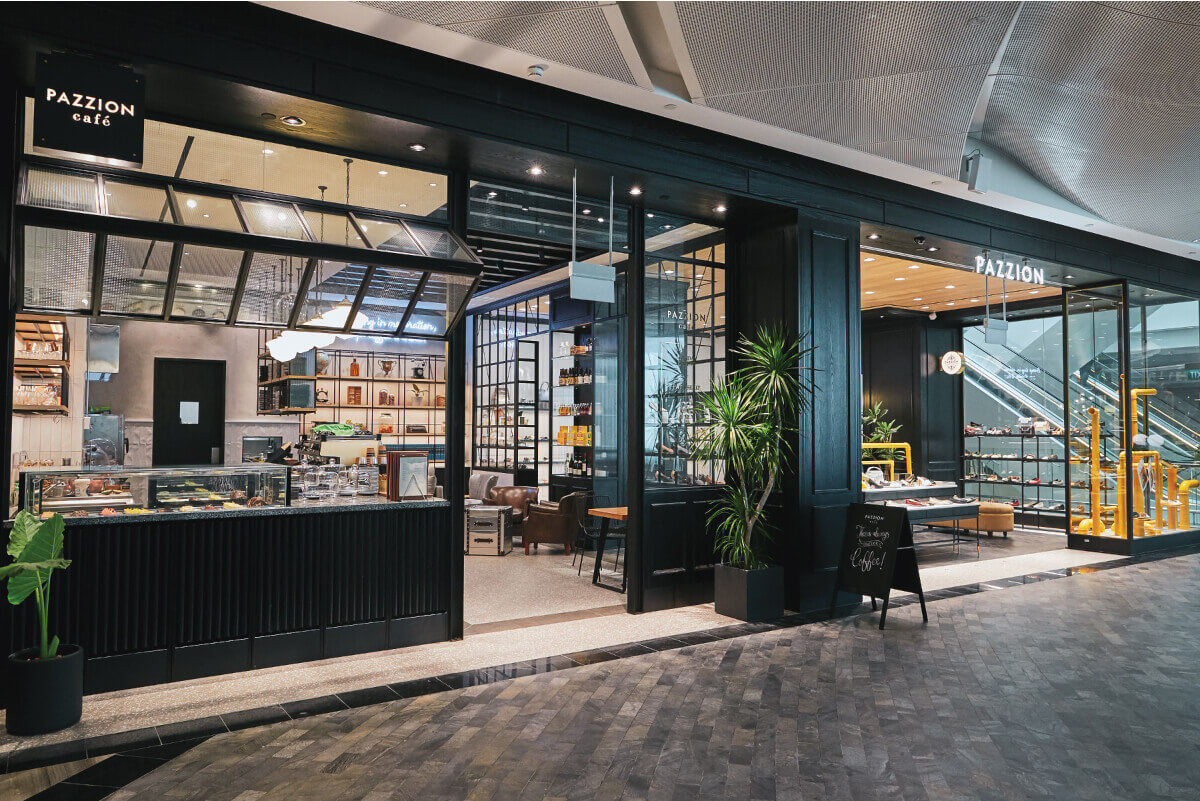
    Footwear retailer Pazzion has unveiled a cafe concept at Jewel Changi.

    Located next to the Pazzion boutique, the 45-seat Pazzion Cafe is designed in monochromatic tones of black and white, peppered with grey and gold, and vintage-style pendant lights.

    A feature wall with an inset shelving unit displays vintage-looking props, including a typewriter, telephone and metal globe, making the cafe an Instagram-worthy spot.

    More seating is arranged outside, overlooking the Rain Vortex.

    “Pazzion cafe provides our customers with a much-needed cosy spot to rest their feet while enjoying our specially curated menu and a cup of coffee,” said Tom Ng, Pazzion’s founder.

    Established in 2002, Pazzion has stores in Brunei, Cambodia, China, Indonesia, Japan, Malaysia, Thailand and Vietnam.

  • Homewares Influenced by SPA and Wellness Concepts

    Homewares Influenced by SPA and Wellness Concepts

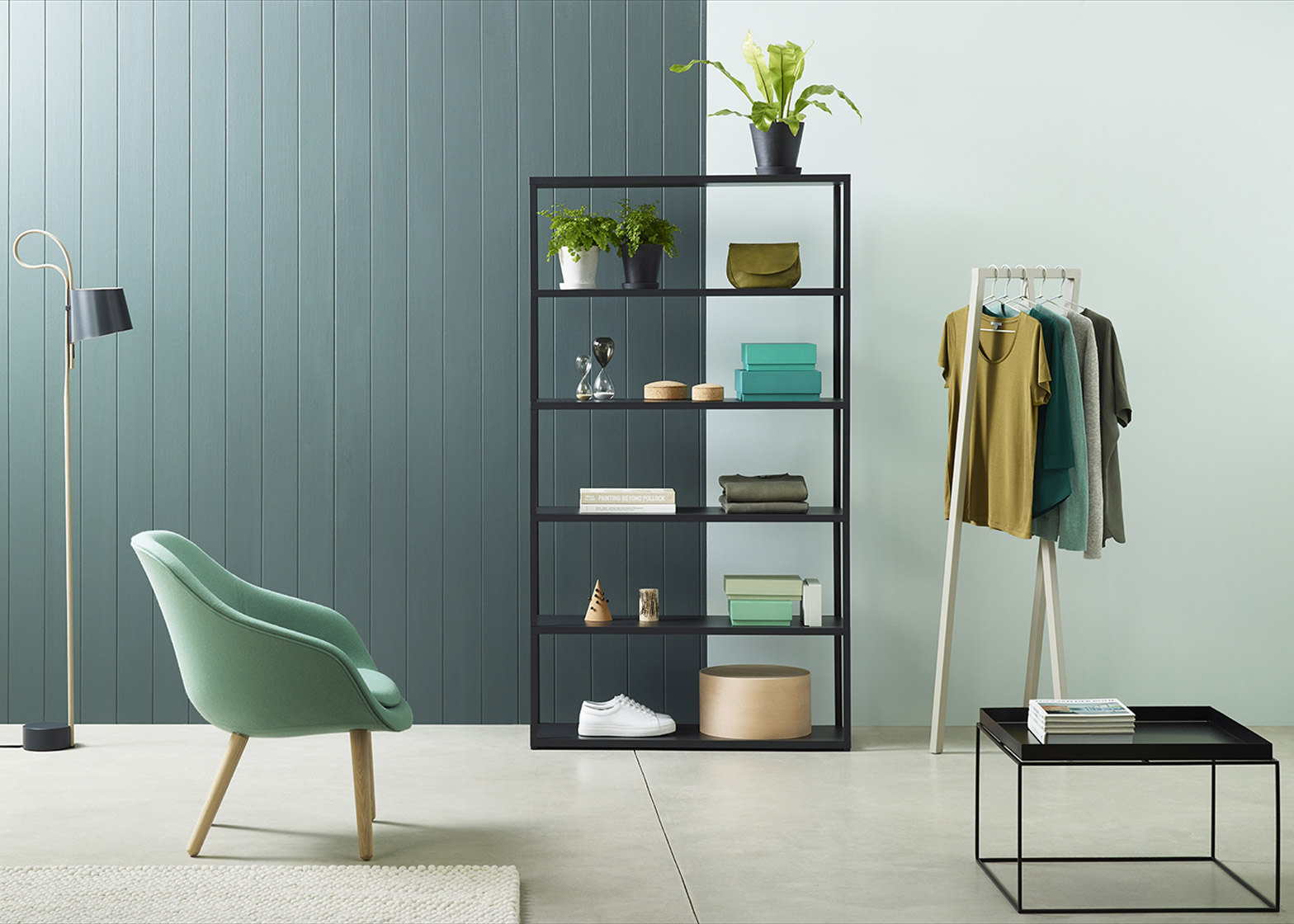
    The concept of wellness will increasingly be incorporated into houseware and home designs, predicts consumer market analytics firm WGSN. Speaking at the 34th HKTDC Hong Kong Houseware Fair and the 10th HKTDC Hong Kong International Home Textiles and Furnishings Fair, WGSN Mindset trends specialist Charlie Clark looked at the design concepts, colours and macro directions that will define homeware collections for spring/summer 2020.

    She explained how “sensorial wellness” – the concept of wellness embracing living as well as mental and physical health – is increasingly at the forefront of consumers’ minds and will become a theme in upcoming houseware designs.

    According to Clark, there will be a greater emphasis on the way textures and colours are used to affect our mood, and how the arrangements of spaces and products can make us feel energised or calm.

    Clark highlighted four design trends that have emerged out of this wellness theme, with corresponding zones set up at the Houseware Fair so that visitors could experience how these concepts can be applied to product designs.

    The trends include “Primitive Future”, a tendency toward sensorial simplicity in a blend of high-tech and organic lifestyles; “Hyper Room”, underscoring a mysterious and sometimes moody sense of the future; “Playful Plush”, blending culture with global influences; and “Harmony Lab”, emphasising wellness in the relationship between humans and technology.

    The fairs ran from April 20 to 23 at the Hong Kong Convention and Exhibition Centre. Some 2500 exhibitors from 28 countries and regions were featured at the fairs to showcase the latest houseware and home textiles collections to global buyers. The two four-day fairs welcomed close to 47,000 buyers from 121 countries and regions.

  • Audi To Showcase AI:Me Concept At The Shanghai Auto Show

    Audi To Showcase AI:Me Concept At The Shanghai Auto Show

    Audi will be presenting the AI:ME concept at the Shanghai Auto Show 2019. Beside this car, the company will also showcase the Q2L e-tron, which was designed especially for China and is built in the Foshan plant. The compact SUV, which will be delivered to the first customers in the summer of 2019, will make its world premiere in Shanghai.

    The body of the Audi Q2L e-tron is 33 millimeters longer than that of the basic model. The car is powered by an electric motor on the front axle that mobilizes 100 kilowatts and 290 newton meters. With a battery capacity of 38 kilowatt hours, it has a range of up to 265 kilometers.

    But the big concept car that will make its world premiere is the AI:ME concept car which shows the company’s vision for the future of urban mobility. The Audi AI:ME shows the ideas of Audi designers and developers for a compact car of the future. The show car offers a roomy, futuristic interior and capability for level 4 automated driving. This allows the occupants the freedom to do what they like with their time on board. The Audi AI:ME offers high-tech features for communication, entertainment, or simply relaxation.

    There’s just one design sketch of the interior and that shows an interesting layout. There’s a massive screen that dominates the cars instrument cluster and is placed behind the steering wheel and the wooden trims. Considering that the company says it is a level 4 autonomous car, the AI:ME gets a steering wheel too but we expect it to be retractable given the autonomous driving function of the car.

  • Tong Liya helps Launching new H&M Conscious Collection

    Tong Liya helps Launching new H&M Conscious Collection

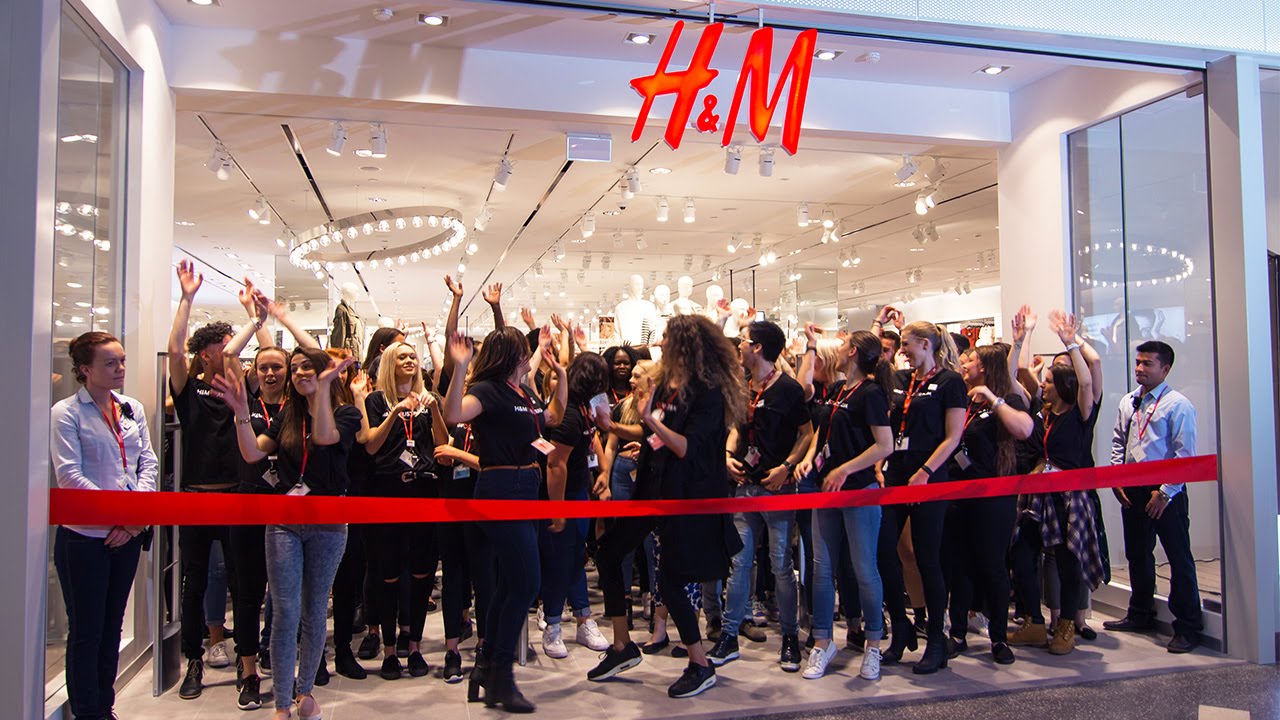
    Global fashion label H&M has launched its Conscious Collection with Chinese actress Tong Liya among the 13 women featured in the promotional campaign.

    Every piece in the collection is made from sustainably sourced materials, such as 100-per-cent organic cotton, Tencel or recycled polyester.

    “We’re absolutely thrilled to have this spring collection made out of sustainable materials,” said the brand’s head of design womenswear Maria Östblom. “With feminine, easy-going silhouettes, dreamy floral prints and separates all created by our in-house design team that can easily be mixed and matched, it shows how style and sustainability can work together beautifully.”

    The floral prints and earthy colours of the collection are styled to complement feminine details such as ruffles, off-the shoulder necklines and balloon sleeves.

    Throughout the month of April, H&M will not only celebrate their sustainability actions and goals as a company, but also highlight the Conscious Collection in stores all around the world. Promotions will emphasise H&M’s status as among the world’s largest users of sustainably-sourced materials and its continued commitment towards a sustainable fashion future.

    “This Conscious Collection is a wonderful step towards meeting one of our main goals – to use only 100 per cent recycled or other sustainably-sourced materials by 2030,” said H&M’s global sustainability manager Isak Roth. “Sustainability is one of our core values, and while there is a lot of work going into this throughout the entire value chain, it’s always exciting to see the more consumer-facing campaigns really showcase our conscious way of thinking.”

  • Kia Showcasted Three Concept Cars At The Seoul Motor Show

    Kia Showcasted Three Concept Cars At The Seoul Motor Show

    Kia Motors is all set to reveal a trio of new concepts at the 2019 Seoul Motor Show and they will preview the brand’s future design direction. Two of the three concepts make their international debut in Seoul, with the rugged Kia Masterpiece Concept which shows off a large SUV body with a luxurious, high-tech cabin. The Masterpiece is accompanied by the Kia Signature which is essentially the SP concept that the company showcased at the 2018 Auto Expo and finally the Imagine by Kia concept car which is an all-electric sports sedan which embodies Kia’s desire to create exciting low-emissions passenger cars.

    Each of the cars illustrate different elements of the brand’s future model strategy. The Kia Masterpiece concept makes its first public appearance, with a rugged and robust large SUV. The Masterpiece hints at how the brand could adapt its latest designs and features for the large off-road SUV segment. It sees sculpted bodywork and bold lines and it combines a purposeful SUV stance and raised body, and an all-wheel drive system. The front of the car features Kia’s new tiger nose grille, extended outwards across the whole front section of the concept, with no clear boundaries between grille and LED headlamps. The design of the front of the car is echoed in the rear of the car, with signature lines at both ends of the vehicle giving the car a consistent design all round.

    The Signature Concept is the made its international debut at the India’s Auto Expo 2018 in Delhi. Driven by advanced technology, the Kia SP Concept hints at the company’s plans to introduce a new small SUV for its global markets as well. The SP Concept gets a wide grille and long hood at the front, and a rear design which emphasises stability with wide rear lamps and body lines, the Signature stands out on the road. At the front, its lamps are connected to the ‘tiger nose’ grille, with integrated daytime running lamps. Its strong shoulder line, with a glasshouse which tapers towards the rear of the car, lends the compact SUV an air of understated sportiness. The exterior is completed with a series of distinct styling features, contributing to the car’s contemporary, technical design. These include thin LED lamps at the front and rear, sharp lines pressed into the bodywork, and precise metallic details. Of course the production ready version will be revealed later this year.

    Finally, it’s the Imagine by Kia concept which was revealed at the 2019 Geneva International Motor Show, but it’ll now make its Asian debut. The fully-electric sports sedan concept has been designed at Kia’s European design center in Frankfurt, Germany. This concept is Kia’s first pure electric four-door passenger car. The Imagine by Kia concept represents a more progressive Kia design language for the future, with intelligent reinterpretations of existing Kia motifs and a bodywork characterized by a blend of tautly-drawn sheet metal, crisp lines, and efficient aerodynamics.

    The design team has exploited the chassis architecture of the powertrain’s all-electric layout to maximise cabin space and create an airy and spacious interior. The concept features 21 individual ultra high-resolution screens. While not immediately destined for production, the Imagine by Kia concept hints at interior and exterior design elements that could be adapted for future production models from the brand.