Tag: condiments

  • Turban Chopsticks Launches Eight Flavour Curry Paste Sachet Line

    Turban Chopsticks Launches Eight Flavour Curry Paste Sachet Line

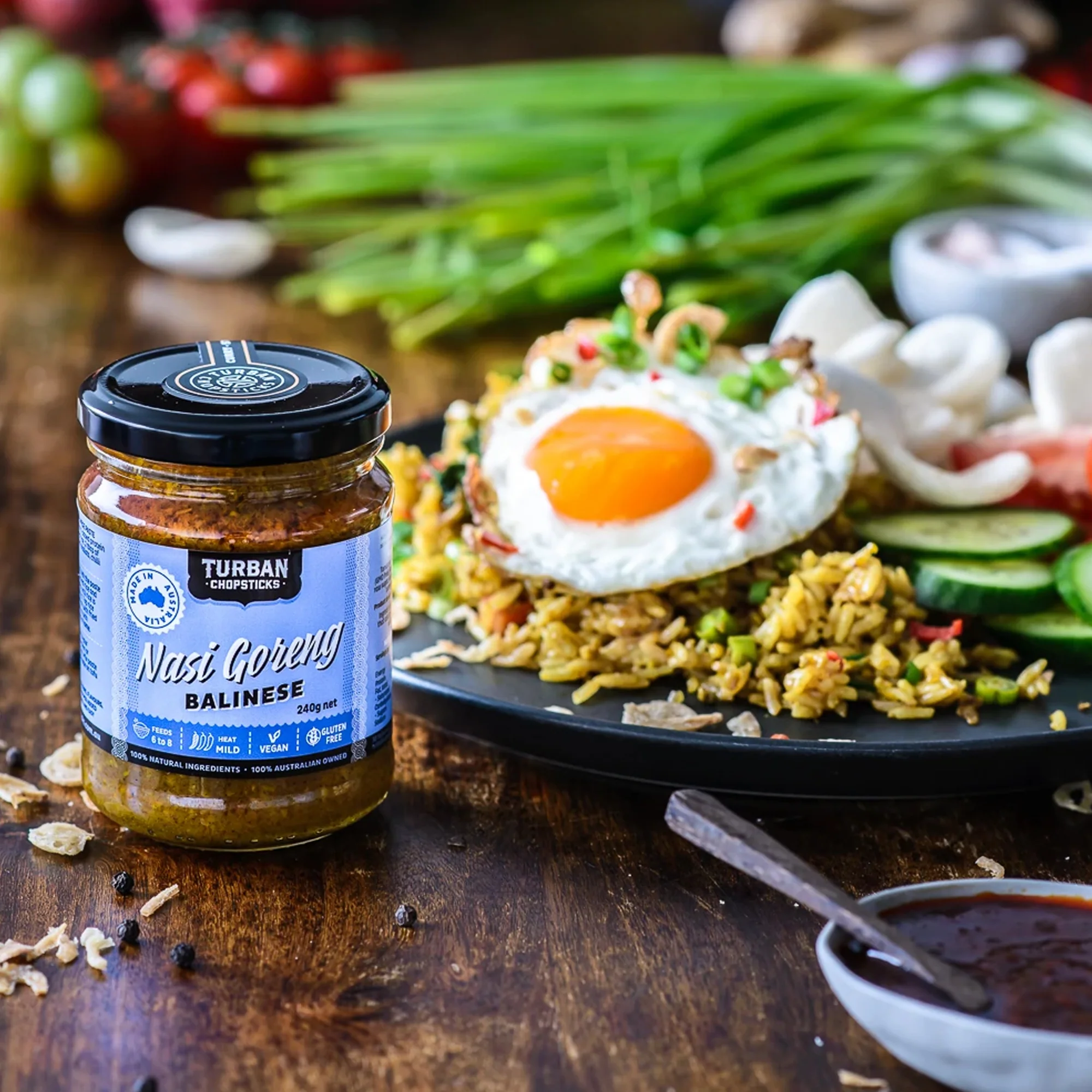
    Perth food producer Turban Chopsticks rolled out an eight-flavour range of curry paste sachets on October 5. The 80-gram packs yield three to four home-cooked servings.

    Shoppers wanting Asian meal bases can buy the smaller packs without committing to full-size glass jars.

    Sachet format and flavour lineup

    Flavours include Korean Gochujang, Japanese Curry, Tandoori, Massaman, Vindaloo, Thai Green Curry, Butter Chicken, and Nut-Free Satay. Every plant-based 80g recipe caters to single-meal household preparation.

    Single-use flexible sachets lower the entry price on retail shelves. They also cut down on pantry waste from half-used jars.

    Pantry shifts and portion control

    Smaller pack formats are gaining ground across supermarket condiment aisles as grocery bills climb. Buyers now look for exact-recipe portions instead of stocking multi-serve jars that spoil.

    For independent brands, the format encourages shoppers to sample different regional dishes. Retailers gain higher inventory turnover and tighter shelf density per square centimetre.

    Competition across supermarket aisles

    Condiment giants and private-label ranges continue to crowd cooking sauces onto middle and bottom shelves. Turban Chopsticks is leaning on allergen-friendly and plant-based recipes to hold shelf space in mainstream Asian grocers and independent supermarket networks.

    Success will hinge on repeat sales against cheaper mass-market pastes. Holding that shelf space demands steady volume across all eight recipes rather than reliance on a single standout dish.

    Distribution and retail targets

    Targeting metropolitan households that cook frequently at home, the brand is rolling out the sachets across Australian retail channels. Reorder rates over the next quarter will decide broader national ranging.
  • Foshan Haitian Acquires Amoy Food from Trustar Capital

    Foshan Haitian Acquires Amoy Food from Trustar Capital

    Chinese condiment manufacturer Foshan Haitian Flavouring and Food Company has acquired Amoy Food from private-equity group Trustar Capital.

    Trustar confirmed it sold its entire equity interest in Hong Kong-based Amoy to Haitian, which holds dual listings in Shanghai and Hong Kong, though financial terms of the deal were not disclosed.

    Founded in 1908, Amoy manufactures products including soy sauce, oyster sauce, seasoning sauces and frozen dim sum, distributing across more than 40 countries including the US, the UK, Canada, Australia and Japan.

    Export footprints and retail networks

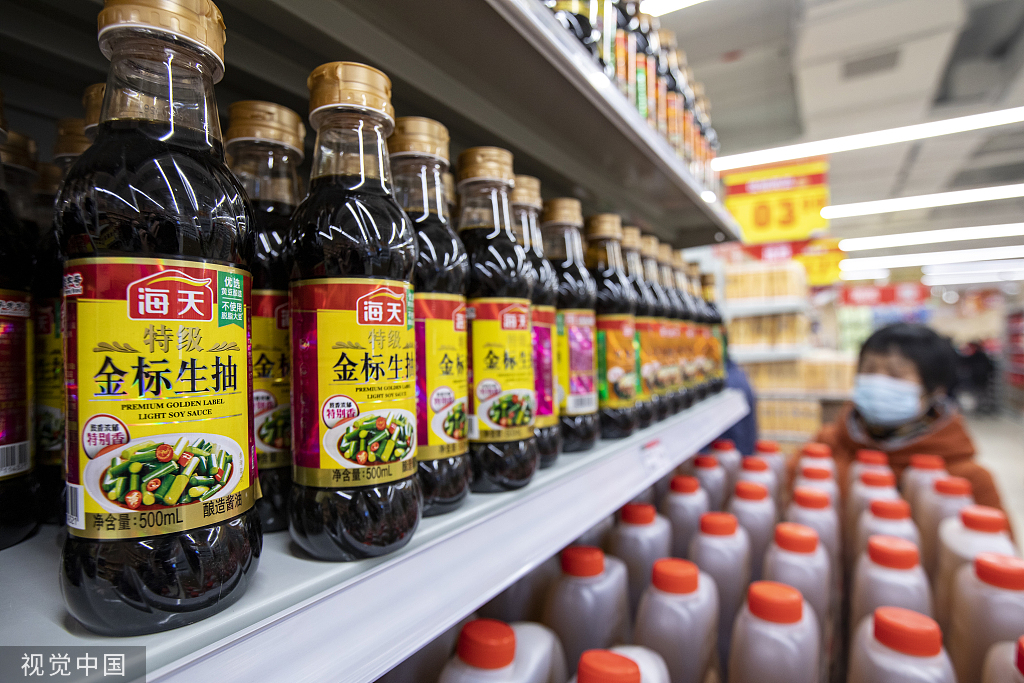
    Haitian sells soy sauce, vinegar, oyster sauce, ketchup and cooking seasonings across mainland supermarkets and wholesale food service channels. The purchase gives the Foshan-based group direct access to overseas retail buyers and overseas Chinese diaspora grocers that Amoy has served for decades.

    Trustar confirmed the divestment covers its entire equity stake. The two food groups will integrate production networks, warehouse capacity and procurement pipelines to lower freight and ingredient expenses.

    Mainland volume and slowing domestic margins

    Mainland condiment producers face margin pressures and crowded domestic supermarket shelves. While Haitian generated 16.15 billion yuan ($2.41 billion) in revenue during the first half of the year, growth sat at 5.98 per cent compared with 15.23 billion yuan in the prior-year period.

    Operating profit for the six-month period climbed to 4.96 billion yuan from 4.66 billion yuan in the first half of 2025. Net profit attributable to shareholders rose 7.2 per cent to 4.19 billion yuan, supported by factory automation and lower raw soy costs.

    Private equity exit after seven years

    Trustar purchased Amoy from Japanese packaged food group Ajinomoto in 2019. The private equity firm began exploring sale options in 2023 as global food brand valuations shifted and buyout funds looked to return capital to investors.

    Amoy was established in Xiamen in 1908 before shifting its core manufacturing base to Hong Kong. The business built substantial market share in frozen convenience foods and export condiments under previous multinational owners, including French dairy group Danone and Ajinomoto.

    Category growth targets through 2030

    Data from Frost & Sullivan forecasts China’s domestic condiment market will expand from 511.3 billion yuan in 2025 to 689.7 billion yuan by 2030. That projection represents a compound annual growth rate of 6.2 per cent across all savory sauces and flavorings.

    Haitian now faces the operational task of consolidating Amoy’s Hong Kong production schedules and Western export supply chains before reporting full-year earnings in early 2027.

  • Daesang Launches Tailored O’Food Sauces for US Supermarkets

    Daesang Launches Tailored O’Food Sauces for US Supermarkets

    South Korean food manufacturer Daesang has launched a revamped lineup of O’Food sauces for mainstream US grocery shelves this week.

    The export line modifies traditional Korean fermented recipes for American palates. Formulations feature lower heat levels and familiar condiment textures.

    Adapting Fermented Flavours for Export

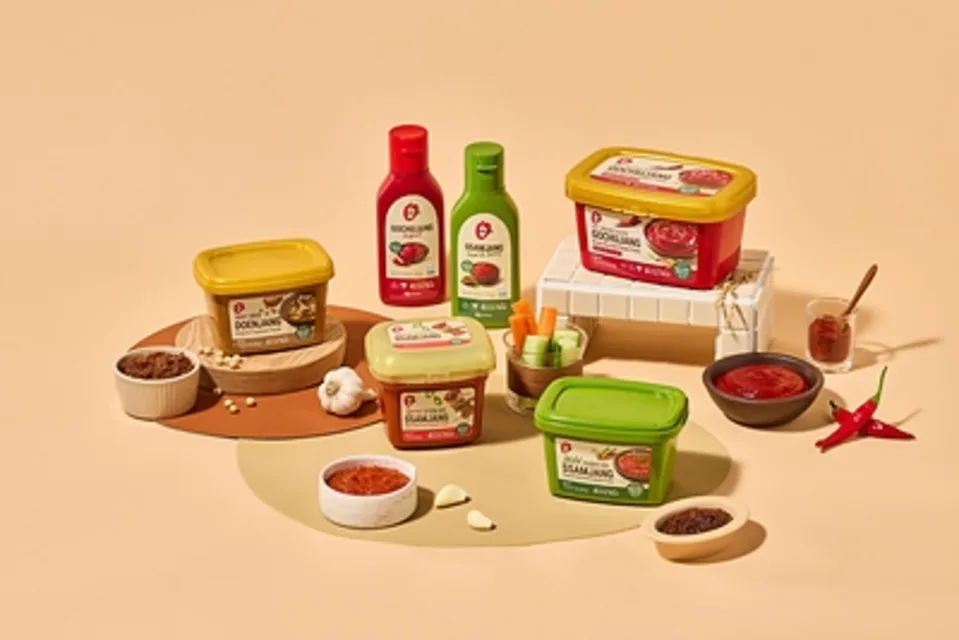
    Core adjustments cover two key lines, gochujang and barbecue marinades. Daesang cut pungency and tweaked sweetness ratios to appeal to mainstream chains, where traditional Korean pastes often struggle to win repeat buyers.

    Retail distribution in North America runs through subsidiary Daesang America. The company is targeting broadline supermarkets rather than relying solely on ethnic grocery channels.

    The Mainstream Distribution Hurdle

    Breaking past specialty aisles into center-store condiment bays offers Asian food makers their best margin opportunity. CJ CheilJedang took that route by acquiring Schwan’s for deep US cold-chain access. Daesang chose an asset-light, recipe-first strategy instead.

    Customer retention is the primary operational hurdle. Tweaking authentic profiles risks alienating diaspora shoppers, while established Western brands are rolling out their own Korean-style sauces.

    Earlier Footprint Across North America

    Daesang already produces kimchi at facilities in California to bypass shipping bottlenecks and trim freight overhead. The sauce lineup uses these existing supply chains to build shelf space across major accounts.

    US supermarket buyers will review early velocity data from regional pilots over the coming quarters before committing to national shelf resets.