Tag: confectionery

  • Funday Natural Sweets and Cotton on Kids Partner on Apparel Range

    Funday Natural Sweets and Cotton on Kids Partner on Apparel Range

    Confectionery brand Funday Natural Sweets has partnered with Australian childrenswear retailer Cotton On Kids in September 2026 to launch a limited-edition apparel collection based on its core product range.

    The apparel run is designed for children aged two to 10 years and sells exclusively through the Cotton On website. Graphic designs across the garments replicate four confectionery variants: Strawberry & Cream, Sour Peach Hearts, Sour Cola, and Fruity Koalas.

    Candy Graphics for Digital Shelves

    Cotton On is keeping the release confined to its online channels rather than distributing inventory across its physical store fleet. Digital exclusivity lowers supply chain overhead for short-run collaborative merchandise while testing customer demand before committing floor space in suburban shopping centres.

    For Funday, the partnership puts grocery-aisle branding into everyday childrenswear. Apparel licensing gives fast-moving consumer goods makers repeated household visibility without requiring an increase in trade marketing expenditure inside supermarkets.

    Brand Collaborations in Childrenswear

    Fashion retailers across Asia-Pacific continue to use branded novelty drops to drive direct web traffic. Cross-category partnerships between food brands and apparel chains have expanded rapidly as fast-fashion operators look for distinctive graphic intellectual property that appeals directly to parents buying for young children.

    The operational risk in food-to-fashion licensing sits squarely on inventory velocity. Themed capsule collections lose consumer appeal quickly once seasonal promotional cycles end, making web-only fulfillment a calculated choice to prevent discounted stock overhang in physical stores.

    Licensing Growth in Apparel

    Cotton On has built a steady business model around limited licensing deals across its adult and youth divisions, drawing on entertainment properties, beverage brands, and food labels to refresh basic garment blanks.

    Online performance data from this initial confectionery run will determine whether Cotton On expands the licensed grocery range into retail stores across Australia and its broader Asia-Pacific store network.
  • Haigh’s Chocolates Enters Queensland with First Brisbane Store

    Haigh’s Chocolates Enters Queensland with First Brisbane Store

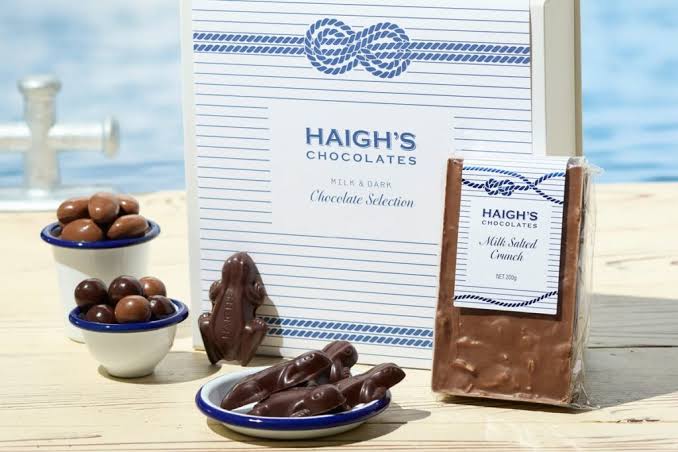
    Haigh’s Chocolates has launched its first physical store in Queensland at Westfield Mt Gravatt in Brisbane. The opening establishes a direct retail footprint in the state ahead of two further Brisbane outlets scheduled for November.

    The family-owned South Australian confectioner took space on Level 2 of the shopping centre next to cosmetics retailer Mecca. The store sells the brand’s core artisan chocolate lines alongside complimentary tasting counters.

    Queensland Footprint Expands

    Online sales in Queensland prompted the physical rollout. Customer order volumes across the state showed sufficient local demand to justify bricks-and-mortar leases, according to the company.

    “Since announcing that we were coming to Brisbane, we have had so many Haigh’s fans and online customers reaching out, asking where they can visit and when we will be open,” said Haigh’s Chocolates chief executive Peter Millard.

    Two more retail sites are in the pipeline. Outlets at Westfield Chermside in Brisbane’s north and Westfield Carindale in the east will open before the end of the year.

    Supply Chain Backing

    The Queensland rollout relies on supply chain capacity completed last year. Haigh’s opened a 120 million Australian dollar production and logistics facility in Salisbury South, South Australia, designed to support national distribution and higher store volumes.

    Converting digital customer density into shopping centre tenancies mirrors how regional specialty retailers derisk capital expenditure in Australia. By validating regional demand through online fulfilment first, brands reduce opening risk in major retail malls before committing to long-term leases.

    Fit-out work is continuing at both the Chermside and Carindale locations ahead of their planned November trade debut.

  • Kinrise Expands Poppin Snack Range with Maltesers Popcorn in Australia

    Kinrise Expands Poppin Snack Range with Maltesers Popcorn in Australia

    Australian food manufacturer Kinrise has launched Maltesers-flavoured ready-to-eat popcorn in retail aisles nationwide. The rollout extends its existing brand partnership with confectionery giant Mars Snacking.

    The product sells in a 110-gram sharebag format tailored for supermarket snack aisles across Australia. It blends traditional popped corn with malt and chocolate seasoning based on the Mars confectionery brand.

    Mars Snacking partnership and packaging updates

    This release builds on an established commercial licensing agreement between Kinrise and Mars Snacking. Alongside the new malted variant, Kinrise refreshed the packaging across its Mars Bar flavoured popcorn range.

    Kinrise also introduced a dedicated multipack format for that Mars Bar popcorn line. The pack contains smaller, single-serve bags designed for lunchboxes and on-the-go shoppers seeking portion control.

    Supermarket aisle brand crossover trends

    Confectionery licensing into adjacent grocery categories is gaining speed across Asia-Pacific supermarkets. Packaged food manufacturers lean on established sweet brand equity to attract impulse buyers facing higher grocery price points.

    Retail buyers in Oceania increasingly set aside shelf space for hybrid sweet snacks bridging savoury chips and premium confectionery. Kinrise and Mars Snacking will track scan data across major supermarket accounts as the 110-gram format moves through national inventory systems this quarter.

  • Maxim’s Overhauls Brand Strategy to Win Younger Asian Consumers

    Maxim’s Overhauls Brand Strategy to Win Younger Asian Consumers

    Maxim’s Food Group is overhauling its branded product strategy across Hong Kong and regional markets to target Gen Z consumers over the next 15 years. The initiative focuses on core festival sales periods, including Mid-Autumn Festival, Chinese New Year and the Dragon Boat Festival, where younger shoppers show shifting buying habits.

    Carmen Chiu, director of branded products at the Hong Kong-headquartered food and restaurant group, is leading the transformation. Chiu previously directed brand expansion for Godiva across Asia between 2012 and 2019, scaling the chocolatier from 30 stores to an opening rate of roughly one new shop per week across Mainland China and the wider region.

    The 80-20 Localization Rule

    Chiu runs brand adaptation on an explicit ratio: 80 percent global brand consistency in look, packaging and tone, with 20 percent dedicated to local market adjustments. At Godiva, low per-capita chocolate consumption across Asia forced a pivot from boxed gift sales into in-store cafes and soft-serve ice cream to build direct trial.

    A similar playbook governed Chiu’s regional rollout at British retailer Fortnum & Mason. The 315-year-old grocer adjusted tea storytelling and fine-tuned product recipes, altering sweetness and saltiness levels to match local palates while keeping core British store aesthetics intact.

    Preserving Festival Demand for Gen Z

    Heritage food brands across East Asia face an aging buyer base as legacy gifting habits weaken among younger demographics. Maxim’s relies heavily on seasonal bakery and gift box lines, where older cohorts remain loyal but younger consumers demand digital engagement and faster product iteration.

    Maxim’s is now testing new product segmentation, alternate distribution channels, and social media touchpoints integrated with artificial intelligence tools. The next phase will measure how these packaging and channel changes perform across Hong Kong retail shelves during upcoming seasonal festival cycles.

  • Nutella Cafe Opens in Union Square, NY

    Nutella Cafe Opens in Union Square, NY

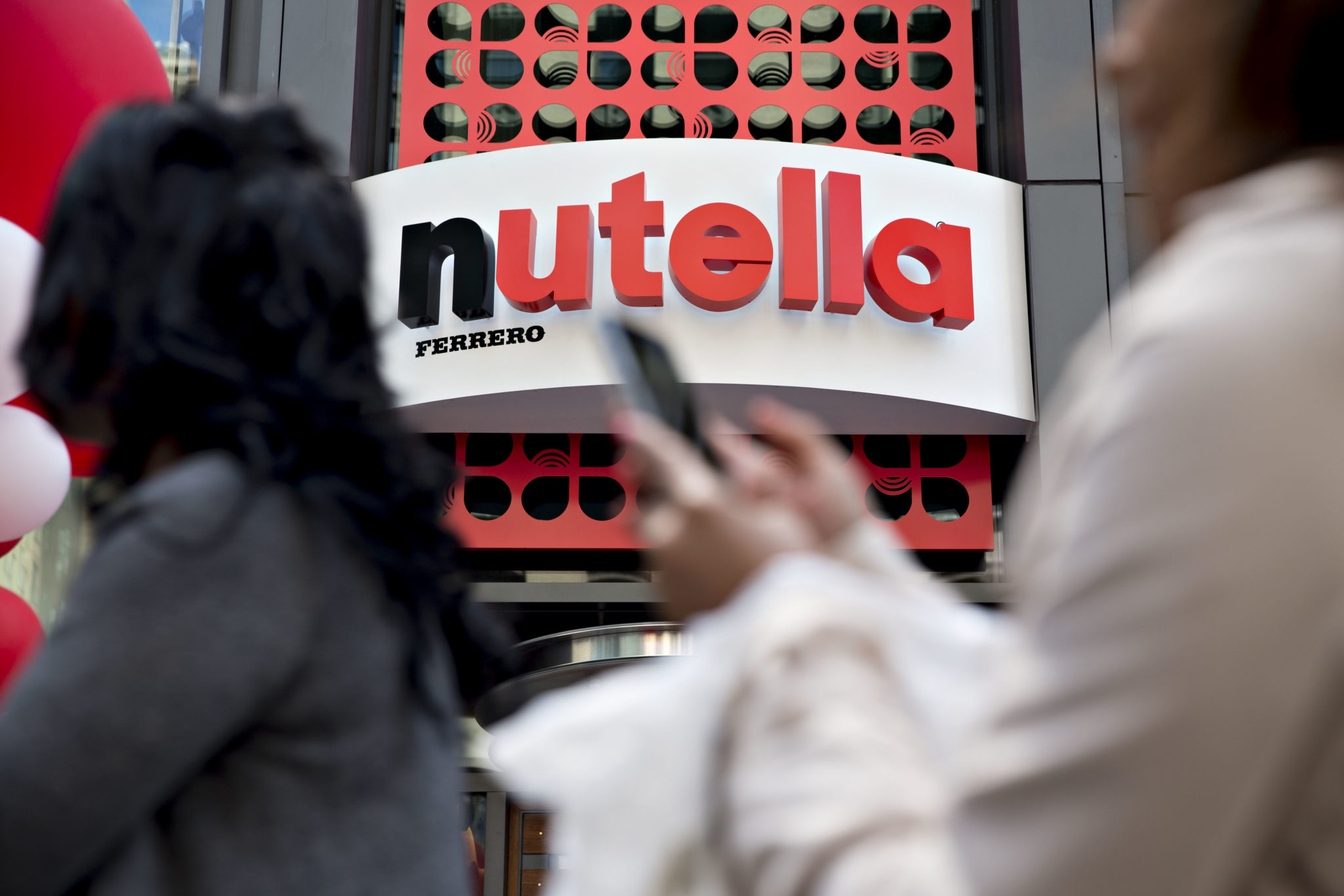
    Confectionery giant Ferrero opened a permanent Nutella Cafe in the heart of New York City this week. The cafe, the brand’s second in the US after its debut in Chicago last year, is designed to create “an authentic Nutella experience all year-round” with a menu of Nutella-centric foods and specialty espresso beverages.

    “We are thrilled to celebrate the grand opening of Nutella Cafe New York in one of the greatest culinary cities in the world,” said Rick Fossali, VP of operations at Nutella Cafe. “The response to our first Nutella Cafe in Chicago has been outstanding, and we cannot wait to treat New Yorkers and tourists alike to a wonderfully delicious Nutella experience showcasing the uniqueness and versatility of this beloved product.”

    The menu at the Nutella Cafe New York will include all-day dishes such as freshly baked breads, pastries, breakfast specials, desserts and gelato – all featuring Nutella hazelnut spread.

    Highlights include Chicago favourites like the Pound Cake Panzanella and Grilled Baguette, along with several items which are exclusive to the New York location: Hazelnut Blondies with Nutella hazelnut spread; multi-grain Piccolino (“little one” in Italian) freshly baked croissants; Grilled Banana Bread with Nutella, warmed and topped with fresh banana slices and toasted hazelnuts; Chia and Hemp seed pudding, topped with Nutella and fresh banana slices; Frozen Nutella Pops and a “Create Your Own” station that allows customers to pick their favourite base with Nutella and customise it with their own choice of fillings and toppings.

    Nutella Cafe New York is located at 116 University Place, a stone’s-throw from Union Square.

    Nutella was created in 1964 by Michele Ferrero, based on the recipe for Giandujot developed in 1946 by his father, Pietro Ferrero – a confectioner and the founder of Ferrero – in Italy’s Piedmont area. These days it is sold in more than 170 countries.

  • KitKat opens Osaka shop for made-to-order premium chocolate bars

    KitKat opens Osaka shop for made-to-order premium chocolate bars

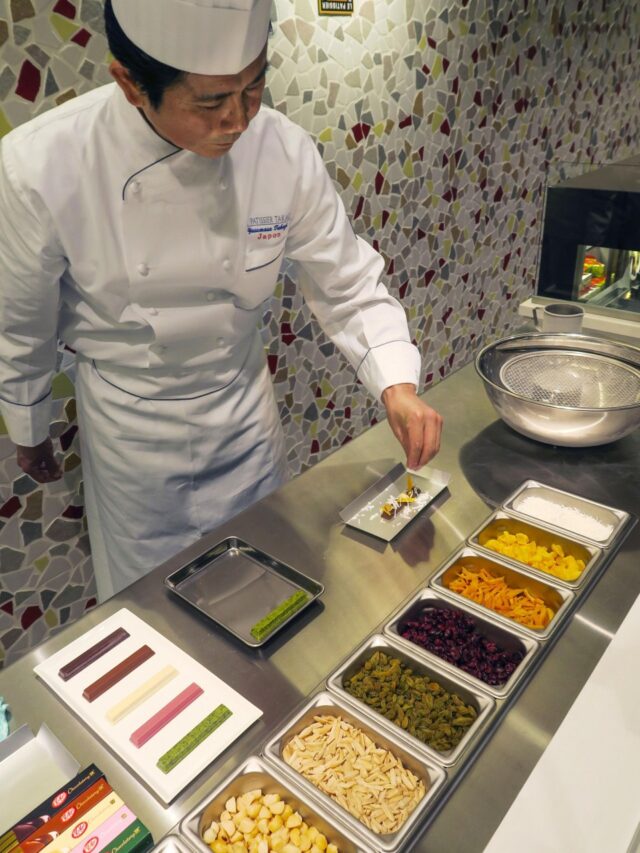
    Nestle Japan has opened a permanent made-to-order Kit Kat store in Osaka. The new specialty store is the first and only permanent location in Japan where personalised Kit Kats can be made. It offers customised creations chilled on-the-spot with liquid nitrogen, with customers choosing from three types of chocolate and nine toppings.

    The store is located just outside Nankai Electric Railway’s Namba Station, a prominent Osaka sightseeing location, given the expected popularity of bespoke Kit Kats among tourists.

    Japan has developed a reputation internationally for its unique Kit Kat flavours, which have proved popular with visitors to the country. The confectionery originally comes from the UK.

    Nestle Japan says its made-to-order Kit Kats are sold from ¥702 (US$6.25).

  • Vietnam confectionery booming

    Vietnam confectionery booming

    Market observers see a positive outlook in the long term for Vietnamese confectionery exports.

    Their optimism is based on a steady double-digit growth in export value for several years and an upward tick in investment and production expansion by local firms.

    According to the Business Monitor International (BMI), the nation’s confectionery sector has experienced a relatively high and stable growth rate and it is forecast to earn revenues of VNĐ40 trillion (US$1.8 billion) in 2018.

    China, the United States and Cambodia were the top three importers of Vietnamese confectionery last year, followed by Japan and South Korea. China is set to maintain its leading position this year, with import growth estimated at over 40 per cent.

    Confectionery exports went up 15 per cent year-on-year in 2016 with an export value of $532 million, the Ministry of Industry and Trade (MoIT) estimates. The export value in 2015 was $463 million.

    The growth in exports and better prospects seen have spurred investment in the industry, the MoIT has said.

    To promote co-operation between Vietnamese enterprises and experienced international confectioners, the German Bakers’ Confederation and the organising committee of the international trade fair for bakery, confectionery and snacks (IBA 2018) are treating Vietnamese enterprises as significant partners, according to the Đầu Tư (Investment) newspaper.

    The IBA has been a rendezvous for experts in the bakery, pastries, and snack industries since 1949. It is a platform for innovation and provides a complete overview of all novelties in the market. IBA 2018 will take place from September 15-20 in Munich, Germany.

    Nguyễn Trung Chính, representative of the GHM Company in Việt Nam, an affiliate of Munich-based GHM Gesellschaft für Handwerksmessen mbH, said Vietnamese confectionery products are capturing the attention of foreign investors.

    “In early April, GHM General Director Diether Dohr will come to Việt Nam to meet with local confectionery companies, and introduce them to German manufacturers and importers,” Chính said.

    Foreign rivals

    With improved quality, modern packaging and a more diverse range of products, the Vietnamese confectionery industry is developing strongly, especially in the premium segment.

    Statistics compiled by the MoIT show that imported confectionery now accounts for 30 per cent of the market share. In 2016, Việt Nam’s confectionery imports reached over $250 million, up 20 per cent year-on-year.

    A representative of the Phú Hưng Securities Corporation told Đầu Tư that the confectionery industry is not just looking at huge export potential, but also a surge in import earnings.

    “With a large and young population, Việt Nam’s average confectionery consumption is currently about 2 kilogrammes per person per year (lower than the world average of 3 kilogrammes per person per year). Confectionery consumption among the 65 per cent of the population that live in rural areas, which means that that there are plenty of market opportunities for both confectionery makers and traders, ” he said.

    Confectioners like Bibica Corporation, which has popular brands like Hura, Choco Bella, Orienko, Zoo, are trying to maintain and strengthen their market position.

    Besides building a new plant in Hưng Yên province, Bibica is preparing to operate its $12 million cupcake production line.

    The company has also implemented a $3.3 million project to produce the Hifat soft candy and has another project worth over $670,000 to produce round cakes.

    The Hải Hà Confectionery Joint Stock Company, another well-known firm, is building a new factory with a daily capacity of about 62 tonnes a day in Bắc Ninh Province.

    Vũ Quốc Tuấn, deputy manager of external relations and internal communications department with confectioner Mondelez Kinh Đô Việt Nam, said that imported candy has triggered fierce competition in the country’s confectionery market.

    He said: “This is the necessary motivation for local manufacturers to invest more in new production technology, improve product variety and enhance product quality, serving the diverse demands of demand of domestic and international consumers.”