Tag: conferencing

  • Google Meet is now more engaging thanks to the latest update

    Google Meet is now more engaging thanks to the latest update

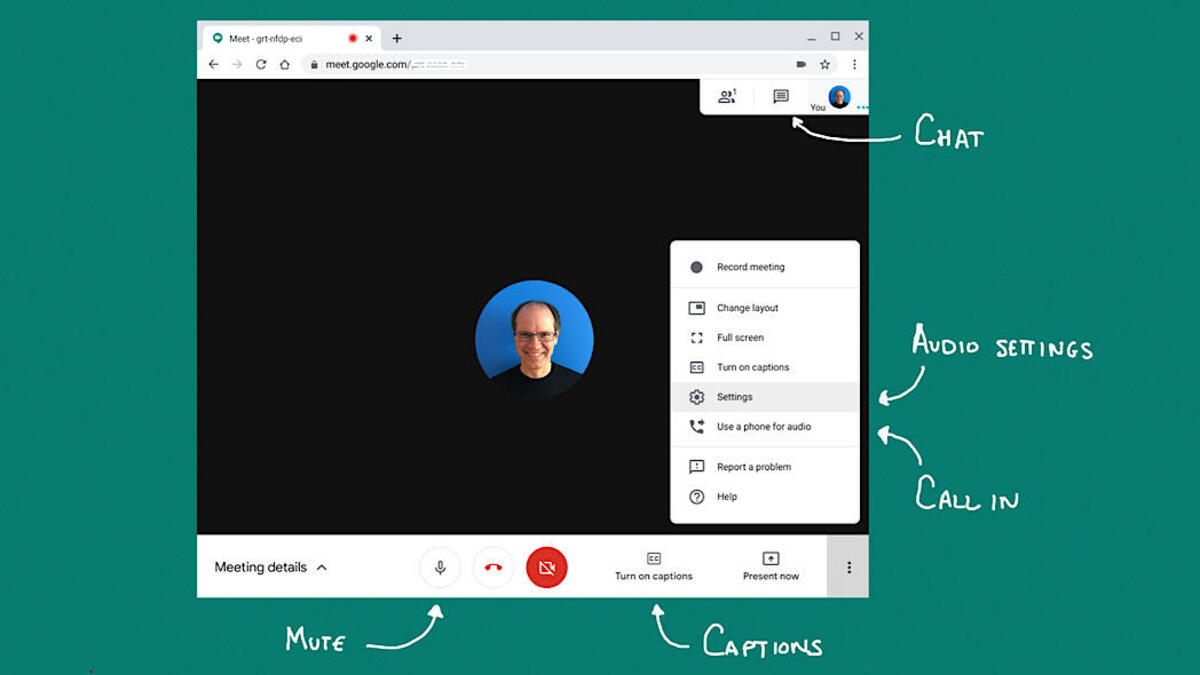
    It’s not the first time that Google Meet is getting a refreshed look, but if you’re using the app, you’ll be happy to know that this time it’s got a handful of new features too. Most of the improvements revealed today by Google will be available starting next month, so if you don’t see them now, that’s the reason.

    First off, Google Meet will soon be able to accommodate more content and others’ video feeds on the screen. A new option to pin and unpin Meet windows has been added too. Google announced that this specific feature will be expanded further to allow users to pin multiple tiles on their screen.

    More importantly, Google Meet users will be able to resize, reposition or hide their own video feed to make room for others people’s video feeds. Also, starting this month, Google will add a Data Saver to the Meet app, which will limit data usage on mobile networks.

    The upcoming update will also add a new AI feature called Autozoom, which should help others see you more clearly by zooming in and positioning you squarely in front of the camera. Sadly, Autozoom will be available to Google Workspace subscribers in the coming months.

    Last but not least, Google announced that it will add the ability to replace the background with a video to help maintain privacy. Initially, three options will be available for Google Meet users to choose from: a classroom, a party, and a forest.

    While many of these changes aren’t yet available in Google Meet, keep your eyes peeled for these new features in the coming weeks.


  • Zoom lied about using end-to-end encryption and is lightly spanked by the FTC

    Zoom lied about using end-to-end encryption and is lightly spanked by the FTC

    Announced on Monday, a settlement between video conferencing app Zoom and the FTC revealed that since 2016, Zoom had been lying about providing ‘end-to-end, 256-bit encryption’ to protect the security of users’ communication. The truth was that Zoom was actually giving users a lower level of security. As the FTC said on Monday, “Zoom maintained the cryptographic keys that could allow Zoom to access the content of its customers’ meetings, and secured its Zoom Meetings, in part, with a lower level of encryption than promised.”

    The FTC complaint chronicles the rapid growth of the company. In July 2019 it had 600,000 paid subscribers and 88% of its paid subscribers were small businesses with 10 or fewer employees. By December of 2019, 10 million people around the world were participating in a Zoom chat daily. And by the time COVID-19 hit the U.S. big time in April 2020, the number of people around the globe participating on a Zoom chat everyday had skyrocketed to a whopping 300 million.

    During this amazing period of growth, Zoom made various representations about the strength of its security measures. On its websites and in its security guides Zoom said that it takes “security seriously,” that it “places privacy and security as the highest priority.” Zoom also made it known that “it is committed to protecting your privacy.” Since 2016 Zoom has been making claims that its chats offer end-to-end encryption. One way that it did this was by placing an icon of a green padlock in the top left corner of a Zoom Meeting. When a user hovered near the icon, he or she would see a popup that read “Zoom is using an end-to-end encrypted connection.”

    But as the FTC notes, “Zoom did not provide end-to-end encryption for any Zoom Meeting that was conducted outside of Zoom’s Connector product. On a blog post written by Zoom’s Chief Product Officer, the company finally admitted that “while we never intended to deceive any of our customers, we recognize that there is a discrepancy between the commonly accepted definition of end-to-end encryption and how we were using it.” The FTC also noted that the claim made last year by Zoom that its recorded meetings were stored encrypted as soon as the Meeting was over simply was not true. As it turns out, recorded Meetings were kept in Zoom’s own server unencrypted for up to 60 days before they were transferred to Zoom’s secure cloud storage where they were stored encrypted.

    The Democrats on the FTC panel are not happy about the settlement since they feel that it does not punish Zoom enough for its lies. Democratic Commissioner Rebecca Kelly Slaughter said, “Zoom is not required to offer redress, refunds, or even notice to its customers that material claims regarding the security of its services were false. This failure of the proposed settlement does a disservice to Zoom’s customers, and substantially limits the deterrence value of the case.” However, Zoom does face lawsuits from customers and investors and these could result in the company being ordered to make financial restitution to those who were hurt by the firm’s dishonesty.

    The proposed settlement that Zoom has agreed to includes beefing up its security including the use of multi-factor authentication as a way to prevent unauthorized access to the Zoom network. The settlement is open for the public to comment on it for 30 days; once that time is up, the Commission gets to vote on making it final. The 30 days begins once the settlement is published in the Federal Register. Zoom will have to notify the FTC if there are any data breaches. All software updates will need to be examined by Zoom for any security flaws. And a third-party will need to sign-off on Zoom’s security program once the settlement is finalized and for every two years after that for a total of 20 years.

  • Zoom explains why it won’t enable this major feature for free users

    Zoom explains why it won’t enable this major feature for free users

    Following Zoom’s unprecedented rise in our current at-home climate, a number of issues surrounding security and privacy have been raised against the cloud meeting service. As reported by Bloomberg, Zoom’s CEO explained some of the reasoning behind certain security decisions for the company’s free service tier.

    The video conferencing service came under fire some months ago for making misleading claims about the level of encryption available for its meetings. Though Zoom advertised ‘end-to-end encryption’ (or E2EE), the company was revealed to be using its own unique definition of the term—meetings are encrypted between Zoom’s servers, not individual clients, meaning that the company could theoretically access any meeting it chooses.

    Though Zoom has stated that such monitoring won’t ever happen, it’s also reportedly working on increased security and planning to bring E2EE to all paying customers in the near future. Yes, that excludes all free customers, and the company has explained that this is in order to cooperate more easily with law enforcement and authorities.

    “Free users for sure we don’t want to give that because we also want to work together with FBI, with local law enforcement in case some people use Zoom for a bad purpose,” CEO Eric Yuan is quoted as saying. In the past, Zoom has been exploited in a wide range of ways, from harmless-but-disruptive ‘Zoombombing’ to truly nefarious purposes like hate speech, child abuse, and other illegal activities.

    Right now, Zoom’s employees can enter meetings as a failsafe backdoor to crack down on abuse of its platform, but this would be impossible with an E2E encrypted connection. That’s why the company is limiting the availability of the enhanced security standard in an effort to prevent misuse.

    Zoom’s security consultant Alex Stamos also tweeted about the situation, explaining that the implementation of E2EE requires a “difficult balancing act”. Keeping E2EE demarcated to paid users more likely to actually require it will inevitably help, but Zoom has also stated its commitment to providing more comprehensive solutions in the future.

    Evidently, the widespread need for a video conferencing solution and the multifaceted complexity of securing internet connections both complicate the process of working towards a more convenient, safe, and secure cloud. But hopefully, Zoom’s latest efforts will be able to keep up with the needs of its ever-growing user base.

  • Videoconferencing Apps Under Scrutiny by Banks

    Videoconferencing Apps Under Scrutiny by Banks

    Video chat and conferencing apps have surged in popularity amid the shutdown caused by the Covid-19 pandemic, but they are facing renewed safety and privacy concerns.

    Standard Chartered bank has instructed its employees not to use videoconferencing app Zoom over privacy and security concerns, according to «Reuters,» which viewed an internal memo sent by chief executive Bill Withers, which also warned against using Google Hangouts for virtual gatherings.

    Among the security concerns, Zoom is facing is the lack of end-to-end encryption of meeting sessions, routing of traffic through China and zoombombing, when uninvited guests crash meetings.

    According to experts quoted in the report, these apps offer less encryption than Cisco’ Webex, Microsoft’s Teams, or Blue Jeans, which are typically used in the financial services industry.

    Standard Chartered is the first major global bank to ban the use of Zoom, as the use of digital communications tools surged after lockdowns were enforced to slow the spread of the Covid-19 virus.

    According to Zoom CEO Eric Yuan, its daily users reach 200 million in March, a twenty-fold increase over the previous maximum

    Among its measures to quell the global backlash against its perceived flaws, Zoom appointed former Facebook security chief Alex Stamos to advise it on safety and privacy matters.

    Singapore schools, which have moved to home-based learning, suspended the use of Zoom last week after hackers posted obscene images on screens. This follows Taiwanese and German governments’ curbs, as well as the New York public schools system, of the videoconferencing app.

    The Ministry of Education has since resumed the use of the app, after implementing enhanced security protocols, including centrally managing default security settings and consolidating security settings so they can be more easily activated.