Tag: conflict

  • Singapore Announces $230 Boost in Living Support Vouchers Amid Rising Mid-East Conflict Costs

    Singapore Announces $230 Boost in Living Support Vouchers Amid Rising Mid-East Conflict Costs

    In response to escalating costs associated with the Middle East conflict, the government of Singapore has announced its intention to provide each household with an additional allotment of Community Development Council (CDC) vouchers, valued at SGD 300 (USD 230). This additional distribution, set for January of next year, supplements the SGD 500 in CDC vouchers that were disbursed recently.

    Voucher Distribution and Utility Rebates

    Fifty percent of these vouchers can be utilized at select local merchants and food stalls, with the remainder to be used at participating supermarkets. The validity of these vouchers extends until December 31, 2027. Alongside these vouchers, eligible households can anticipate double the usual amount in U-Save utility rebates in October of this year and in January of the next. These rebates will range from SGD 110 to SGD 190.

    These additional vouchers and rebates are part of a SGD 900 million assistance package designed to alleviate the burden of heightened energy costs linked to the Middle East conflict. This package represents the second round of support measures initiated by the government in response to the conflict, following an initial SGD 1 billion package launched in April. The first package expedited the delivery of CDC vouchers and provided SGD 200 in cash to workers in the platform industry, private-hire car drivers, and taxi drivers. It also increased a cash assistance program called the Cost-of-Living Special Payment, enabling eligible Singaporean adults to receive SGD 400 to SGD 600 in September.

    Economic Forecast and Support Measures

    Despite a stronger than anticipated performance from Singapore’s economy, which saw a 6.3% growth in the first quarter and an estimated 5.7% growth in the second quarter, the government continues to listen to sectors of the economy indicating the need for ongoing assistance. Predicting the future is challenging given the considerable uncertainty over the coming months, and it remains unclear whether current economic conditions will deteriorate or if strong economic performance will continue.

    Implemented in 2020 and subsequently expanded, the CDC vouchers have been distributed annually to assist households in managing increasing living costs and to support businesses. Senior Minister of State for Trade and Industry, Low Yen Ling, reported that between January and July 28, households have spent about SGD 1.03 billion worth of CDC vouchers and SG60 vouchers which were distributed last year to celebrate Singapore’s 60th anniversary.

    Questions & Answers

    What is the purpose of the Community Development Council (CDC) vouchers?
    The CDC vouchers were introduced by the Singapore government to help households manage rising living costs and to support local businesses.

    Who are the recipients of the CDC vouchers and the U-Save utility rebates?
    Every household in Singapore is eligible to receive the CDC vouchers. The U-Save utility rebates are given to specific households that meet certain criteria.

    How can the CDC vouchers be used?
    Half of these vouchers can be used at eligible local merchants and food stalls, and the remaining half can be spent at participating supermarkets.

  • Iran Conflict Stalls China’s E-commerce Wave: Surging Fuel Costs and Dwindling Demand Spell Trouble for Online Giants

    Iran Conflict Stalls China’s E-commerce Wave: Surging Fuel Costs and Dwindling Demand Spell Trouble for Online Giants

    China’s e-commerce export sector is facing difficulties due to increasing jet fuel costs and a decrease in demand from lower-income consumers in the West. These challenges have arisen as a result of the ongoing conflict in Iran, which is affecting profits for major online platforms such as Temu, Shein, and AliExpress.

    The Evolving Business Model

    These companies, many of whom have business models that rely on the transportation of inexpensive goods from Chinese factories to global consumers, have been under stress since the introduction of tariffs by former U.S. President Donald Trump. The additional tariffs and the removal of customs waivers on low-value packages have put further pressure on these companies.

    Added to this, escalating logistics costs as a result of the Middle East conflict are making things more complicated. Shippers like DHL Express are now imposing significant fuel surcharges. As a result, China’s low-cost e-commerce exports experienced a decrease of 10.9% in April, which marks the fifth consecutive month of declines year on year.

    For example, Diana Qiao, a seller of women’s clothing on Temu, found it necessary to raise her selling prices due to an increase in shipping costs per garment. Qiao shared that the added cost is ultimately passed on to the consumer, a measure that was taken to protect her profit margins.

    Changing Strategies

    The decrease in export values is not only indicative of the cost squeeze but also suggests that the era of rapid growth for these large, low-cost shopping platforms may be coming to an end. These companies are likely shifting towards storing more products in warehouses for local dispatch, instead of having everything shipped directly from China.

    Shein, for example, has been increasing its warehouse capacity in Europe. The company recently opened its third warehouse in Cannock, near Birmingham in the UK. AliExpress, owned by Alibaba, confirmed its commitment to maintaining competitive pricing for its consumers and providing a stable environment for sellers and consumers, despite the fluctuating global transportation costs.

    Although exports are still higher than they were two years ago, future growth may be more challenging for companies like Shein and Temu. Both companies have already established significant market shares, and the rise in petrol prices is impacting household budgets in the US and Europe.

    Questions & Answers

    What factors are impacting China’s e-commerce export sector?
    The sector is being affected by increasing jet fuel costs and decreased demand from lower-income consumers in the West, stemming from the ongoing conflict in Iran.

    How are e-commerce companies adjusting to these challenges?
    Companies are likely shifting towards storing more products in warehouses for local dispatch, instead of having everything shipped directly from China.

    What are the future prospects for growth in this sector?
    Although exports are still higher than they were two years ago, future growth may be more challenging due to factors such as rising petrol prices and established market shares by big companies.

  • Iran Conflict Fuels Rapid Electrification of Chinas Heavy Truck Fleet Amidst Diesel Price Hike

    Iran Conflict Fuels Rapid Electrification of Chinas Heavy Truck Fleet Amidst Diesel Price Hike

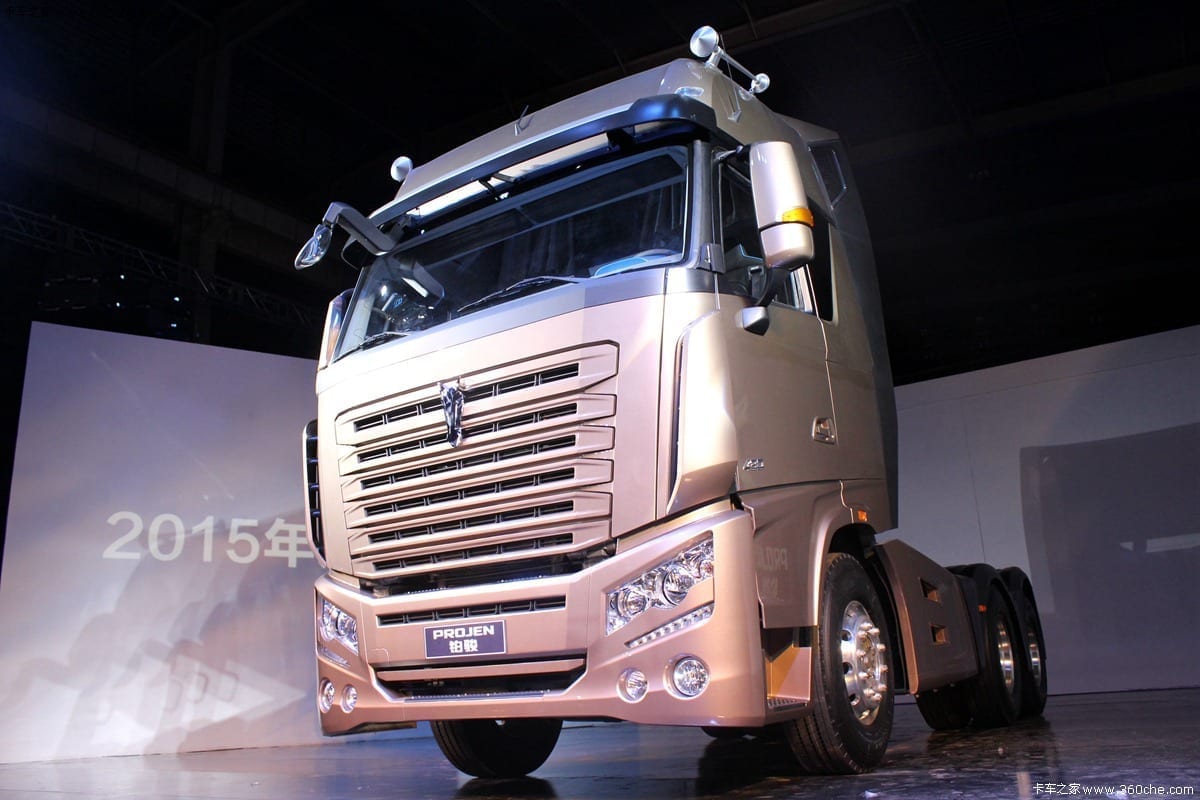
    The surge in diesel prices, precipitated by conflict with Iran, could hasten the electrification of China’s heavy-duty truck fleet this year, according to market analysts and auto manufacturers. This shift could further expedite the decline in fuel consumption in the world’s top oil-importing nation.

    The past two years have seen electric heavy-duty truck sales rise from a niche market to nearly one-third of all new heavy-duty truck purchases by 2025. This increase is attributed to government subsidies, lower refueling costs, and an expanding charging infrastructure. Growth in 2025 was particularly significant in the last quarter as buyers anticipated the termination of the trade-in subsidy program.

    Sales of new-energy heavy-duty trucks, predominantly electric, commenced this year with similar growth, increasing by 45% from the previous year to 44,000 units. This figure represents over a quarter of the entire segment, a strong increase from less than 20% a year earlier, as stated by data provider CVWorld.cn.

    CVWorld.cn also expects sales of heavy electric trucks to rise by 30% in April. The increase is likely driven by robust seasonal demand and high oil prices. According to Min Ji, a senior analyst at S&P Global Mobility, the conflict has increased China’s domestic fuel prices, inevitably accelerating the transition from conventional trucks.

    Electric heavy-duty trucks, with a range of approximately 300km, are primarily used for short hauls between industrial locations and transportation hubs. However, long-distance routes are expanding, and manufacturers such as Sany are introducing trucks with a range of up to 600km.

    The extensive electrification of passenger cars and the swift deployment of electric and liquefied natural gas-powered trucks have reversed China’s longstanding growth in the use of diesel and gasoline. Industry analysts largely predict that the demand for oil will reach its peak by 2030.

    Projections for Diesel Consumption and Export Trends

    Current predictions from energy consultancies anticipate a more rapid decline in diesel use than previously expected. GL Consulting predicts diesel consumption will decrease by 4.3% this year, in comparison with a pre-conflict estimate of a 4.1% fall. Rystad Energy forecasts a 5% reduction in diesel demand, surpassing its previous estimate of a 4% decrease, equating to a further decline of about 40,000 barrels daily.

    A 27% rise in retail diesel prices in China following the onset of the Iran conflict has made the economic case for purchasing electric trucks more compelling. Despite the higher initial cost of electric heavy-duty trucks (500,000 yuan or US$73,500) compared to their diesel counterparts (more than 300,000 yuan), nearly half the price difference can be offset through a trade-in program recently extended to the end of the year.

    The lower operating costs of electric trucks are fueling a surge in exports to Europe, which is the world’s second-largest electric truck market, albeit considerably behind China. In 2024, China’s electric truck sales reached 160,000 units, while Europe lagged with fewer than 25,000 sales, as reported by the International Energy Agency.

    Questions & Answers

    What impact has the Iran conflict had on diesel prices in China?
    The conflict with Iran has led to a significant surge in diesel prices in China, rising by 27% since the conflict began on February 28.

    What are the benefits of electric heavy-duty trucks?
    Electric heavy-duty trucks offer a range of benefits including lower operating costs, far-reaching government subsidies, and reduced environmental impact compared to their diesel counterparts.

    How is the growth of electric truck sales expected to change in the near future?
    The growth of electric truck sales is projected to continue, with a predicted increase of 30% in sales of heavy electric trucks in April. This growth is primarily driven by strong seasonal demand and high oil prices.

  • Gasoline Prices Skyrocket Amid Ongoing Middle East Conflict and Peace Talks Uncertainty

    Gasoline Prices Skyrocket Amid Ongoing Middle East Conflict and Peace Talks Uncertainty

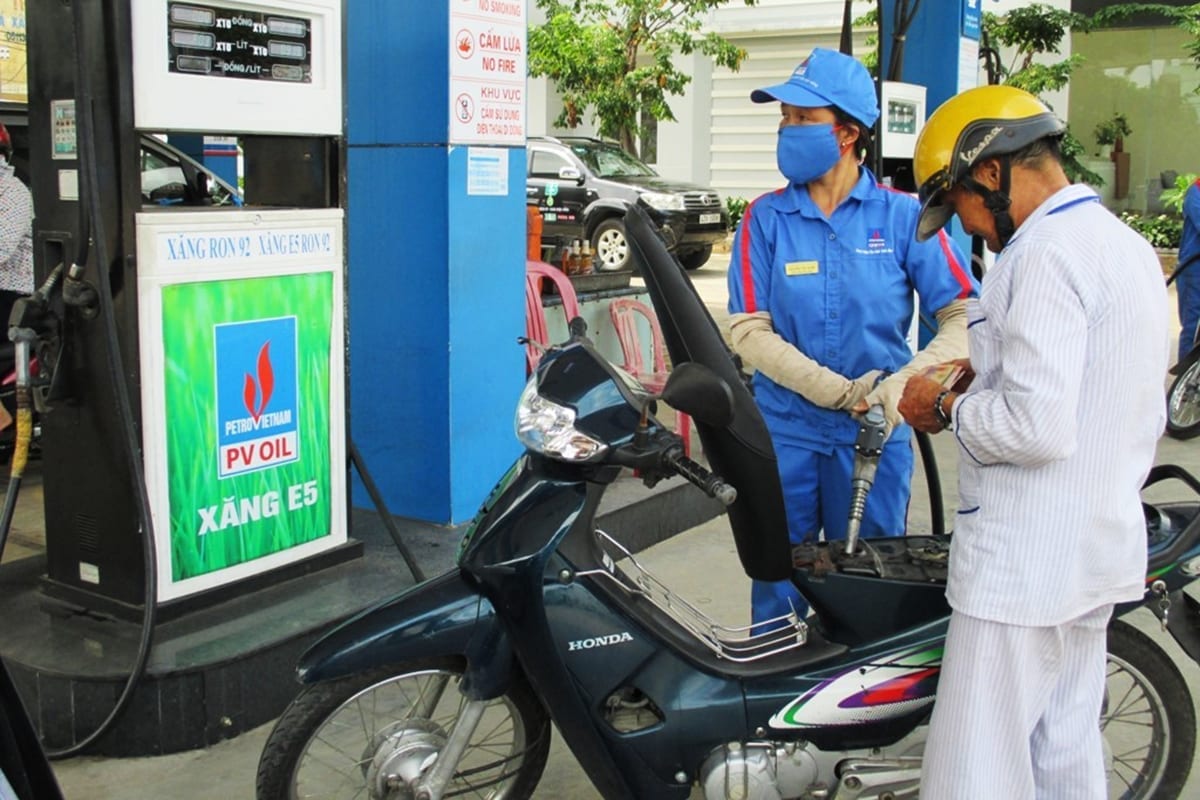
    Biofuel E5 RON92 has experienced an upsurge of 5.17%, setting its current price at VND23,790. On the contrary, the cost of Diesel has seen a decrease, falling by 2.42% to VND27,490.

    Global Oil Market Trends

    Shifting focus to the global oil market, it continues to be influenced by several geopolitical factors. Foremost is the ongoing conflict in the Middle East, which has dramatically impacted oil prices. Additionally, the continued peace negotiations between U.S. and Iran, coupled with the tensions in the Strait of Hormuz, are also consequential.

    A positive shift was observed on Thursday when oil prices surged by over $1, bouncing back from the considerable losses experienced the day prior. This rise was due to the market’s contemplation over the potential success of a Middle East peace deal. Brent crude futures experienced an increase of 54 cents, or 0.5%, reaching $101.81 per barrel. Similarly, U.S. West Texas Intermediate saw a 45 cent gain, or 0.5%, bringing it up to $95.53 per barrel.

    Future Speculations

    Hiroyuki Kikukawa, the chief strategist at Nissan Securities Investment, indicated that peace negotiations will likely persist until at least the upcoming U.S.-China summit. However, he expressed that the outlook beyond this event remains uncertain. Kikukawa’s primary prediction is that oil prices will continue to stay at a heightened level for the foreseeable future.

    Questions & Answers

    How much has the price of Biofuel E5 RON92 increased?
    The price of Biofuel E5 RON92 has increased by 5.17%.

    What factors are currently influencing the global oil market?
    The global oil market is primarily influenced by the ongoing Middle East conflict, peace negotiations between the U.S. and Iran, and tensions in the Strait of Hormuz.

    What predictions have been made for future oil prices?
    The prevailing expectation, as per Hiroyuki Kikukawa of Nissan Securities Investment, is that oil prices will remain elevated in the foreseeable future.

  • DBS Warns Investors: Traditional Stock Strategies May Falter Amid Ongoing Mideast Conflict

    DBS Warns Investors: Traditional Stock Strategies May Falter Amid Ongoing Mideast Conflict

    Historically, US equities have demonstrated strong performance following significant conflicts. However, DBS asserts that the current Middle East conflict may not follow this trend, warning investors against complacency in this situation.

    The Ongoing Conflict in Iran

    The war in Iran, now in its third week, has resulted in thousands of casualties with no definitive end in sight. DBS advises investors to exercise caution and avoid putting too much stock in historical trends concerning American equities.

    DBS states, “While history may suggest that US equities often yield positive returns after major conflicts, complacency is not advisable given the current Middle East conflict.”

    As the conflict continues to unfold, DBS encourages investors to implement risk management strategies in their portfolio construction. This could involve increasing their exposure to gold and partially substituting US equity exposure with the S&P 500 Low Volatility Index.

    Predicted Themes for Q2 2026

    DBS has identified three themes they believe will heavily influence narratives in the second quarter of 2026.

    Firstly, oil continues to be a significant factor due to the ongoing military crisis in the Middle East, especially considering Iran’s role as the fourth largest OPEC producer. Rising energy prices could pose problems for risk assets.

    Secondly, the policy stance of Kevin Warsh, the nominee for Fed chair, indicates a potential reset with an increased likelihood for “renewed quantitative tightening,” which could lead to a steepening of the yield curve.

    Finally, diversification beyond crowded trades is encouraged, with recent profit-taking seen as “transitory.” A “return to fundamentals” is expected, with a focus on pre-crisis themes like precious metals and technology. These are driven by “dollar debasement” and “AI supremacy”, respectively.

    Emerging Markets and Japanese Equities

    In terms of diversification, DBS suggests investors consider increasing their exposure to emerging markets (EM) and Japanese equities. EM equities are likely to benefit from Fed rate cuts, dollar weakness, robust earnings growth, and light positioning. Conversely, Japanese equities are set to gain from fiscal stimulus, governance reforms, and an attractive yield gap.

    DBS concludes, “Global markets are currently navigating through an unusual convergence of geopolitical challenges and technological opportunities. The paradoxical nature of this situation reflects the complex yet potentially rewarding market conditions investors are currently navigating—an era where traditional strategies may no longer apply.”

    Questions & Answers

    What is the advice from DBS regarding the current Middle East conflict?
    DBS advises investors not to rely excessively on the historical trends of stock market performances following major conflicts, warning that complacency is unwarranted in this instance.

    What are the three themes DBS identified for Q2 2026?
    The three themes are the role of oil in the military crisis in the Middle East, the potential policy reset implied by Fed Chair nominee Kevin Warsh, and the need for diversification beyond crowded trades.

    What are DBS’s recommendations for diversification?
    DBS suggests investors consider increasing their exposure to emerging markets and Japanese equities, which are set to benefit from several factors including Fed rate cuts, dollar weakness, robust earnings growth, light positioning, fiscal stimulus, and governance reforms.

  • Iranian Conflict Sparks 7% Surge in Vietnam’s Gasoline Prices: Government Leans on Stabilization Fund

    Iranian Conflict Sparks 7% Surge in Vietnam’s Gasoline Prices: Government Leans on Stabilization Fund

    The price of gasoline is on a continual rise, leading the government to depend on its stabilization fund to provide subsidies. On Tuesday, there was yet another increase, with the price of RON95 fuel skyrocketing by 7.69% to VND29,120 (US$1.11) per litre.

    Biofuel and Diesel Prices Also Rise

    Alongside gasoline, the prices of biofuel E5 RON92 and diesel also saw an increase. Biofuel E5 RON92 rose by 5.35% to VND26,570 per litre, while diesel prices saw a 1.59% increase, taking the price to VND30,710 per litre.

    For the first time in three years, both the Ministry of Industry and Trade and the Ministry of Finance have been forced to tap into the fuel stabilization fund. This has been done in an effort to subsidize RON95 by VND4,000 per litre and diesel by VND5,000 per litre.

    The price of RON95 is now approximately at the same level as it was in July 2022, a period when the global fuel supply chain was disrupted due to the Russia–Ukraine conflict. Diesel, on the other hand, is at its highest level since 2019.

    Global Market and Production Disruptions

    Ongoing military conflicts involving the United States, Israel, and Iran over the weekend have impacted the global market, according to ministry reports. All oil-exporting countries within the Gulf have cut down production as transport through the Strait of Hormuz is currently disrupted.

    It’s also notable that the trend of most countries stockpiling fuel has resulted in a sharp rise in global prices.

    The price of RON95 gasoline has seen a dramatic 27% increase to $147.5 per barrel, with diesel rising by 20%, kerosene by 4%, and mazut by 41%.

    Changes in Pricing and Supply

    Fuel prices in Vietnam were adjusted on Tuesday, deviating from the usual Thursday adjustment, to reflect global price changes of over 7%. Although global prices have begun to stabilize, domestic prices remain high due to a delay in the pricing cycle.

    Earlier on Tuesday, prices began to decline following a statement from U.S. President Donald Trump indicating that the conflict in the Middle East would soon come to an end.

    The prices of RON95 gasoline and diesel have dropped by around $20 per barrel in Singapore, falling to $127.2 and $160.4 respectively. These lower levels will be reflected in Vietnam after the next adjustment.

    To ensure short-term supply, Deputy Minister of Industry and Trade, Nguyen Sinh Nhat Tan announced that the government had procured four million barrels of oil from its partners. With this existing crude oil stockpile and further supplies expected shortly, he projects that the supply will suffice for 30–45 days, depending on demand and production plans at domestic refineries.

    Government Measures to Control Prices

    In addition to ensuring supply, the government is taking measures to control retail prices. They have slashed most favored nation import tariffs on gasoline and certain blending materials to zero. This move is intended to incentivize distributors to import fuel from countries that do not have free trade agreements with Vietnam.

    The Ministry of Finance has also requested that the government abolish the environmental protection tax on fuel starting March 12. Currently, this tax ranges from VND1,000-2,000 per litre, depending on the type of fuel.

    Questions & Answers

    What measures are the government taking to control the rising fuel prices?
    The government is using its stabilization fund to subsidize gasoline. They have also cut import tariffs on gasoline and certain blending materials to zero and are considering removing the environmental protection tax on fuel.

    What significant change has occurred in Vietnam’s fuel pricing system?
    Fuel prices were adjusted on Tuesday instead of the usual Thursday, due to the significant global price changes.

    How is the government ensuring short-term fuel supply?
    The government has procured four million barrels of oil from its partners, and more supplies are expected shortly. This is expected to meet domestic demand for the next 30–45 days.