Retail News CRM

Tag: connected

  • China Tells Firms To Boost Cyber, Data Security Oversight On Connected Vehicles

    China Tells Firms To Boost Cyber, Data Security Oversight On Connected Vehicles

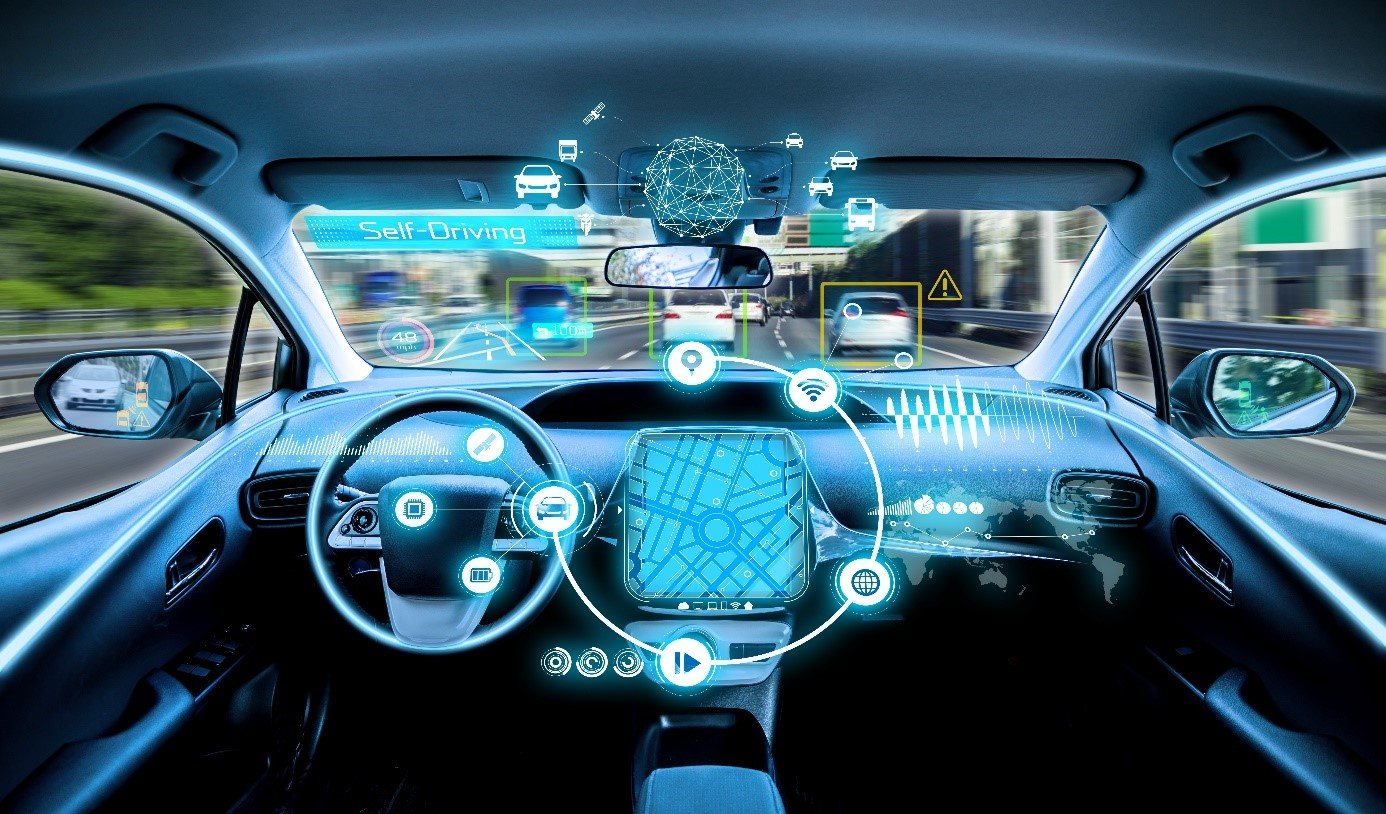
    China’s industry ministry published a notice on Thursday telling companies to step up cyber and data security oversight over connected vehicles, saying that security risks in the industry had become increasingly prominent.

    All relevant companies should establish data security management systems and regularly assess risks from network attacks, the Ministry of Industry and Information Technology said in a statement.

  • Connected wearable shipments to hit 239m in 2023

    Connected wearable shipments to hit 239m in 2023

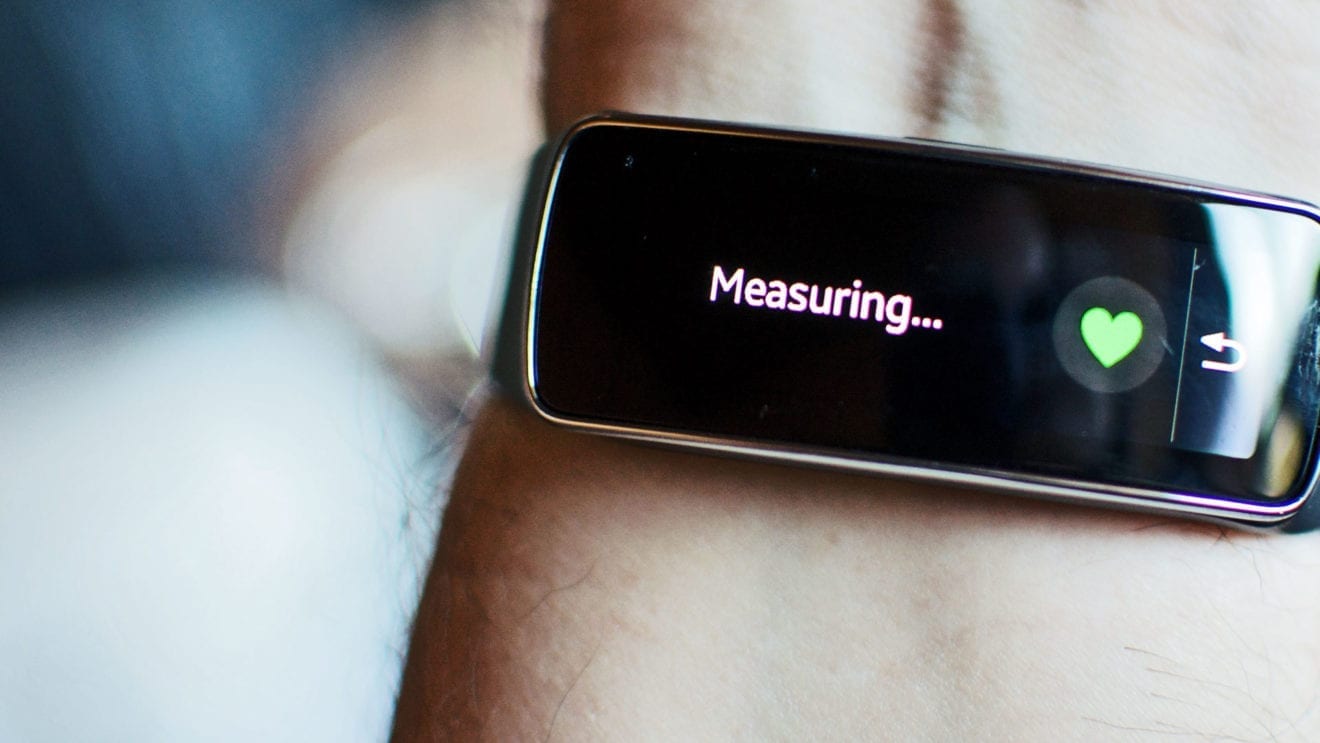
    Global shipments of connected wearables are forecast to grow from 116.8 million units in 2018 to reach 238.5 million units in 2023, representing a CAGR of 15.4%, according to research firm Berg Insights.

    Bluetooth will remain the primary connectivity option in the coming years.

    A total of 67.7 million of the wearables sold in 2023 are forecast to incorporate embedded cellular connectivity, mainly in the smartwatch and telecare and medical device categories.

    The connected fitness & activity tracker segment is led by China’s Xiaomi, which has been successful with its Mi Band fitness tracker. Fitbit, a pioneer in the segment, is still also among the largest vendors in the segment along with Huawei and Garmin.

    In 2018, shipments of connected fitness & activity tracker reached 65 million units.

    This product category is now facing fierce competition from smartwatches that in most cases include activity tracking features. Apple entered the connected wearables market in the second quarter of 2015 and quickly became the leading smartwatch vendor.

    In 2018, Apple accounted for almost half of the total 45.5 million smartwatches sold during the year.

    “Apple continues to hold a firm grip on the smartwatch market and is at the forefront of innovation in the industry,” says Martin Bäckman, IoT Analyst at Berg Insight. The competition has responded with increasingly capable and attractive devices from Wear OS vendors including Fossil, LG, and Huawei as well as from vendors betting on other platforms such as Fitbit and Samsung.

    The smartwatch segment is expected to surpass fitness & activity trackers and become the largest device category within wearable technology in terms of shipments in 2021.

    “Technology advancements, increased consumer awareness and wide availability of devices in different price segments will enable smartwatches to reach shipments of 117.7 million units in 2023,” concludes Bäckman.

    Sales of smart glasses and head-mounted displays have so far been modest, but promising use cases in professional markets as well as in niche consumer markets will enable it to become a sizeable connected wearable device category in the next five years.

    A number of vendors including Daqri, ODG, Epson, Google, Microsoft, Kopin and Vuzix are active in the segment. Standalone VR headsets from companies such as Oculus and HTC aimed for the consumer market are gaining traction and accounted for a large share of the total 1.5 million devices shipped in the segment during 2018.

    Berg Insight forecasts that shipments of smart glasses and head-mounted displays will reach 11.9 million units by 2023.

    Annual shipments of medical devices and mobile telecare/mPERS devices are forecast to grow from 1.8 million devices in 2018 to 6.9 million devices in 2023. The segment includes wearables such as cardiac rhythm management devices, ECG monitors and mobile telecare devices.

    Finally, annual shipments of wearables not covered by the above product categories such as authentication and gestures devices, smart rings, wrist-worn computers and scanners, smart jewelry and connected prosthetics are predicted to grow from 3.0 million units in 2018 to reach 13.0 million units in 2023.

  • Gentle Monster, Huawei team up over smart eyewear

    Gentle Monster, Huawei team up over smart eyewear

    South Korean eyewear label Gentle Monster has partnered with Chinese tech giant Huawei to produced connected eyewear.

    The networked eyeglass frames allow wearers to answer calls without picking up their phone, and feature antennae, noise-reduction microphones and speakers tucked behind the ear.

    “Smart eyewear is different than the smart phone or the smart watch,” said Gentle Monster co founder and CEO Hankook Kim. “The smart eyewear is on our face … It is normal but actually it is slightly different. We believe the small difference changes everything.”

    The label, known for its trendy and futuristic individualised store designs, has 18 locations selling both futuristic and more conservative eyewear.

    “If you want to see how it looks on normal people, you can look at me,” said Kim.

    “I really appreciate Huawei because they realise that eyewear comes first and smart comes later,” he added.

  • Honeywell unveils new Connected Freight solution

    Honeywell unveils new Connected Freight solution

    Honeywell has launched a new Connected Freight solution that gives shippers and logistics companies unprecedented ability to monitor shipments of high-value and perishable goods, helping prevent costly damage and loss.

    The new solution, developed in collaboration with Intel and third-party logistics companies, provides real-time information about the location and condition of critical freight while in transit. The solution was introduced during Honeywell Safety and Productivity Solutions’ launch event today.

    “Honeywell is developing a range of Connected Supply Chain solutions that leverage technology and data to make supply chains more efficient and better able to adapt to rapid change,” said Taylor Smith, president of Honeywell’s Workflow Solutions business. “For shippers, logistics providers, retailers and others faced with a host of costly freight challenges, such as theft, damage, spoilage and delays, this convenient cloud-based solution provides customers with detailed analytics in order to plan, anticipate and react immediately to incidents that occur during shipment.”

    Real-time shipment information is critical, for example, when shipping perishables and goods that require uninterrupted refrigeration, such as pharmaceuticals, or high-value equipment that is sensitive to vibration or shock.

    “After assessing our internal supply chain needs and the needs of the industry, we forged a unique collaboration with Honeywell. Together, we’ve customised Intel’s Connected Logistics Platform technology to deliver an IoT offering that solves real logistics problems,” said Chet Hullum, general manager for Industrial Solutions at Intel. “Thanks to data accessibility, shippers and carriers will be able to establish a more reliable supply chain network by having deeper visibility and information on shipments.”

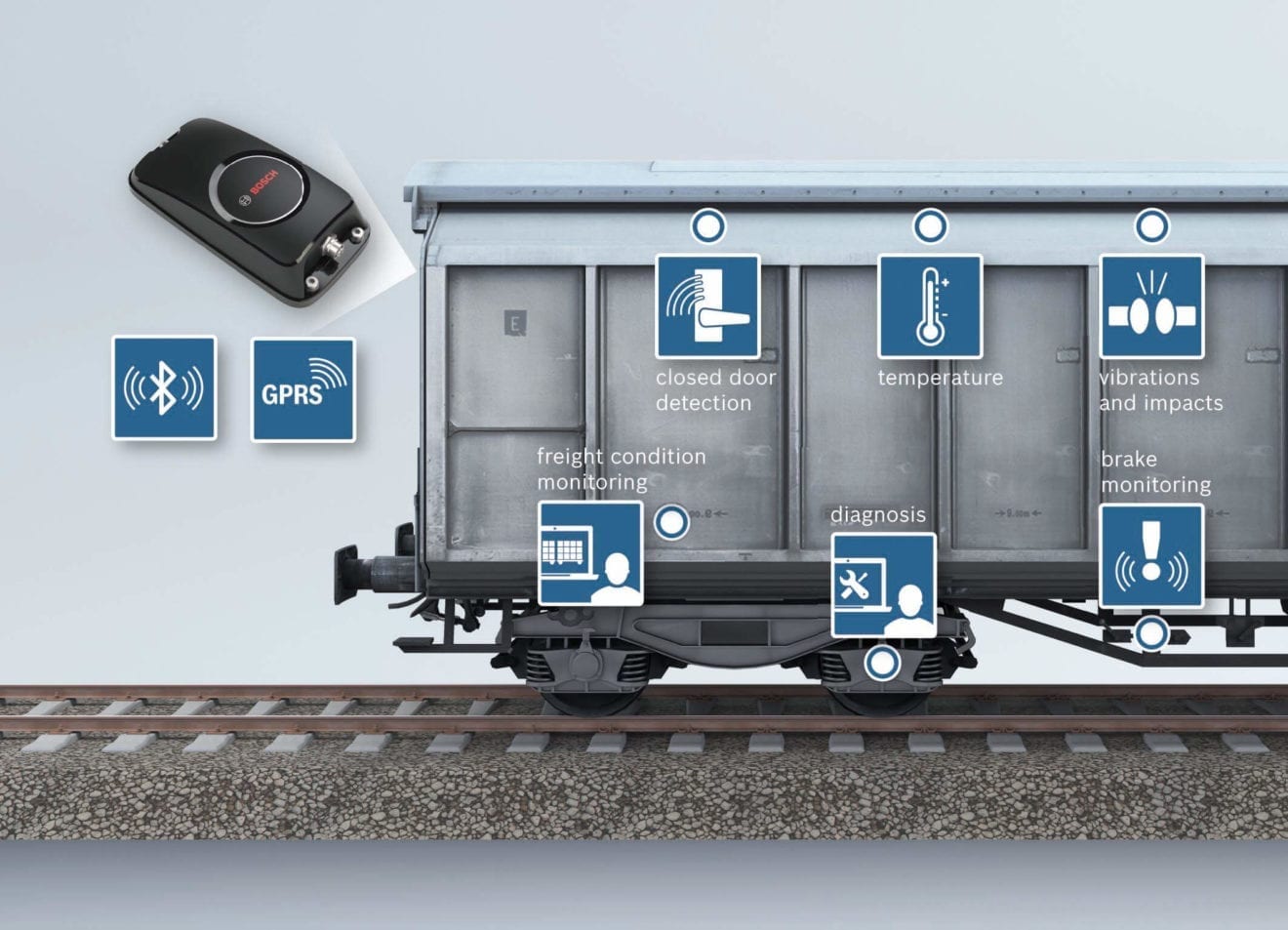
    Honeywell’s Connected Freight solution consists of cost-effective sensor tags that sense a range of environmental conditions, such as temperature or vibration. The tags can be affixed to pallets or individual packages. The sensor data is captured by a mobile gateway placed inside a truck or shipping container and then transmitted via cellular networks to a cloud-based command-and-control platform.

    Users can establish alerts based on temperature, shock, tilt, humidity, pressure and intrusion detection. The solution can alert manufacturers of high-value, highly sensitive technology if equipment has been damaged while being loaded or unloaded, or if it may have been stolen. The cloud can also store data for compliance and audit needs, and provide predictive and reactive analysis, such as which routes to avoid.

  • SKT, Ericsson, BMW achieve 3.6Gbps for 5G connected car trial

    SKT, Ericsson, BMW achieve 3.6Gbps for 5G connected car trial

    SK Telecom achieved what it says is the world’s fastest 5G speed for a connected car during a demonstration conducted with Ericsson and BMW Korea.

    SKT said the trio has successfully tested its pilot 5G network on a connected car running at 170 kilometers per hour, reaching a 3.6Gbps transmission speed over the 28-GHz band.

    The demo was conducted at the German car maker’s driving center in Yeongjong Island, Incheon, where the trio first successfully tested its pilot 5G network for multi-vehicular communications last November.

    SK Telecom said with 5G avoiding obstacles is difficult at high speeds, but the operator achieved this through the application of advanced beamforming and beamtracking technologies.

    “Connected car is regarded as the barometer for 5G as it can only be realized through the combination of all 5G technologies. As ultra-high speed and ultra-low latency are prerequisites for realizing autonomous driving and immersive media services, the 3.6Gpbs transmission speed we successfully demonstrated today not only brings us a step closer to realizing autonomous driving, but will also have a great impact on a broader range of industries,” SK Telecom said in a statement.

    The demo significantly enhances the stability of connected car services by improving image recognition and V2X (Vehicle to Everything Communication) technologies, the operator added.

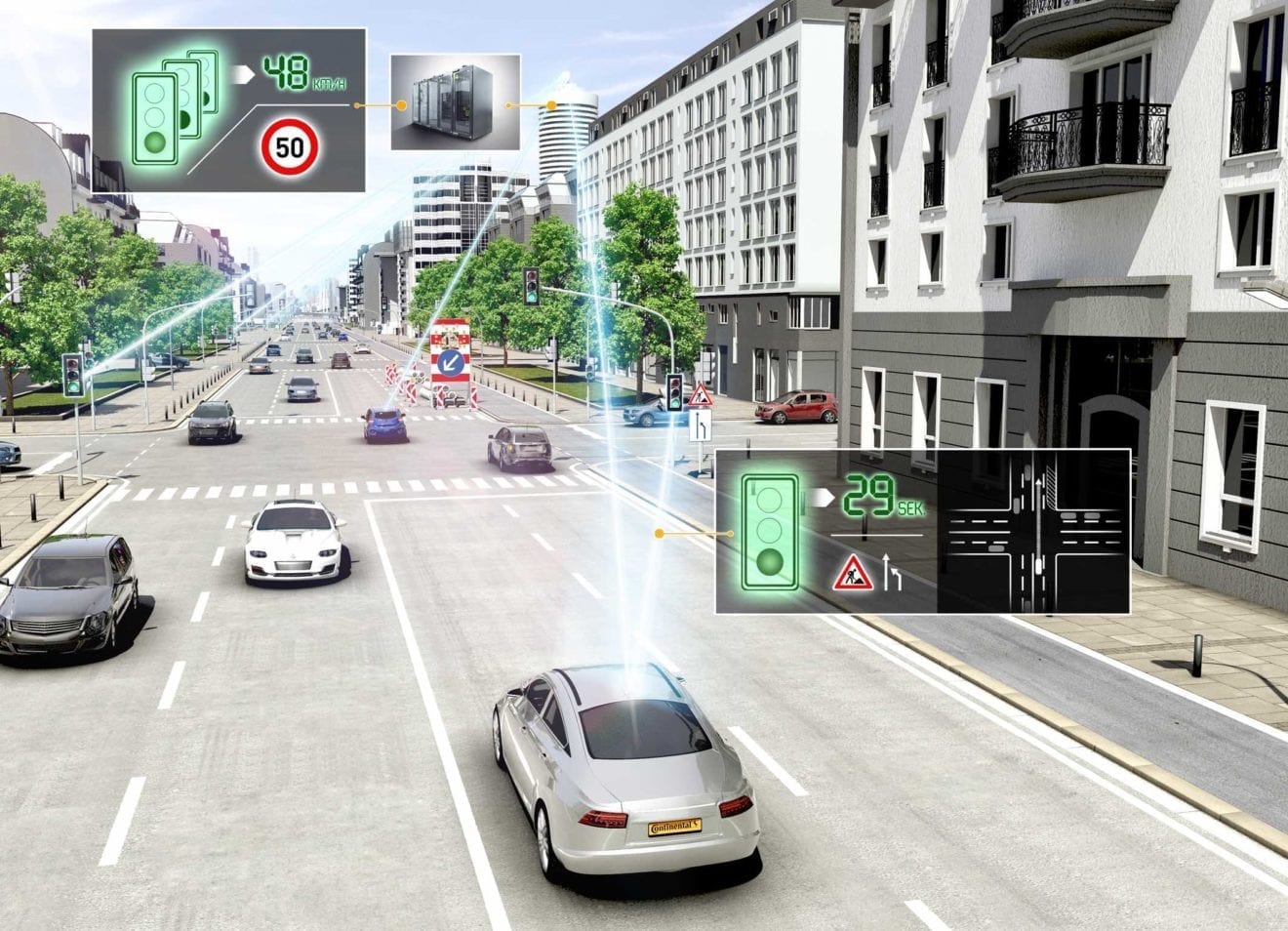
    “That is, a vehicle will be able to communicate, in real time, with other vehicles, traffic lights and surveillance cameras to understand and respond to unexpected situations and obstacles… in a much shorter time.”

  • Connected vending machines to pass 10m this year

    Connected vending machines to pass 10m this year

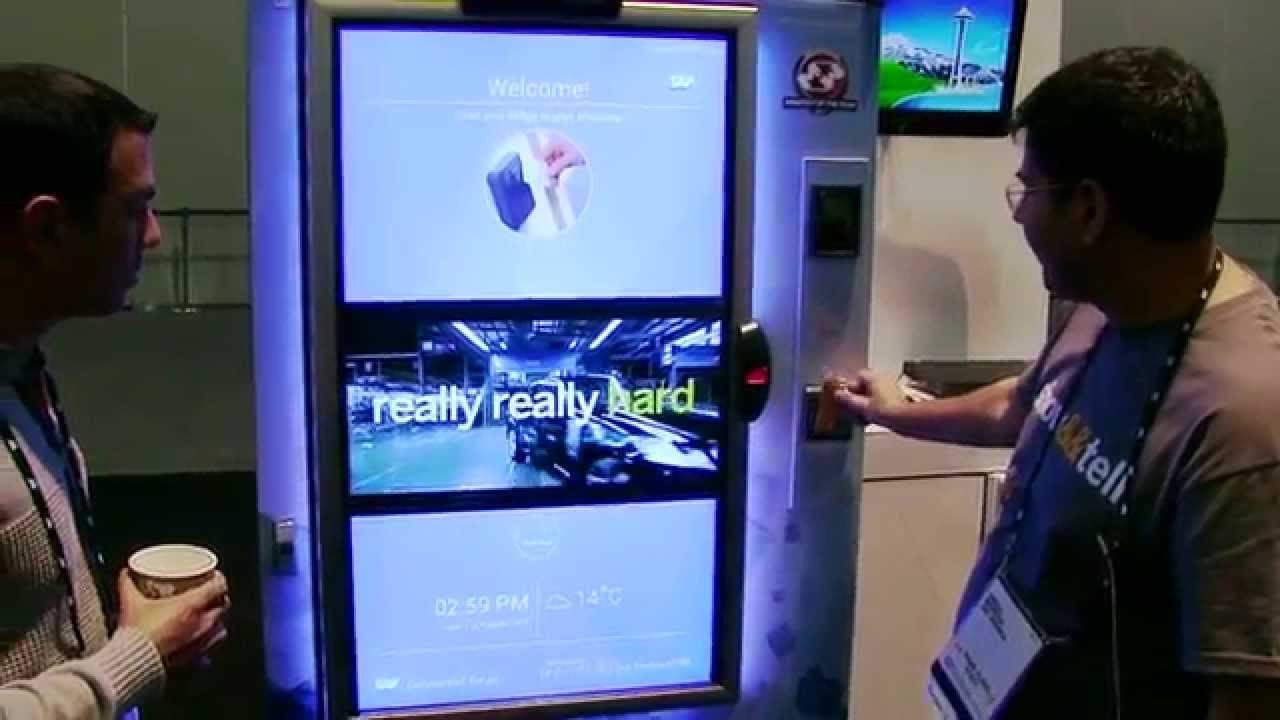
    ABI Research estimates that there will be more than 10 million network connections to vending machines by the end of this year, ABI Research estimates.

    The install base is expected to reach nearly 24 million connections in 2021 for a compound annual growth rate of 17%.

    The research firm said the vending machine ecosystem is evolving and companies like Coca-Cola, PepsiCo, and VE Global Vending are looking to expand distribution offerings and connect their machines to the internet to increase operational efficiencies.

    These newly connected machines also allow operators to gain new insight into metrics on inventory management, foot traffic and automatic maintenance requests.

    “The vending machine isn’t dead — it’s just reinventing itself,” said Jeff Orr, Research Director at ABI Research. “There is a point in the near future where the physical and digital worlds will blend to create new experiences. And it’s vendors that optimize their supply chains that will best succeed in this market.”

    VE Global Vending is one company that continuously adapts its strategy to keep pace with evolving technologies, refurbishing used vending machines into digitized versions that include touchscreens, sensor technologies and flexible payment methods.

    ABI Research suggests in a report that there remains room in this market for new players that mirror this methodology and optimize the supply chain to focus on everything from machine manufacturing, placement, and payment solutions to restocking and service.

    “New market entrants have to be creative so that they do not become immediate acquisition targets for brands with broader ecosystem investments,” continued Orr.

    “For instance, the simplest method to connect a vending machine is to use an Ethernet cable to connect it to the building. But new players would be wise to take advantage of the abundance of wireless technology on the market. The question of which party pays for the recurring mobile service costs would still need answering, though.”

    As the connected machines continue to automate services that humans historically addressed, such as key duplication, opportunities will emerge for enterprises to become involved in customized manufacturing and 3D-printing on a small scale.

    “In the coming years, as manufacturers perfect 3D-printing and small-scale machining operations, new services will be possible for producing custom items through a vending and fulfillment experience. The physical and digital worlds are converging—and it’s only a matter of time before their intersection leads to new experiences and opportunities for businesses,” Orr said.

  • KDDI taps Gemalto for connected cars and IoT

    KDDI taps Gemalto for connected cars and IoT

    Japan’s KDDI has selected Gemalto to provide the platform to enable secure connectivity for connected cars and IoT applications worldwide.

    Gemalto will provide its LinqUs On-Demand Connectivity (ODC) subscription management solution and embedded SIMs (eSIMs) to the operator.

    As a result, KDDI can expect to provision any requested operator’s profile on connected cars equipped with pre-embedded eSIM.

    Motorists can access optimized real-time information about traffic and nearby amenities, navigation, vehicle diagnostics, and emergency services, anytime, anywhere.

    Gartner forecasts that by 2020, there will be around 250 million vehicles on the road with some form of wireless connectivity, making connected cars a major element of the Internet of Things. The lack of flexible and interoperable remote subscription management is a major challenge in deploying IoT.

    Gemalto’s solution, based on global GSMA specifications, is designed to simplify logistics for OEMs.

    “Gemalto’s solution is based on interoperable GSMA standards, and will provide a common and consistent way to connect devices in the future,” said Keiichi Mori, executive officer and general manager of KDDI’s IoT business development division.

    “With long-lasting relationships with over 500 mobile operators worldwide and a strong local presence, they can help us expand our services to other IoT applications, to obtain rapid growth in the connected world.”

    Michael Au, Gemalto president for South Asia and Japan, said IoT is increasingly turning connected cars into powerful hubs for value-added services such as infotainment, real-time vehicle telematics, and usage-based insurance, offering plenty of opportunities to OEMs and service providers.