Tag: consumer health

  • Kimberly-Clark Completes Kenvue Buyout Targeting $2.1 Billion in Synergies

    Kimberly-Clark Completes Kenvue Buyout Targeting $2.1 Billion in Synergies

    Kimberly-Clark completed its acquisition of Kenvue on November 2, 2026, creating a personal care and consumer health group with 10 brands generating over $1 billion each in annual sales.

    The combined roster brings Huggies, Kleenex, Kotex, Depend and Scott together with lines including Neutrogena, Tylenol, Listerine and Johnson’s Baby under a single corporate umbrella.

    Synergy Targets and Financial Timelines

    Management reiterated an anticipated run-rate synergy target of approximately $2.1 billion following the close. The bulk of that figure rests on approximately $1.9 billion in operational cost reductions scheduled for extraction within the first three years of joint operations.

    Revenue synergies are projected to deliver roughly $500 million in incremental profit over four years. Those gains will be counterbalanced by approximately $300 million in planned commercial reinvestments over the same horizon.

    Chief executive Mike Hsu will direct the enlarged group, deploying what the Dallas-based manufacturer calls its Powering Care operating structure across Kenvue’s retail pipeline.

    Asia Shelf Space and Retail Realignment

    For supermarket chains, pharmacy operators and convenience retailers across Asia, the completed transaction consolidates bargaining power across everyday grocery aisles. Kimberly-Clark already holds entrenched shelf positions in personal care across markets such as Australia, while Kenvue brings commanding distribution in skin health and oral hygiene.

    Combining both portfolios gives the company broader negotiating use during annual supplier reviews against regional conglomerates and multinational rivals. Retail buyers now face a unified counterparty across baby care, adult incontinence, over-the-counter wellness and topical skincare.

    Category Overlap and Integration Drag

    Execution risks sit squarely in supply chain integration and localized market dynamics. The transaction binds high-volume, paper-pulp manufacturing cycles with regulated consumer healthcare lines that carry vastly different regulatory hurdles and pharmacy distribution models across individual Asian territories.

    In fast-developing Asian retail corridors, category boundaries between fast-moving daily goods and self-care products are blurring rapidly as consumers purchase more preventative health products. Global spending across everyday health and wellness categories now exceeds $500 billion annually, making scale in cross-category retail distribution essential to defend operating margins.

    From Spinoff to Final Sale

    The deal closes after months of integration planning and internal structuring designed to map cost cuts before day one.

    Investors and retail partners now turn to Kimberly-Clark’s first post-merger quarterly filings to track progress on the initial tranches of the $1.9 billion three-year cost elimination plan.

  • Singapore Activates Haze Subsidies as PSI Hits 151

    Singapore Activates Haze Subsidies as PSI Hits 151

    Singapore opened subsidized medical care across polyclinics and participating private clinics on October 12 after transboundary smoke pushed the 24-hour Pollutant Standards Index to 151.

    The Ministry of Health activated both the Public Health Preparedness Clinic scheme and the Haze Subsidy Scheme following a sustained week-on-week rise in hospital emergency admissions for respiratory conditions.

    All Singapore citizens qualify for subsidized consultations and treatments for haze-linked ailments at government polyclinics, including allergic rhinitis, asthma, bronchitis, conjunctivitis, chronic obstructive pulmonary disease, and upper respiratory tract infections.

    How The Subsidy Pricing Structure Works

    Patients visiting participating private general practitioner clinics face tiered co-payments based on concession status. Public Assistance cardholders receive treatment at zero cost.

    Pioneer Generation and Merdeka Generation seniors pay no more than S$5 per visit. Other eligible lower- to middle-income citizens, children under 18, and adults over 65 holding Community Health Assist Scheme cards pay a maximum fee of S$10.

    The government reimburses the remaining service costs directly to participating medical operators. Close to 1,000 of the roughly 1,370 private clinics enrolled in the national preparedness network confirmed participation ahead of the Monday launch.

    Hospital Protocols and Urban Foot Traffic

    Hospitals across the island stepped up baseline containment procedures over the weekend. Staff closed ward windows and corridor openings. They ran indoor mechanical ventilators, spot coolers, and commercial air purification systems.

    A surge in influenza A infections coincided with the jump in pollution. The combined caseload drove higher patient volumes into polyclinic waiting rooms and private neighborhood practices across housing estates.

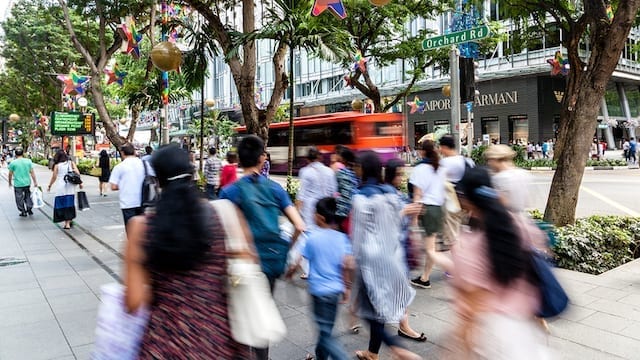
    Extended smoke haze shifts consumer footfall from open-air street precincts into enclosed, air-conditioned retail centres. Operators in suburban transport hubs absorb heavier retail traffic. Meanwhile, outdoor recreation and alfresco food venues face immediate booking cancellations.

    Comparison With Previous Severe Episodes

    Authorities last activated the full Haze Subsidy Scheme in 2015. Prolonged agricultural fires across regional peatlands blanketed the city-state for weeks during that crisis, pushing pollution readings beyond the 300 hazardous threshold.

    Health Minister Ong Ye Kung confirmed that current inter-monsoon wind patterns and low rainfall suggest the smoke haze will linger over the island for several more weeks. Prevailing wind flows prevent quick atmospheric clearing across southern Malaysia and the Singapore Strait.

    Across the border, air quality data tracked parallel deterioration. Environmental stations in Johor recorded index readings reaching 180 in Pasir Gudang, reflecting widespread exposure across the shared industrial and logistics corridor.

    Air Quality Readings Across the Island

    National Environment Agency monitoring stations registered unhealthy air quality ratings across all five island zones on October 11. Readings between 101 and 200 fall under the agency’s unhealthy classification band.

    Western districts recorded the highest 24-hour index at 151. Central commercial zones followed at 149, while eastern residential neighborhoods stood at 135. Northern and southern coastal sectors both recorded readings of 115.

    Health authorities advised residents with chronic heart or lung ailments to avoid outdoor exertion until daily readings drop below the 100 mark.

  • Jessica Sepel Tracks Decade-Long Shift to Preventative Wellness

    Jessica Sepel Tracks Decade-Long Shift to Preventative Wellness

    Consumer wellness is experiencing a fundamental change as shoppers move away from reactive remedies toward proactive health routines, according to Jessica Sepel in September 2026.

    Over the past decade, consumers have increasingly prioritized daily habits and preventative measures to safeguard their future wellbeing rather than waiting to address emerging health concerns.

    Surging Adoption Meets Low Shelf Satisfaction

    Shoppers are replacing reactive remedies with preventative routines. They are buying supplements, specialized nutrition, and metabolic support earlier in life. Women in transition stages try an average of 3.3 more interventions than women at other life stages, and 2.9 more than male consumers.

    Retail shelves have failed to keep pace. In the consumables category, 90 per cent of surveyed women in menopause have purchased at least one wellness product. Only 35 per cent report that the product met their health requirements. The shortfall stems from generic formulation strategies that ignore sex-differentiated hormonal aging.

    The Healthspan Deficit Driving Basket Size

    Underlying the commercial disconnect is a structural gap between lifespan and healthspan. Women outlive men by roughly five years worldwide. However, they spend 25 per cent more of their lives managing illness or disability.

    This disparity drives steady demand across Asia-Pacific markets, including China, India, and Japan. Retailers stocking unisex longevity lines miss out on high-spending shoppers seeking targeted hormone, sleep, and metabolic formulas. Brands offering verified clinical efficacy can take market share directly from legacy multivitamin labels.

    Category Shifts Across Asian Pharmacies and E-Commerce

    For health retailers and cross-border platforms, preventative longevity signals a structural break from quick-fix symptom treatments. Wellness brands built on broad lifestyle positioning now face buyers demanding targeted clinical data before committing to repeat subscriptions.

    Supply chain priorities are shifting for vitamin and dietary supplement manufacturers. Formulators who relied on standard herbal blends must invest in specialized compounds for hormonal transitions, bone density, and cellular aging to protect distribution in major pharmacy chains.

    Earlier Baseline and Future Commercial Benchmarks

    The product gap follows years of longevity protocols built on male clinical baselines. Research published in December 2024 by JAMA Network Open documented systematic healthspan-lifespan disparities across 183 World Health Organization member states, opening doors for direct-to-consumer disruption.

    Manufacturers and retail category buyers will review updated demographic conversion metrics at the upcoming St. Moritz Longevity Forum proceedings as brands prepare 2027 product pipelines for key Asian and Western consumer markets.

  • APAC Supplement Sales Reach $76 Billion in 2024, Lubrizol Reports

    APAC Supplement Sales Reach $76 Billion in 2024, Lubrizol Reports

    Lubrizol has published a new white paper assessing women’s health, beauty and nutrition needs across the Asia-Pacific region, finding that 66 per cent of Chinese respondents feel underserved by currently available products.

    The Asia-Pacific supplement market reached approximately $76 billion in 2024 retail sales, accounting for 48 per cent of total global supplement sales as beauty-from-within demand expands.

    Drawing on consumer research across China, Korea and Indonesia following the Vitafoods Asia show, the study found that 87 per cent of women in China prefer health and nutrition solutions tailored to their specific life stage.

    Across the wider Asia-Pacific region, between 40 per cent and 50 per cent of consumers said their existing supplements either did not work or delivered only partial results. That performance gap creates an opening for consumer brands willing to overhaul product lines around life stages rather than broad wellness claims.

    Four Demographics Reshape Formulation Demand

    Consumer priorities split sharply along age lines in the region. Women aged 20 to 39 in the active life and career bracket focus on physical energy, recovery and appearance. They buy primarily from brands they already recognise.

    For women in the family planning and motherhood group, purchasing criteria pivot toward formulation safety and simplicity. In China, 93 per cent of surveyed mothers and expectant women cited a distinct need for specialised pregnancy iron and nutritional products. Consumers also indicated an openness to pay price premiums of up to 50 per cent for goods that remove safety uncertainties.

    Women entering the midlife transition bracket between ages 40 and 55 prioritize hormonal balance, sleep quality, metabolic energy and skin elasticity. Purchase choices in this cohort rely heavily on published ingredient data and clinical evidence.

    The healthy longevity segment, covering women aged 55 and older, showed the strongest appetite for premium pricing. Purchasing here centers on maintaining physical capability, cognitive sharpness and daily independence.

    The Shift to Ingestible Beauty

    Preventive health routines have gained greater commercial traction in China than in neighboring markets. China recorded a proactive wellness score of 34.3 per cent in the research. That outranked Indonesia at 32.6 per cent and South Korea at 30.8 per cent.

    Chinese women ranked personal beauty as their second most disruptive daily lifestyle concern, compared to sixth place in Indonesia and eighth place in South Korea. Commercial demand for ingestible skincare expands with age. While 33 per cent of Chinese women aged 20 to 39 take supplements for long-term prevention, that figure reaches 52 per cent among women aged 55 and older.

    Physical proof remains the core requirement to retain buyers across every territory surveyed. Noticeable physical benefits ranked among the top three triggers to maintain a daily routine for 62 per cent of respondents in China, 74 per cent in South Korea and 76 per cent in Indonesia.

    Consumers are no longer waiting for problems to emerge. They are investing earlier, seeking solutions that help them maintain confidence, vitality and quality of life throughout every stage of their journey.

    Safety Fears and the Bioavailability Bottleneck

    High retail sales mask friction at checkout. In China, 62 per cent of women cited fear of adverse side effects or unproven long-term safety as a top-three barrier preventing them from trying new supplements.

    Shopper trust follows a strict sequence in Asian retail channels. Buyers demand tangible physical results first, verified ingredient science second, and product safety as an absolute minimum requirement. Products relying on marketing claims without clinical backing face immediate drop-off after the first purchase cycle.

    Formulators face technical hurdles delivering active compounds that the body absorbs efficiently without unpalatable taste or digestive irritation. Lubrizol has responded by pushing microencapsulation technologies for sensitive nutrients, including iron, magnesium and curcumin, to improve bioavailability and taste profiles.

    Traditional ingredient delivery formats struggle to sustain subscription renewals across Asian e-commerce platforms. Brands that fail to show measurable outcomes within three to four weeks lose shelf space to clinical brands backed by published ingredient trials.

    Cross-Border Brands Target Reformulation

    Trade show data presented at Vitafoods Asia showed ingredient suppliers documenting rising cross-border orders for nutricosmetics and functional foods. Retailers across Tier 1 Chinese cities have expanded shelf allocations for ingestible collagen, microencapsulated minerals and cellular health compounds over the past two years.

    Suppliers are now bundling topical skincare products with ingestible nutritional packs to lock in higher basket values. For consumer health groups selling through cross-border channels like Tmall Global and JD Worldwide, regulatory compliance and clean ingredient labels will determine which brands capture the aging demographic.

    Teams across formulation and retail face the task of translating these stage-specific consumer datasets into finished products ahead of the 2025 regional exhibition cycle. New clinical trial data on bioavailable ingredients will meet commercial buyers there.

  • DSG Consumer Partners Buys Singapore Wellness Brand Bback

    DSG Consumer Partners Buys Singapore Wellness Brand Bback

    DSG Consumer Partners has acquired Singapore recovery and wellness brand bback from Evo Commerce, taking control of a business distributed across more than 400 retail outlets.

    The venture capital firm completed the buyout alongside Saket Gore, the former Asia Pacific chief executive of Himalaya Wellness, who steps in as bback’s chief executive.

    Retail footprint and executive shift

    Bback started as an alcohol recovery brand before adding hydration and liver wellness formulations to its catalogue. In Singapore, the brand sells through pharmacy chains Guardian and Watsons as well as online platforms. The companies did not disclose financial terms of the transaction.

    Under the new ownership structure, bback plans to broaden its product line beyond hangover remedies into a wider range of daily recovery and functional health items. Singapore will remain the brand’s primary market in the near term.

    Consolidation in regional consumer health

    Consumer health and functional wellness labels in Southeast Asia face increasing pressure to move beyond direct-to-consumer online sales into established pharmacy chains and convenience store networks. Scaling those physical footprints requires professional operating leadership and deeper supply chain funding.

    The immediate milestone to watch is bback’s rollout of its expanded wellness formulations across its existing 400 retail points of sale in Singapore under Gore’s management.

  • Blackmores Targets 18.6% Growth in Thailand with Fizzy Granule Launch

    Blackmores Targets 18.6% Growth in Thailand with Fizzy Granule Launch

    Blackmores launched its first fizzy granule vitamins in Thailand as the Australian health brand targets 18.6 per cent revenue growth in the country for 2026.

    The target builds on a 16.8 per cent year-on-year sales increase recorded during the first half of the year.

    Three functional formulations

    Branded as Blackmores Fizzers, the line packages vitamins in single-serve sachets designed to be dissolved in cold water, melted directly on the tongue, or chewed. The format abandons traditional tablet designs to appeal to Gen Z and millennial consumers looking for portable options.

    The range includes three formulations aimed at specific health routines. Immu Plus combines vitamin D3, vitamin C, zinc, and L-leucine in an orange flavour for daily immune support. Nicotinamide Plus uses a mixed berry flavour containing nicotinamide, zinc, vitamin C, and L-leucine for skin health. Performance Plus carries a strawberry and apple flavour formulated with 225 milligrams of magnesium and L-leucine to aid muscle recovery.

    Influencer marketing and category competition

    Priti Halai, country manager of Blackmores Thailand, said the rollout reflects a shift toward product formats that match changing consumer habits in an increasingly crowded supplements market.

    Competition is fierce, and brands must deliver value that resonates with real consumer needs.

    Marketing for the launch will rely primarily on influencer partnerships across digital platforms to build awareness among younger demographics. The shift toward confectionery-style and water-soluble vitamin formats across Southeast Asian retail reflects how legacy supplement makers are defending shelf space against direct-to-consumer wellness brands.

    Retail performance in the final quarter will show whether the sachet line generates enough traction to hit the company’s full-year 18.6 per cent expansion target.