Tag: consumer trends

  • AI Concept for Hunter Boots with Rhode Lip Gloss Holder Sparks Demand

    AI Concept for Hunter Boots with Rhode Lip Gloss Holder Sparks Demand

    When AI studio Clauré Studio shared a concept of Hunter boots featuring a holder for Rhode lip gloss this week, consumer inquiries revealed immediate interest in buying the fictional item.

    Retail brand strategist Bethany Paris Ramsay and Triptk strategy director Frankie Margotta noted that while AI mockups show what shoppers want, social media buzz is no guarantee of sales and can create expectations real manufacturing struggles to meet.

    The trend mirrors past viral beauty experiments, such as Colourpop Cosmetics teasing a pickle-flavored lip balm in 2025 before rivals released real versions in 2026, proving that digital interest can occasionally highlight commercial opportunities.

    Separating Social Signals From Factory Orders

    Online traction offers brands an unprompted window into shopper tastes, yet social media metrics do not reflect commercial demand. Liking an image costs nothing, whereas tooling a factory line requires significant capital commitments and minimum order volumes.

    A flood of comments asking where to buy an item indicates brand affinity, but it does not guarantee customer follow-through at checkout. Retailers that mistake digital commentary for verified intent risk overproducing niche merchandise that fails on store shelves.

    Physical manufacturing imposes hard limits that synthetic imaging tools bypass. Generative models routinely display smooth material joins, impossible structural tolerances or incompatible chemical formulations that real factories cannot replicate at scale.

    The Cost of Falling Short on Physical Execution

    When physical products fail to match elaborate digital fantasies, customer sentiment quickly turns negative. Disappointment emerged when the official Swatch and Audemars Piguet Royal Pop collaboration debuted, with consumers comparing the final retail models unfavorably against synthetic renders circulating online.

    Such misalignments erode brand credibility. Shoppers who discover an appealing product image is entirely fictional may disengage from future marketing campaigns altogether.

    “Generative AI can visualise almost anything, including products that can’t actually be manufactured as represented,” Margotta warned.

    Clear communication policies are becoming necessary for commercial teams. Brands that comment on or lean into viral fan renders must evaluate whether an engineering path exists before teasing a commercial drop.

    Turning Novelty Into Commercial Releases

    Translating viral concepts into verified physical runs has precedent in the cosmetics and personal care sector. Makeup label Colourpop Cosmetics ran an April Fools’ Day campaign in 2025 teasing a dill pickle lip balm, which gathered enough sustained interest to push rival brands ELF Cosmetics and Burt’s Bees into launching real limited-edition versions in 2026.

    Rhode previously demonstrated the commercial power of functional novelty when it built a dedicated lip gloss slot into its branded mobile phone cases. The design generated substantial sales by turning everyday personal accessories into wearable cosmetic carriers.

    Merchandisers evaluating synthetic concepts must isolate the exact element driving online interest. Commercial value often rests on a specific colorway, an unexpected utility feature or the sheer novelty of combining two distinct product categories.

    Prototyping Takes Priority Over Digital Renderings

    As synthetic design tools become ubiquitous, rendering speed no longer provides a competitive edge for retail design studios. Basic image generation is now accessible to individual social media accounts and competing merchant brands alike.

    Market advantage will shift back to rapid prototyping, physical testing and nimble supply chains capable of delivering small test batches. Brands that can contract manufacturers quickly and deliver compliant physical goods will capture value that render creators leave on screen.

    Retail operators and sourcing teams are now tracking whether third-quarter concept spikes convert into commercial holiday licensing deals before fiscal 2027 budgets close.

  • Singapore McDonald’s Shuts as Crowds Rush for $8 K-Pop Hats

    Singapore McDonald’s Shuts as Crowds Rush for $8 K-Pop Hats

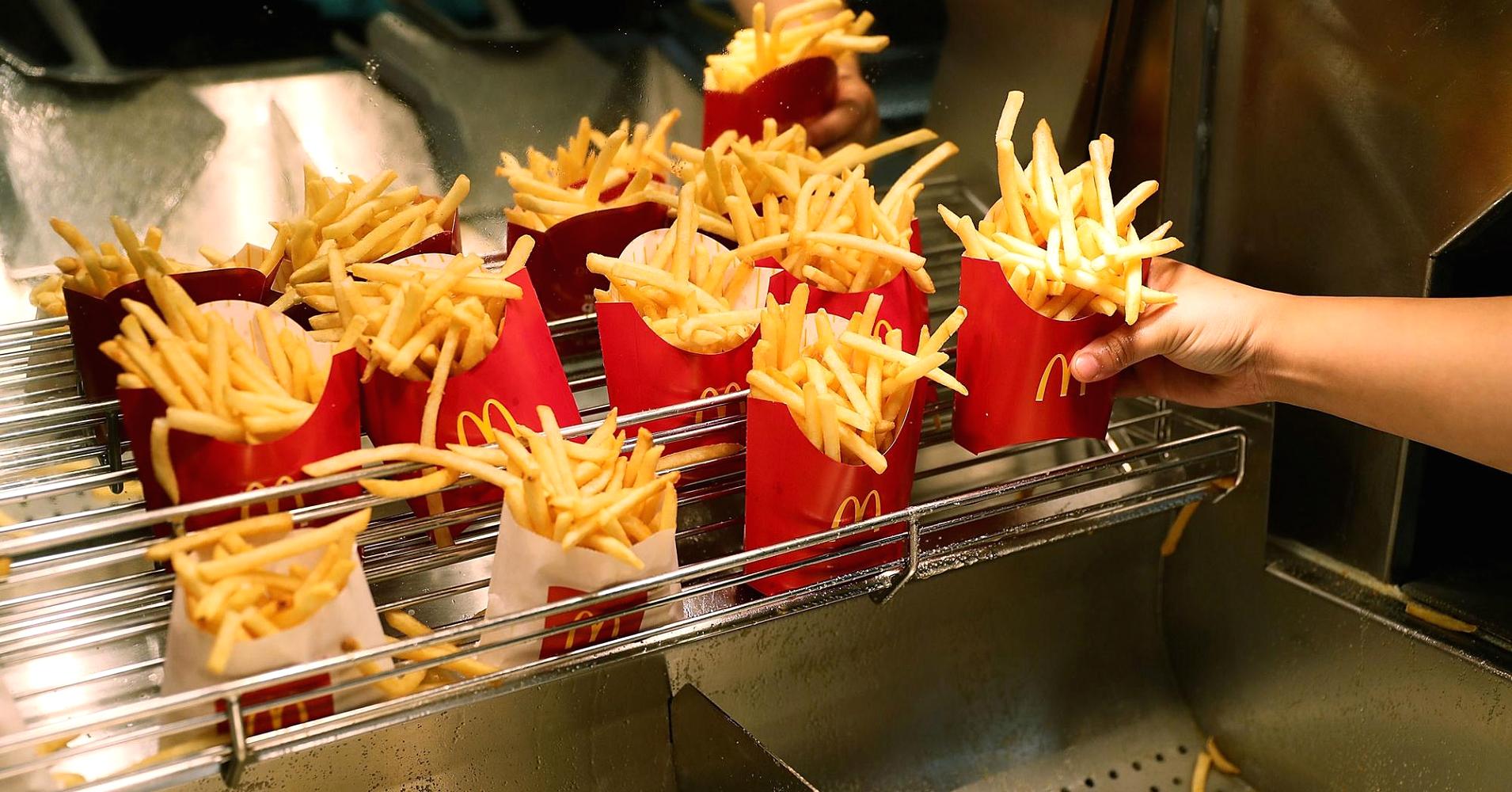
    A McDonald’s restaurant in Singapore suspended operations this week and pulled down its shutters after crowds mobbed the outlet during a launch for eight-dollar hats tied to a K-pop celebrity.

    Surging foot traffic overwhelmed staff and on-site capacity, forcing store management to close physical access to maintain crowd safety.

    Operational disruption from merchandise drops

    Quick-service restaurant operators across Southeast Asia frequently deploy co-branded entertainment partnerships to drive foot traffic, but physical merchandise sales introduce crowd control dynamics that standard fast food store formats are ill-equipped to handle. When low-cost, high-profile items such as eight-dollar branded apparel hit the counter, transactional volume quickly outstrips kitchen and ordering throughput.

    The physical closure of an active unit during peak trading hours creates direct revenue loss on core food items alongside third-party delivery cancellations. Fast food layouts prioritise rapid ordering, fast kitchen turnaround and short table dwell times rather than orderly queuing for physical retail inventory.

    The economics of limited-run fast food tie-ins

    Entertainment collaborations serve as high-margin marketing vehicles for global chains, generating substantial digital impressions and attracting younger demographics. The primary margin driver remains the accompanying food bundle, yet the secondary resale value of limited-edition collectibles frequently attracts scalpers who distort store footfall.

    Physical item allocations without dedicated ticketing or queue infrastructure leave frontline restaurant workers managing volatile retail bottlenecks. When merchandise sells out or access is restricted, customer frustration shifts onto restaurant staff, increasing brand friction rather than building goodwill.

    Crowd control risks for quick-service operators

    Mall operators and commercial landlords monitor safety protocols closely across high-density retail centres in Singapore. Uncontrolled queue spillover into common corridors disrupts neighbouring retail tenants and risks landlord penalties or regulatory intervention.

    For food chains, shifting exclusive merchandise sales to digital pre-orders, lottery allocations or app-based collection windows reduces physical crowding. Direct in-store sales of highly sought-after cultural tie-ins continue to expose operators to unexpected operational stoppages.

    Supply management across Southeast Asian hubs

    Consumer appetite for Asian pop culture collaborations remains exceptionally strong across urban regional hubs, including Singapore, Bangkok and Manila. The friction seen at retail counters demonstrates that demand forecasting for collectible merchandise often diverges from standard fast food sales forecasting models.

    Future promotional rollouts across regional quick-service networks will test whether chains continue open over-the-counter sales or transition high-demand merchandise releases entirely to digital redemption channels.

  • China’s Gen Z Drives Rise in Spiritual and Self-Improvement Economies

    China’s Gen Z Drives Rise in Spiritual and Self-Improvement Economies

    In November 2022, Chinese Gen Z consumers are channeling discretionary spending into outdoor sports and indoor fitness during the pandemic, turning wellness and self-improvement into core lifestyle categories across urban markets.

    The shift covers activities including cycling, camping, frisbee, and skateboarding, lifting demand for functional apparel and technical gear from brands such as Adidas across retail channels.

    Shift toward outdoor sports

    Urban youth in China increasingly treat physical health and outdoor recreation as primary lifestyle investments. Categories that once operated on the fringes of the sports market, such as frisbee and skateboarding, have gained traction among young shoppers.

    Camping and cycling have also expanded into mainstream retail segments. Consumers seek specialized technical equipment alongside versatile apparel that functions for both outdoor activity and everyday urban wear.

    Growth in indoor fitness categories

    Indoor fitness continues to capture consumer spend as home workouts and studio routines maintain steady followings. The category has expanded beyond basic gym sessions into structured self-improvement routines that integrate apparel, footwear, and lifestyle accessories.

    Apparel brands operating in China are adjusting product assortments to capture this demand. Technical fabrics, performance layers, and athleisure styles continue to replace formal casualwear in urban wardrobes.

    Implications for sportswear brands

    International and domestic athletic labels face a market where consumer loyalty depends heavily on specific sporting subcultures. Generic sports marketing carries less weight among younger demographics who align their purchases with distinct community activities.

    Retailers that align product ranges with niche sports such as cycling and skateboarding secure stronger engagement than generalist apparel sellers. Merchandising strategies are shifting toward category-specific collections tailored to active leisure.

    Evolving aesthetic preferences

    The rise of active lifestyles also intersects with shifting visual trends across young consumer segments. Vibrant styles and expressive designs are competing directly against understated apparel lines in youth retail.

    Brand operators now monitor inventory allocations across specialty sports gear and performance apparel as seasonal demand develops across China’s major metropolitan hubs.

  • Asia Shifts from Adopting Retail Formats to Exporting Global Innovation

    Asia Shifts from Adopting Retail Formats to Exporting Global Innovation

    Asian retail operators have shifted from adapting Western store models to exporting original store formats, testing methods, and experiential concepts to international retail markets in September 2026.

    The transformation spans a region home to more than half of the world’s population, where intense domestic competition forces retailers to treat physical spaces as media platforms rather than pure transactional outlets.

    Compressed Cycles and Cultural Platforms

    Retail concepts originating in East Asia have redefined how physical stores interact with consumer culture. Japanese operators such as Uniqlo and Muji established operational models focused on product simplicity, while lifestyle brands including Beams and niko and … developed blended formats combining apparel, dining, print media, and gallery spaces.

    Chinese operators have pushed product experimentation into compressed timeframes. Collectibles retailer Pop Mart built an international retail footprint by combining proprietary intellectual property, gamified blind-box purchases, and scarcity mechanics. Cosmetics retailer Harmay reorganized beauty merchandising around warehouse-style discovery layouts, replacing traditional cosmetic counters with unguided foot traffic flows.

    South Korean retailers have centered physical retail on narrative spaces. Eyewear brand Gentle Monster builds flagship locations around large-scale kinetic art installations and architectural exhibits, treating optical frames as entry points to brand environments rather than primary display fixtures.

    Physical Real Estate as Entertainment Hubs

    In Southeast Asia, commercial developers are altering shopping center layouts to capture consumer footfall through leisure rather than tenant distribution. Bangkok properties including IconSiam, Siam Paragon, and One Bangkok allocate large square footage to indoor cultural floating markets, exhibitions, and public gathering areas.

    These developments operate on the principle that dwell time drives secondary spending. Landlords who prioritize transactional floor space over communal programming face higher tenant turnover as standard retail purchases migrate online.

    For global brand managers, the rise of Asian retail formats creates pressure to shorten product development cycles. International brands entering China, India, and Vietnam must build supply chains capable of responding to immediate consumer feedback rather than operating on seasonal six-month planning horizons.

    Operating Across Fragmented Retail Markets

    The operational discipline behind these models developed out of regional market complexity. In India, retail groups manage supply chains across multiple languages, varied regional income bands, and fragmented state-level tax structures, making standardized Western formats difficult to sustain without deep localization.

    Vietnam is replicating similar dynamics as rapid urban development and a high proportion of mobile-first shoppers accelerate the turnover of food, beverage, and lifestyle concepts in Ho Chi Minh City and Hanoi.

    Global retail operators are now monitoring flagship performance metrics and tenant lease structures at new mixed-use developments like Bangkok’s One Bangkok to measure returns on high-footprint experiential spaces.

  • Australian Supermarkets Adapt to In-Between Shoppers Seeking Asian Groceries

    Australian Supermarkets Adapt to In-Between Shoppers Seeking Asian Groceries

    Australian mainstream grocers are restructuring their international food aisles as demand from second-generation shoppers erodes the traditional gap between independent Asian grocers and major supermarket chains.

    The shift challenges decades of split retailing, where consumers bought standard household staples at major chains and visited specialty Asian grocers for authentic ingredients.

    Breaking the Specialty Divide

    May Wong, who concluded her tenure as a category manager at Coles Group on August 31, 2026, after seven years managing an Asian grocery store, said the boundary between the two channels is disappearing. Shoppers from second-generation migrant backgrounds increasingly expect mainstream supermarkets to stock the authentic food items that match their cultural heritage.

    Specialty grocers long held a monopoly on authentic imported brands, while major supermarkets focused on westernised pantry staples. Younger shoppers now seek authentic taste profiles without making a separate trip to suburban ethnic markets.

    Shifting Demographics on Mainstream Aisles

    For supermarket operators across the Asia-Pacific region, tailoring shelf space to multicultural demographics has turned ethnic aisles into high-growth territory rather than niche perimeter displays. Major chains in markets with large diaspora populations are expanding direct sourcing relationships with Asian food exporters to meet tighter consumer standards on authenticity.

    Coles and competing Australian supermarket operators will test updated product assortments across metropolitan store networks through the coming retail quarters.

  • Miniso and 99 Ranch Market Lead US Retail Growth by Prioritising Lifestyle and Community

    Miniso and 99 Ranch Market Lead US Retail Growth by Prioritising Lifestyle and Community

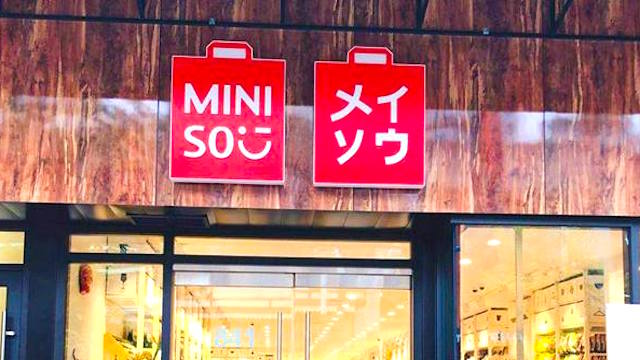
    Asian-rooted retailers Miniso and 99 Ranch Market are achieving significant growth in the United States by focusing on lifestyle connections and fostering a sense of community. The 2026 NRF Hot 25 Retailers list, compiled by Kantar, ranks the nation’s fastest-growing retail companies based on year-over-year domestic sales, with both brands making a notable impact.

    Miniso, a global lifestyle product retailer known for its affordable and aesthetically pleasing goods, secured the top spot at No. 1 on the list. 99 Ranch Market, an Asian supermarket chain, also featured prominently at No. 15. Their inclusion underscores a broader retail strategy: turning consumer lifestyle choices into deep-seated loyalty.

    Building Loyalty Through Experience

    According to Dave Marcotte, a senior vice president at Kantar, Miniso embodies the lifestyle approach in nearly all its operations. The brand’s ability to resonate with consumers on an emotional level, offering products that align with contemporary tastes and trends, is a key driver of its rapid expansion.

    Similarly, 99 Ranch Market differentiates itself through its superior offerings. Marcotte highlights the supermarket’s produce, bakery, and prepared foods as being significantly ahead of traditional chain grocers. The presentation and quality of goods are compelling enough to convert first-time visitors into loyal customers, creating a strong emotional connection.

    The Value Of Belonging In Retail

    The NRF Hot 25 Retailers list emphasises that in an increasingly complex world, a sense of belonging is vital. Retailers that successfully provide this, alongside value and convenience, are seeing stronger customer loyalty. This trend extends beyond Asian-rooted brands, with convenience store chains like Casey’s General Stores (No. 13), QuikTrip (No. 20), and Wawa (No. 24) also making the list due to their strong community ties and distinctive offerings.

    For retailers in Asia-Pacific, the success of Miniso and 99 Ranch Market offers valuable insights. Many Asian markets are already highly competitive, but these examples show that a clear focus on lifestyle integration and superior product quality can create a distinct market position and drive exponential growth. Brands across the region, from local startups to established players, are continually seeking ways to deepen consumer engagement and foster loyalty beyond just transactional interactions.

  • No-Frills Noodles See Surge in Japan as Consumers Seek Value Amid Rising Prices

    No-Frills Noodles See Surge in Japan as Consumers Seek Value Amid Rising Prices

    Major Japanese convenience store and supermarket chains are significantly increasing their offerings of no-frills noodle products. This strategic shift aims to cater to consumers actively seeking more affordable food options as inflation continues to impact household budgets across the nation.

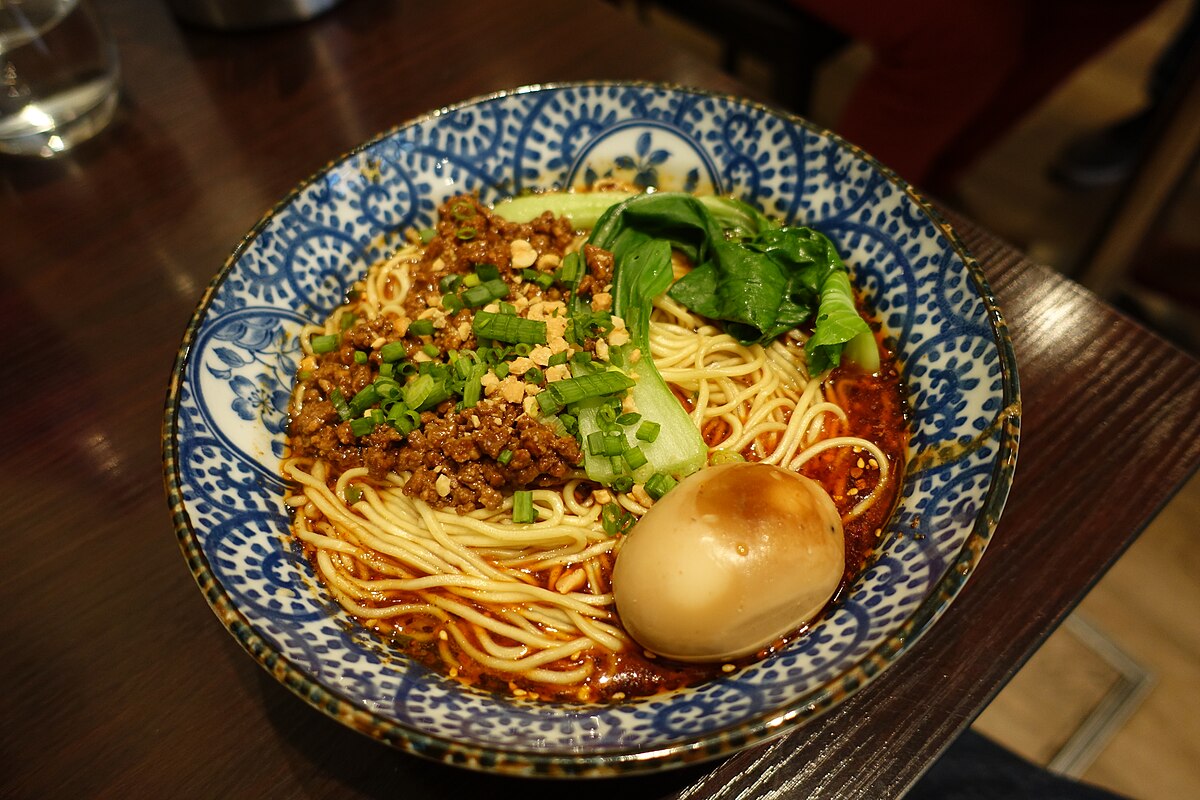
    Lawson, a prominent convenience store operator, introduced two types of frozen noodles without toppings in late June 2026, priced at ¥297 (US$1.90) each. This represents a more than 20% price reduction compared to its existing frozen noodle products that include toppings. The company had previously found success with a line of cup noodles without toppings launched in October 2024, which sold over 5 million units due to their focus on quality broth and customizability.

    Retailers Adapt To Shifting Consumer Habits

    Kanako Ochi, an official in Lawson’s product division, highlighted the importance of responding to evolving consumer needs as shoppers become more budget-conscious. The expansion of no-frills options allows the company to offer new product angles while maintaining competitive prices. Similarly, supermarket giant Aeon began selling fried noodles without toppings such as pork and cabbage in April 2025. This product, priced at just ¥320, contains three times the noodle quantity of its standard fried noodle offering.

    Initially launched in select regions, including the Tokyo metropolitan area, the no-frills fried noodles proved immensely popular, selling ten times more than anticipated. This success prompted a nationwide rollout. An Aeon spokesperson attributed the strong performance to consumers appreciating the cost benefits during a period of increased cost of living. Following this, Aeon also launched topping-free soba noodles in July 2026, featuring double the quantity of its regular product.

    Inflation Drives Demand For Value

    The trend towards value-focused products underscores the ongoing impact of inflation in Japan. According to research firm Teikoku Databank, approximately 18,000 products have either seen price increases this year or are slated for increases by November 2026. This pervasive inflationary environment is expected to ensure the continued popularity of no-frills options among Japanese consumers. RetailNews Asia observes this trend as indicative of broader shifts in consumer spending across the region, where economic pressures often lead to a renewed focus on essential, value-driven purchases, prompting retailers to innovate their product portfolios to meet these demands.