Tag: contactless payment

  • Contactless mobile payments growing

    Contactless mobile payments growing

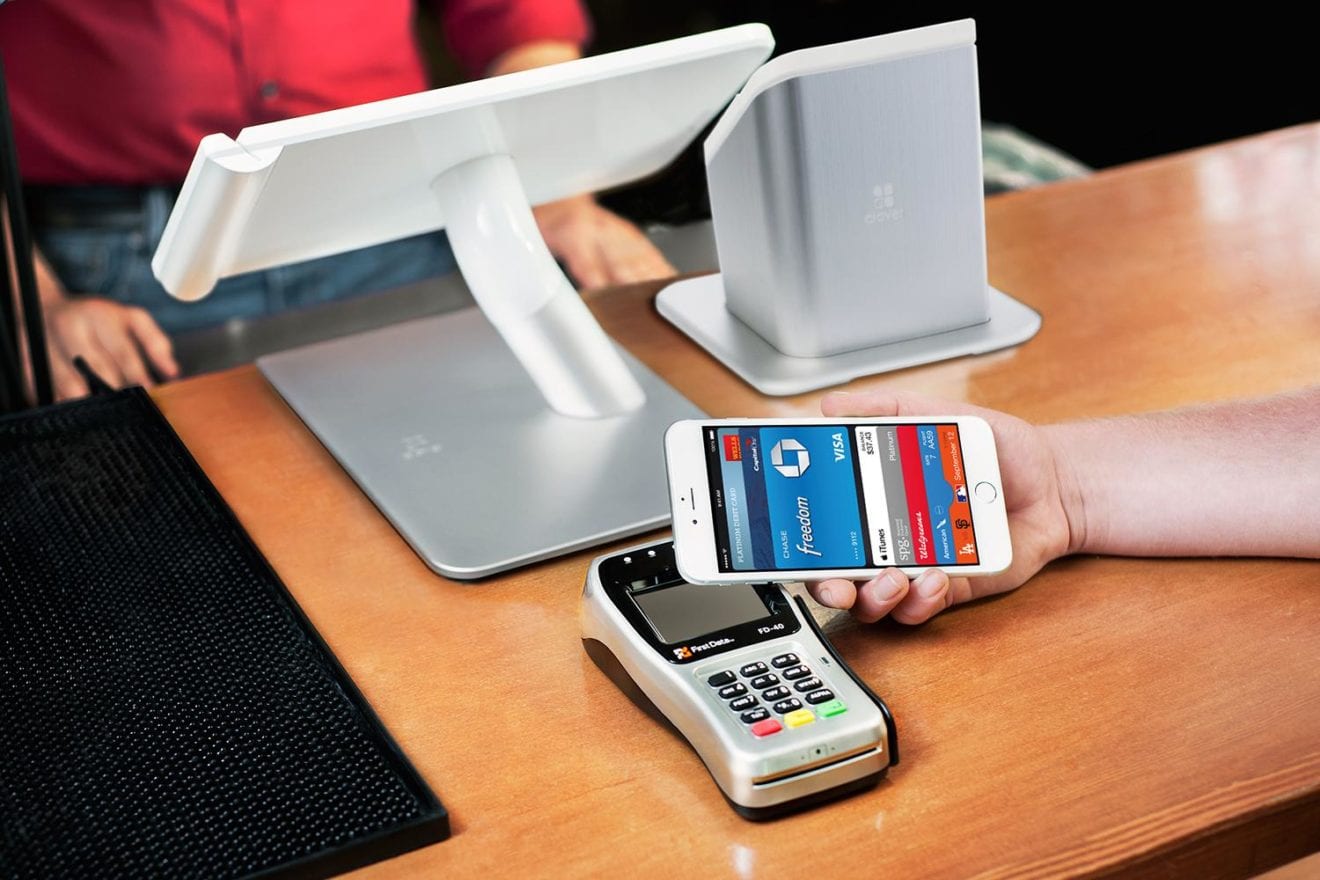
    The number of contactless payments made via mobile handsets will reach 148 million globally this year, according to a study conducted by Juniper Research.

    Samsung and Apple will account for approximately 70 per cent of new customers.

    The study showed consumers have been receptive to this payment method, predominantly because of their strategic placement. When Apple Pay was introduced in China, nearly 40 million payment cards were registered to the service in 24 hours in mid-February.

    Nearly one in five point-of-sale terminals in the US are now contactless-capable, with the report finding this will see smartphones be the number one driver of contactless payments in the US. The report also revealed banks and leading “over the top” players will deploy Host Card Emulation-based (HCE) models.

    “The combination of HCE and tokenisation is extremely attractive to banks. HCE means that they are not dependent on a mobile operator to enable the service; tokenisation reduces the burden on the issuer and allows them to use their existing infrastructure,” research co-author, Dr. Windsor Holden said.

    The study also found that NFC sticker-based solutions can be ‘risky,’ stating that in closed-loop solutions, ‘there’s a chance thieves could simply use all the money in the wallet at participating retail outlets.’

  • Banks take up Visa Token Service

    Banks take up Visa Token Service

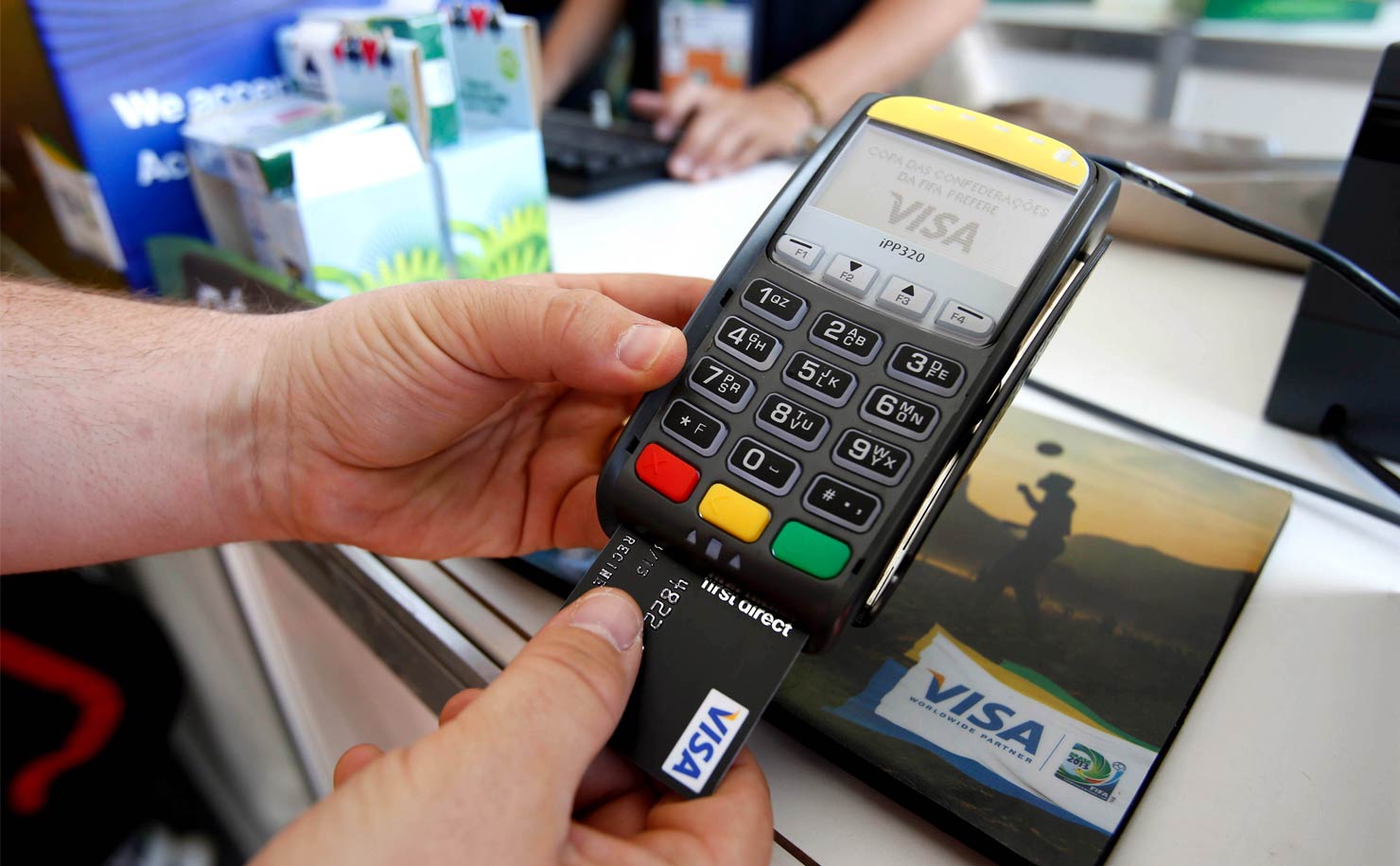
    An extra layer of security for mobile and digital payments has been introduced by Singapore’s United Overseas Bank (UOB) and Australia’s National Australia Bank (NAB).

    As well as making transactions safer, the new Visa Token Service also makes instore shopping easier.

    Credit or debit cards are no longer necessary under the Australian bank’s new mobile payment service,NAB Pay, which lets customers use their mobile phone for purchases.

    For UOB customers, the Visa Token Service has been integrated into the UOB Mighty digital wallet. It allows UOB Visa credit or debit card users to make contactless payments via an app on NFC-enabled Android smartphones at selected outlets in Singapore and overseas.

    Visa’s new technology replaces sensitive account information found on payment cards with a unique digital identifier or “token” that does not expose account details during the payment process. Tokenised cards are also domain controlled, meaning they link to the user’s phone or wallet application and are validated in real time by the global payment-processing platform VisaNet.

    Launched in the US, the Visa Token Service is being rolled out in several markets across Asia Pacific over the coming months. As payments shift from plastic to digital, Visa is working with financial institutions, merchants and technology partners to offer consumers a secure and easy way to buy.

    A key benefit of the service is that tokens do not carry the user’s primary account number, so there is less risk of storing them on mobile devices, online (eCommerce merchants) or in cloud-based mobile applications.

    Using ISO standards, the tokens can be processed and routed by merchants, acquirers and issues in the same was a traditional card payments.

    Tokens tied to lost or stolen mobile devices can be instantly reissued, and multiple tokens can be used for a single primary account, each tied to a specific device or service. Tokens can also be exclusive to specific merchants, mobile devices, transactions or transaction categories.

    VisaNet is capable of handling more than 65,000 transaction messages a second, with fraud protection for consumers and assured payment for merchants.

  • Shoppers seeking “transformation” of retail experience

    Shoppers seeking “transformation” of retail experience

    Shoppers globally are demanding their retail experience is “transformed”, a study by MasterCard has revealed on the eve of this year’s World Retail Congress.

    And one of their top priorities: “simpler and more innovative ways to pay” according to the world’s first retail focussed ‘social listening study’.

    The MasterCard Retail Social Listening Study, in partnership with Prime Research, analysed 1.6 million unprompted online conversations around shopping and retail during the last 12 months across 61 international markets in order to understand consumer experience.

    Key findings from the study indicated retailers are experiencing a shift in consumer expectations, requiring “new and richer experiences”, says MasterCard, which will enable consumers around the world to shop at the ‘speed of life’.

    Key findings include:

    • Convenience through technology innovations: Convenience was the most positively discussed aspect of new digital payment methods in shopping and retail related conversations (77 per cent), with the travel sector leading the way in terms of the highest share of coverage. Consumers specifically highlighted their preference for not necessarily needing to take their wallet on every trip and being able to use mobile payments when they travel.
    • Being rewarded: Rewards and benefits for the consumer was the most vociferously and positively discussed topic across social media when it came to shopping and retail (38 per cent share of coverage of the six aspects measured). Entertainment was the sector leading the way, where rewards and benefits was most discussed. Consumers expressed eagerness for further acceptance of NFC payments allowing them to receive rewards for using them regularly.
    • Demand for increased acceptance: After rewards and benefits, consumer discussion of which retailers do and do not accept newer forms of payment was the second most discussed topic according to the study (21 per cent share of coverage of the six aspects measured). Consumers discussed extensively their desire for retailers to integrate new payment systems, with conversations about fashion being most prominent in terms of sector. Fashion focussed shoppers were the most keen to shout about retailers who accept new methods of payment, such as contactless acceptance and mobile payment capabilities.

    Asia Pacific respondents had the highest percentage of favourable tone on the topic of Contactless Payments.

    In addition, Twitter was highlighted as the most frequently used social media platform globally when it came to online conversations about retail and shopping.

    Carlos Menendez, executive director for international markets at MasterCard said the wave of social engagement seen every time new payment innovations are rolled out truly reflects the demand and desire for new and more convenient ways to pay.

    “It also shows that payments have really moved into the heart of the shopping experience – causing frustration when not accepted and engagement when fast, easy and personal.”