Tag: contactless

  • Contactless Payments Gain Ground in Singapore

    Contactless Payments Gain Ground in Singapore

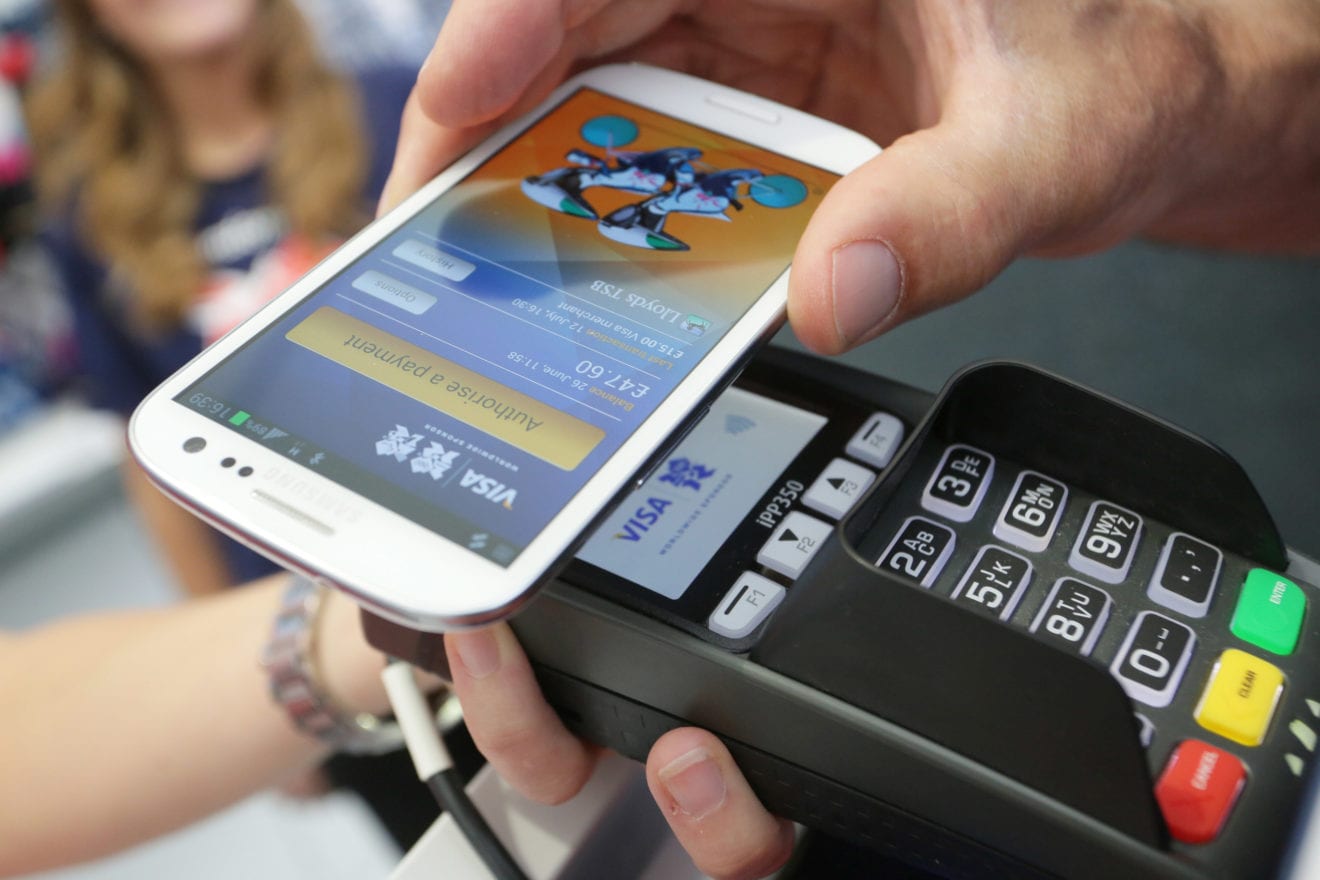
    With more than half of Singaporeans using mobile contactless payments, the city-state is one of the market leaders globally in terms of contactless payments penetration.

    Mobile contactless payments use among Singaporeans grew by 12 percent over the past year to 56 percent, with the most popular option being contactless card payments at 84 percent, according to a new study by Visa on consumer payments attitudes in Southeast Asia, conducted among 5,000 consumers in seven regional markets in October 2019.

    Reasons for the strong uptake in Singapore include state-of-the-art mobile security and stringent data privacy measures, the survey, published on Thursday, revealed. Supermarkets and quick service restaurants, along with contactless acceptance in new categories like public transport, were also key contributors, Visa said.

    Some 75 percent of respondents here said they do not feel their personal information is at risk when making mobile payments, and two in three believe that merchants, banks and third-party companies provide sufficient security to protect their transactions. The study also found that three in five Singapore consumers are willing to share location data with merchants in exchange for discounts, promotions and services.

    The use of contactless payments was given a boost in April 2019 with the introduction of contactless credit and debit card payments on public transport.

    The outbreak of Covid-19 has also spurred businesses to adopt mobile payments and prompted a rise in contactless payments to reduce the spread of the virus. Earlier this week, the Singapore Government said it was allocating S$500 million to support digital transformation and the adoption of e-payments by businesses. In announcing the package, Deputy Prime Minister Heng Swee Keat said the use of digital payments has «risen sharply,» with more than 50,000 businesses adopting Paynow Corporate since April.

  • Mastercard study shows consumers moving to contactless payments for everyday purchases as they seek cleaner

    Mastercard study shows consumers moving to contactless payments for everyday purchases as they seek cleaner

    During February and March, as many countries imposed or strengthened social distancing measures due to COVID-19, a significant majority of consumers turned to contactless card payments for necessary purchases. Citing safety and cleanliness, 79 percent of people worldwide and 91 percent in Asia Pacific say they are now using tap-and-go payments.

    Consumer polling by Mastercard, studying changing consumer behaviors in 19 countries around the world, paints a picture of accelerated and sustained contactless adoption.

    The act of going to the store for eggs, toilet paper, medicine and other necessities has changed dramatically this year. Shoppers have had to adjust to new challenges when buying everyday supplies – a shift in behavior that is particularly clear at checkout as people express a desire for contactless cards and voice concerns over cleanliness and safety at the point of sale.

    The new Mastercard survey shows:

    • Contactless cards move to top of wallet – Perceptions of safety and convenience have spurred a preference for contactless cards and reminded consumers of the ease of tapping. Globally, 46  percent of respondents have swapped their top-of-wallet card for one that offers contactless. In Asia Pacific, 51 percent of people have made the swap.
    • Confidence in contactless – COVID-19 has increased concerns about cash usage and led to positive perceptions about contactless due to the safety and peace of mind it provides. The majority of respondents (82 percent) globally view contactless as the cleaner way to pay, with 80 percent in Asia Pacific saying the same. Contactless payments are up to 10 times faster than other in-person payment methods, enabling customers to get in and out of stores faster.  
    • Contactless is here to stay – We are in a sustained period where consumers are making purchases in a very focused way. That’s reinforcing contactless use in markets where adoption is more mature and it’s stimulating use in newer markets. This trend appears to be here to stay as 74 percent of people globally and 75 percent in Asia Pacific state they will continue to use contactless after the pandemic is over.

    “Mastercard’s survey shows a clear shift to contactless – especially in Asia Pacific – as COVID-19 changes the payments landscape and the way people shop now and in the future,” said Sandeep Malhotra, Executive Vice President, Products & Innovation, Asia Pacific, Mastercard. “The fact that 3 in 4 people intend to keep using tap-and-go after the pandemic is a strong sign that consumers see the long-term benefits of having a safer, cleaner way to pay, checking out faster and being more socially responsible.”

    Contactless Tipping Point

    Mastercard has been spearheading the worldwide shift to contactless for years, championing the simple, safe and fast way to pay. Now, as consumers increasingly seek ways to get in and out of stores quickly without touching payment terminals, Mastercard data reveals more than 40 percent growth in contactless transactions globally in the first quarter of 20201. More than 80 percent of contactless transactions are under US$25, a range typically dominated by cash.

    While countries worldwide are at different stages of contactless card deployment and usage for daily shopping, Mastercard’s insights on trends at grocery stores and pharmacies – where many day-to-day essentials are being purchased – showed nearly all regions experienced significant spikes in February and March.

    Reinforcing changing behaviors and consumer checkout preferences, Mastercard saw the number of tap-and-go card payments at grocery stores and pharmacies grow twice as fast as non-contactless transactions globally and 2.5 times faster in Asia Pacific2.

    Just last month, Mastercard announced commitments to increase contactless payment limits in more than 50 countries worldwide in Europe, the Middle East, Africa, Asia Pacific, Canada, Latin America and the Caribbean. Limit increases were part of Mastercard’s global effort to make sure consumers, merchants and small businesses have the resources to pay safely, receive payment and maintain operations during the COVID-19 crisis.
  • Visa Expands Contactless Payments to Public Transport

    Visa Expands Contactless Payments to Public Transport

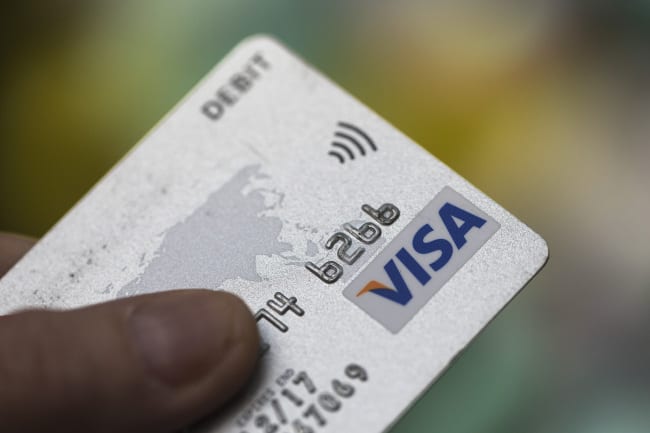
    Singapore joins other major cities that have enabled open-loop Visa payment cards for public transport, including London, Sydney and New York. Commuters in Singapore can now use their Visa contactless cards or compatible devices to pay for bus or train rides under the Land Transport Authority’s (LTA) SimplyGo initiative, Visa said in an announcement on Thursday.

    According to Visa, the project with LTA is one of its largest implementation for contactless acceptance for transit globally, with 30,000 acceptance points.

    SimplyGo was rolled out for MasterCard users in April, aiming to make traveling by public transport seamless and convenient by eliminating the need to carry a travel card or wait in line to purchase or top up a travel card. Fees under SimplyGo are the same as paying with a travel card.

    Visa said has been working with partners and merchants to expand the acceptance of contactless payments nationwide, including transport, quick service restaurants and hawker centers.

    Today, Singapore is already one of the top markets globally in terms of contactless penetration with more than 80 percent of all Visa transactions being contactless. We expect this number to grow even faster with the opening of transit acceptance, Kunal Chatterjee, Visa country manager for Singapore and Brunei, said.

  • MasterCard launches Contactless Card in Myanmar

    MasterCard launches Contactless Card in Myanmar

    The latest of MasterCard’s efforts to better serve the people of Myanmar, the CB EasiTravel Prepaid MasterCard Contactless card provides consumers with a more convenient way to pay when travelling abroad without compromising security.

    U Kyaw Lynn, CEO and Vice Chairman, CB Bank said, “More Myanmar citizens are making trips to neighbouring countries than ever before, buoyed by the recent relaxing of entry visa restrictions. This trend will continue as the economy grows and gains traction. CB Bank is always looking for ways that will bring convenience to Myanmar travellers. CB Banks’s newly issued MasterCard Contactless card will give added convenience when making payments internationally.”

    Latest projections by the International Monetary Fund put Myanmar’s economic growth at around eight per cent for 2016. As well as seeing a growth in outbound tourists, inbound tourism is set to significantly contribute to Myanmar’s growth in the coming years.

    According to the inaugural MasterCard Asia Pacific Destination Cities Index launched earlier this year, Myanmar’s former capital Yangon is expected to see very strong growth in inbound tourism. Of the 167 cities ranked, Yangon has the third highest compound annual growth rate of 45.7 per cent for total inbound tourist expenditure over the period 2009-2015, just behind Kandy of Sri Lanka (47.3 per cent) and Okinawa of Japan (49 per cent).

    Antonio Corro, Country Manager, Thailand and Myanmar, MasterCard said, “Earlier this month, it was announced that four foreign banks were issued preliminary approval to operate in Myanmar. It is great to see the government taking further steps toward opening up Myanmar’s economy and we are optimistic that this will provide an excellent foundation for commerce to thrive. The people of Myanmar are also optimistic about the future of their country. MasterCard’s latest MasterCard Index of Consumer Confidence recently revealed that people in Myanmar have the most positive outlook on the future of any Asia Pacific market. With the launch of the first MasterCard contactless card in the country, we are continuing to develop the local payment landscape and look forward to more partnership opportunities that allow us to further financially empower the people of Myanmar.”

    Currently, more than 2,800 restaurants, retail outlets and hotels in Myanmar accept payment card

    According to MasterCard’s latest research, 61 per cent of people in Myanmar (also known as Burma) are seeking to travel abroad more in the next 12 months, a stark increase from just 25 per cent two years ago. To meet this growing demand for travel and cross-border spending, MasterCard together with Co-operative Bank Ltd (CB Bank) have launched the CB EasiTravel Prepaid MasterCard Contactless card.