Retail News CRM

Tag: container

  • APAC SMEs Eye European Trade Boom: FedEx Survey Unveils Surging Confidence & Growth Trends

    APAC SMEs Eye European Trade Boom: FedEx Survey Unveils Surging Confidence & Growth Trends

    Federal Express Corporation, a global leader in express transportation, has released the findings of a survey focusing on trade lane trends between the Asia Pacific (APAC) and Europe. The study illuminates the main drivers and obstacles to cross-border trade.

    Survey Details and Findings

    The survey, carried out in September 2025, gathered responses from 850 small- and medium-sized businesses (SMEs) across 13 APAC markets and over 1,200 SMEs across nine European markets. The study sought to understand business sentiment, readiness, and challenges in the context of cross-border expansion among APAC firms looking towards Europe and European firms eyeing APAC.

    The results show a significant upswing in European trade among APAC SMEs, with 76% of respondents noting elevated export volumes over the previous year. The United Kingdom (42%), Germany (40%), and France (38%) were identified as the chief markets propelling business growth.

    European SMEs also displayed strong confidence, as 87% of businesses are tilting their trade balance in favor of the APAC region or maintaining their current levels. China (55%), Japan (36%), and South Korea (24%) were identified as the top growth markets for the next two years. Importantly, this mutual optimism among SMEs mirrors the broader market dynamics, as the Asia–Europe trade lane witnessed thirty consecutive months of growth up to August 2025, underlining the impressive growth momentum in this critical business corridor.

    Trade Lane Developments and Challenges

    The escalation in Asia-Europe trade is attributable to several key factors. In the APAC region, robust consumer demand in Europe, better price competitiveness for Asian products and services, and strategic expansion opportunities have been instrumental, with 68% of participants attributing growth to these elements. A notable 85% of APAC businesses plan to inaugurate or expand trade with Europe in the next 12–24 months.

    Conversely, European businesses are attracted to APAC due to strategic potential, comprehensive logistics solutions, and favorable trade agreements. Despite the strong interest from both APAC and European SMEs to broaden cross-border trade, they also recognize the hurdles that lie ahead. Changes in regulations, intricate customs procedures, and worldwide market volatility are major apprehensions, affecting 86% of APAC SMEs and 78% of European SMEs.

    To address these issues, SMEs are exploring solutions. 30% of APAC and 41% of European firms are seeking digital tools to enhance supply chain visibility, simplify shipping, and decrease delivery times. Moreover, 27% of APAC and 41% of European SMEs are calling for improved customs expertise to steer through shifting regulations, avert delays, and manage costs effectively.

    Supporting Asia-Europe Trade

    Salil Chari, senior vice president, Marketing and Customer Experience at FedEx, Asia Pacific, asserted, “In the face of ongoing changes in global trade, it’s heartening to witness APAC and European SMEs exhibiting strong confidence in expanding along the Asia–Europe trade corridor. At FedEx, we’re aiding our customers to unlock their next growth phase by combining the reach of our global network, the strength of digital innovation, and our profound trade expertise, helping them trade smarter, more efficiently, and with greater confidence.”

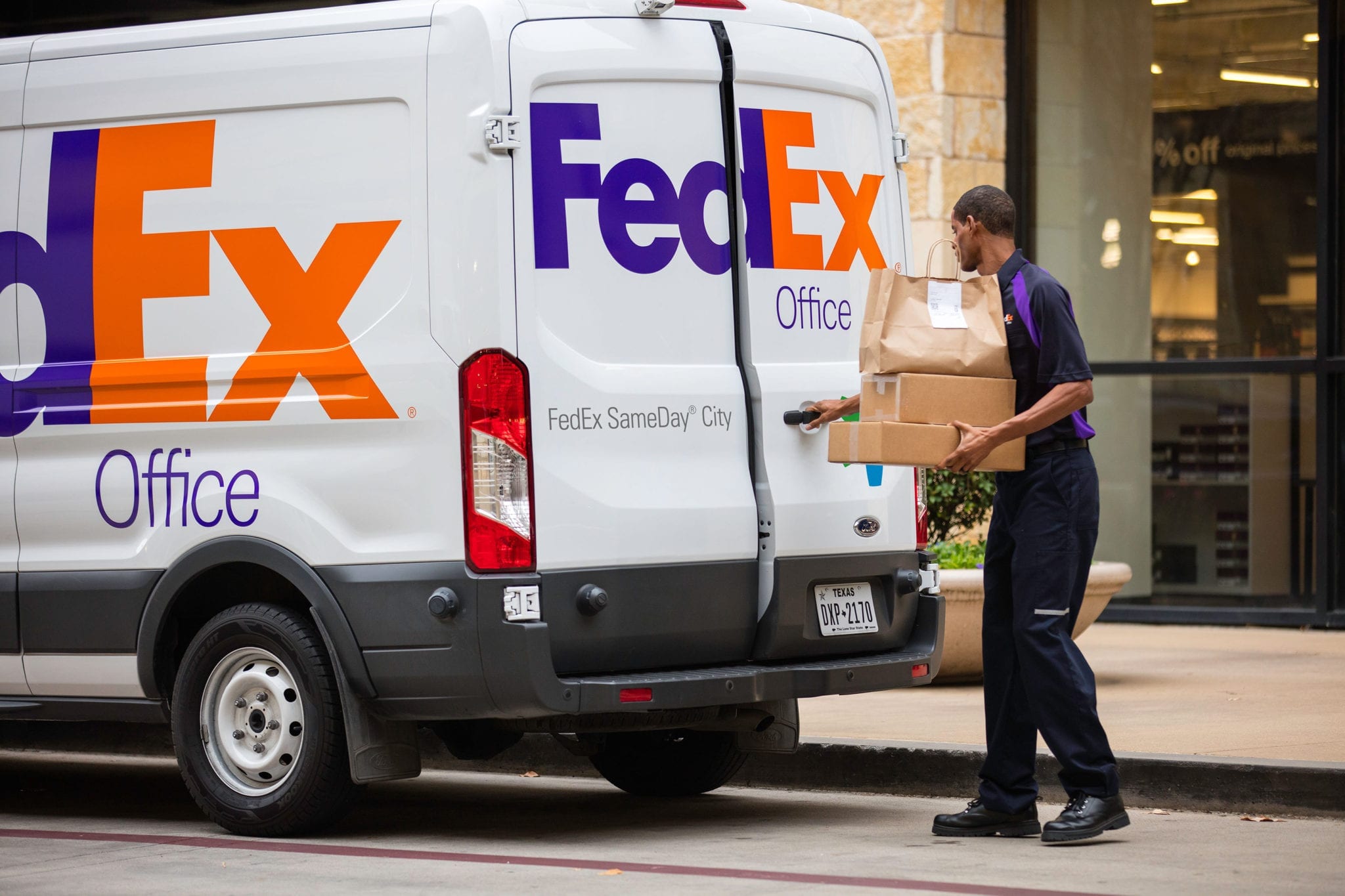
    To bolster the growing trade, FedEx added five weekly flights connecting Asia to Europe during this month. Additionally, FedEx improved connectivity between Vietnam and Europe, lessening shipment time by one day. FedEx currently operates 26 weekly flights connecting APAC shipments to Europe, ensuring express shipments reach major European destinations within 48 hours.

    FedEx’s integrated air-and-road network, one of the fastest in Europe, guarantees swift deliveries across the region. With logistics hubs in Paris, France, and Liege, Belgium, the network supports over 550 pick-up and delivery stations across 45 countries and territories, sorting more than two million packages daily.

    FedEx also provides a wide array of smart digital solutions and specialized trade expertise to simplify cross-border trade. Their tools allow customers to streamline customs declarations by uploading Electronic Trade Documents digitally, track clearance status through the FedEx Import Tool, and access the FedEx Go-To Europe Hub – a platform with multimedia resources, trade guidelines, and local market insights.

    Questions & Answers

    What percentage of APAC SMEs reported an increase in export volumes to Europe over the past year?
    76% of APAC SMEs reported an increase in export volumes to Europe over the past year.

    What are the main concerns for SMEs conducting business across borders?
    Regulatory shifts, complex customs procedures, and global market volatility are major concerns for SMEs conducting business across borders.

    What measures has FedEx taken to support the growing trade between APAC and Europe?
    FedEx has added five weekly flights connecting Asia to Europe, improved connectivity between Vietnam and Europe, and offers a suite of smart digital solutions and specialized trade expertise to facilitate cross-border trade.
  • Trade rises to new high

    Trade rises to new high

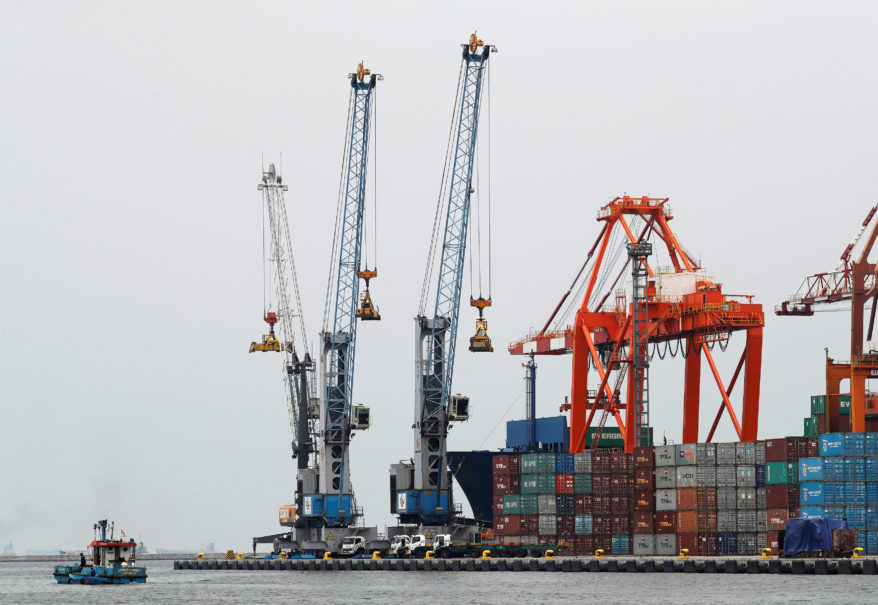
    Foreign trade surged 22.6 percent in 2021 to a new high of $668.5 billion despite the supply chain disruptions caused by Covid-19.

    Exports were up 19 percent at over $336 billion, but domestic companies only accounted for 26.4 percent of it.

    Over 35 categories of goods saw exports of over $1 billion.

    Imports grew by 26.5 percent to $332 billion, with domestic companies accounting for 34 percent.

    The U.S. was the biggest market buying goods worth $95.6 billion, while China was the biggest source of imports ($109.9 billion).

    There was a trade surplus of $4 billion, the sixth straight year in which exports have exceeded imports.

    But the trade deficit with China not only continued but increased by 53 percent to $54 billion.

  • Maersk agrees US$3.6 billion deal to buy LF Logistics

    Maersk agrees US$3.6 billion deal to buy LF Logistics

    Container shipping giant Maersk on Wednesday agreed to buy Hong Kong-based LF Logistics for $3.6 billion in an all-cash deal, as it seeks to expand beyond its core ocean freight business.

    The deal is one of the group’s largest takeovers to date and follows a series of acquisitions including e-commerce firms, a freight forwarder specialising in air freight and its smaller rival Hamburg Sud.

    “The acquisition will further strengthen Maersk’s capabilities as an integrated container logistics company, offering global end-to-end supply chain solutions to its customers,” the company said in a statement.

    Maersk will buy LF Logistics from controlling shareholder Li & Fung, a Hong Kong-based supply chain manager, and from Singapore state investor Temasek which bought 22 percent of the company in 2019. The deal is expected to close in 2022.

    With a network of 223 warehouses and around 10,000 employees in 14 Asian countries, LF Logistics provides land-based logistic services such as warehousing and trucking to over 250 global customers.

    The company had revenue of $1.3 billion last year. Maersk said it expects to more than double the revenue and operating profit at the company by 2026.

    Record high container freight rates stemming from the impact of the pandemic have boosted big shipping companies and prompted deal-making by Maersk and its rivals, including CMA CGM and Mediterranean Shipping Company (MSC).

    With chaotic conditions in the global supply chain, big companies have been willing to pay a premium for more reliable and integrated freight solutions.

    The price implies that the valuation of LF Logistics has more than doubled since the Temasek deal valued the company at nearly $1.4 billion two years ago.

    French billionaire Vincent Bollore received a 5.7 billion-euro ($6.43 billion) offer from MSC for his African logistics assets, his company Bollore SE said on Monday.

    This month, French rival CMA CGM accelerated its push into warehouses and end-to-end logistics by agreeing a $3 billion deal to buy assets from US technology group Ingram Micro. In November, it bought a container terminal in Los Angeles for around $2 billion.

    Since breaking up its conglomerate in 2016, including selling its oil and gas business, Maersk has transformed into an integrated logistics company.

    Although container shipping accounted for 73 percent of its revenue last year, Maersk aims to offer customers such as Walmart and Nike shipment of goods from factory to store, even offering last-mile delivery to end-customers.

  • Higher shipping fees hurt smaller firms

    Higher shipping fees hurt smaller firms

    Vietnamese exporters are struggling to send goods abroad despite high demand because of a nearly five-fold year-on-year surge in container shipping costs.

    Shipping costs from Asia to Europe rose above $10,000 per container for the first time on record last week, a 485 percent increase year-on-year, according to the Drewry World Container Index.

    Ho Van Hiet, CEO of Prime Logistics Vietnam, said that while foreign direct investment giants with established contracts are mostly unaffected by the price increase, small and medium Vietnamese exporters were fighting to secure container slots for their shipments.

    “Exporters who used to send 10 containers per shipment are having to cut it to a few as most ships are filled up,” he said.

    Nguyen Dinh Tung, CEO of fruit exporter Vina T&T, said that that rising transportation costs has become a global issue and it has pushing smaller companies out of the market.

    A shortage of containers also means longer transportation time and this affects the export of some products like fruits.

    Mangoes from Vietnam, for instance, can be preserved for 35 days. Before, it took 25 days to deliver the product to Western buyers, but now it takes 30-35 days, Tung told local media, adding that many buyers have stopped importing because there is not enough time to sell the products.

    Industry insiders say that container transportation charges have risen as demand rises in the Europe and the U.S., with their economies beginning to recover from Covid-19 impacts. Companies are beginning to restock and make more purchases.

    Nguyen Thi Anh, the spokeswoman for a HCMC-based logistics company, said that as container costs rise so do related fees like storing and moving them out of ports.

    Since last year, many exporters have been struggling to negotiate logistics costs with buyers; some have either left the market or accepted losses in order to retain customers, she told local media.

    Some small exporters of garment products, furniture and seafood have stopped exporting altogether after not being able to negotiate a contract with buyers, she added.

    Hiet said he sees another increase in shipping rates in June, sending prices of shipping a 40-foot container from Vietnam to Europe to around $11,000, up 10 percent from now.

    The rates could go even higher as demand typically peaks in August and September, he added.

    The only solution for Vietnamese exporters is to book their delivery soon so to ensure they have secure container slots on ship, he said.

  • Container shortage compounds Vietnamese exporters’ shipping woes

    Container shortage compounds Vietnamese exporters’ shipping woes

    Vietnamese businesses are once again struggling to get containers to export their goods amid a global imbalance in the logistics sector. Bui Thi Ngoc Tuyen, deputy director of Bich Chi Food Company in the southern province of Dong Thap, said as empty containers have become scarcer, prices have tripled.

    “We struggle to get enough containers for our goods, and even if we do, there is no ship to transport them.”

    Duy Tan Plastics, which gets one-fifth of its revenues from exports, is also caught in a similar struggle, with logistics costs on some main routes rising 95–231 percent year-on-year. The company has seen the number of orders declined by around 10 percent due to higher shipping costs, its deputy director Le Anh said.

    Tran Thanh Hai, deputy director of the Agency of Foreign Trade under the Ministry of Industry and Trade, said sea shipment costs have risen because container costs have surged seven or eight times.

    Vietnamese companies had already faced a container shortage towards the end of last year and earlier this year as global trade rebooted after months of limited activities caused by the Covid-19 pandemic, but the recent Suez Canal blockage has once again triggered shortages that could severely hurt exporters.

    Although the mega-ship Ever Given has been freed from the canal, some ships had been forced to reroute on a longer journey, and a two- or three-week delay of shipments is expected.

    This means Vietnamese exporters will have to wait a couple of weeks or even a month to receive empty containers for the next shipment, and they will have to bear higher costs due to shortage of the metal boxes, said Ho Van Hiet, CEO of Prime Logistics Vietnam, which transports around 200 containers a month.

    Container rents in December and January had surged 5-10 times from earlier due to a global shortage of containers. Although prices dropped by 10-20 percent last month, they could return to the previous peak in this and the next month due to the Suez blockage, Hiet told VnExpress International.

    His company has been urging customers to make quick deliveries now, before prices climbed again.

    Lam Thi Thanh Bong, CEO of Karl Gross Logistics Vietnam, said that after a period of limited trade activities last year caused by the Covid-19 pandemic, many Western countries are having an oversupply of empty containers while some Asian ones are seeing shortages.

    “This imbalance in supply and demand will have major impacts on Vietnamese exporters,” she said.

    For now, exporters need to book their shipment between two and four weeks prior to ensure they have slots on the vessels and they should negotiate sharing higher logistics costs with their partners, she added.

  • Container shortage hits exports

    Container shortage hits exports

    Exporters complain they face difficulty delivering goods due to a shortage of containers, whose rentals are rapidly increasing as a result.

    The Vietnam Maritime Administration (VMA) on Monday wrote to container shipping lines, instructing them to publicly declare their freight rates and surcharges, warning it would not countenance profiteering or unreasonable prices, which cause difficulties for exporters and disrupt the shipping market.

    It has received numerous complaints about inflated prices due to a shortage of containers and ships.

    Most shipping lines have hiked freight by 2-10 times in the last two months, depending on the sector. For instance, while it normally costs $1,420 to ship a 20-foot container to the U.K., it rose to $5,420 in November and $7,200 in December.

    Before October renting a container from the U.S.’s Los Angeles to Vietnam cost $700-1,000, but this increased to $5,000 in November.

    Phan Minh Thong, CEO of Phuc Sinh, one of the largest pepper and coffee exporting companies, said the cost of a container increased by 700 percent yet many of his orders were not delivered because “they were unilaterally canceled by the shipping company.”

    “There have been occasions when we reached an agreement with the shipping line at night but were told in the morning it was canceled because they received a higher bid. On some days we received cancellation notices for 40-50 containers.”

    From shipping 40-50 containers a day, Phuc Sinh was down to three to five in November and December.

    As a result, they had to buy less from suppliers, reducing from nearly 10 tons a month to three tons or less now though it is the harvest period for items such as pepper and coffee.

    The Vietnam Association of Seafood Exporters and Producers has advises its members to have plans in place to minimize supply chain disruptions and export losses.

    It had expected rising exports in the fourth quarter to take seafood exports for 2020 to $8.6 billion, but lack of containers and ships in the last two months could affect this.

    The Covid-19 pandemic is the main reason for the container shortage, Kieu Ngoc Phuong, deputy general director of Tan Thanh Trading Mechanic JSC, which manufactures and distributes containers, said.

    Many are stuck at ports since they could not be emptied, while the pandemic itself has caused many shipping lines to go bankrupt, she said.

    “The number of customers contacting Tan Thanh to rent containers has increased by 10 times from normal months. We have to reject a lot of orders because we cannot meet all the demand.”

    Concurring, Thong also said shipping lines had to cut routes this year, resulting in a shortage of cargo space, and there has been a slowdown in goods processing and freeing up empty containers at ports in Europe and North America, the world’s two biggest import markets, while demand during the year-end holiday season is huge.

    According to the Ministry of Industry and Trade, China has been getting containers from various countries by paying high prices following a serious shortage earlier this year.

    It did so just in time to see exports rise 21 percent year-on-year in November, as manufacturing recovered post-pandemic, creating a general scarcity in the region.

    Given the situation, the VMA assured that it would inspect shipping lines and crackdown if there are deliberate violations of transparency rules.

    The Ministry of Industry and Trade forecasts the shortage of ships and containers to continue until March or even longer if Covid-19 is not controlled.

  • Starbucks China opens first coffee outlet made of containers

    Starbucks China opens first coffee outlet made of containers

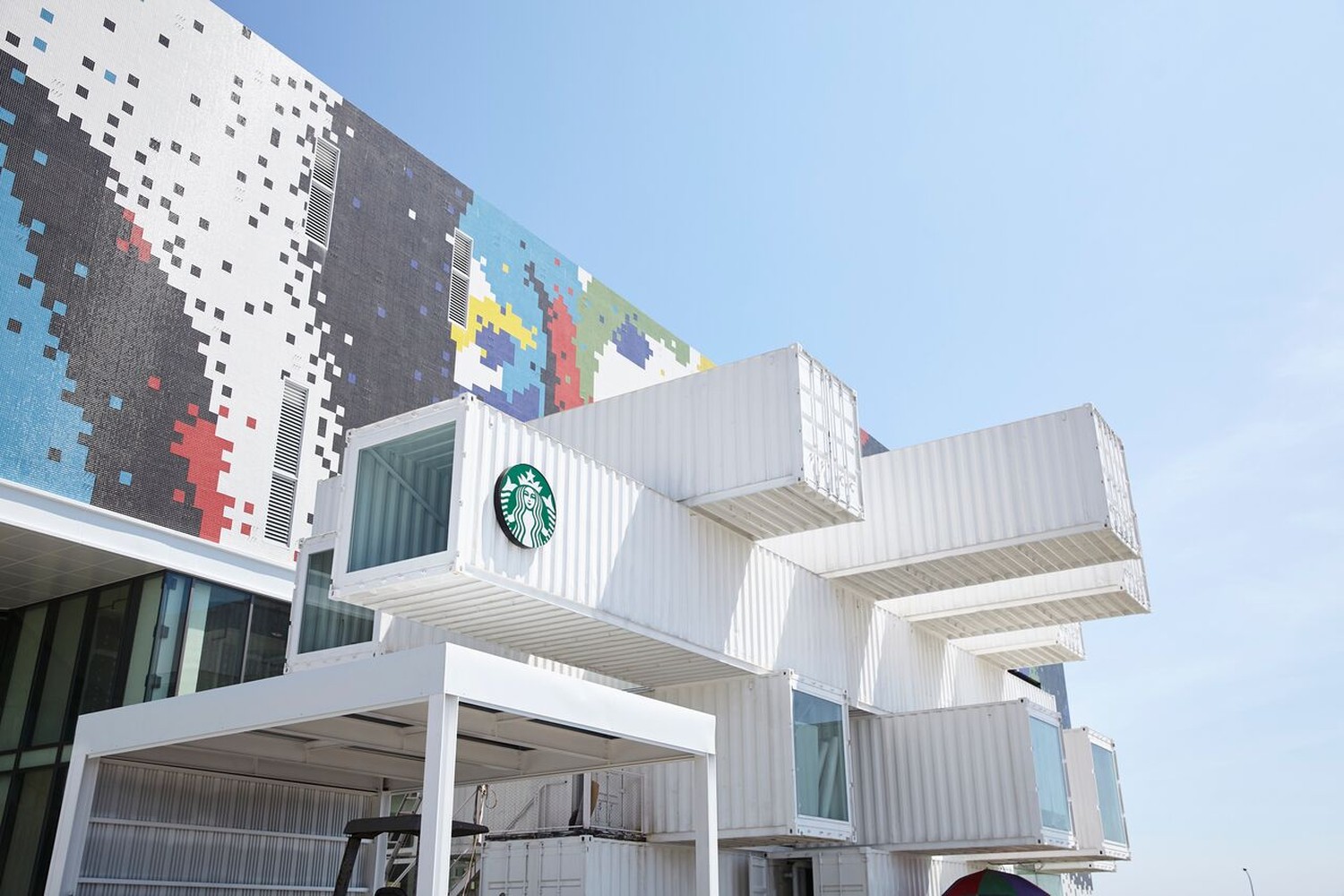
    Starbucks has just unveiled a new concept store in China created inside six repurposed shipping containers.

    An identical concept, created by Japanese architect Kengo Kuma, first appeared in Taiwan. As the 800th store in Shanghai, the Starbucks container store helped set a new record for the city – it has more Starbucks stores than any other city in the world.

    The cafe is located at Shanghai’s Wisdom Bay Science Innovation Park, on space which was formerly home to warehouses and container storage yards.

    Today, the area has been gentrified, converting abandoned cargo containers into office spaces as well has housed the nation’s first museum of 3D printing.

    Elements of the Silicon Valley-esque structure have also been replicated inside the store to create ‘cultural coffee experiences’, an art gallery and a wall installation art piece created by a 3D printer.

  • Hydro Flask Starts in Hong Kong

    Hydro Flask Starts in Hong Kong

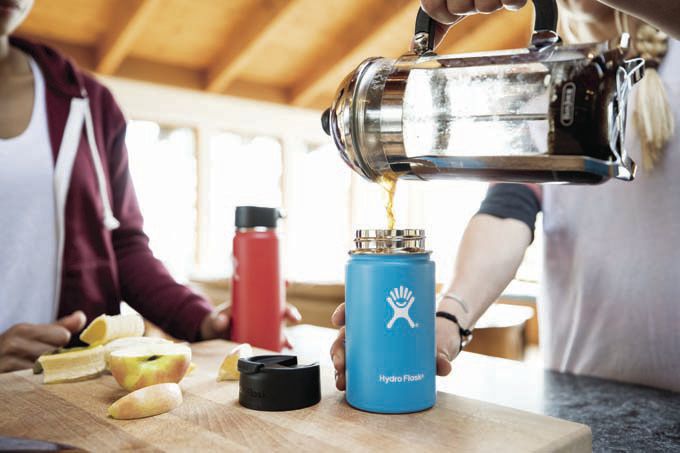
    Hydro Flask, the US brand of high-performance, insulated stainless-steel flasks targeting the outdoors market, has launched in Hong Kong.

    From this month, Hydro Flask products are being sold by Hong Kong retailers through an expansion of the company’s partnership with the Primer Group. Products will be stocked through outdoor and sporting goods retailers, lifestyle stores, travel retailers and gourmet grocers.

    “We’re excited to expand our strong relationship with Primer to bring Hydro Flask to Hong Kong. It’s a key part of our global expansion and influences markets beyond Asia,” said Mike Wallenfels, VP of global sales at Hydro Flask.

    The brand’s launch is timely as growing numbers of Asian consumers are purchasing reusable containers in preference to single-use plastic and paper cups, for environmental reasons.

    The company produces containers suited to cold drinks, coffee, beer, wine and food, along with backpacks, casual clothing and accessories.

    Hydro Flask is a subsidiary of listed company Helen of Troy Limited.

  • Asia Pulp and Paper Introduces New Compostable  Bio Container for Takeaway Food to FooPak suite

    Asia Pulp and Paper Introduces New Compostable Bio Container for Takeaway Food to FooPak suite

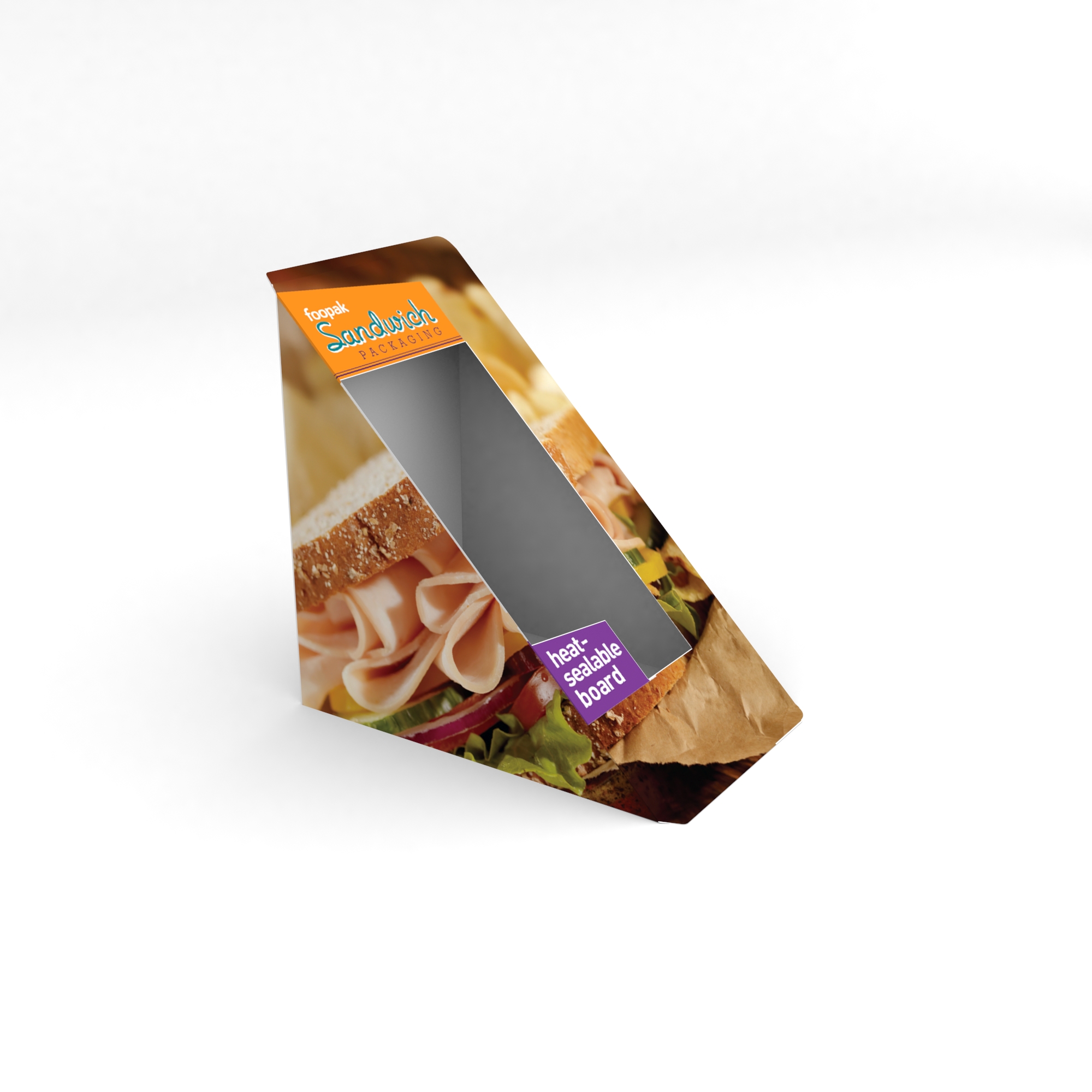
    Asia Pulp & Paper (APP) continues to expand its portfolio to meet the environmentally conscious goals and demands of consumers with the newest addition to the Foopak suite of products: the new Bio Container for takeaway food. Constructed with folding boxboard (FBB), the box offers a fully biodegradable and compostable solution for takeaway containers, trays, and other direct food contact items. The highly durable paper stock capable of breaking down naturally in 12 weeks makes the boxboard an ideal alternative to commonly used plastic boxes.

    The Bio Container’s double coating has an outside layer that is ideal for branding and promotions with a white surface that is excellent for multi-color lithography, letter press, and flexography. The inside layer provides a level 9 grease resistance, designed to protect against water and grease absorption to promote reduced food leakage. Formulated for high-speed bar heat-sealing at 80C/356F for converting and finishing and hot gluing applications. The box is suitable for both microwave and freezer use.

    This new offering from APP is FDA compliant and ISEGA certified for composability within 12 weeks, and available in 260-370 gsm & 13.3-23.6 caliper. Strength and sustainability combined gives brands a solution to single-use plastics that satisfies consumer demands for both quality and environmental impact.

    “Expanding our Foopak line to include FBB to-go containers is another step toward helping brands across the globe reach their sustainability goals,” said Felix Koh, Senior Vice President and Global Business Unit Head, APP. “We’re proud to offer a product that will satisfy the needs of consumers and businesses alike, while extending our market reach.”

  • Completion of Heaviest and Tallest Cargo Transportation in the History of Uzbekistan

    Completion of Heaviest and Tallest Cargo Transportation in the History of Uzbekistan

    In 2017, Bolloré Logistics Japan was awarded the transportation of materials and equipment from Mitsubishi Corporation for a large-scale fertilizer plant in Navoiy, a city in the central region of Uzbekistan. By September 2018, our team had successfully transported 24 heavy-lift units by hydraulic conventional trailers, including 17 units over 100 MT each.

    Located in Central Asia, Uzbekistan is one of only two landlocked countries in the world surrounded by five countries, namely, Afghanistan, Kazakhstan, Kyrgyzstan, Tajikistan and Turkmenistan. This makes Uzbekistan one of the most difficult areas to transport cargoes. The port of discharge selected by Bolloré Logistics varied from one time to another as there was no standard transportation route. Depending on the port of loading & discharge, weight, dimensions, transit time, and cost efficiency, Bolloré Logistics Japan provided the best transportation route and mode for Mitsubishi Corporation.

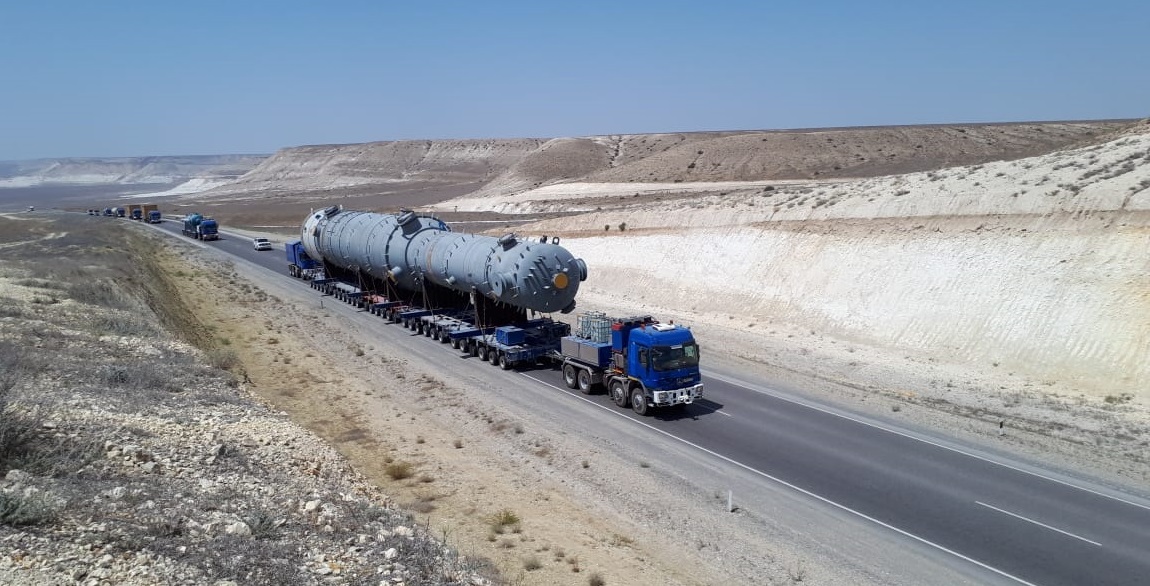
    The heaviest unit, an Ammonia Converter, registered at 422 tons and the widest and tallest unit, a Package Boiler, recorded at LWH (mm) 12,700 x 8,700 x 10,720 – making history as those were the heaviest and tallest cargoes handled in Uzbekistan.

    The scope of work included Free On Board (FOB) from various ports of loading to Navoiy’s site, together with import customs clearance formalities.

    Timely arrangement of breakbulk vessel, Volga-Don class sea river vessel or barge, road permits, conventional hydraulic trailers and more were requested from our team in order to meet the construction schedule’s deadline with all the requirements.

    As for the heaviest and most voluminous cargoes, Bolloré Logistics visited the vendor’s factories several times prior to the breakbulk shipments and physically checked the cargo figures, lifting points, lashing points, to successfully design the transportation plan accordingly.

    But the most challenging part remained the inland transportation from the Caspian Sea port to the job site.
    First of all, the distance from the Caspian Sea port to the job site is around 1,700 km. These days, most cases of heavy lifts are handled by self-propelled modular transporter (SPMT), just for short distances only, but in our case it was transported by conventional hydraulic trailers, for 1,700 km. As 1,700 km is a long journey, Bolloré Logistics Japan had to anticipate unexpected trouble on the way and prepare a backup plan, while respecting the construction schedule.

    Road surveys were carried out several times and we decided to adopt the safest transportation route. However, it was still not enough as infrastructures were limited and could not withstand transportation of such heavy and voluminous cargo; it therefore had to be improved.

    As a result, Bolloré Logistics improved 24 bridges (including the construction of a new bridge and installation of new piles on another bridge), constructed 15 bypass roads (including two long ones), expanded five corners, replaced electric poles at one place, and widened roads at four points.

    Yet, it was still not enough. During the transportation of heavy lifts cargo, Bolloré Logistics mobilized construction machinery teams such as dump trucks, road rollers, wheel loaders, etc., in order to improve unpaved road temporarily. We also mobilized an electrical team such as cherry pickers, mobile cranes to shut down / remove power cables and other overhead obstacles.

    Thanks to Mitsubishi Corporation’s full cooperation and Bolloré Logistics’ team effort; we were able to meet the cargo readiness in accordance with heavy lift transportation schedule and unloading heavy lifts on time at the site.

  • New international container route goes through Quang Ninh

    New international container route goes through Quang Ninh

    Cái Lân International Container Terminal (CICT) announced the launch of a new route for container vessels ACS Cái Lân connecting India, Malaysia, Singapore, Việt Nam, China and the Republic of Korea on Tuesday.

    The operator of Cái Lân Terminal also welcomed the 5,023 TEU Hyundai Premium container ship from Hyundai Merchant Marine to the port during the launch.

    Founded by an alliance between two leading carriers, Hyundai Merchant Marine and Gold Star Line, the new route goes through Cái Lân Terminal in the northern province of Quảng Ninh of Việt Nam once a week.

    The Cái Lân link to the ACS international route is an opportunity for Quảng Ninh province and other northern localities to utilise their potential in the marine industry.

    Nguyễn Đức Long, chairman of the provincial People’s Committee, said the province would establish a team delivering streamlined public administration services at the port and not collect port infrastructure fees to aid marine-based businesses.

  • Papua releases export containers to China

    Papua releases export containers to China

    The Papua provincial government, facilitated by the Indonesian ship management PT. Pelindo IV, has released 100 containers of forest products to China.

    President Director of PT Pelindo IV, Doso Agung, said in a statement received by ANTARA here on Tuesday that the exported containers released by the Governor of Papua, Lukas Enembe, along with the Board of Directors of Pelindo IV, is expected to bring in a revenue to Rp20 billion (or about US$1.5 million).

    Doso stated that Pelindo IV will continue to carry direct export to transport Papua’s commodity crops to a number of countries.

    “Direct export is expected to stimulate the economy in regions where the Pelindo IV operates. We will boost the direct exports, particularly in the ports managed by Pelindo IV,” he noted, adding that the Papua provincial administration will provide ships from Australia to open seaweed markets.

    The release event was followed by a groundbreaking of the Jayapura seaport extension development in order to increase the capacity of the port.

    Enembe appreciated Pelindo IV for engaging in direct overseas export.

    Lukas hoped the direct export will immediately open up overseas market for Papuas commodities, and the area can attract investors.

    He also hoped that the direct export would not only include forest products but also other commodities in Papua such as coffee, cocoa, and fisheries.

  • Logistics association to assist in national plan on competitiveness

    Logistics association to assist in national plan on competitiveness

    The Vietnam Logistics Association (VLA) on Wednesday launched a ceremony to implement the Government’s first national action plan to improve the country’s competitiveness and its logistics sector by 2025.

    Lê Duy Hiệp, VLA chairman, said that VLA had been assigned to complete several tasks of the plan.

    In February, Prime Minister Nguyễn Xuân Phúc approved the action plan, which aims to have the logistics sector contribute 8 to10 per cent to the country’s GDP, with annual growth of 15-20 per cent by 2025.

    The plan also calls for Việt Nam to become one of the world’s 50 leading logistics services providers.

    The plan recommends new policies, more investment in infrastructure development, and better co-operation between local and foreign logistics companies.

    The aim is to have logistics companies that can be competitive in both domestic and international markets.

    Under the plan, Việt Nam will enhance connectivity with neighbouring countries and develop regional and international hubs.

    The plan calls for building level-1 logistics hubs (the highest level) in Hà Nội and HCM City, and level-2 logistic centres in Lạng Sơn, Lào Cai, Hải Phòng, Đà Nẵng, Quy Nhơn, and Cần Thơ.

    Trần Thanh Hải, deputy director of the Ministry of Industry and Trade’s Import-Export Department, said the country’s logistics development has been modest, as there are only 1,300-1,500 firms in the sector.

    More than 70 per cent of the businesses are small- and medium-sized with average capital of about VNĐ7 billion (US$320,000).

    “The country’s logistics effectiveness has been low, while available resources have not been fully exploited,” Hải said.

    The action plan would provide short- and mid-term solutions to improve the logistics sector in the next seven or eight years, he added.

    The initiatives taken by the Government to strengthen the logistics industry and increase efficiency have been supported by industry insiders.

    Christoph Matthes, managing director of logistics firm DB Schenker in Vietnam, said, “We strongly support the plan as the logistics has become more important than ever before.”

    In addition, increasing consumer demand requires a faster and more reliable way of delivery of goods.

    For many customers, logistics is no longer a matter of moving boxes from one location to another, but creating a highly efficient and reliable supply chain which enables them to be competitive in a fast-changing world.

    International trade is growing rapidly as well, and thus, a need to connect to other markets via air, ocean and road freight.

    Some of the largest export markets for Vietnam include the ASEAN region and Europe, where Việt Nam competes with other countries and where logistics costs play a vital role.

    Trade with Europe is expected to increase with the EU-Việt Nam Free Trade Agreement (EVFTA) coming into force next year.

    Experts said more steps were needed for smooth implementation of the agreement and to make sure businesses can fully benefit as soon as the treaty takes effect.

    The commitment of the Vietnamese Government to strengthen the logistics sector is an important step towards making this possible.

    Nestor Scherbey, general director of logistics firm Customs, Trade and Risk Management Services Ltd Việt Nam, said the national action plan would play a critical role in raising competitiveness.

    Logistics costs in Việt Nam are among the world’s highest, at 25 per cent of GDP, which hinders the cost competitiveness of Vietnamese firms, according to Logistics Insight Asia.

    Logistics costs in the US, Europe and the rest of the world are around 9, 13, and 15 per cent, respectively.

    “The efforts necessary to achieve a national action plan for logistics must be undertaken in co-ordination with diligent efforts by Việt Nam to implement the commitments of the World Trade Organisation Trade Facilitation Agreement (WTO TFA),” Scherbey said.

    Many of the major commitments of the WTO TFA were contained in the Trans-Pacific Partnership (TPP) and EVFTA.

    Full implementation of trade facilitation by Việt Nam would reduce the country’s international trade transaction costs by 20 per cent.

    “It is the combination of the benefits of trade facilitation, with the benefit of reducing domestic logistics costs, that will allow Vietnamese products to become fully competitive in global markets,” he said.

  • World’s largest container ship docks in southern Vietnam

    World’s largest container ship docks in southern Vietnam

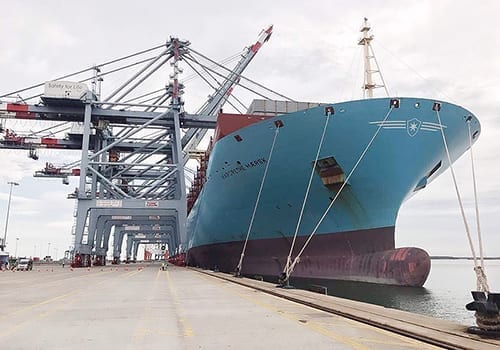
    A giant container vessel arrived at Cai Mep International Terminal in Vietnam’s southern region Monday, helping mark the port on the world’s shipping map.

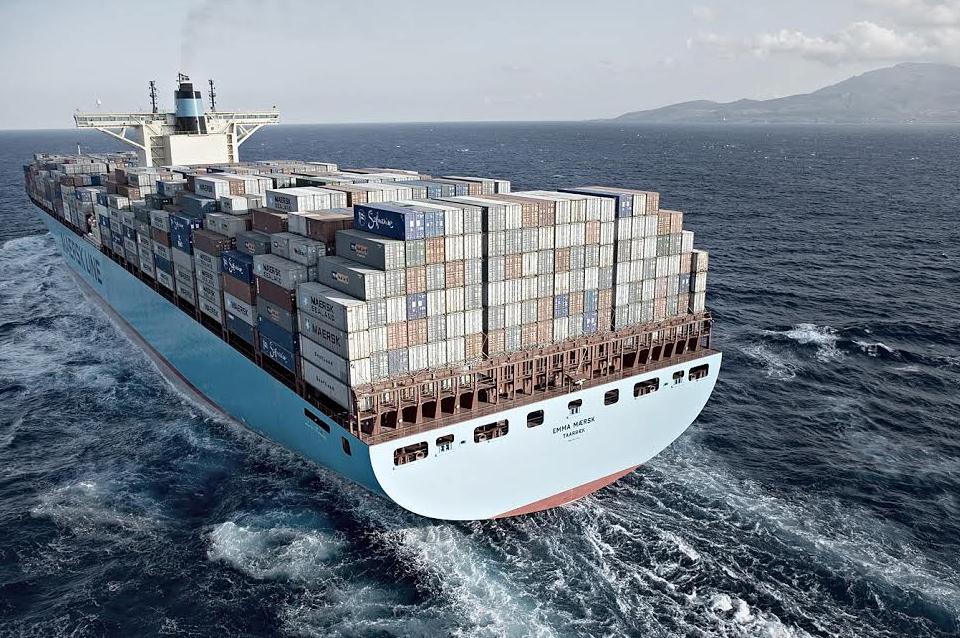
    The 194,000-DWT Margrethe Maersk of 399 meters long of the world’s biggest container ship family was built in 2015 and is owned by Denmark’s Maersk Line. The vessel can carry 18,300 TEU (twenty-foot equivalent unit).

    Cai Mep in the southern province of Ba Ria-Vung Tau is now among the world’s 19 ports which can accommodate Triple-E class container ships of more than 18,000 TEU.

    Vietnamese transport officials said the arrival marked “a milestone” in the country’s shipping history as they aim to develop Cai Mep into a transit port for cargo shipping between Asia and northern Europe.

  • Seatrade has placed an order with Maersk Container for 4,000 containers

    Seatrade has placed an order with Maersk Container for 4,000 containers

    According to MCI, the containers will be Star Cool Integrated reefers that are equipped with an automatic ventilation system. A large number of the reefers will also be equipped with a controlled atmosphere system. Delivery is expected to be completed by December 2016.

    “We are delighted to have been chosen by Seatrade to support their strong market position with reefer containers as a complement to their specialized reefer services,” said Stig Hoffmeyer, CEO of Maersk Container Industry. “The results of their thorough testing confirmed that a reefer container is not a commodity. Innovation and cutting-edge technology is key to ensuring optimal cargo care and low energy consumption throughout the operational life of the reefer.”

    Before choosing Star Cool Integrated, Seatrade carried out live trials of every relevant refrigeration unit by shipping chilled bananas from Ecuador to Germany, monitoring energy consumption and cargo condition.

    “It is essential that our reefer container equipment supports our Fast, Direct and Dedicated concept,” said Yntze Buitenwerf, president and chairman of Seatrade. “Besides timely delivery, our customers need the longest possible shelf life for their produce. The vast majority of our cargo is perishable fruit and vegetables requiring chilled mode transportation with narrow variations in temperature and monitoring of food preservation. In addition, energy efficiency, whole-life costs and long-term operational value are critical to our operations.”

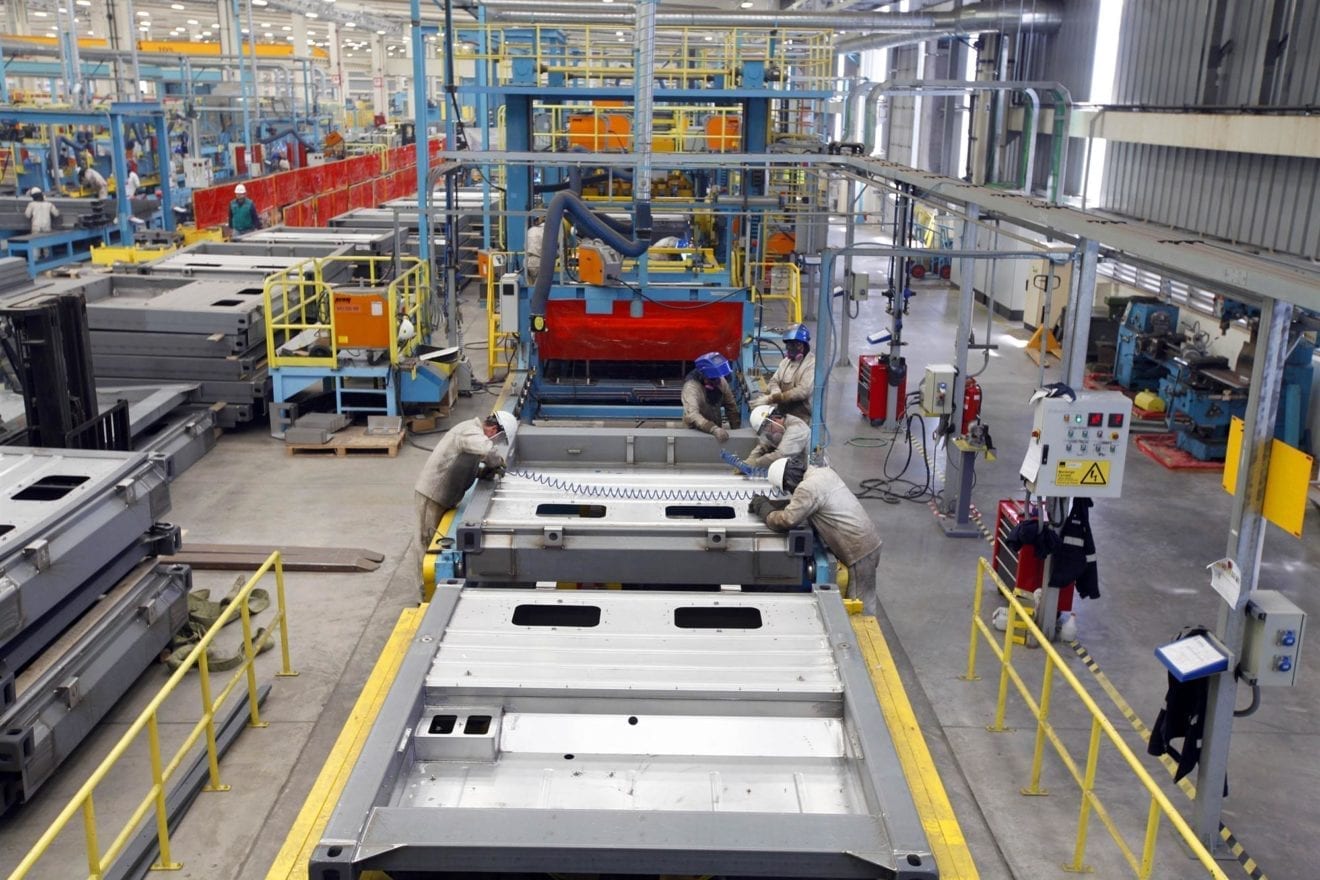
    Some of the units will be manufactured by MCI’s new factory in San Antonio, Chile, while the remainder will be made by the Qingdao factory, according to MCI.