Tag: Convenience Retail

  • Philip Morris Tops $11 Billion in Net Revenue as Smoke-Free Sales Hit 42 Percent

    Philip Morris Tops $11 Billion in Net Revenue as Smoke-Free Sales Hit 42 Percent

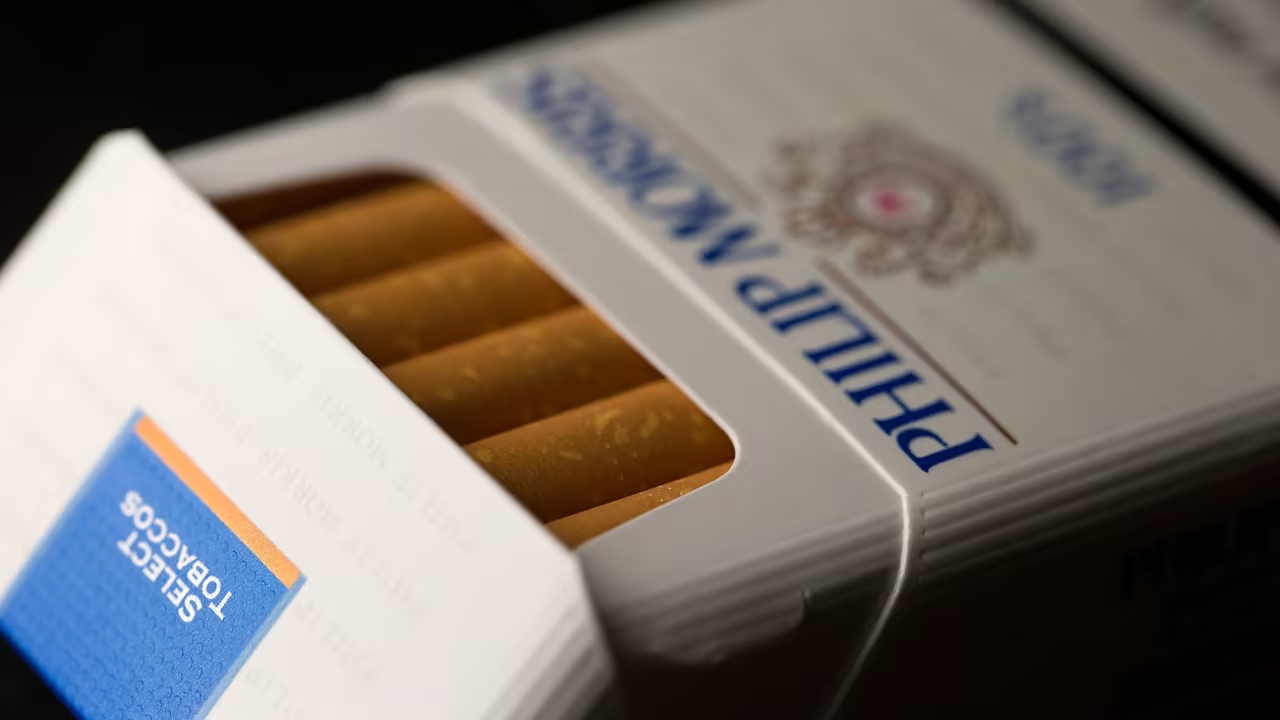
    Philip Morris International generated more than $11 billion in net revenues during the second quarter of 2026. Higher international sales of heated tobacco and oral nicotine alternatives drove the total.

    Organic top-line growth reached close to 8 percent. That lifted the smoke-free category to 42 percent of total group net revenues across the first six months of the year.

    Operating income climbed 11 percent on an organic basis. In currency-neutral terms, adjusted diluted earnings per share rose 14 percent, or 15 percent in dollar terms. IQOS heated tobacco systems and VEEV vapes led non-combustible volume gains abroad. Meanwhile, the conventional cigarette unit held gross profit growth through higher pricing and steady category share. In the oral nicotine business, ZYN shipments rose 2 percent year on year to 2.9 billion pouches, helped by early distribution of the new ZYN ULTRA variant.

    Portfolio shift across retail channels

    Convenience retailers and travel hubs across Asia-Pacific and Europe now face a permanent rebalancing of shelf space. In Japan and South Korea, heated tobacco adoption outpaces traditional smoking in major cities. Tobacco fixtures there function increasingly like consumer electronics displays. Retailers with early distribution deals for IQOS consumables continue to capture higher basket values from repeat device and heatstick purchases. Traditional corner shops reliant solely on combustible cigarette cartons face shrinking margins.

    Across Southeast Asia, the transition creates immediate inventory complications for convenience store operators. Regional regulators take fragmented stances on reduced-risk products, ranging from outright bans to regulated imports. Retailers in open markets must tie up working capital in multi-brand hardware alongside conventional packs. That creates inventory turnover risks if consumer adoption lags manufacturer targets.

    Pricing power and regional performance

    Cash flow from conventional cigarettes continues to fund smoke-free production facilities and clinical testing. Higher prices in emerging markets offset volume declines in mature combustible territories, keeping category margins steady. Group CFO Emmanuel Babeau pointed to sequential gains in the United States after a slow start to the year, alongside momentum across wider international markets.

    We reported close to plus 8% organic top line growth, reaching over $11 billion in quarterly net revenues for the first time.

    Transition timeline and next targets

    Full-year 2025 performance set the foundation for the latest quarter. Smoke-free alternatives reached 109 commercial markets worldwide that year, topping 50 percent of total net revenues in 27 national territories. The company counted more than 43 million legal-age consumers using its reduced-risk lines by late 2025, broadening out from early adoption hubs in Japan and select European test cities.

    Management presents its next strategy update at the Barclays Global Consumer Conference on September 8, 2026, where commercial execution figures for the ZYN portfolio expansion will face investor scrutiny.
  • Best Mart 360 Lifts First Half Revenue to HK$1.45 Billion

    Best Mart 360 Lifts First Half Revenue to HK$1.45 Billion

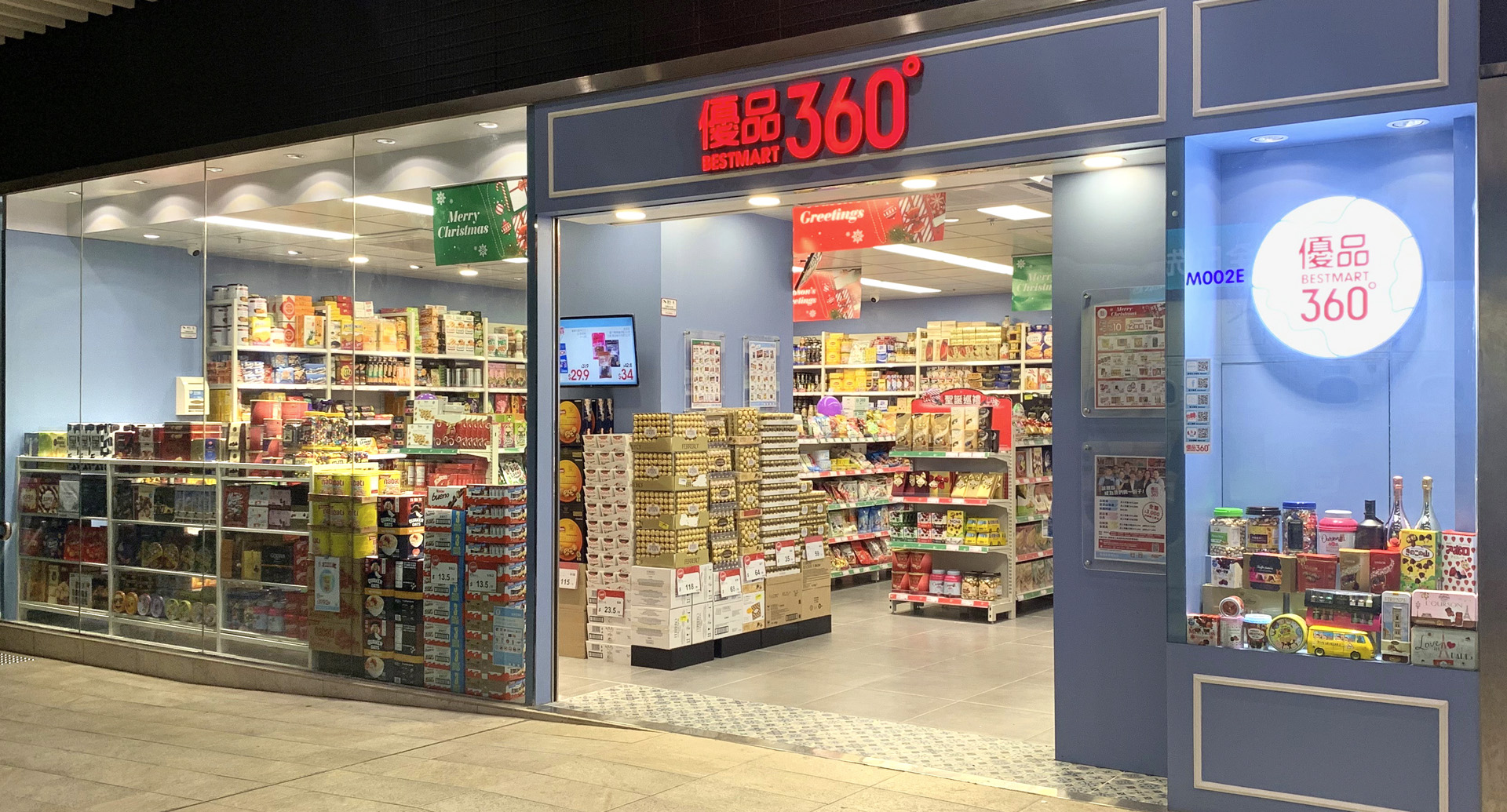
    Hong Kong snack retailer Best Mart 360 Holdings reported a 1.0 per cent rise in revenue to HK$1.45 billion for the six months ended 30 June 2026. Profit attributable to owners reached HK$116.2 million, supported by steady store-level demand for imported packaged food and household staples.

    Gross profit edged up 0.1 per cent to HK$518.8 million, translating to a gross profit margin of 35.8 per cent. The board declared an interim dividend of HK11.0 cents per share on basic earnings of HK11.6 cents.

    Private labels drive margin defence

    Sales from in-house private labels generated HK$277.2 million, up 10.3 per cent from HK$251.2 million a year earlier. These proprietary lines now represent 19.1 per cent of total turnover, spanning 12 private labels and 272 stock-keeping units across dried fruits, canned seafood delicacies, cereals, honey, and personal care items.

    Total store count reached 190 outlets at the end of June 2026, comprising 184 locations in Hong Kong and six in Macau. Cash-basis rental expenses absorbed 9.7 per cent of sales revenue during the period, while staff costs accounted for 9.6 per cent across an operational workforce of 1,257 employees.

    Expanding the FoodVille footprint

    The company continues to run a dual-banner model, deploying eight premium specialty shops under the FoodVille brand alongside its core chain. FoodVille targets mid-to-high-end consumers with selections of imported wine, chocolates, cheeses, and Western condiments. Across its entire business, the group catalogued over 3,054 stock-keeping units from 1,045 global brands.

    Hong Kong packaged food retailers face mounting headwinds as mainland Chinese e-commerce platforms expand cross-border grocery deliveries into the territory. At the same time, weekend outbound travel to Shenzhen continues to divert discretionary retail spending away from local neighborhood shopping malls. Best Mart 360 has countered this pressure by deepening promotions through its foodpanda mall delivery channel and expanding its direct-procurement supply base.

    Customer membership reached 2.47 million registered accounts by mid-year, including 1.37 million app users. Management is now negotiating lease renewals across high-density residential clusters while testing automated workflow tools to trim store-level administrative costs before the peak year-end retail season.

  • Suntory Oceania Expands Maximus Lineup with Pink Lemonade Sports Drink

    Suntory Oceania Expands Maximus Lineup with Pink Lemonade Sports Drink

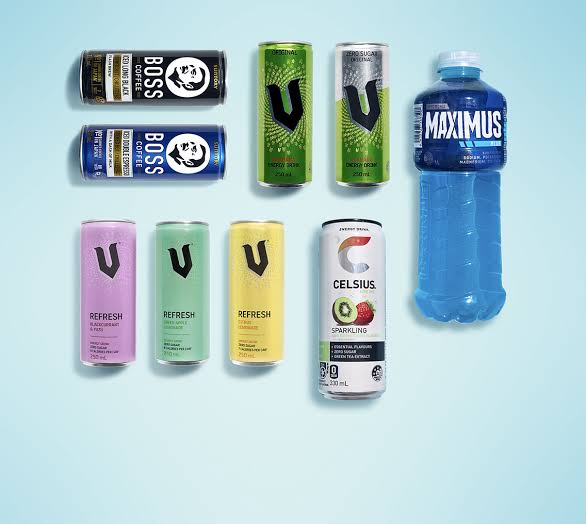
    Suntory Oceania launched a Pink Lemonade variant for its Maximus sports drink brand across Australia. The standard 1-litre bottle carries an RRP of $3.15.

    This addition expands the core beverage lineup. It follows reported incremental volume growth across the regional sports hydration category.

    Category Expansion and Flavor Lineup

    Shipments join existing Maximus varieties on retail shelves, including Blue, Mango Passionfruit, Grape, Red, and Lemonade Ice Block. Retailers are stocking the 1-litre single-serve bottle to capture commuter and athlete demand for high-volume functional drinks.

    Brand teams aimed the release at consumer demand for familiar citrus profiles in hydration. Maximus leans on its value-per-volume pitch against traditional 600ml rivals in convenience stores and supermarkets.

    Oceania Hydration Strategy

    Japanese parent firm Suntory Holdings consolidated its Australia and New Zealand commercial operations to speed up distribution across soft drinks, ready-to-drink options, and functional beverages. Maximus acts as the group’s primary volume driver against global incumbents in the regional isotonic category.

    Across Asia-Pacific, beverage makers face tighter shelf space as retailers cut underperforming SKUs for high-turnover line extensions. Suntory Oceania is pushing mainstream flavor profiles to secure fridge door share in independent petrol and grocery channels.

    Rollouts continue across major Australian retail chains and convenience networks this month. Sales velocity and inventory levels over the spring trading period will determine whether the flavor secures a permanent core ranking.

  • Ampol Convenience Earnings Rise 12% to $299 Million in First Half

    Ampol Convenience Earnings Rise 12% to $299 Million in First Half

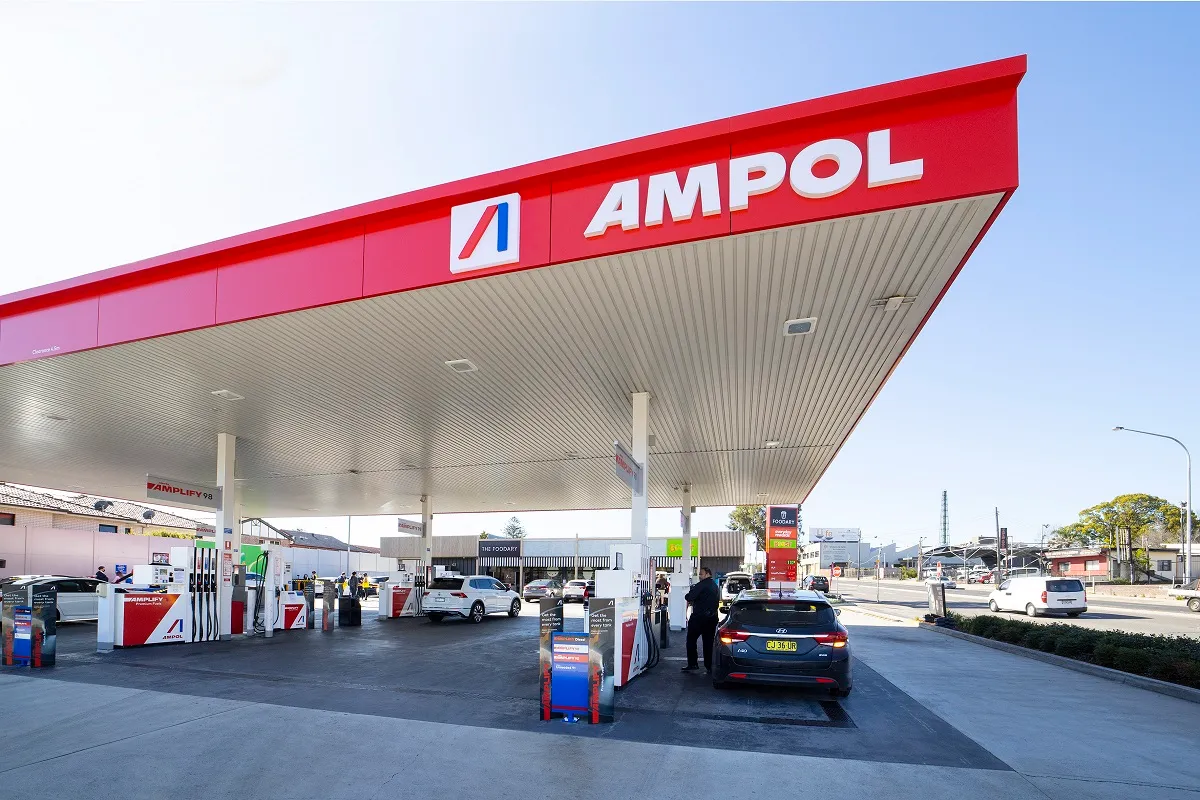
    Ampol Limited lifted its convenience division earnings 12 per cent in the first half of 2026, riding out global oil market volatility linked to Middle East tensions. Adjusted earnings before interest, tax, depreciation and amortisation for the retail network reached $299 million on a replacement-cost basis.

    Earnings before interest and tax in convenience climbed to $204.5 million for the six months ended June 30. Across the wider group, underlying net profit after tax on a replacement-cost basis reached $857.2 million.

    Volume Gains on the Forecourt

    Convenience fuel sales volumes rose 2.4 per cent during the half. Growth centered on base-grade petrol and standard diesel, helped by steady product availability across company-controlled forecourts while wholesale supply chains faced regional shipping constraints.

    Higher pump throughput carried additional foot traffic into store aisles. The shift toward value-oriented base fuels reflects tighter household budgets across Australian metro and regional markets, where motorists continue to trade down from premium fuel grades.

    Shifting Margins Across the Network

    Forecourt operators across Australia and Southeast Asia face a tricky balancing act between volatile wholesale procurement costs and sticky retail shop margins. Competitors such as Viva Energy and standard supermarket-aligned fuel sites have stepped up food and drink promotions to offset lower margins on refined fuel imports.

    Ampol relies on its domestic refining and supply infrastructure to keep supply steady when geopolitical shocks disrupt trade routes. The focus turns to whether retail shop baskets can hold their value into the second half as motorists watch day-to-day spending at the register.

  • Ally Adds Collagen and Lifts Protein to 10G in Thailand Drink Relaunch

    Ally Adds Collagen and Lifts Protein to 10G in Thailand Drink Relaunch

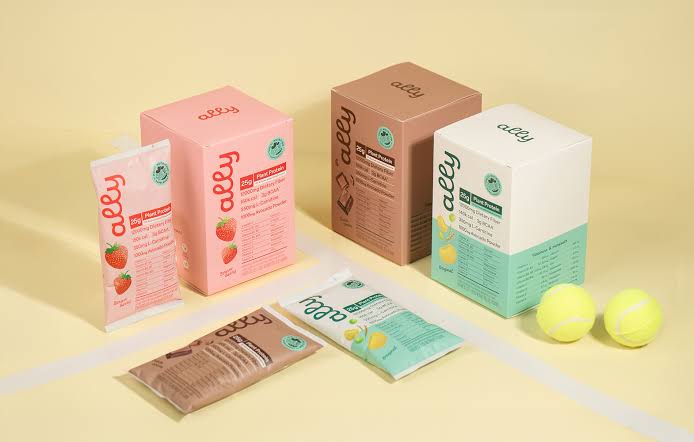
    Thai functional beverage brand Ally has reformulated its Pro Fiber line in Bangkok, raising plant protein to 10 grams per bottle and adding collagen peptide.

    The updated ready-to-drink formula packs 20,000 milligrams of dietary fiber alongside psyllium husk to target digestive health and sustained fullness. Two new flavour profiles accompany the relaunch: Grape Berry, blending grape, blueberry, acai, and kale, alongside Apple Lemon, made with apple, pear, lemon, and kale.

    Upgraded formulation and new blends

    Ally originally launched the Pro Fiber line in 2025 with 8 grams of plant protein per unit. The revised 2026 iteration increases the protein dose extracted from pea and soy by two grams to support muscle maintenance while introducing marine collagen peptide aimed at skin hydration.

    Packaging changes reflect the formula shift. Psyllium husk, previously listed as a minor claim at the bottom of the bottle, now sits prominently on the front panel as a key functional selling point.

    Shift in convenience beverage positioning

    Thai beverage makers are packing multiple functional ingredients into single stock-keeping units rather than selling standalone protein or fiber drinks. Ally itself expanded into clear protein with creatine in May 2026 and rolled out ready-to-eat overnight oats in July 2026, building out a convenience-led functional nutrition portfolio in urban retail chains.

    Distribution continues across convenience store chillers and supermarket shelves in Thailand, where consumer uptake of high-fiber meal-replacement beverages will test whether multi-benefit RTD drinks can sustain premium shelf space against traditional dairy and juice competitors.

  • EPS helps elderly to withdraw money at circle K stores

    EPS helps elderly to withdraw money at circle K stores

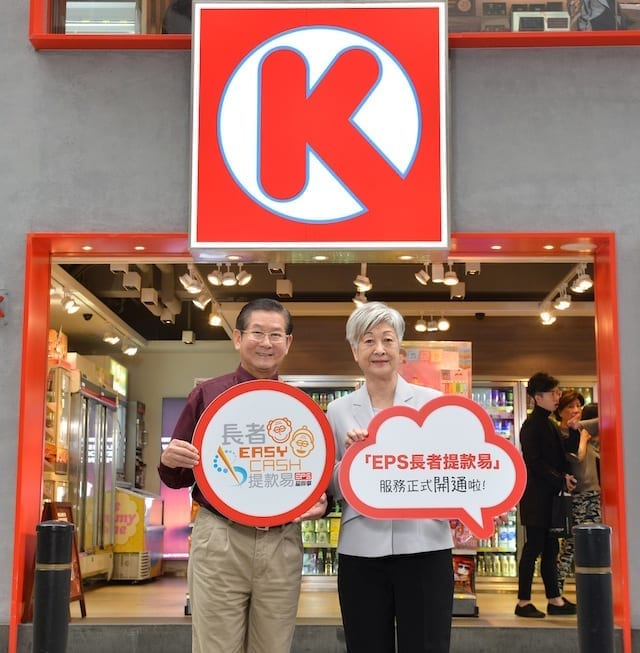
    EPS Company (Hong Kong) has introduced a service that enables the territory’s elderly to withdraw small amounts of cash at Circle K convenience stores.

    The first phase of EPS EasyCash for Senior Citizens has been launched as an extension to the EPS EasyCash service. It allows senior citizens to withdraw money at designated stores without needing to make a purchase.

    EPS GM Raymond So says the company hopes to engage more business partners and plans to expand the service to most districts in Hong Kong by the end of this year.

    “Making customers’ lives easier is Circle K’s core motto,” says CEO Richard Yeung of parent company Convenience Retail Asia. “With Circle K’s extensive network, we hope to provide the community in need with a convenient and fast cash withdrawal channel through this co-operation.”

    To use the service, elders simply go to the counter at  Circle K store and present their senior-citizen card and ATM card issued by EPS member banks. Circle K staff members will help elders make withdrawals of up to HK$500 (in multiples of HK$100).

    In the first phase, the service will start in 34 Circle K convenience stores across Tin Shui Wai, Sheung Shui, Yuen Long, Cheung Chau and Tung Chung, Lantau Island. By the end of the year, the service will be available at most Circle K stores in Hong Kong.

    Established in 1884, EPS Company is a consortium of 20 major banks in Hong Kong with a mission is to provide greater convenience for customers and merchants through electronic payment transfers. Its EPS secured cashless retail payment system is available at more than 30,000 locations in Hong Kong and Macau.

  • Convenience Retail to offload Circle K Guangzhou

    Convenience Retail to offload Circle K Guangzhou

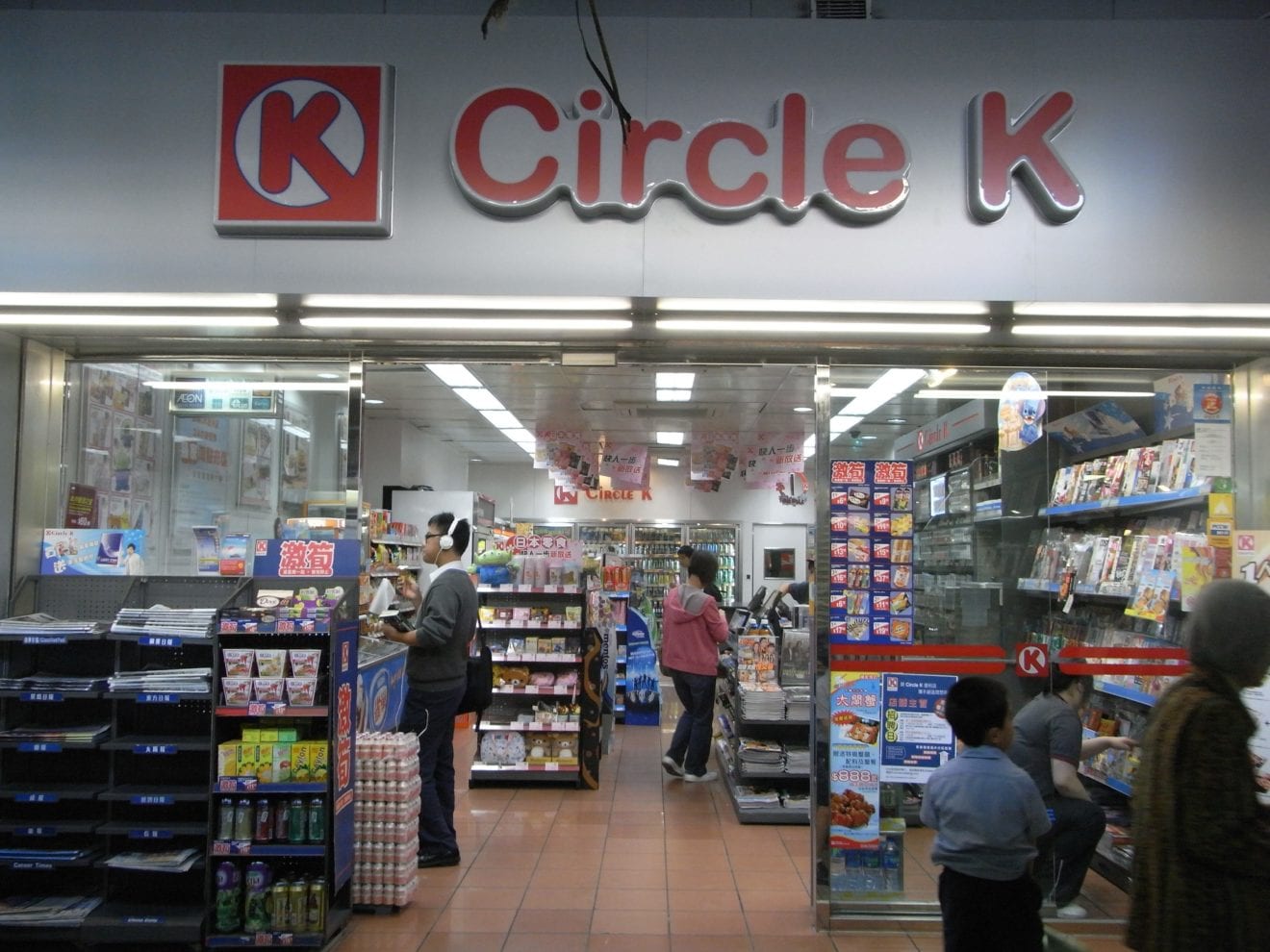
    Convenience Retail Asia, the Hong Kong-listed operator of Circle K convenience stores and Saint Honore Cake Shops in Hong Kong, Macau and Guangdong province, has reported a 36.8 per cent decline in first half year profit.

    While sales increased 5.8 per cent in the half year to HK$2.368 billion, labour and raw material costs increased, reducing its gross margins, and it incurred substantial investment costs in its eCommerce business.

    Along with its results, the company announced it would sell its stake in the loss-making Circle K Guangzhou business to its controlling shareholder and focus on the Circle K business in Hong Kong and Macau. Fung Holdings (1937) Limited will pay CRA HK$104.5 million for its share of the business.

    “The sale of the Circle K Guangzhou will help to create positive momentum for the Group’s financial performance in a difficult retail and economic environment that continues to place pressure on the results of the group,” said Richard Yeung, CRA CEO.

    “This sale, which will also result in a one time gain ($50 million), underlines our focused commitment to delivering long-term growth, profitability and shareholder value.”

    In the half year, turnover for the Circle K business increased 5.7 per cent to HK$1.902 billion, with comparable store sales rising 8.8 per cent in Hong Kong and 2.6 per cent in southern China.

    Turnover for Saint Honore Cake Shops rose 5.5 per cent to HK$498 million, with 4.1 per cent growth in comparable stores sales in Hong Kong. Core operating profit of the group decreased by 34.6 per cent to HK$42 million and net profit declined by 36.8 per cent year on year to HK$31 million.

    During the first half, the group incurred higher expenditure to support intensive marketing campaigns for its e-commerce platform FingerShopping.com, and because of investment in a pilot programme launched in late 2014 with Sinopec Marketing. The pilot program manages 10 petrol stations in addition to Easy Joy convenience stores on behalf of Sinopec Marketing in Guangzhou. Excluding the Projects expenses, core and net operating profit would have decreased, respectively, by 18.5 per cent to HK$57 million and by 16.1 per cent to HK$45 million.

    Gross margin and other income as a percentage of turnover decreased slightly by 0.8 per cent to 36 per cent compared to the same period in 2014, due to rising raw material prices and factory labour costs. Operating expenses as a percentage of turnover increased from 33.9 per cent to 34.2 per cent because of the higher operating costs as well as increased marketing and investment expenditure in projects.

    “Our ability to drive higher comparable store sales despite adverse external conditions is also a reflection of our unwavering commitment to excellent customer service, in-demand products and services, and timely, effective marketing,” Yeung added.

    “We believe these indications of strong brand equity and customer loyalty will be invaluable once the retail sector begins to improve. However, we anticipate that higher costs and declining spending will continue to affect our operations for the remainder of 2015.”

    Yeung said the company’s online consumer platform, FingerShopping.com, continued to make encouraging progress in the first half of the year. Health and beauty is the platform’s most successful anchor category.

    “FingerShopping.com is enjoying increasing customer loyalty and continues to expand its product roster, which includes a number of popular brand names. The group is now testing FingerShopping.com’s delivery services in Guangzhou and has also secured partnerships with leading Hong Kong banks as well as promotional campaigns with major retailers in Hong Kong.”

    CRA says it expects the retail market to remain weak in the foreseeable future and operating costs are likely to remain high.

    “We are trying our best to mitigate the adverse market conditions through our exit from the convenience store business in Guangzhou while continuing to invest in FingerShopping.com, strengthening our operations to retain talent, delivering first-rate customer service and driving cost efficiency,” Yeung concluded.