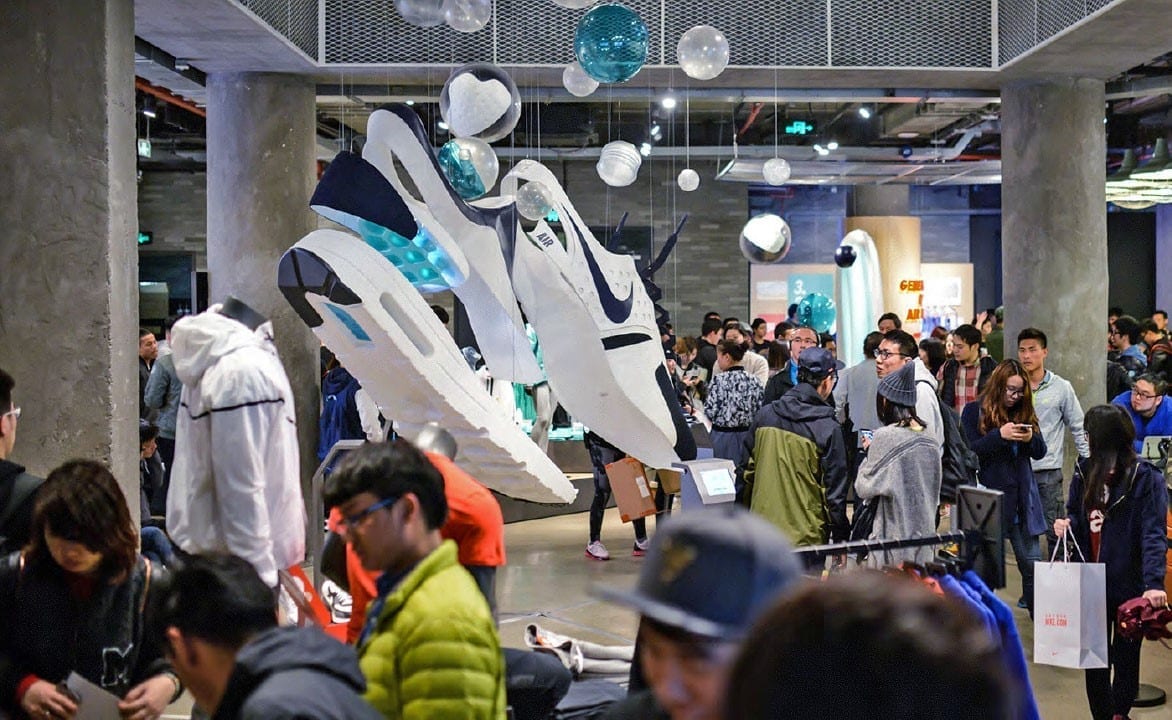
Nike reported a 22 percent revenue decline in Greater China for its first quarter, forcing a regional restructuring that will merge its Asian operations and cut corporate jobs next year.
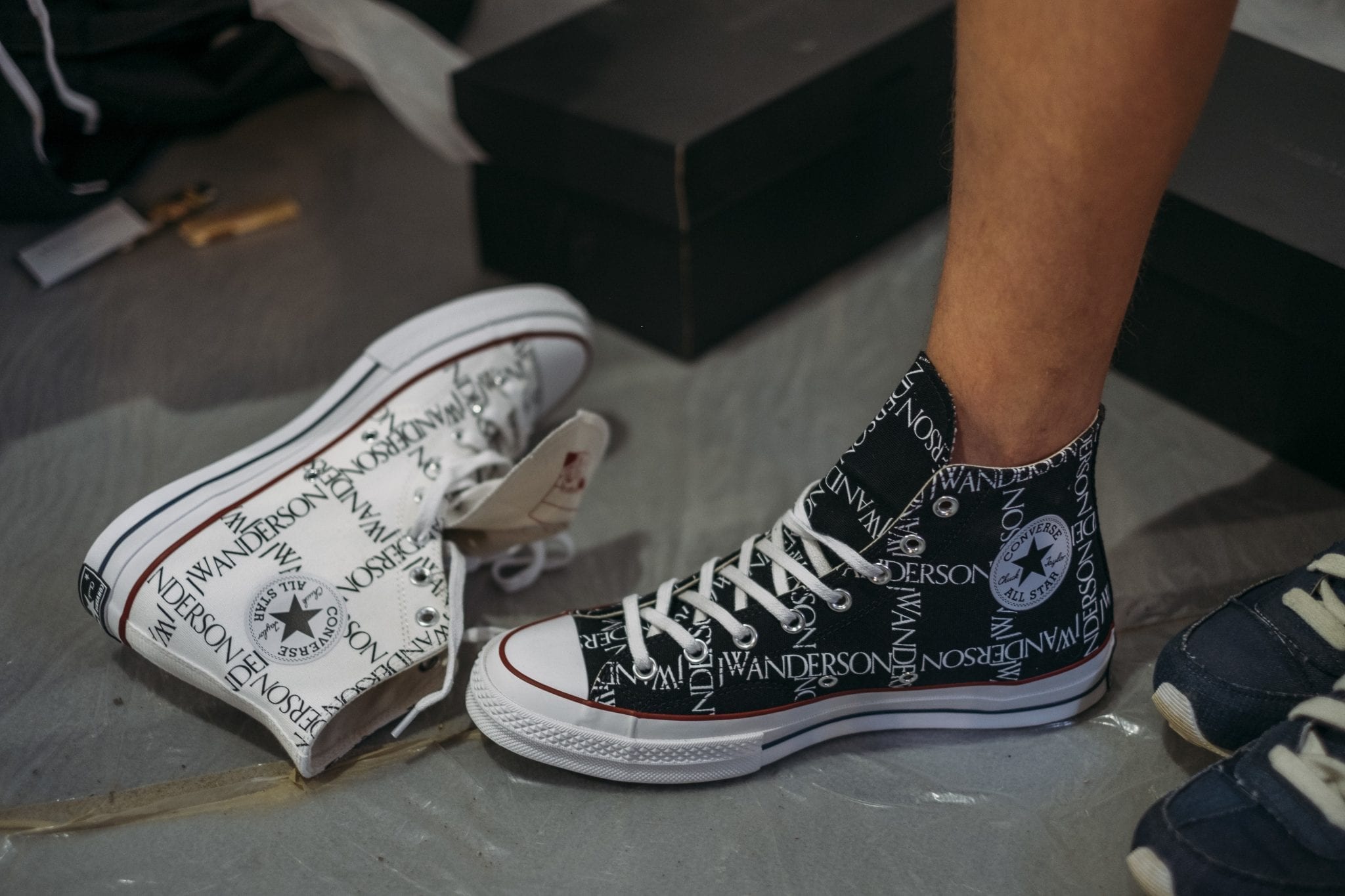
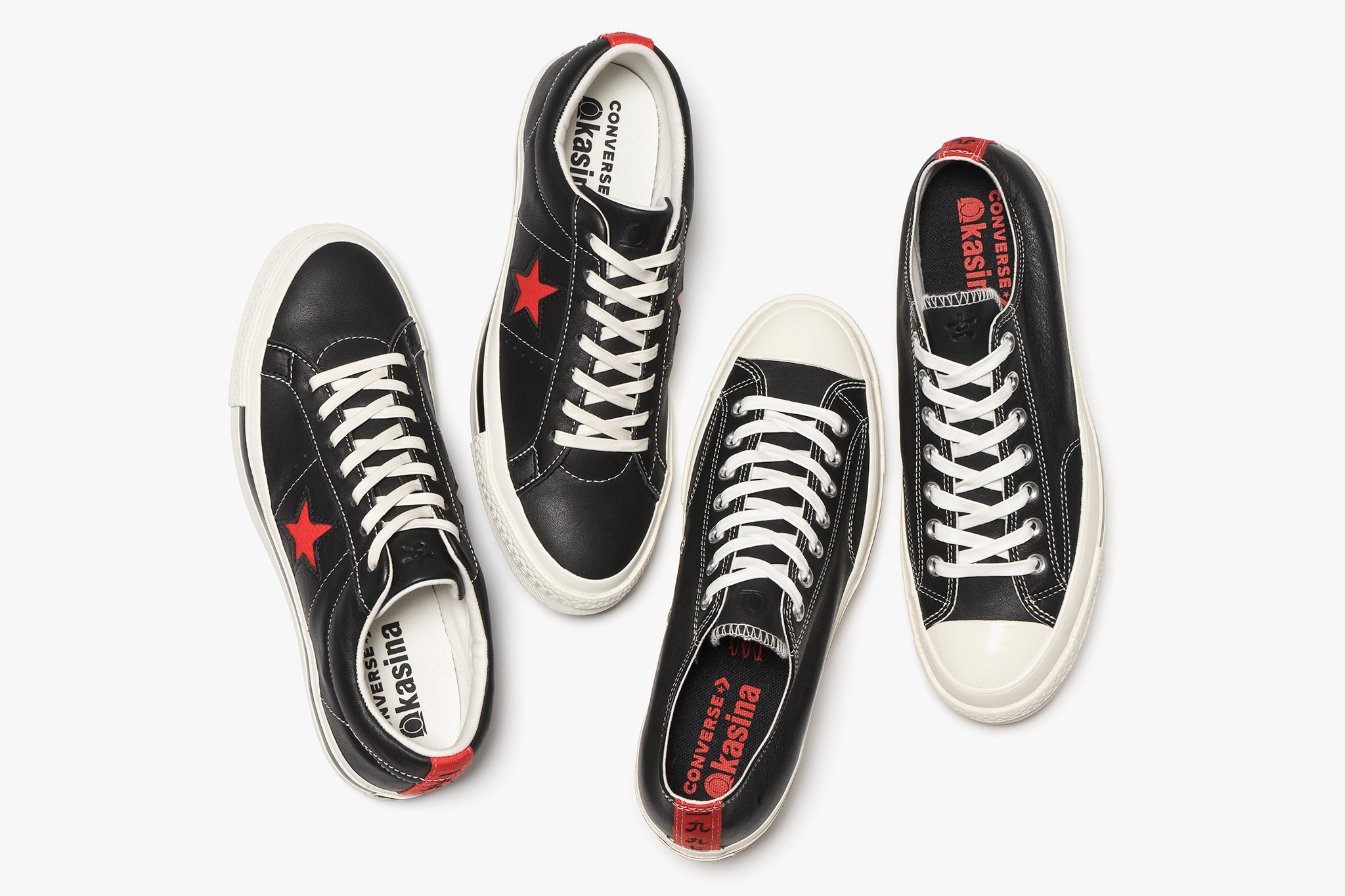
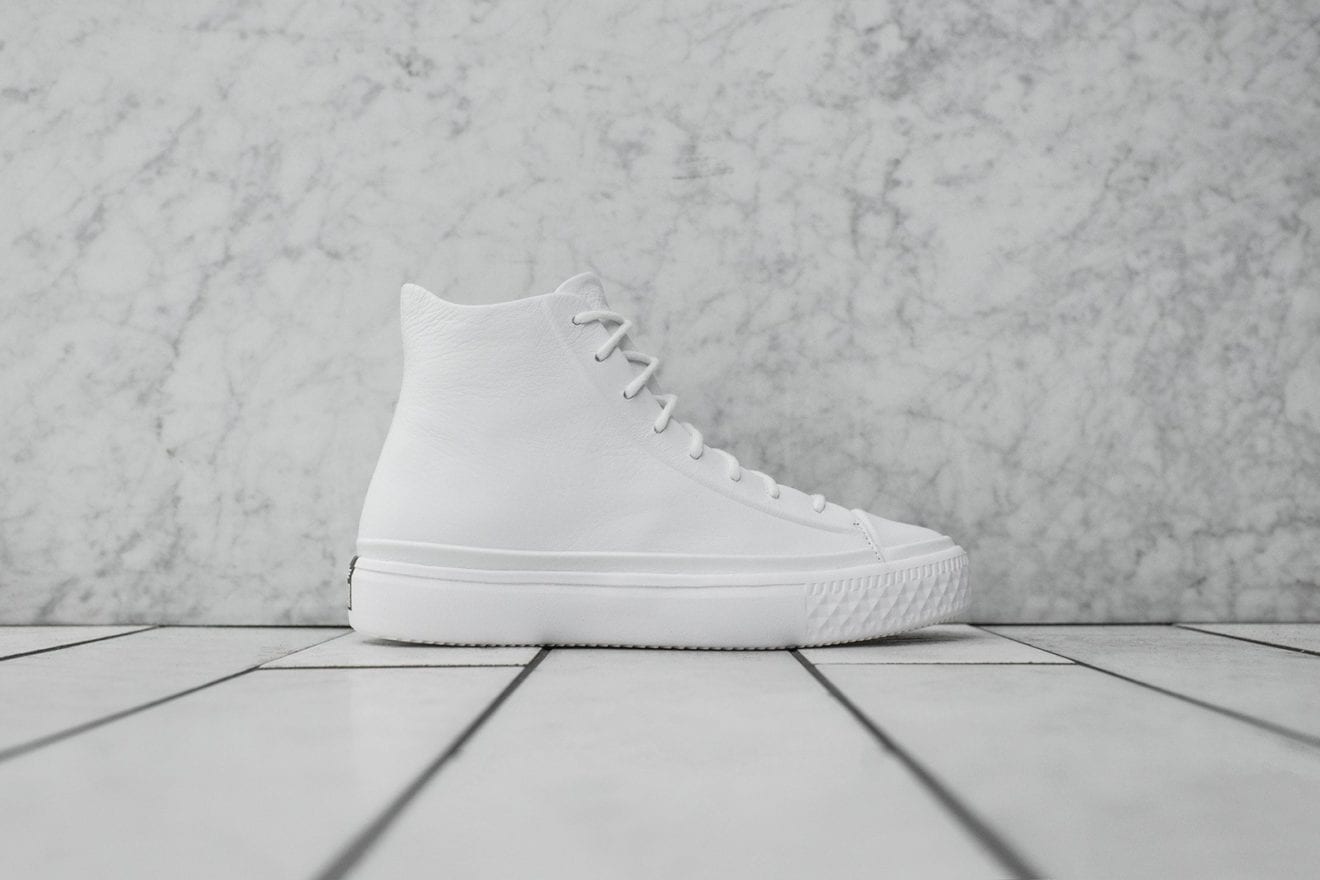
Total group revenue fell 4 percent to $11.2 billion in the three months to August 31, weighed down by the steep slide across Chinese retail channels and a 28 percent drop at Converse.
Chief executive Elliott Hill outlined an operational overhaul called Pace to combine Nike’s geographic footprint into three operating divisions. Under the plan, Asia Pacific and Greater China will merge into a single entity named APGC. The Americas will combine North America and Latin America, while Europe, the Middle East and Africa will continue operating as EMEA.
The company is also establishing a corporate campus in Bengaluru, India, while reallocating capital toward product design, supply chain flexibility and core athletic categories. The restructuring will involve an unspecified number of layoffs across the business in 2027.
Consolidation Across Asian Markets
Folding Greater China into the broader Asia-Pacific division reflects a sharp change in how Nike manages its most lucrative growth engine of the past decade. Greater China previously ran as an autonomous reporting region with dedicated commercial teams in Shanghai.
Lumping the market with Southeast Asia, Japan, South Korea and Australia reduces administrative overhead, but it also signals that standalone hyper-growth in China is over. Local Chinese sports brands have steadily captured domestic market share across lower-tier cities, leaving Western labels to fight over promotional retail space in tier-one malls.
For retail landlords and franchise partners across Asia, the reorganization brings tighter product allocations and reduced exposure to lifestyle footwear. Department stores and mono-brand franchise operators in China and Southeast Asia face inventory adjustments as Nike curbs deliveries to clear excess stock.
Inventory Backlog in Jordan and Lifestyle Lines
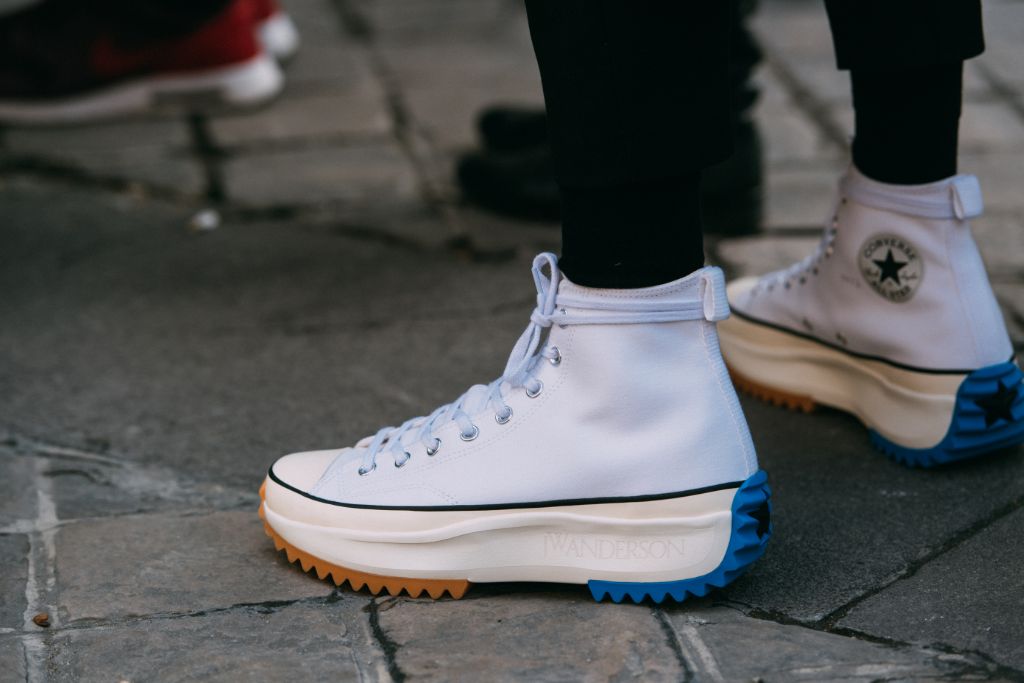
Nike acknowledged that its Jordan brand suffers from severe market oversupply, requiring the company to pull back retro releases and clear wholesale pipelines. That overhang mirrors broader softness in fashion sneakers, where demand for retro basketball silhouettes has cooled sharply across Asian metropolitan centers.
While North American sales rose 2 percent during the quarter, the rebound was not enough to offset declines in overseas territories. Nike’s core Air Force 1 franchise stabilized after several quarters of intentional volume cuts, but executives cautioned that sports apparel and lifestyle ranges remain under severe pressure.
To fix the pipeline, Nike is shifting resources away from direct-to-consumer lifestyle channels and redirecting budget into performance running, basketball and training gear. The pivot requires rebuilding wholesale ties with multi-brand sports retailers across Asia who lost access to top-tier allocations during Nike’s direct-selling push.
Restructuring Follows Repeated Timeline Shifts
Pace represents Nike’s third corporate restructuring effort since fiscal 2024. Previous initiatives, including the Win Now framework, failed to generate operating use as consumer demand slowed across Asia and Europe.
The group issued revised guidance warning that full-year revenues will fall in the high-single digits. Management conceded that corrective actions will depress wholesale shipments and retail margins through the remainder of the current fiscal year and into the next.
Work will now focus on establishing the Bengaluru technical campus and completing regional management appointments across the newly formed APGC unit ahead of the next fiscal reporting cycle.