Tag: corporate governance

  • Data Breaches Hit 16% of Japanese Companies in Teikoku Survey

    Data Breaches Hit 16% of Japanese Companies in Teikoku Survey

    More than 16 per cent of Japanese companies suffered or suspected data breaches from cyberattacks and staff mistakes, according to research by Teikoku Databank.

    Large enterprises took the heaviest blow, with 30.2 per cent reporting actual or potential incidents compared to 14.3 per cent among smaller businesses.

    Breakdown of Enterprise Exposure

    The survey gathered responses from 1,328 companies across Japan between October 4 and October 14. Human error accounted for a substantial share of exposure, led by misdirected outbound emails and staff answering spoof messages from impostors posing as commercial clients.

    Another 14.8 per cent of respondents stated they did not know whether a breach had taken place at all. That knowledge deficit points to undetected intrusions across corporate networks where monitoring tools remain thin.

    The Supply Chain Vulnerability

    Large corporations in Japan face immediate exposure through their downstream commercial networks. While major operators invest in defensive software, their reliance on smaller suppliers creates entry points that bypass perimeter controls.

    Tier-two and tier-three vendors handle billing details, inventory files, and customer records without equivalent safeguards. When large buyers demand stricter security compliance, smaller contractors often lack the budget to implement required protocols.

    Funding and Personnel Gaps

    Small enterprises struggle to compete for specialized IT workers and allocate capital for cybersecurity overhauls. Upgrading data infrastructure requires dedicated hardware and ongoing monitoring contracts that squeeze thin operating margins.

    Many smaller suppliers report receiving direct mandates from key corporate clients to upgrade defensive protocols. Without financial subsidies or direct technical assistance from those buyers, smaller firms remain unable to fill basic staffing gaps.

    Corporate Defense Pressures

    Japanese commercial groups have tightened vendor audit rules following repeated unauthorized access disclosures across consumer and corporate databases. Regulators have pressed firms to identify third-party vulnerabilities faster.

    Enterprise buyers now weigh whether to subsidize technical support for their vendor rosters or drop non-compliant suppliers before the next reporting cycle begins.


  • Carlsberg Malaysia Takes Seventh Consecutive Equity Return Award with 125.8% ROE

    Carlsberg Malaysia Takes Seventh Consecutive Equity Return Award with 125.8% ROE

    Carlsberg Brewery Malaysia Berhad won two honours at The Edge Billion Ringgit Club Awards 2026, logging a 125.8 per cent return on equity for 2025. This secured the Shah Alam brewer its seventh straight win for highest return on equity in consumer products and services.

    The company also took the corporate responsibility award for Bursa Malaysia listed firms with market capitalisations between RM1 billion and RM10 billion. Out of 1,060 listed companies, only 183 qualified for the club this year.

    Three-Year Capital Efficiency Numbers

    Rolling metrics for the award tracked performance from 2023 through 2025. Return on shareholders funds stood at 177.8 per cent in 2023, 134.3 per cent in 2024 and 125.8 per cent in 2025. These figures stem from tight working capital controls. They also reflect steady cash generation from Shah Alam brewing and distribution across Malaysia and Singapore.

    Holding equity returns above 120 per cent through input cost swings demands strict pricing and rapid inventory turns. Southeast Asian commercial brewers operate on thin margins. Regional tax structures and retail margins leave no room for operational bloat.

    Supply Chain Audits and Governance

    The governance award recognised an expanded responsible sourcing programme across third-party suppliers. This framework aligns procurement with Malaysia’s National Action Plan on Business and Human Rights 2025 to 2030. It also updates internal labour standards across regional vendors.

    Rating agencies responded with higher marks. MSCI ESG Ratings upgraded the Malaysian unit to AAA. Meanwhile, FTSE4Good Bursa Malaysia maintained its four-star rating on the stock.

    Regional Brewery Margins and Risks

    Consumer goods producers across Southeast Asia face a divided market. Premium beer lines protect margins in major cities. General retail spending, however, faces persistent caution. The slide in return on equity from 177.8 per cent in 2023 to 125.8 per cent in 2025 shows this pressure. Higher production overheads and currency shifts continue to squeeze regional returns.

    Competitors across the region face similar margin pressures. Heineken Malaysia and regional importers have turned to supply chain automation and selective price hikes to defend profitability. Primary operational risks centre on input costs and utility tariffs. Higher energy expenses can quickly erode factory margins if volume growth slows.

    Community Funding and Capital Outlays

    In community funding, the brewer’s Top Ten Charity Campaign passed RM600 million raised in 2025. The platform has supported more than 700 vernacular schools since its 1987 launch. It runs alongside the company’s broader sustainability programme.

    Managing director Stefano Clini indicated capital will flow into plant capabilities, brand lines and internal systems. Investors now turn to fourth-quarter volume figures and the interim dividend declaration to see whether returns stay above the 120 per cent threshold.

  • Average of 382 Minors Registered as Business Heads in South Korea

    Average of 382 Minors Registered as Business Heads in South Korea

    South Korean corporate registries listed an annual average of 382 minors as company heads between 2021 and 2025. The figure comes from National Health Insurance Service records released on Monday.

    Around 21 of those minor representatives drew annual salaries topping 100 million won ($72,200). That group included at least one child aged five or younger.

    Concentration in property and retail entities

    State health insurance data obtained by lawmaker Moon Jin-seok of the Democratic Party of Korea showed 1,909 total minor registrations over the five-year period. The total reflects workplace enrollments where minors were registered as executive representatives. Individual children may appear across multiple years.

    Older children formed the largest cohort. An average of 151 representatives were aged 11 to 15, while 129 were aged 16 to 18. Another 81 were aged six to 10, and 22 were aged five or younger. Among the 21 minors earning more than 100 million won each year, 12 were aged 11 to 15, six were aged 16 to 18, two were aged six to 10, and one was five or younger.

    Corporate filings reveal the listings sit almost entirely in asset-holding vehicles. Of the 100 highest-earning minors examined across the five years, 95 ran businesses in real estate, leasing and commercial services. Four operated in wholesale, retail and consumer repair. One ran a manufacturing business.

    Capital region dominates executive listings

    Seoul accounted for the vast majority of registrations, averaging 237 minor heads per year. Surrounding Gyeonggi Province logged 69. Incheon recorded 23, and the southern port city of Busan registered 19.

    These figures point to family-owned holding structures in metropolitan property markets rather than operating businesses run by young founders. Wealthy families in South Korea routinely establish corporate entities to hold commercial properties, retail shopfronts and land parcels to manage inheritance and gift tax exposure.

    Scrutiny over family income transfers

    Such practices complicate oversight for tax authorities and corporate regulators tracking intergenerational wealth transfers. Appointing non-working minor children as corporate representatives lets family offices distribute operational cash flow, salaries and corporate dividends across multiple tax brackets.

    Regulators across East Asia are checking whether nominal company heads perform actual management functions. For retail landlords and commercial property developers, dealing with entities fronted by underage representatives creates friction during contract execution, lease renewals and legal compliance filings.

    Calls for joint tax investigations

    Moon called on the National Tax Service and the NHIS to launch joint investigations into the practice. The inquiry would determine whether family-run corporations use representative registrations to disguise taxable gifts and shift parent earnings to children.

    Commercial law does not bar minors from holding corporate representative titles. Even so, tax regulators are weighing audits to test whether salaries paid to underage executives match bona fide operational duties.

  • PepsiCo Appoints Johnson & Johnson CEO Joaquin Duato to Board

    PepsiCo Appoints Johnson & Johnson CEO Joaquin Duato to Board

    PepsiCo has appointed Johnson & Johnson chairman and CEO Joaquin Duato to its board of directors and as an independent member of its audit committee, effective in December.

    Duato has spent more than three decades at Johnson & Johnson, stepping into the role of chief executive in 2022 before adding the chairmanship in 2023.

    Director Compensation and Audit Role

    Under PepsiCo’s non-employee director compensation program, Duato receives an initial grant of 1,000 shares of common stock upon taking his seat. The company will also award him a prorated annual equity package in phantom stock units valued at $166,667, calculated by dividing that sum by the stock’s closing price on December 1, 2026.

    Each phantom unit represents the economic equivalent of one share of common stock. Duato will also receive cash compensation for his board service, starting with a semi-annual retainer payment of $60,000 scheduled for distribution in June 2027.

    Three Decades of Operational Leadership

    Duato, 64, has spent his career navigating large-scale distribution, consumer health manufacturing and international supply chains. He joined Johnson & Johnson in 1989 and held multiple executive posts before taking the chief executive role in 2022 and adding the chairmanship in 2023.

    His previous responsibilities included serving as vice chairman of the executive committee and worldwide chairman of pharmaceuticals. Across those roles, Duato directed commercial portfolios that spanned consumer health, medical technologies and enterprise software deployment.

    Governance Focus for Packaged Goods

    Consumer goods manufacturers face tighter scrutiny over ingredient sourcing, functional nutrition claims and international compliance standards. Adding seasoned pharmaceutical leadership gives PepsiCo direct access to enterprise-level regulatory risk management as packaged food lines shift toward health-focused formulations.

    RetailNews Asia views the addition of dual-sector executive experience as a defensive step for consumer packaged goods boards. Large food companies are managing stricter packaging directives and retail price pushback across emerging markets, where audit committees must balance heavy capital spending on distribution networks against operating margin targets.

    Timeline and Next Steps

    The regulatory filing under Item 5.02 formalizes board appointments without requiring a shareholder vote prior to the standard annual meeting cycle. Duato joins a board overseeing global operations that generated tens of billions of dollars across beverage bottling and convenience food segments.

    His formal committee duties begin on December 1, 2026, with the initial cash retainer distribution following at the close of the second quarter in June 2027.

  • Tata Sons Reappoints Chairman N Chandrasekaran for Another 5 Years

    Tata Sons Reappoints Chairman N Chandrasekaran for Another 5 Years

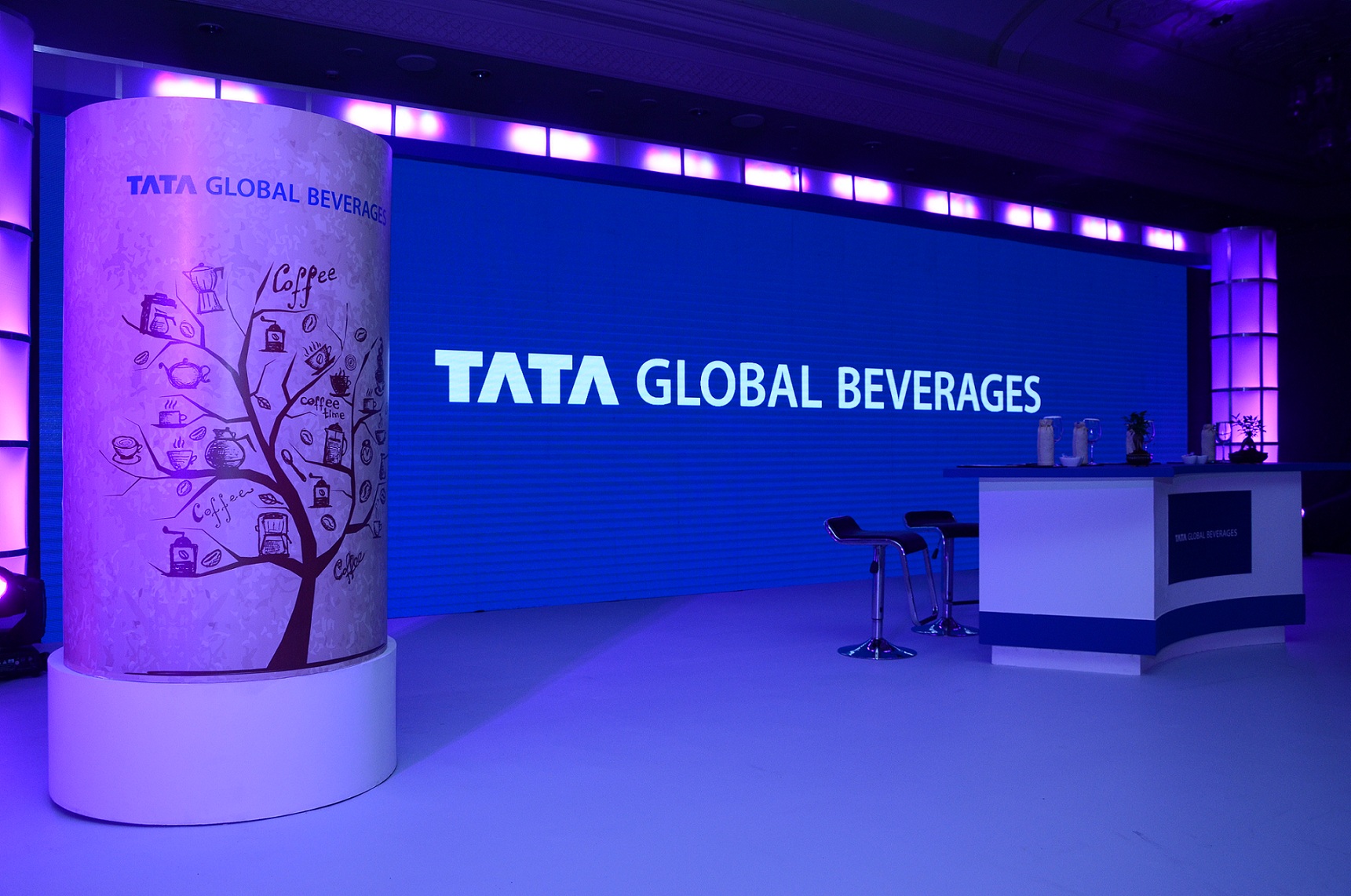
    N Chandrasekaran will continue as chairman of the Tata Group for another five years after the Tata Sons board approved his reappointment at a meeting in Mumbai on Thursday.

    His current five-year term is due to end in February 2027. The decision was among the key leadership changes across the retail and consumer ecosystem this week.

    Executive shifts spanned luxury lifestyle, FMCG, consumer electronics and e-tailing, including leadership appointments and departures at Da Milano, Epigamia, Samsung India and Practo.

    Boardroom Friction at Tata Sons

    The vote reveals an open split between the holding company board and Tata Trusts, which holds 66 per cent of Tata Sons. Noel Tata challenged the decision under the company’s Articles of Association. He argued chairman appointments require affirmative support from Trusts-nominated directors, submitting a legal opinion from former Chief Justice of India D Y Chandrachud.

    Chandrasekaran told the board on August 12 that he planned to step down when his term ends on February 20, 2027. On September 3, the Nomination and Remuneration Committee asked him to reconsider. That request led to the September 17 vote reversing his planned departure.

    Shareholders will take up the dispute next at the annual general meeting to vote on board seats. Investors in listed operating units, including Trent, Tata Consumer Products and Titan, face governance friction while the parent firm resolves its ownership alignment and mandatory listing path.

    New Leadership Across Retail and FMCG

    Executive suites across Indian retail also saw turnover this week. Luxury leather goods maker Da Milano Group appointed Piyush Singh as group chief executive officer. Singh will run brand expansion, store operations and direct-to-consumer digital channels.

    Packaged dairy brand Epigamia brought in two senior hires to support its national distribution drive. Mansi Modi joined as head of marketing, and Rahul Bhagat took over manufacturing operations.

    Both roles address supply chain and customer acquisition pressures in modern trade. Premium dairy and snack brands are battling consumer goods majors for shelf space across metro grocery chains.

    Shifts in Tech and Platform Management

    Samsung India lost its head of public affairs and ESG, Rajiv Aggarwal, who stepped down after nearly four years. He managed government relations and public policy across the South Korean firm’s Indian manufacturing and sales divisions.

    Digital health platform Practo split its top leadership roles. Founder Shashank ND moved to managing director and executive chairman. He handed daily operations to Jagnoor Singh, who rose from chief operating officer to chief executive officer on September 1.

    Under the new structure, Shashank focuses on capital strategy and corporate development. Singh oversees international markets and platform growth.

    What Operators and Investors Face Next

    Across the consumer sector, brands are tightening operations. Mid-tier lifestyle and food companies are recruiting functional specialists to fix unit economics. Tech platforms are separating governance from daily execution as they prepare for initial public offerings.

    For Tata Sons, the immediate test is whether directors can settle terms with Tata Trusts ahead of the shareholder meeting. That vote will fix the holding company’s management structure and determine the schedule for its stock exchange listing.

  • Tokyo Stock Exchange Delistings Set for Record High in 2026

    Tokyo Stock Exchange Delistings Set for Record High in 2026

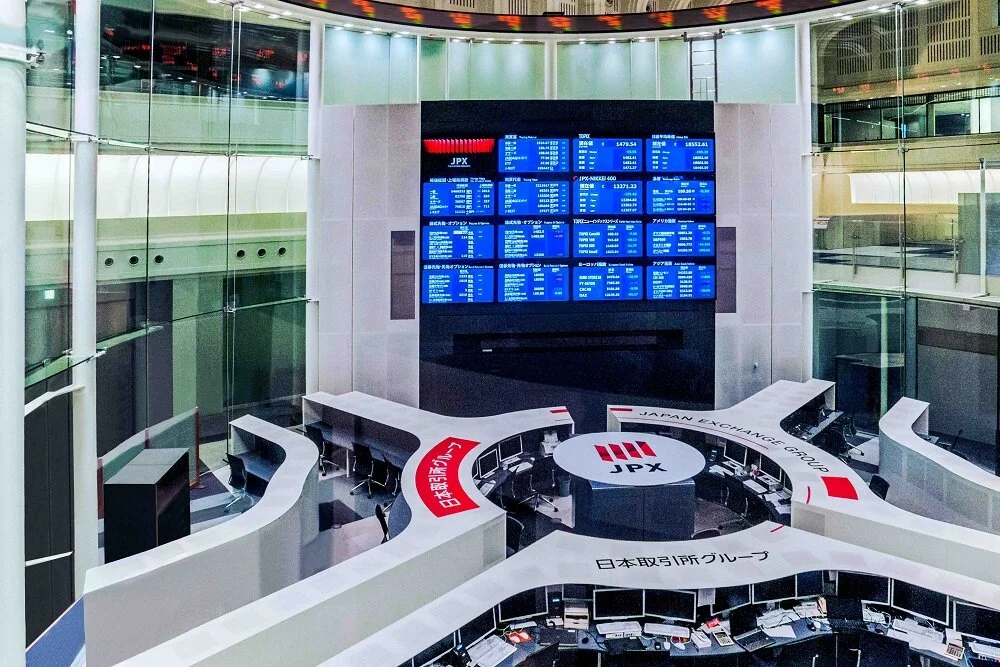
    A record number of companies will delist from the Tokyo Stock Exchange in 2026, marking the third consecutive year of peak departures from Japan’s main equity market.

    Departures stem from corporate buyouts alongside investment funds seeking to take firms private, combined with companies failing to satisfy stricter listing criteria across exchange segments.

    Tougher Criteria Squeeze Growth Names

    Stricter compliance thresholds have forced underperforming issuers to evaluate their public status. On the Tokyo Growth market, a majority of listed equities sit below required market capitalisation cutoffs as regulatory deadlines approach. Companies unable to reverse their valuations or generate sufficient trading liquidity face mandatory removal.

    At the same time, maintaining a listing carries heavier burdens. Rising domestic interest rates have increased the cost of capital for corporate borrowers, while Japan now ranks second globally in shareholder activism campaigns. Management teams face direct pressure from institutional investors to improve capital efficiency, leading smaller operators to conclude that public market scrutiny outweighs the benefits of an equity quote.

    Private Capital and Shifting Exits

    Private equity sponsors have moved quickly to absorb listed targets. Founders and management teams are teaming up with domestic and global buyout funds to execute management buyouts, taking operating businesses private to restructure away from quarterly earnings demands.

    For consumer, retail, and technology operators across Asia, this turnover alters how expansion capital is secured. Public equity is no longer an automatic default for mid-tier Japanese businesses. Instead, unlisted status gives boards latitude to cut unprofitable units, absorb logistics cost increases, and realign supply chains without continuous market valuation hits.

    New Channels for Unlisted Shares

    Japanese regulators have adjusted market infrastructure to accommodate this shift away from traditional public listings. Authorities greenlit a dedicated trading platform for unlisted shares, providing secondary liquidity for private companies and venture-backed entities that choose to bypass or exit the main exchange.

    The current delisting volume builds on two prior years of record departures following the Tokyo Stock Exchange’s comprehensive market restructuring in 2022. That overhaul replaced legacy trading sections with Prime, Standard, and Growth boards, setting concrete governance and liquidity minimums.

    Attention now turns to upcoming compliance deadlines for Growth market issuers sitting below capitalisation cutoffs, which will dictate the final delisting count before year-end.

  • Shein Heads to Hong Kong Listing as Dual-Class Shares Draw Scrutiny

    Shein Heads to Hong Kong Listing as Dual-Class Shares Draw Scrutiny

    Shein is preparing to list its shares in Hong Kong next month, five years after beginning its initial public offering push across Western exchanges.

    The online fast-fashion giant generated $41.8 billion in annual sales last year, but its listing filing shows four co-founders will retain 90 per cent of voting power through a dual-class share structure.

    Under that arrangement, class A shares carry 10 votes each compared to a single vote for class B shares. The founders hold 59.6 per cent of total equity without a fixed expiry on their voting control. Shein also combines the positions of chief executive and chairman, with its four founders occupying board seats while only three of seven directors are independent.

    Emissions and Supply Chain Audits

    Regulators in Europe and the United States continue active investigations into the retailer. The European Commission and the US Federal Trade Commission are examining its operations following prior penalties in France over discount pricing and in Italy over environmental marketing claims.

    Shein expanded its annual sustainability report to 118 pages last year, up from 28 pages in 2021, and formed an external advisory board to address oversight concerns. Audits graded 53 per cent of its suppliers in the top tier in 2025, an increase from 47 per cent in 2024.

    Environmental data filed by the company showed greenhouse gas emissions roughly double those of Zara parent Inditex in 2025. Inditex posted revenue of €39.9 billion ($46.54 billion) during the same period, while Shein churned out 4,700 new styles per day across a catalogue topping 2 million garments.

    Cross-Border Scrutiny Mounts

    Cross-border e-commerce platforms operating out of Asia face stiffening enforcement in Western markets. The European Commission recently levied fines of €550 million on Alibaba unit AliExpress and €200 million on PDD Holdings unit Temu over product compliance.

    For retailers across the region, Shein’s listing marks a shift away from New York and London toward Asian capital markets after political pushback. Yet the heavy concentration of founder control tests how institutional investors value ultra-fast supply chains against governance standards.

    The retailer now heads into investor roadshows ahead of the Hong Kong trading debut scheduled for next month.

  • KPMG Australia Cuts Almost 400 Jobs as Consulting Revenue Plunges 17 per Cent

    KPMG Australia Cuts Almost 400 Jobs as Consulting Revenue Plunges 17 per Cent

    KPMG Australia is eliminating 387 jobs across its consulting and business operations following steep declines in advisory demand and an ethics scandal. The reduction removes 360 employees and 27 partners, representing roughly 5 per cent of the firm’s national headcount.

    Annual revenue at the partnership fell 1 per cent in the twelve months through June, dragged down by a 17 per cent drop in consulting income. The retrenchments reflect both broader corporate spending pullbacks and internal turmoil surrounding allegations that staff misused confidential client information to win commercial contracts.

    Advisory Slowdown and Restructuring

    The firm confirmed on August 24 that it reviewed workforce requirements against persistent economic weakness and the fallout from conduct and whistleblower investigations. Management plans to consolidate several operational units to align local practices with KPMG’s global advisory structure.

    Demand for corporate advisory across Australia has cooled sharply over the past year as private enterprises and government departments curb discretionary spending. For major accounting partnerships, that pullback has exposed high overhead costs built during the post-pandemic consulting boom.

    Tighter Oversight for Big Four Firms

    Corporate clients across the region have tightened governance audits on external advisors following repeated conduct disclosures across the sector. Macquarie Group recently sought formal guarantees from KPMG that confidential banking data had not been compromised during tender processes.

    Canberra is drafting legislation to expand statutory oversight across the consulting sector, introducing steeper fines and enhanced investigatory powers. Australian lawmakers will review the proposed regulatory framework in upcoming parliamentary sessions.