Tag: corporate restructuring

  • Airports Corporation of Vietnam Cuts Nearly 3,700 Jobs This Year

    Airports Corporation of Vietnam Cuts Nearly 3,700 Jobs This Year

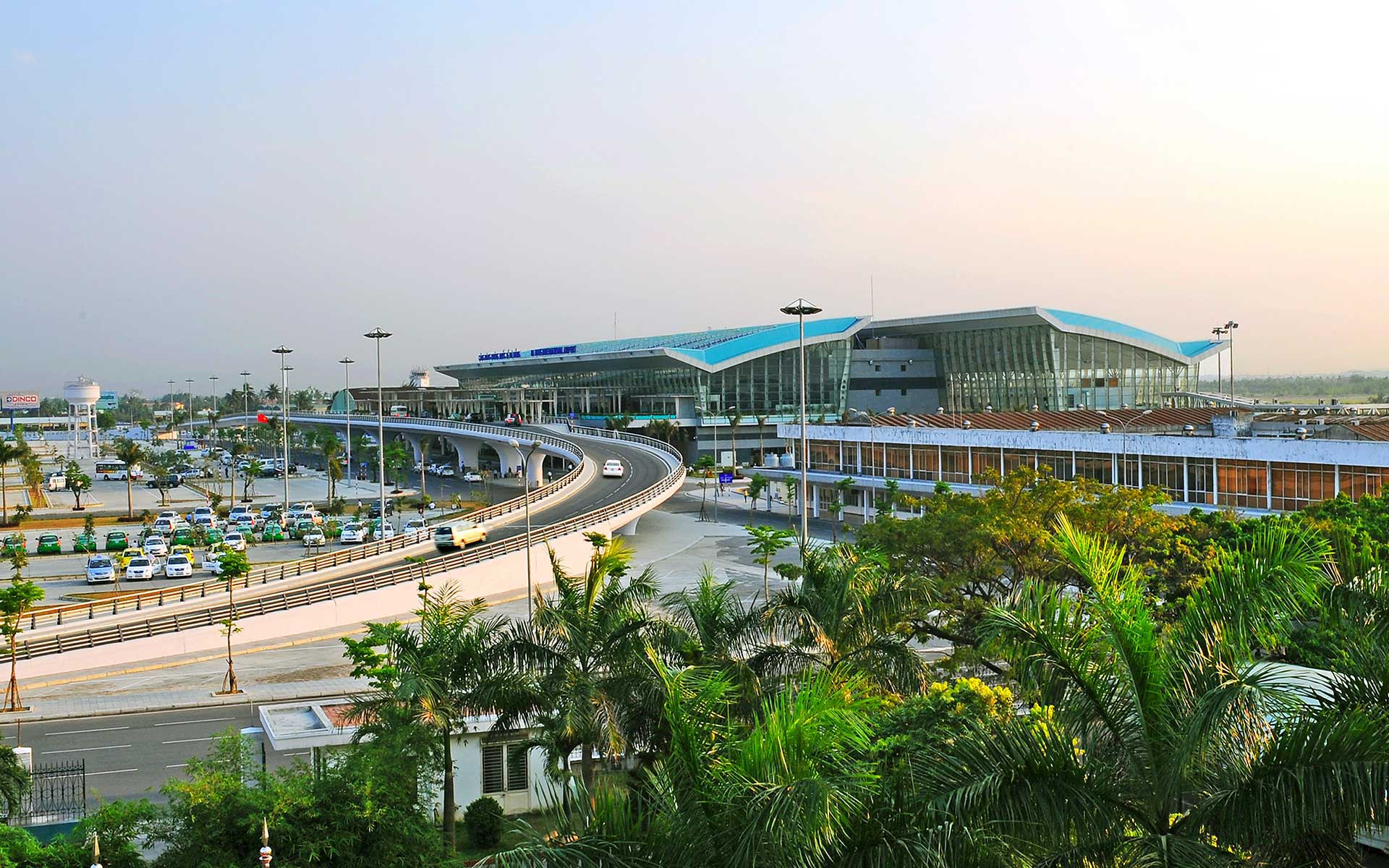
    Airports Corporation of Vietnam cut its workforce by 1,360 people in the third quarter, bringing total staff reductions this year to nearly 3,700. Financial statements show employee numbers dropped from over 10,800 at the start of the year to just over 7,110 at the end of September.

    Personnel payments totaled more than VND2.63 trillion (US$101.92 million) in the first nine months, down roughly 13 percent compared to the same period last year. The reduction marked a third consecutive quarter of payroll contraction, helping to lower operating expenses.

    The developer of Long Thanh International Airport restructured management earlier this year. An annual report published in April detailed that the company now maintains 12 departments under its board of directors and executive management, down from 17.

    Restructuring administrative tiers

    Management streamlining drove the bulk of the payroll reduction. In its annual corporate governance disclosures published in April, the state operator confirmed it collapsed its operational structure from 17 administrative departments down to 12 under the executive board. Leadership placed structural reorganization at the top of its governance priorities for the current fiscal cycle.

    The administrative overhaul reduced fixed corporate overhead during a heavy infrastructure capital expenditure cycle. The group kept nine-month revenue steady at more than VND19.22 trillion, matching its performance from the prior-year period. Pre-tax profit came in at nearly VND10.8 trillion, slipping marginally from a year earlier yet surpassing the company’s full-year profit target ahead of schedule.

    Mounting capital costs at Long Thanh

    Capital deployed into the southern transport corridor continues to climb rapidly. Cumulative construction expenditure on the first phase of Long Thanh International Airport reached nearly VND44.13 trillion by the end of September, rising 29 percent from the start of the year.

    Located in Dong Nai Province, the hub represents Vietnam’s largest aviation terminal development to date.

    Commercial implications for travel retail

    For concessionaires, airport retailers and transport operators, ACV’s leaner corporate structure signals tighter fiscal management as commercial tenders ramp up. Travel retail operators across Southeast Asia have eyed Long Thanh as the region’s most valuable emerging duty-free and terminal concessions prize. A smaller administrative hierarchy inside the master developer could speed commercial contracting decisions, yet it also concentrates operational authority into fewer oversight teams.

    The primary execution risk shifts toward ground operations and staffing readiness. Trimming thousands of personnel while preparing to commission a greenfield hub with complex baggage, screening and retail zones demands flawless handover execution. If operating staff levels are cut too close to the bone, opening-phase terminal logistics and duty-free passenger flows could face initial bottlenecks.

    From administrative reform to launch

    The workforce contraction represents the culmination of a multi-year mandate to streamline state-owned enterprises across Vietnam’s transport sector. Earlier quarterly filings showed progressive staff declines through the first half of the year as redundant administrative layers were dissolved across provincial facilities.

    Consolidating departments allowed the board to preserve operational margins even as domestic passenger growth normalized and construction billing peaked across southern job sites.

    Operations at Long Thanh International Airport are scheduled to launch at midnight on Dec. 24, starting with approximately 366 weekly flights including 322 domestic services.

  • Singapore Retrenchments Hit 4,800 in Third Quarter of 2026

    Singapore Retrenchments Hit 4,800 in Third Quarter of 2026

    Retrenchments in Singapore rose to 4,800 in the third quarter of 2026, reaching their highest level since late 2020 as business reorganizations spread across outward-oriented sectors.

    Data released by the ministry in its labor market report on Friday showed layoffs climbed from 4,620 in the second quarter. The tally between July and September 2026 represents the largest volume of job cuts since 5,640 redundancies were recorded in the fourth quarter of 2020 during the COVID pandemic.

    Total employment nevertheless grew by 27,700 during the quarter, accelerating from 11,400 additions in the second quarter and 25,100 a year earlier.

    Corporate Restructuring Drives Redundancies

    Official labor market data released on Friday shows that the rise in job cuts stemmed primarily from ongoing business reorganizations. Redundancies stayed elevated across outward-oriented segments, where firms face softer international demand and elevated operational overheads.

    Total employment still expanded by 27,700 workers between July and September. That expansion exceeded the 11,400 positions added in the second quarter and outpaced the 25,100 roles created in the third quarter of 2025, revealing a split between aggressive workforce additions in select services and sharp downsizing elsewhere.

    Unemployment Ticks Higher for Residents

    The city’s headline unemployment rate held at 2.0 per cent in September. Beneath that headline stability, local job conditions softened slightly.

    Resident unemployment climbed to 3.0 per cent from 2.9 per cent in August, while the citizen unemployment rate reached 3.1 per cent compared with 3.0 per cent in the prior month. After 2020, tighter labor supplies and foreign worker departures had constrained headcount across commercial sectors, but corporate cost controls are now eroding that buffer.

    Pressure on Retail and Discretionary Demand

    Rising layoffs in regional headquarters and outward-facing operations pose direct risks for consumer-facing businesses across the island. Retailers, food and beverage groups, and mall operators rely heavily on resident purchasing power and corporate entertainment budgets to sustain prime mall rents.

    When corporate restructuring removes higher-income corporate roles, mid-tier hospitality and discretionary retail feel the pinch first. Store networks navigating steep utility bills and high store leases will face tighter margins if local foot traffic reins in non-essential outlays.

    Hiring Intentions and Outlook

    The ministry warned that corporate caution is bleeding into early planning for the final stretch of the year. Company projections indicate that retrenchment activity will not ease immediately.

    “While the labor market continued to expand, retrenchments remained elevated and, together with higher intentions to retrench, point to emerging weaknesses in parts of the labor market that warrant close monitoring,” the ministry said.

    The share of employers expecting to lay off staff over the coming three months rose to 3.1 per cent from 2.8 per cent in the prior survey, setting an unsettled tone for fourth-quarter commerce.

  • Former Bamboo Airways Chairman Barred from Leaving Vietnam over $1.7M Tax Debt

    Former Bamboo Airways Chairman Barred from Leaving Vietnam over $1.7M Tax Debt

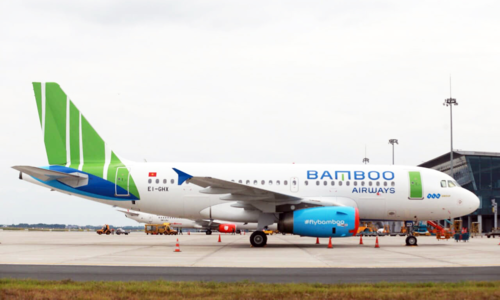
    Vietnamese immigration authorities have barred former Bamboo Airways chairman Le Thai Sam from leaving the country over VND44.06 billion ($1.7 million) in unpaid corporate taxes.

    The restriction follows a formal request submitted on Sept. 3 by the tax department in Gia Lai province, where the airline accumulated the arrears. Officials confirmed the travel ban applies to Sam directly as the carrier’s beneficial owner.

    Under Vietnamese regulations, authorities define a beneficial owner as an individual who directly or indirectly controls at least 25 per cent of a company’s voting shares or charter capital. Provincial tax officers stated that the exit ban will remain in effect until Bamboo Airways settles the entire outstanding balance through the National Public Service Portal.

    Leadership Shifts and Ownership Transfers

    Sam joined the private carrier in 2022 and built up a controlling stake to become its largest individual shareholder. He took over as chairman from July 2023 to February 2024 before shifting to the role of standing vice chairman.

    A brief return to the chairmanship in August 2025 ended after about a month, when his investor consortium transferred the carrier back to property developer FLC Group. Sam stated at the time that the managerial and capital demands of running the airline had outstripped his group’s financial capacity, though he pledged to remain accountable for operations during the restructuring phase.

    Sam vacated the chairman role in mid-November 2025 while retaining his seat on the board of directors. He also remains general director and legal representative of Viet Bamboo Airways Cargo JSC and several related entities.

    Turbulence in Private Aviation

    Aviation operators across Southeast Asia continue to grapple with heavy debt loads and fleet restructuring following years of market volatility. Vietnamese tax regulators have increasingly turned to personal travel bans against corporate representatives to force prompt settlements on unpaid fiscal liabilities.

    FLC Group is working to stabilise Bamboo Airways’ domestic flight schedules as the carrier resolves legacy tax debts with provincial authorities.